A federal judge on Thursday paused the Trump administration's designation of Anthropic as a supply chain risk, marking an early legal victory for the embattled company.
Why it matters: Anthropic argued that the designation was causing immediate and irreparable harm as business partners rethink their contracts and federal agencies remove Claude.
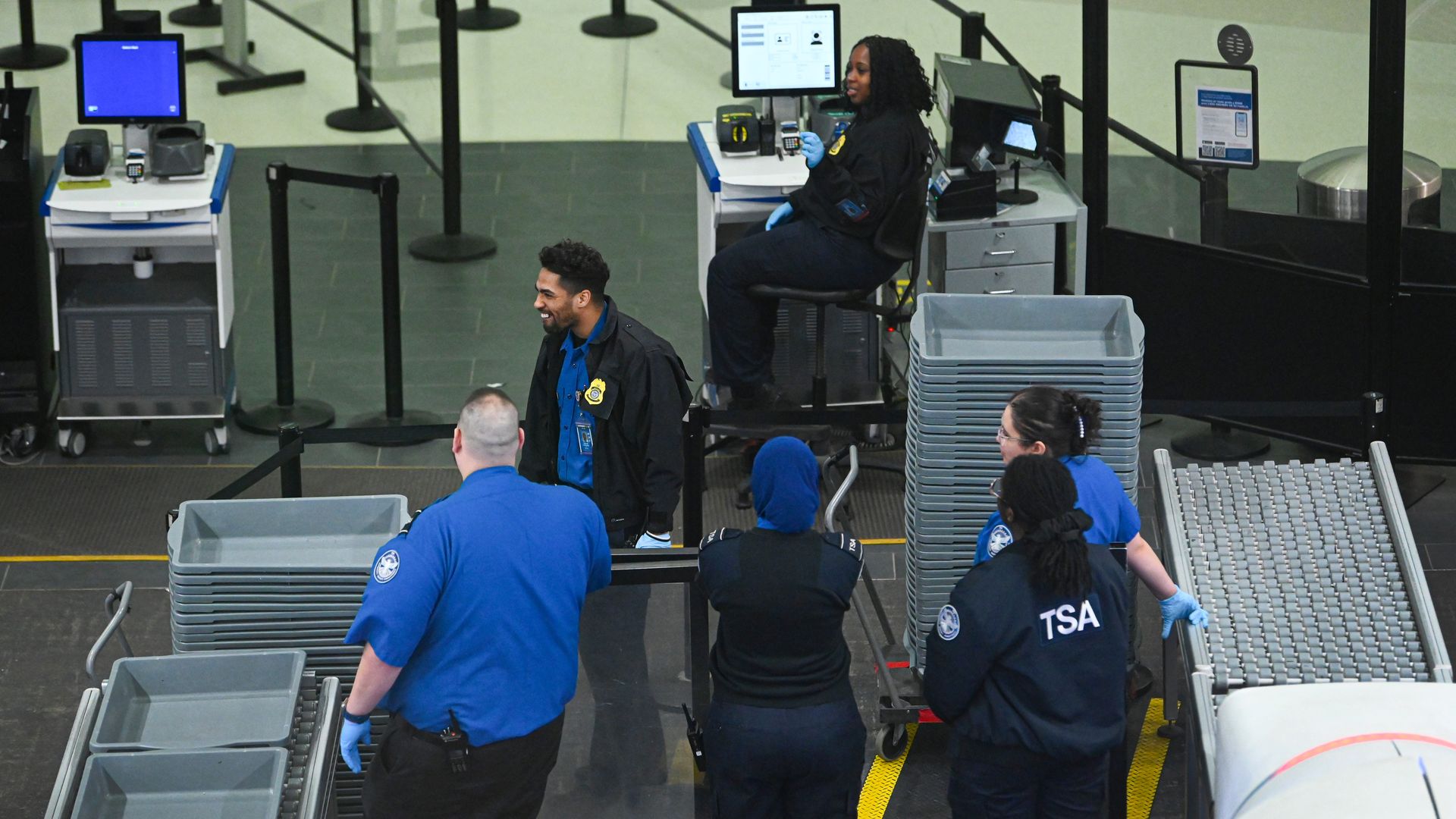
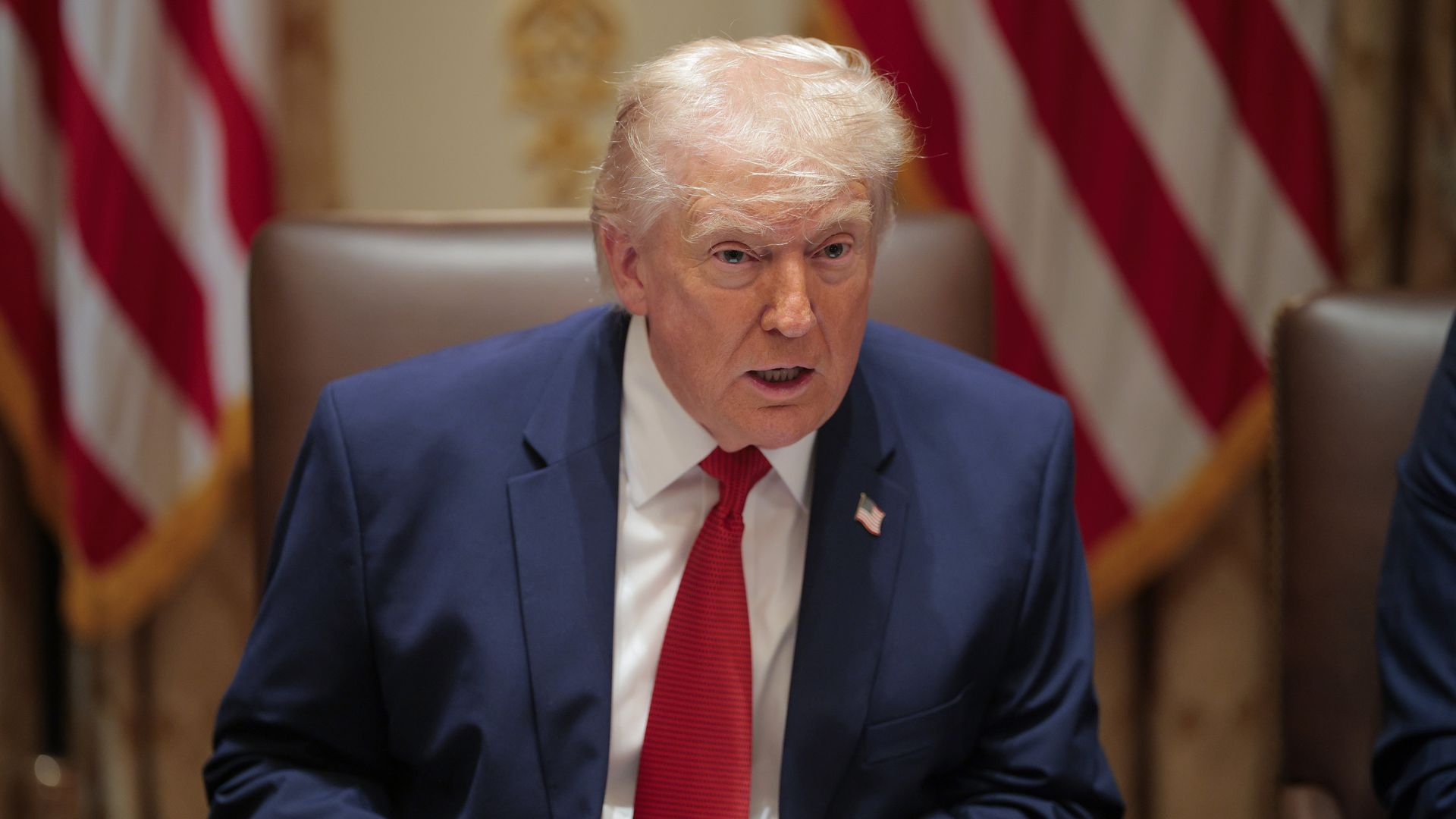
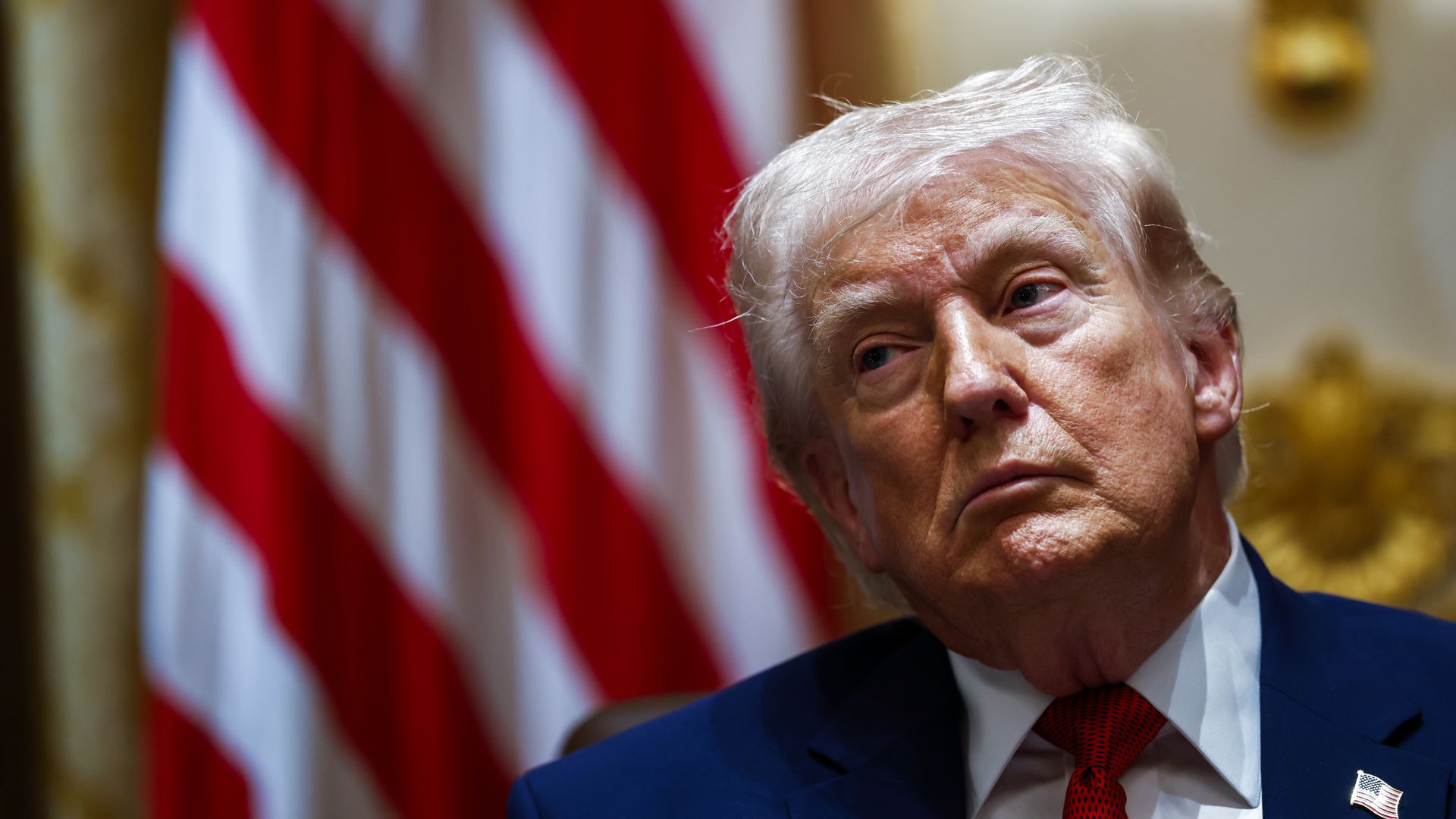
President Trump announced Thursday that he would sign an order to circumvent Congress and restore pay for TSA workers.
Why it matters: The maneuver could help ease widespread delays and disruptions at U.S. airports that have threatened to raise voter ire. It also undermines efforts to strike a deal in the Senate to end the DHS shutdown, now well into its second month.
Crypto investors will soon have a new path to home financing, as Better Home & Finance and Coinbase today introduced a new product tied to Fannie Mae-backed mortgages.
Why it matters: The move is the latest sign of crypto pushing further into mainstream finance — and shows how digital assets are beginning to plug into traditional systems like the U.S. mortgage market.
HOUSTON — Several top energy executives and a federal regulator had a message Thursday for Americans angry about soaring electricity bills: Help is on the way.
Why it matters: The cost of electricity — which has spiked across much of the country over the past year — has become a top-tier political issue, with Democrats making it a focus of their affordability push.
President Trump extended the deadline for negotiations with Iran and paused his threat to bomb Iranian energy facilities by another 10 days.
Why it matters: The Trump administration through a group of mediators, Pakistan, Egypt and Turkey, has asked Tehran to hold a high-level meeting this week to discuss a U.S. proposal for ending the war.
The Middle East conflict wiped out what would have been a modest upgrade to global growth and a stable inflation picture.
That has been replaced with a fresh warning about soaring energy costs and U.S. prices, which are projected to run far hotter than expected.
Why it matters: What was a more manageable inflation story now looks like a pressure test for central banks that may need to raise interest rates — or hold off on further cuts — even as growth weakens.
Kevin Warsh, President Trump's nomineeto lead the Federal Reserve, has said repeatedly that he wants the central bank to have a smaller imprint on financial markets. Doing so will be easier said than done.
The big picture: That is the upshot of new research being presented Thursday by Stanford economist Darrell Duffie. He gives a menu of options for how the Fed could shrink its $6.7 trillion balance sheet.
The good news for Warsh is that it's plausible to accomplish balance sheet shrinkage without major disruption to money markets. The bad news is that it involves complexity and trade-offs.
As the Company Formerly Known as Twitter prepares to go public, its former CEO is raising money for a very different venture.
Driving the news: eMed, an employee telehealth company led by Linda Yaccarino, this morning announced $200 million in new funding at a post-money valuation north of $2 billion.
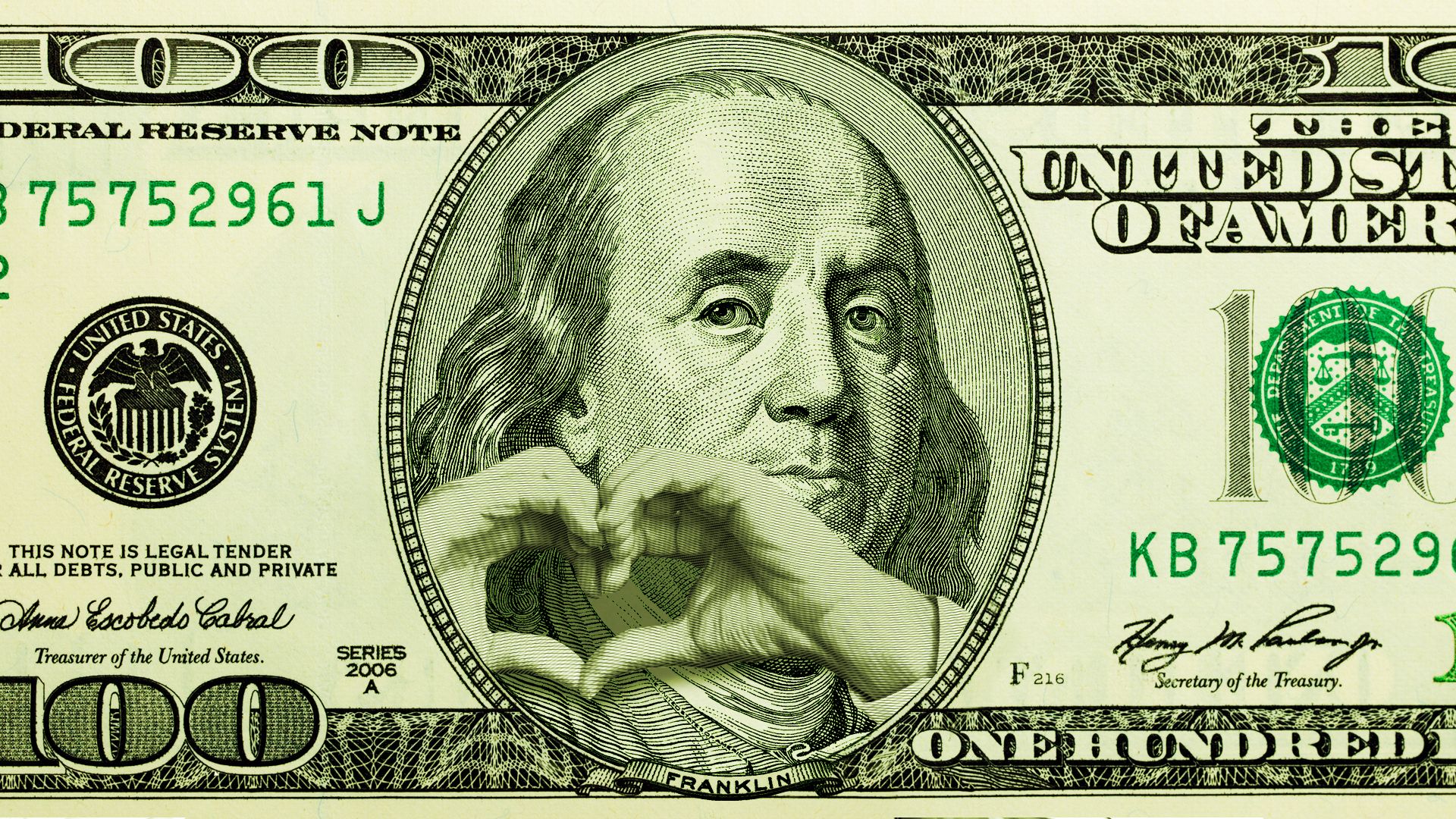
At a Senate hearing earlier this month, economist Martha Gimbel compared a wonky thing, the U.S. Treasury market, to something very relatable, a Hallmark rom-com.
Why it matters: She hit at the essence of what's confounding experts in government debt:
Why haven't bond investors penalized the U.S. for its erratic policymaking and weakening institutions by meaningfully driving up the country's borrowing costs?
The big picture: Gimbel and other experts believe that the answer is that there's not yet a good alternative to the enormous market for Treasurys, so investors stick with the "cleanest dirty shirt."
"People think that U.S. Treasurys are the only large safe asset, so people are still buying them," Ugo Panizza, an economist and director of the International Center for Monetary and Banking Studies, told Axios earlier this year.
The U.S. is "currently the boyfriend at the beginning of the Hallmark movie in the big city, where the girlfriend is still going out with him, even though she knows that it's wrong," Gimbel, executive director of the Yale Budget Lab, put it.
"But at some point, it, she's going to go home to the small town and find the nice firefighter and realize that there's another option."
"And we don't know when that will happen."
Between the lines: Metaphors are good for getting people's attention on issues that are hard to grasp.
Gimbel even got a laugh out of the room — no small feat at a hearing before the Senate Subcommittee on Fiscal Responsibility and Economic Growth.
What to watch: If investors ever find a better option than Treasurys, that would be a huge problem given that we are borrowing a lot of money right now.
The latest: The energy shock driven by the Iran war has helped drive up the yields on U.S. debt.
The MOVE Index, which tracks volatility in the Treasury market, is spiking above its 52-week average — as it has during other moments of economic shock.
"Investors' concerns include an unsustainable American fiscal position, rising inflation risk and a growing uncertainty about war," RSM chief economist Joseph Brusuelas wrote in a note Wednesday.
Data: Bloomberg via RSM US; Chart: Emily Peck/Axios
How it works: There are reasons for investors to be wary of buying sovereign debt.
Governments are hard to sue, and it's difficult to enforce your claims against them.
"They can do things that private companies can't, like pass laws and inflate their currencies," Panizza and University of Virginia international law professor Mitu Gulati explained in a piece for Reuters last summer.
Zoom out: That's why the countries that attract the most investors are the trustworthy ones with strong institutions. They are rewarded with lower borrowing costs.
17th-century England is the textbook example. It was able to borrow more because it had effective institutions that checked the king's temptations, per a well-known paper from 1989.
This helped the country become a superpower.
What they're saying: The U.S. is still considered exceptional among investors, says Layna Mosley, a professor of politics and international affairs who directs the Princeton Sovereign Finance Lab.
The bottom line: Investors still see the U.S. as the safest bet around, but if ever a new hometown hottie materializes — watch out.
Starbucks is leaning on protein to help drive customer traffic — and new data shared with Axios shows demand peaking Friday mornings.
Why it matters:Protein coffee and drinks are emerging as a key part of Starbucks' turnaround — driving people to try new products and make repeat visits, as demand grows for quick, functional options.
The average annual bonus on Wall Street last year was $246,900, up 6% from 2024, according to data out Thursday morning from the New York state comptroller's office.
Why it matters: Higher bonuses are a sign that finance had a good year — the market turmoil and uncertainty caused by the Trump administration's tariffs only helped boost business across Wall Street trading desks.