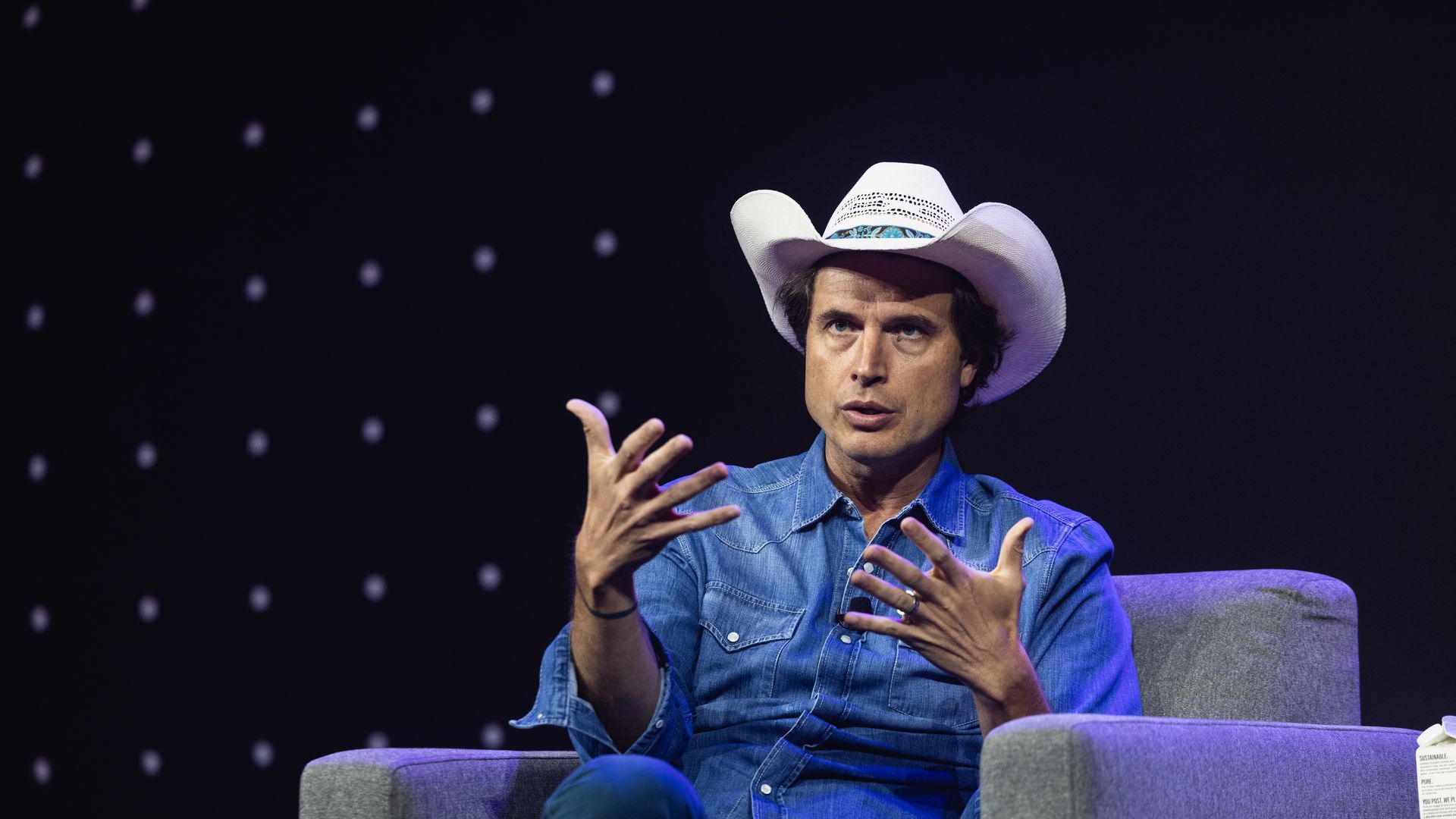
Why it matters: The Musk family is making their feelings very publicly known on the president's signature policy — the widest chasm yet between Trump and his "first buddy."
A tariff-fueled stock market decline over the last few days has stoked "Black Monday" fears among nervous investors.
The big picture: The comparison is mostly overblown. The S&P 500's 11% decline over the last three sessions, while steep, is nothing like the uncontrolled crash that roiled markets 37 years ago.
The smell of desperation is wafting through the markets as investors seek reasons for hope amid a self-inflicted downturn.
A mixed trading session for stocks with minor losses in the S&P 500 don't tell the story of today's stomach-churning rollercoaster.
Follow the money: Stocks were mostly 2% to 4% lower this morning as economic fears continue to mushroom over the impact of the higher duties.
Then a headline rippled through the market saying Trump could pause most April 9 tariffs, which sent stocks skyrocketing in a historic, albeit vanishingly brief, rally. (The report was quickly deemed an erroneous interpretation of a comment from National Economic Council director Kevin Hassett.)
Stocks swung dramatically Monday after a false report that the White House would pause most of President Trump's tariffs for 90 days.
Why it matters: The report caused a wild 8% swing in about 30 minutes that has little precedent in market history, moving potentially trillions of dollars in assets — a clear sign of how desperate people are for any sign of relief from Trump's looming tariff regime.
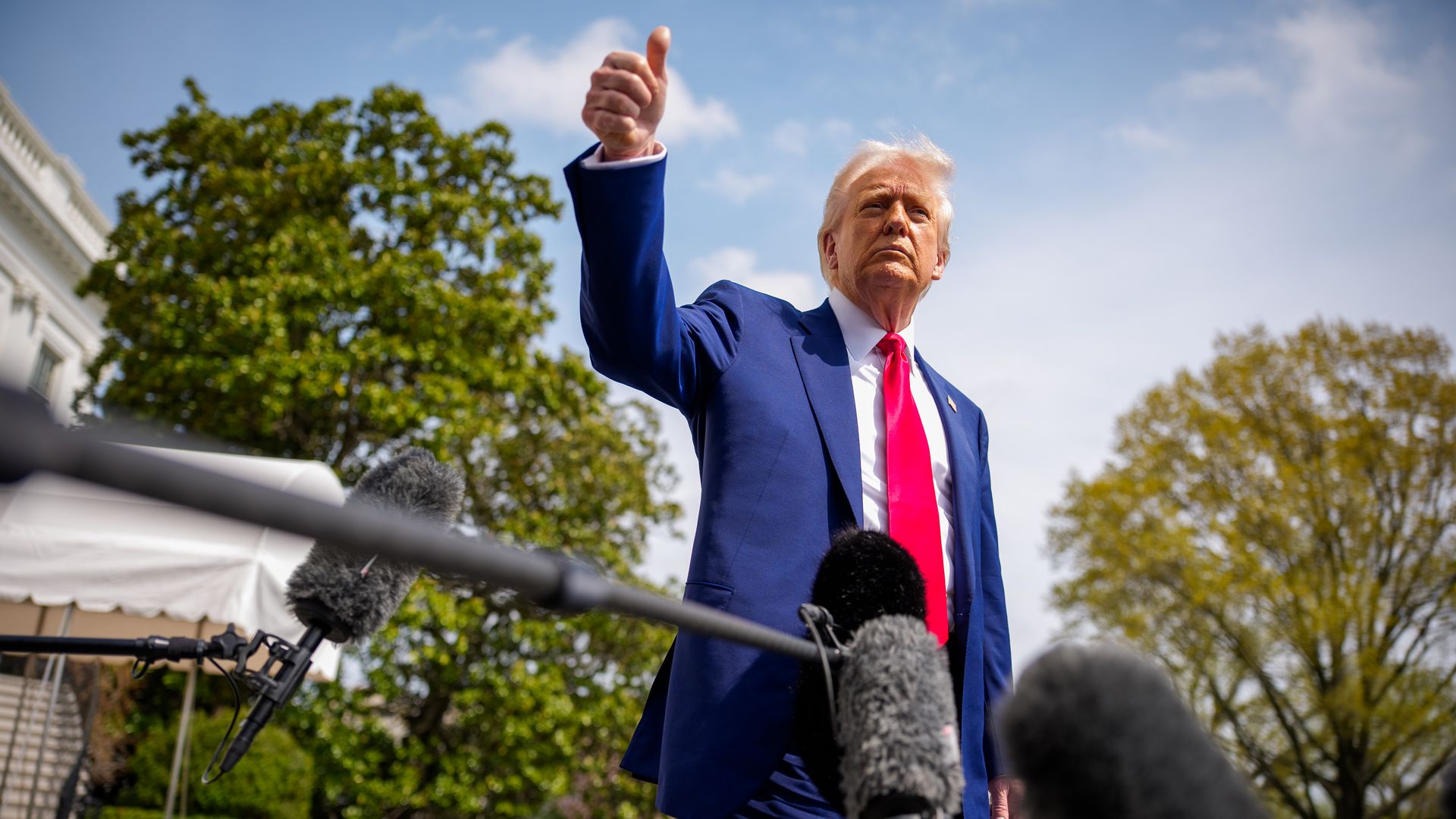
President Trump on Monday threatened to impose an extra 50% tariff on China, but opened the door to talks with other nations on a path to lowering their import levies.
Why it matters: The administration's steadfast message in recent days has been that the tariffs were coming and there was no way out.
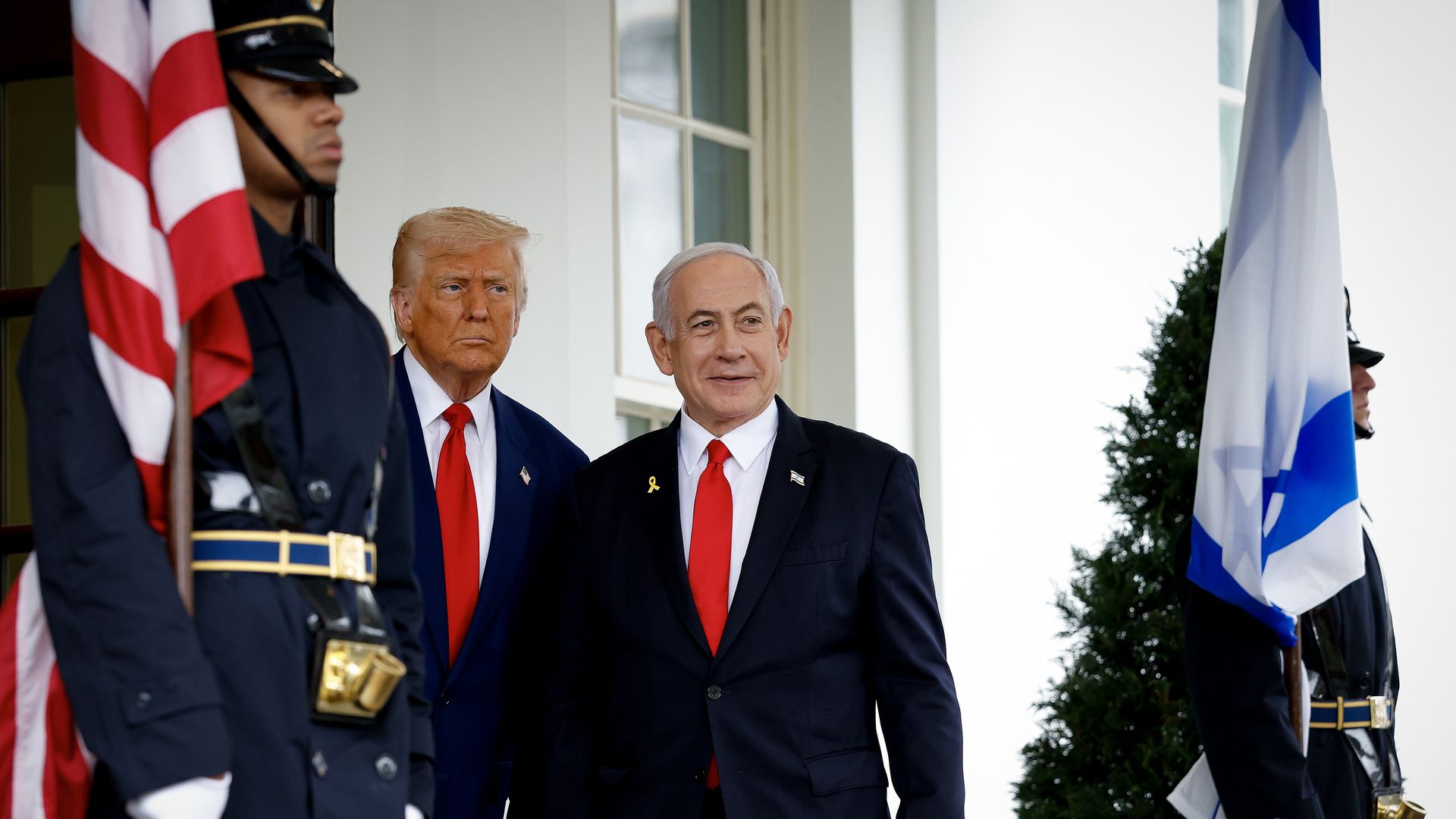
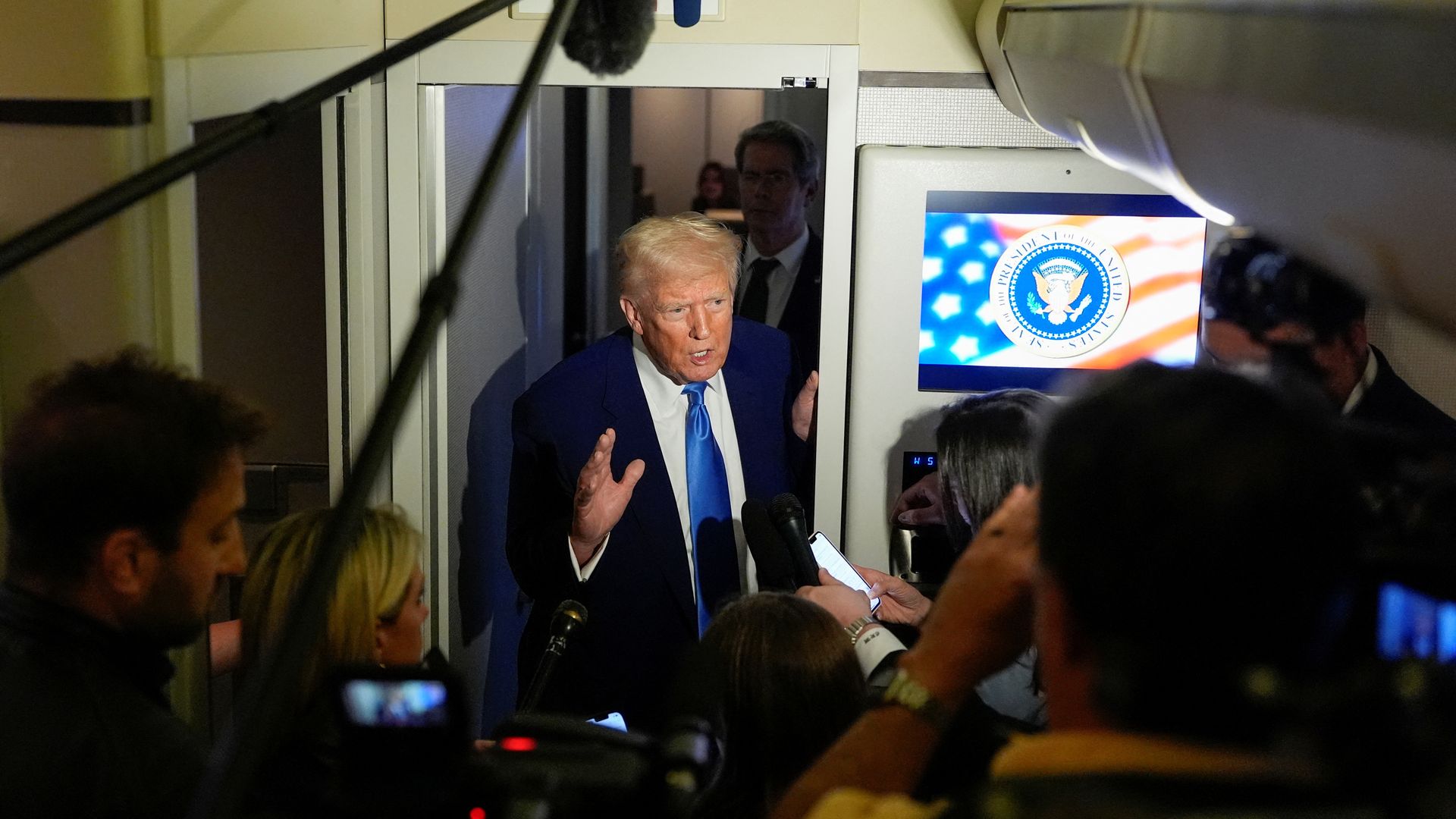
President Trump told reporters during a visit with Israeli Prime Minister Benjamin Netanyahu on Monday that he had not decided whether to reduce the 17% tariffs he announced on Israel last week.
Why it matters: Netanyahu was the first foreign leader to meet Trump after he launched the global tariff regime, and the meeting was closely watched by investors and other foreign governments for signs of just how flexible the president was willing to be. So far, there's no sign of a deal.
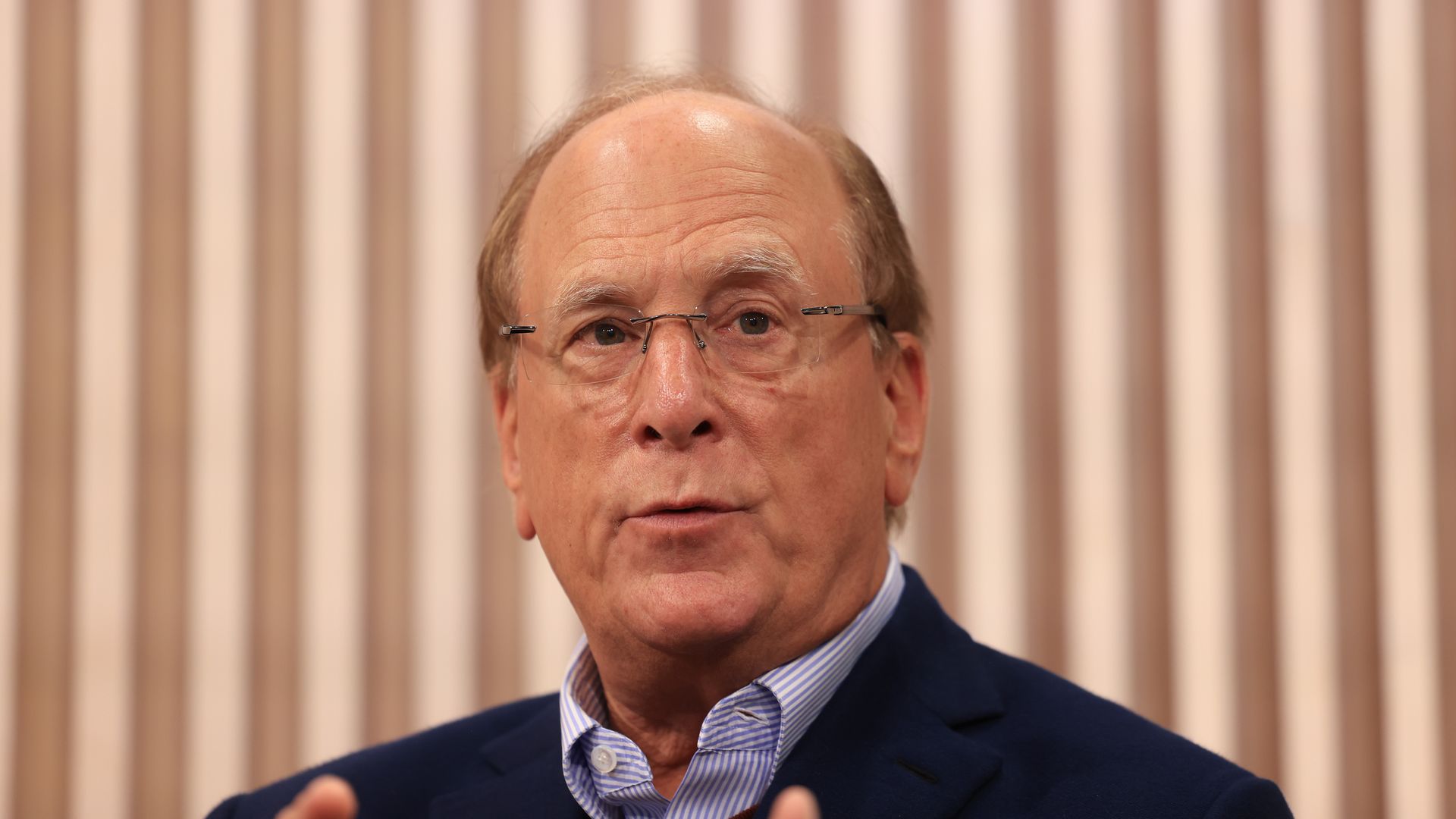
BlackRock CEO Larry Fink warned on Monday that most chief executives would say the U.S. economy is currently in a recession.
Why it matters: Fink, who has extensive CEO contacts as head of the world's largest asset manager, is the latest billionaire to acknowledge the risks of economic turmoil from President Trump's trade wars.
President Trump would veto a bill introduced by Sens. Maria Cantwell (D-Wash.) and Chuck Grassley (R-Iowa) that would limit the president's authority to unilaterally impose tariffs, according to a White House statement seen by Axios.
Why it matters: In the midst of a potential trade war, Trump wants to ensure that the president retains full authority to tariff products entering America.
Just nine days ago, we wrote about the signs pointing to an imminent stagflation. It's time to revise that outlook; now, a plain ol' recession looks more likely.
The big picture: The shifts in global markets since President Trump's tariff announcement last Wednesday carry the unmistakable signs of a looming downdraft in economic activity that would bring inflation, interest rates, and job market conditions with it.
The most stunning part of the CaaStle fraud allegations isn't that a huckster CEO burned through $530 million, or that she appears to have forged years of financial disclosures. It's that the company's board let her stay in charge after finding out — and took months to warn investors.
What follows is based on research and conversations with numerous sources:
The whistleblower: Late last year,Jed Lenzner got some numbers from CaaStle that raised his eyebrows. So he eventually rang up the listed auditor, BDO.
Wall Street titans, including some of President Trump's wealthy allies, are publicly urging caution as the president's historic tariffs tank stock markets globally.
The big picture: The administration is plowing forward with its sweeping tariffs despite warnings from economists and MAGA-friendly CEOs that the levies will fire inflation and hinder growth, setting the stage for a recession.
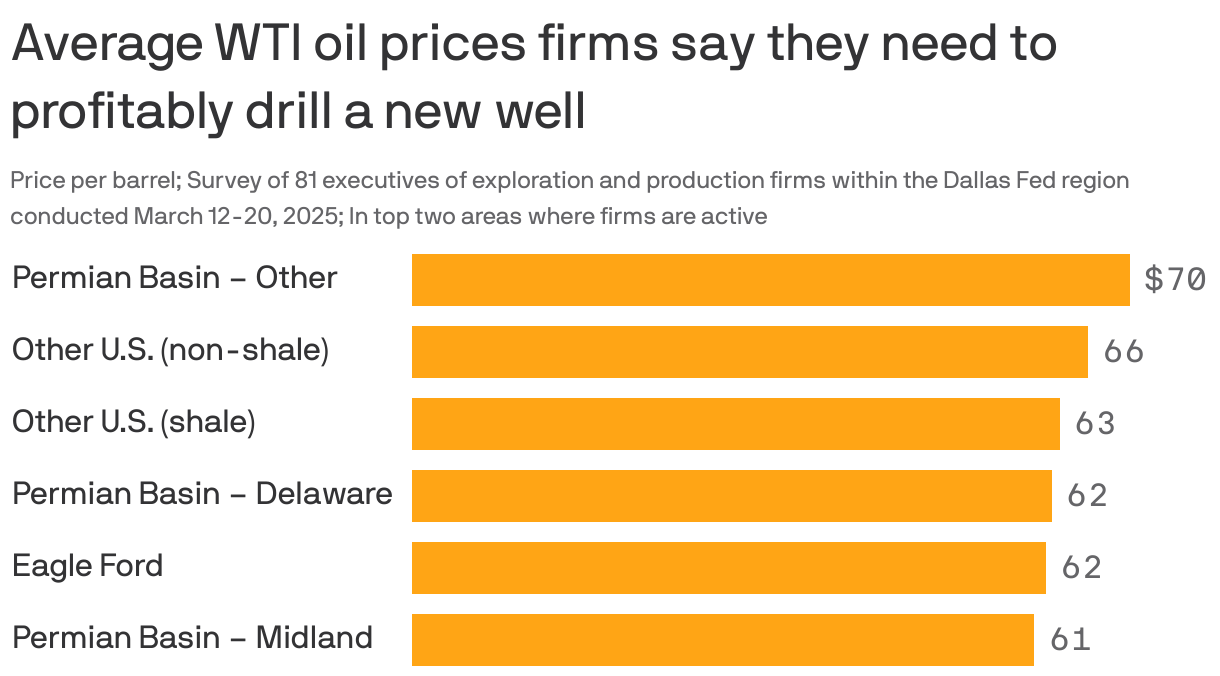
Data: Federal Reserve Bank of Dallas; Chart: Axios Visuals
This chart helps explain why a prolonged trade war could slow or even halt U.S. oil production growth despite President Trump's goal of juicing output.
Why it matters: U.S. prices have fallen to levels where producers can no longer profitably drill new wells in major regions, per the latest Dallas Fed corporate survey.
With markets nosediving across the globe, President Trump played golf, raised money for MAGA and dug in deep on his tariff plans, after warning Americans to buckle up.
"THIS IS AN ECONOMIC REVOLUTION, AND WE WILL WIN," he said on Truth Social on Saturday. "HANG TOUGH, it won't be easy, but the end result will be historic."
Why it matters: For one of the first times in his career, Trump seems more bent on making a point than making a deal. He's confident nations will bend to his will, just as universities and law firms have.
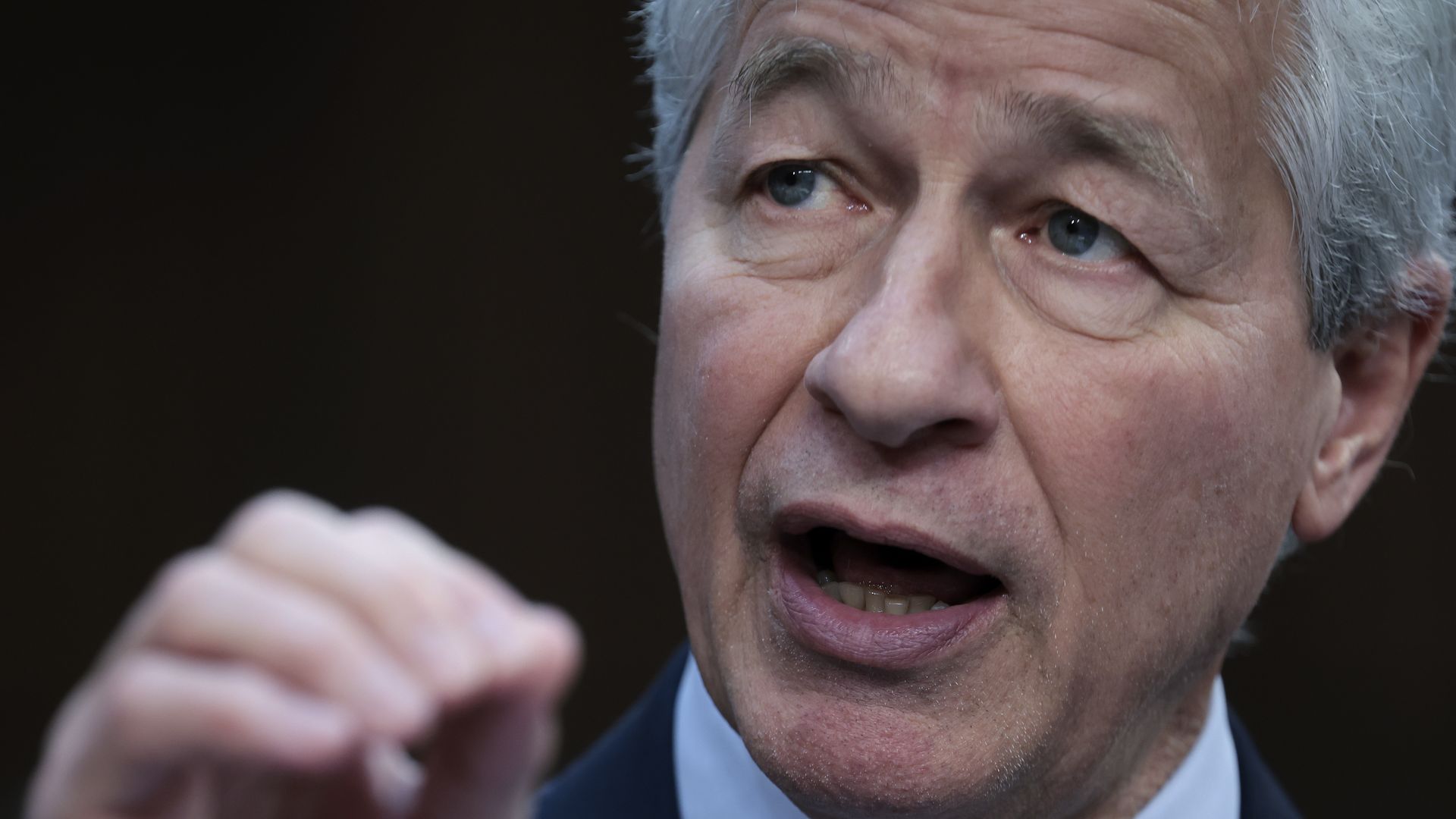
The U.S. economy was already weakening before President Trump's sweeping new tariffs, and those levies will now fuel inflation and slow growth, JPMorgan Chase CEO Jamie Dimon says in his annual letter Monday.
Why it matters: Dimon, for decades one of the most powerful figures in global finance, offered his views not in a vacuum, but in the midst of a global market crisis sparked by the new import tax regime.
When sky-high inflation pummeled Americans in 2022, the labor market was booming and wages were rising, softening the blow.
Now we're in a more vulnerable place.
Why it matters: With economists expecting tariffs to drive inflation, at least in the short-term, the concern is wages won't keep up, leading to lower incomes and real pain for many.
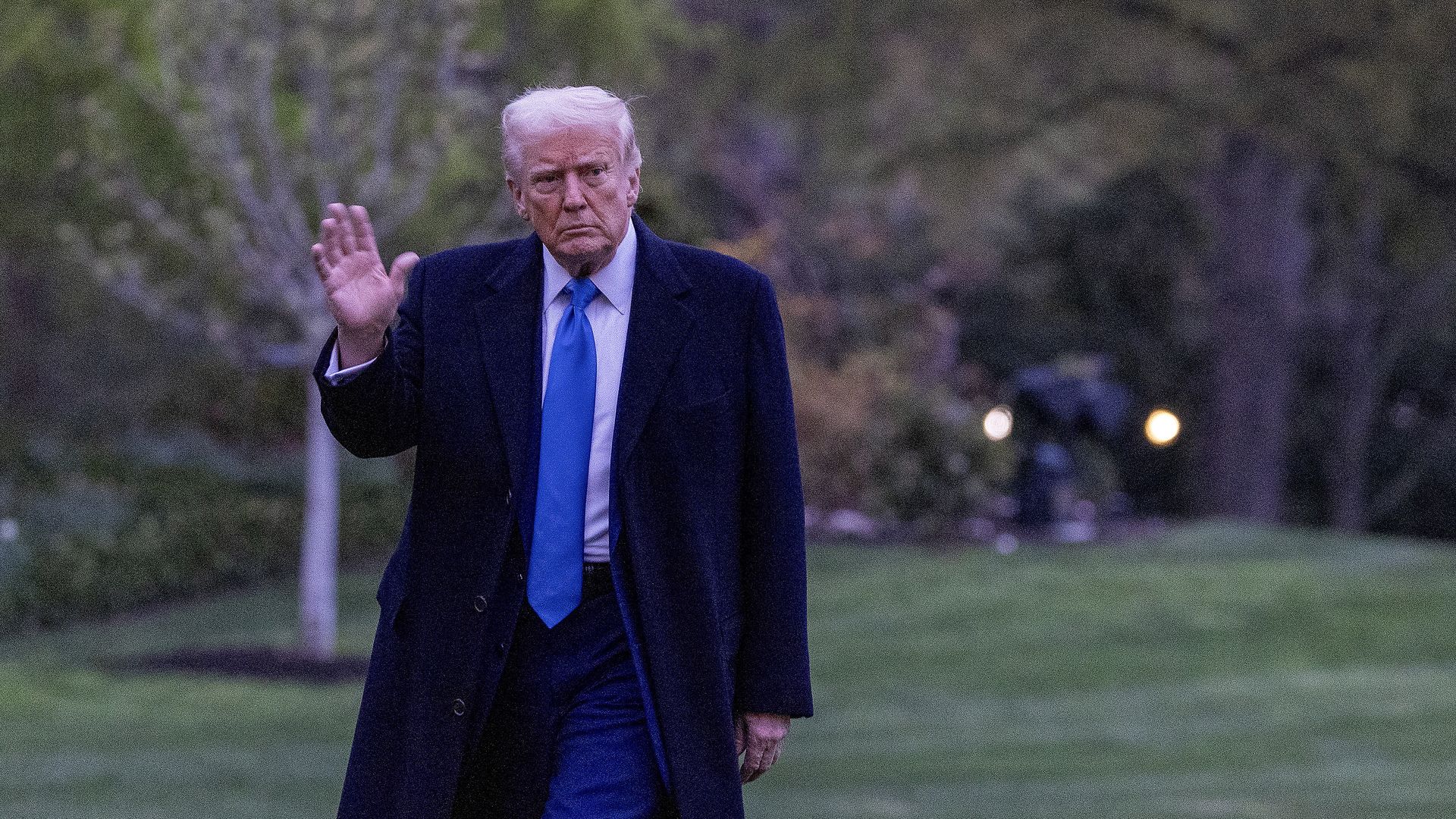
President Trump on Sunday denied engineering a stock market sell-off, and likened the pain of re-ordering the global economy to taking medicine for an illness.
Why it matters: After plunging Thursday and Friday, global markets sank even further Sunday night, threatening one of the worst three-day routs in history.