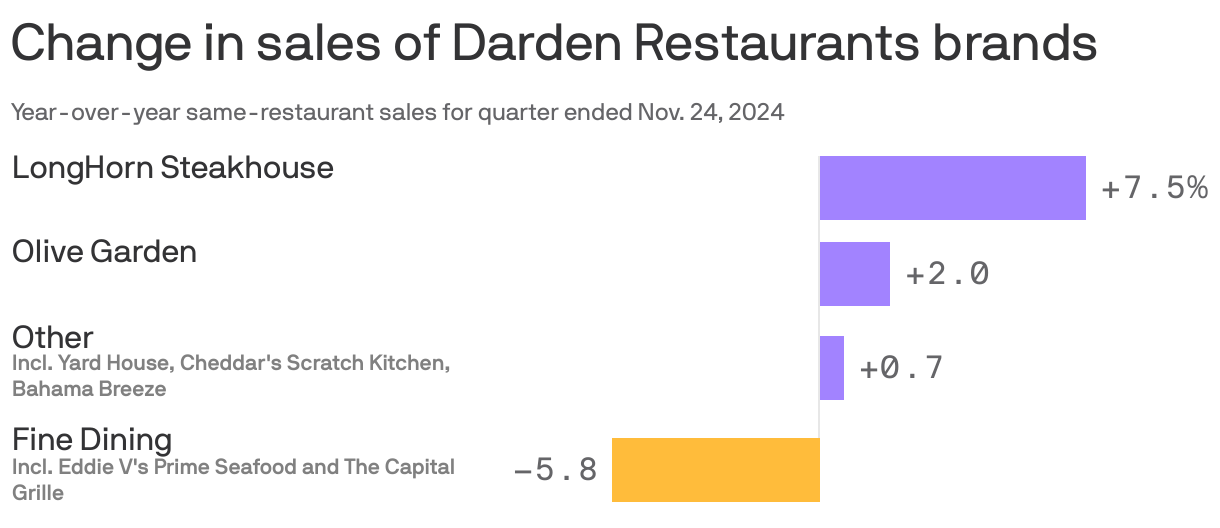
Casual dining chains aren't gone for good if the Olive Garden owner's earnings report today is any indication.
Why it matters: The sector's been struggling as consumers have been looking for savings on food, leading to the bankruptcies of chains like TGI Fridays and Red Lobster.
Driving the news: Darden Restaurants topped earnings estimates and posted an overall same-restaurant sales increase of 2.4% for the latest quarter, compared with a year earlier.
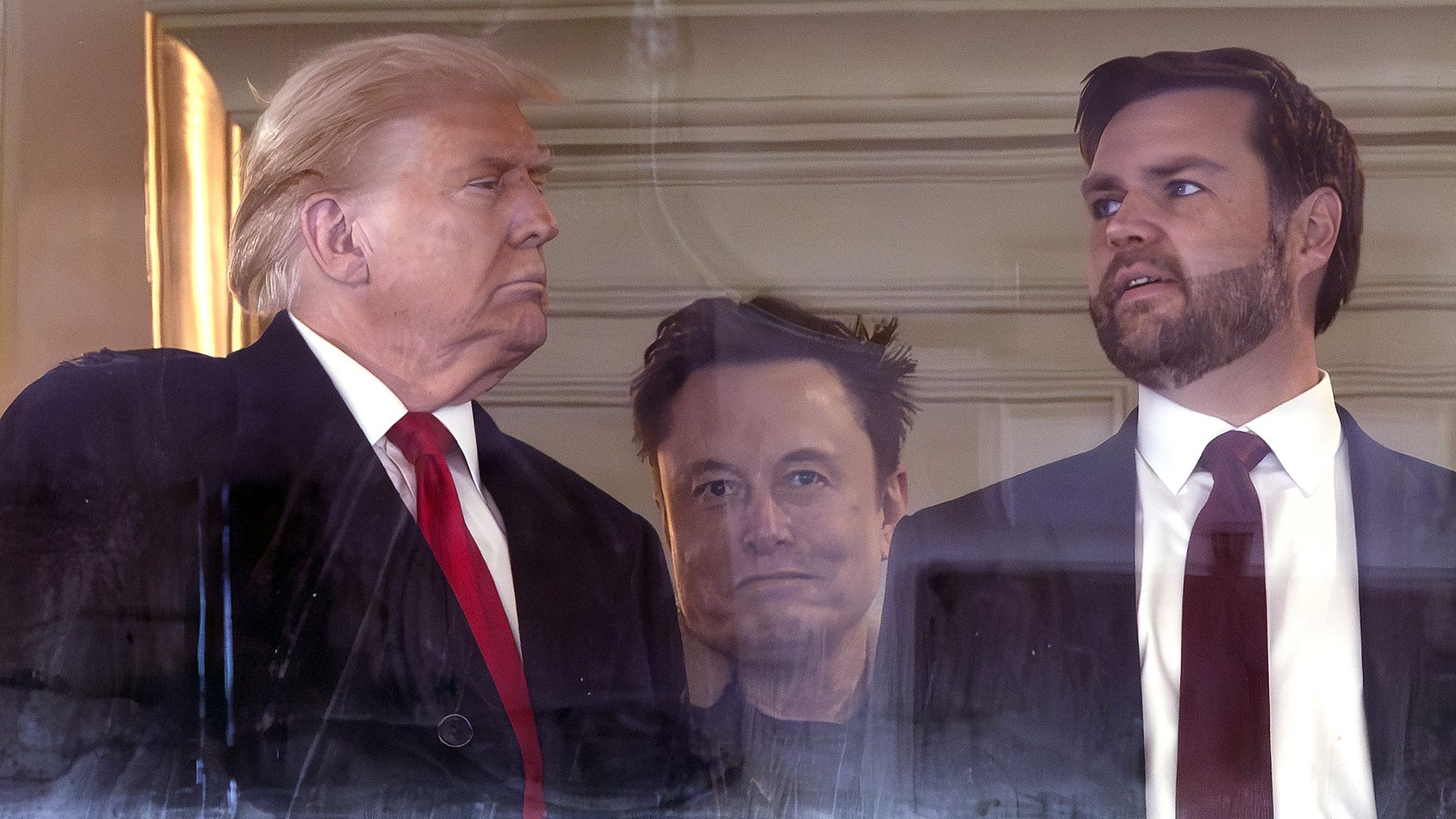
If Elon Musk can effectively veto a congressional budget deal, imagine how much influence he might wield over more arcane policy issues affecting his pantheon of business interests.
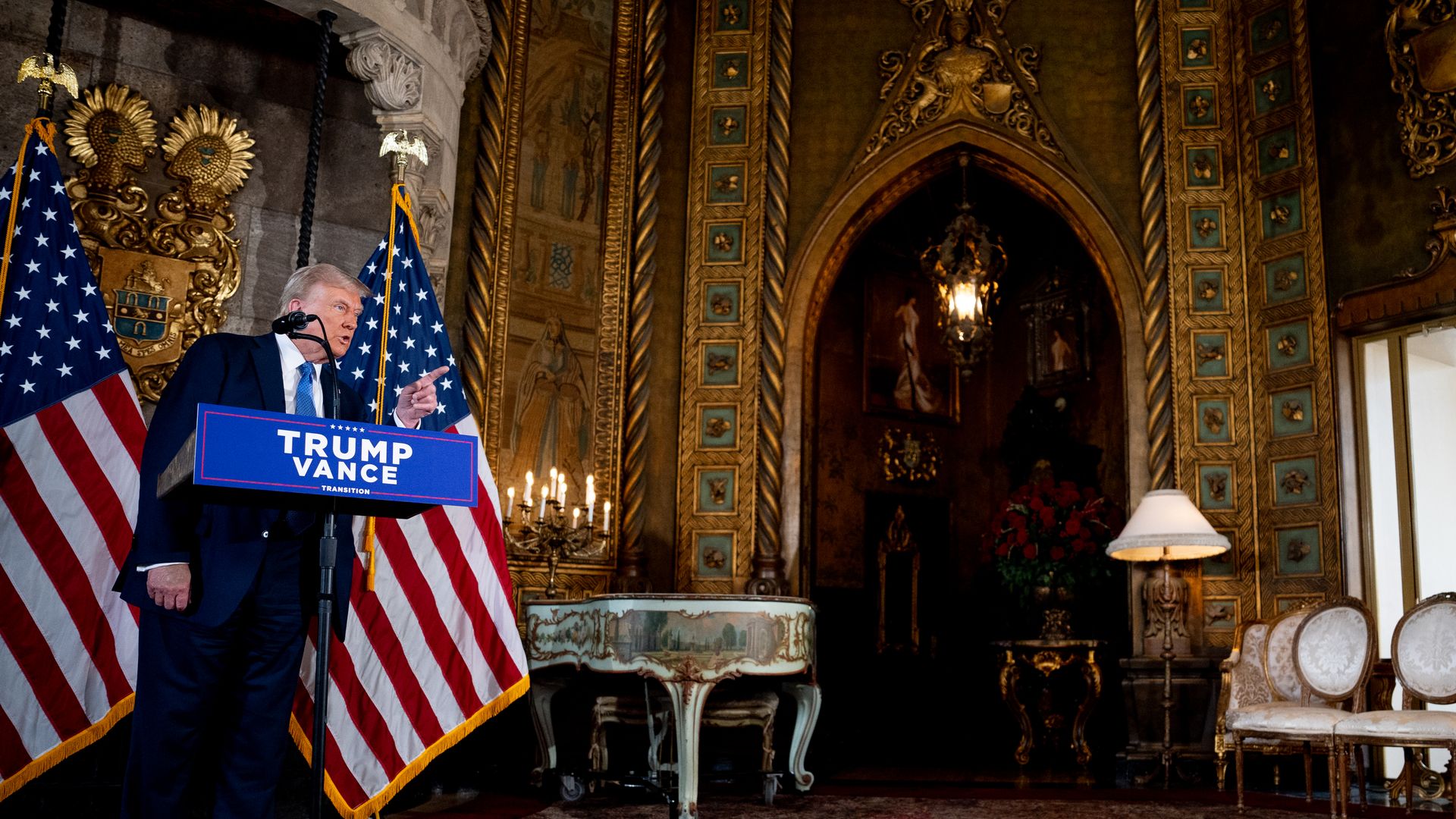
Why it matters: The incoming Trump administration and Congress could soon take action on a litany of regulatory matters and spending affecting the self-proclaimed First Buddy's business empire, including self-driving cars, space and AI.
The past two days on Capitol Hill raise the prospect of a more unpredictable period for U.S. fiscal policy than seemed likely a few days ago.
Why it matters: Economists' hope has been that unified Republican control of the White House would create similar tax and spending outcomes as when they controlled those branches in 2017 — tax cuts paired with steady-as-she-goes spending.
The big picture: Reports of suspicious drones flying over states, including New Jersey, New York and Virginia, have raised public concern, though authorities have said there's no evidence of a specific threat.
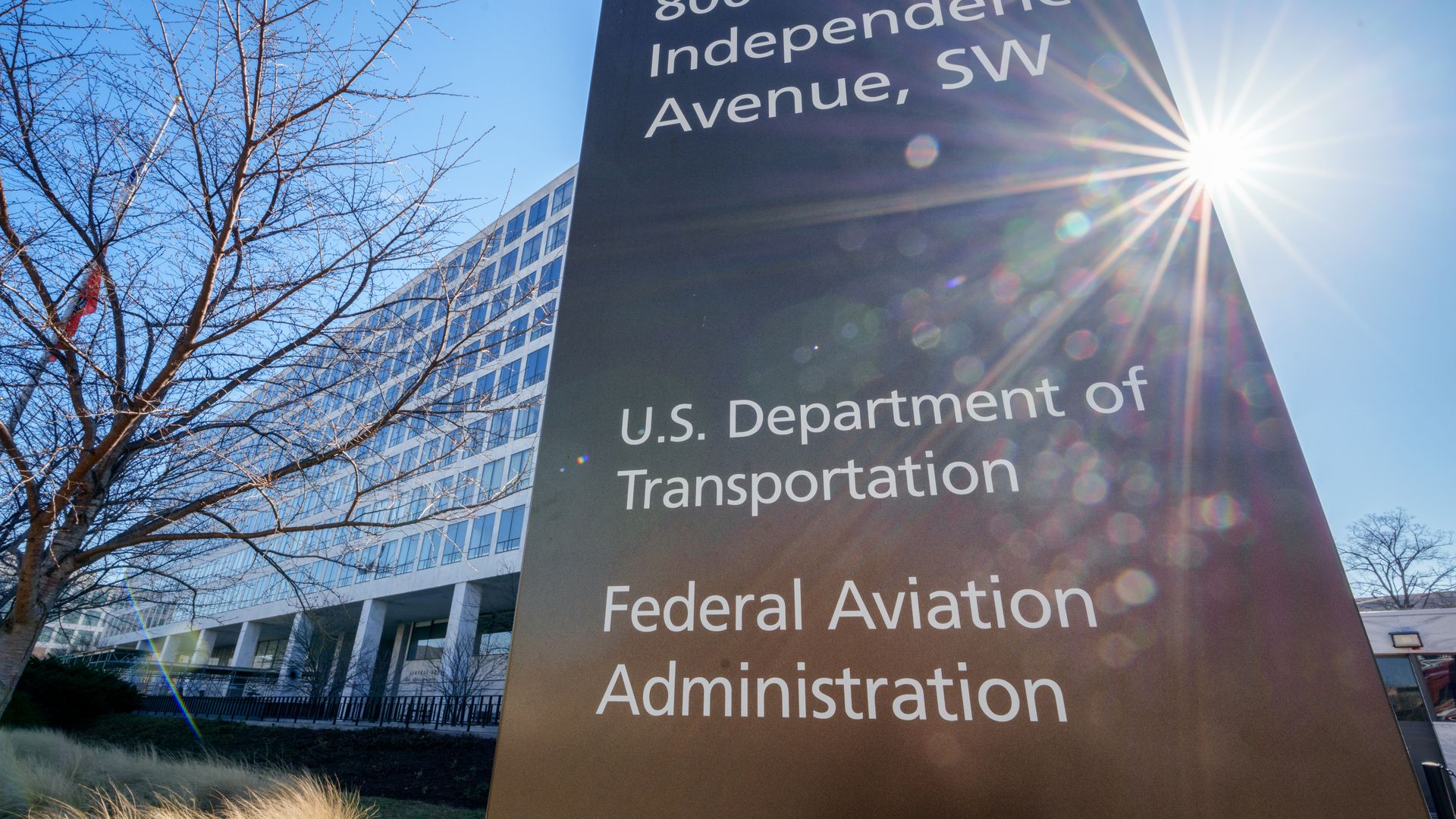
Driving the news: The FAA said it issued 22 temporary flight restrictions at the request of federal security partners, prohibiting drone flights over critical New Jersey infrastructure.
The restrictions are in place until at least Jan. 17 in the central and northern part of the state.
Temporary flight restrictions are limits on aircraft operations due to temporary hazardous conditions, a security-related event or "other special situations, like VIP movement."
Between the lines: Violating the restrictions can carry jail time and fines. Given the intense public pressure, that gives law enforcement one more tool to prosecute potential violators.
The U.S. economy grew at a 3.1% annualized pace in the third quarter — stronger than previously thought, the Commerce Department said on Thursday.
Why it matters: The revision suggests 2024 was yet another shocker year in which the U.S. economy surprised to the upside, as other major nations grappled with sluggish growth.
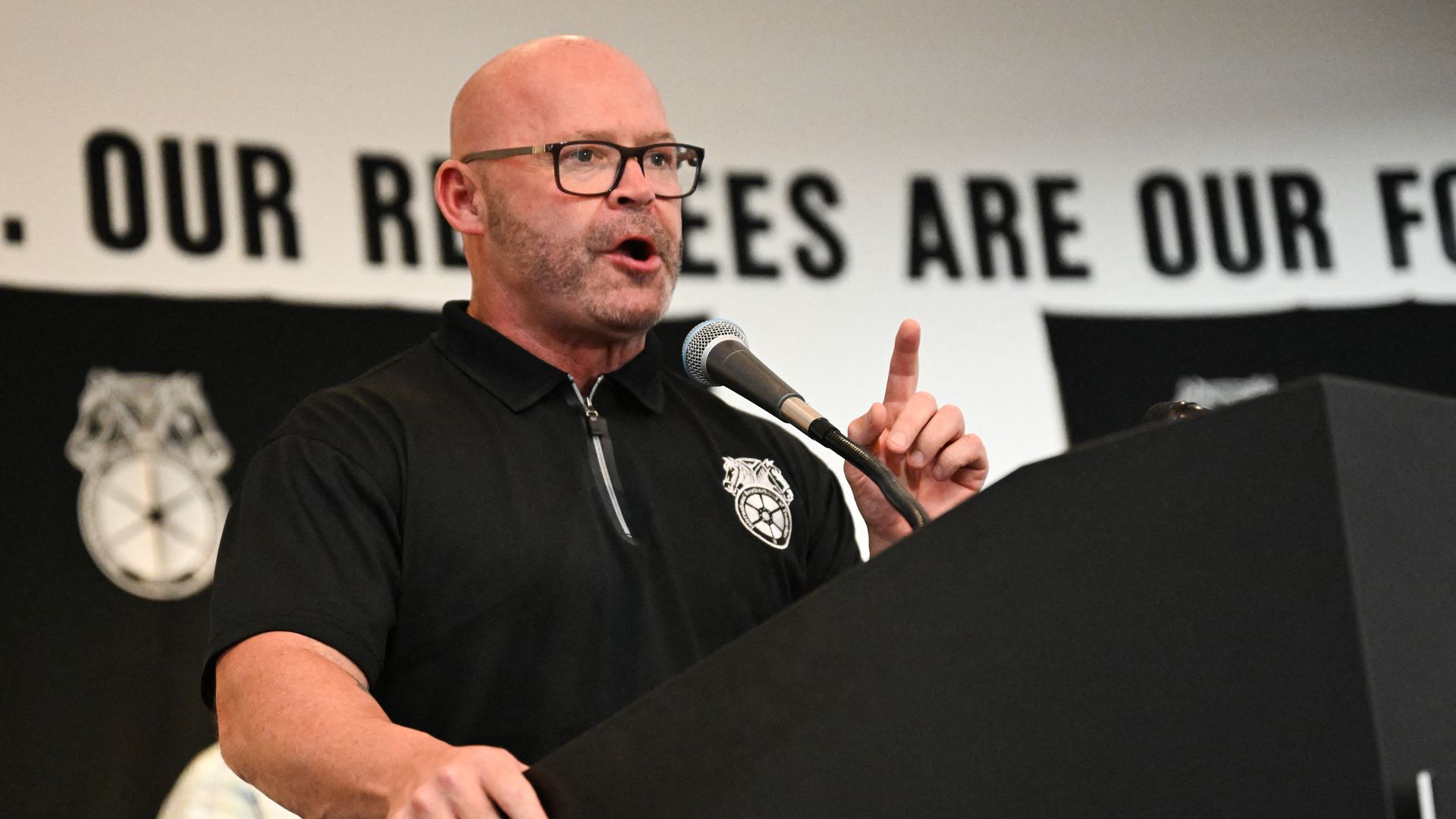
The International Brotherhood of Teamsters launched a strike against Amazon Thursday morning, saying workers at seven facilities would take to the picket line.
The big picture: The strike, which the union is calling the largest against Amazon in U.S. history, coincides with the final week of holiday shopping — one of the company's busiest times of year.
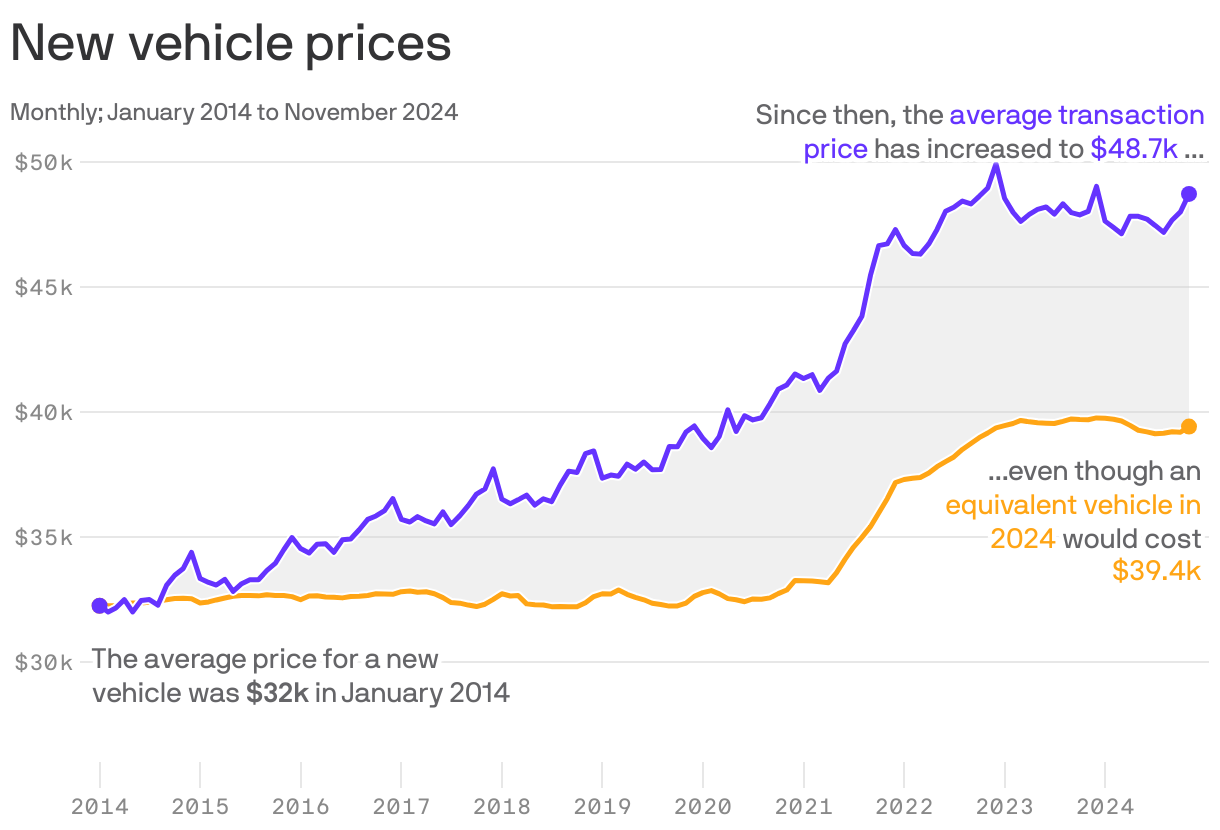
Data: Cox Automotive & Bureau of Labor Statistics. Chart: Jacque Schrag/Axios
New cars are very expensive — the average transaction price last month was $48,724, per Axios corporate cousin Cox Automotive. But, weirdly, that's not because of inflation in the price of new cars.
Why it matters: Americans are paying more for new cars mainly because they're trading up in size.
Here's what's new on Peacock, Netflix, Hulu, Disney+, Apple TV+ and Max.
What we're watching: A dark comedy about a woman who finds out her former lovers are dying, a biopic about a little-known World War II unit, and the second season of "Dear Santa: The Series."
News of a potential tie-up between Japan's second and third largest carmakers continued to gain steam today, with Honda and Nissan both confirming talks around some sort of collaboration.
The big picture: It's being billed as a rescue of Nissan (its stock was down 40% this year in Tokyo before the news), but a deal could strengthen both companies' positions in a shaky global car market.
State of play: The combination would need the blessing of France-based Renault, Nissan's largest shareholder, which is reported to be receptive.
The combination would likely be probed closely by Japanese authorities, given the potential for job cuts, CNBC notes.
And in the U.S., President-elect Trump could seek concessions in exchange for approval, Reuters notes, citing auto industry officials.
The Congressional Budget Office estimates sky-high tariffs promised by President-elect Trump might improve the nation's fiscal outlook — but at the cost of higher inflation and slower economic growth than would otherwise be the case.
Why it matters: The nonpartisan agency's findings are the highest-profile estimates yet of how such trade policy could slam consumers, businesses and the broader economy.
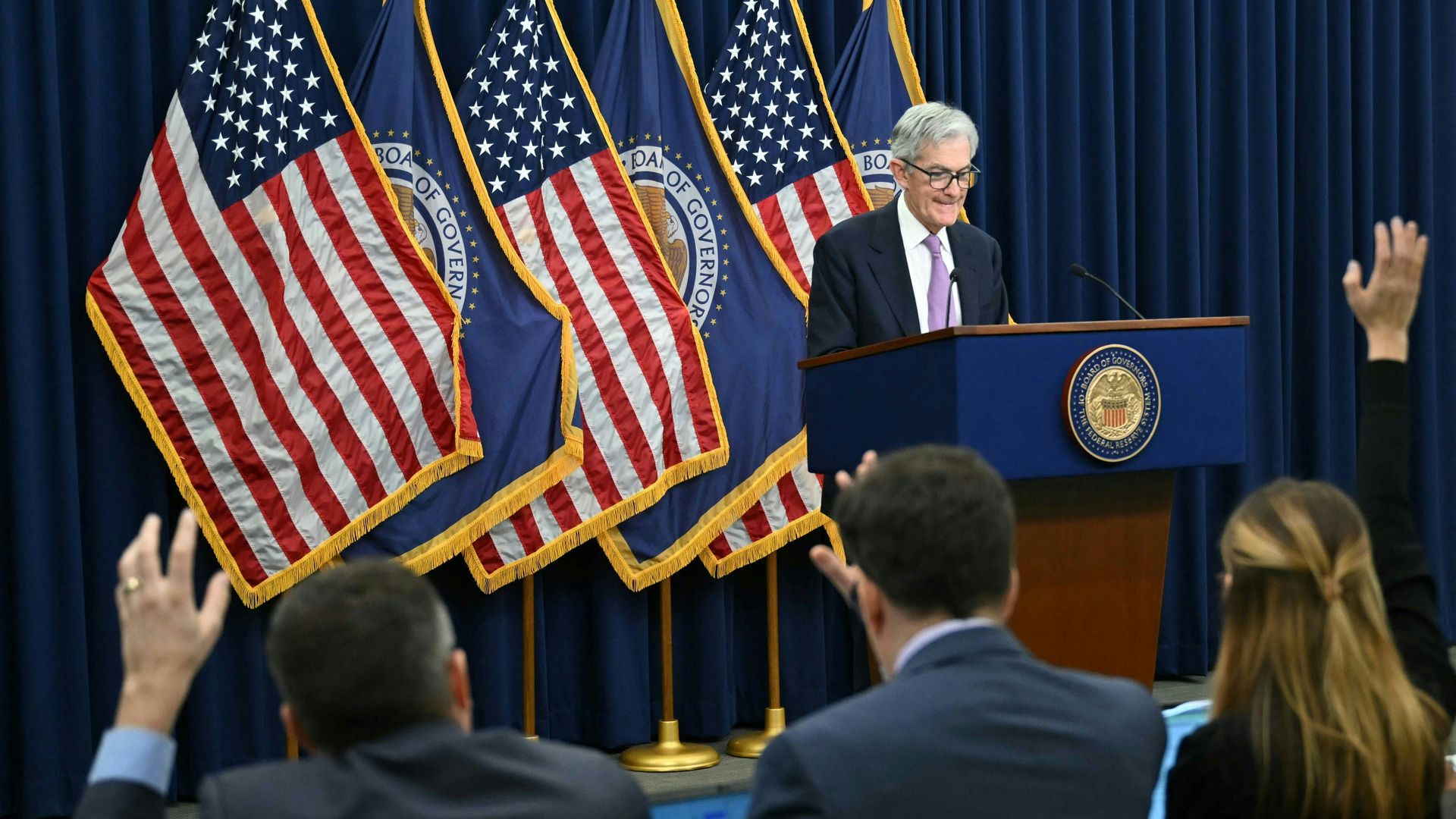
The Federal Reserve cut its target interest rate by a quarter percentage point Wednesday, while releasing new projections that signal less rate-cutting is on the way in 2025 than envisioned three months ago.
Why it matters: The Fed is entering a more cautious phase after cutting rates for three straight meetings, reflecting sluggish progress in bringing inflation down.
Grammarly, a writing assistant valued by VCs at $13 billion, agreed to buy productivity startup Coda, with Coda's CEO Shishir Mehrotra to take that position at Grammarly.
Why it matters: Grammarly is kinda/sorta one of the earliest AI agents, founded in 2009, but faces extinction-level competition from the GenAI class. Merging with Coda helps it expand from a one-trick pony into a productivity stable.
"We got a bargain" is notusually what you hear from a venture capitalist who just committed to a $10 billion round at a $62 billion valuation.
But it's what one told me yesterday as news broke of the big Databricks round. And I heard similar sentiments throughout the day, leading up to my Axios AI+ Summit interview with company co-founder and CEO Ali Ghodsi.
Why it matters: The incoming Trump administration is likely to overturn the waiver to California. But in issuing it, the EPA will make it harder to accomplish a reversal.
Why it matters:The survey includes the views of more than 300 global public company CEOs, plus 380 institutional investors representing approximately $10 trillion of company and portfolio value.
One reason CEOs are so keen on becoming Donald Trump's new besties: The incoming president could make their profits go poof.
Why it matters: The president-elect's proposed tariffs are so high they could entirely wipe out the annual profits of some large companies, per an analysis from consulting firm PWC.















/2024/12/17/1734466083092.gif?w=3840)