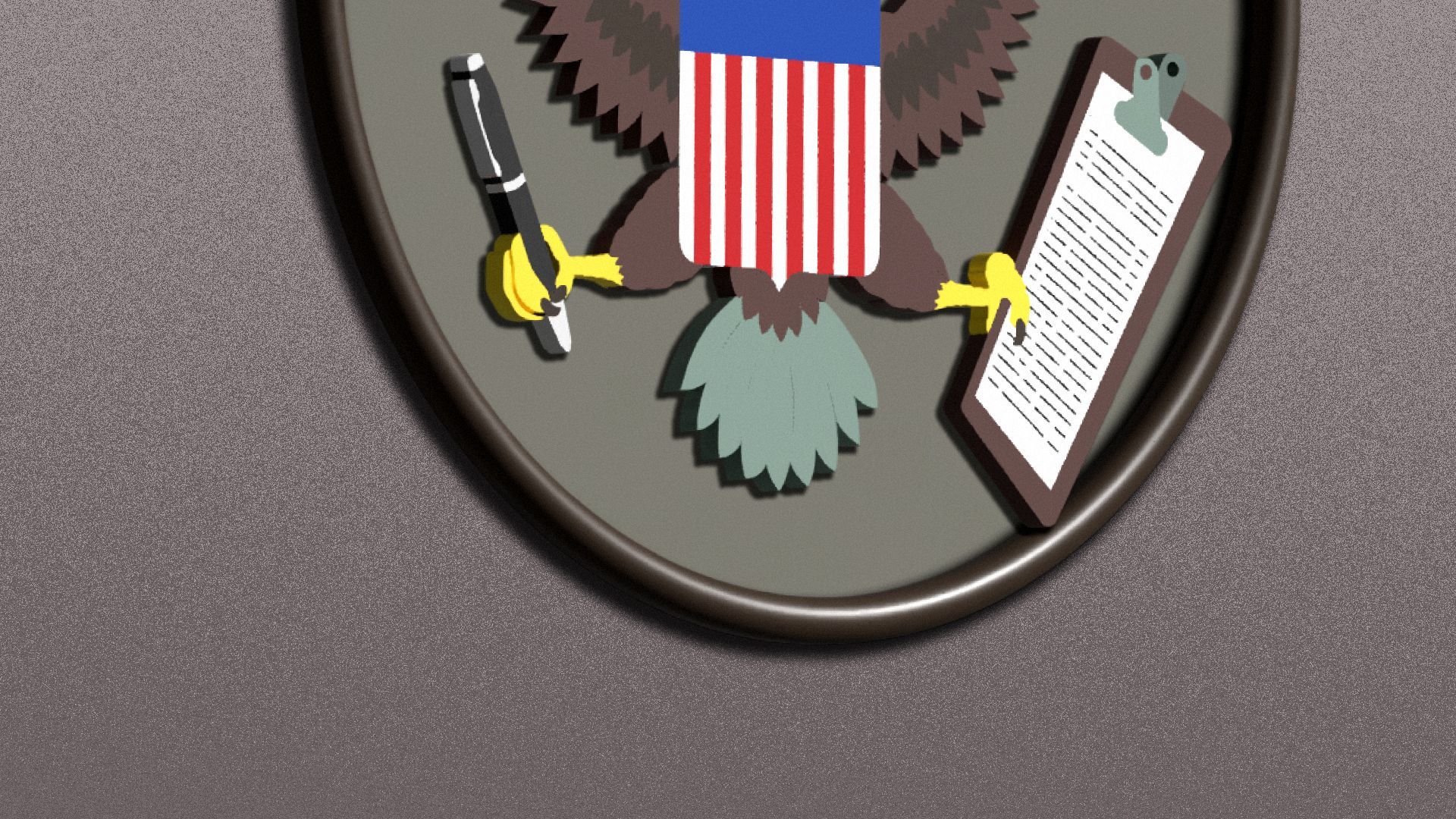
While the world is focused on President-elect Trump's top-level appointments, the crypto industry might want to watch some government jobs farther down the ladder.
Why it matters: The people in lower profile positions often end up hammering out the crucial policy details that matter for years, or even decades.
Anthropic's new automated analysis tool provides some fresh insights into how the model operator weeds out malicious users trying to manipulate its Claude chatbot.
Why it matters: Distinguishing adversaries' queries from run-of-the-mill user inputs is the biggest challenge model operators face in their quest to identify and stop emerging threats.
While the world is focused on President-elect Trump's top-level appointments, the crypto industry might want to watch some government jobs farther down the ladder.
Why it matters: The people in lower profile positions often end up hammering out the crucial policy details that matter for years, or even decades.
We checked in with multiple legal and policy sources to see what positions were on their minds, and here are some that we heard about repeatedly as potentially having big implications for the blockchain industry.
Treasury's undersecretary for terrorism and financial intelligence. This one kept coming up. This person is responsible for the financial monitoring programs as they relate to national security threats, the sort of thing that caught up Tornado Cash.
One of the final major indicators of the year suggests a mixed narrative about consumer health during the holiday season: Spending is growing, but shoppers might be opening their wallets a bit more cautiously.
Why it matters: Consumer spending helped buoy the resilient economy in 2024, and any apparent slowdowns proved to be head fakes. But there is no guarantee it will continue in the months ahead.
The big picture: More than 119 million Americans are projected to travel during the Christmas and New Year's holiday period, narrowly surpassing the previous record set pre-pandemic in 2019, per AAA.
You can get an electric vehicle for very close to free.
Why it matters: The environmental benefits of EVs notwithstanding, demand for smaller vehicles remains muted — and regulations are causing some automakers to offer aggressive incentives to get them off the showroom floor.
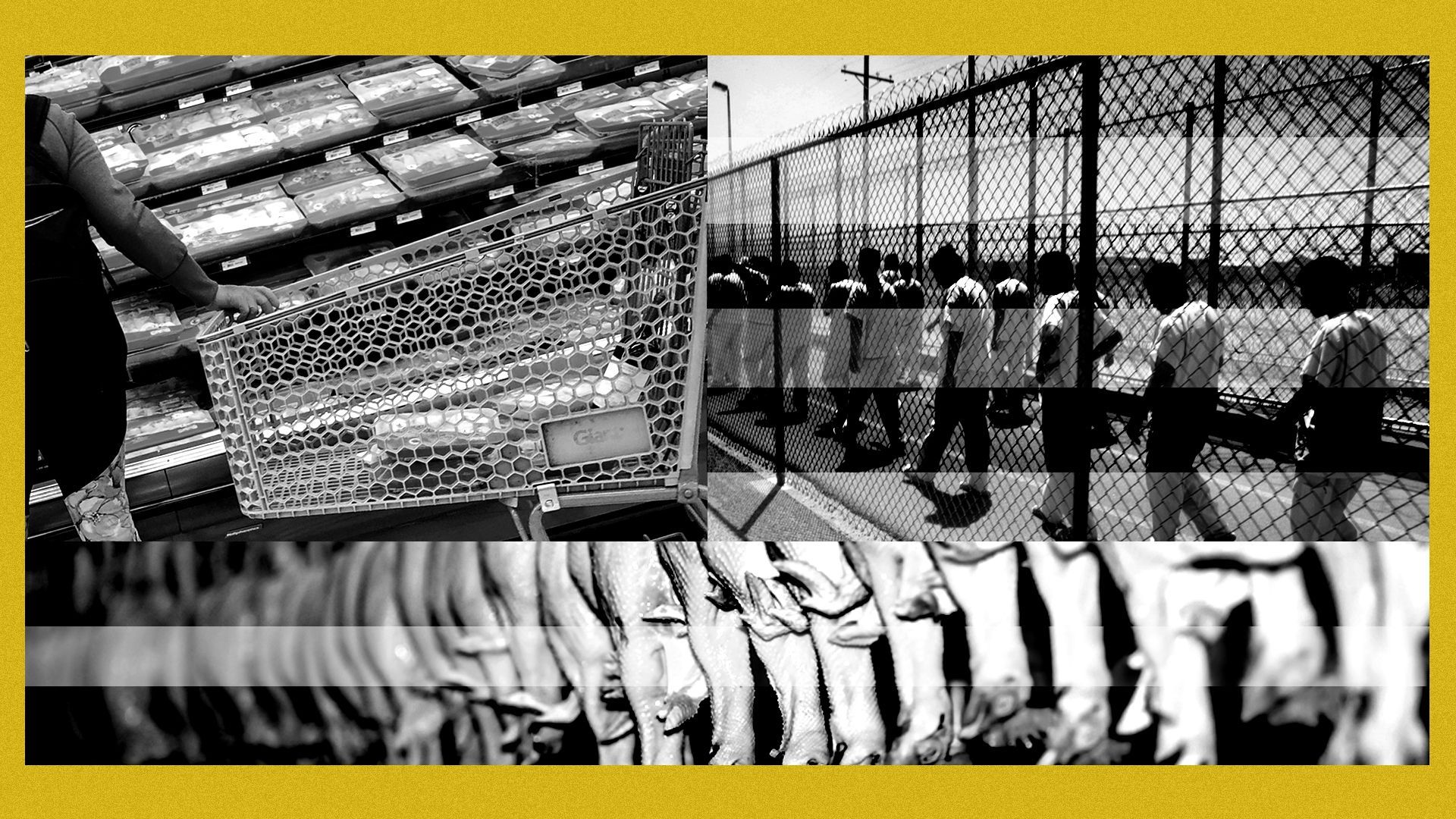
Many in the meatpacking industry were happy to see Donald Trump reelected — but are also fearful it won't be able to operate without the workers he may try to deport.
Why it matters: Meatpacking, more than almost any other industry in this country, relies on foreign-born labor, whether documented or not. It would face critical challenges if those workers disappeared due to mass deportations.
MicroStrategy last week did what MicroStrategy does — it sold about $1.5 billion worth of shares and bought an equal amount of bitcoin.
Catch up quick: The company's been known for a while now as a publicly traded bitcoin proxy — deriving much of its value from the 439,000 coins it now owns.
But MicroStrategy's growth this year has made even bitcoin holders jealous, prompting plenty of questions about its soaring valuation.
At least five airlines have now switched on a new feature to leverage Apple AirTags in their hunt to find lost luggage.
How it works: Customers who place the button-sized devices in their luggage can now share a link displaying its location directly with partner airlines — in most cases through their customer service apps.
Apple, which announced the sharing feature last month, has worked with nearly 20 airlines to develop secure systems that work the data into their existing processes for finding mishandled bags.
The latest: United and Air Canada have already turned the feature on.
British Airways, Iberia and Aer Lingus have it up and running too, Bloomberg reported today.
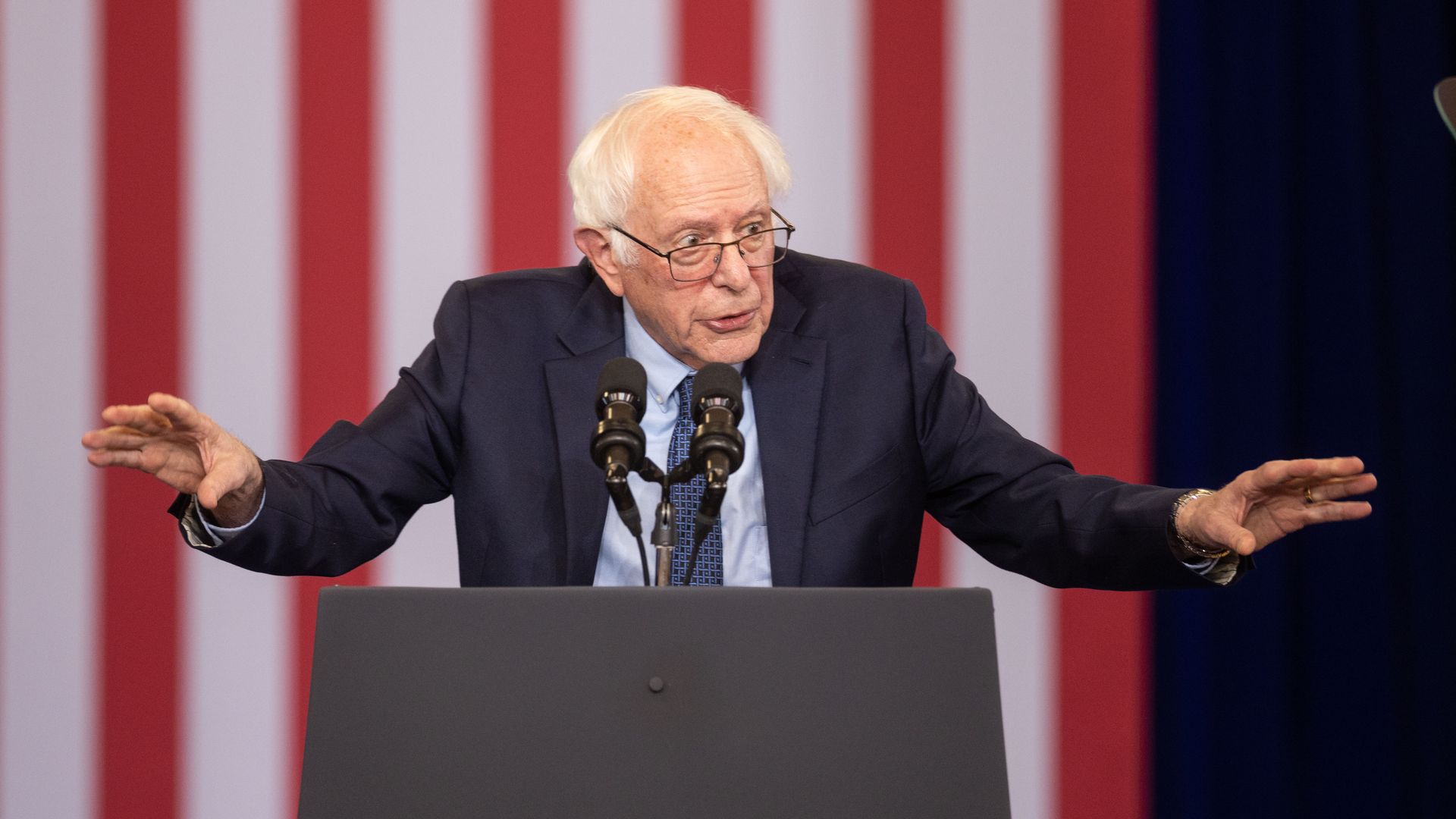
A new report out from the Senate Committee on Health, Education, Labor and Pensions (HELP), led by Sen. Bernie Sanders (I-Vt.), accuses Amazon of manipulating data on worker injuries and ignoring safety concerns.
Global policymakers admit that how their economies fare next year largely rests on President-elect Trump and whether his trade agenda becomes a reality.
Why it matters: The economic backdrops in major nations from China to Canada are starkly different, but their outlooks all risk being blown up by tariffs.
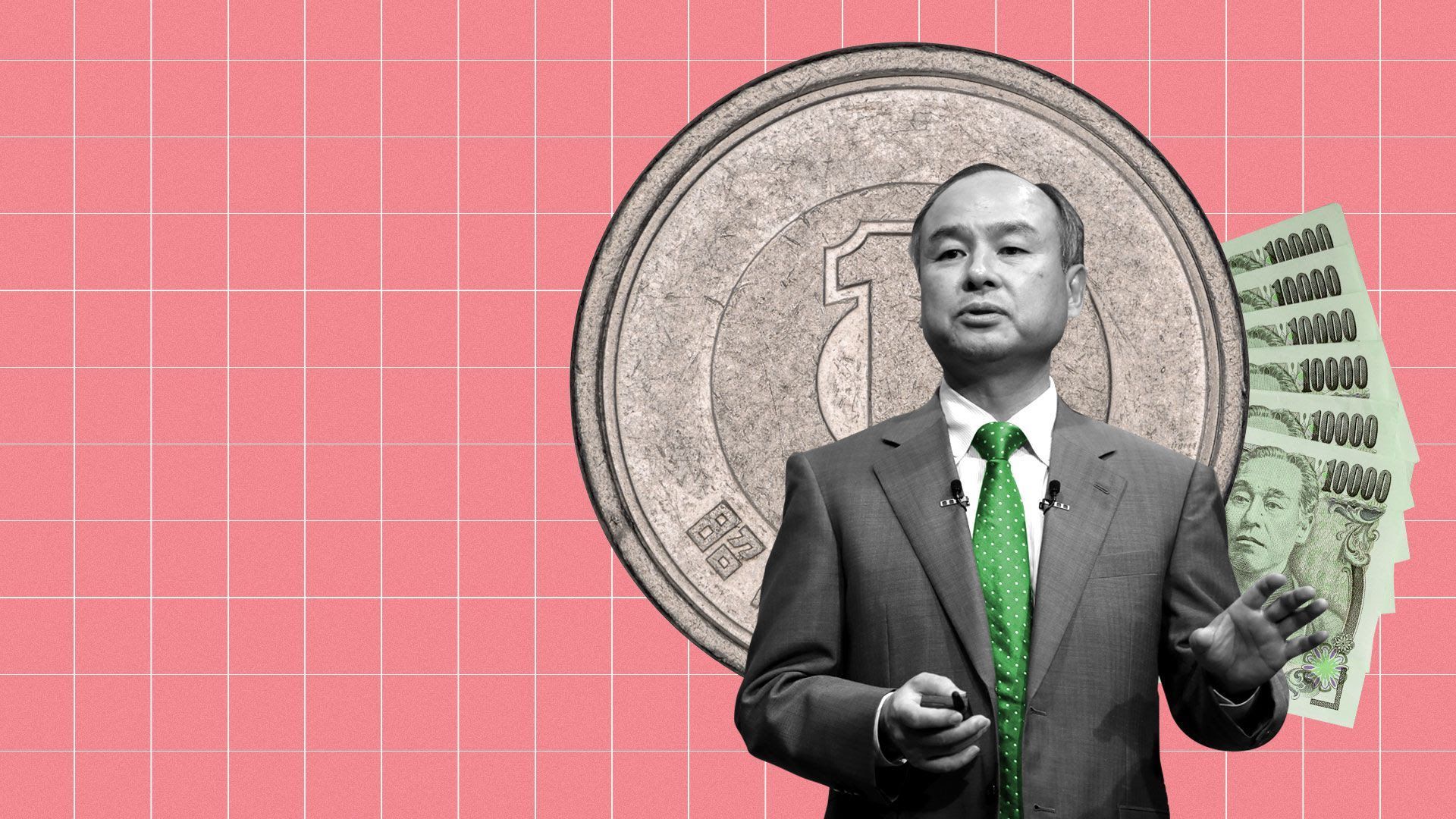
SoftBank is back in the Donald Trump flattery business, pledging to invest $100 billion into U.S. companies over the next four years and to create 100,000 jobs.
Driving the news: SoftBank founder and CEO Masayoshi Son is expected meet with the president-elect later today at Mar-a-Lago, where he'll announce his firm's plans at a press conference.