Coiners have been worried that the end of the free-money era would blunt bitcoin's next rally.
The big picture: True, bitcoin is a risk asset, which tends to do better when interest rates are low, and poorer when rates are high — but ending there would oversimplify what factors are driving price of the world's oldest cryptocurrency.
April retail sales were unchanged from March, according to government data.
Why it matters: That's good news for the 2024 rate-cut hopefuls, but not so much for businesses depending on ready and willing consumers.
Between the lines: Of the 13 main business categories tracked by the commerce department, seven showed negative monthly sales growth in April.
Hefty declines were seen for sporting goods, hobby and book stores (-0.9%), motor vehicle and parts dealers (-0.8%), and health and personal care retailers (-0.6%).
Why it matters: With 149 million monthly active customers on its platforms, the company has enough scale to spark new sources of growth by connecting users to one another.
Why it matters: In a sense, the best news is in what Wednesday's report didn't say. The April cooldown helps reduce fears that inflation may be reaccelerating.
Two brothers have been charged with wire fraud for manipulating transactions for their own benefit on the Ethereum blockchain.
Why it matters: It shows the U.S. Department of Justice has learned how to make sense of extremely complex blockchain attacks and track down their perpetrators.
Bitcoin stands to get a boost from TradFi paperwork.
Between the lines: Filings are rolling in from institutional investors that detail their recent holdings, and they're unveiling buyers of the January-launched spot bitcoin ETFs.
They included big hedge funds like Renaissance Technologies and random ones, registered investment advisers and even Wisconsin's pension fund.
The institutional buy-in of bitcoin is so notable, at least one meme-stock trader seems to be associating 🍊 with Wall Street. (Scroll for more👇)
Flashback: Tracking these filings, known as 13Fs, is sport — people like to try to borrow investment wisdom from Pershing Square's Bill Ackman, Citadel's Ken Griffin or Berkshire Hathaway's Warren Buffett.
Zoom in: The bitcoin or hashrate yardstick is a metric used to determine whether the price of the world's largest digital asset is expensive or inexpensive.
✌️ Generally, a ratio above 2 indicates a relatively more expensive BTC.
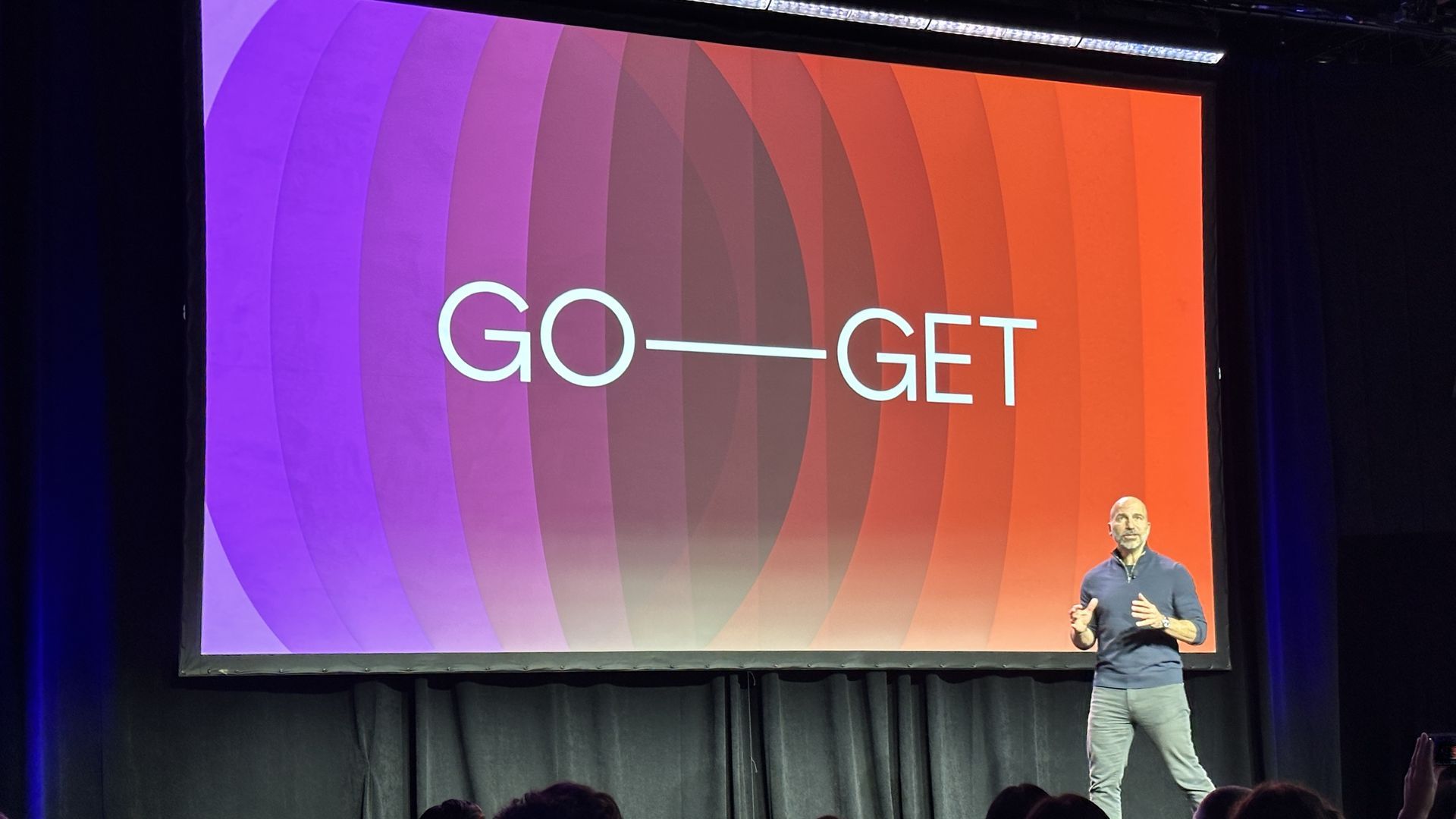
Uber rolled out a new menu of ride options Wednesday, from an "Uber Shuttle" to the airport or a concert to "Uber Caregiver," which lets you book rides that may be covered by health insurance for elderly people.
Another new service will let you order groceries from Costco, whether or not you're a member. (Sorry, gold bars and hot dogs are excluded — but you can get a rotisserie chicken.)
Garnier, part of beauty giant L'Oreal, will announce the recipients of the brand's first-ever Gold Green Grant on Wednesday, Axios has learned.
Why it matters: The awards — designed in partnership with Gold House, an organization focused on elevating Asian Pacific cultures — are aimed at helping Asian Pacific entrepreneurs strengthen their sustainable businesses and at promoting a group of leaders who can be misjudged by investors.
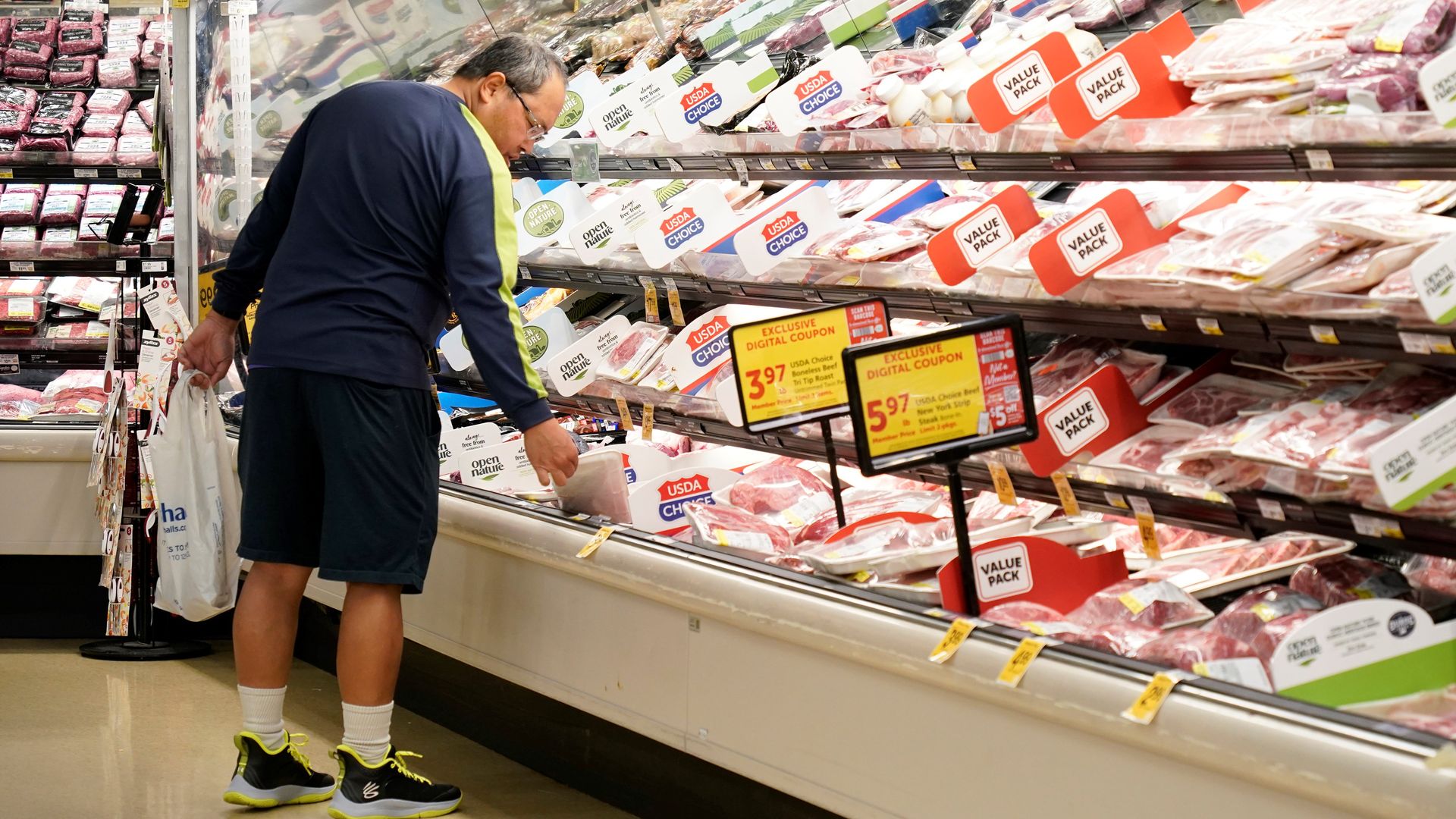
The Consumer Price Index (CPI) rose 0.3% in April and the core measure that strips out food and energy increased by the same amount, the Labor Department said on Wednesday.
Why it matters: Inflation slowed for the first time this year, helping ease concerns that progress on moderating consumer prices had stalled out.
Data: New York Federal Reserve; Note: Shows share of balances where payments are at least 30 days late; Chart: Axios Visuals
An increasing share of Americans fell behind on their credit card payments at the beginning of the year, according to data out yesterday.
Why it matters: Rising credit card troubles are a sign that some consumers are feeling more financial stress — a worrying indicator for an economy that's been powered by strong consumer spending.