Apple CEO Tim Cook and other top U.S. executives have been in China this week, Hope writes.
Why it matters: Their visits coincided with the country's annual Development Forum, a conference aimed at "pitching American and other Western corporate executives on the country's prospects," per WSJ.
Context: Foreign investment into China continues to decline.
Beijing's regulatory crackdowns and raids make it difficult for some U.S. companies to see an upside to maintaining a certain presence.
But government officials are now pledging to treat foreign companies differently.
Online resale platform Mercari announced today that it will no longer take a cut of sales, Hope writes.
Why it matters: The pressure is on for peers, including Poshmark, ThredUp and The RealReal, to follow suit as competition for sellers and inventory grows.
By the numbers: Mercari previously grabbed a 10% commission.
ThredUp and The RealReal have tiered payouts based on what's sold.
Poshmark takes about $3 for items under $15 and a 20% commission for items that are $15 or more.
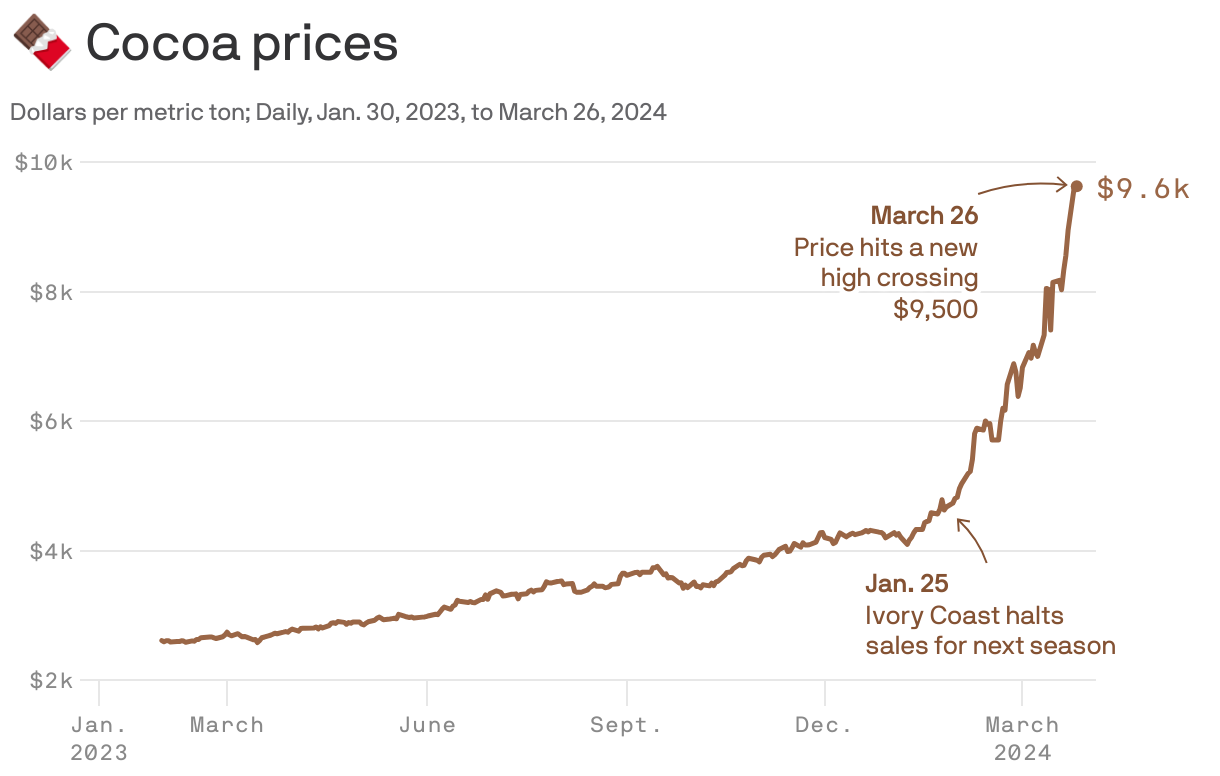
Cocoa prices extended a torrid rally, briefly setting a new record above $10,000 in a move that makes sweet treats pricier for consumers and chocolate makers alike.
According to Reuters, major cocoa plants in Africa reduced processing because they couldn't afford to buy beans.
The crisis is likely to intensify, with Ghana set to lose key funding access allowing it to buy beans, Bloomberg reported.
By the numbers: In the past six weeks, prices of wholesale beans traded in New York have doubled, trading just above $10k per metric on Tuesday before closing slightly below that level — a250 percent jump from last year.
At the time of writing, the cocoa price was around $9,700 per metric ton.
Deep dive: The cocoa crisis has been in the making for a long time, according to Tedd George, founder and chief narrative officer at Kleos Advisory. "We saw it coming and unfortunately, it's played out exactly as everyone said it would."
George says climate change and changing weather patterns turbo-charged the financial crisis in Ghana, threatening cocoa production.
He says local Ghanaian farmers have been unable to restore old trees because it costs too much to buy pesticides; this in turn led to the spread of black pod disease and swollen shoot virus during the last quarter of 2023.
This may lead to farmers resorting to smuggling beans to profit from higher prices, because many are currently locked into fixed contracts.
State of play: The Ivory Coast cocoa regulator, Le Conseil Cafe-Cacao, recently stopped selling contracts for cocoa exports forward sales for the 2024-25 season as production numbers drop.
Reuters reports that in normal times, the heavily regulated market allows buyers to set pre-agreed prices a year in advance.
However, in times of shortage, "the system breaks down" and dealers buy the beans at higher than the pre-agreed prices to secure the delivery.
What they're saying: "At the moment, both Ghana and Cote d'Ivoire are scrambling for beans to meet contracts some even from last season," says George. "That's where there's a real problem."
To reduce the cost burden, some candy makers are replacing the ingredient, cutting down on packaging and bar sizes, or using new technologies to make cocoa-free chocolates.
Adam Maxwell, whose food tech startup, Voyage Foods, has also reverse-engineered coffee and peanut butter to make said in an emailed statement:"While we can't say for certain, if you look at long-term historical cocoa pricing data, it's not crazy to think prices will be where they are today or even higher."
Yes, but: Approximately 92 percent of Easter-celebrating Americans are still set to purchase candy and chocolate this year, contributing to over $5 billion in confectionery sales during the Easter holiday season, according to the U.S. National Confectioners Association.
What we're watching: Whether chocolate remains affordable for everyone, or ends up becoming a luxury item.
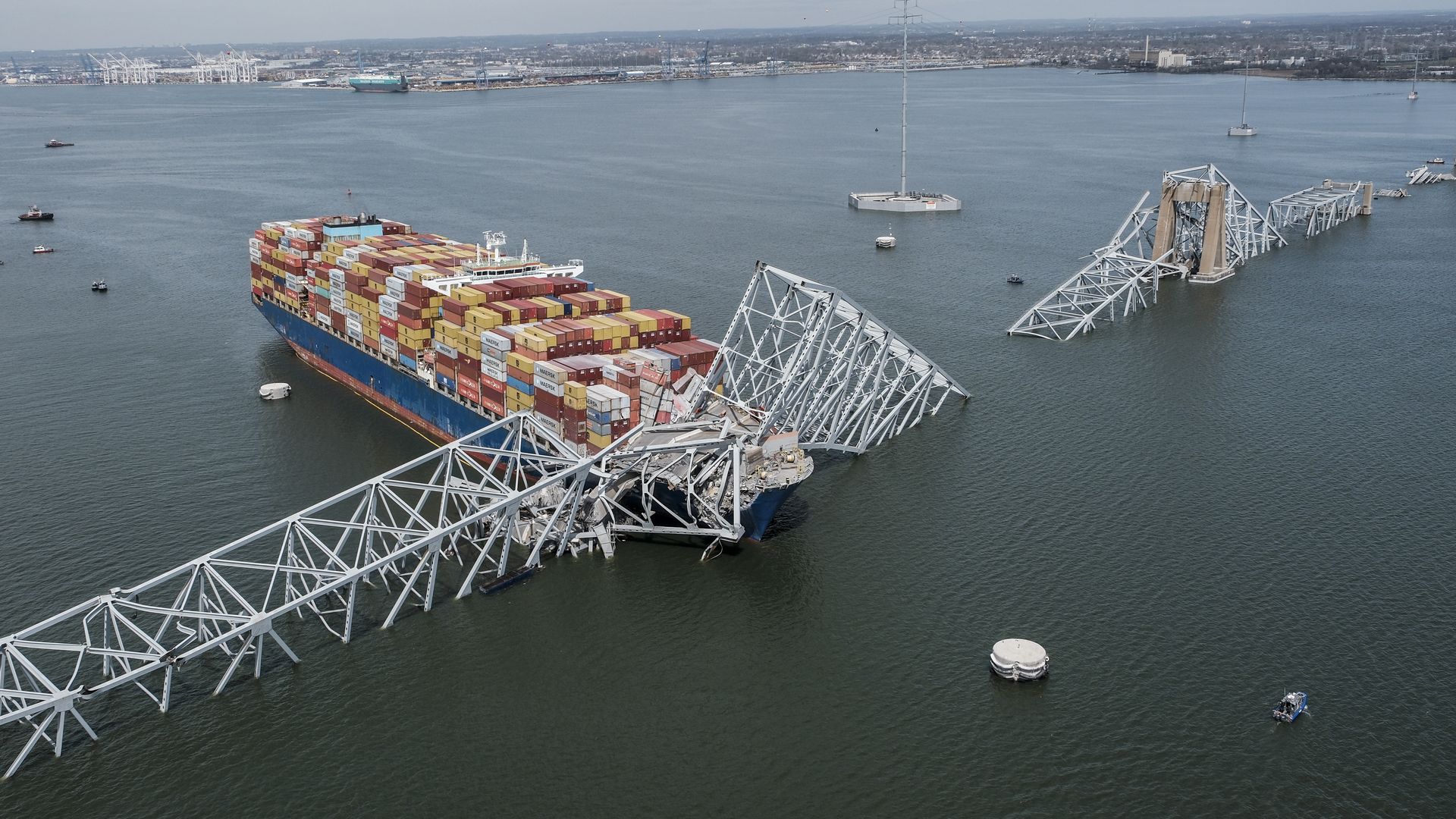
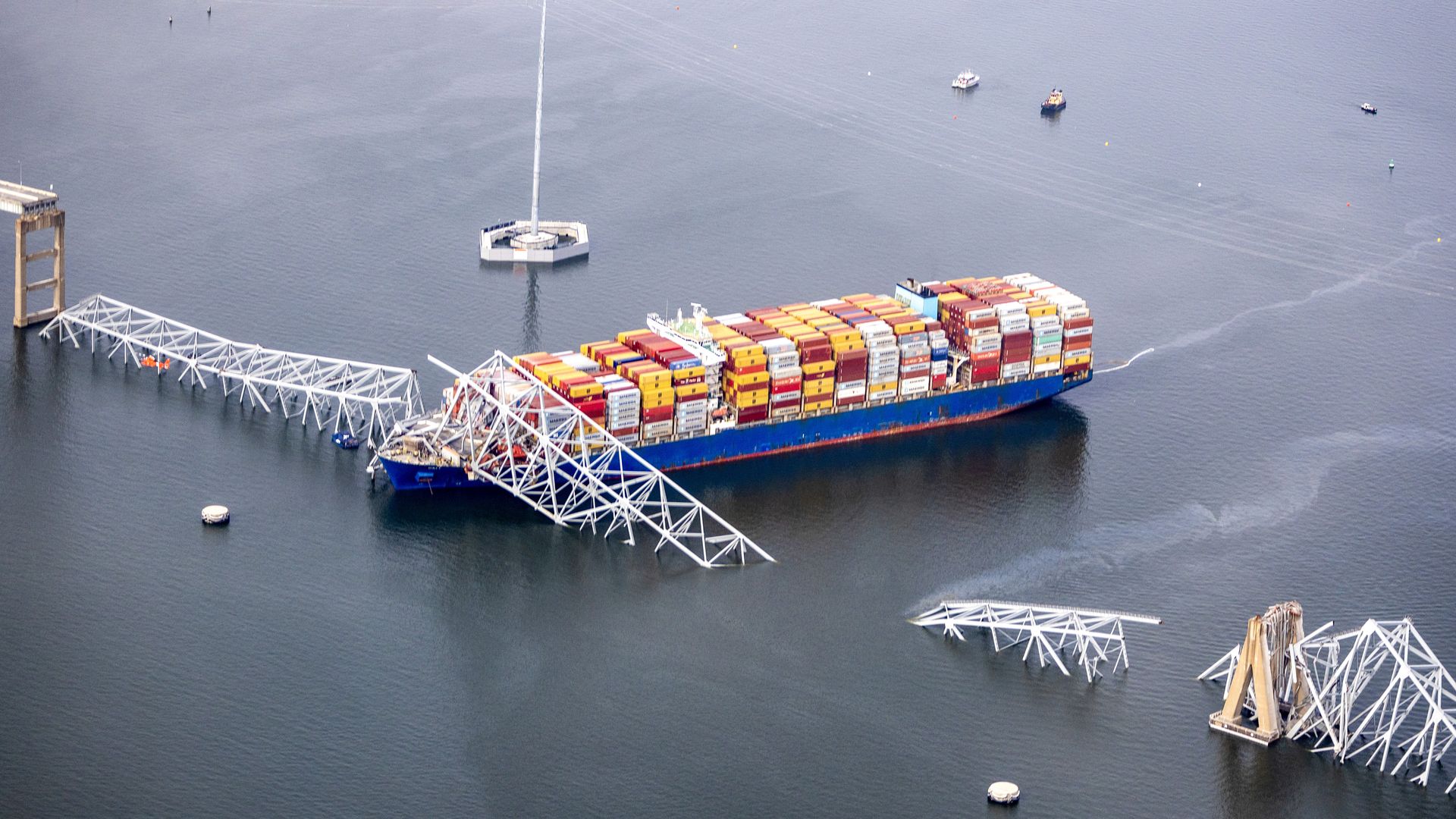
The tragic bridge collapse in Baltimore on Tuesday closed a vital throughway for the nation's commerce.
The big picture: It may complicate shipping logistics along the East Coast as shippers divert to other nearby ports — but the economic disruption doesn't look like the type of threat to broader supply chains that could cause widespread shortages and price spikes.
The cost of providing child care benefits to employees — like stipends and onsite day care — is an investment with outsized returns, finds an intriguing new study from Boston Consulting Group (BCG) and nonprofit Moms First.
Why it matters: The increasing cost of child care in the U.S., along with a shortage of providers, keeps parents out of the workforce — a drag on the economy overall and a hit to employers in a tight labor market.
Trump Media & Technology Group — trading under the ticker symbol DJT — is America's newest meme stock, boasting a market capitalization, at the close of trade on Tuesday, of $7.9 billion.
The big picture: That's astonishingly high for a company that brought in a mere $3.4 million in revenue over the first nine months of 2023, losing a total of $49 million.
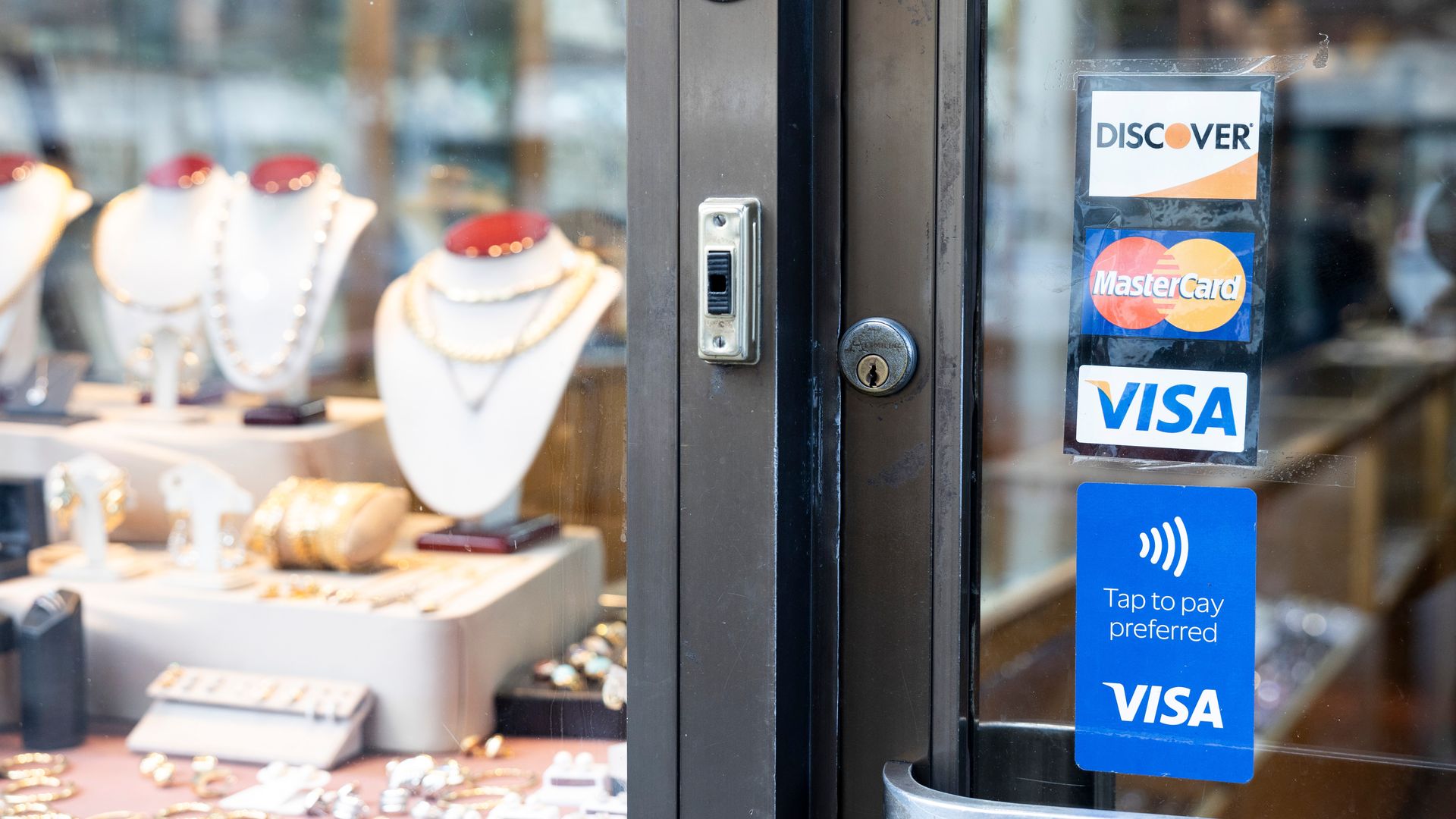
Visa and Mastercard have agreed to cut and cap credit card processing fees as part of a major settlement with merchants after decades of litigation, Nathan writes.
Why it matters: U.S. businesses are expected to save at least $29.8 billion in the five-year deal, according to attorneys who represented the plaintiffs in the class-action settlement.
Merchants will have more flexibility to adjust how much they charge consumers for goods sold via credit card.
The big picture: Merchants, the vast majority of which are small businesses, currently pay an average of 1.5% to 3% per credit card transaction, according to BankRate.com.
Shares in Donald Trump's social media business surged, then settled in its first official day of trading.
Zoom in: Shares traded on the Nasdaq for the first time today under ticker symbol "DJT" after the company's successful merger with a blank-check company called DWAC on Monday, Axios' Dan Primack writes.
By the numbers: The stock surged almost 60% today before closing up 16% at $57.99.
Look ahead: Trump Media and Technology Group will need to file an 8-K by the end of this week, which should include full-year 2023 financials.
So far it has only released results through the first nine months of 2023, which showed around a $49 million net loss on $3.4 million in revenue.
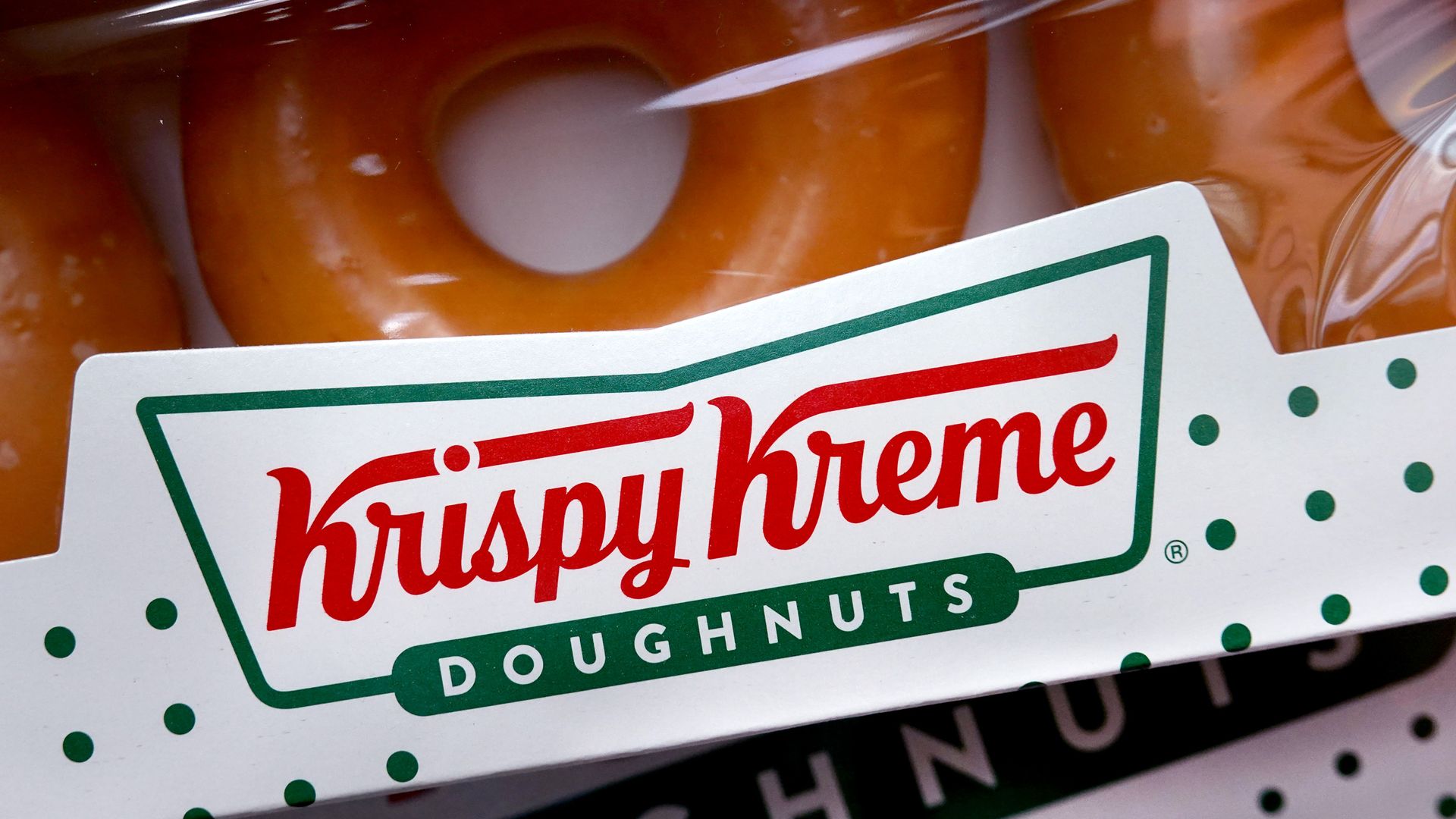
Why it matters: Breakfast is big business for fast-food chains and quick-service restaurants, which are doubling down on partnerships and new menu items to boost morning sales.
Driving the news: The phased market rollout will start later this year, the companies said.
It will double the number of locations nationwide where consumers can purchase Krispy Kreme doughnuts, the chains said.
The companies have been working together since late 2022 and have tested the concept at 160 McDonald's in Kentucky.
🩺 State of play: Noah Wyle — who played Dr. John Carter on the seminal hit NBC series "ER" — is donning a lab coat once again.
He'll play a key role in a 15-episode medical drama called "The Pitt" that's being developed for streaming service Max, according to The Hollywood Reporter.
It's not an "ER" reboot, but it is led by "ER" producers John Wells and R. Scott Gemmill.
💭 Nathan's thought bubble: As a tried-and-true "ER" devotee, I'm pretty excited about this. But nothing will bring back Carter's one-time love interest Lucy.
"This will disrupt vessel schedules and strain labor and handling capacities at other ports ... leading to spillover congestion and delays that could last months."
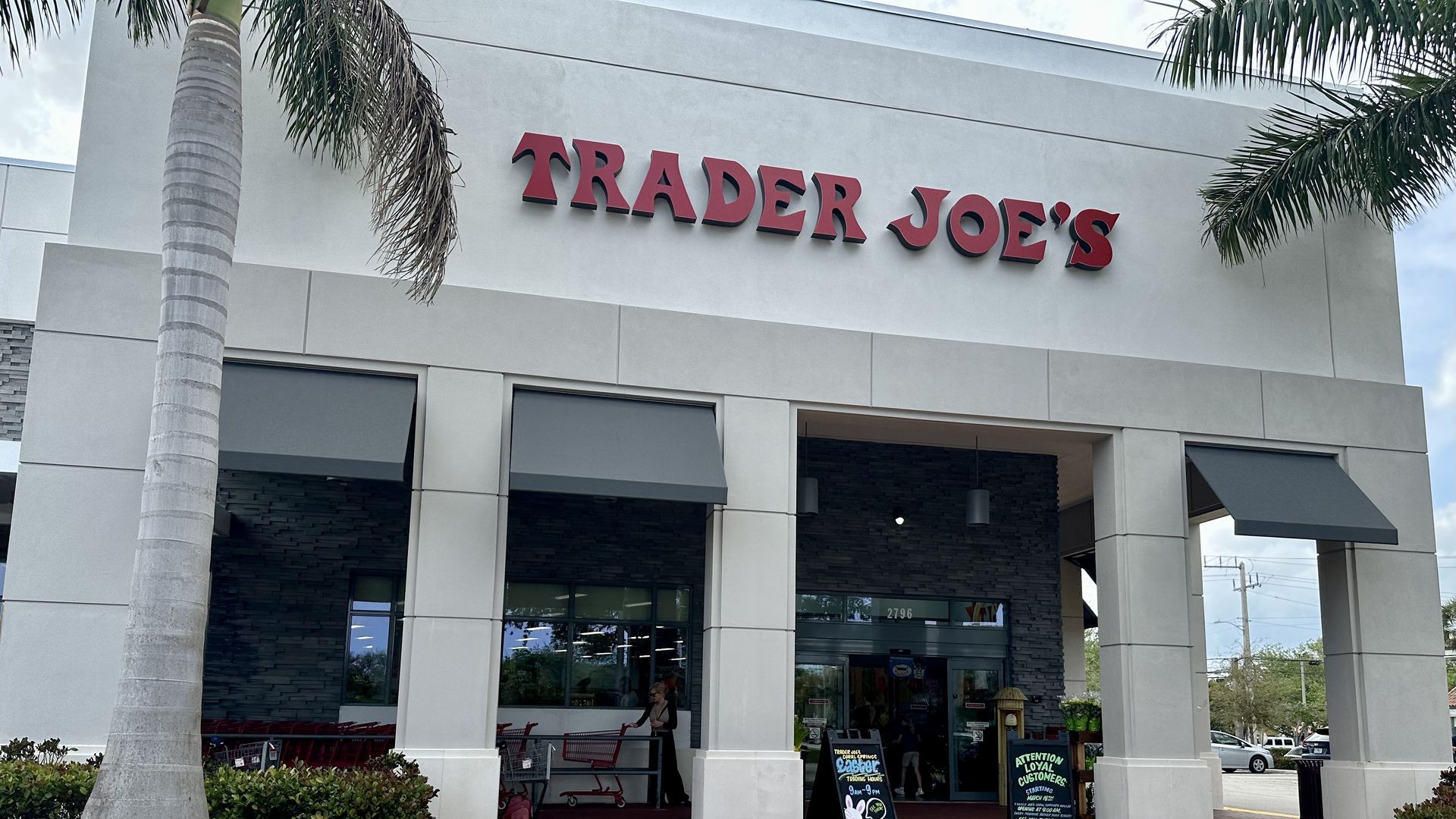
Trader Joe's has increased the price of bananas for the first time in more than two decades.
Why it matters: The fruit that has defied the grip of food inflation has been hit by a 4-cent hike "by the each" at the store — a more than 20% increase.
The overnight collapse of Baltimore's Francis Scott Key Bridge drove a surge in online conspiracy theories Tuesday, many of them promoted by "verified" accounts with huge followings on X.
Why it matters: Rampant misinformation during mass casualty events is not a new phenomenon. But under Elon Musk's ownership of X, the platform has changed from an essential real-time news source to a breeding ground for conspiracy theories.
Call it the two-speed economy. Rich Americans are spending at healthy rates, driving overall demand — but there are early signs that low- and middle-income consumers are starting to cut back.
Why it matters: The split-spending pattern is a change from recent years, when pandemic-era benefits, a savings stockpile and rapid wage growth helped support spending across all income groups.
Visa and Mastercard have agreed to cut and cap credit card processing fees as a part of a major settlement with merchants after decades of litigation.
Why it matters: U.S. businesses are expected to save at least $29.8 billion in the five-year deal, according to attorneys who represented the plaintiffs in the class-action settlement.
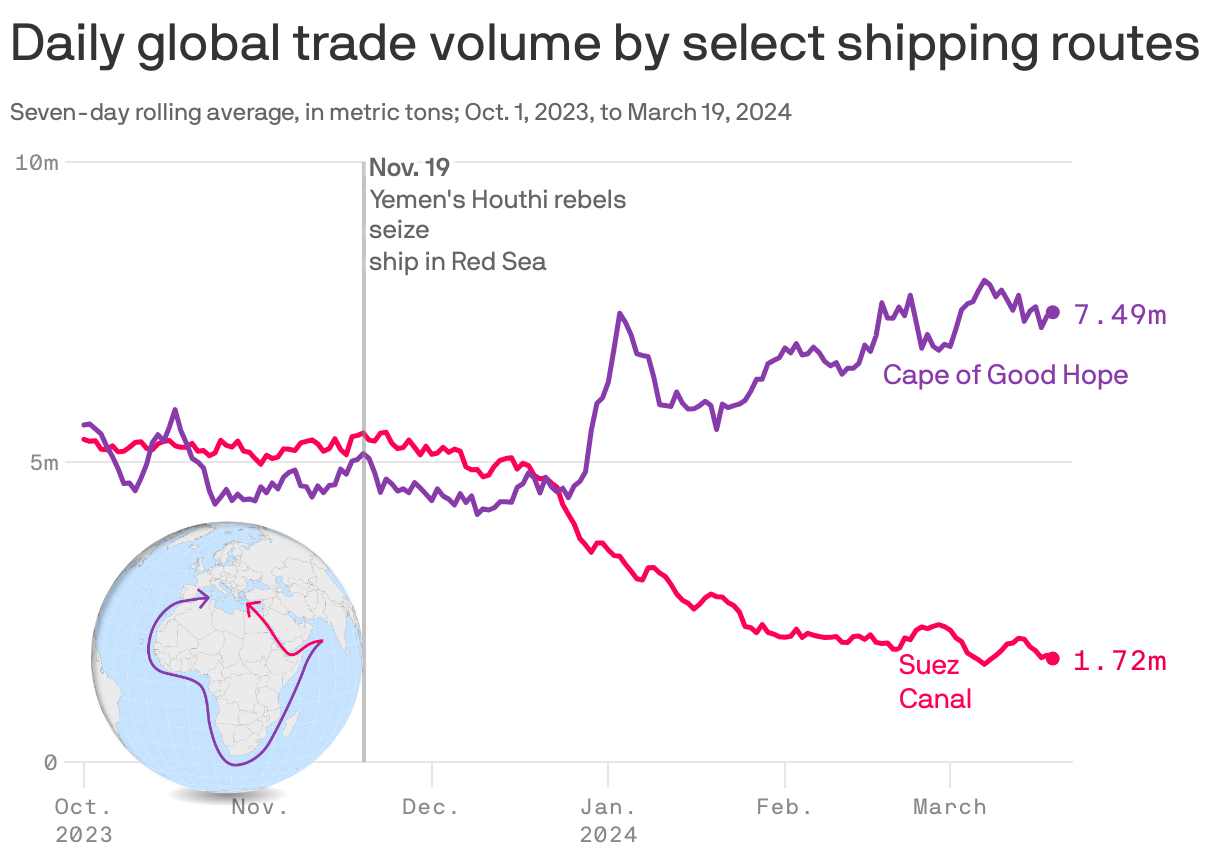
Source: UN Global Platform, IMF PortWatch; Note: Routes shown are approximate; Chart: Deena Zaidi, Will Chase/Axios Visuals
Crude prices are increasingly at risk from geopolitical factors that are getting harder to control.
Driving the news: Continued conflict in the Red Sea is hampering global supply chains, which leads to higher prices. Meanwhile, waylaid shipments — which include barrels of crude supplies — are being forced to find alternate routes to their final destinations.
The current risk-on mood isn't just in stocks and crypto — it's palpable in the debt market as well.
Why it matters: The portion of the leveraged loan and high-yield bond market trading at distressed levels is shrinking fast, and a blitz of deal activity is breaking down a maturity wall that looked worrisome a year ago. This is all despite interest rates remaining at their highest point in two decades — or maybe because of it.
Why it matters: Breakfast is big business for fast-food chains and quick-service restaurants, which are doubling down on partnerships and new menu items to boost morning sales.
BlackRock CEO Larry Fink calls for the government and private sector to coordinate to ensure Americans have enough money to retire, in his annual letter to investors out Tuesday morning.
Why it matters: It comes as little surprise to learn that the world's biggest manager of retirement funds thinks we need more retirement funds for him and others to manage. But that doesn't mean he's wrong.