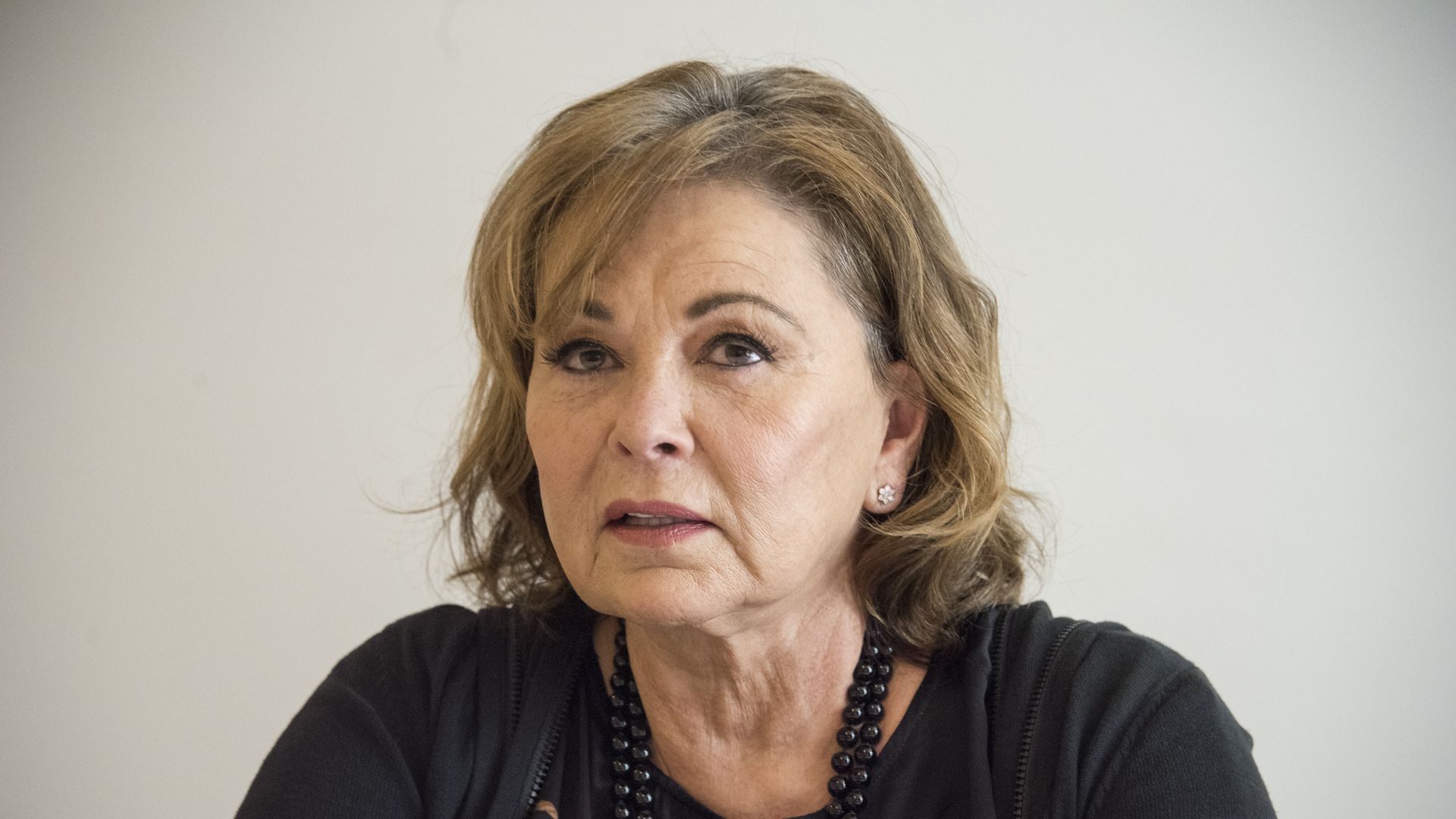
In a self-posted video, Rosanne Barr responded to criticism from being fired and having her show, "Roseanne," cancelled, after targeting former Barack Obama adviser Valerie Jarrett in a tweet, explaining she initially told NBC "I thought Valerie Jarrett was white."
The backdrop: Barr initially released a vulgar video saying she thought Jarrett was white before releasing her scripted statement. After being fired, she apologized for her initial tweet saying she was on Ambien at the time she sent it.
Austerity has been the biggest impediment to the advancement of education on all levels in the United States, according to the latest data in a report from the American Federation of Teachers.
K-12 data: Census Bureau; Higher ed. data: 2017 SHEF Report, State Higher Education Executive Officers; Note: Inflation adjusted; Cartogram: Andrew Witherspoon/Axios
Amid a stagnating wages crisis, income volatility continues to be a top concern for workers.
Why it matters: This concern is spreading so rapidly that large employers like Walmart are looking for ways to help their employees better manage inconsistent income and personal finances. Walmart revealed on Thursday that more than 200,000 of its employees are now using Even, a system to help workers access their earned wages in between paychecks if they're short on cash for bills.
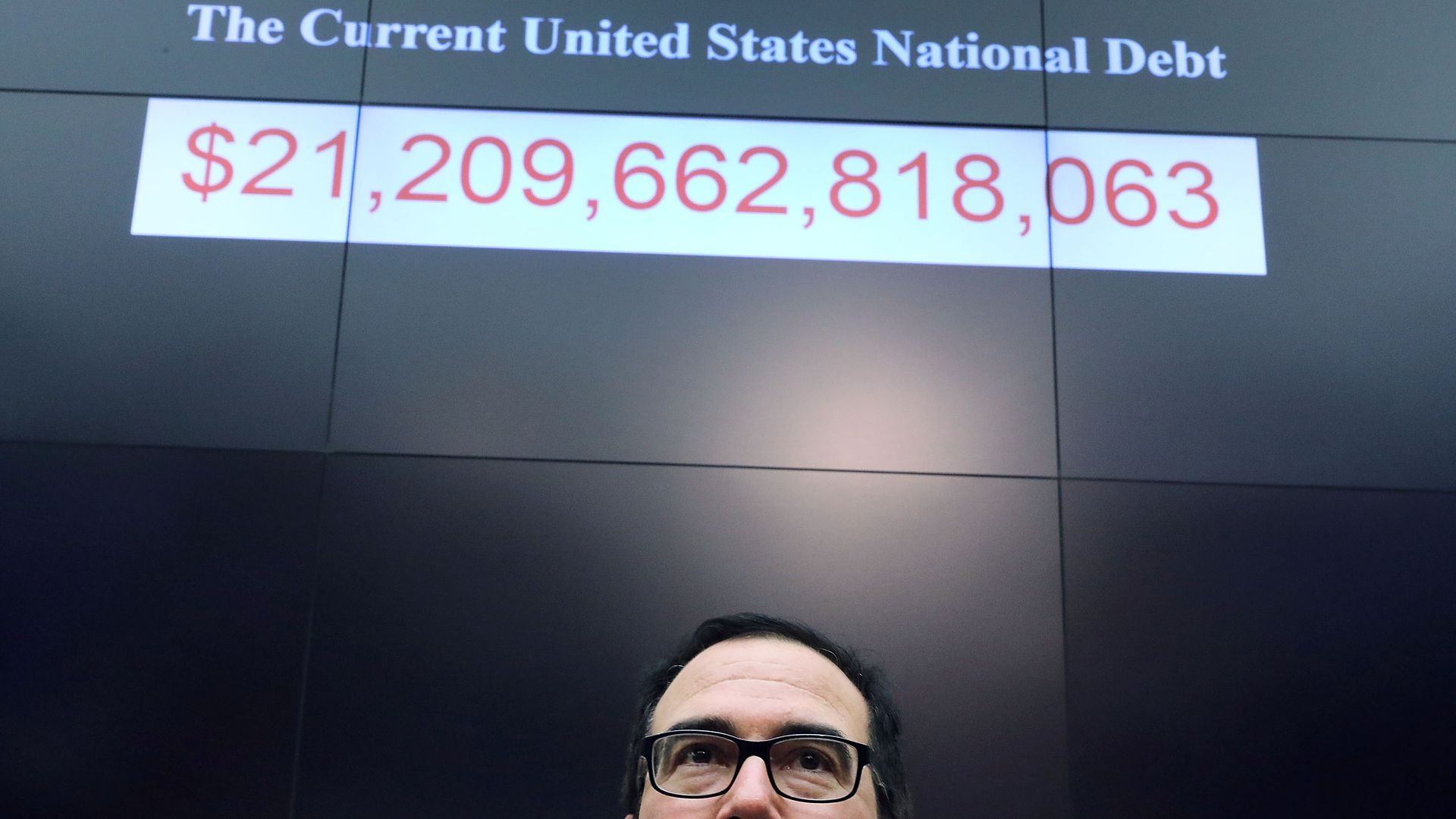
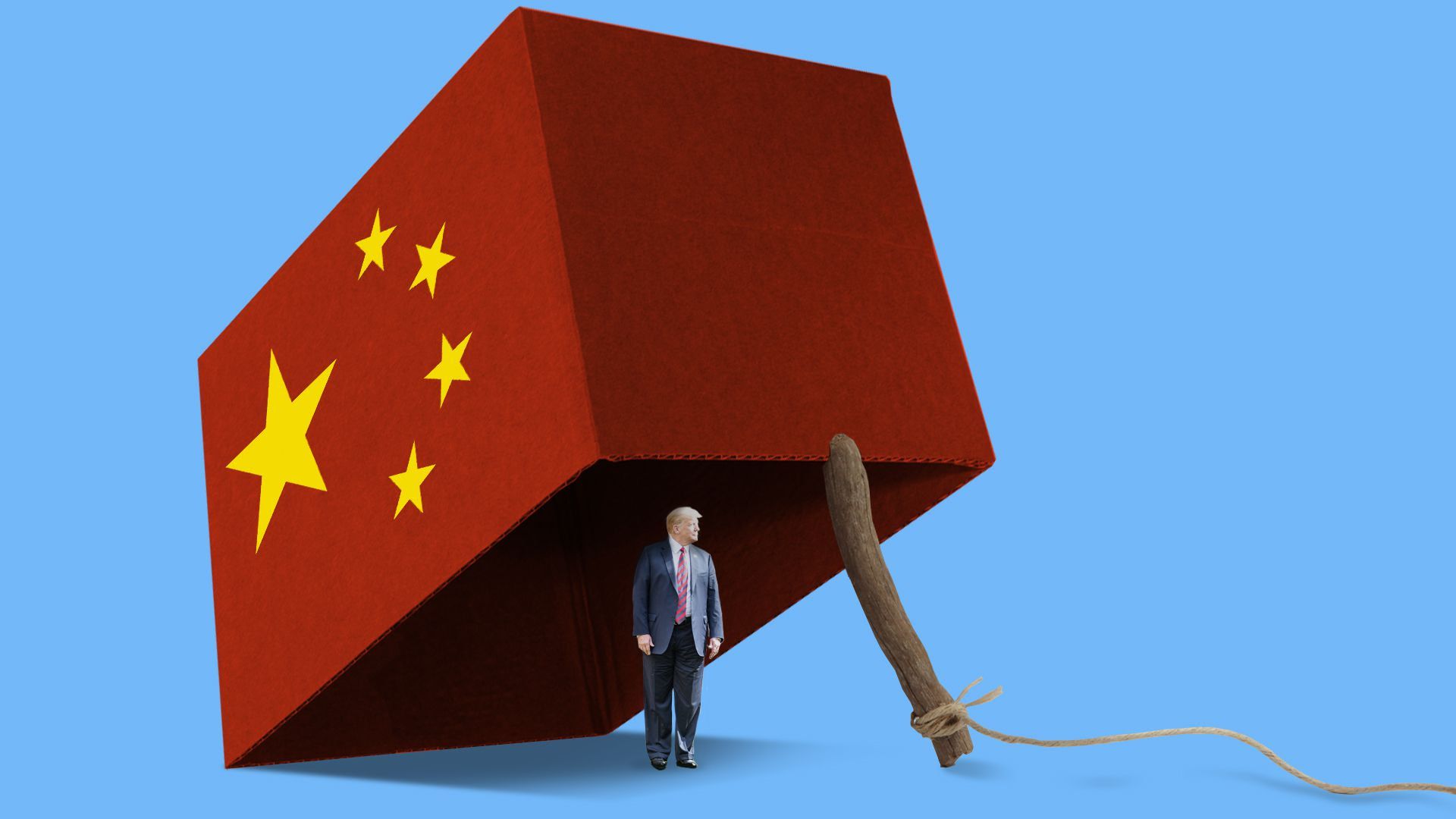
Treasury Secretary Steven Mnuchin echoed President Trump's sentiment that the U.S. will possibly impose tariffs on more than $500 billion worth of goods imported from China, the Wall Street Journal reports.
The details: Trump said on Friday that he was "ready" to hit China with tariffs, inching the U.S. closer to a massive trade war. Mnuchin also said, while speaking before a meeting with G-20 finance ministers, that Trump "fully" supports independence of the Federal Reserve, after Trump complained about rising interest rates.
The big picture: They don't want any confrontation with President Trump, per CNBC, but "want to exert as much influence as they can" to convince him not to enter into a serious trade battle.
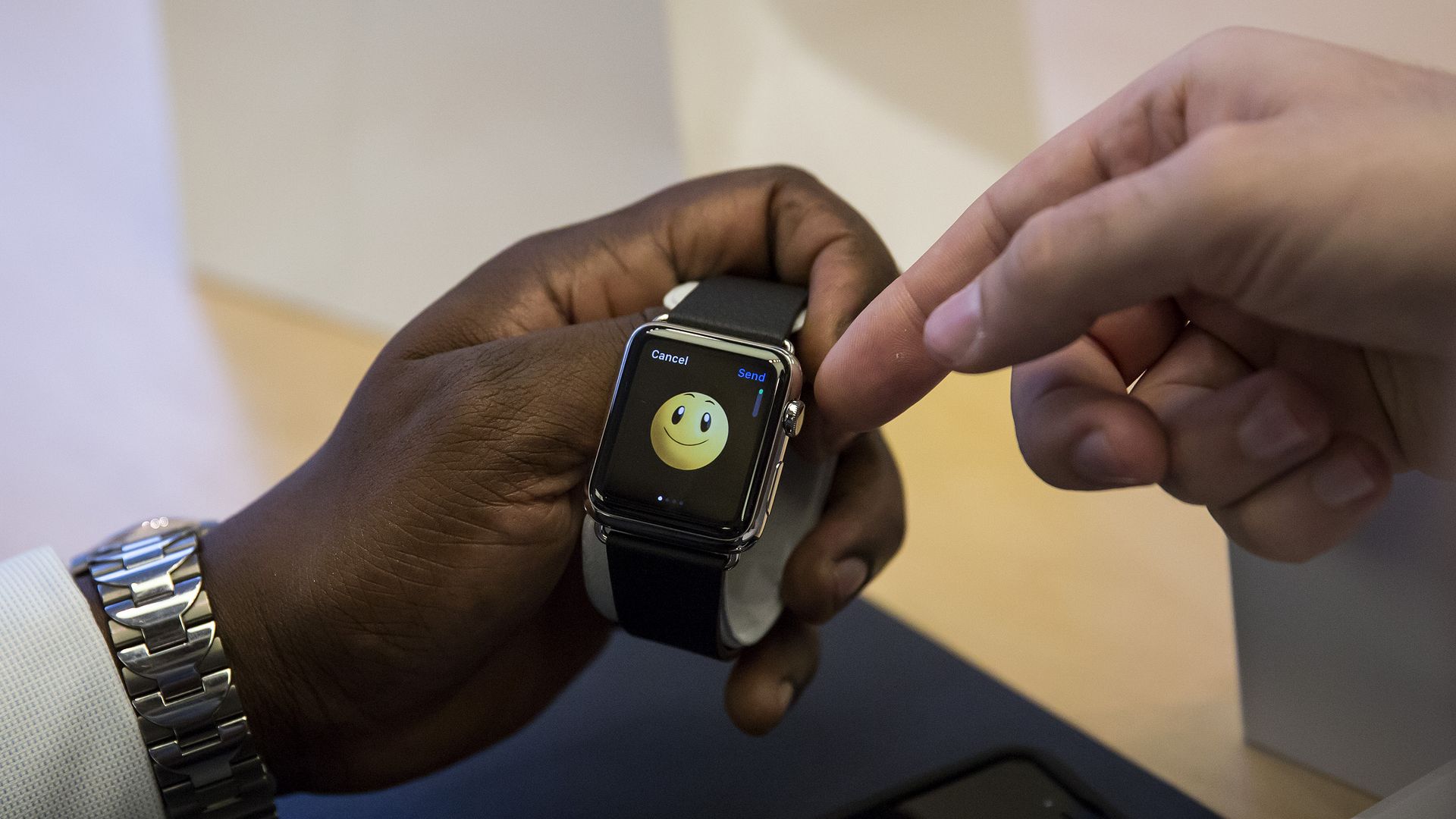
Apple Watches, Fitbits, and Sonos speakers — built in China — are among the plethora of products likely to be hit with 10% tariffs through Trump's additional $200 billion in Chinese tariffs, Reuters reports citing government rulings.
Why it matters: The tech companies that could be hit with tariffs could also raise prices on some of their most popular products, Reuters explains, noting that phones and laptops have so far escaped damage from the proposed tariffs.
Shares at General Electric dropped 4% on Friday after the company's GE Power division saw its value drop by 58% in the second quarter of the year, reports CNN.
The big picture: The trade ware with China and the rise of renewable energy in the U.S. are contributing to GE's struggles. Earnings dropped 30% in the first quarter and the company is expecting its free cash flow in 2018 to be low in its forecast.
Congress will not push to reinstate a Trump administration ban against Chinese phone maker ZTE, which President Xi Jinping successfully lobbied President Trump to lift, reports Bloomberg, citing sources familiar with the matter.
Why it matters: Lawmakers' initial effort to block Trump's ZTE deal was the last obstacle the Chinese company — a repeat violator of U.S. sanctions and considered a national security threat by the Pentagon — faced before returning to business as usual.
Between 2006 and 2015, terrorist attacks carried out by Muslim extremists received 357% more press attention in the U.S. than those committed by non-Muslims, reports The Guardian.
Why it matters: A study conducted by the University of Alabama found that attacks by Muslims spurred an average of 105 headlines — especially in national news outlets — compared to just 15 headlines for non-Muslims. The gap is especially jarring given right-wing extremists have committed nearly twice as many attacks in the last decade, according to Reveal.
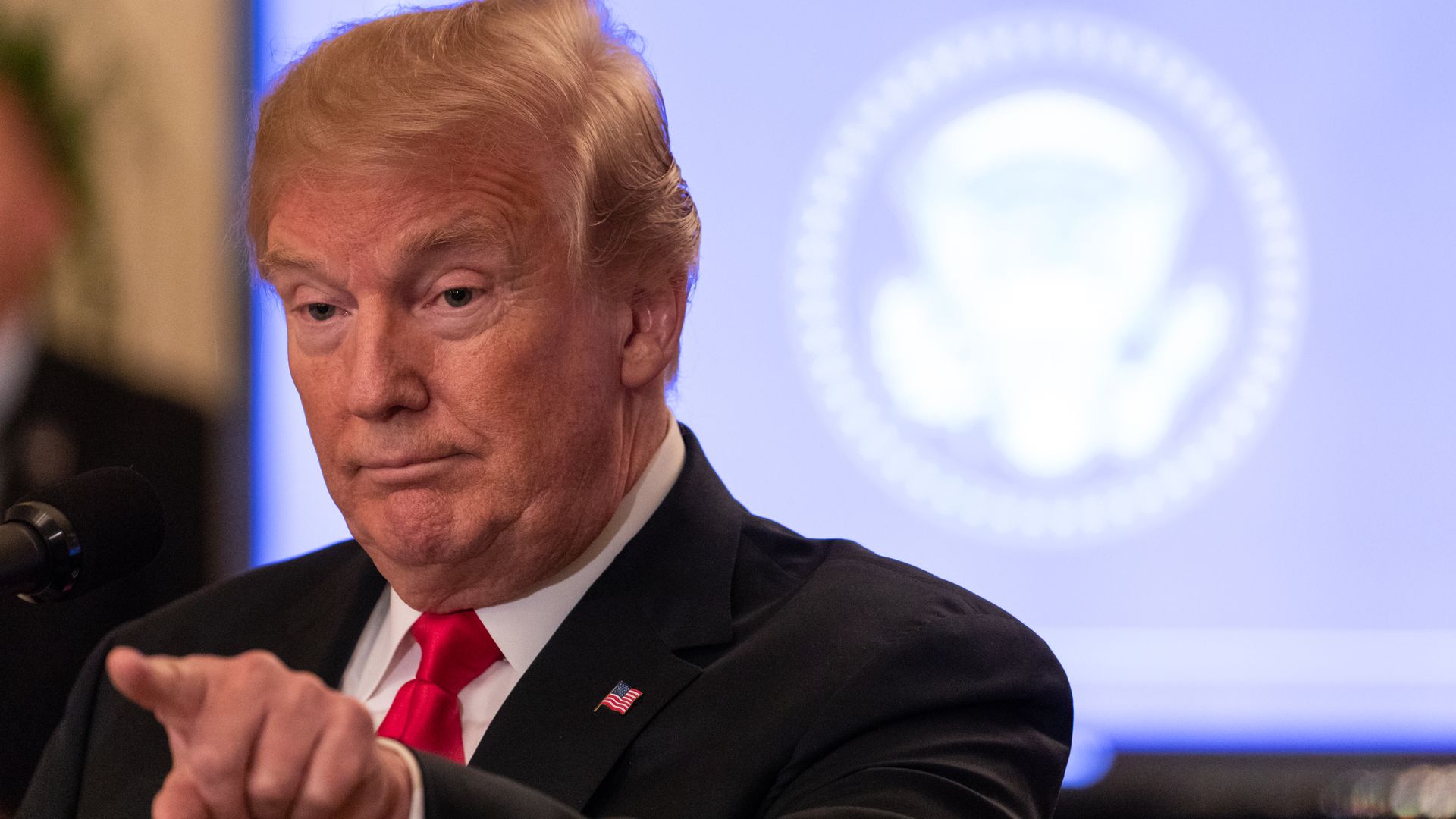
President Trump swiped at the Federal Reserve while criticizing China and the European Union in tweets on Friday, complaining that currency manipulation is "taking away our big competitive edge. ... As usual, not a level playing field."
Why it matters: The trade war between the U.S. and other countries is shifting into a currency war. This is the second time this week Trump has roiled currency markets with comments about Fed policy. The dollar fell shortly after Trump's tweets.
The chances of a longer, wider, more damaging trade war with China are rising, top officials tell us.
Why it matters: President Trump is spoiling for escalation. And China is ready to retaliate and out-wait America. Here’s why it could be even worse than you think.
The big picture: China "won't be able to come close to the U.S. in a tit-for-tat battle," writes CNBC. But, China has an arsenal of trade war weapons aside from tariffs that it's ready to use in the case of an escalated trade war.
President Trump's tariffs are introducing a new, wildly unpredictable issue into the midterm elections, thanks to their heavy impact on states with critical Senate races as well as their likely role in House races across the country.
Data: U.S. Chamber of Commerce. Note: Dollar amounts reference total value of goods in 2017. Cartogram: Lazaro Gamio/Axios
Why it matters: This puts GOP candidates in a weird position: Speaking out against trade policy that's hurting their state or district could turn off voters who would view that as criticizing Trump. But Democrats aren't exactly free traders, and they're not piling on the president's tariffs the way they attack his other policies.