Days ahead of a G-7 meeting this weekend in Quebec, many analysts say the U.S. is in an open trade war with its most steadfast allies.
Be smart: President Trump still appears to be winging it, throwing out one extreme idea after another. His latest threat on NAFTA may merely be his maximalist negotiating strategy at work: No one — perhaps even he — knows. But the EU, Mexico and Canada appear to be drawing a hard line in the sand, creating an atmosphere of brinksmanship.
Local news still hasn't found a way to financial stability, despite the appetite for news expanding around the globe, but there are groups still fighting to keep local news outlets afloat.
Why it matters: Multiple organizations have stepped up to help local papers survive or provide local coverage themselves as non-profit organizations.
President Trump tweeted this morning that the media had been "so unfair, and vicious" to First Lady Melania Trump, claiming that four reporters spotted her in the White House "walking merrily along to a meeting" but ignored it "because it would hurt the sick narrative that she was living in a different part of the world, was really ill, or whatever."
Big picture: Melania appeared in public for the first time in weeks on Monday evening, and her absence had led to much speculation — and some conspiracy theories — despite the White House explanation that she was recovering from kidney surgery. "During her recovery from surgery they reported everything from near death, to facelift, to left the W.H. (and me) for N.Y. or Virginia, to abuse. All Fake, she is doing really well!" Trump tweeted.
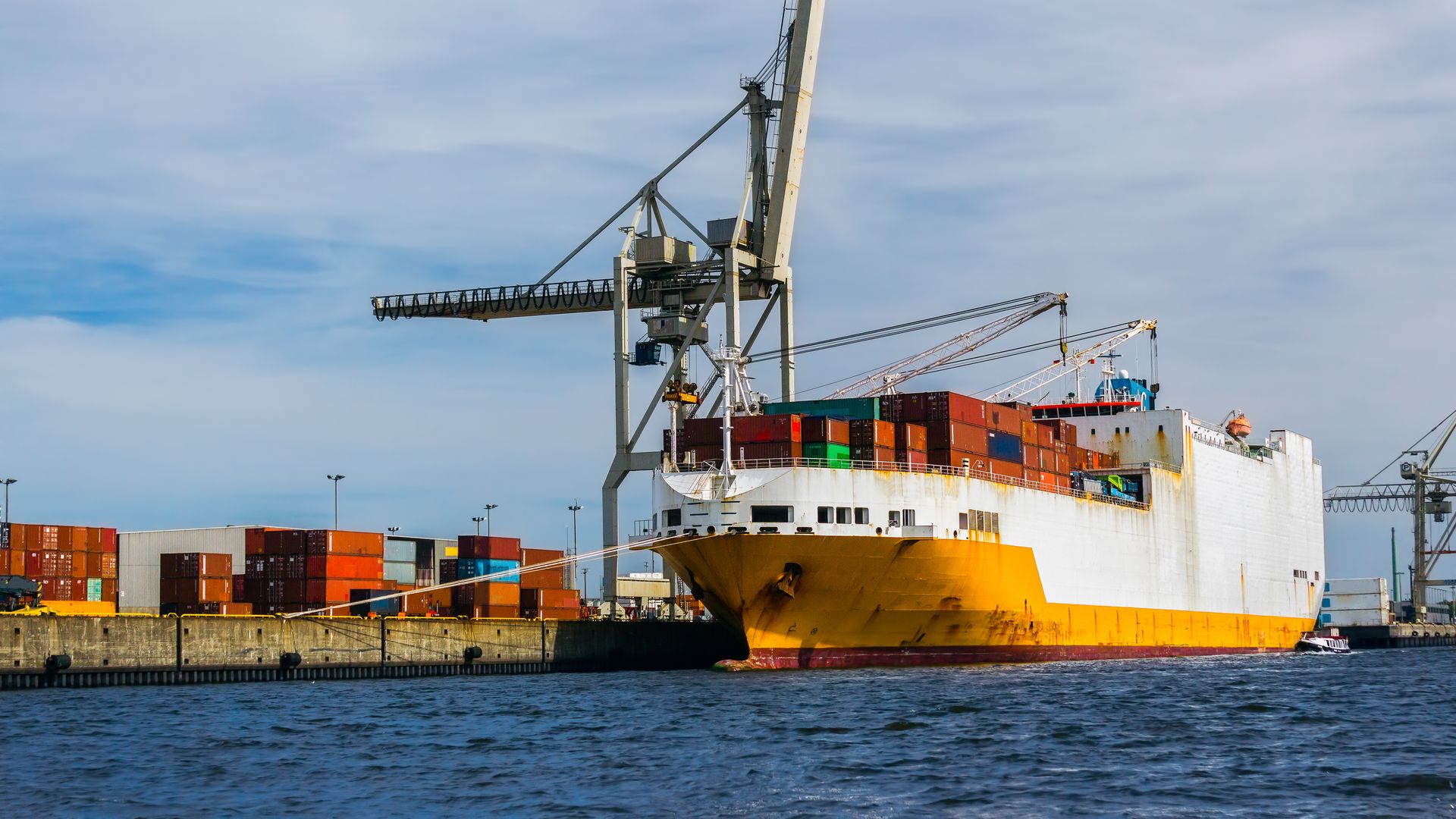
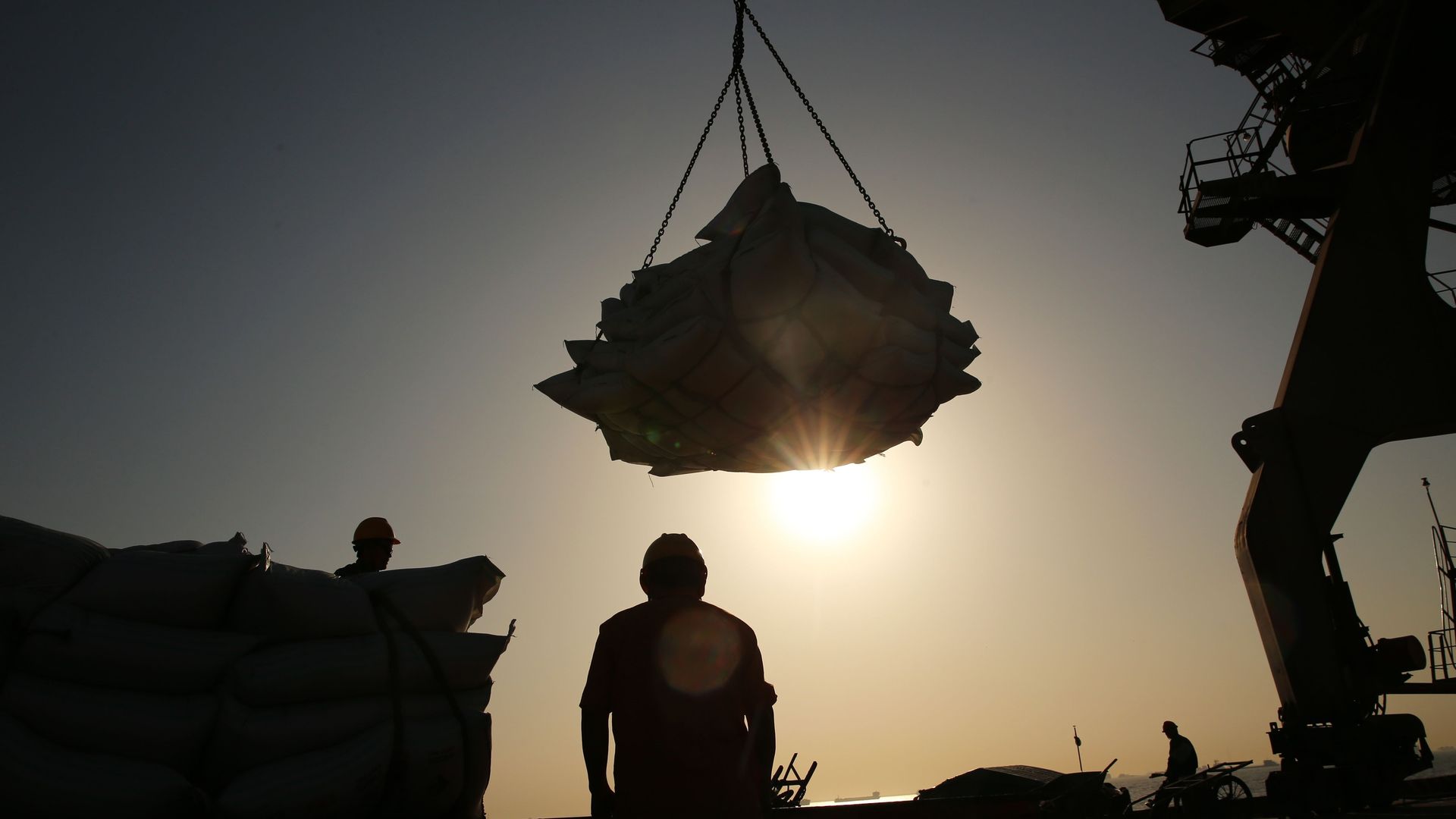
The European Union announced Wednesday that it will impose tariffs on American goods starting in July in response to President Trump's decision not to exempt Europe from sweeping aluminum and steel tariffs, reports AP. The EU exported 5.5 million tons of steel to the U.S. in 2017.
The details: The EU tariffs will affect about $3.4 billion worth of U.S. products. The goods caught in the crossfire include bourbon whiskey, motorcycles, denim, cigarettes, cranberry juice, orange juice, some pants and shorts, some bedlinen, corn, tobacco, t-shirts, motor boats, some rice, some beans, peanut butter, and forms of aluminum and steel.
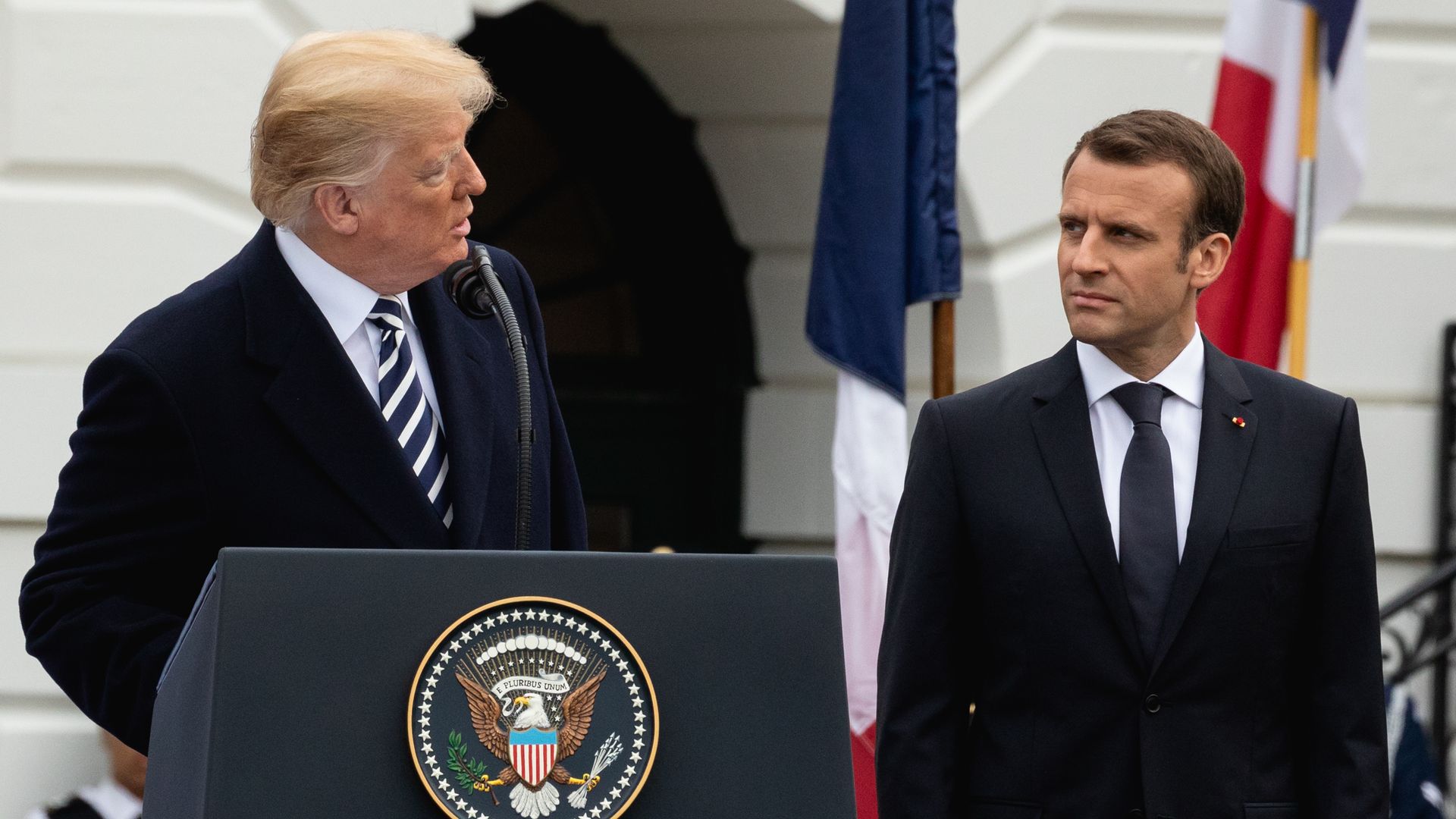
French President Emmanuel Macron compared his conversations with President Trump and other world leaders to making sausage at a press conference on Wednesday when he was asked by reporters about a CNN report that his call with Trump on tariffs was "terrible," per The Guardian.
“As [Otto von] Bismarck used to say, if we explained to people how sausages were made, it’s unlikely they’d keep eating them. So I like it when people see the finished meal, but I’m not convinced the kitchen commentary helps with delivering the meal or eating it.”
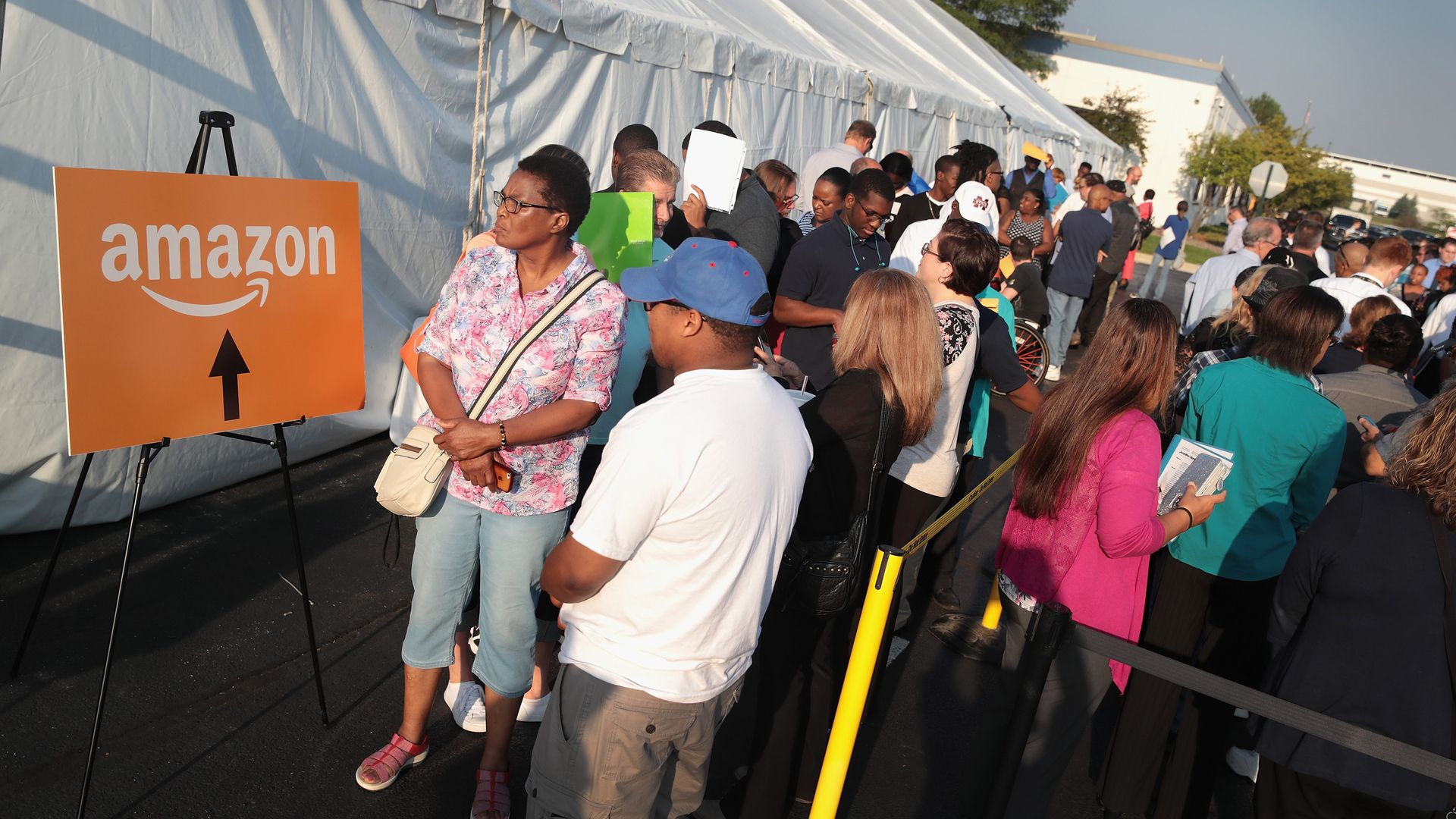
"American Job Openings Now Outnumber the Jobless," per The Wall Street Journal's Eric Morath (subscription): "U.S. job openings rose to 6.7 million at the end of April, compared with the 6.3 million Americans who were unemployed."
Why it matters: "The labor market is forcing employers to rethink their approach to hiring ... If they can’t find workers to meet the demand for their products, they can’t help the economy grow. They may instead opt to close the restaurant early or not run a third shift at the factory."
The latest figures from the Bureau of Labor Statistics shows that there are now 6.7 million job openings in the U.S. and 6.35 million people counted as unemployed —making 2018 the first year on record that the U.S. has had more available jobs to fill than people looking for jobs.
The big picture: Axios Future Editor Steve LeVine points out that the labor force participation rate has fallen steadily over the past decade, and now sits at 62.7%. So while it looks like there are more unfilled jobs than available workers, in fact millions of working-age Americans are not currently employed. That is one speculative reason why wages have remained flat despite the skills and worker shortage.
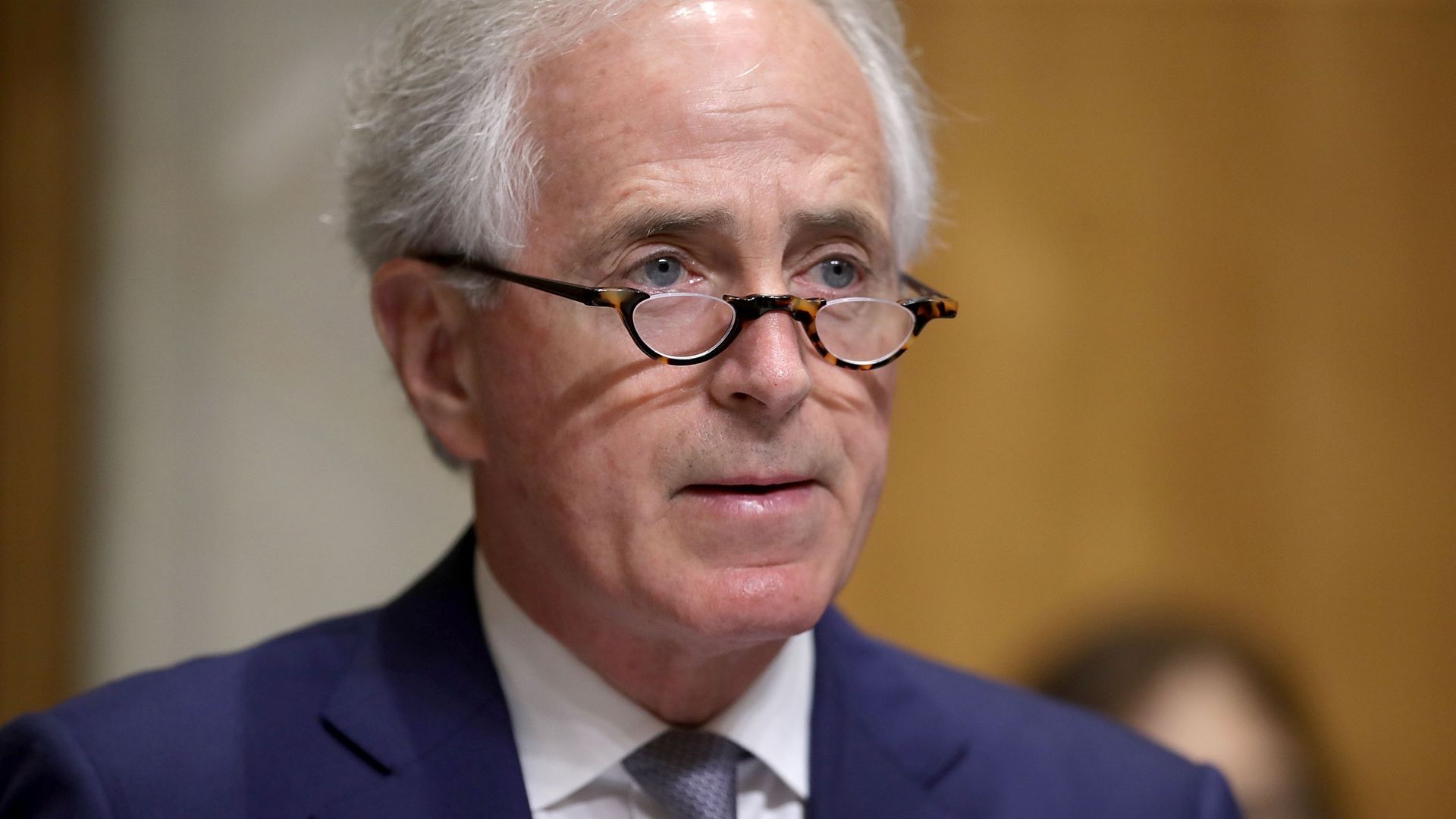
Republican Sen. Bob Corker plans to introduce legislation as early as today that would give Congress the authority to roll back President Trump's tariffs, Politico reports.
Why it matters: Corker, who is retiring after this term, is one of several Republican senators pushing back on Trump's decision to impose steel and aluminum tariffs on America's closest allies. Per Politico, "Senate Majority Leader Mitch McConnell and Speaker Paul Ryan have both criticized the metals tariffs ... but it's unclear whether they would entertain a vote on the matter by the GOP-controlled Congress — especially one that would likely draw a presidential veto."
The Wall Street Journal announced Tuesday that it is replacing longtime Editor-In-Chief Gerry Baker with Matt Murray, the journal's Deputy Editor-In-Chief. Baker will remain with the company as Editor-At-Large, in a role focused around a new TV partnership with Fox and live events.
Why it matters: A few controversies during Baker’s tenure led to speculation his time as editor-in-chief would be limited. Those included rumors last month that he had directed the removal of a liberal-leaning infographic, and reports last year that some newsroom staff were frustrated with the paper’s coverage of the Trump administration. However, a new show, a lofty title and a highly-visible live events role show that News Corp stands behind Baker.
Chinese negotiators have presented the U.S. with a deal through which China buys $70 billion worth of American farm and energy products if the Trump administration drops the threat of tariffs, the Wall Street Journal reports, citing sources familiar with the latest talks.
Why it matters: It's a tempting offer, as farmers are a crucial component of Trump's voter base. China proposed tariffs on U.S. soybeans and sorghum as a political move to hit the heart of Trump country. Still, U.S. officials are highly skeptical of the offer, reports the Journal.
Asian-Americans, particularly younger generations, are leading the adoption of the latest devices and digital consumption, and are far outpacing the national average for time spent on the web and in apps on smartphones.
Adapted from a Nielsen report; Chart: Harry Stevens/Axios
Why it matters: "By studying the unique consumer preferences of Asian-American consumers, marketers and advertisers can gain insight into reaching other consumers, while also continuing to make progress with one of the most powerful consumer groups in the U.S.," per Nielsen.
CRTV will announce today a new pilot series starring conservative pundit Erick Erickson — called "The Resurgent Family" — that will focus on faith and family values.
Why it matters: This is all part of the escalating race to become the premier conservative TV/video network outside of Fox News.
Tech companies are launching ad businesses to eat at the multi-billion dollar advertising pie dominated by Google and Facebook for the past few years.
The big picture: Other tech giants, like Apple and Amazon, are doing all they can to eat away at the duopoly — at the expense of traditional advertising giants in the media business.
McClatchy is rolling out a multi-pronged midterm election game plan, centered around a partnership program with political influencers and extending into a documentary of Texas Senate candidate Beto O’Rourke and an editorial partnership with digital millennial news site, Ozy.
Why it matters: Executives from both McClatchy and Ozy believe there are business and editorial opportunities presented by a lack of attention to state and local elections by many national news outlets and a wariness by consumers to trust national outlets with election reporting after the 2016 race.