Private equity firm Vista Equity today announced that it has purchased a majority stake in digital ad measurement firm Integral Ad Science. No financial terms were disclosed, but multiple sources tell Axios that the deal valued IAS at around $850 million. Oracle paid a reported $850 million last year for IAS rival Moat.
In context: IAS had been widely expected to IPO, but the public markets might have been tentative about an ad tech company amidst ongoing regulatory changes like GDPR and broader privacy concerns.
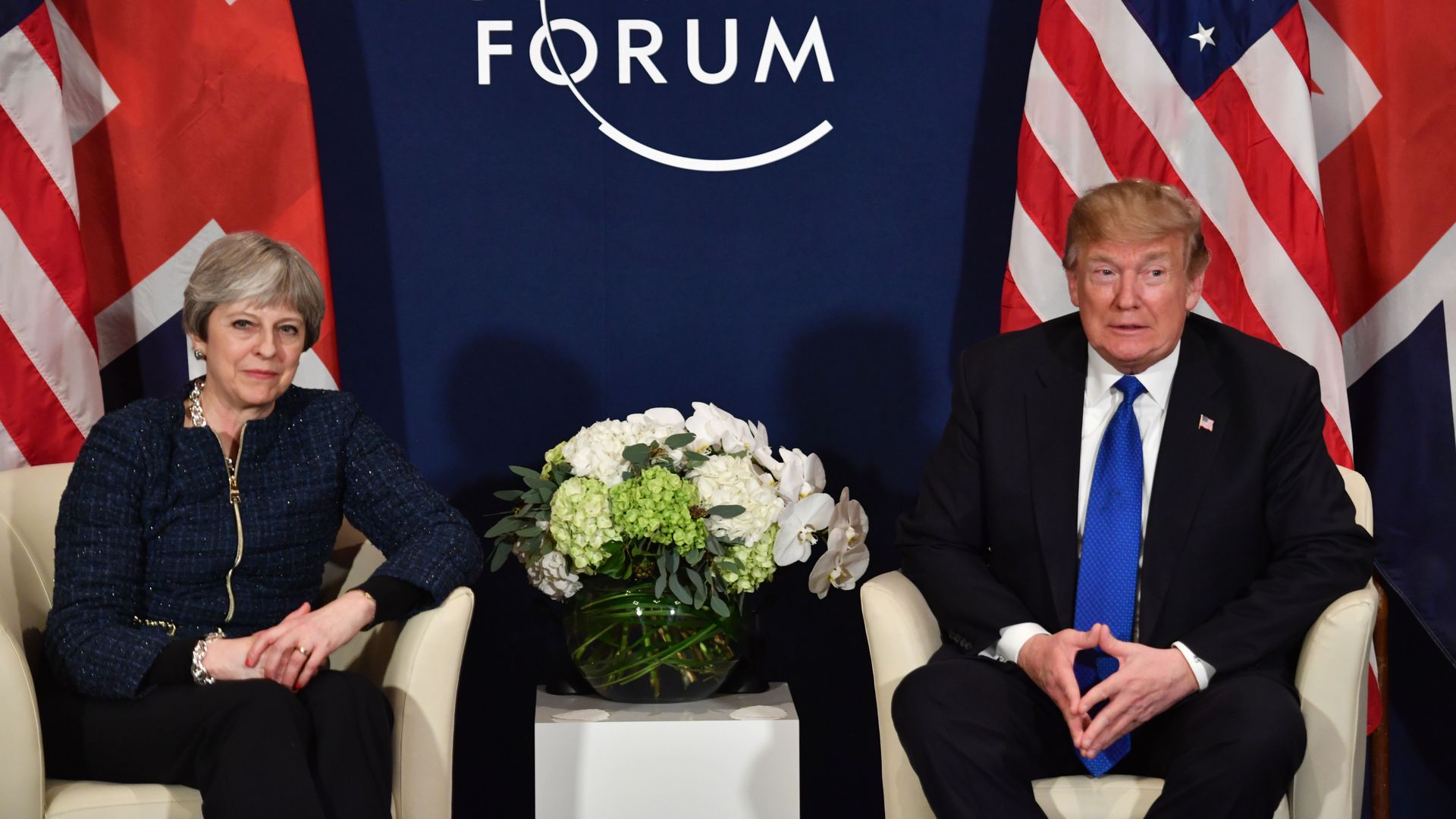
British Prime Minister Theresa May told President Trump over the phone earlier today that the tariffs on EU steel and aluminum are "unjustified" and "deeply disappointing," according to a statement by a Downing Street spokesperson.
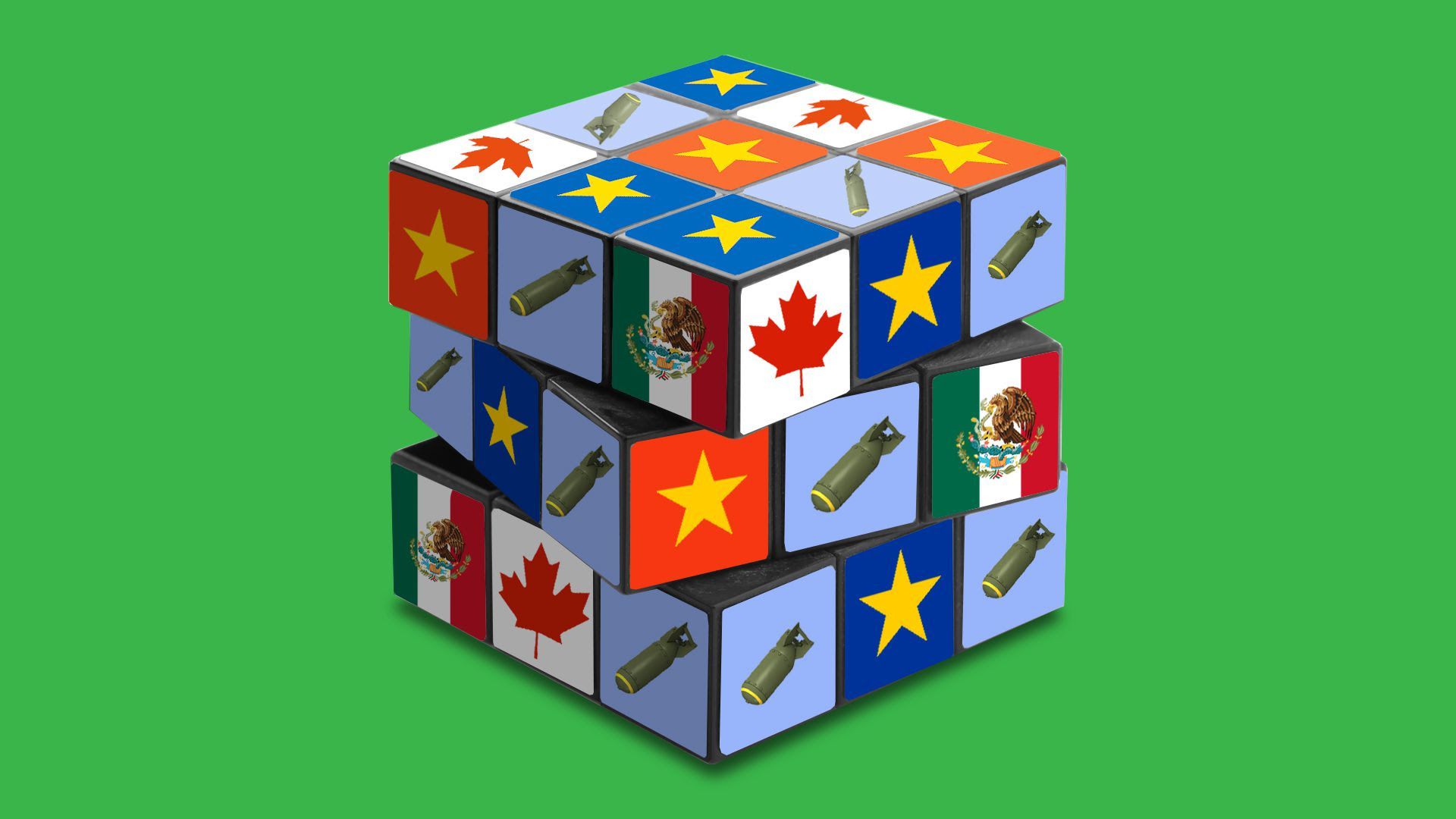
Big picture: Following Trump's announcement of new tariffs on Mexico, Canada and the EU last week, the EU retaliated with their own targets on Harley Davidson motorcycles and Kentucky bourbon — adding yet another Trump trade war.
The conservative donor network helmed by billionaire brothers Charles and David Koch will launch a multi-year, multimillion-dollar to promote free trade and directly hit back at the Trump administration's broad tariffs on China, Canada, Mexico and European countries, according to Koch network official James Davis.
Why it matters: The Koch network, which many Republicans perceived had lost influence during the rise of Trump, remains the best-funded donor group on the right even as it opposes some of the core tenets of Trumpism. As Trump pushes his party towards protectionism and Republicans largely stay silent — with a few exceptions like senators Ben Sasse and Jeff Flake — the Koch network is filling a void by pouring millions into a campaign to promote free trade.
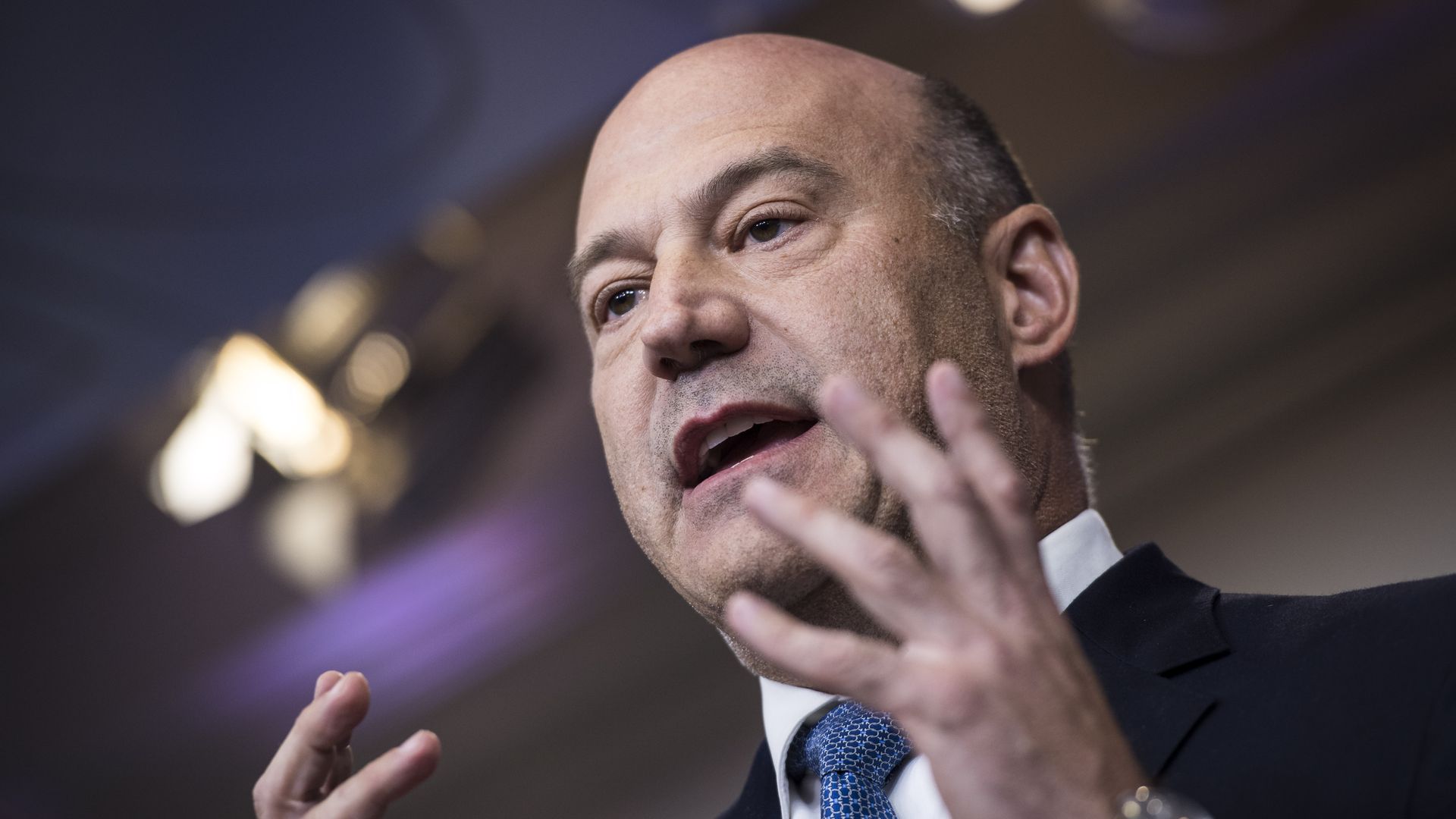
During his White House tenure, former National Economic Council director Gary Cohn chose to withhold jobs reports from President Trump until just before their release due to fears that Trump would signal their contents beforehand, per Politico's Ben White.
Why it matters: Cohn's concerns were validated last week when Trump tweeted prematurely about a positive jobs report, though White notes that Cohn's successor Larry Kudlow followed the usual protocol in notifying Trump. Trump's tweet disrupted markets and potentially violated a 1985 law preventing federal officials from speaking about a federal report until its release.
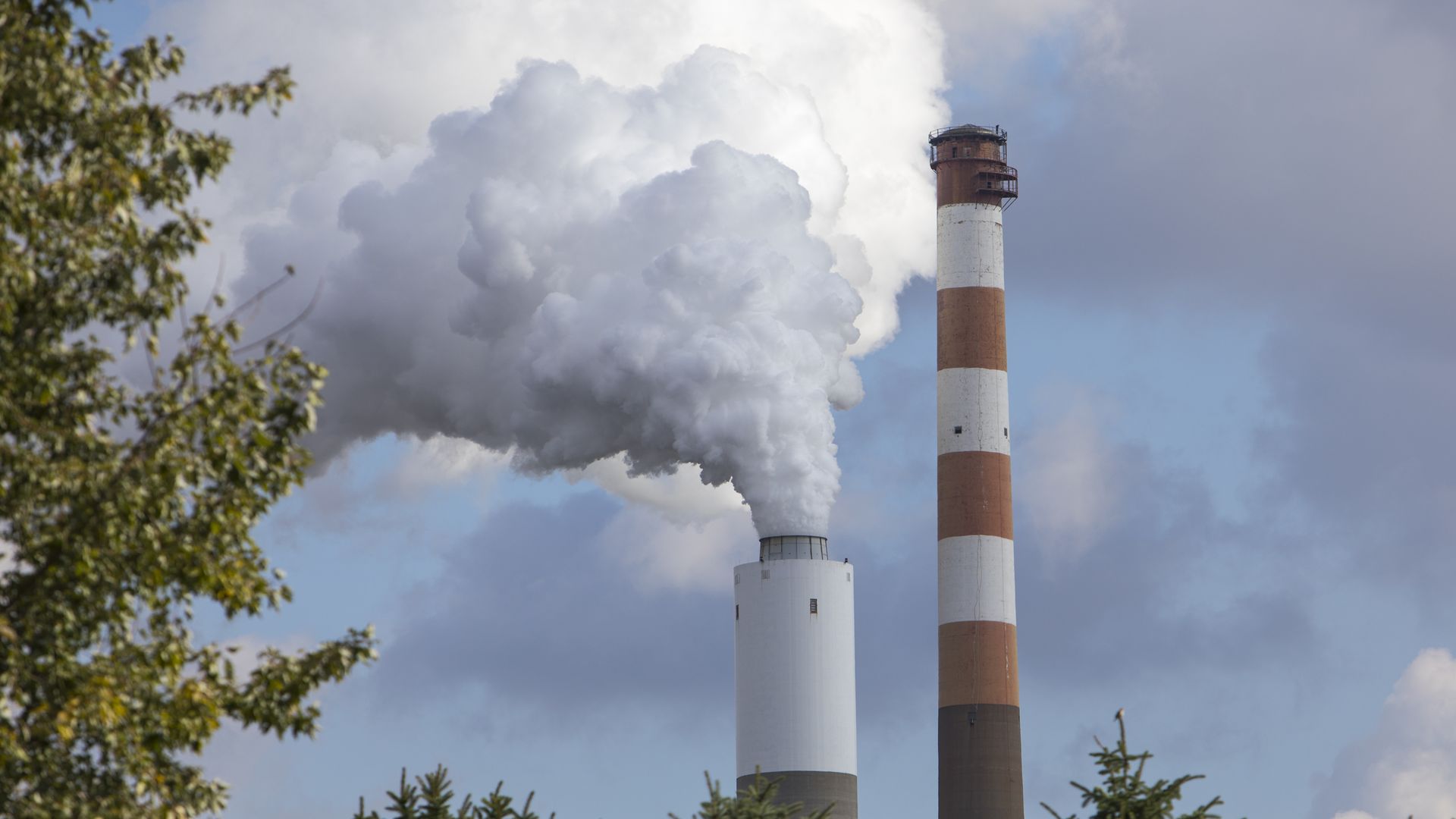
Chara Solutions, a Kentucky-based provider of environmental and maintenance services to coal and nuclear power plants, on Monday set terms for an IPO that is expected to price later this month. At the $17 per share midpoint, it would have an initial market cap of $511 million.
Big picture: This comes just after President Trump asked the Department of Energy to prep a landmark economic aid package for troubled coal-fired and nuclear power plants (i.e., many of Charah's target customers).
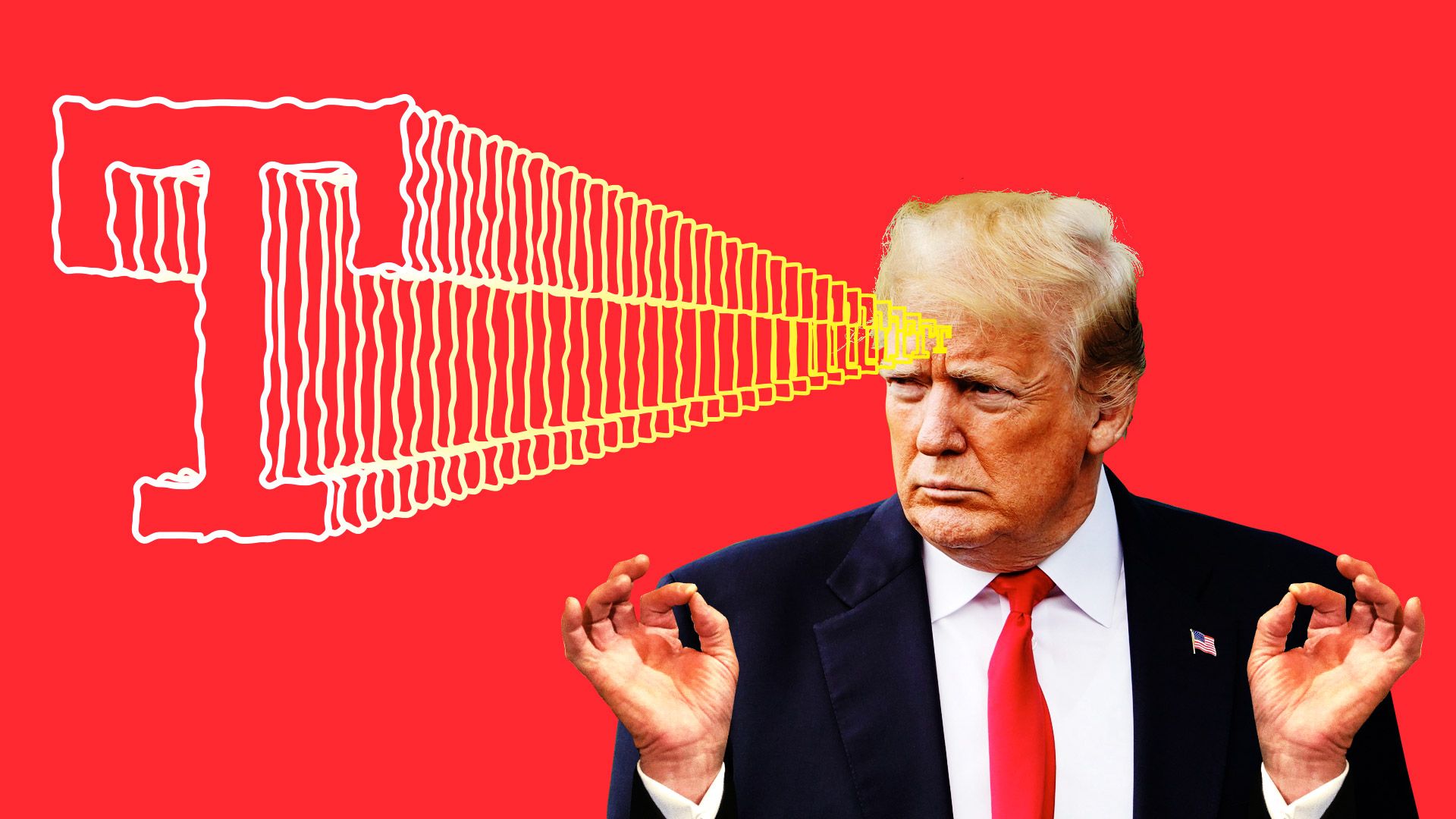
In our lifetime, no president has matched Donald Trump’s ability to summon the power of the pulpit, friendly media, and the tweet-by-tweet power of repetition and persuasion to move minds en masse.
The big picture: You see this in the silence of Republican critics; the instant shifts in GOP views of the FBI, Putin and deficits; and the quick, widespread adoption of his branding efforts around “deep state,” “Spygate” and “no collusion.” We hear so much, so often that we become numb to what Trump is doing. This allows big things (such as fundamental shifts in governing norms) to seem like small things or nothing at all.
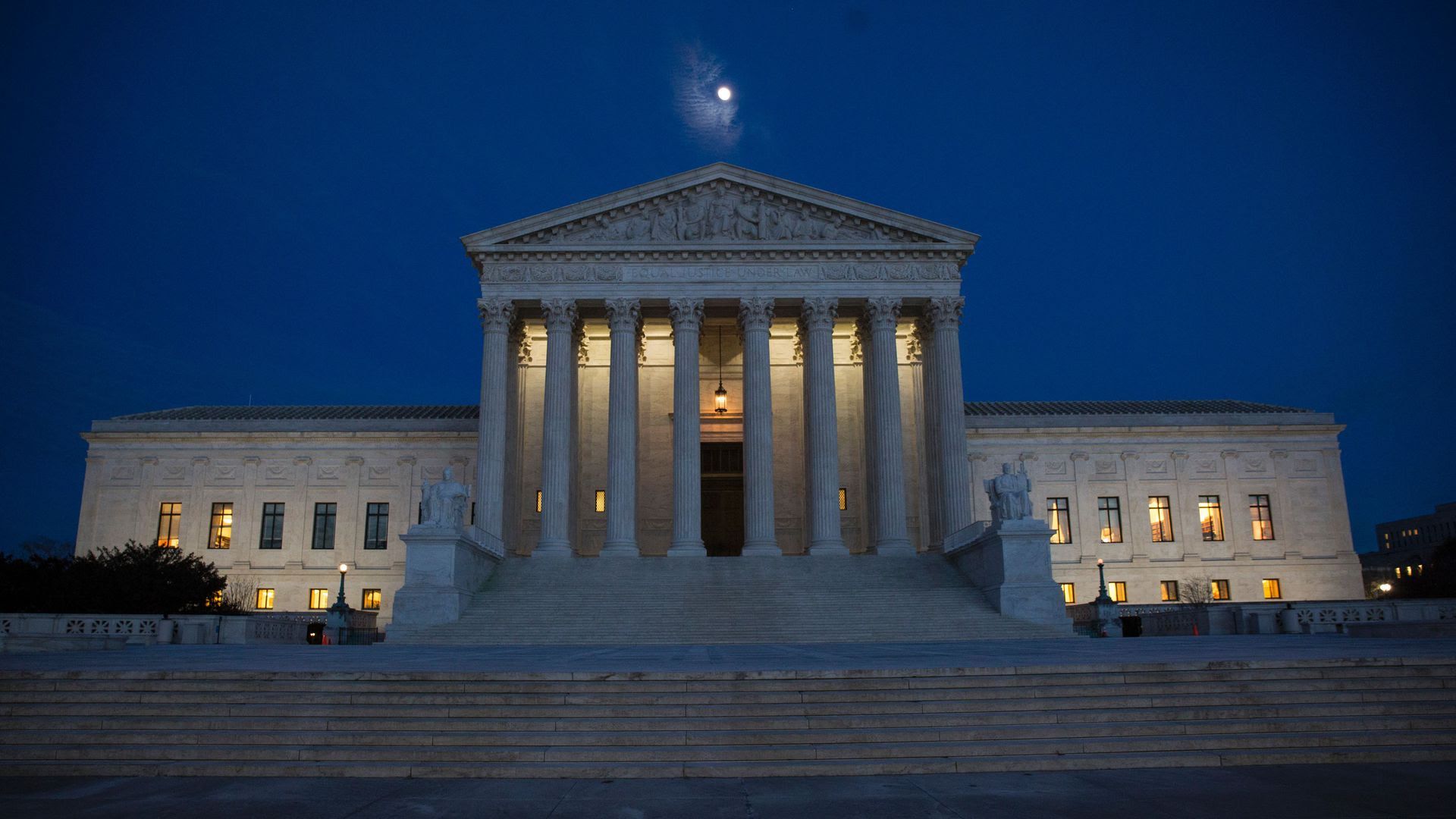
The Supreme Court has 29 cases to decide by the end of this month, including all of the term’s biggest blockbusters.
Why it matters: All of these cases have enormous political implications. Some, like deciding whether partisan gerrymandering is constitutional, could directly and immediately affect the actual practice of politics.
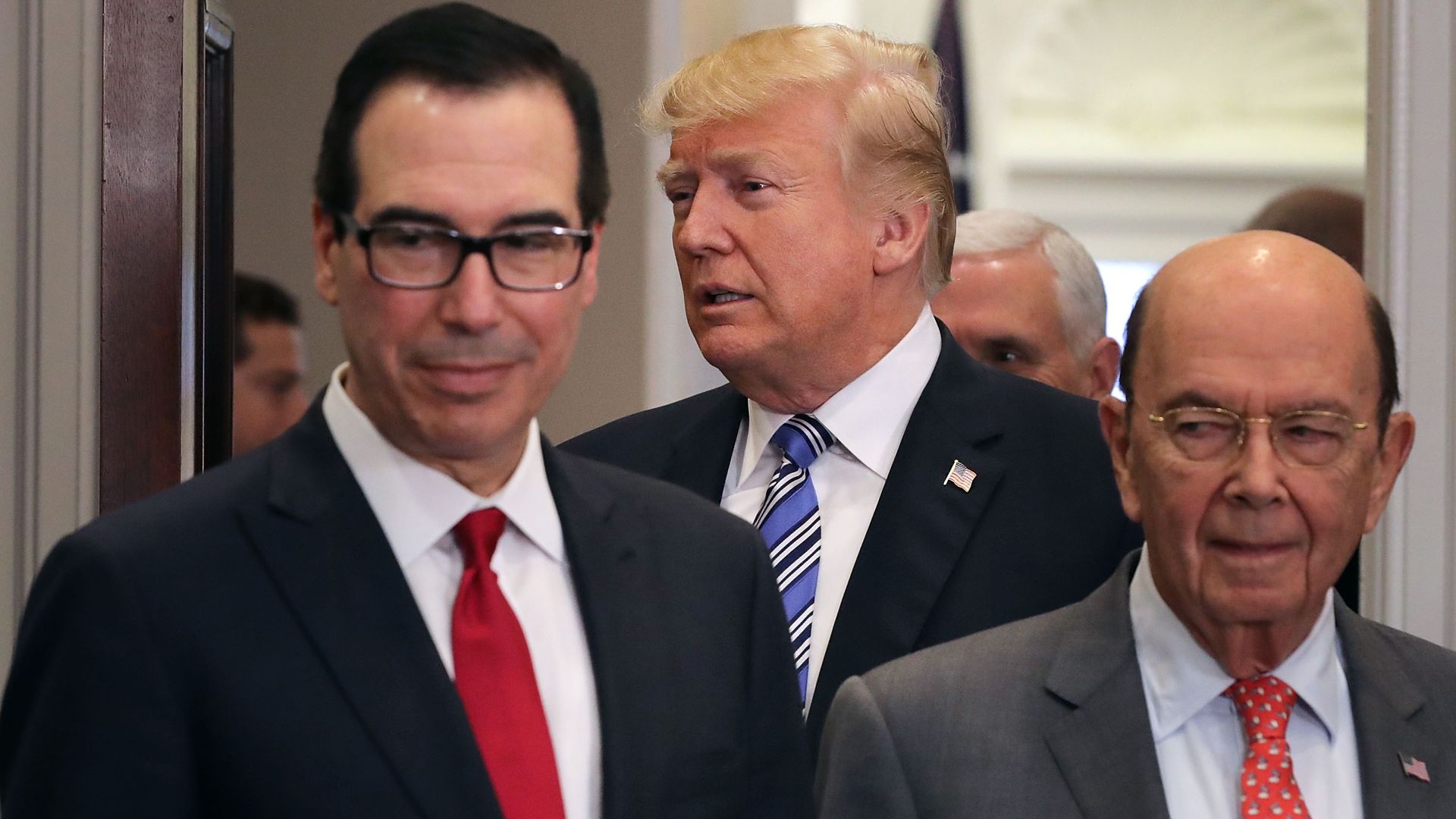
One of the under-reported ways Donald Trump has changed Washington: Deadlines suddenly matter. We saw it last week when Trump hit allies — the European Union, Mexico and Canada — with steep steel and aluminum tariffs.
Why it matters: Trump had announced these tariffs back in March, but exempted some key trading partners. Trade lawyers and lobbyists following the situation told me they expected Trump to extend the deadlines when they expired on June 1, rather than throw these key relationships into further turmoil.
President Trump's announcement that the U.S. is slapping new tariffs on its neighbors and confidants, is driving a wedge between the U.S. and its closest allies, with finance ministers of G7 nations lambasting the White House for undermining open trade, per the AP.
The big picture: Trump's trade war is extending far beyond China. Last week, the administration announced a decision to impose a 25% percent tariff on steel and a 10 percent tariff on aluminum from the European Union, Canada and Mexico.
China, Canada, Mexico, and the EU are responding to Trump’s trade war against each of them with their own retaliatory tariffs — or threats of them — against products from bourbon whiskey to cheese to chocolate.
Why these products are targeted: As Mexico’s Secretary of Economy Ildefonso Guajardo told Mexican media earlier this week, it’s about targeting districts whose lawmakers may get angry calls from constituents and companies in their states, and who then may try to get a hold of Trump's ear to influence how he moves forward.
President Trump's attorney Rudy Giuliani said on ABC News' "This Week" that Trump "probably does" have the power to pardon himself if special counsel Robert Mueller's investigation found him guilty of obstructing justice in the Russia probe.
He's not, but he probably does. He has no intention of pardoning himself, but that doesn't say he can't. That's really interesting constitutional argument: 'Can the president pardon himself? ... It would be an open question.
— said Giuliani, when host George Stephanopoulos asked if Trump has such authority.
As people spend more time online and get more comfortable with purchasing products there, social media and major tech platforms are increasingly a conduit for online sales.
Why it matters: Now more than ever, ad dollars for e-commerce are spent on platforms like Google, Facebook and Amazon as they perfect the link between what consumers want and their ability to serve up other items the consumers might like.