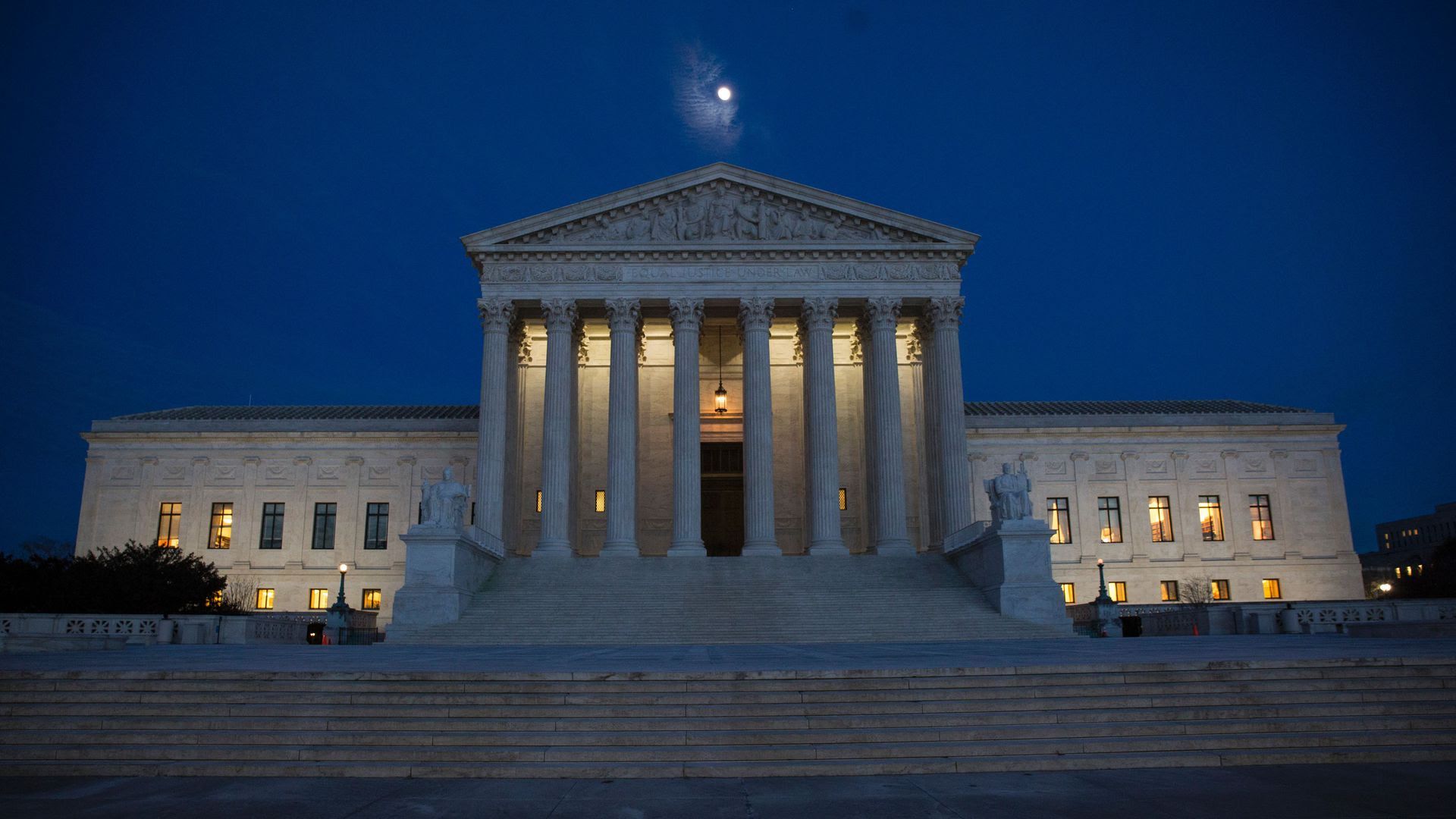
The Supreme Court has 29 cases to decide by the end of this month, including all of the term’s biggest blockbusters.
Why it matters: All of these cases have enormous political implications. Some, like deciding whether partisan gerrymandering is constitutional, could directly and immediately affect the actual practice of politics.
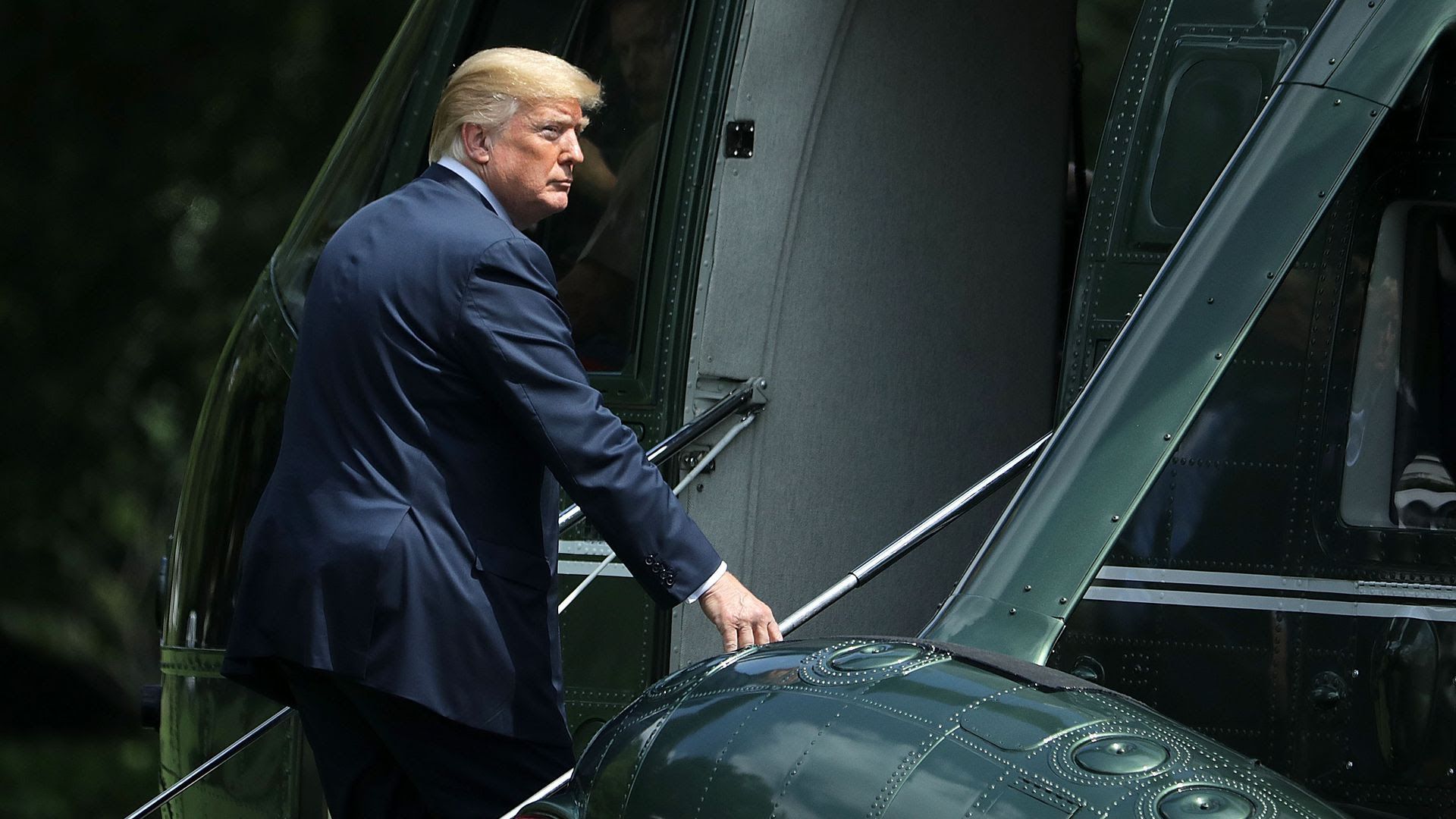
One of the under-reported ways Donald Trump has changed Washington: Deadlines suddenly matter. We saw it last week when Trump hit allies — the European Union, Mexico and Canada — with steep steel and aluminum tariffs.
Why it matters: Trump had announced these tariffs back in March, but exempted some key trading partners. Trade lawyers and lobbyists following the situation told me they expected Trump to extend the deadlines when they expired on June 1, rather than throw these key relationships into further turmoil.
President Trump's announcement that the U.S. is slapping new tariffs on its neighbors and confidants, is driving a wedge between the U.S. and its closest allies, with finance ministers of G7 nations lambasting the White House for undermining open trade, per the AP.
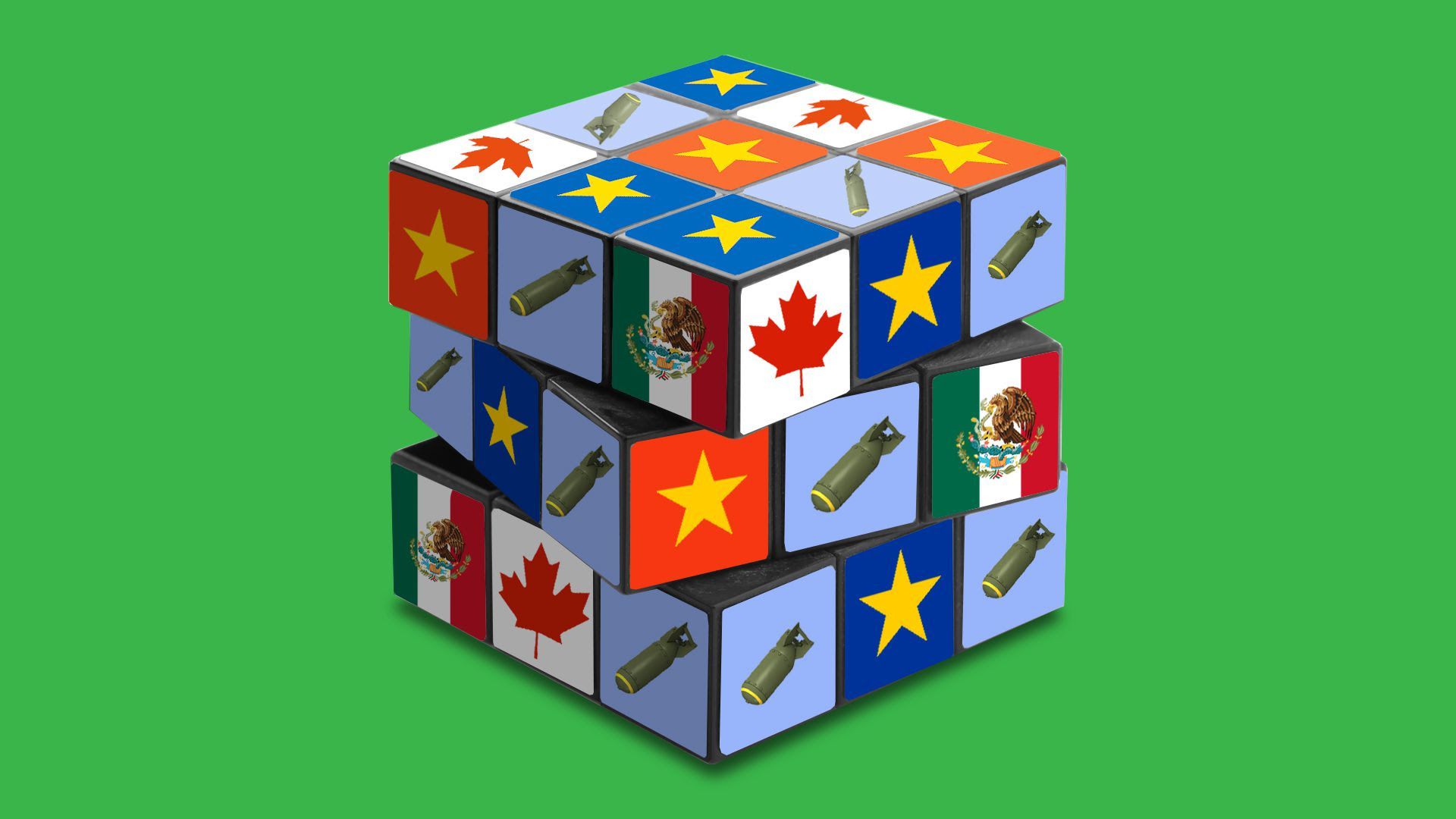
The big picture: Trump's trade war is extending far beyond China. Last week, the administration announced a decision to impose a 25% percent tariff on steel and a 10 percent tariff on aluminum from the European Union, Canada and Mexico.
China, Canada, Mexico, and the EU are responding to Trump’s trade war against each of them with their own retaliatory tariffs — or threats of them — against products from bourbon whiskey to cheese to chocolate.
Why these products are targeted: As Mexico’s Secretary of Economy Ildefonso Guajardo told Mexican media earlier this week, it’s about targeting districts whose lawmakers may get angry calls from constituents and companies in their states, and who then may try to get a hold of Trump's ear to influence how he moves forward.
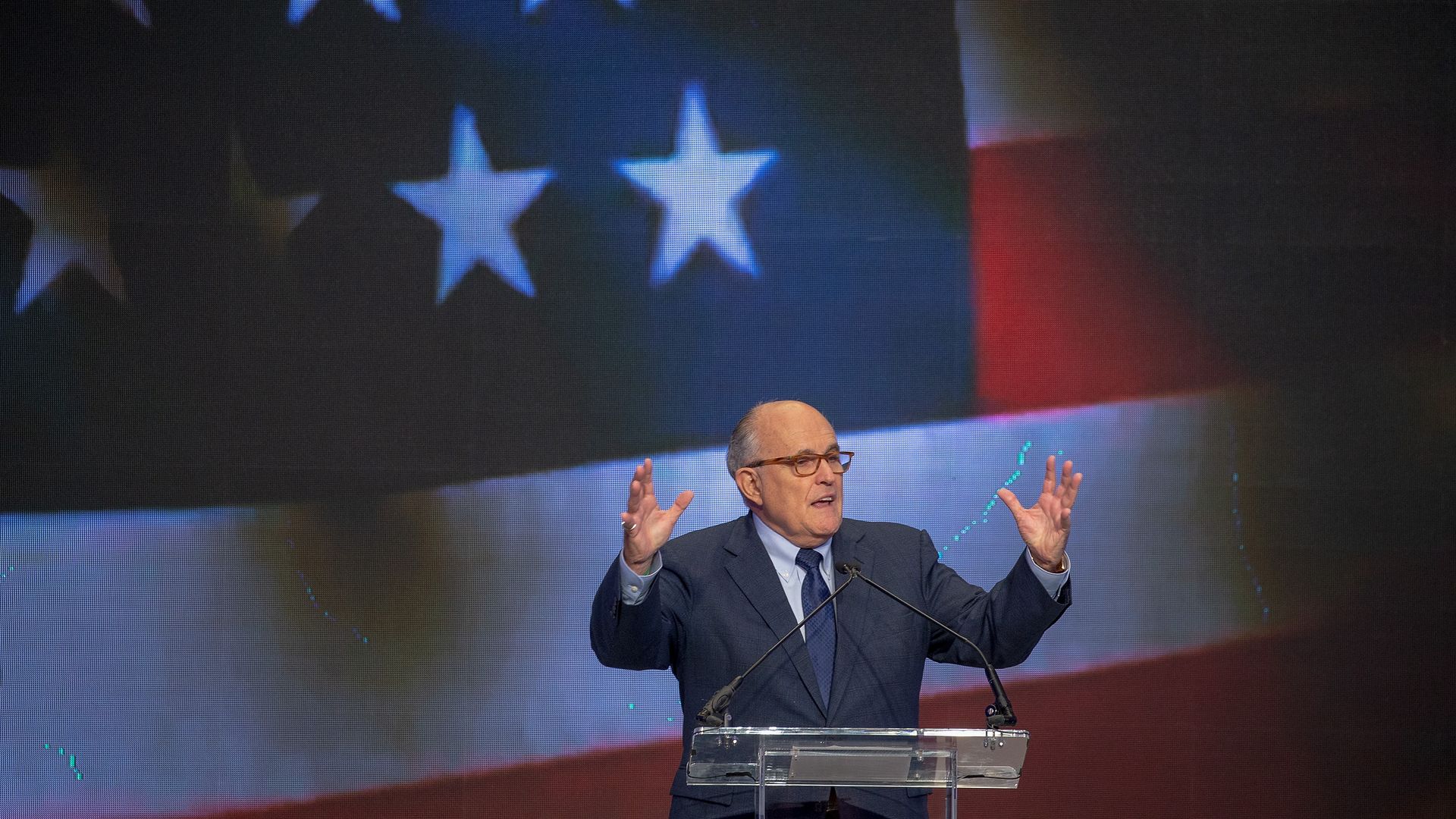
President Trump's attorney Rudy Giuliani said on ABC News' "This Week" that Trump "probably does" have the power to pardon himself if special counsel Robert Mueller's investigation found him guilty of obstructing justice in the Russia probe.
He's not, but he probably does. He has no intention of pardoning himself, but that doesn't say he can't. That's really interesting constitutional argument: 'Can the president pardon himself? ... It would be an open question.
— said Giuliani, when host George Stephanopoulos asked if Trump has such authority.
As people spend more time online and get more comfortable with purchasing products there, social media and major tech platforms are increasingly a conduit for online sales.
Why it matters: Now more than ever, ad dollars for e-commerce are spent on platforms like Google, Facebook and Amazon as they perfect the link between what consumers want and their ability to serve up other items the consumers might like.
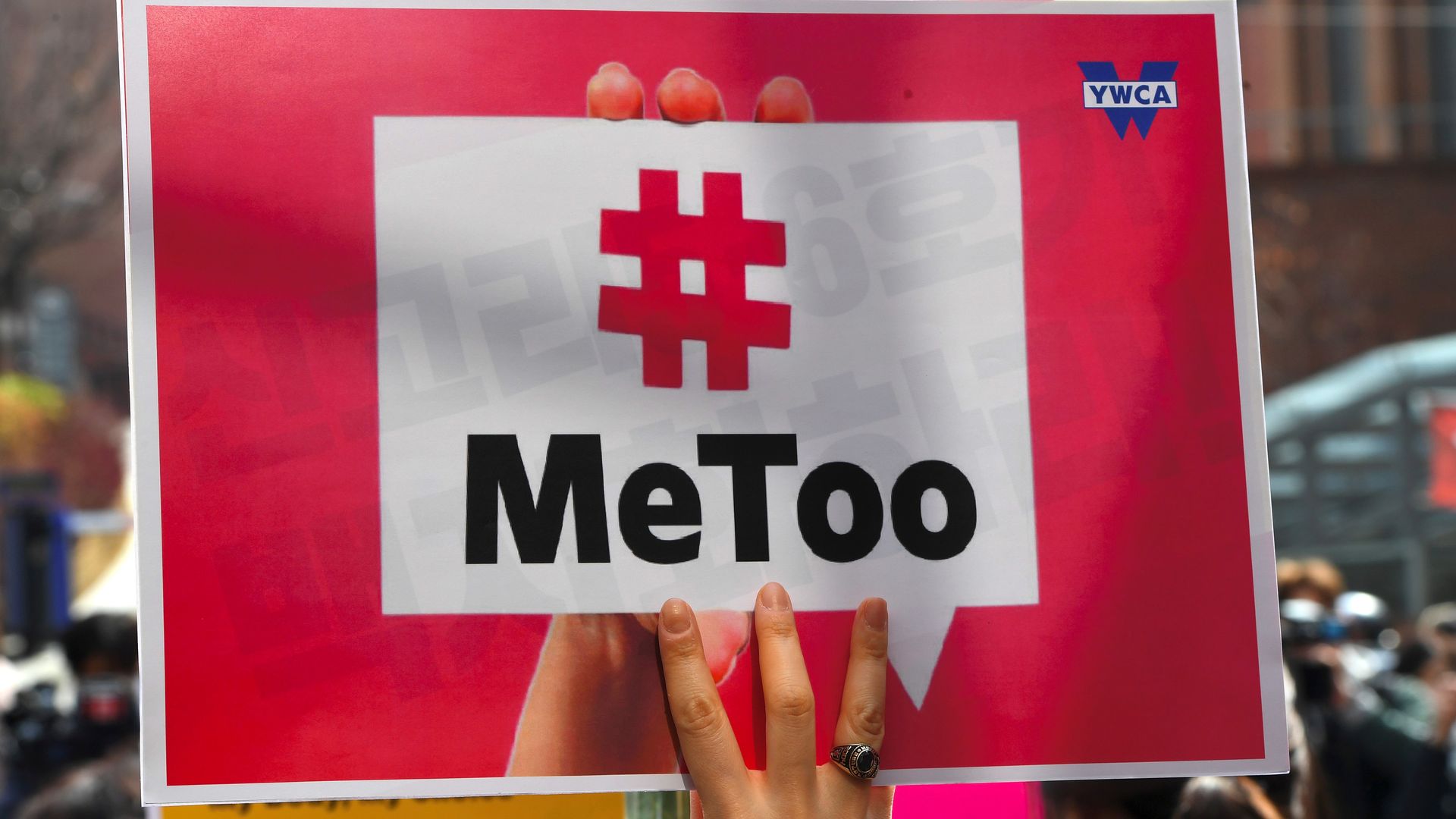
The #MeToo movement has put a spotlight on the media and entertainment industry's treatment of women, but the fallout doesn't appear to have convinced a lot of viewers to boycott the entertainers who have been accused of misconduct.
Where it stands: A Morning Consult survey looked at 20 entertainers and asked whether the allegations against them would make people less likely to watch their work. Only two — Kevin Spacey and Louis C.K. — were significantly hurt by the allegations, with more people saying the allegations would affect their decision to watch (compared to those who said their decisions wouldn't be affected.)
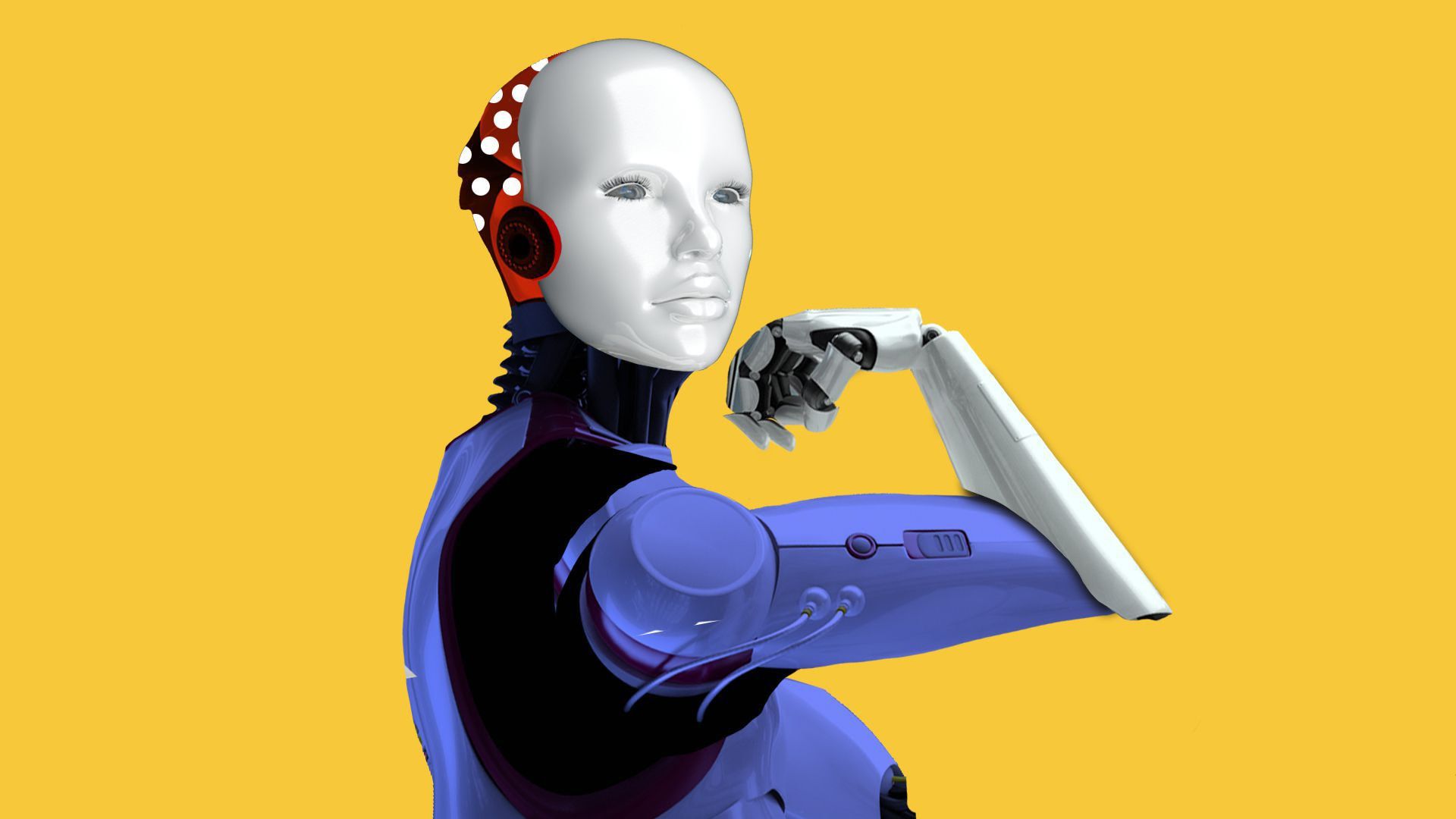
We're entering a new, robot-fueled tech boom that is already disrupting the world's balance of power, and is changing how we fight wars, stay alive, drive, work, shop and do chores.
The future is now: We keep talking about what's coming, but we're already on the leading edge of a profound global change that will create tremendous opportunity for new power and wealth.
The last few months have seen a rash of studies on a coming automation apocalypse, and analysts are moving to a few targeted worries about the jobs future:
Their big picture: There may be a long, deep economic disruption lasting decades and taking millions of jobs. The economy will eventually come out of it. But wages for most jobs may be too low to sustain a middle-class lifestyle.
Truck drivers will be some of the first people to lose jobs as automation technology spreads.
A push by companies like Uber to automate heavy trucks through a combination of artificial intelligence and robotics raises questions for millions of drivers brought into the profession by the promise of a steady job. Will they be employed behind the wheel five years from now? Or will robots be doing it instead?
And if you think this is a niche problem, think again. The impact of self-driving trucks would be felt in communities around the country — especially Trump country.
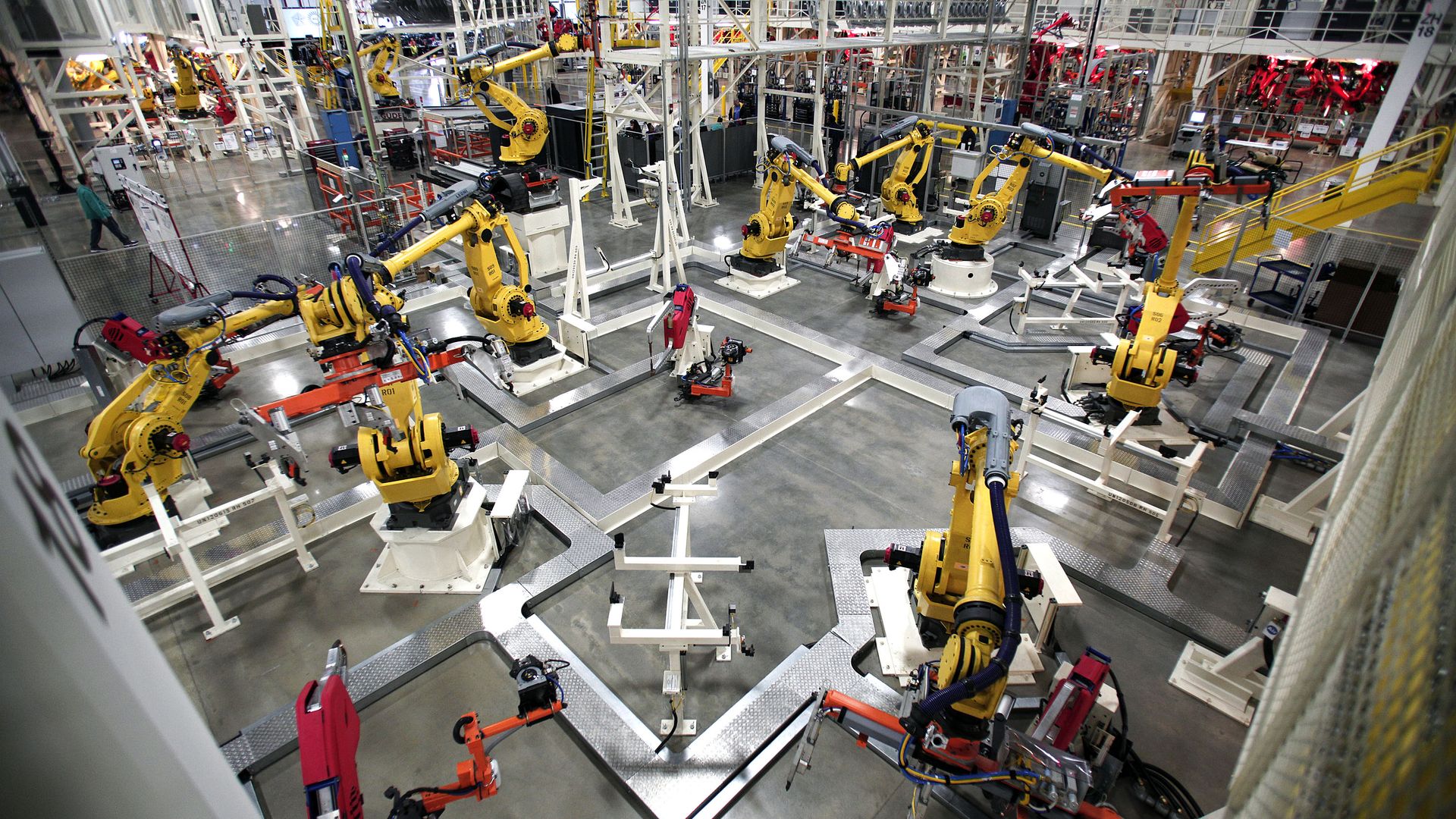
Congress and the Trump administration have yet to create a coherent policy response to a widely forecast social and economic tsunami resulting from automation, including the potential for decades of flat wages and joblessness. But cities and regions are starting to act on their own.
What's happening: In Indianapolis, about 338,000 people are at high risk of automation taking their jobs, according to a new report. In Phoenix, the number is 650,000. In both cases, that's 35% of the workforce. In northeastern Ohio, about 40,000 workers are at high risk.
The new age of automation is almost always discussed as a future problem, but a new report says it's already the subtext for much of what ails the West, from stuck wages to populist politics.
Quick take: The report, released yesterday by the Council on Foreign Relations, says that, if the U.S. does not figure out how to retrain workers displaced by automation, politics are sure to grow even uglier than now.
The most successful training courses through the decades have been organized by companies finding smart people, then skilling them up for specific positions. But this tradition is long passé — despite a yawning worker shortage, American companies today are only rarely prepared to spend the money to train their own workers. Instead, they want fully formed workers to show up at the door.
Scientists expect people to live routinely to 100 in the coming decades, and as long as 150. Which also suggests a much longer working life lasting well into the 70s, 80s, and even 100, according to researchers with Pearson and Oxford University.
Quick take: Thinkers of various types are absorbed in navigating the age of automation and flat wages, but their challenge will be complicated by something few have considered — a much-extended bulge of older workers.