It's been two months since Spotify went public via a direct listing, and its stock price remains above both its reference point price and where it closed its first day of trading.
Why it matters: Other private tech companies were closely watching Spotify’s approach, for which price stability was a major test. It passed.
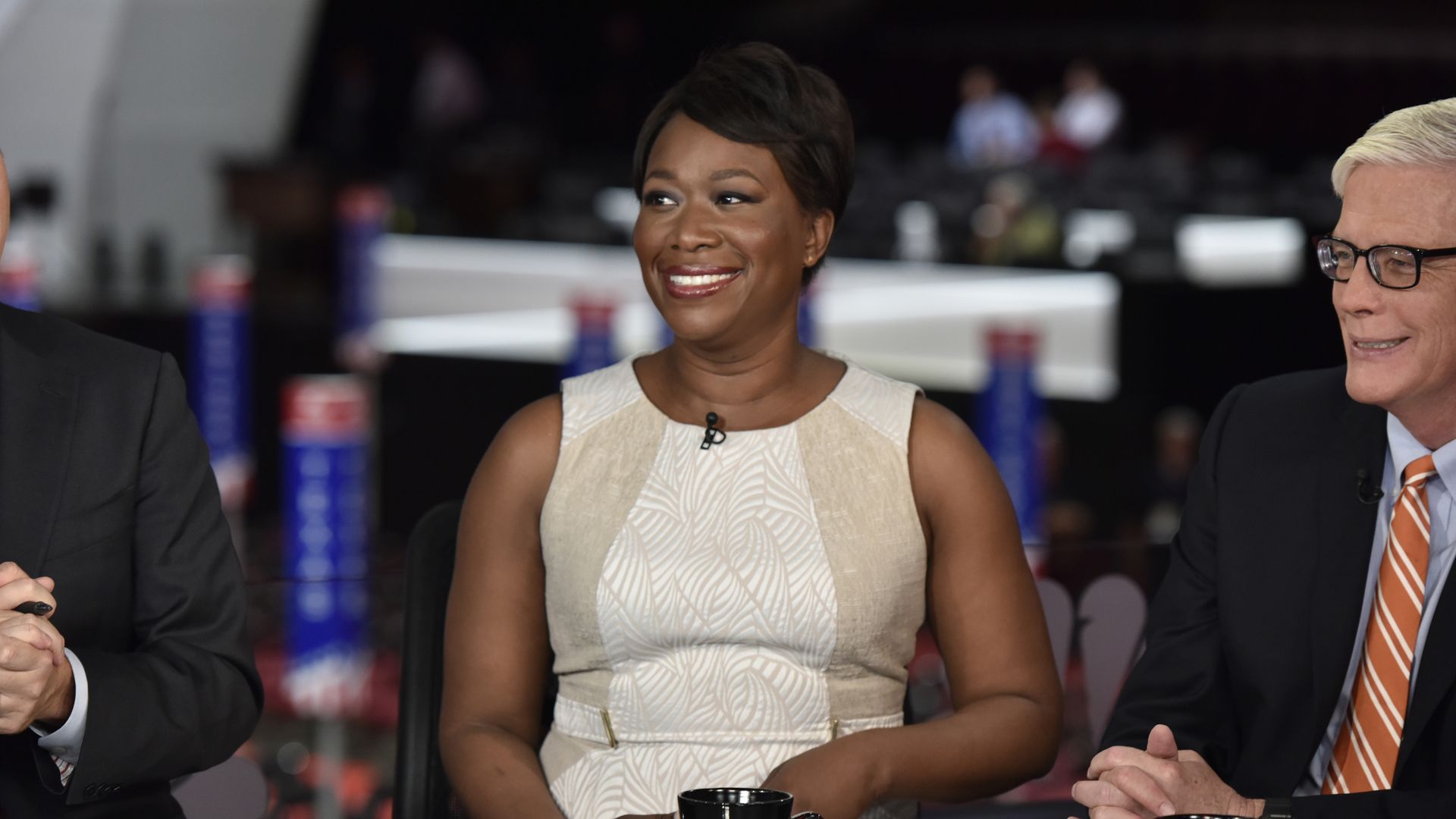
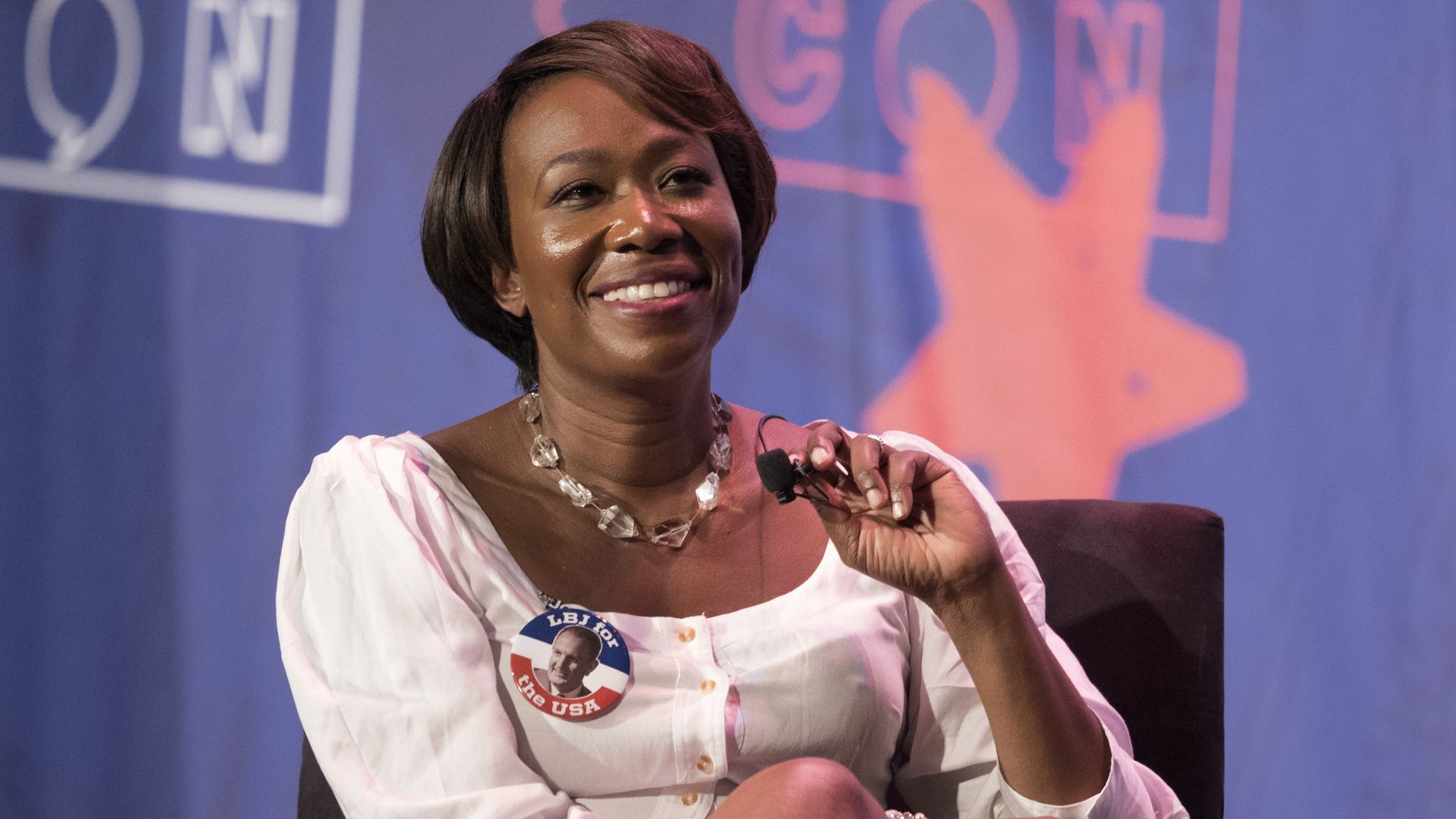
Joy-Ann Reid has responded to criticism for homophobic blog posts and others that dive in to 9/11 conspiracies and criticism of Sen. John McCain, under her name at her former blog explaining that "[t]here are things I deeply regret and am embarrassed by, things I would have said differently and issues where my position has changed. Today I’m sincerely apologizing again."
MSNBC released a statement soon after saying "Some of the things written by Joy on her old blog are obviously hateful and hurtful. They are not reflective of the colleague and friend we have known at MSNBC for the past seven years. Joy has apologized publicly and privately Joyand said she has grown and evolved in the many years since, and we know this to be true."
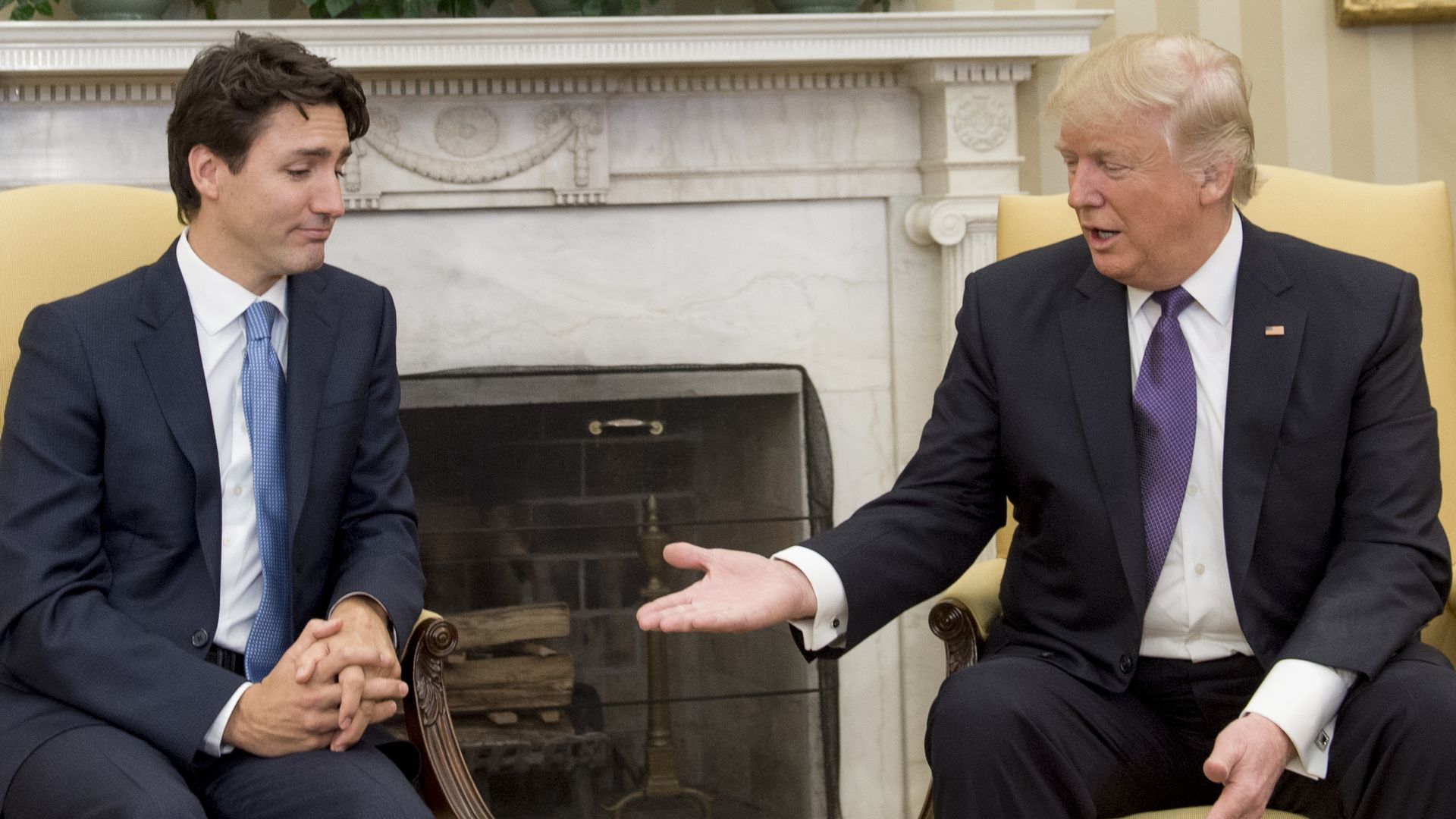
Canadian Primer Minister Justin Trudeau said that an ultimatum made by Vice President Mike Pence knocked down months of intense negotiations between his country, the U.S. and Mexico to revamp the NAFTA trade agreement, reports the Washington Post.
The backdrop: Trudeau said he was prepared to travel to Washington this week in an effort to renegotiate the NAFTA deal, which President Trump demanded as a precursor to exempting Canada and Mexico from planned steel and aluminum tariffs. However, after Pence stated that such a meeting would only occur if a “sunset” provision, which mandated that any NAFTA deal expire automatically in five years, was in place, the meeting fell through.
MSNBC host Joy-Ann Reid has come under fire for homophobic blog posts under her name at her former blog, although she denies writing them and claims she's the victim of hacking.
The big picture: Reid faced similar criticism in December for different posts, and ultimately apologized. But this time, she's bringing in the FBI.
The U.S. added 223,000 jobs in May, up from 164,000 jobs added in April and 135,000 in March. The unemployment rate edged down to 3.8% from 3.9% in April.
Economists on Wall Street estimated that the economy added 190,000 jobs last month, and that the unemployment rate would remain unchanged at 3.9%.
Data: Bureau of Labor Statistics; Chart: Axios Visuals
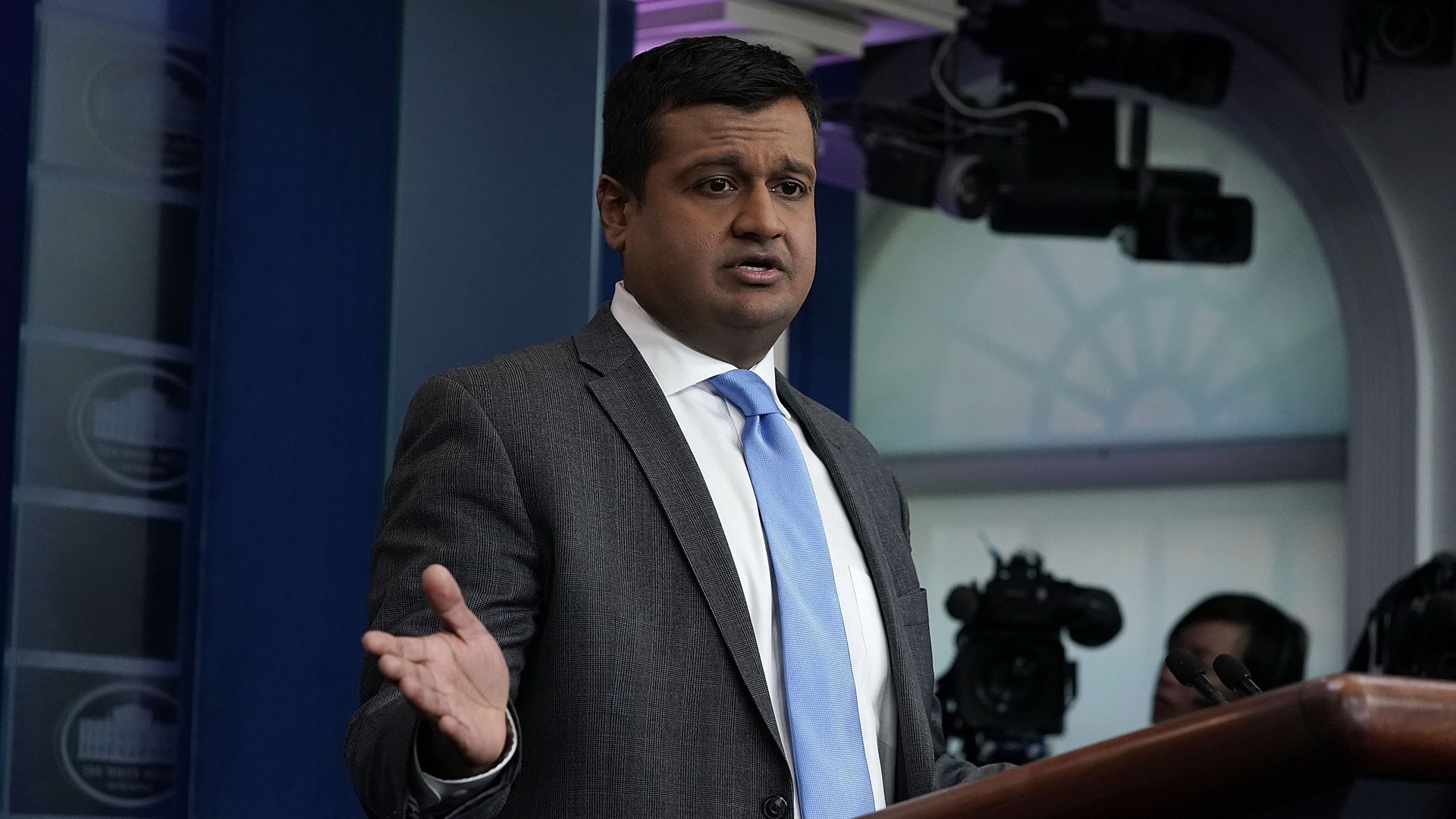
White House deputy press secretary Raj Shah on Thursday criticized a campaign ad from a Democratic House candidate in Virginia that compares President Donald Trump to Osama bin Laden as “nothing short of reprehensible.”
"Leaders from across the political spectrum — starting with Leader Pelosi — must swiftly condemn this abhorrent message."
President Trump is now confronting two nuclear standoffs and fighting a trade war on multiple fronts — all at the same time.
The big picture: Trump's March decision to agree to meet with Kim Jong-un led to speculation he might hold off on withdrawing from the Iran nuclear deal, so as not to face dueling nuclear dilemmas. He didn't. Common cause on North Korea had seemed to pave the way for a trade war truce with China. It didn't. Now, Trump is slapping tariffs on America's closest allies — and they're hitting back.
This morning, the Trump administration announced it will impose tariffs of 25% on steel and 10% on aluminum on countries within the European Union, as well as Canada and Mexico. The decision hit the stock markets immediately following the announcement, with the Dow falling about 250 points.
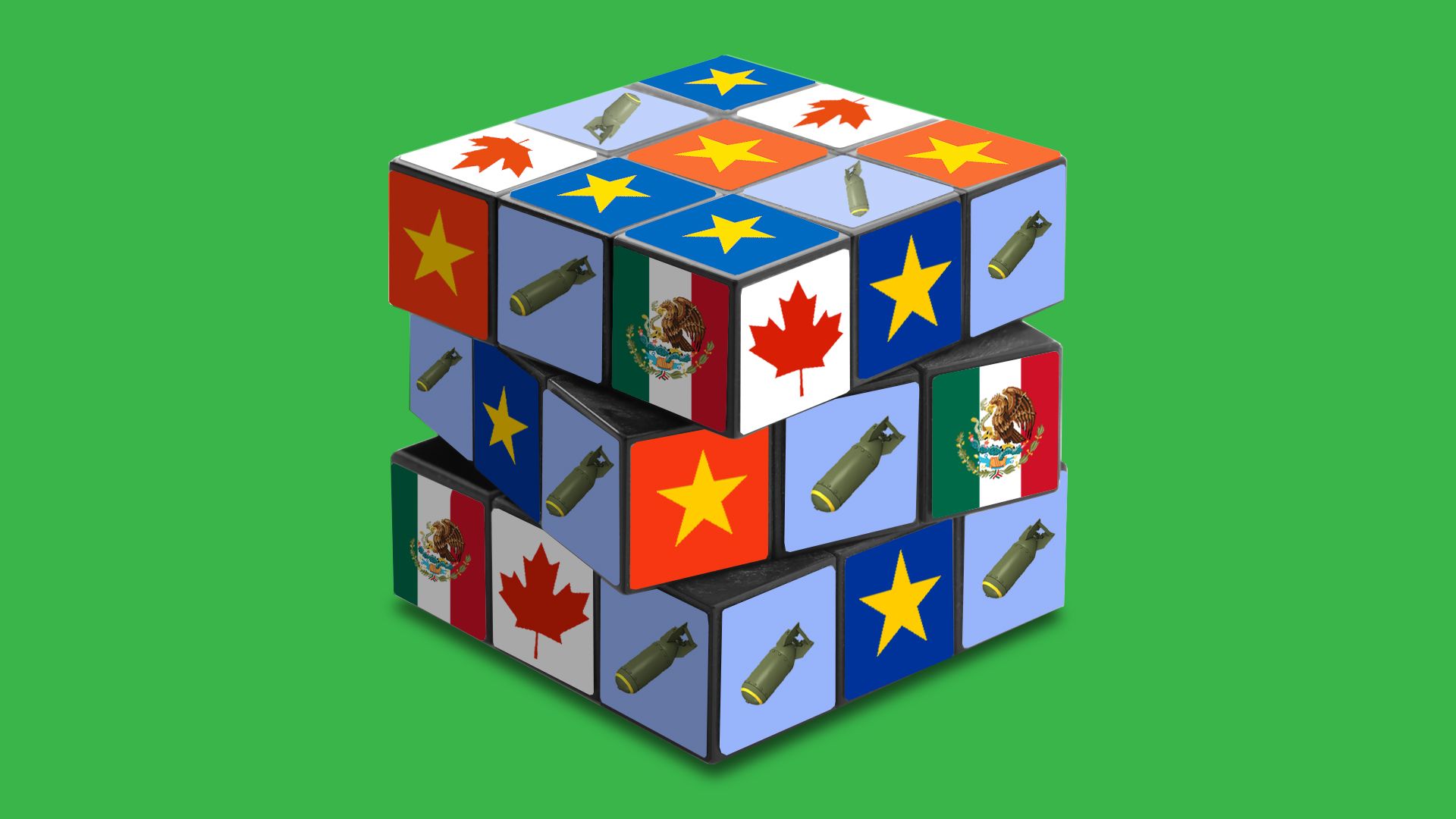
The big picture: Trump's trade war now extends far beyond China, and is hitting the U.S.' closest allies, all while NAFTA negotiations with Canada and Mexico continue.
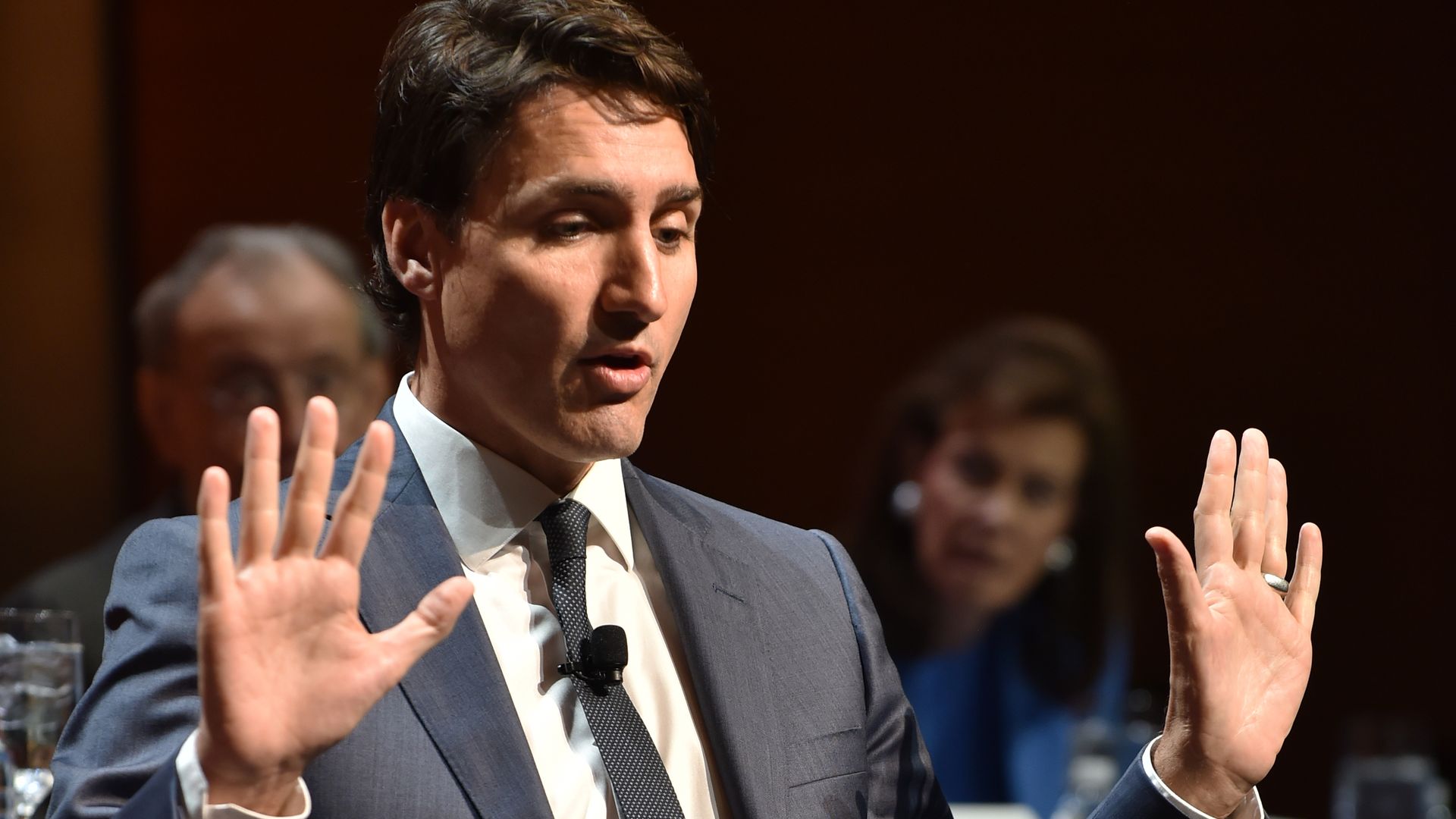
Canada will impose retaliatory tariffs against the United States in response to the Trump administration's decision to extend steel and aluminum tariffs to Canada. During a press conference Thursday afternoon, Canadian Prime Minister Justin Trudeau called the American decision "totally unacceptable," adding he finds it "inconceivable" that "Canada could be considered a national security threat to the United States."
The details: Canada will impose its own tariffs against American steel, aluminum, and other products in the amount of $16.6 billion at rates of 25% and 10%, which represents the total value of Canada's 2017 steel and aluminum exports to the U.S. They'll go into effect on July 1, remaining until the U.S. ends its own tariffs.
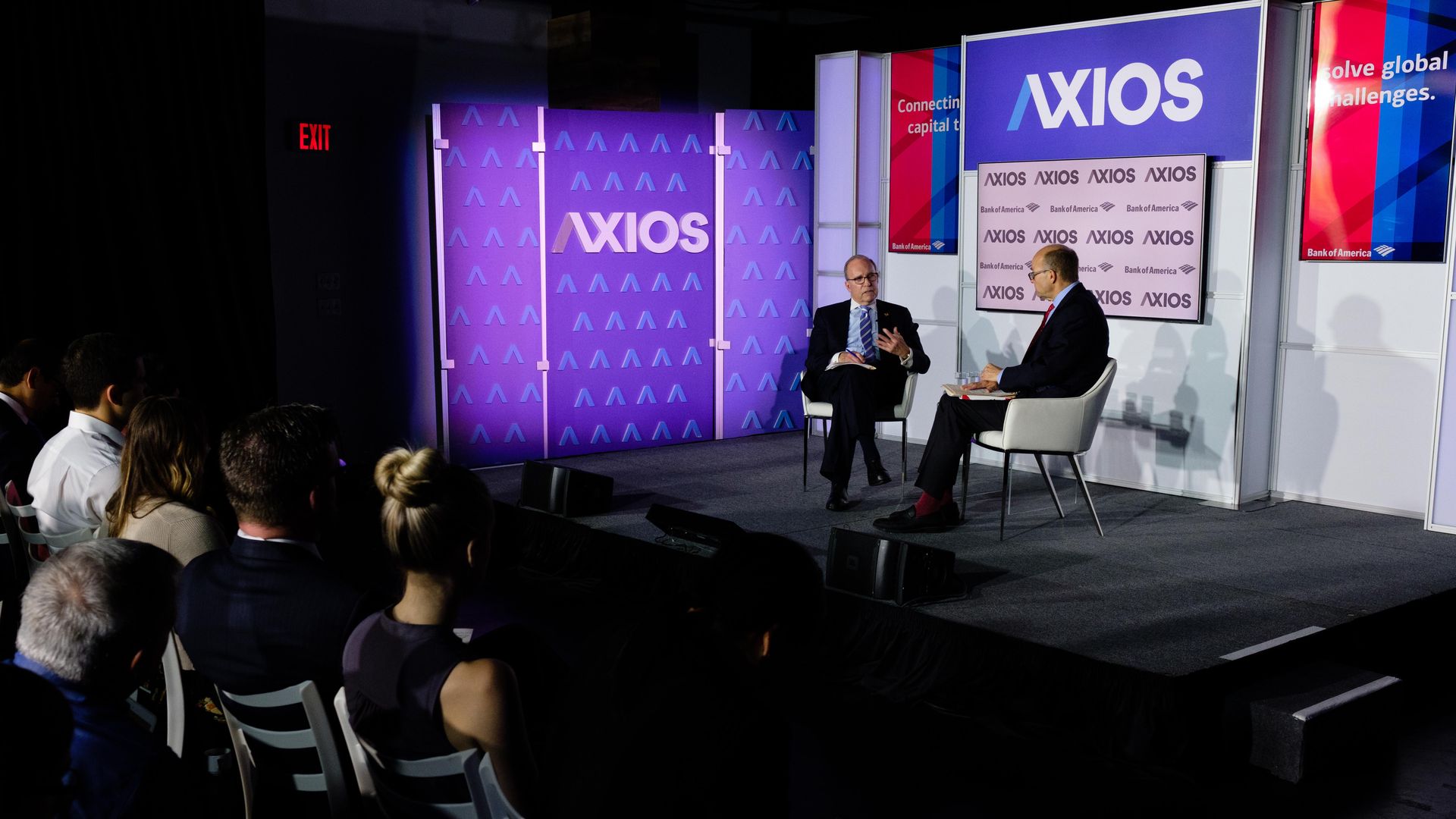
In the midst of Infrastructure Week, a stacked line up of news shapers joined Mike Allen to discuss infrastructure policy and the news of the day.
Why it mattered: We heard from both sides of the aisle on how to fix our country's infrastructure, as well as Larry Kudlow's view on the looming trade war with China: "Blame China, not Trump."
With President Trump's trade war now hitting our closest allies — including the European Union, Canada and Mexico — some prominent Republicans are speaking out against the movie.
The big picture: The GOP was traditionally a bastion of free traders, championing the economic benefits of engagement with the rest of the globe. However, Trump has pulled the party and members of his own administration toward his "America First" brand of governing — slashing, or repeatedly threatening to slash, U.S. participation in huge free trade deals — with his administration's focus on economic nationalism.
President Trump's decision to slap metals tariffs on European countries as well as Mexico and Canada have hit the stock markets, with the Dow Jones industrial average falling by about 250 points (1.0%) and the Nasdaq and S&P 500 also falling by 0.1% and 0.4% respectively.
The Trump administration has decided to impose steel and aluminum tariffs on European countries, as well as Canada and Mexico.
Why it matters: Trump's trade war now extends far beyond China, and is hitting the closest U.S. allies. EU Commission president Jean-Claude Juncker said the EU has "no choice" but to retaliate — with previously floated targets including Harley Davidson motorcycles and Kentucky bourbon — while Mexico has already announced it will hit "pork bellies, grapes, apples and flat steel," per the AP. The news also comes amid NAFTA negotiations with Canada and Mexico.
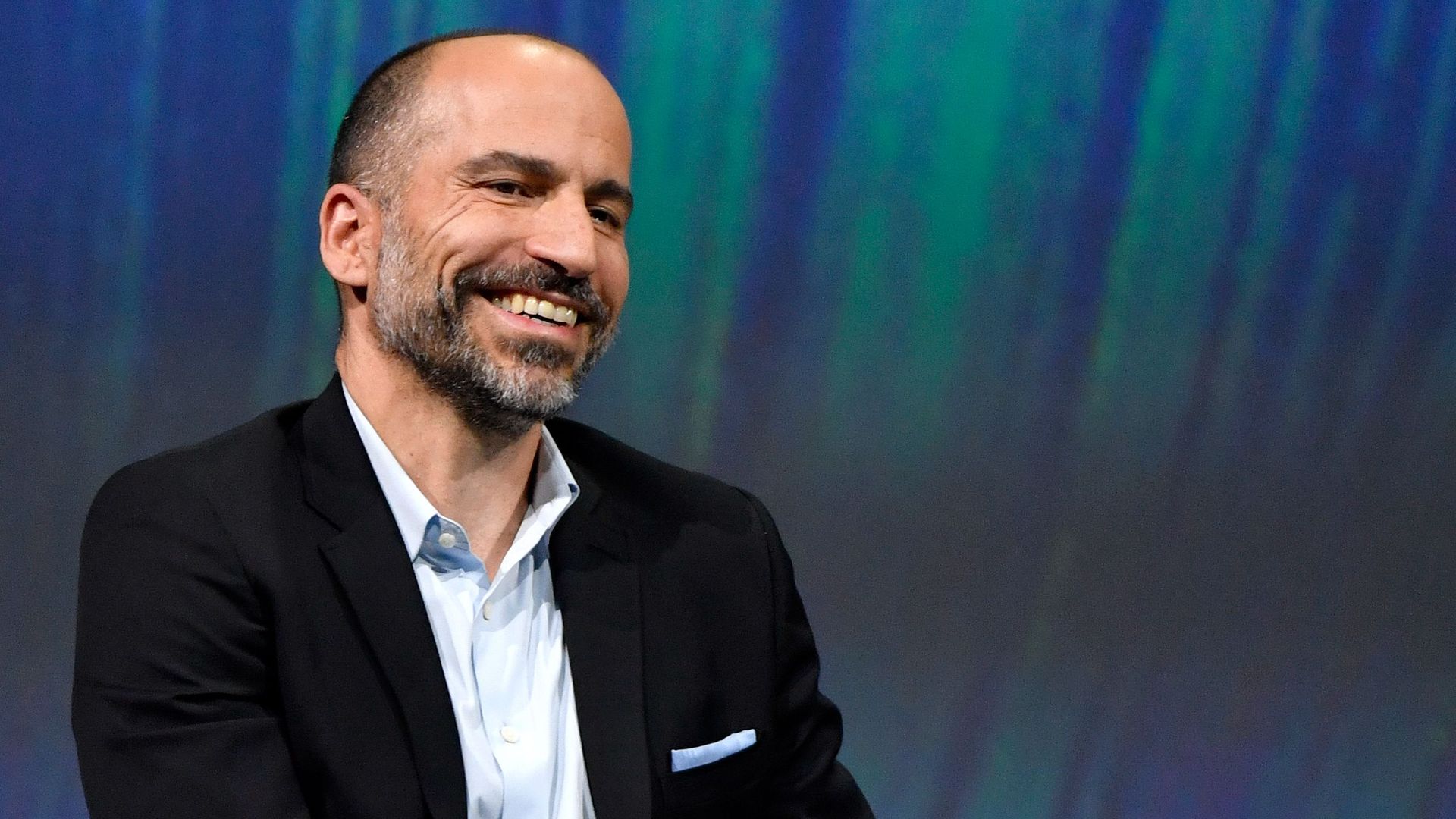
Two of the most eagerly watched startups in tech, Uber and Airbnb, both indicated yesterday that they may go public in 2019.
Why it matters: Private financing has way outpaced IPO fundraising in tech since the '90s, as shown by one of Kleiner Perkins partner Mary Meeker's slides.
In a Thursday morning tweet, President Trump insinuated that ABC "offended millions of people" with its cancellation of "Roseanne" — again asking for an apology from Disney CEO Bob Iger and referencing the network's botched Michael Flynn report from last year. ABC News apologized for that report and suspended Brian Ross, the reporter behind it, for four weeks without pay.
"With two of Harvey Weinstein's accusers watching from the audience, journalists whose work led to the Hollywood mogul's downfall and arrest received their Pulitzer Prize awards," AP's Deepti Hajela writes.
Why it matters: "The stories by Jodi Kantor and Megan Twohey of The [N.Y. Times] and Ronan Farrow for The New Yorker [who together won the Public Service prize] were a catalyst for a reckoning on powerful men and the way some have been accused of misusing that power that has since spread as the #MeToo movement."
Plans for the Trump administration to hit the European Union with steel and aluminum tariffs could be announced as early as Thursday, reports the Wall Street Journal citing people familiar with the matter.
Why it matters: The EU has threatened retaliatory tariffs on U.S. products such as "motorcycles, jeans and bourbon." The report follows Commerce Secretary Wilbur Ross' criticism that the European Union isn't negotiating on trade thanks to the United States' steel and aluminum tariffs, citing China as a counterexample.