Wednesday's economy stories

Some U.S. wage growth — finally
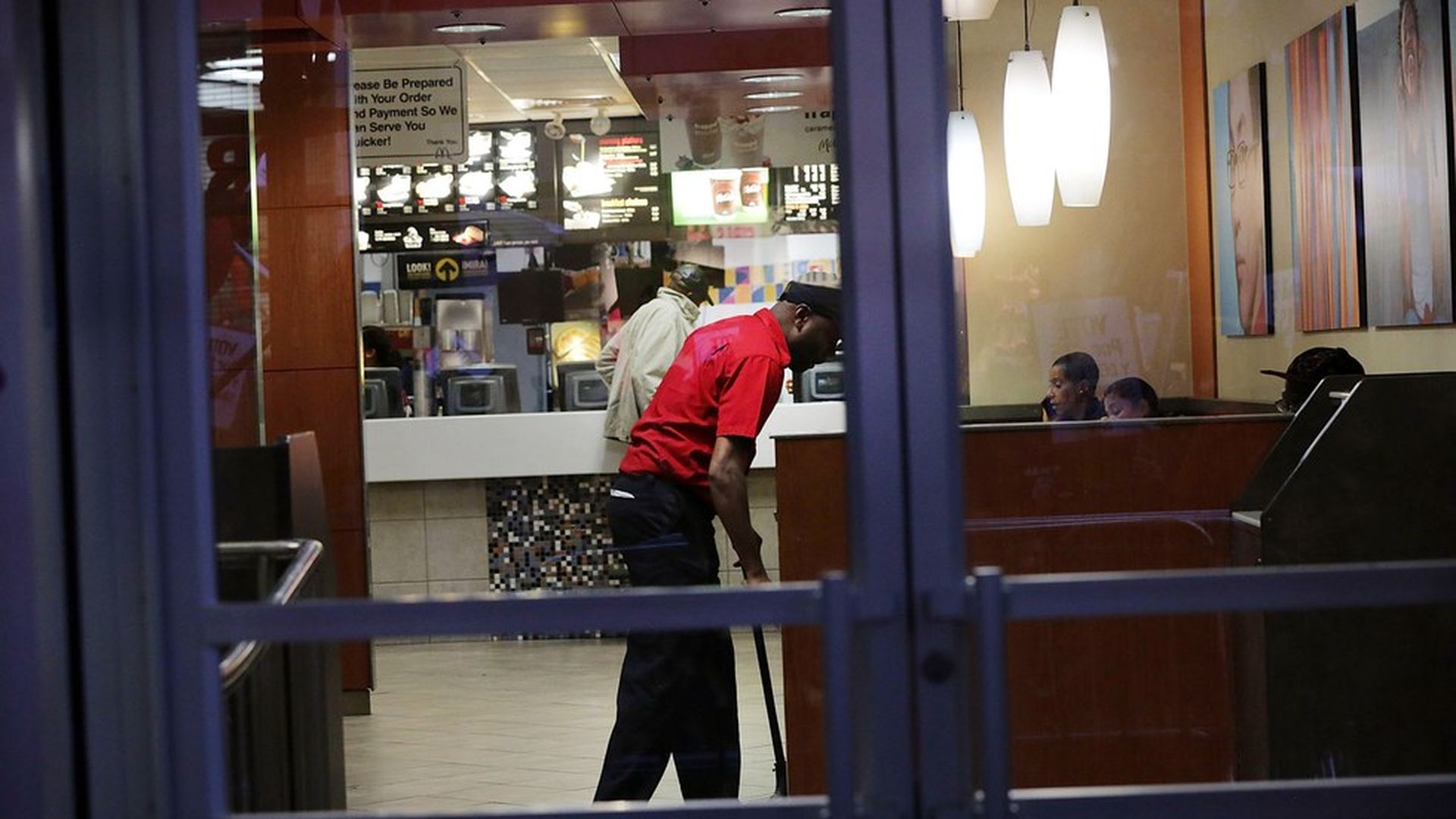
A defining story of the era has been the malaise for workers. The U.S. economy and stock market have been healthy, and unemployment is at a stunning 4.1%, yet wages have been stagnant since the 1970s. Last year, workers in a few usually Democratic-voting manufacturing states struck back by tilting the election to Donald Trump.
What's new: Now, there's evidence that wages are up — and for blue-collar workers, not white-collar workers.
The big layoff in China

By the end of the year, some 1.8 million Chinese coal and steel workers will lose their jobs, victims of the government's shift to cleaner industries and a shutdown of small enterprises. To put that in perspective, the two industries employ just 192,000 workers in the U.S.
Why it matters: Ordinarily, China's leadership is most focused on social stability. The party always looks to avoid any outbreak of discontent that could threaten political calm. But now, the priority has shifted to producing higher-value, branded products sold internationally, and owning the future economy of electric and self-driving cars, advanced batteries, robotics and automation equipment.

The death of the MBA
U.S. graduate business schools — once magnets for American and international students seeking a certain route to a high income — are in an existential crisis. They are losing droves of students who are balking at sky-high tuition and, in the case of international applicants, turned off by President Trump's politics.
Why it matters: The once-venerated MBA is going the way of the diminished law degree, pushed aside by tech education. Graduates of the top 25 or so MBA schools still command the elite Wall Street and corporate jobs they always did, but the hundreds of others are scrambling, and some schools are shutting down their programs. Survivors are often offering new touchy-feely degrees like "master of social innovation."

Facebook will tell users if they followed Russian pages
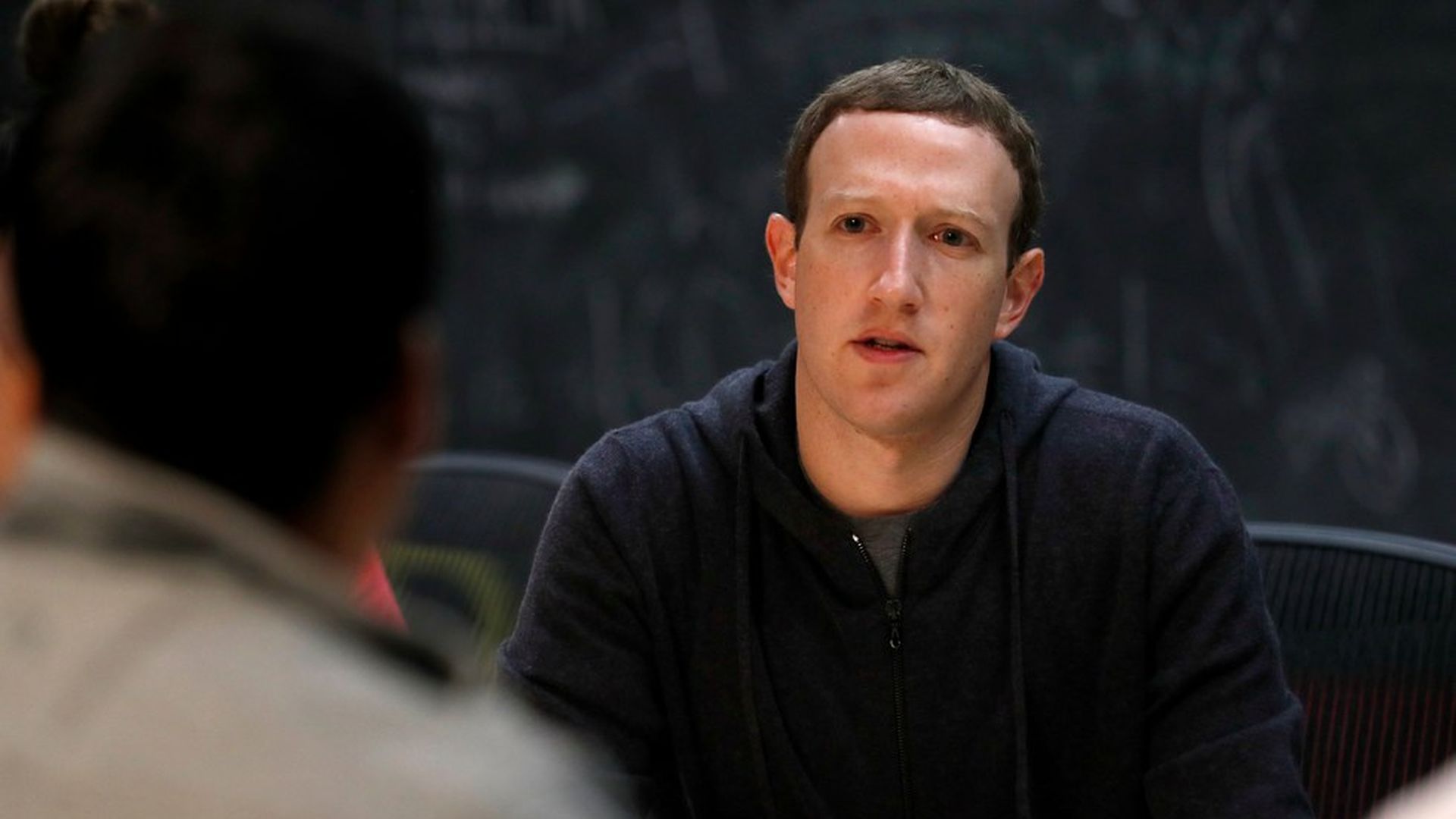
Facebook will tell users whether they followed pages set up by Russian operatives as part of a broad campaign to interfere in the 2016 election. The company, along with Twitter and Google, have faced pressure from lawmakers to be more transparent about how far the Russian ads, pages and propaganda spread on their platforms and who was exposed to it.
The details: The social network said Wednesday that it will create a page on its support website that will tell a user which pages and accounts they followed on Facebook and Instagram that have been linked to a Russian troll farm involved in the election campaign. Users will also be able to see when they followed the account.

Report: WeWork to lease retail space
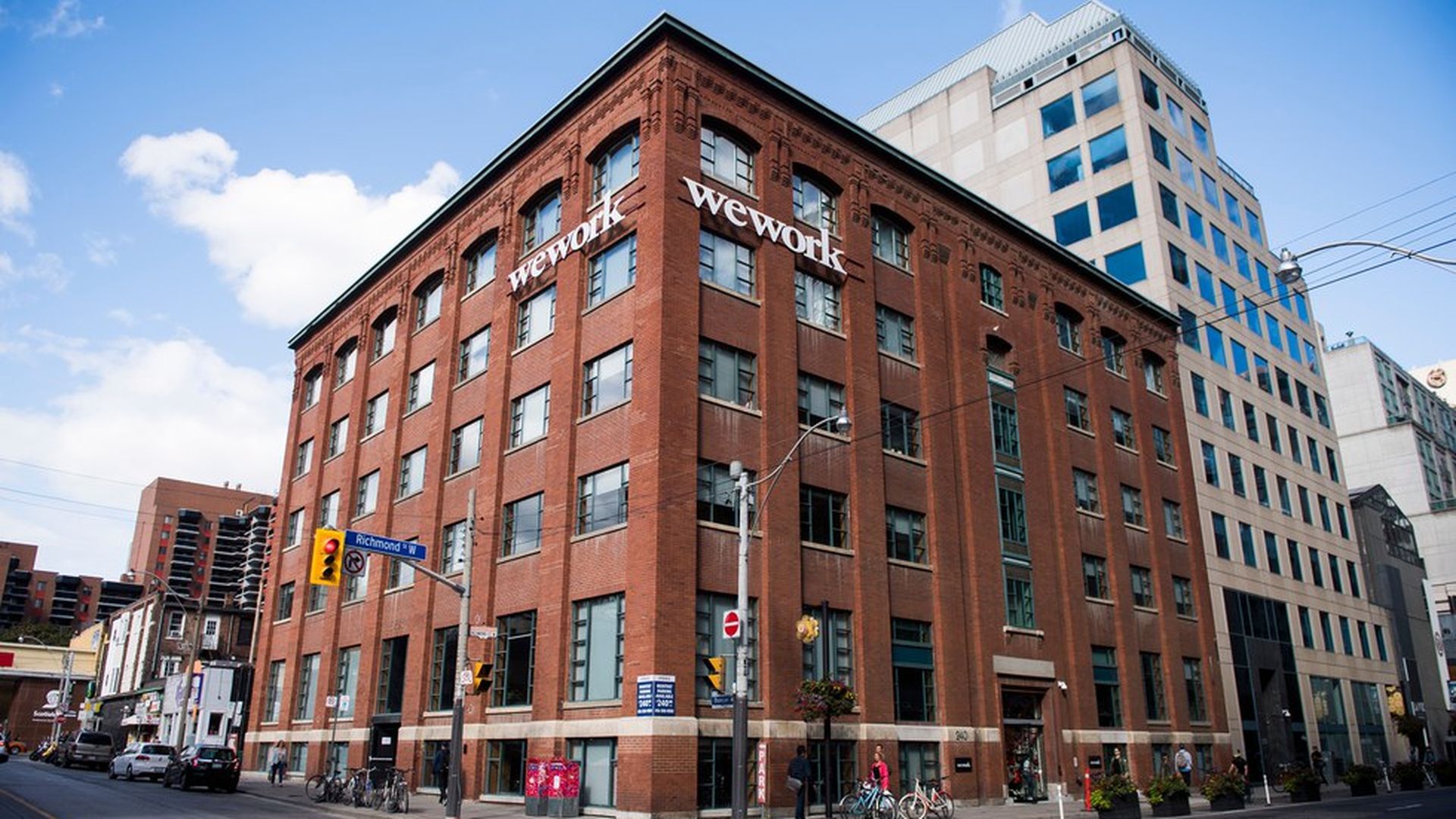
WeWork has earned a $20 billion valuation providing shared workspaces to start-up companies, and now the firm is exploring the idea of leasing retail space as well, The Real Deal reports. Unnamed sources tell the trade publication that "what WeWork's retail business could look like is still unclear," but that "extending the firm's co-working model — furnished spaces on short-term leases — to retailers is a possibility."
Why it matters: WeWork has justified its sky-high valuation on the promise that it has the data and design expertise to help businesses become radically more efficient in their use of office space. The move suggests that WeWork believes it can also make money helping retailers invent the brick-and-mortar store of the future.

Three CBS employees accuse Charlie Rose of sexual harassment

Three of Charlie Rose's former employees, this time from CBS, accused him of sexual harassment during his time at the network, just hours after he was fired from CBS' morning show.
Earlier allegations were made by eight women who worked, or aspired to work, on Rose's program at PBS. CBS, which reported the fresh round of allegations Wednesday, said they learned about the new cases "not from the HR department, but from our own investigation of his behavior."

UPS adds surcharge for holiday shipping
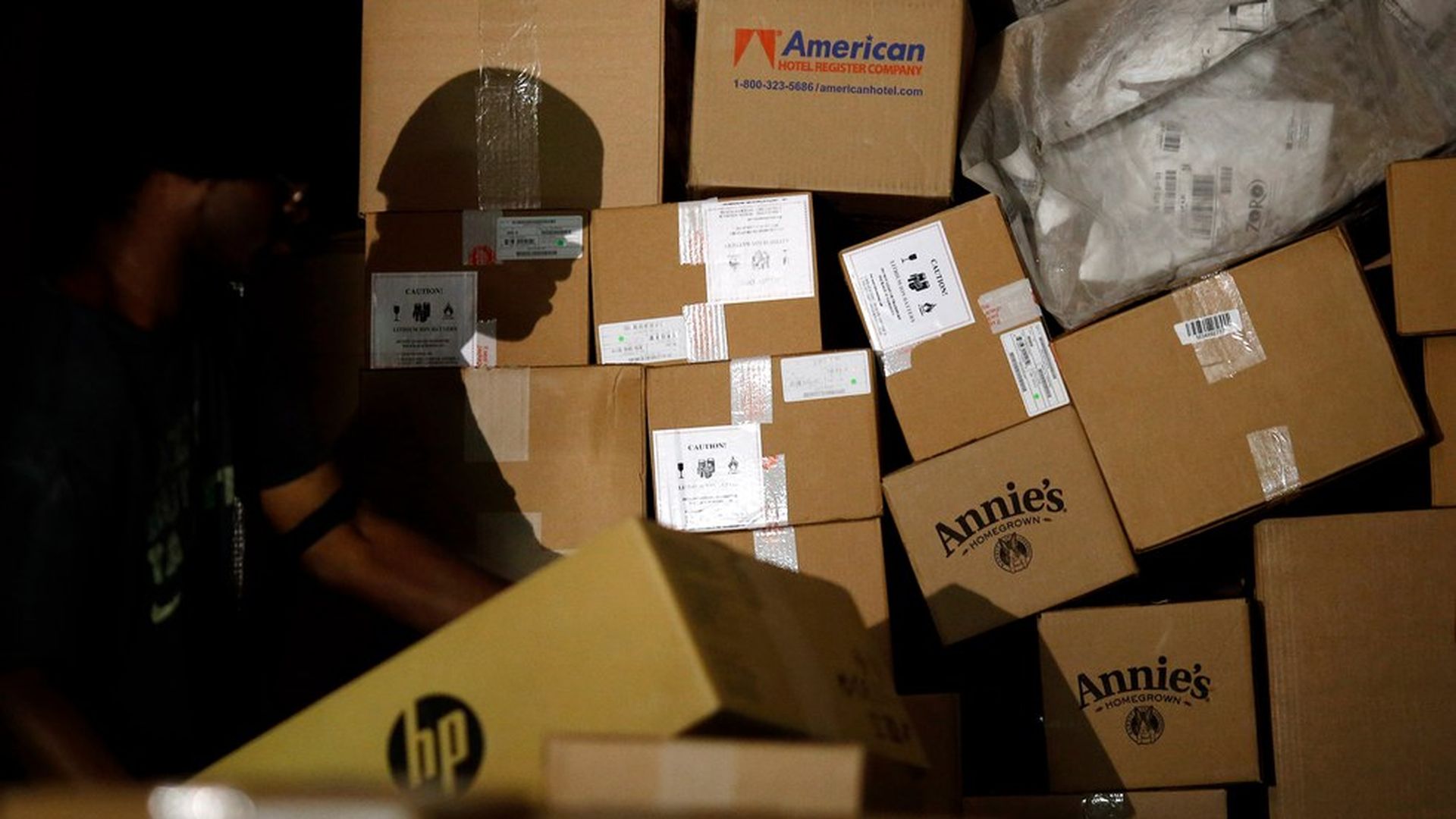
For the first time, UPS is charging 27 to 97 cents extra on packages shipped to homes around Black Friday and the week before Christmas, so retailers are offering delayed shipping as a work-around, WSJ reports.
Impact: Clothes, toys, and electronics may not be shipped right away, since those kinds of purchases at this time of year tend to be gifted, per UPS's president of retail, Greg Brown. UPS could make $200 million in revenue off the surcharges this year, per Moody's forecasting.
How Macy's lost $11 billion in value in 3 years
Former Macy's CEO Terry Lundgren takes in on the chin in a new feature in Bloomberg Businessweek, which quotes one retail consultant as saying that Lundgren's 2005 decision to double Macy's size with the purchase of May Department Stores, was "one of the top 5 worst decisions in retail history."
Why it matters: Amazon aside, Macy's has made numerous mistakes — like doubling down on department stores the same year Amazon Prime debuted — which have hastened the retailer's decline and put it in a position to see its profits halved over the past three years.

CBS and PBS fire Charlie Rose

Both CBS and PBS fired Charlie Rose today after several women accused him of sexual harassment, per AP. He was quickly suspended by the networks, as well as Bloomberg, following the Washington Post's report. CBS News President David Rhodes said in a statement, "Despite Charlie's important journalistic contribution to our news division, there is absolutely nothing more important, in this or any organization, than ensuring a safe, professional workplace."
Go deeper: Read about the allegations against Rose and the full list of men in media who have been accused of sexual misconduct.

Private equity has a persistence problem
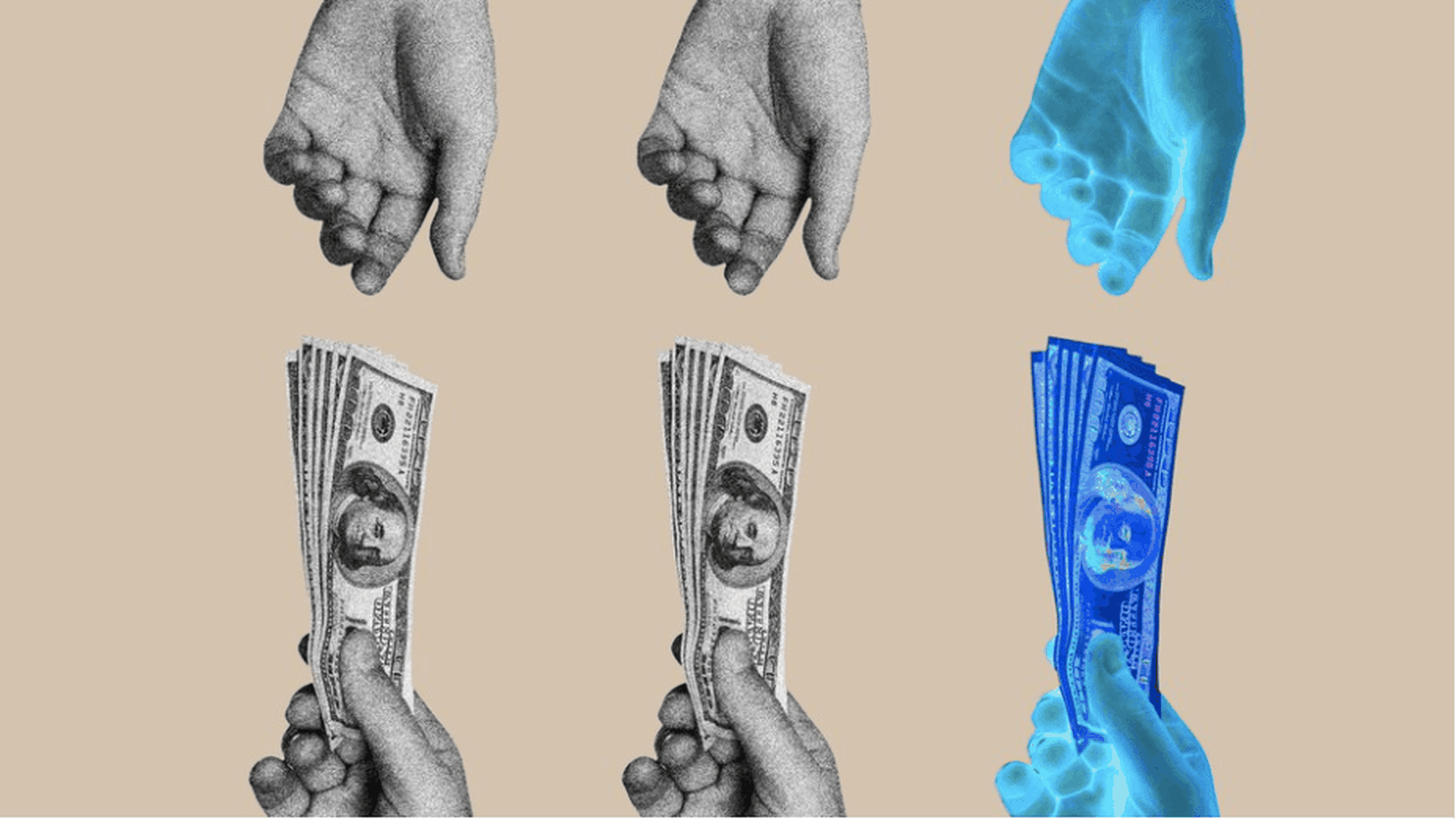
Private equity persistence is the theory that a firm's future returns can be predicted by its past returns. But persistence is declining, and it could threaten the entire asset class.
Why persistence matters: Limited partners in private equity funds are asked to invest in blind pools, so persistence gives them greater confidence. Particularly if they are new to the asset class. Moreover, persistence enables industry growth, as top performers are able to raise larger and larger funds.
Toymakers depend on Amazon for holiday survival

Wonder Workshop, maker of the kid-friendly, programmable robots dot and dash, which were runaway hits two Christmases ago, is back with a new offering this year — and it tells the Wall Street Journal that it's going all-in on Amazon's Launchpad program in the hopes of making the 2017 holiday shopping season a success.
Why it matters: Toy manufacturers used to rely on their relationships with brick-and-mortar retailers — and the negotiated placement and display of their products on store shelves — to drive sales during the all-important holiday season. But Amazon's dominance of the growing share of online sales has made adopting an Amazon-first strategy a no brainer for many toymakers.

Facebook and Google strangle media
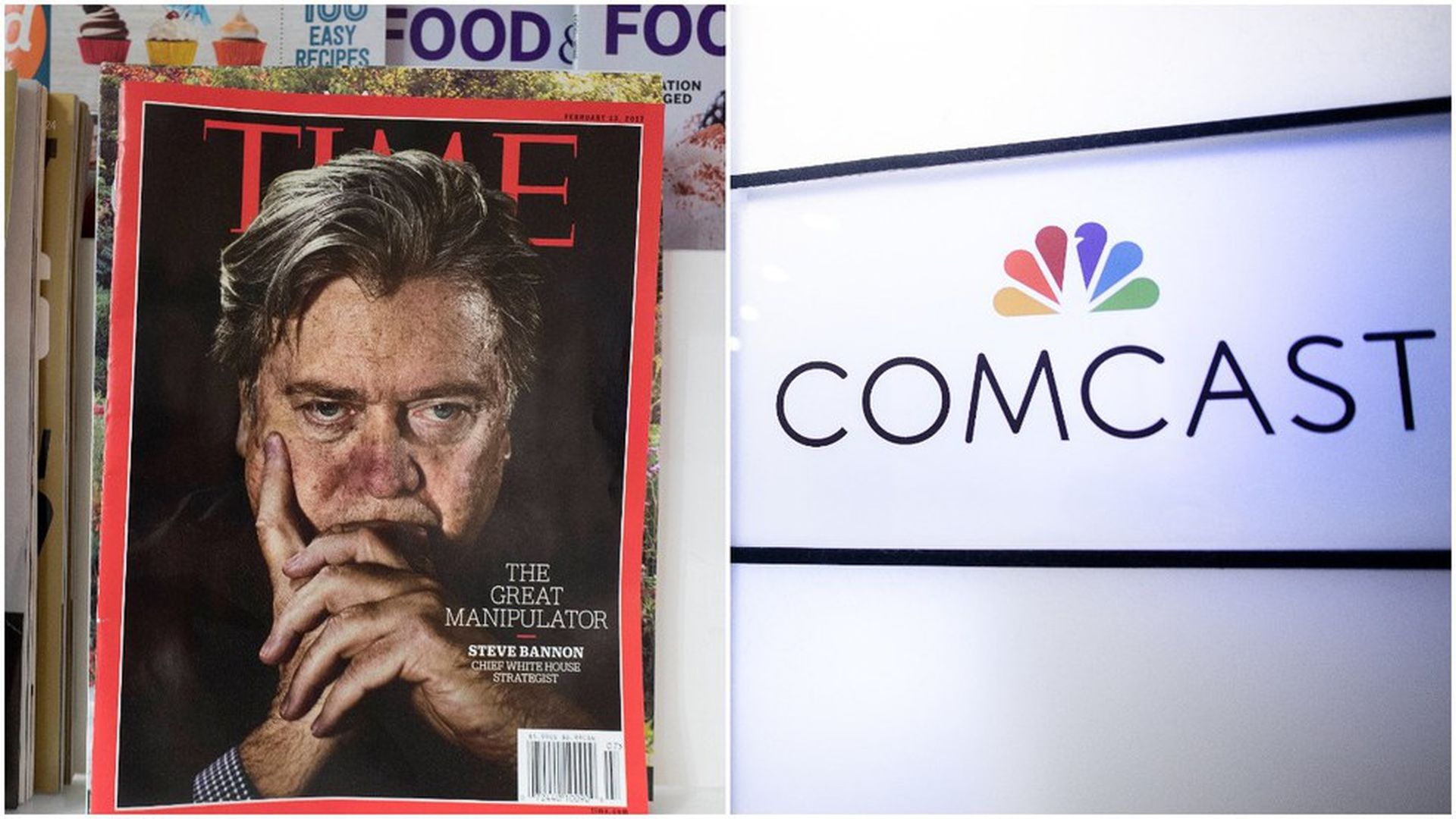
A wave of consolidation in every sector of the media industry shows how much media companies are struggling to keep up with the pace and scale of technology companies.
Why it matters: Tech giants, aided by decades of minimal regulation, have scaled to the point at which they are able to adjust their advertising models and adapt to consumer demands faster than most media companies can keep up with.Digital media companies that rely mostly on digital advertising revenue are struggling to keep up with Google and Facebook's advertising machines. Both companies reported record earnings last month, while many of even the biggest digital outlets still struggle to make profit or grow.BuzzFeed and Vice, both hoping to soon go public, will miss revenue projections for the year, The Wall Street Journal reports.Mashable, the tech and entertainment digital media outlet founded by Pete Cashmore in 2005, sold to Ziff Davis for just $50 million on Thursday, roughly $200 million less than its estimated prior valuation, per the WSJ.Univision, the Spanish language broadcaster, is looking for a minority investor to pour $200 million into Fusion Media Group, the company it purchased just last year that includes Deadspin, The Onion and Fusion TV, Recode reports. An email obtained by Axios from Fusion CEO Felipe Holguin last week says the company plans on being profitable in 2018, making the move less about cash and more about strategy.Oath, the Verizon-owned content behemoth that consists of Yahoo, AOL, HuffPost and more, will soon lay off 560 staffers, per Digiday.The Daily Beast president, emailed staff after a CNN report about sale talks, saying it often fields inquiries "from third parties looking to talk about purchases, sales, or investments." Defy Media and Uproxx Media are also considering sales, according to Bloomberg.The tech effect has also bubbled down to legacy media outlets that are trying to find ways to subsidize migrating user interest from linear TV and print to digital. In print:Meredith Inc., a lifestyle magazine group, has submitted a bid for Time. Inc., The Wall Street Journal reports.Conde Nast is laying off off staffers and reportedly shuttering print editions of some of its flagship publications, like Teen Vogue.Hearst acquired Rodale Inc. two weeks ago in an attempt to scale its lifestyle footprint.Rolling Stone legend Jann Wenner is finalizing an auction for his majority stake the magazine he founded in 1967, Recode reports.Forbes is cutting back from 14 annual issues to 10 in 2018 as it focuses more on digital and mobile, per Talking Biz News.In TV: Comcast and Verizon are both reportedly interested in acquiring 21st Century Fox's entertainment properties, per The Wall Street Journal. It's rumored that Fox's reported interest in divesting its entertainment properties comes in response to Netflix's dominance in the on-demand entertainment space.AT&T is preparing to fight the DOJ to win a merger with Time Warner. Discovery Communications acquired Scripps Networks for $14.6 billion in July, creating the largest lifestyle/entertainment TV merger this year.Sound smart: While the problems plaguing digital ad economics have existed for years, most of these consolidation efforts have emerged in a matter of weeks. There's no question that the media industry is facing unprecedented disruption at this moment.
Yankees break tradition by publicizing managerial candidates
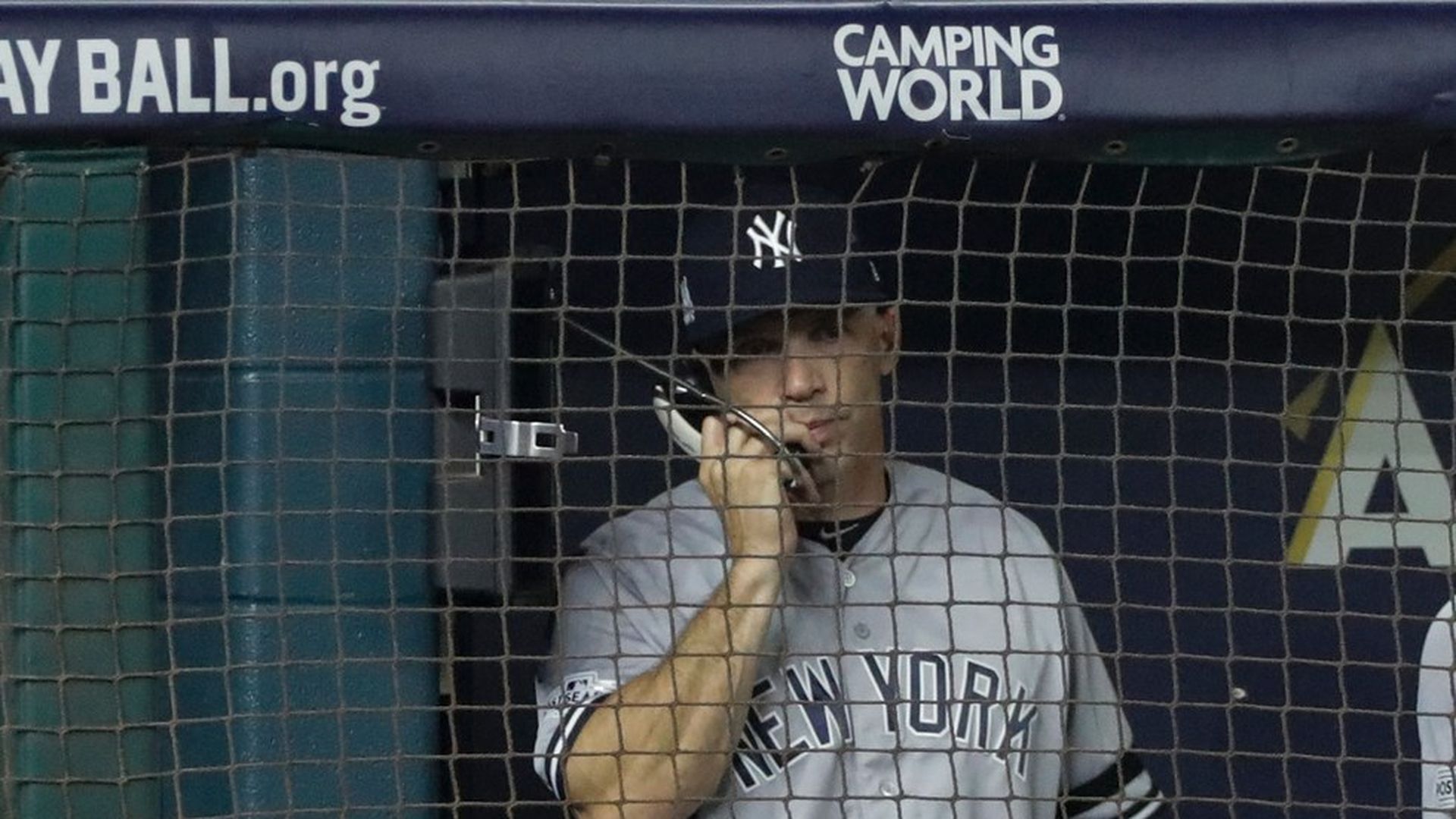
"Yankees Are Crowdsourcing Their Manager Vetting Process: Most sports teams try to conduct coach or manager searches privately. The Yankees are parading their candidates in front of the news media, one by one," the N.Y. Times' Yankees beat writer, Billy Witz, writes:
"In professional sports, the search for a new coach or manager is typically done in the shadows, to protect a team's competitive advantage as well as the candidates' privacy. Private jets may be dispatched ... So far, each of the five people the Yankees have interviewed [to replace fired manager Joe Girardi] ... has been placed on a conference call with the news organizations that regularly cover the team."