There are numerous reasons American politics went off the rails, but there are at least six seminal events in the past 24 years that steered us here.
Sound smart: Politics is growing more personal, polarized and pugnacious. This dynamic is particularly acute on the right. This will likely get worse before it gets better as the trends outlined below continue unabated.
Newt Gingrich weaponized warfare politics in a methodical and sustained way.
The creation of Fox News in 1996 televised and monetized this hard-edged combat politics.
Facebook, and later Twitter, socialized rage and argument.
John McCain picking Sarah Palin as his running mate in 2008 celebritized rage politics.
Facebook algorithm-ized rage. The more emotion you felt and sought, the more the news-feed machine pumped at you.
Twitter + Trump habitualized and radicalized the moment-by-moment rage and reaction of politicians, voters and the media.
A defining story of the era has been the malaise for workers. The U.S. economy and stock market have been healthy, and unemployment is at a stunning 4.1%, yet wages have been stagnant since the 1970s. Last year, workers in a few usually Democratic-voting manufacturing states struck back by tilting the election to Donald Trump.
What's new: Now, there's evidence that wages are up — and for blue-collar workers, not white-collar workers.
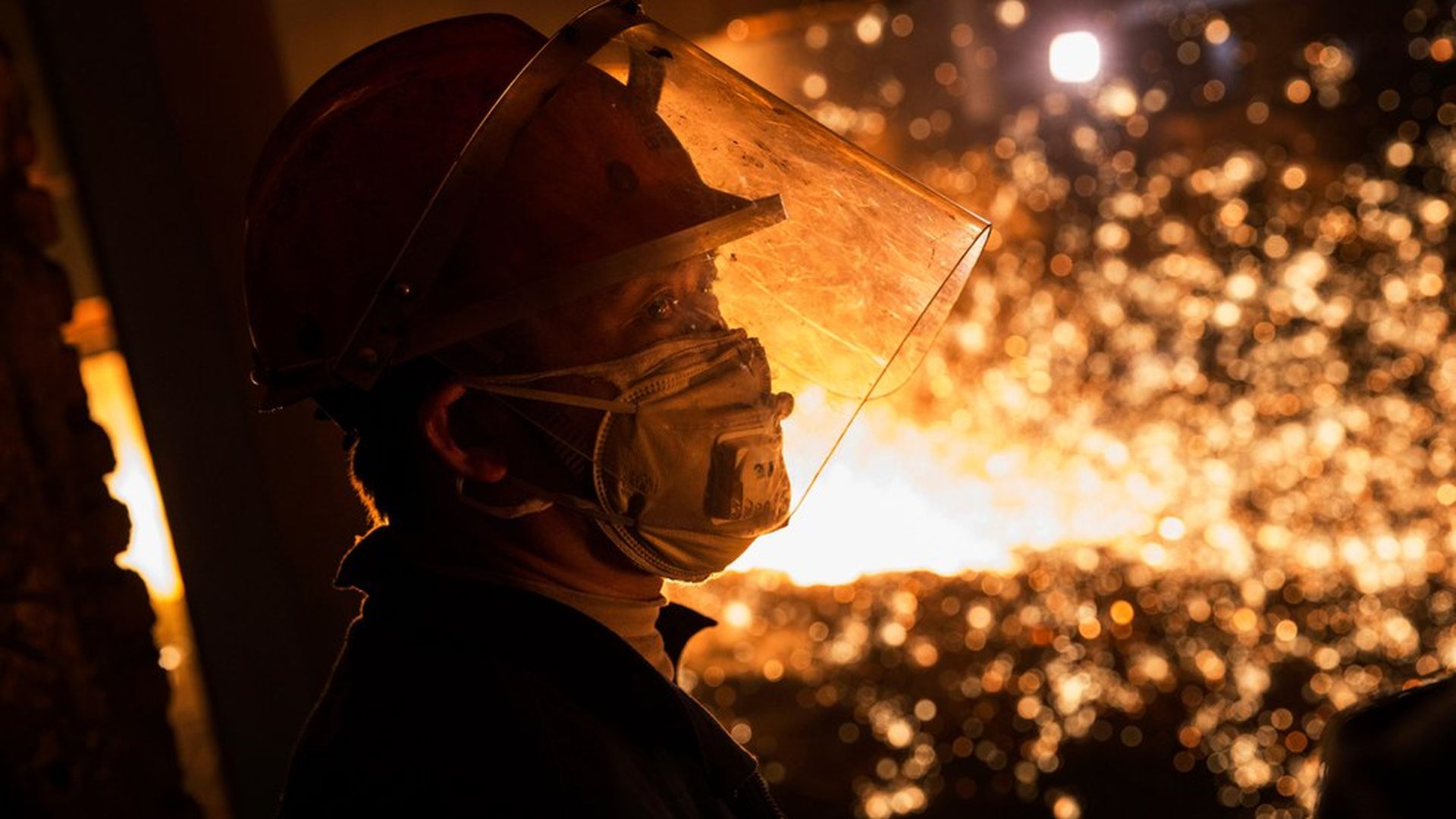
By the end of the year, some 1.8 million Chinese coal and steel workers will lose their jobs, victims of the government's shift to cleaner industries and a shutdown of small enterprises. To put that in perspective, the two industries employ just 192,000 workers in the U.S.
Why it matters: Ordinarily, China's leadership is most focused on social stability. The party always looks to avoid any outbreak of discontent that could threaten political calm. But now, the priority has shifted to producing higher-value, branded products sold internationally, and owning the future economy of electric and self-driving cars, advanced batteries, robotics and automation equipment.
U.S. graduate business schools — once magnets for American and international students seeking a certain route to a high income — are in an existential crisis. They are losing droves of students who are balking at sky-high tuition and, in the case of international applicants, turned off by President Trump's politics.
Why it matters: The once-venerated MBA is going the way of the diminished law degree, pushed aside by tech education. Graduates of the top 25 or so MBA schools still command the elite Wall Street and corporate jobs they always did, but the hundreds of others are scrambling, and some schools are shutting down their programs. Survivors are often offering new touchy-feely degrees like "master of social innovation."
Facebook will tell users whether they followed pages set up by Russian operatives as part of a broad campaign to interfere in the 2016 election. The company, along with Twitter and Google, have faced pressure from lawmakers to be more transparent about how far the Russian ads, pages and propaganda spread on their platforms and who was exposed to it.
The details: The social network said Wednesday that it will create a page on its support website that will tell a user which pages and accounts they followed on Facebook and Instagram that have been linked to a Russian troll farm involved in the election campaign. Users will also be able to see when they followed the account.
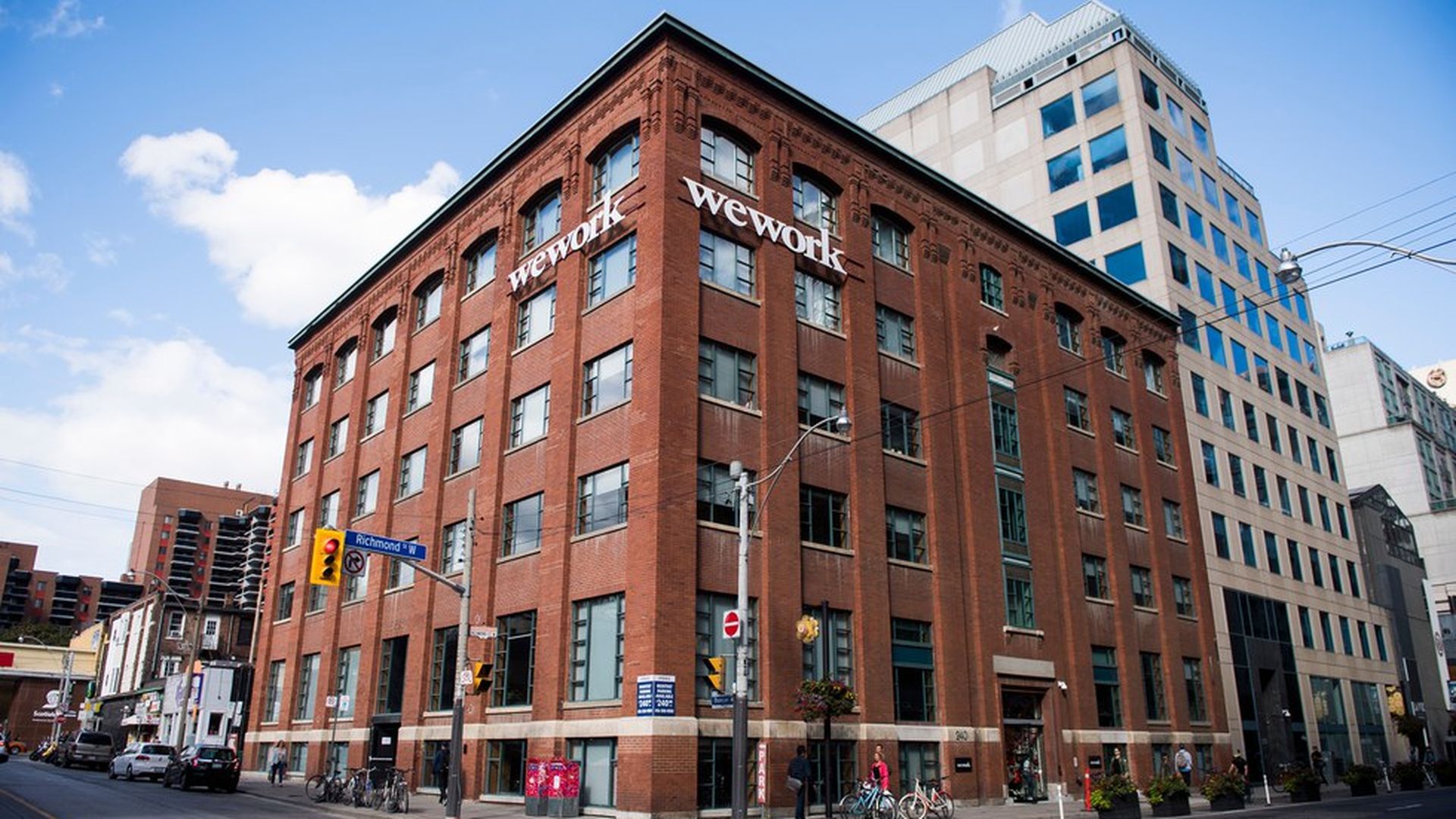
WeWorkhas earned a $20 billion valuation providing shared workspaces to start-up companies, and now the firm is exploring the idea of leasing retail space as well, The Real Deal reports. Unnamed sources tell the trade publication that "what WeWork's retail business could look like is still unclear," but that "extending the firm's co-working model — furnished spaces on short-term leases — to retailers is a possibility."
Why it matters: WeWork has justified its sky-high valuation on the promise that it has the data and design expertise to help businesses become radically more efficient in their use of office space. The move suggests that WeWork believes it can also make money helping retailers invent the brick-and-mortar store of the future.
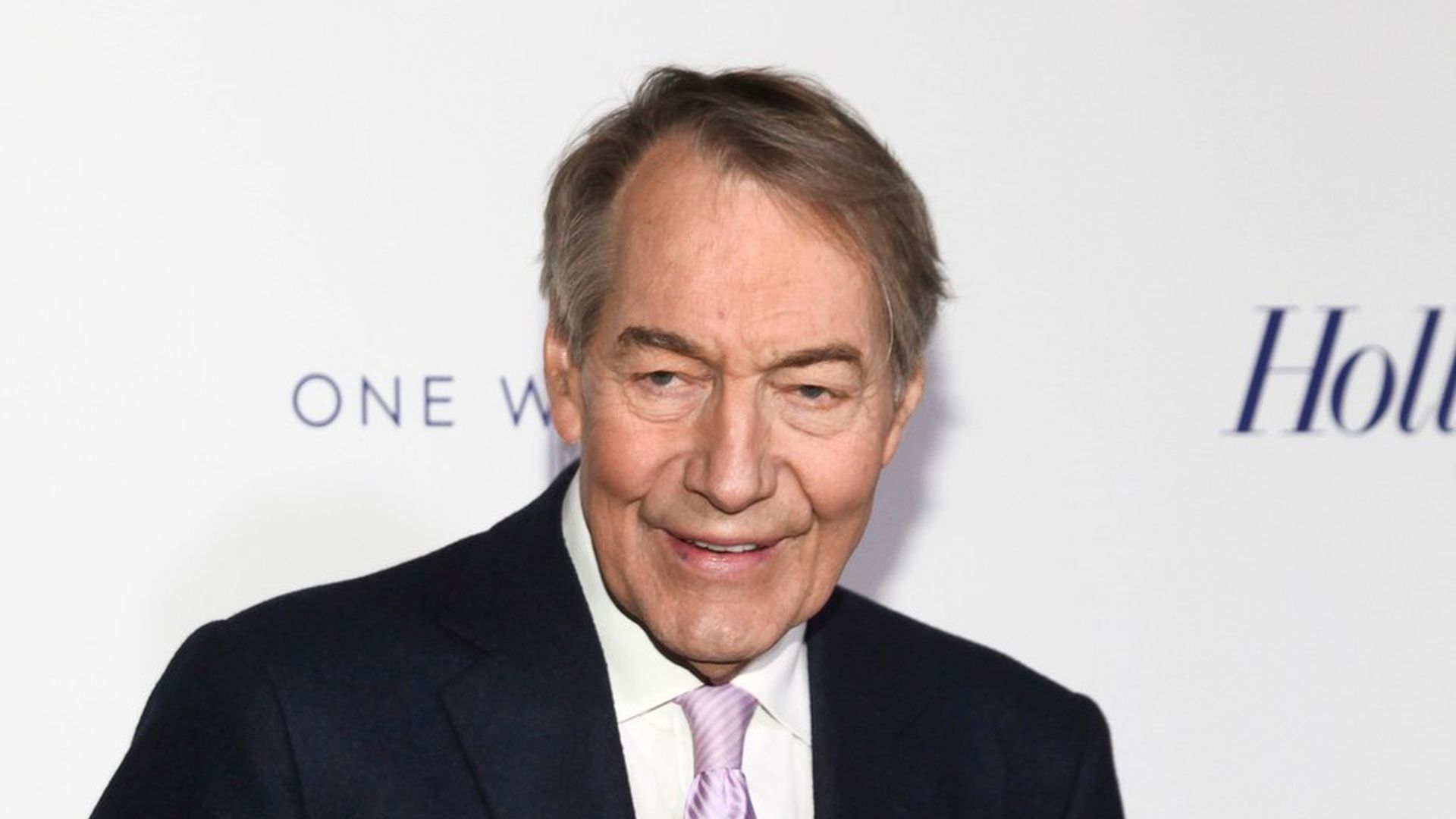
Three of Charlie Rose's former employees, this time from CBS, accused him of sexual harassment during his time at the network, just hours after he was fired from CBS' morning show.
Earlier allegations were made by eight women who worked, or aspired to work, on Rose's program at PBS. CBS, which reported the fresh round of allegations Wednesday, said they learned about the new cases "not from the HR department, but from our own investigation of his behavior."
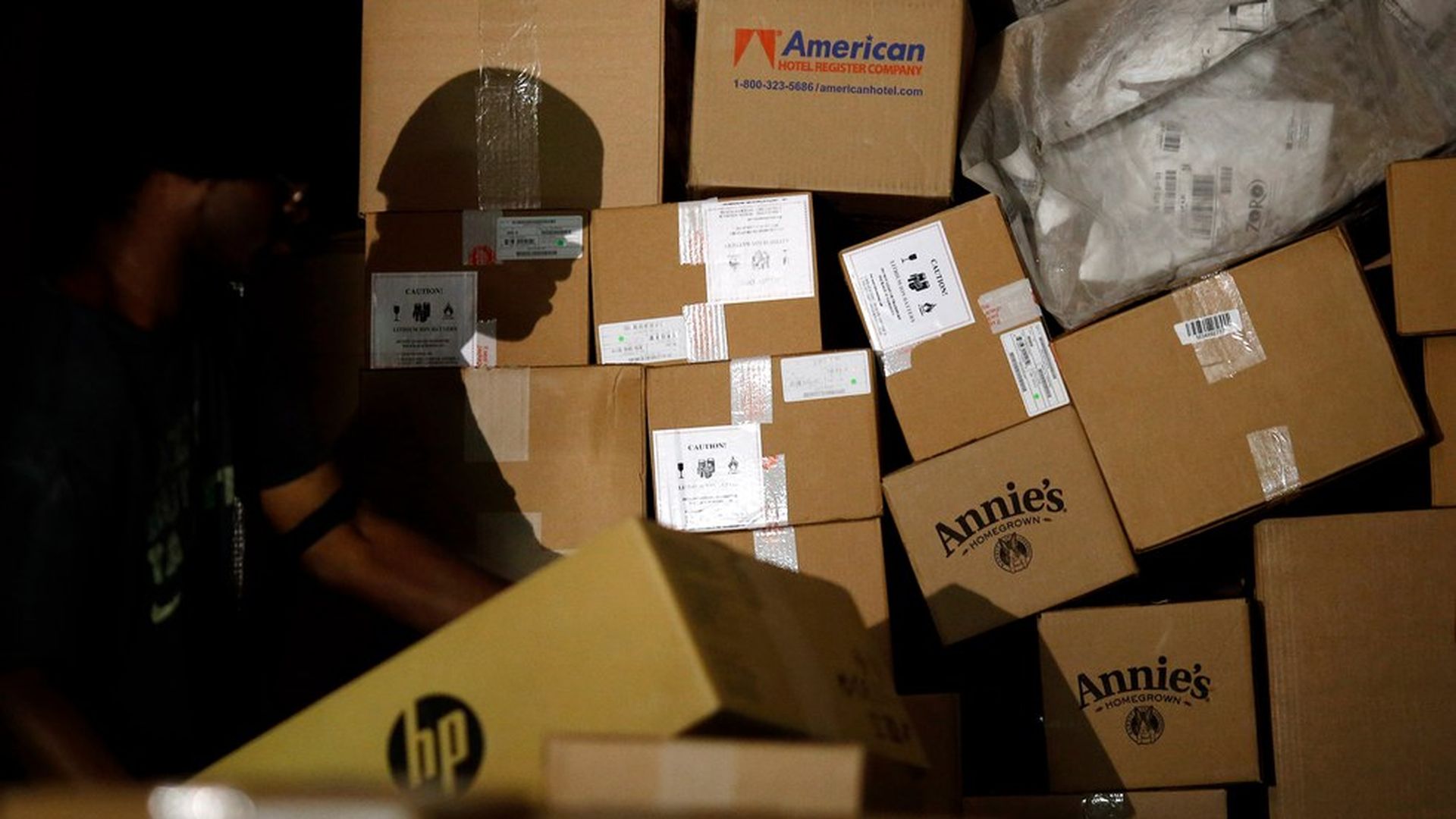
For the first time, UPS is charging 27 to 97 cents extra on packages shipped to homes around Black Friday and the week before Christmas, so retailers are offering delayed shipping as a work-around, WSJ reports.
Impact: Clothes, toys, and electronics may not be shipped right away, since those kinds of purchases at this time of year tend to be gifted, per UPS's president of retail, Greg Brown. UPS could make $200 million in revenue off the surcharges this year, per Moody's forecasting.