Tuesday's economy stories

Maddow tweets get White House to cough up Trump's 2005 tax numbers
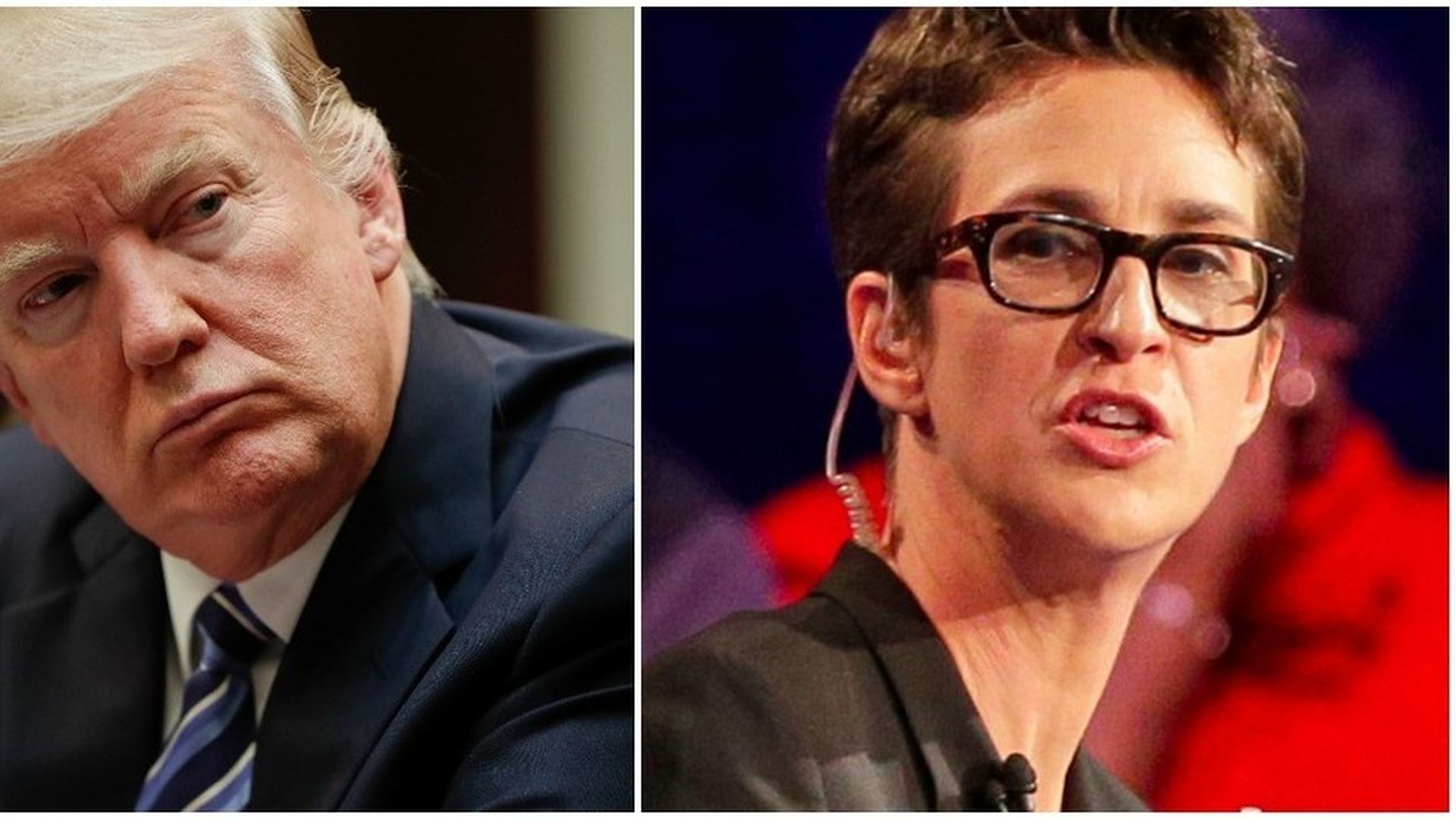
The White House, MSNBC host Rachel Maddow and The Daily Beast have combined to make public that President Trump paid $38 million in taxes in 2005 on $150 million of income. $5.3 million of that was in federal income taxes, while $31 million came from the Alternative Minimum Tax, as first reported by the David Cay Johnston, a researcher who writes for The Daily Beast.
Why it matters: President Trump has never released his tax returns, saying they're under audit. The NYTimes obtained some of his old returns during the election, showing he wrote off a huge loss that would have allowed him to avoid federal income taxes for nearly 20 years.

Neiman Marcus is seeking a buyer
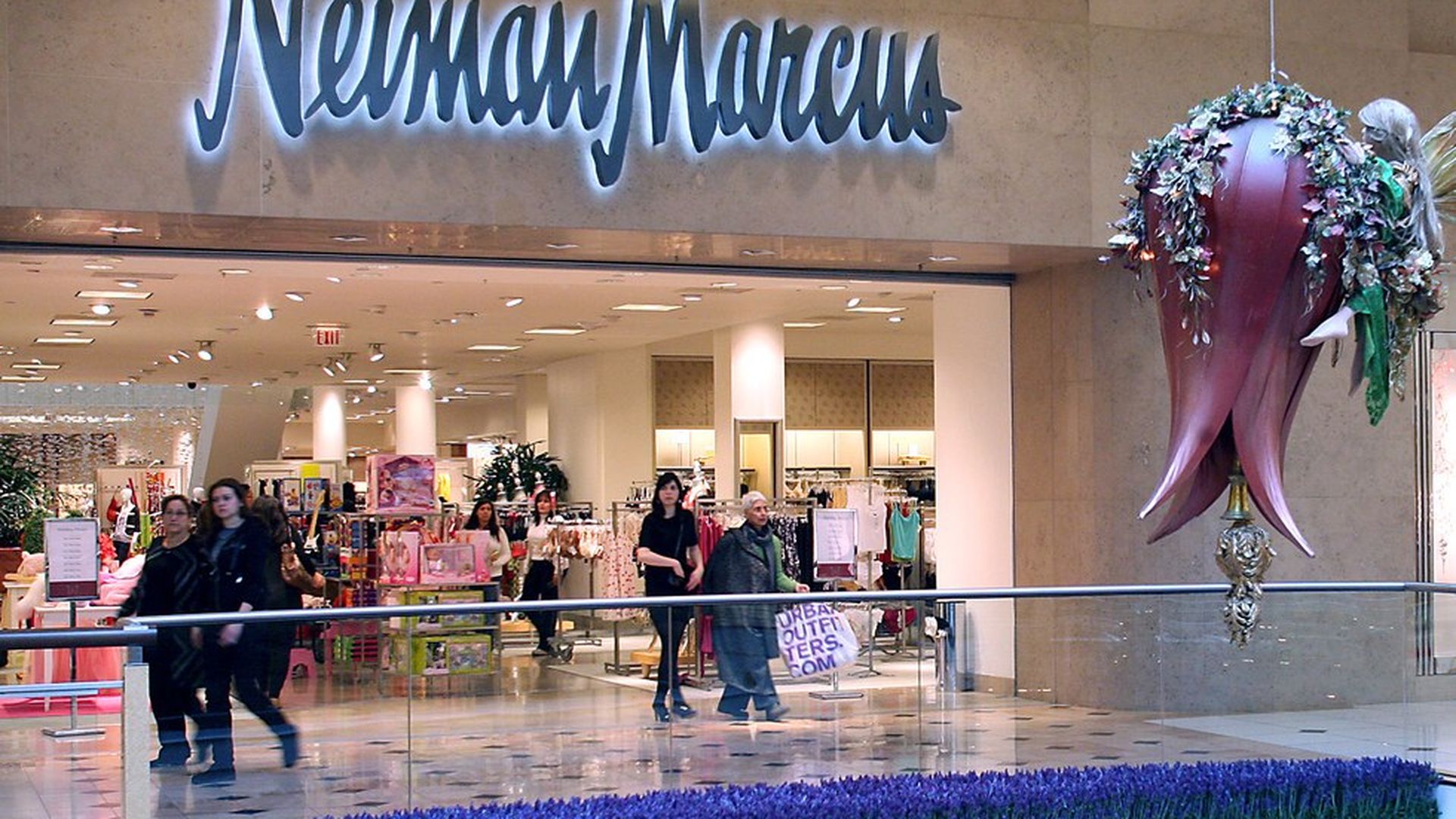
Luxury retailer Neiman Marcus today said that it is exploring "strategic alternatives" that could include a sale of the entire business. This comes two months after the Dallas-based company pulled an IPO registration that had been on file since August 2015, and amid a much broader slump among physical retailers (particularly those concentrated within shopping malls).
Second time's the charm? This isn't the only recent sale attempt for Neiman Marcus, which is struggling under a $4.9 billion debt load that relates to it having been repeatedly bought and sold among private equity firms (its current owners are Los Angeles-based Ares Management and a large Canadian public pension fund). For example, Hudson's Bay Co. ― owner of Lord & Taylor and Saks Fifth Avenue ― has held off-and-on talks about buying Neiman Marcus, and reportedly is in the mix again. Hudson's Bay also has been linked to takeover talk involving Macy's.
Bottom line, from Fortune retail reporter Phil Wahba back in January: "Neiman has admitted luxury shoppers are harder to win over now than before, more impatient to buy items they see on the runway and less willing to wait eight months for those items to be in stores. And the Internet has made comparison shopping that much easier, eroding shopper fealty."

New York City is suing Verizon
New York City has slammed Verizon with a lawsuit that alleges the company broke a 2008 contract to provide citywide fiber coverage, reports TechCrunch. The city claims that the telecom giant not only failed to "timely complete installations as requested" by subscribers, but also failed to provide its FiOS services to residents at all. The suit was filed Monday in the New York Supreme Court.
"Verizon promised that every household in the city would have access to its fiber-optic FiOS service by 2014. It's 2017 and we're done waiting," said New York City Mayor Bill de Blasio in a statement yesterday.
Verizon hit back in a letter to the commissioner of the NYC Department of Information Technology and Telecommunications, Anne Roest, stating that it had interpreted the agreement to mean that it would lay its fiber-optic network along the same route previously used for its copper line, and that the city's aims are impractical.
"Digging up City streets and sidewalks on the scale that you are demanding would cause enormous and unnecessary disruptions to vehicle and pedestrian traffic, and would impose immeasurable inconvenience and hardship on countless residents and businesses," said Craig Silliman, Verizon's executive vice president of public policy and general counsel.
So what? This could be a message to other broadband companies, including Google, that you will be held accountable if you don't finish what you start.
Top NYT editor: I look at Breitbart "everyday"
Dean Baquet, the top editor at the NYTimes, was on a SXSW panel yesterday, as noted by Politico. As part of it, he addressed whether he considered Breitbart News a journalistic competitor:
"Breitbart? Not so obvious. I'm not convinced," said Baquet, because "they're not in an honorable pursuit of the truth. They're propaganda." Nonetheless: "I look at them everyday."

The battery tech Samsung wishes it had last year
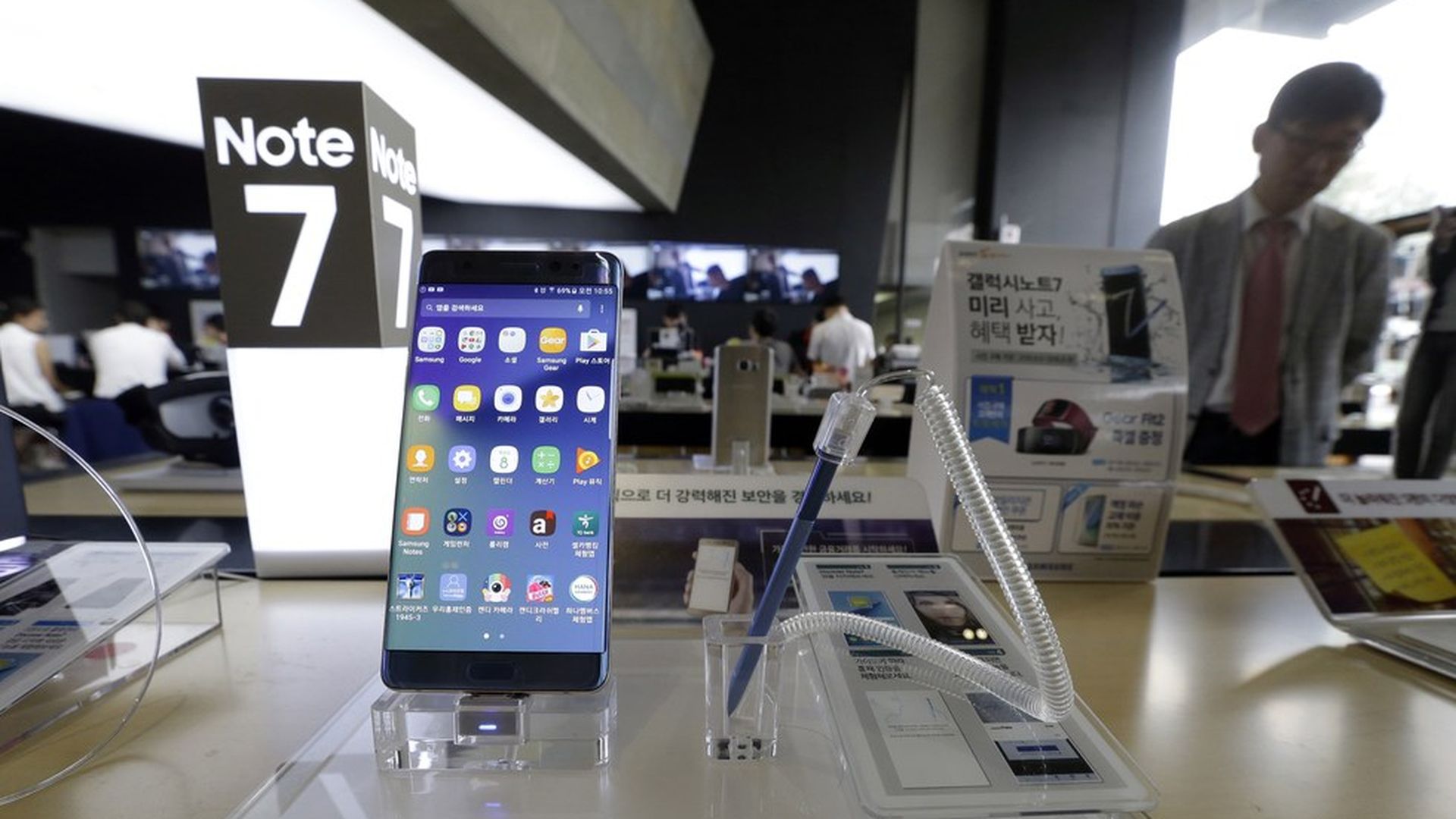
A small San Diego-area company named Amionx plans to reveal a new technology later on Tuesday that it says can be put into smartphones and prevent standard lithium-ion batteries from overheating. Amionx is a spinoff of American Lithium Energy Corp. which has used the technology in more than 20,000 batteries for the military. Former Qualcomm president Steve Altman is an investor and president of Amionx's board of directors.
What's new about it: Ahead of the announcement, Amionx executives told Axios they have developed a fuse that kicks in when a battery hits a certain voltage, temperature or current threshold. That prevents problems caused by external heat, overcharging or an internal short. The approach, the company tells me, adds minimal cost and can be integrated into traditional battery manufacturing techniques and could be commercially ready in as little as six months.
The key question is whether the smartphone manufacturers will find Safe Core as appealing as Amionx makes it sound. The company is relying on licensing its technology to others and so far the company has yet to sign on any of the major phone makers.


How Trump's data operation helped him win

According to conversations with over two dozen staffers and advertising experts involved with the data and advertising operations of both presidential campaigns, the Democratic party's data machine that worked so well in 2008 and 2012 may have ended up working against Hillary Clinton in 2016. Here's what the campaigns did:

Why hedge fund managers are making a bet on failing malls
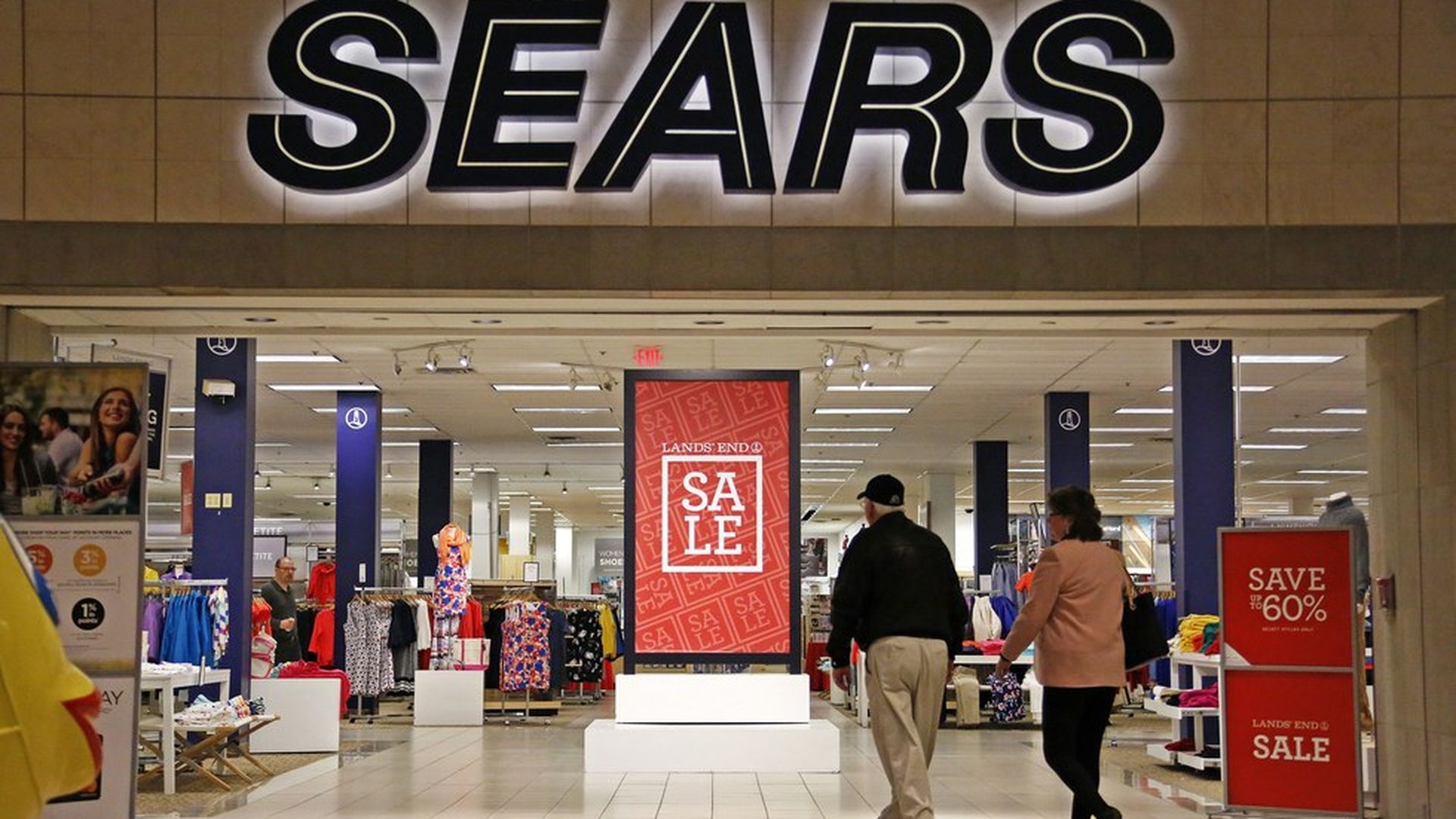
As more and more consumers are moving their shopping online and away from brick and mortar stores, malls are near-ready to buckle under the pressure — and investing firms are betting against real estate loans backed by malls in order to profit from their impending failure, according to Bloomberg.
The magnitude: Not as big as the subprime mortgage loans that spurred on the 2008 financial crisis, but there are still $985 million in contracts on the two riskiest kinds of mortgage-backed securities. (Bloomberg's headline on the matter paints a gloomy picture: "Wall Street Has Found Its Next Big Short in U.S. Credit Market," but it's not quite that bad.)
What to watch: And any massive set of store closures from J.C. Penney, Sears, or Macy's would ripple across all the malls, tanking the mortgage-backed securities and spelling out a win for the investors betting against them.

Okta files for IPO
Okta, a provider of cloud-based tools for business to manage employee access of software and devices, has filed for a $100 million IPO.
Offering details: The San Francisco-based company plans to trade on the NASDAQ under ticker symbol OKTA, with Goldman Sachs listed as left lead underwriter.
Financials: Okta is not profitable yet. It reported net losses of $59.1 million and $76.3 million in fiscal 2015 and 2016, respectively, and $54.9 million and $65.3 million for the nine months ended October 31, 2015 and 2016. Okta brought in $41.0 million in revenue during the fiscal year of 2015, and $85.9 million in fiscal 2016.
Backers: Okta has raised $231.5 million in venture capital, and was most recently valued at qlmowt $1.2 billion post-money according to PitchBook. Its investors include Andreessen Horowitz, Greylock Partners, Khosla Ventures, Sequoia Capital, and Floodgate Fund, among others.

Chinese billionaire turns activist on Community Health Systems
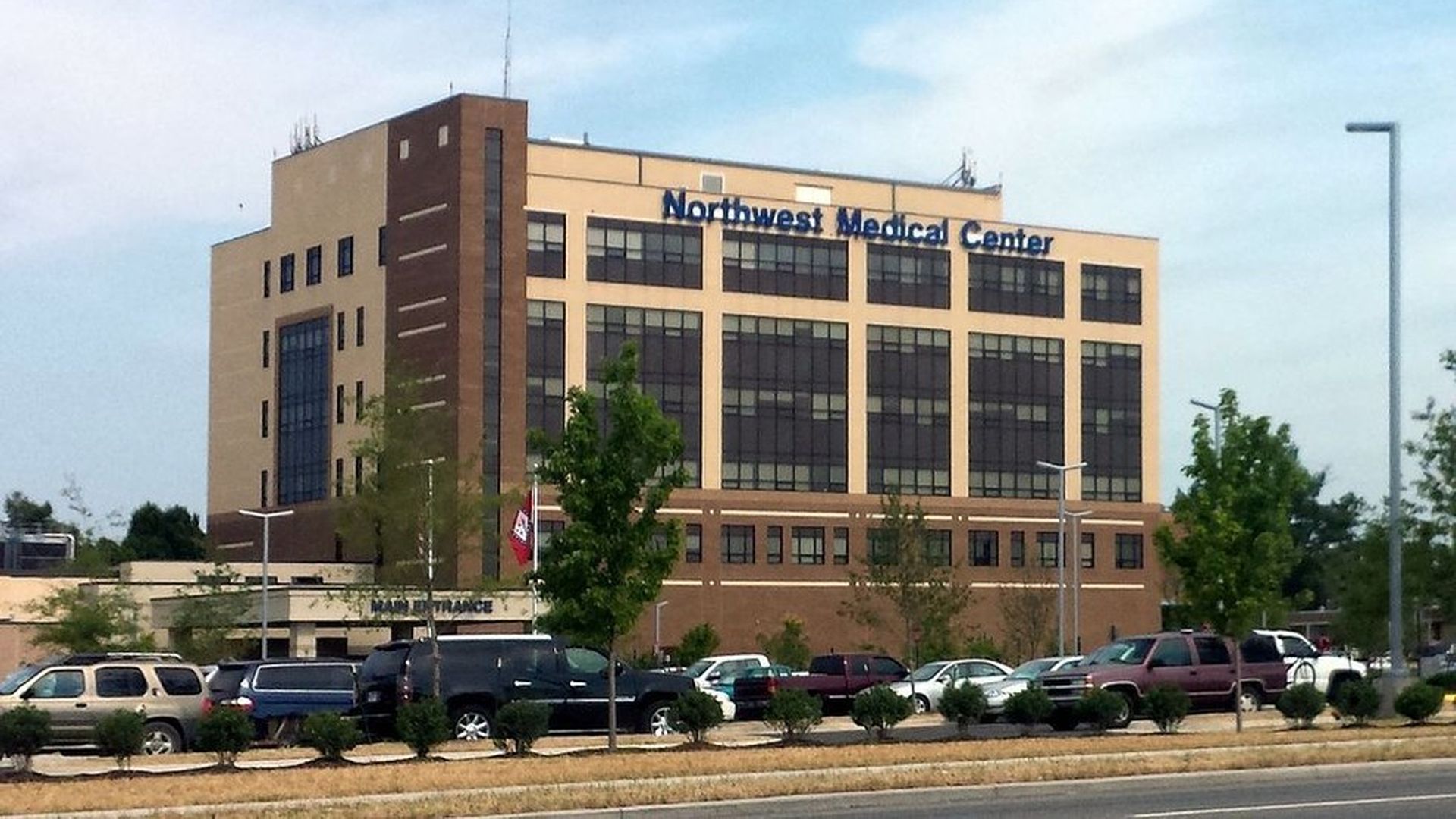
Tianqiao Chen, a billionaire from China who made his fortune in online gambling, is no longer just a passive investor in Community Health Systems, the for-profit hospital chain that has been selling off hospitals to pay down its massive debt.
Chen disclosed Monday with the Securities and Exchange Commission that his 13.7% ownership stake in Community Health Systems (which cost $186 million) was originally a passive investment. But now he wants to "maintain flexibility going forward." He said he has a "good relationship" with the company's executives and will work with them on the "ongoing turnaround strategy," according to the SEC filing.
What this means: Rumors surfaced last year that Community Health Systems could try to sell itself outright. But inpatient facilities and mounds of debt aren't exactly attractive to health care investors, and many have already bailed on Community Health Systems. Chen could have a more aggressive plan in mind for the company, which has been divesting hospitals at a rapid pace. Community Health Systems and Chen's investment company did not respond to requests for comment.

Liberals turn on TV to tune out Trump

Left-leaning television has enjoyed a boost in viewership after a rough end of Obama's presidency, the NYT reports. MSNBC has beat out CNN in prime time viewership 6 out of the past 7 months, and Stephen Colbert's "Late Show" has earned more views that Jimmy Fallon's "Tonight." Bill Maher's HBO has grown by almost 50% since last year.
What about Fox? The right-leaning, most-watched network is also having another big year, with 30% growth over last year. But MSNBC's Rachel Maddow beat out Fox's Tucker Carlson last Wednesday in the 24-54 demographic.
"There is a new safe space for liberals in the age of President Trump: the television set." — Michael M. Grynbaum & John Koblin, NYT
Yahoo shakes up post-Verizon executive team
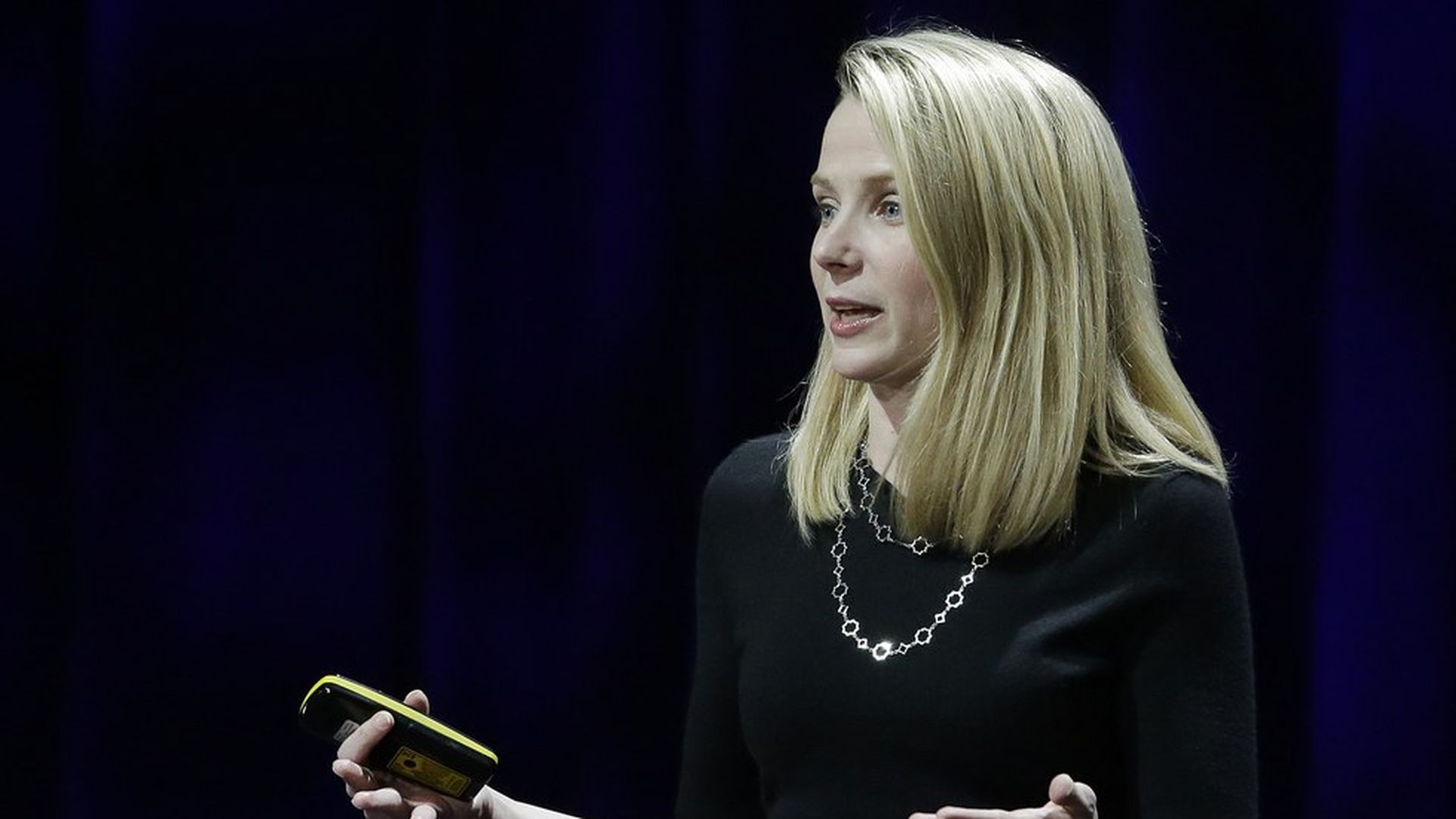
Yahoo's named its new executive team following its merger with Verizon, per CNBC. Board member Thomas McInerney will serve as CEO and Alexi Wellman will serve as CFO.
CEO Marissa Mayer will stay on until the deal closes, at which point the company will be named Altaba. Altaba itself won't have much relevance after the deal closes, as it will house what remains of Yahoo's assets after the deal with Verizon closes.