Call it greed, call it need — but money, it seems, is the one thing we can agree on.
Driving the news: 43% of Americans say money, as a value, is "very important" to them, up from 31% in 1998, according to a new Wall Street Journal-NORC poll.
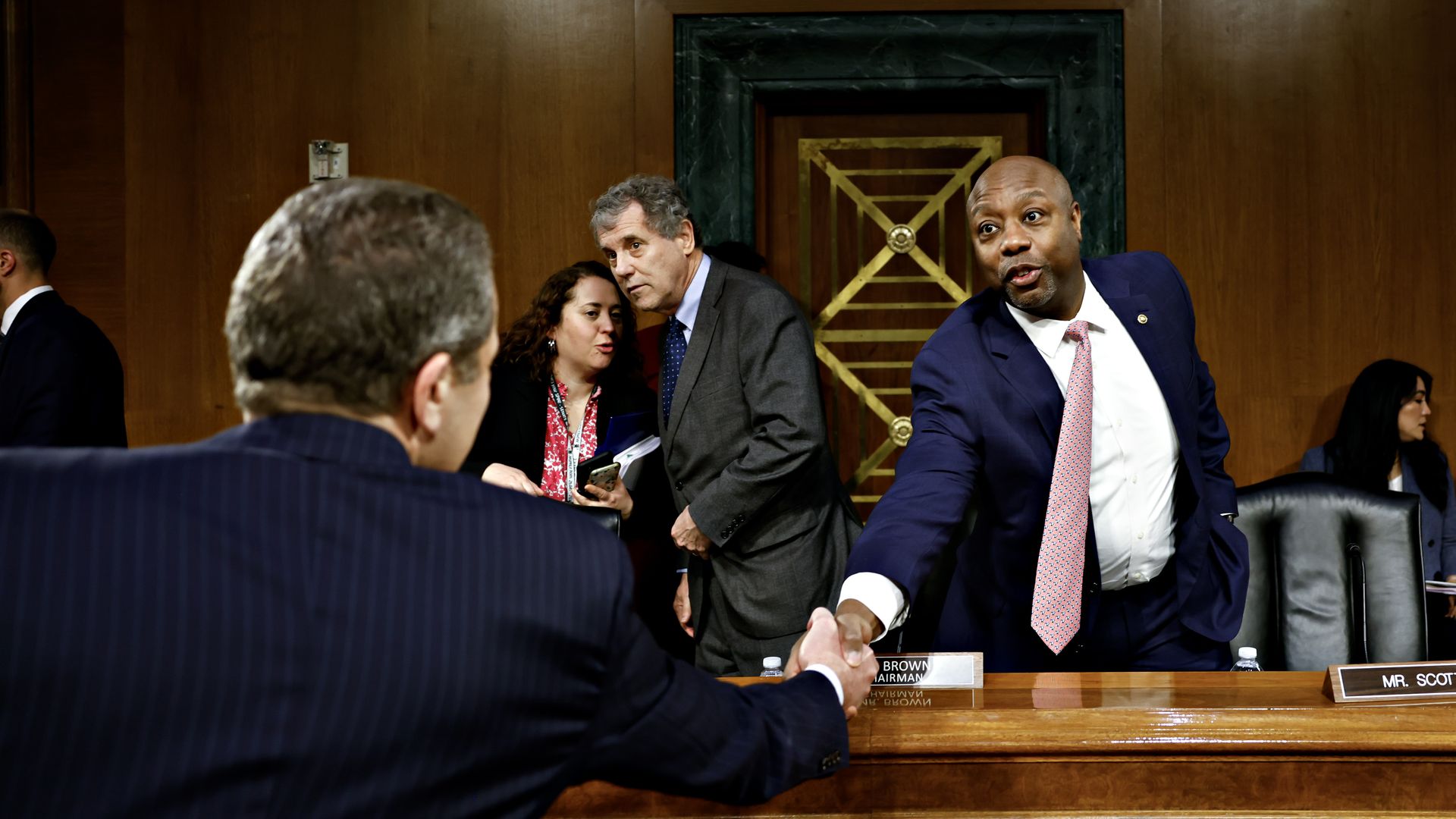
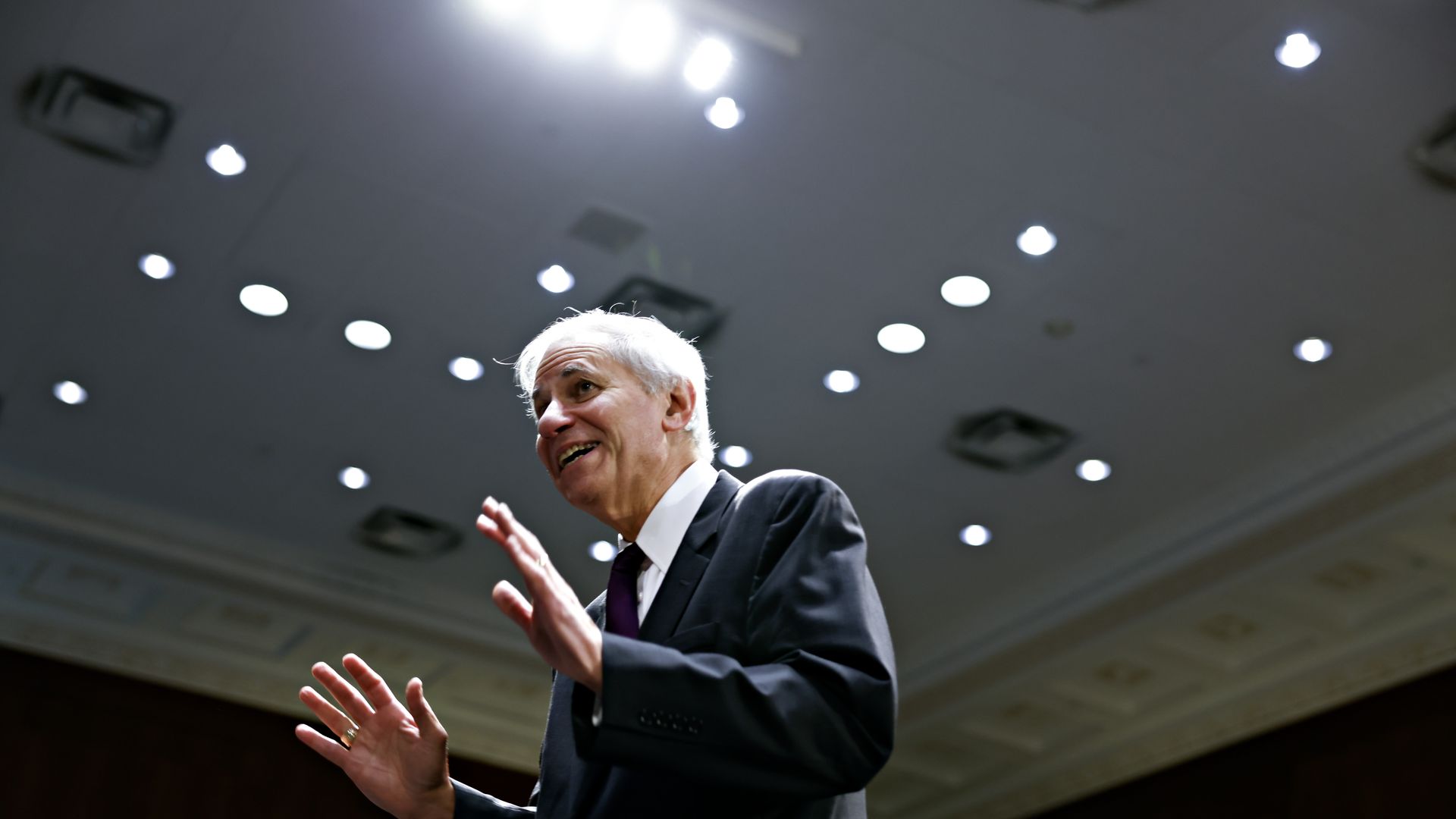
Key U.S. banking regulators testified before lawmakers on Tuesday in the first hearing after the spectacular collapse of Silicon Valley Bank that sparked panic about the financial system's health.
Why it matters: Officials faced tense questions about how SVB's troubles flew under the radar, eventually prompting extraordinary steps from regulatorsto backstop the banking sector.
Apple CEO Tim Cook for the first time since the pandemic traveled to China this weekend, where he touted the company's strong relationship with the country at a business conference organized by the Chinese government.
Why it matters: Cook’s trip, which came just days after a bipartisan group of lawmakers grilled TikTok CEO Shou Zi Chew on Capitol Hill, demonstrates the thin line tech executives must straddle between currying favor with their home countries and the foreign markets they rely on.
When bank supervisors do their best work, you will not hear about it. You will never read about how a heroic bureaucrat identified a risk to an institution's health, flagged it to management and, as a result, the bank didn't fail.
By design, most bank supervision work is strictly confidential, and "Local bank remains open" is not the stuff of newspaper front pages.
Alibaba, the Chinese tech giant with a $228 billion market cap, said it will split into six businesses that will be able to pursue independent fundraising and IPOs.
Why it matters: This is Big Tech breaking itself up amid increased regulation and competition.
Substack, the newsletter platform, will open up a community fundraising round on Tuesday, allowing writers on the platform to invest in the company.
Why it matters: Substack tried to raise money last year, but scrapped its plans amid a harsh financing environment. Instead, it has pushed more aggressively to become self-sustaining through new revenue streams and cost-cutting measures.
More newspaper sales could be on the way for Gannett, which has lost roughly half of its workforce since merging with GateHouse in 2019, Axios reported.
Why it matters: Gannett's strategy in the wake of the merger has been to shed assets and focus on fewer, more lucrative, markets.
When government intervened to save Credit Suisse and Silicon Valley Bank, a lot of people lost a lot of money — shareholders and some bondholders are zeroed out; senior executives are unceremoniously fired. The acquiring banks, on the other hand — UBS and First Citizens — both ended up with extraordinary gains on their balance sheets.
Why it matters: This is the first banking crisis since the global financial crisis of 2008-09 — and it's easy to see what lessons have been learned.
As top communicators are increasingly earning a seat at the table only to discover it's a hot seat, it's important for them to seek out experienced contemporaries for advice and guidance.
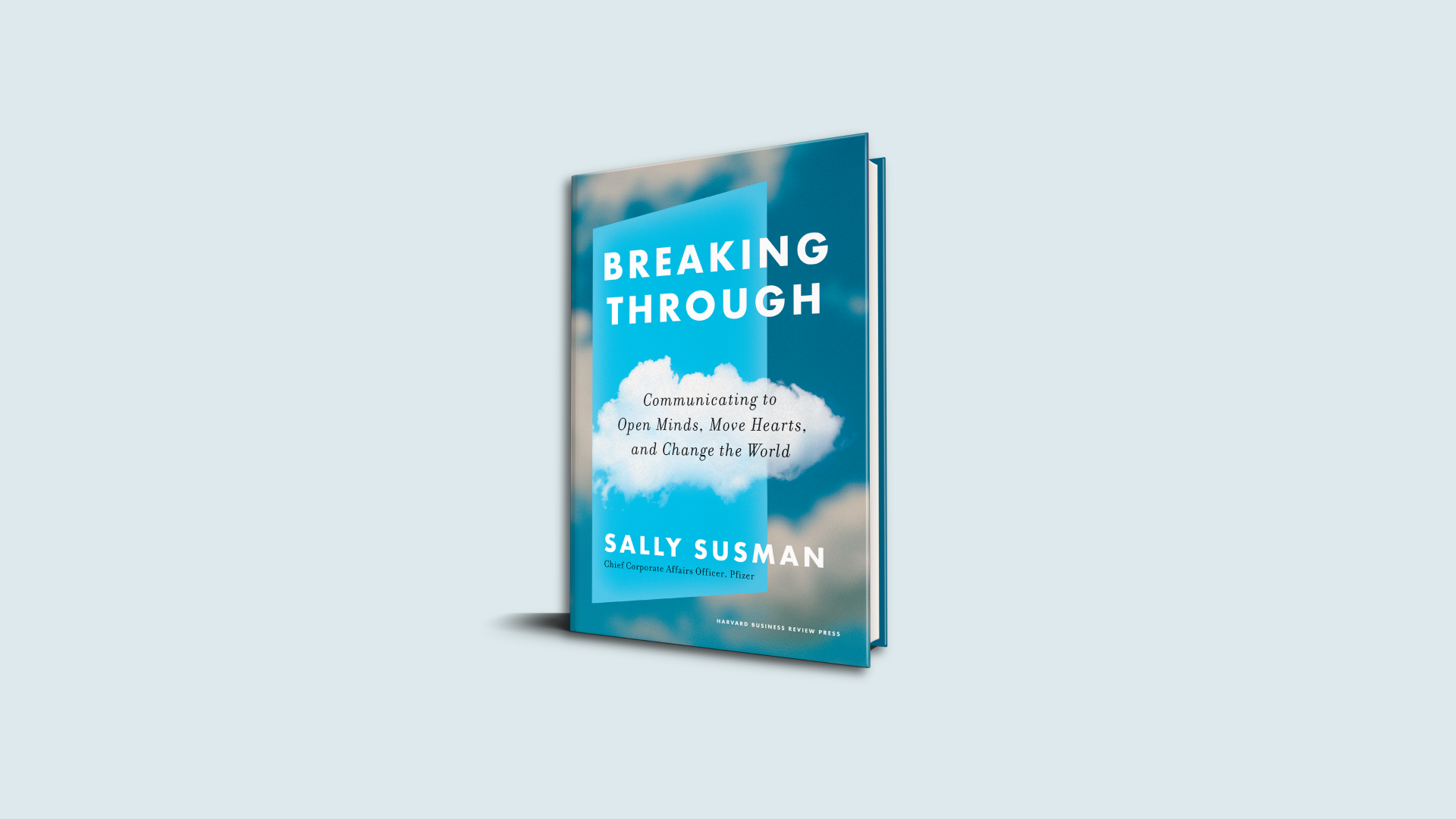
In her new book, Sally Susman, the chief corporate affairs officer for Pfizer, shares real world examples and offers tangible suggestions on how to navigate the delicate — and sometimes polarizing — job of communications.
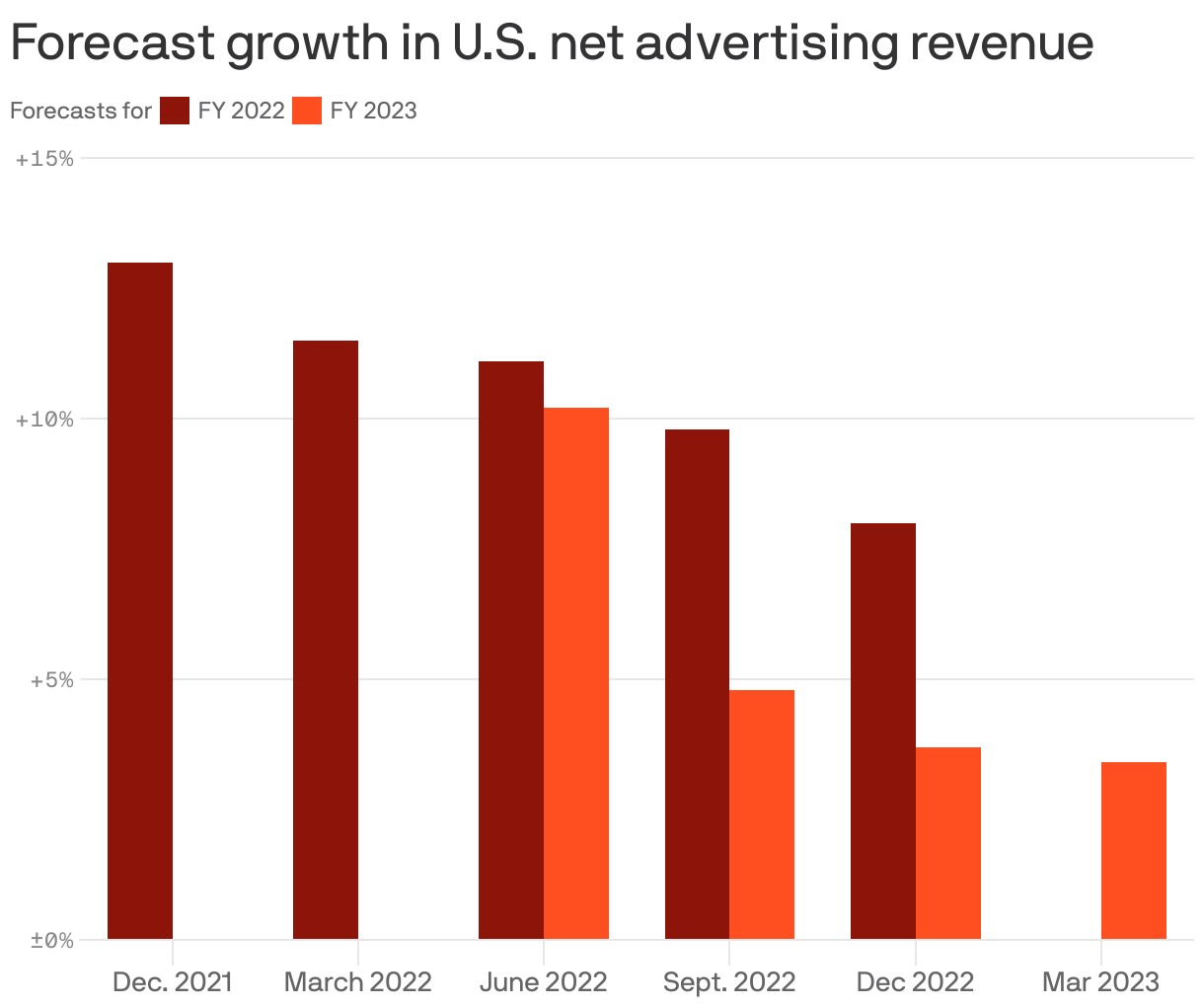
Data: Magna; Note: Forecasts include cyclical events like the Olympics and elections. FY 2023 forecasts not available for December 2021 and March 2022. FY 2022 forecast not available for March 2023; Chart: Axios Visuals
Experts at Magna, one of the world's largest ad-buying firms, have trimmed their 2023 U.S. advertising spend forecasts slightly to account for continued uncertainty in the economy.
Yes, but: The ad market is still growing, just at a slower rate. It remains healthy largely due to innovation in formats, said Vincent Létang, Magna's executive vice president of global market research.
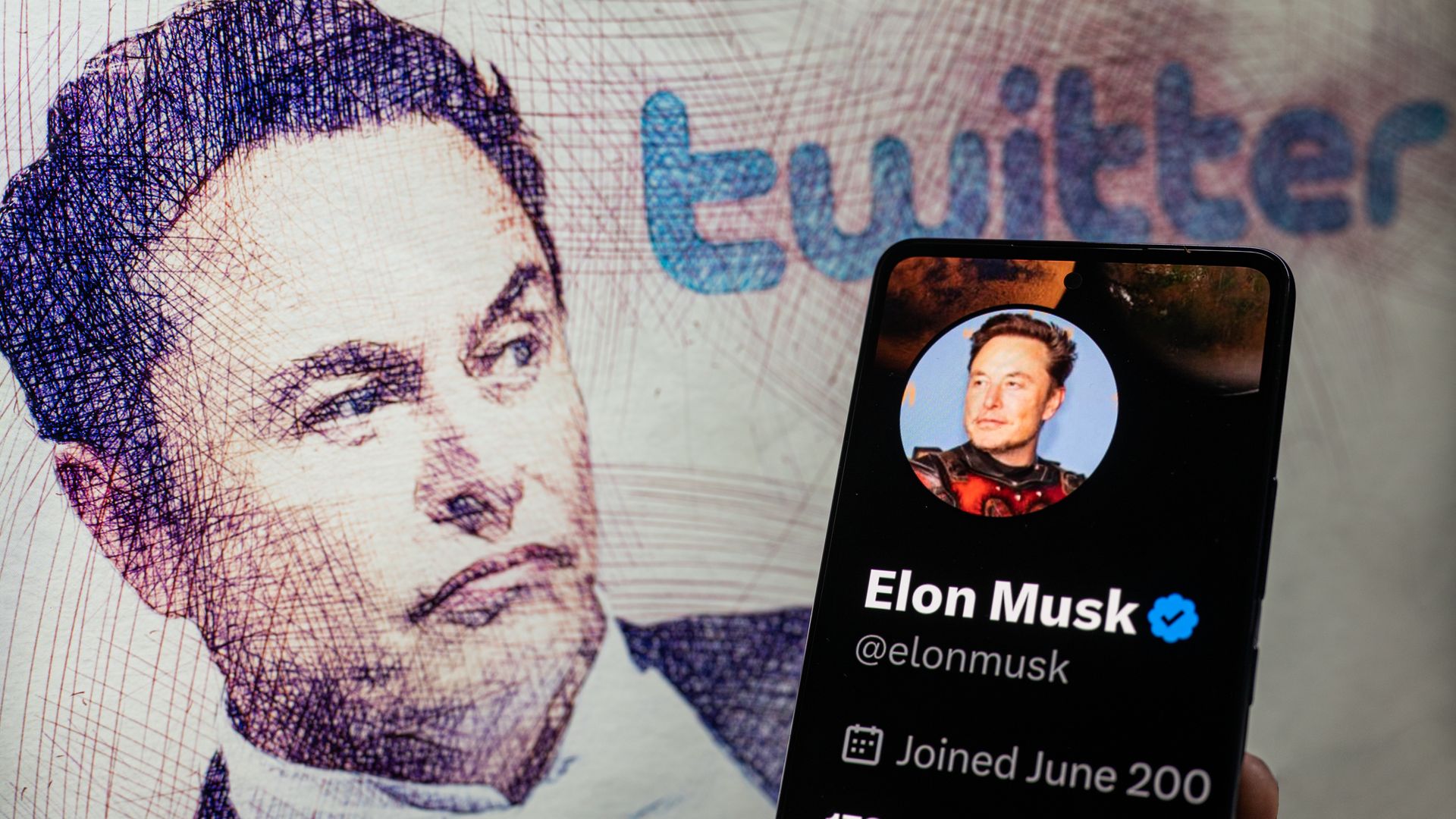
Twitter CEO Elon Musk announced Monday evening that only tweets by verified users will show up in the platform's default main feed of "For You" recommendations starting April 15.
Driving the news: Musk tweeted that the move "is the only realistic way to address advanced AI bot swarms taking over and that voting in polls "will require verification for same reason."



/2023/03/28/1679968852880.gif?w=3840)