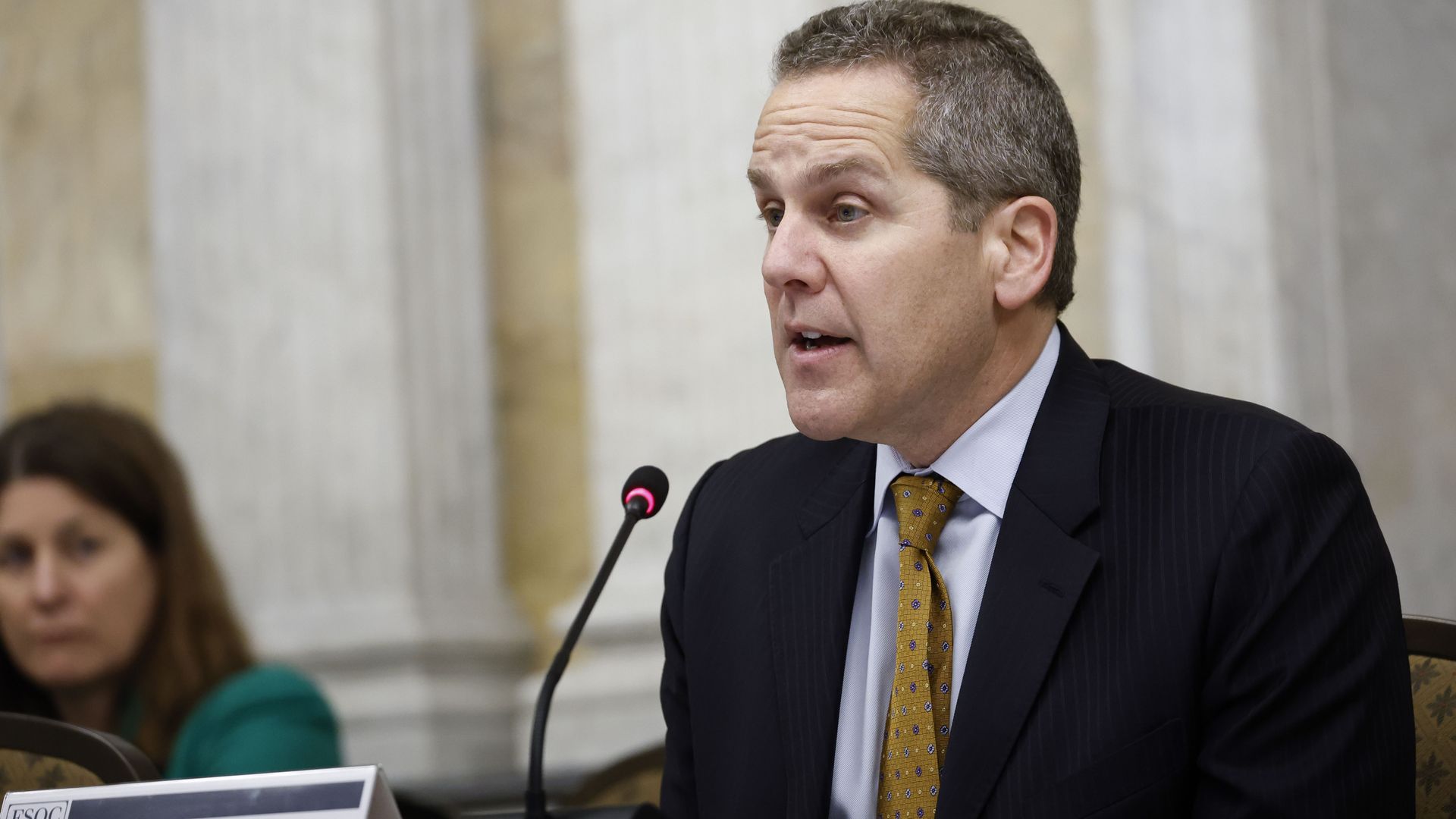
Silicon Valley Bank was a "textbook case of mismanagement," the Federal Reserve's top banking regulator will tell lawmakers this week — one key reason for the bank's failure.
Why it matters: The Fed official is among the regulators set to appear before Congress for the first hearing related to the collapse of Silicon Valley Bank, which sparked panic about the financial system's health.
Israeli Prime Minister Benjamin Netanyahu on Monday said he was delaying his coalition's judicial overhaul legislation after mass protests and a general strike that affected much of the country.
Why it matters: Israel, including its economy, has faced instability and unprecedented political and social unrest since the plan to weaken the country's Supreme Court was announced in January.
While you were ducking out of the office early Friday afternoon for happy hour, the Federal Reserve released its weekly report on the U.S. banking system.
Why it matters: The figures showed that amid the turmoil that's engulfed the banking sector, there was an outflow of deposits from smaller banks in mid-March — though not on a scale that appears overly worrisome.
The global economy is facing an era of worsening demographics, ongoing inflation pressure and financial instability, according to a gloomy new report from The World Bank.
Why it matters: If the economy is like a car, its potential growth rate is how quickly it can go without risking a ticket — or excess inflation. The World Bank says this "speed limit" has fallen dramatically, warning that forces juicing global economic growth are now in retreat.
Monarch Collective, a new investment firm focused on women's professional sports, has raised $100 million for its debut fund.
Why it matters: Monarch is seeking to fund what it views as the next big wave in pro sports, including investments in teams, leagues and adjacencies (e.g., media platforms, products, gaming).
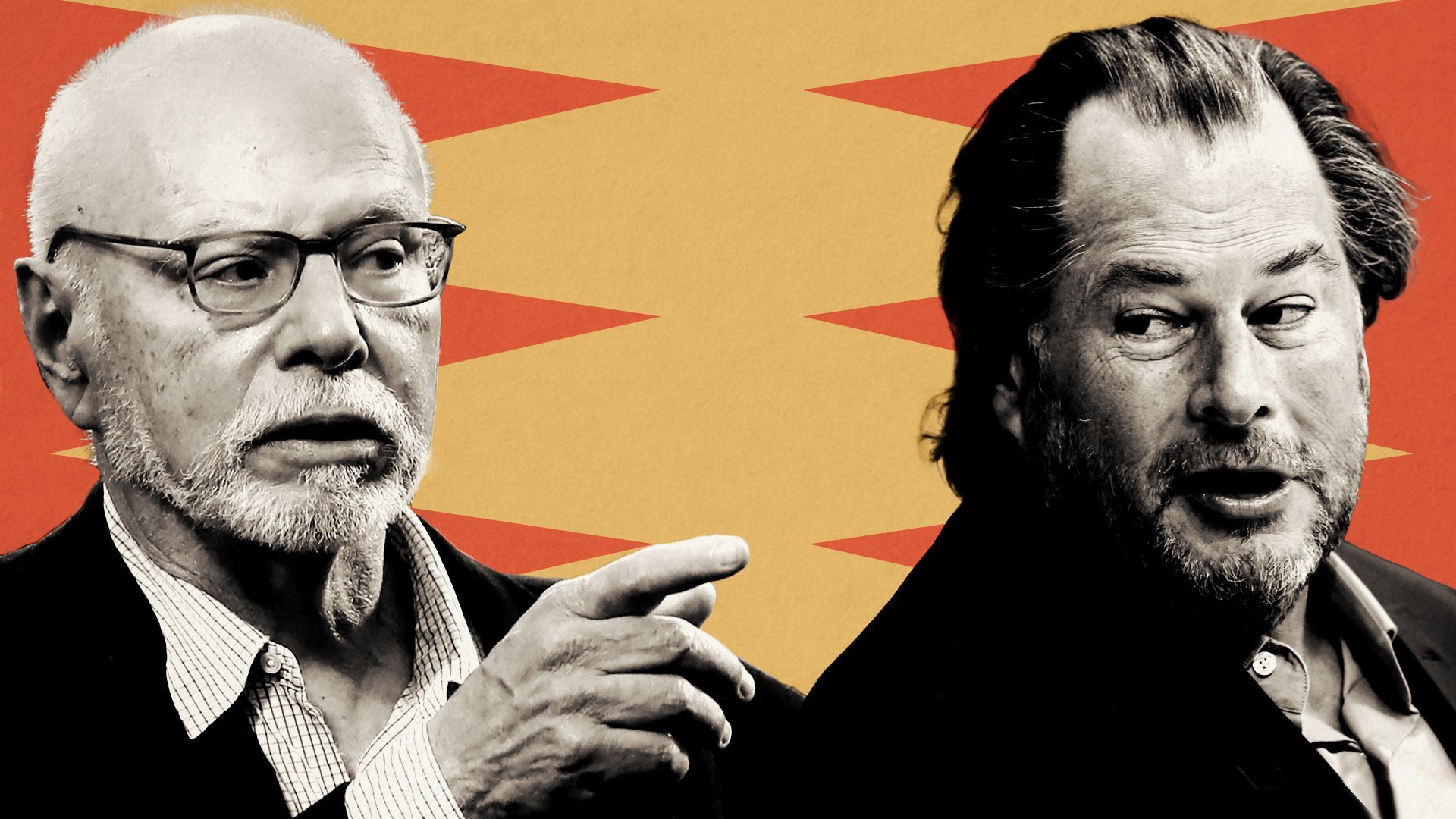
Elliott Management has withdrawn its director slate for Salesforce, the two companies announced Monday.
Why it matters: The pair won't square off at Salesforce's annual meeting, in what could have been the first major activist shareholder challenge to Salesforce co-founder and CEO Marc Benioff.
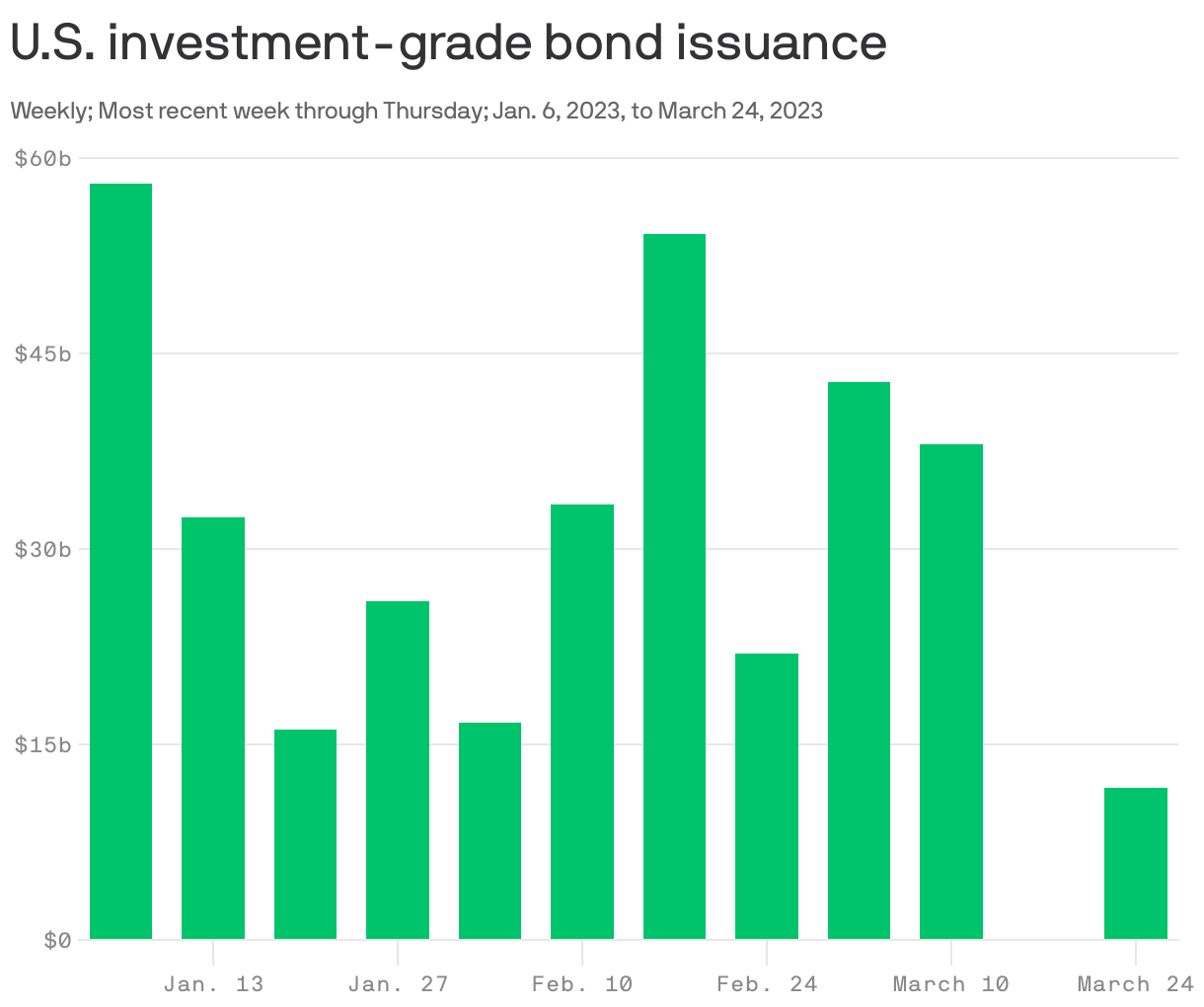
Dealsin the corporate bond market came to a halt after the abrupt bank failures earlier this month.
Why it matters: For all the talk of an eventual credit crunch working its way through the system, this is one example of how the flow of credit can seize up pretty quickly.
Over the last couple of weeks, cash crowded into U.S. money market funds at the fastest clip since the COVID crisis hit.
Why it matters: The flow of dollars to money market funds for safekeeping highlights the anxiety that the collapse of Silicon Valley Bank introduced into the financial system.
Companies may not be able to buy the silence of laid-off workers anymore.
What's happening: Overly broad non-disparagement clauses — which some companies require workers to sign in order to receive severance benefits — were recently ruled unlawful by the National Labor Relations Board.
The first business ChatGPT will upend is likely to be the industry that created it.
Why it matters: Making software has never been easy. But programming practitioners and experts are increasingly confident that generative AI will change their world — supercharging the work of the best coders and empowering everyday users to get more done.
The standoff between the U.S. government and TikTok underscores a growing problem for policymakers: Chinese apps are booming in America, but most U.S. apps aren't able to operate in China.
Why it matters: Mobile apps are one of the most powerful vectors for expanding trade and exporting soft power, given how widely accessible they are, how much time is spent on them, and how little regulatory oversight there is online.
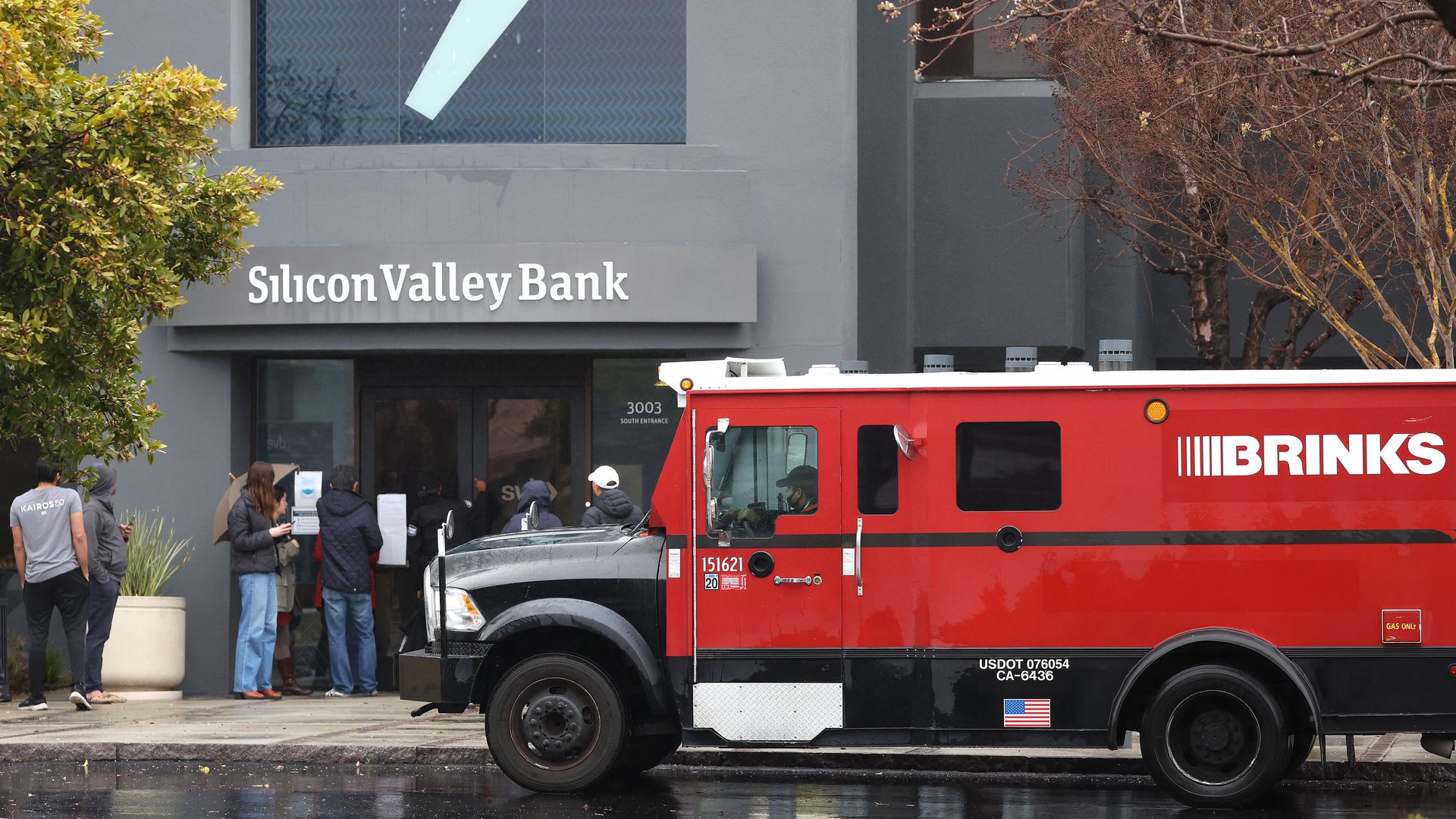
First Citizens BancShares of Raleigh, N.C. has agreed to buy the commercial banking business of Silicon Valley Bank, which recently collapsed and was seized by the U.S. government.
Why it matters: This is a step toward stabilizing America's regional banking sector, after a month of tumult.
Parts of a Twitter code used to run the social network were leaked online, the company said in a court filing first reported by the New York Times on Sunday.
Driving the news: Twitter said in a Friday filing with the U.S. District Court of the Northern District of California against GitHub, a Microsoft-owned software collaboration platform, that the leak included the "[p]roprietary source code for Twitter's platform and internal tools."