This has been a year in which all the world's major central banks engineered a massive pivot toward higher interest rates and tighter money. Almost all, that is.
Until last night (Tuesday morning Tokyo time), the Bank of Japan was the exception to the rule.
ProPublica, the nonprofit investigative news outlet, will return the $1.6 million in funds it received from Sam Bankman-Fried's family foundation, according to a staff memo obtained by Axios.
Why it matters: The crumbling of Bankman-Fried's empire as he faces criminal charges is putting various media companies that have taken his money in a bind.
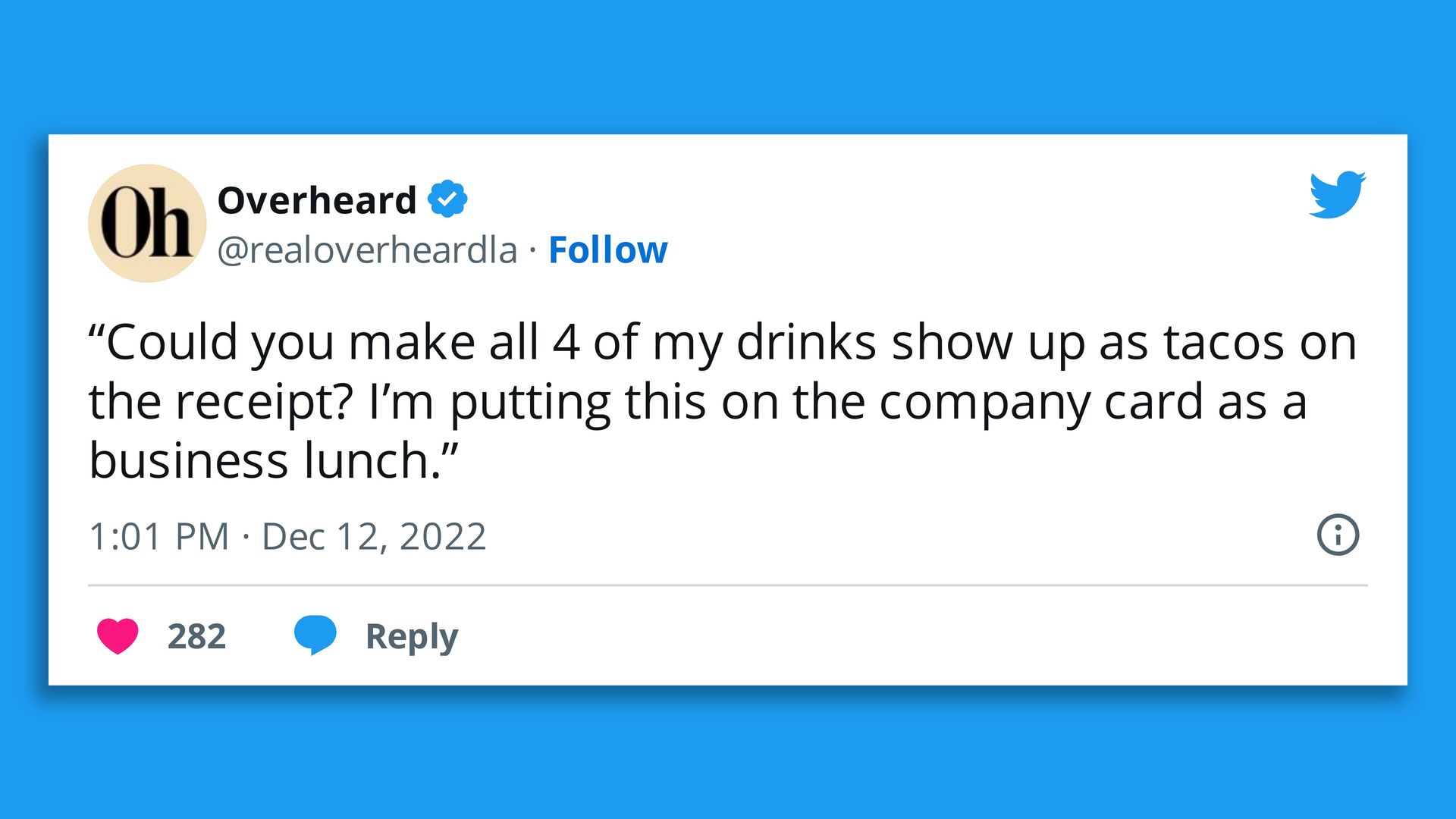
Doing Things Media, the parent company to several viral Instagram accounts, plans to acquire Overheard, a social media content brand, two sources familiar with the deal told Axios.
Why it matters: The merger will allow the companies to invest more in new platforms at a time when short-form video content is overtaking static meme accounts.
Wells Fargo on Tuesday said it's agreed to pay $3.7 billion in a settlement with the Consumer Financial Protection Bureau over accusations that it charged consumers illegal fees tied to auto loans and mortgages.
Why it matters: The deal casts a fresh spotlight on a turbulent period for Wells Fargo as the bank tries to wipe away the sins of its past and demonstrate that it's changed its ways.
Shares in Disney have dropped by nearly 5% in response to a disappointing debut for its highly anticipated "Avatar" sequel "The Way of Water."
Why it matters: Investors are looking to see whether Disney can increase profitability in its traditional businesses, like theaters and parks, as its streaming losses continue to mount. "Avatar: The Way of Water" needs to bring in at least $2 billion globally over its lifetime to reach profitability.
TikTok on Tuesday said it will soon start explaining to users why it is recommending a particular video to them.
What's happening: The new feature, which is expected to roll out in users' main "For You" feed in coming weeks, is part of a wider effort by TikTok to be more transparent about how its content-choosing algorithm works.
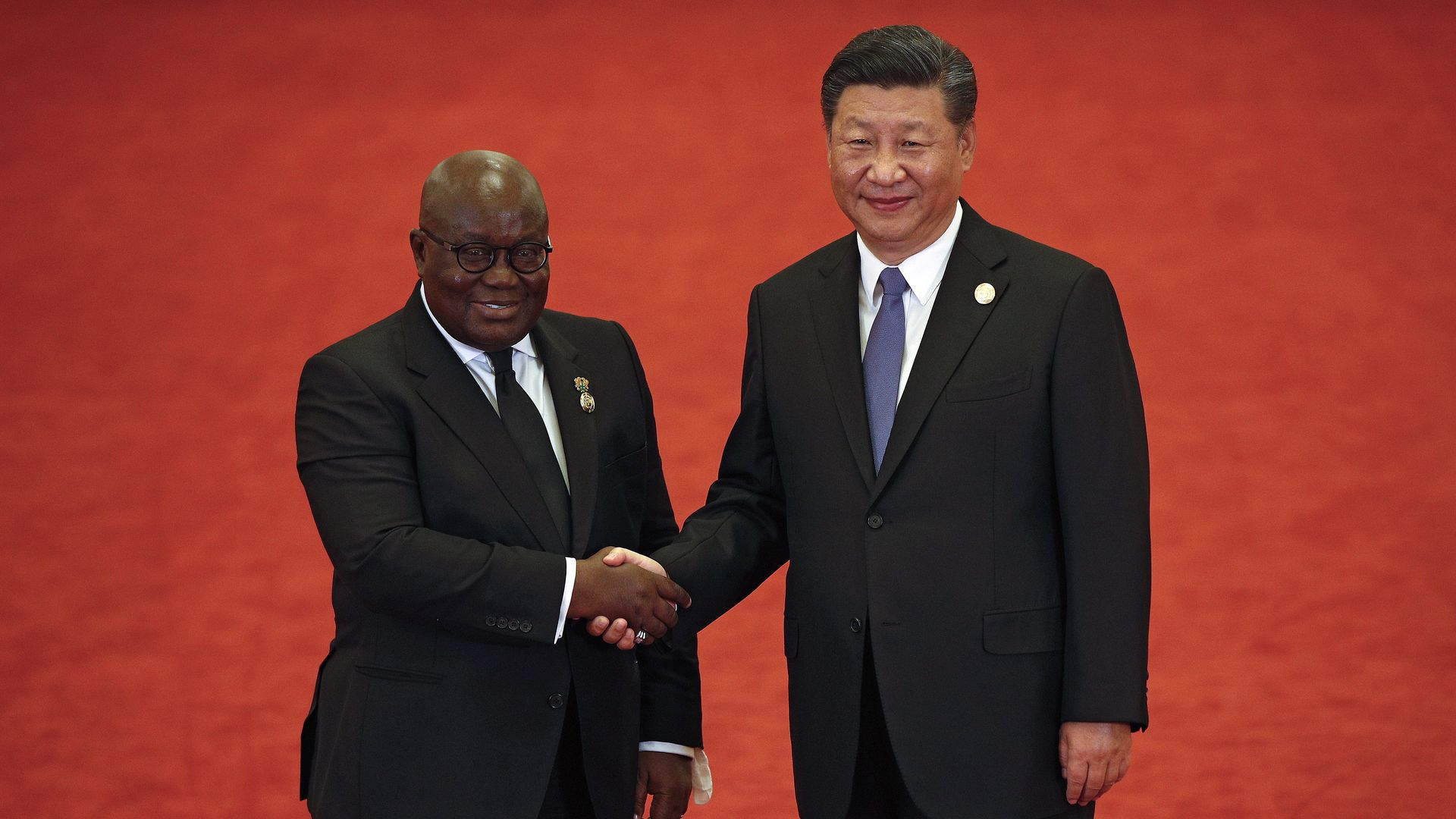
It's one of the biggest sovereign bond defaults of 2022, if hardly unexpected: Ghana announced Monday that it would no longer service most of its external debt, including all payments due to private-sector bondholders and other lenders.
Why it matters: There's often a very long gap between the point at which default becomes inevitable and the point at which it actually happens. (Venezuela sat in that gap for years.) Ghana seems to have decided that if you're going to do it, you might as well do it early.
Earning six figures — or buying a $1 million house — isn't quite the same in a high-inflation era.
Why it matters: Fast-rising prices have turned a lot of adults into versions of their grandparents, bowled over by the high cost of [waves hands] everything.
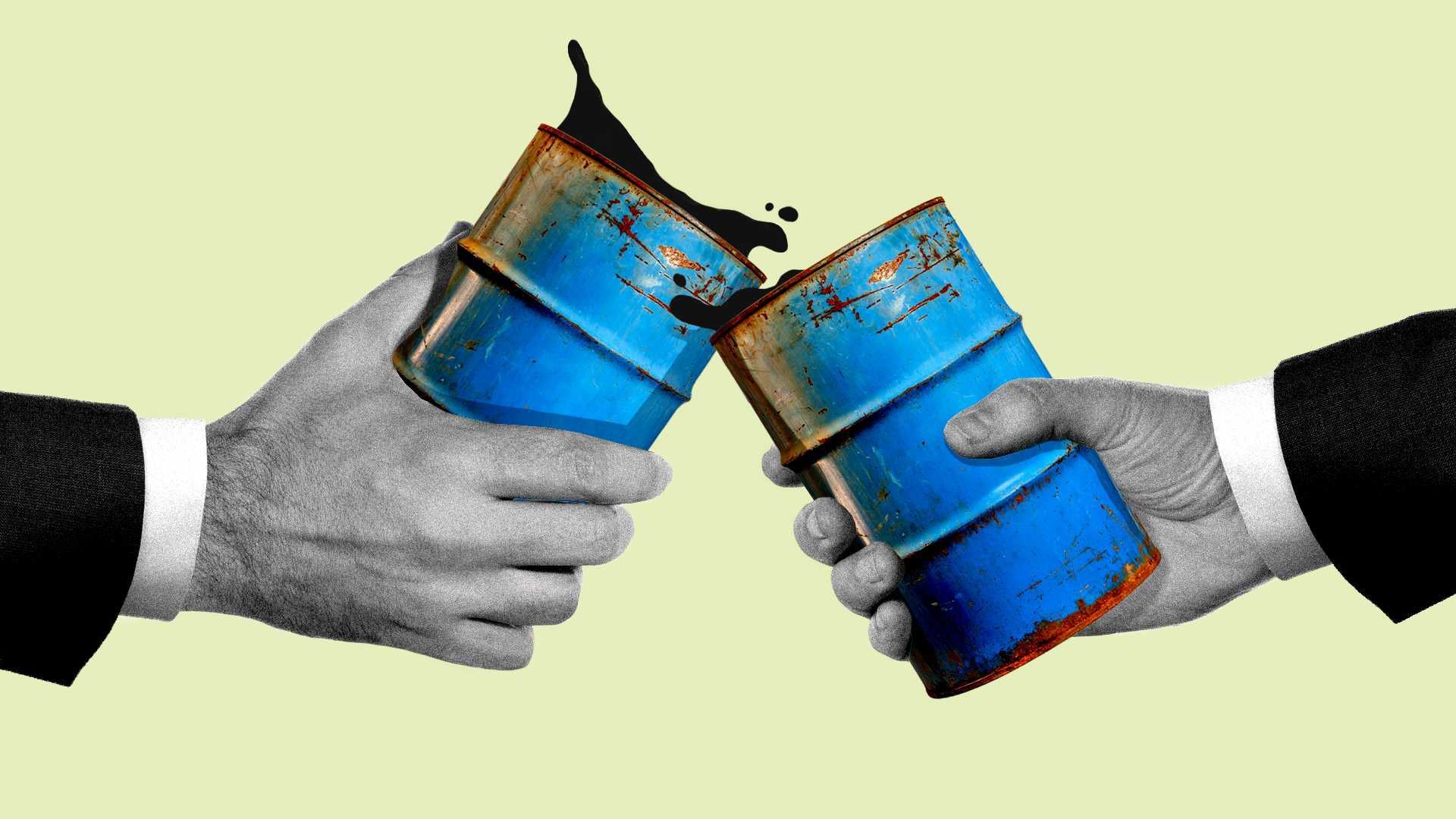
The Biden administration launched its new push to use the Strategic Petroleum Reserve as a carrot to coax more oil out of reluctant domestic drillers.
Driving the news: The Energy Department announced a pilot program Friday to buy 3 million barrels of crude from oil producers atfixed prices — a big change — as the government starts refilling the reserve.
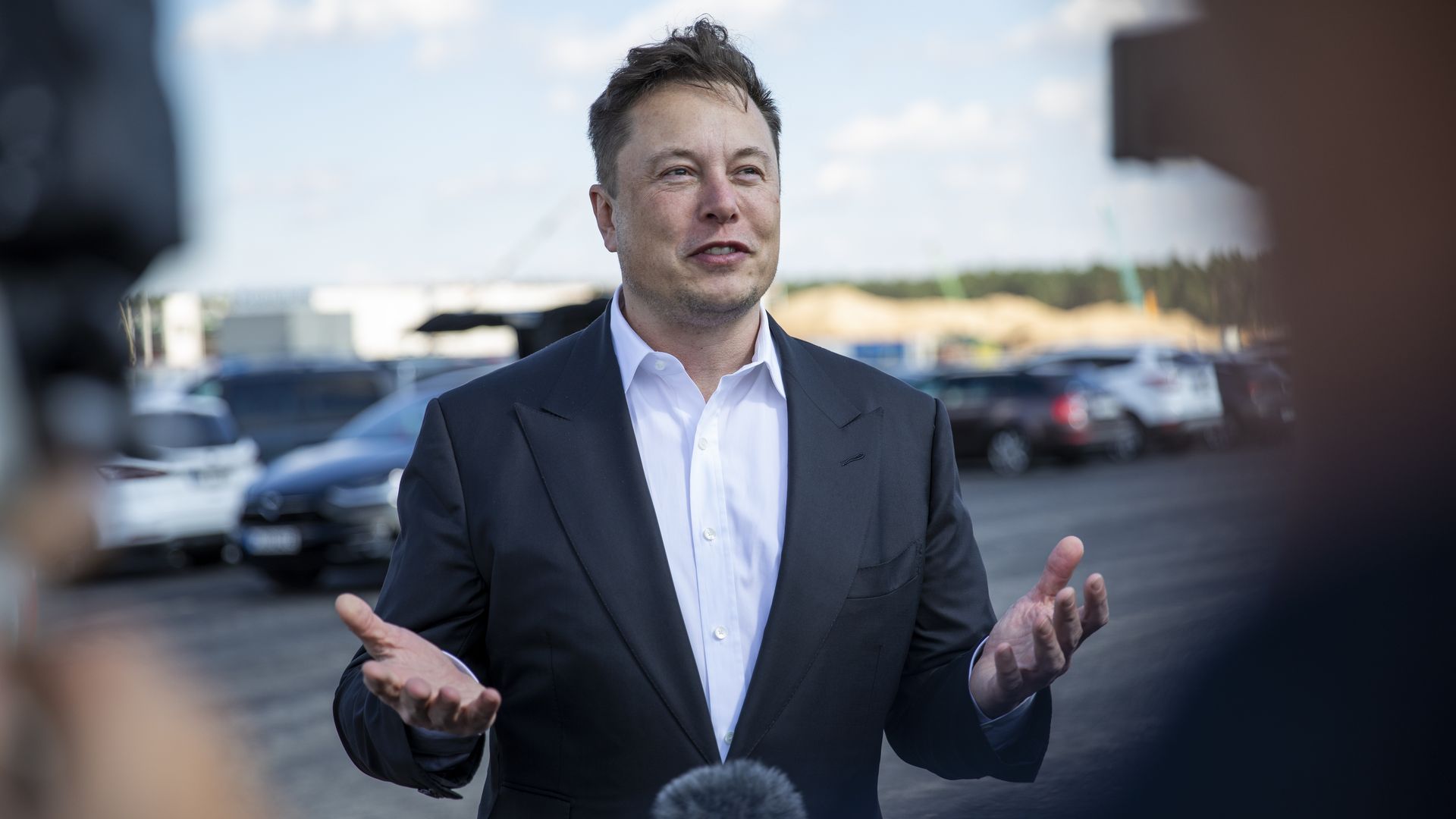
Elon Musk said Monday that future polls on Twitter's policies will be limited to paying Twitter Blue subscribers.
Why it matters: It was one of Musk's first tweets since Twitter users voted for him to step down as head of the company via a poll he initiated and pledged to follow.
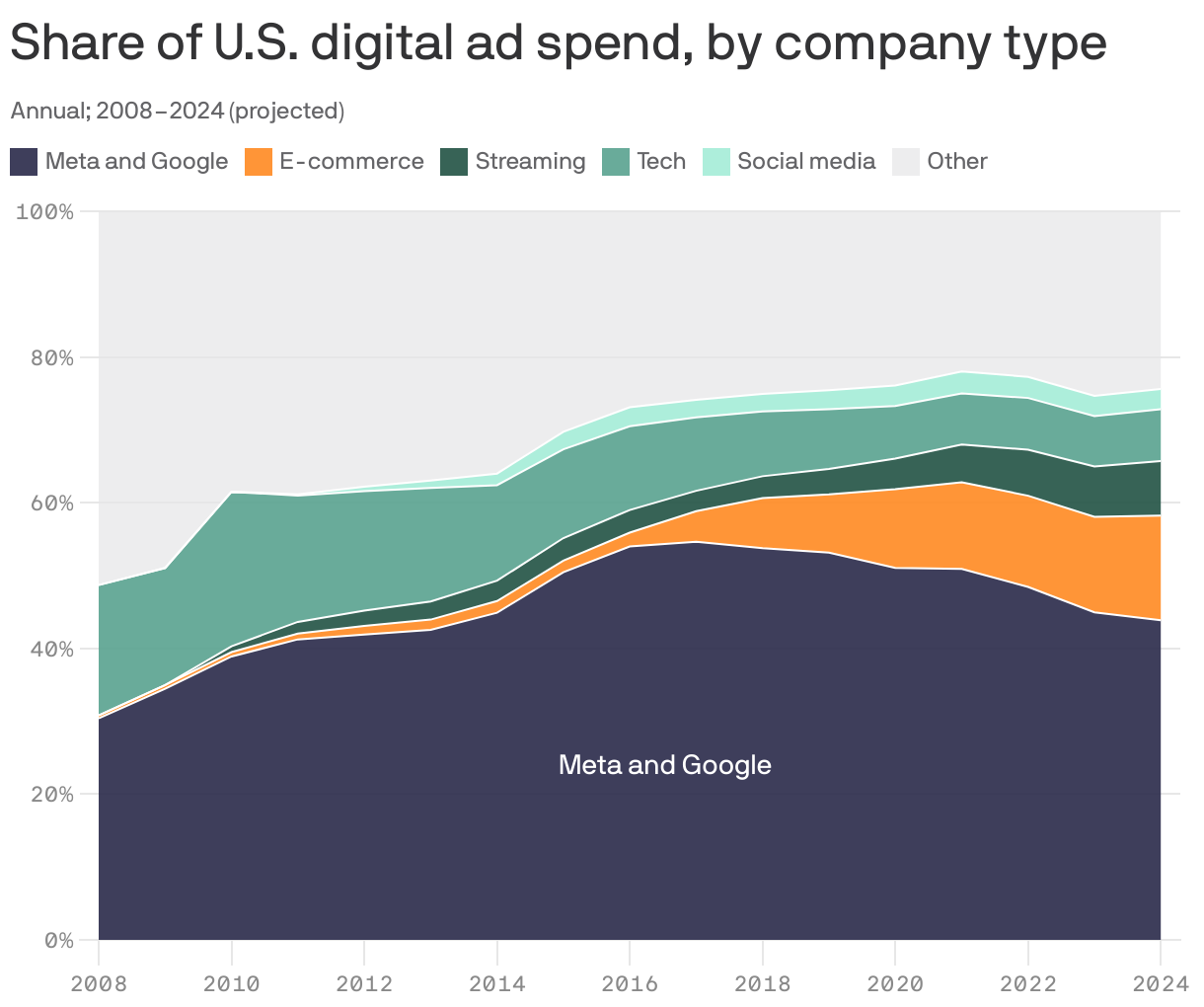
Data: Insider Intelligence. Note: E-commerce includes Amazon, eBay, Walmart and Etsy; streaming includes TikTok, Hulu, Roku, Pluto, Tubi, Spotify, Pandora and iHeartMedia; tech includes Microsoft, Yelp and Verizon/Yahoo; social media includes Snap, Twitter, Pinterest and Reddit. Grey space indicates all other U.S. digital advertising. Chart: Axios Visuals
Google and Meta, known together in the ad industry as the "duopoly," are expected to bring in less than half of all U.S. digital advertising this year for the first time since 2014.
Why it matters: The duo's ad dominance has for years made both companies the target of antitrust investigations and lawsuits. While they still tower over digital rivals, their momentum is starting to slow as competition moves in.
There's a persistent homeownership gap between Americans of color and white Americans. But some cities, like Albuquerque and El Paso, are defying the trend.
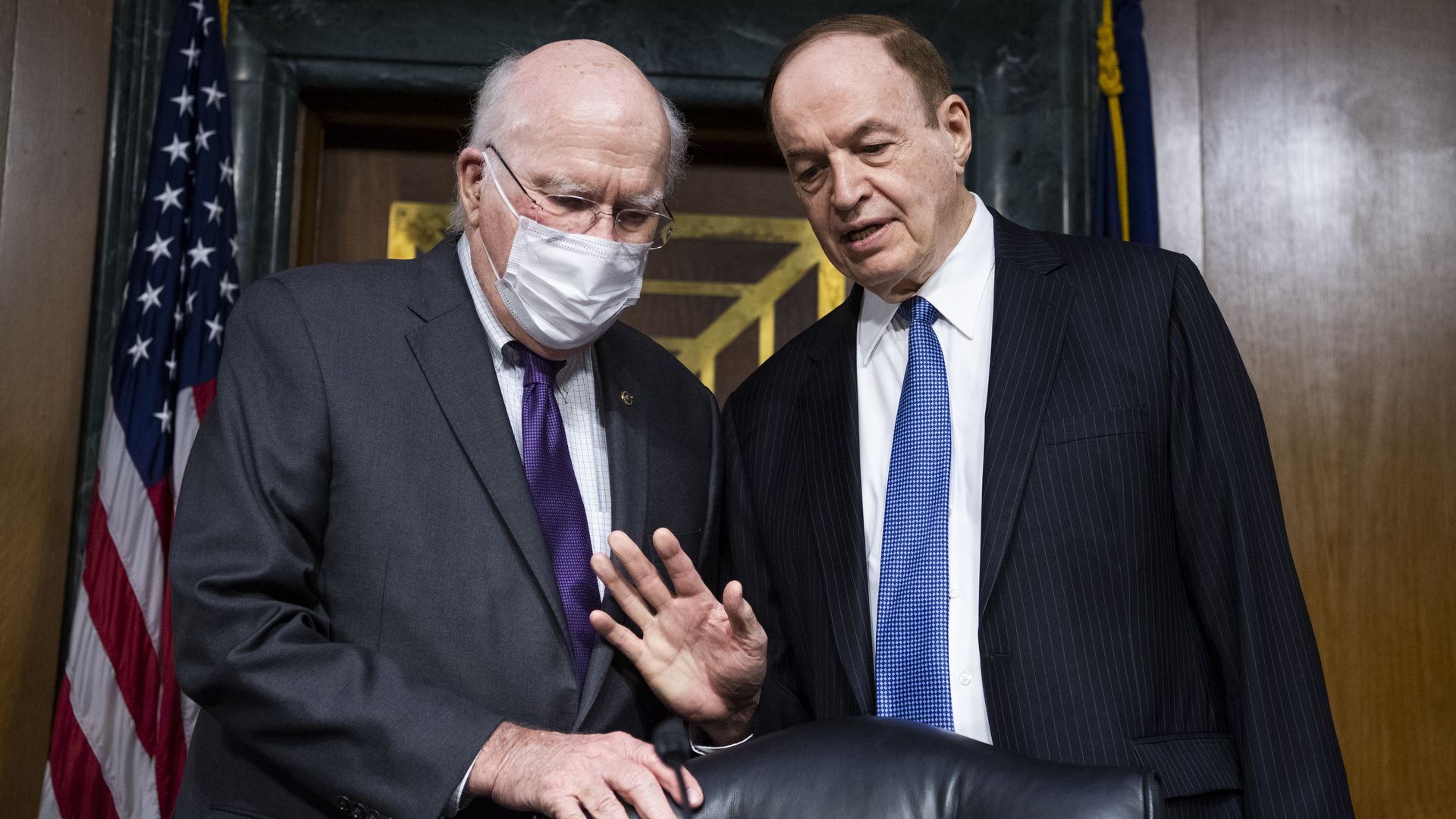
U.S. congressional negotiators have reached an agreement on a proposed $1.7 trillion omnibus package to fund the federal government through the fiscal year ending in September 2023.
Why it matters: If lawmakers are to avoid the prospect of a shutdown and federal funds running out they must by the end of Friday debate and pass the 4,155-page measure, which could still be amended in the Senate and House.