Why it matters: The antitrust ruling that tanked the deal sets a precedent for future dealmaking under the Biden administration — a precedent that, at least in the book publishing space, creates a major deterrent for any other bidder should they enter the ring.
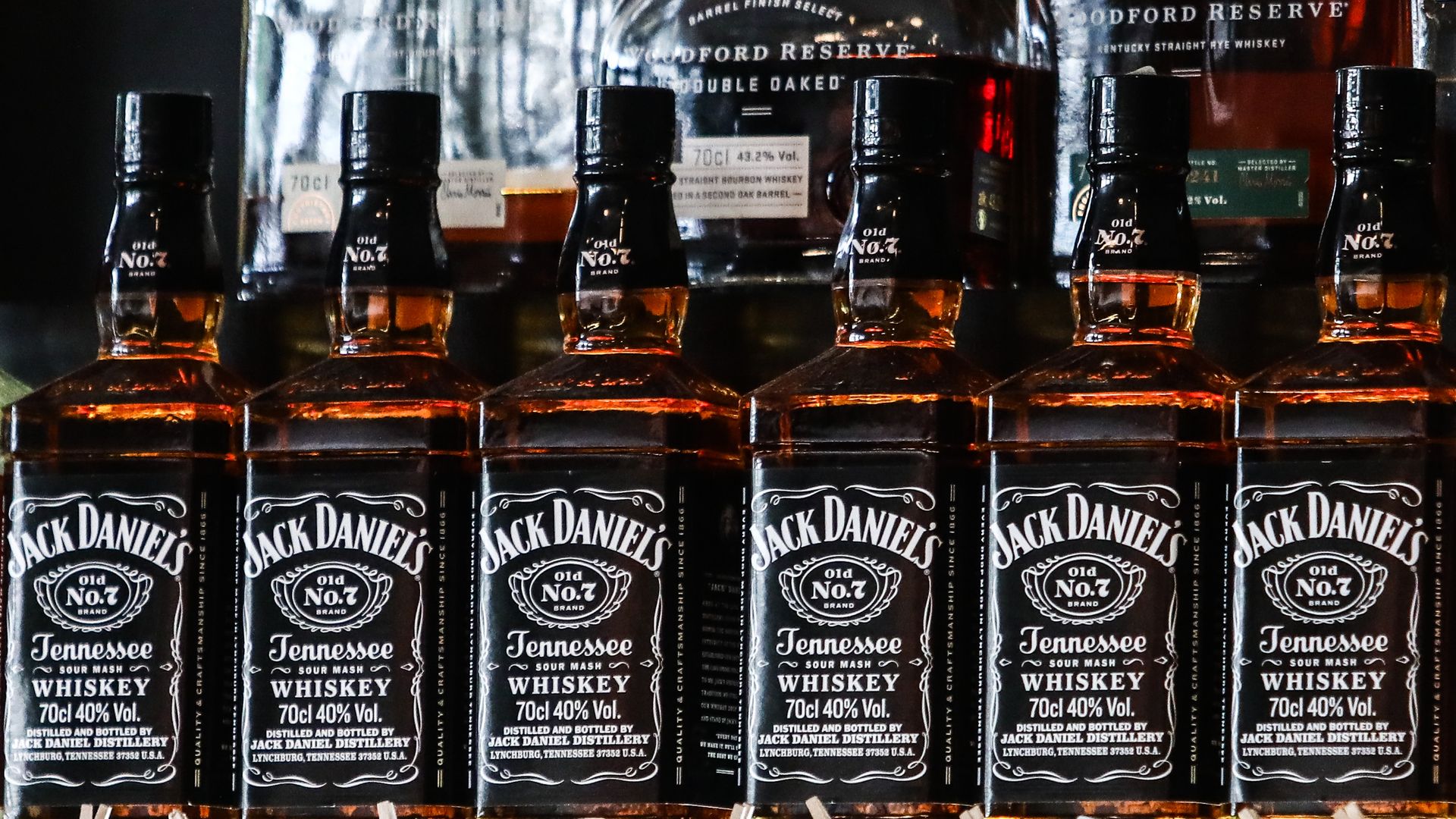
The Supreme Court agreed Monday to hear a dispute between Jack Daniel's and a dog toy company that sells chewable "Bad Spaniels" whiskey bottles.
Why it matters: The case carries implications for trademark law — and a number of companies, like Levi Strauss and the makers of Campbell Soup, have filed amicus briefs on the topic, AP notes.
Driving the news: Musk's takeover of Twitter brought a host of changes and upheaval to the platform. On Friday, Musk tweeted, "What should Twitter do next?"
Genesis Global Trading has been eerily silent after announcing last week that its crypto lending unit would halt services in light of FTX's collapse.
State of play: Five days have passed since its lending unit ceased withdrawals and new loan originations. And the lack of communication has opened the door to speculation about the health of the overall firm, as well as its parent Digital Currency Group and sister unit Grayscale Investments.
Crypto investment firm Multicoin Capital and the FTX family of companies were a match made on Solana, the super fast smart-contract blockchain that shot up in popularity in 2021.
Why it matters: Some Multicoin limited partners (LPs) take a different view. With FTX evaporating, Multicoin Capital's bets have taken a very bad turn. This is especially bad news for LPs due to make tax payments on sales the firm made in 2021.
Crypto lender Celsius Network failed to keep track of its customers' digital assets, according to a report published Saturday ordered by the judge overseeing Celsius' Chapter 11 bankruptcy proceeding.
Why it matters: Thousands of Celsius customers and the digital assets they think rightfully belong to them hang in the balance, with folks shut off from their accounts since the platform's June halt.
Executives may be talking about recession risks more on investor conference calls. But if you look at what they're actually doing, things look a little different.
Driving the news: The nation's biggest firms reported a record sum of capital expenditures (capex) — investments in buildings, new machinery or technology.
Minutes before Elizabeth Holmes was sentenced to 11 years in prison, her attorney argued that a harsh punishment would deter tech innovation and investment. Judge Edward Davila would soon retort: "Failure is normal. But failure by fraud is not okay."
Why it matters: There's been lots of talk this month about investor due diligence, and the lack thereof, in the case of collapsed crypto exchange FTX.
Why it matters: Retailers are banking on consumers showing up in stores and logging on to shop Black Friday sales and to clear excess inventory during the holiday season.
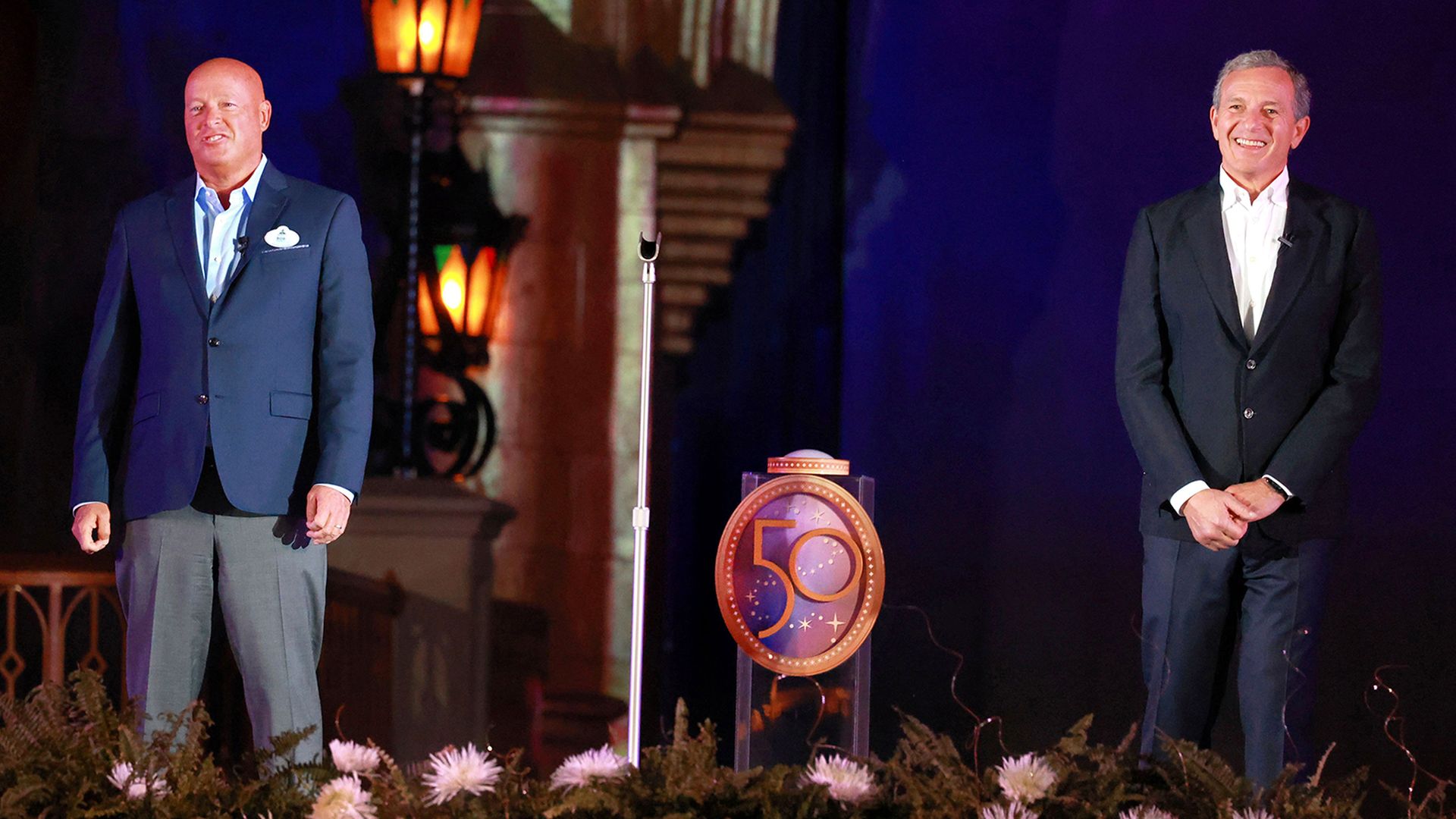
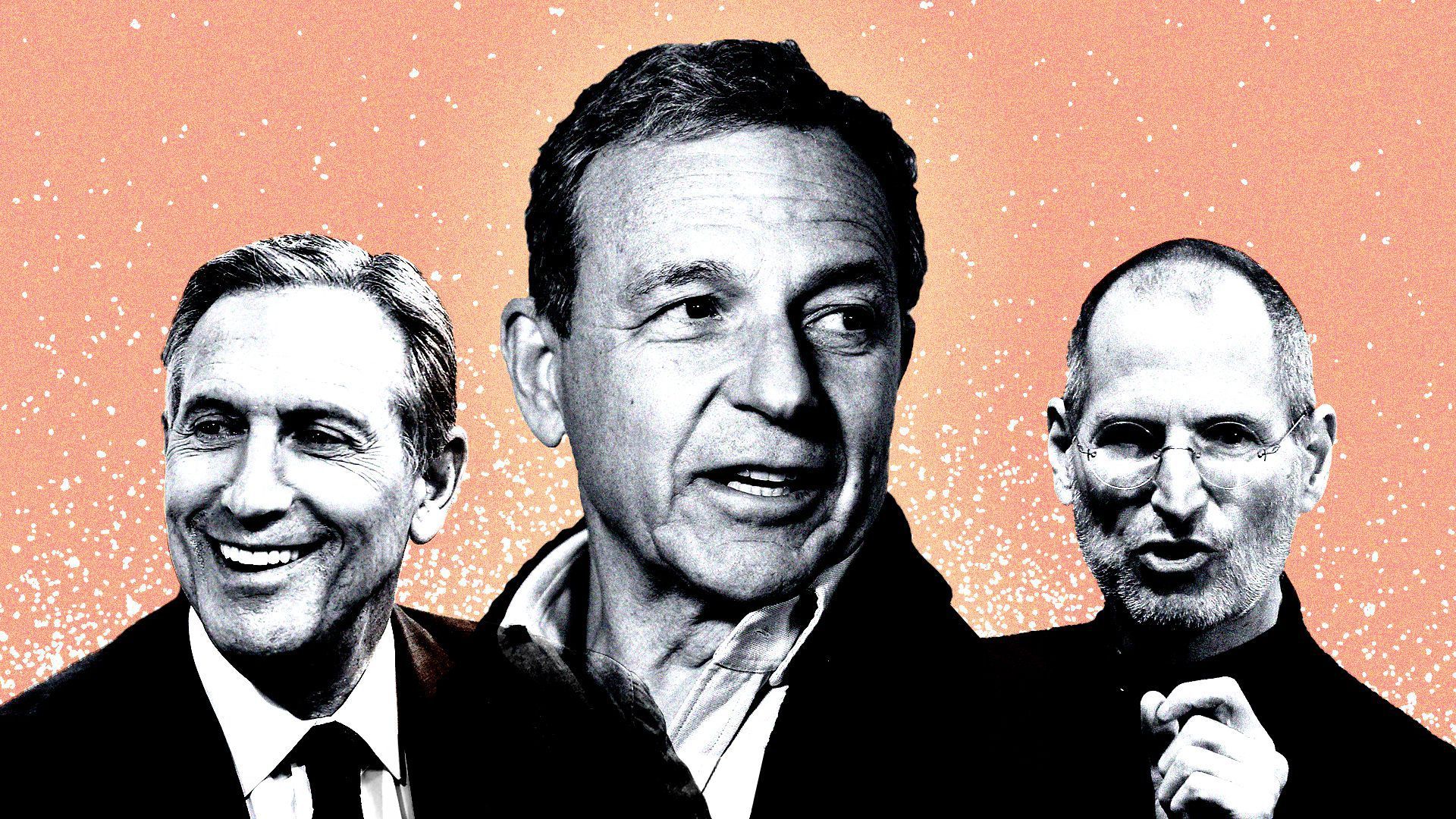
The sudden replacement of Disney CEO Bob Chapek with his revered predecessor Bob Iger represents a shocking ending to a bitter power struggle that's been building between the two executives for the past two years.
Why it matters: The move marks one of the messiest corporate succession failures in recent memory. Iger's return may satisfy anxious investors, but eventually, Disney will need to find another CEO to run the company.
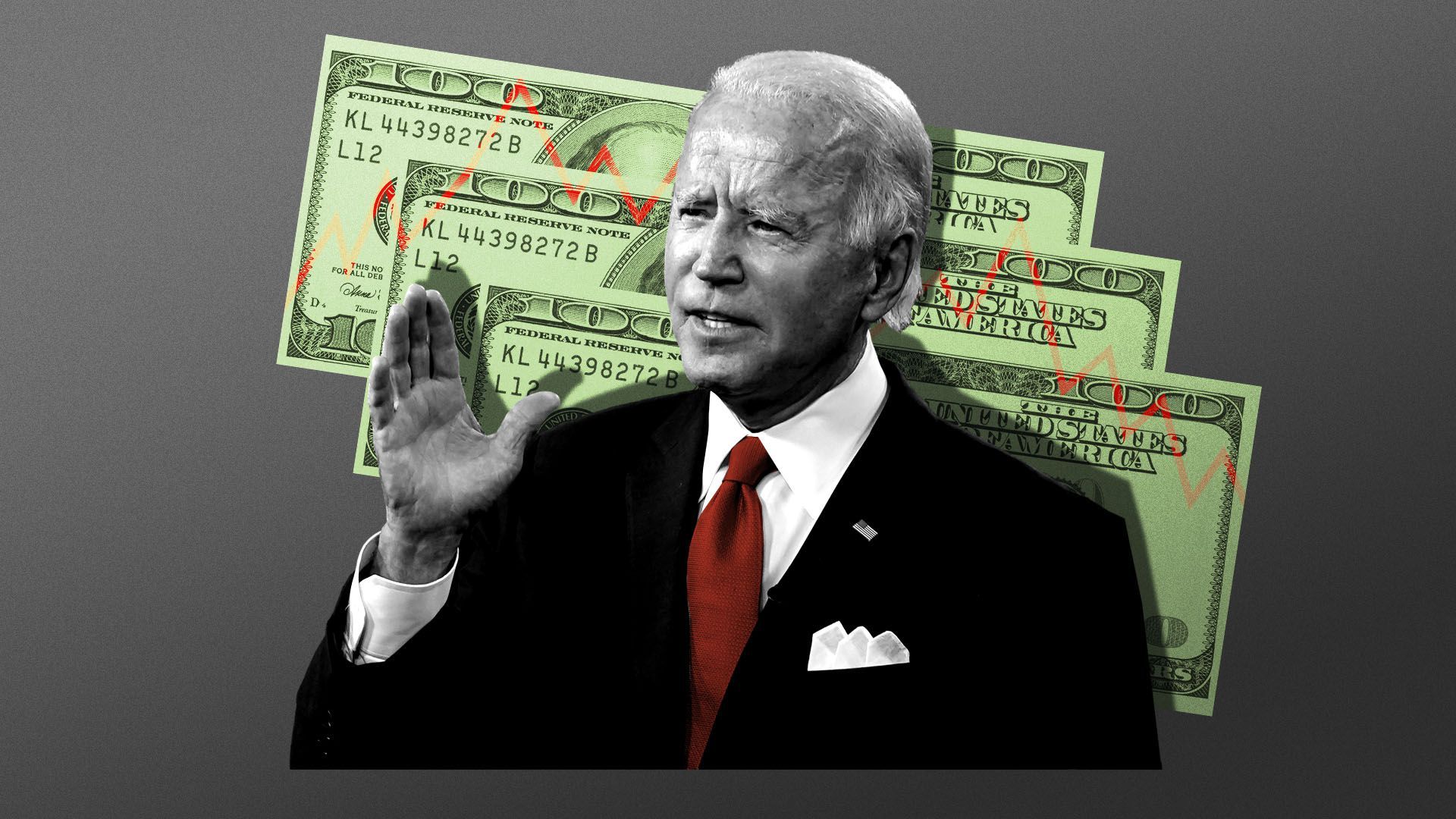
The Biden administration's latest economic messaging seems designed to talk itself — and the public — into a soft landing, not a crash or dramatic rebound.
The big picture: The White House has found a catchy, consistent message that lowers expectations — whether or not the U.S. technically slips into a recession.
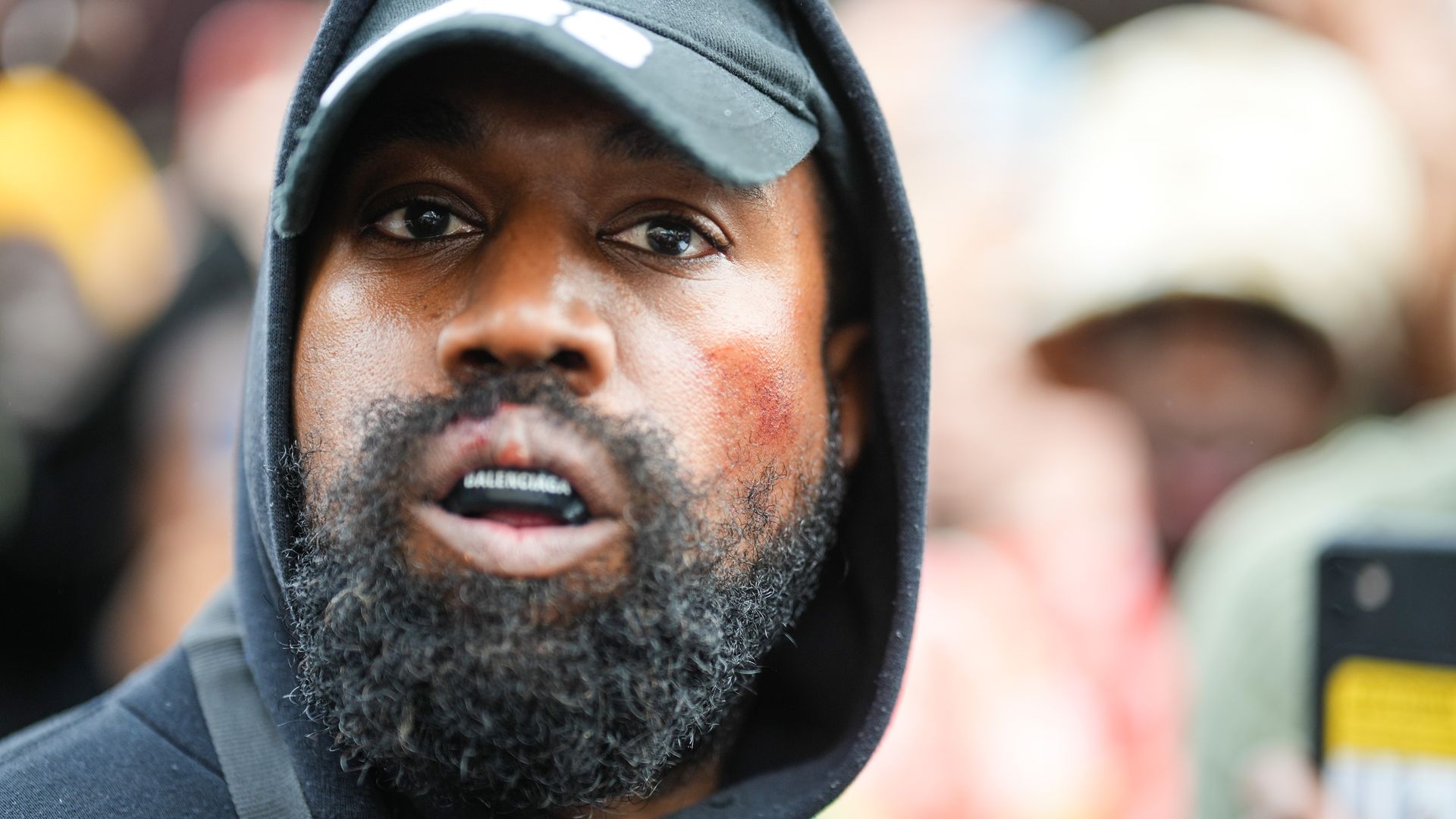
Ye, formerly known as Kanye West, returned to Twitter after Elon Musk announced his social media company had restored the musician's account.
Why it matters: Ye's page was restricted last month due to antisemitic tweets that led Adidas and several other companies to drop the artist. Musk has said he doesn't believe in lifelong bans and on Saturday reinstated former President Trump's Twitter account, though Trump had yet to tweet as of Monday morning.
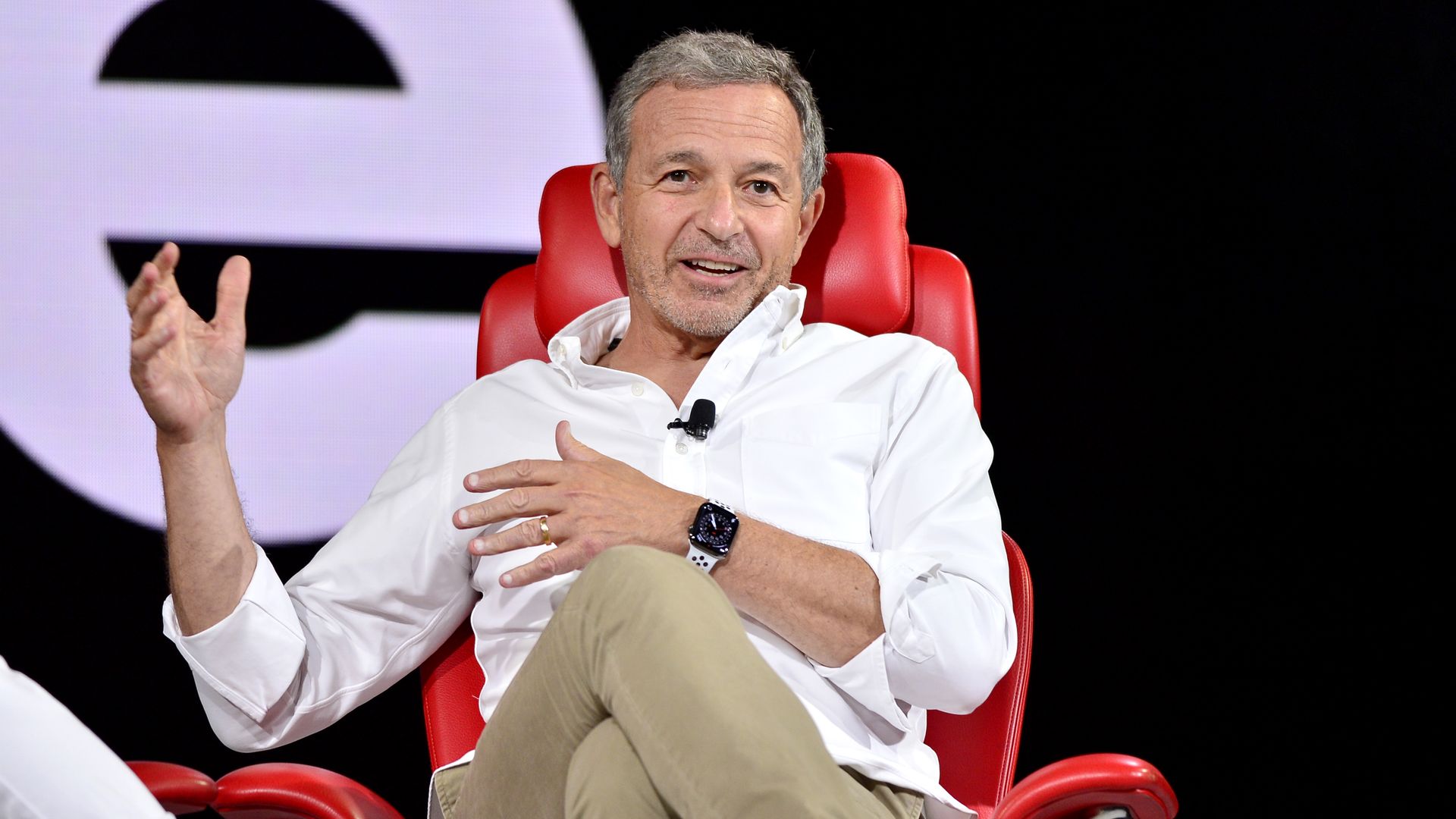
Bob Iger, who served as Walt Disney CEO for 15 years until 2020, has taken the job for a second time — effective immediately, the company confirmed Sunday night.
Why it matters: Iger was one of the most celebrated Hollywood executives ever. His successor, Bob Chapek, was given a three-year contract extension in June.









/2022/11/21/1669036174022.gif?w=3840)