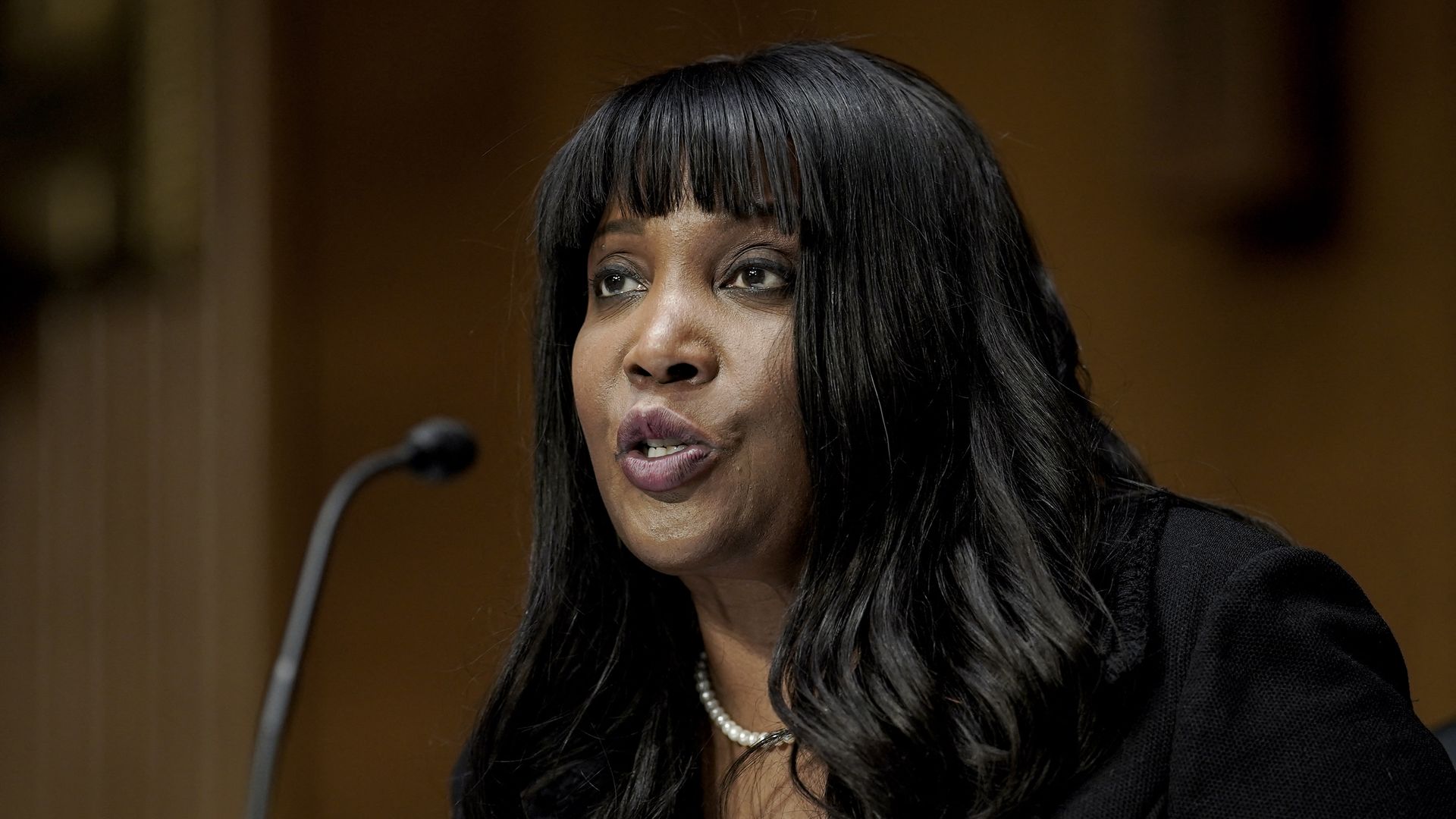
The Senate voted 51-50 on Tuesday, with Vice President Harris casting the tie-breaker, confirming Lisa Cook to serve on the Federal Reserve’s Board of Governors.
The big picture: Cook, a professor of economics and international relations at Michigan State, is the first Black woman on the panel in its 108-year history.
The Solomon R. Guggenheim Museum has removed the Sackler name from an education center following years-long controversies over the family's role in the opioid crisis.
Why it matters: The Sacklers made billions from the sale of highly addictive opioid painkillers and were embroiled in several litigation battles until March, when they reached a $6 billion settlement with U.S. states.
Startup electric vehicle makers are watching their stocks plunge as they grapple with the same market challenges that established automakers may be better positioned to handle.
Why it matters: A bevy of startups like Rivian, Lucid, Faraday Future and Lordstown have attempted to follow the Tesla path of disrupting the traditional automotive industry, making bold promises about their production plans and financial prospects.
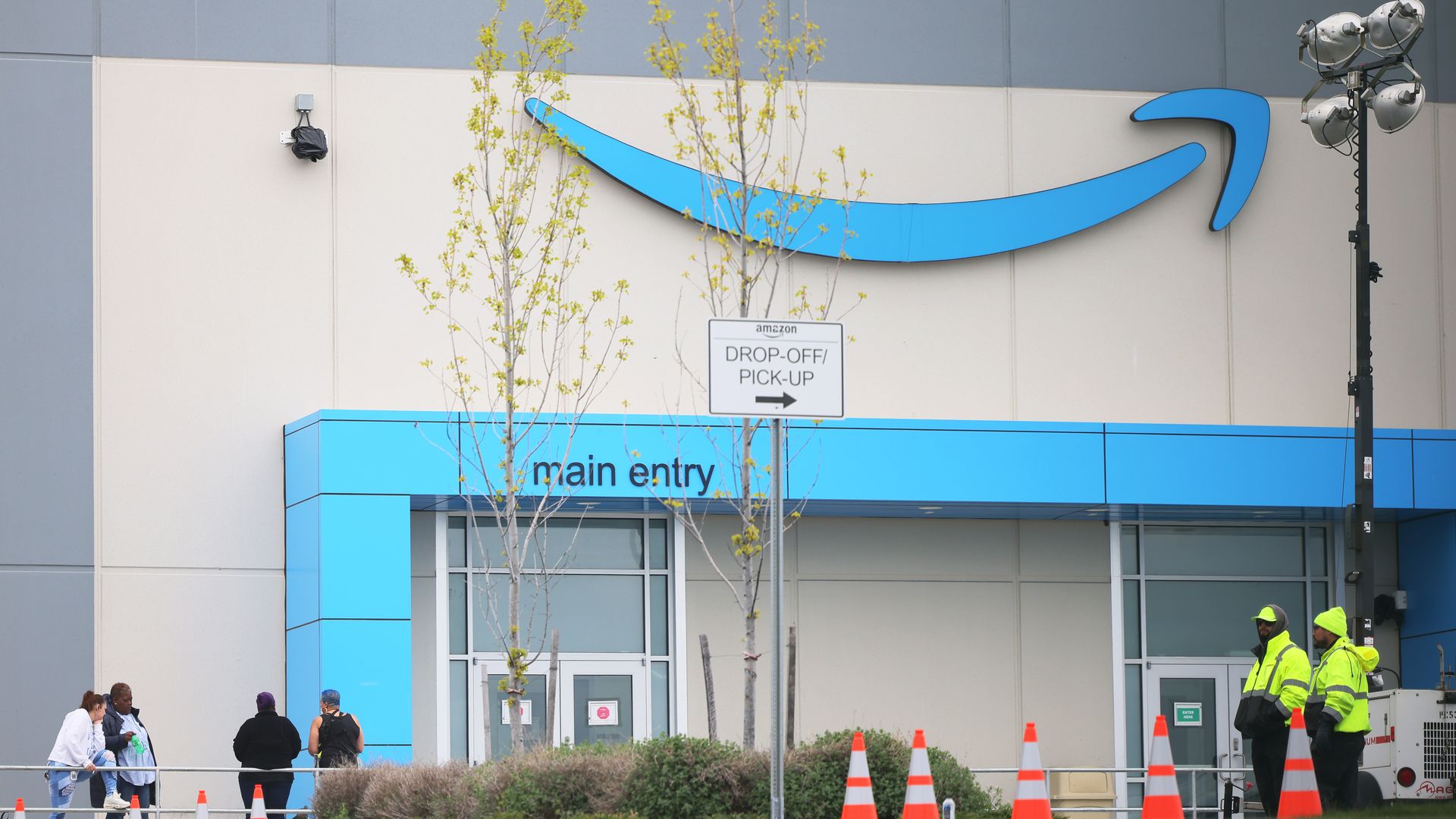
Driving the news: The National Labor Relations Board, "and not the states, should serve as the forum for disputes arising out of the conduct" if it violates federal rules, the New York appellate court wrote in its filing.
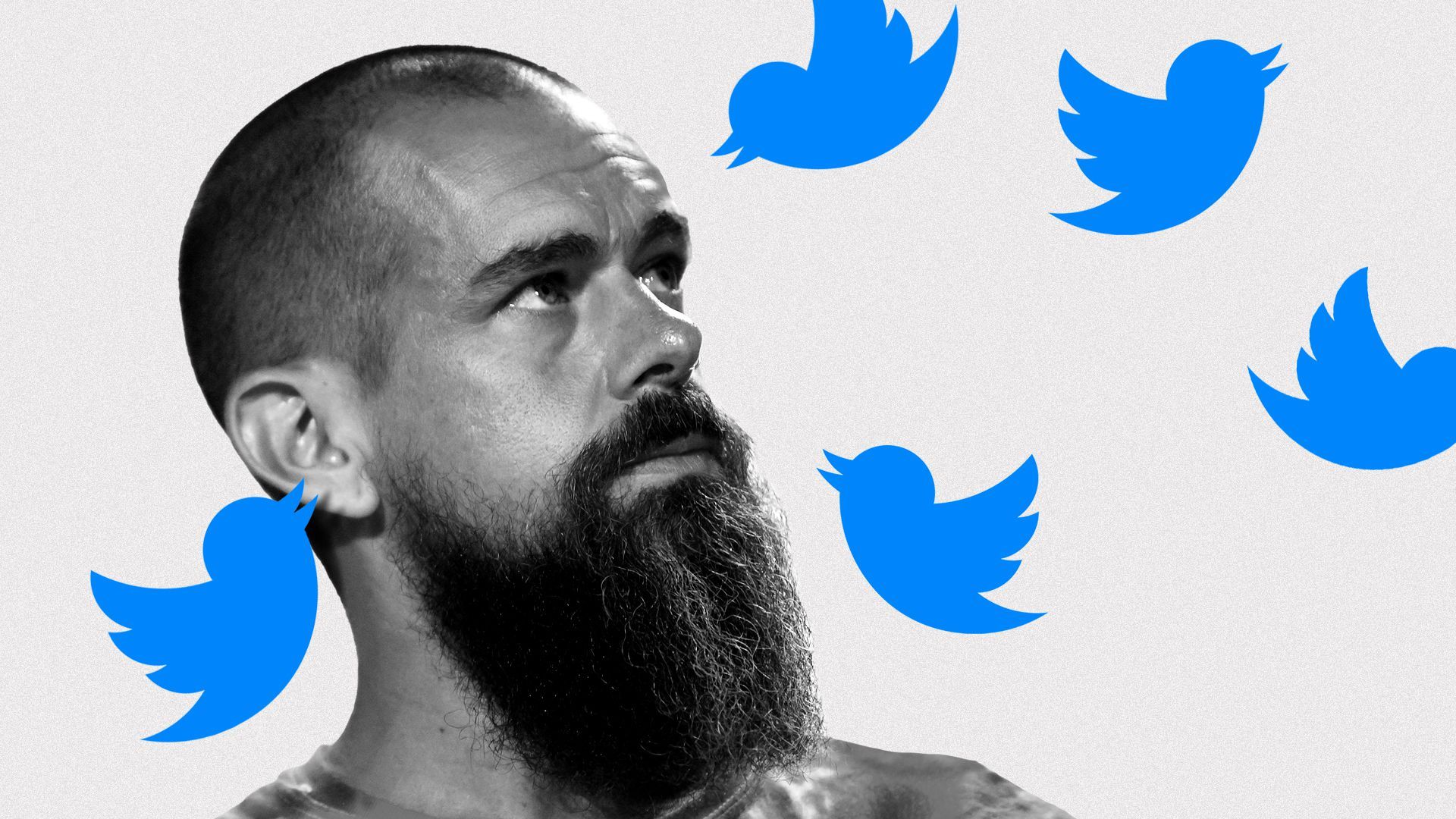
Elon Musk said Tuesday that he would reverse Twitter's permanent ban of former President Trump if his $44 billion bid to buy the company is successful.
Why it matters: Musk told the Financial Times that the ban "was morally wrong and flat out stupid," though Trump has publicly said he would not return to the social media platform and will instead use his own platform, Truth Social.
Electronic Arts announced on Tuesday that it would end its partnership with FIFA after this year.
Why it matters: The game, one of the most popular and profitable in the world, won't be named after soccer's global organizing body for the first time since the series debuted nearly 30 years ago.
The big question facing the Federal Reserve in the coming months is just how far to raise interest rates to try to constrain inflation without causing a downturn. Raphael Bostic, president of the Federal Reserve Bank of Atlanta, discussed that and other challenges in an interview with Axios.
The conversation took place Monday afternoon on the sidelines of the Atlanta Fed's Financial Markets Conference — held in person this week for the first time in three years — in Amelia Island, Fl. Below are lightly edited excerpts.
Tesla will update the software for almost 130,000 of its cars to fix their central display screen from overheating and running slowly or going blank, the National Highway Traffic Safety Administration said Tuesday.
Why it matters: The screen is a crucial component of Tesla vehicles, as they display rearview cameras, windshield defrosters settings, warning lights and the gear shift indicator.
Philip Morris International, which sells Marlboro cigarettes outside the U.S., said it's in talks to buy smokeless tobacco products maker Swedish Match, whose market cap surged past $14 billion on the news.
Why it matters: This would be the richest deal so far for a cigarette giant looking to diversify, topping the $12.8 billion that Altria paid for a 35% stake in Juul at the end of 2018.
Two acronyms we wrote a lot in the Trump era were SPAC and CFIUS, referring to the boom in blank-check acquisition companies and increased scrutiny of tech deals on national security grounds. Now they've had a merger of their own.
Driving the news: Grindr, the popular LGBTQ+ dating app, has agreed to go public at an implied $2.1 billion enterprise value, via a SPAC — two years after its Chinese owner (Kunlun Group) was forced by CFIUS to sell the business for just over $600 million.
Dr. Seuss Enterprises, the private company that manages the work of the late Theodor Seuss Geisel, has been in talks with bankers to conduct valuation exercises following recent sales of other children's content companies, according to two sources familiar with its efforts.
Why it matters: Dr. Seuss Enterprises is one of the most prized collections of intellectual property in the world, and nearly every major Hollywood heavyweight is likely to show interest.
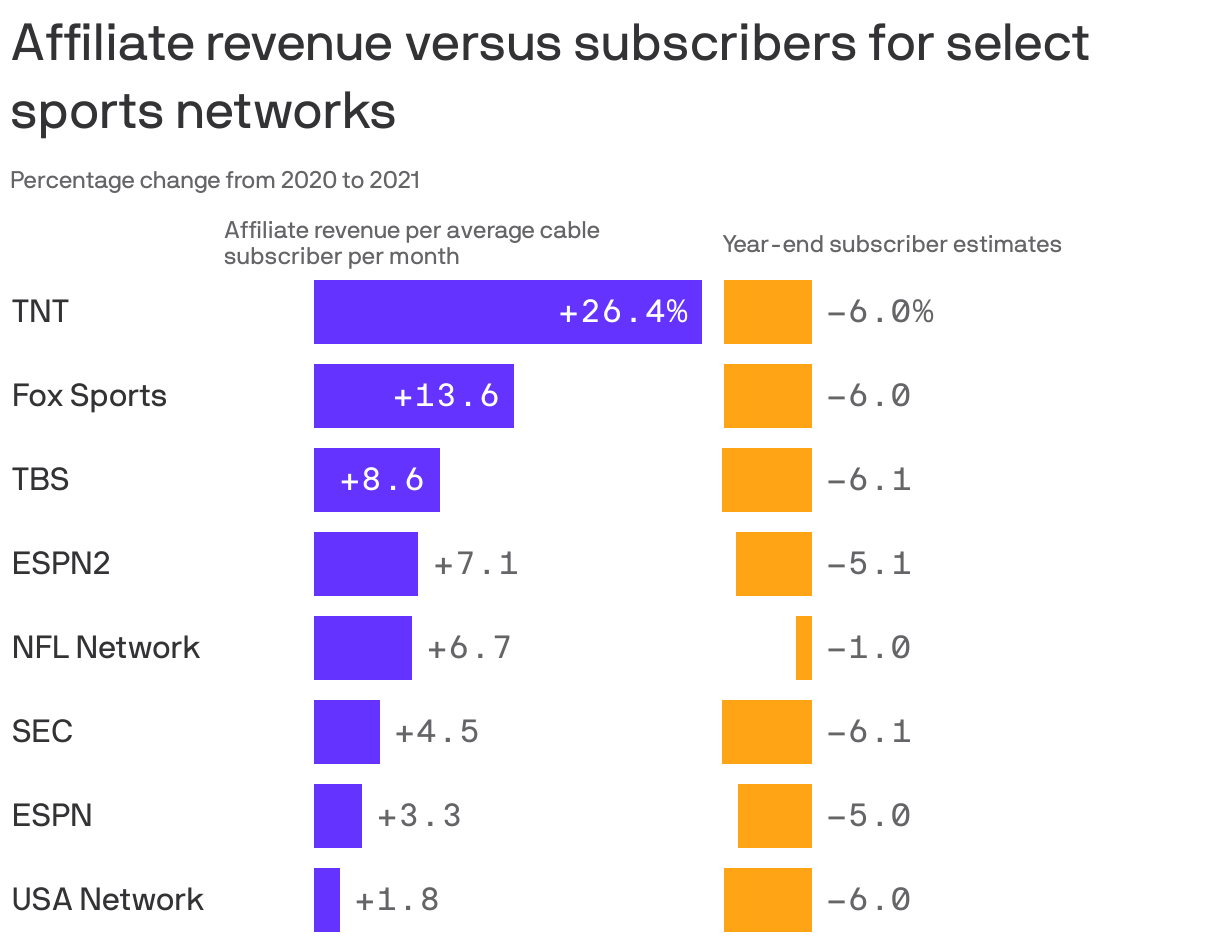
A new report suggests sports networks should expect continued profit margin declines as the economic outlook for traditional TV worsens in the next few years.
Why it matters: Live sports have been the bedrock of cable subscriptions for decades. But the rising costs of sports rights can't be subsidized by cable subscribers forever.
The Federal Reserve held its last policy meeting six days ago. But it feels like it's been 60 days, given the unnerving shift in markets that's taken place in the three trading sessions since then — a 7.2% drop in the S&P 500 that has left the index 17% below its early January high.
It's the kind of moment when you might expect heightened chatter about the Fed relenting on its interest rate hike plans. But right now, all signs point to the Fed being less reactive to markets than it was in the not-too-distant past.
Crypto prices continue to tumble, humbling companies that made a big show of building up exposure to digital assets in recent years.
Driving the news: In yesterday's market bloodbath — as in the broader selloff over the last few months — the losses in cryptocurrencies and the companies that own and trade them have eclipsed those of the major stock indexes.
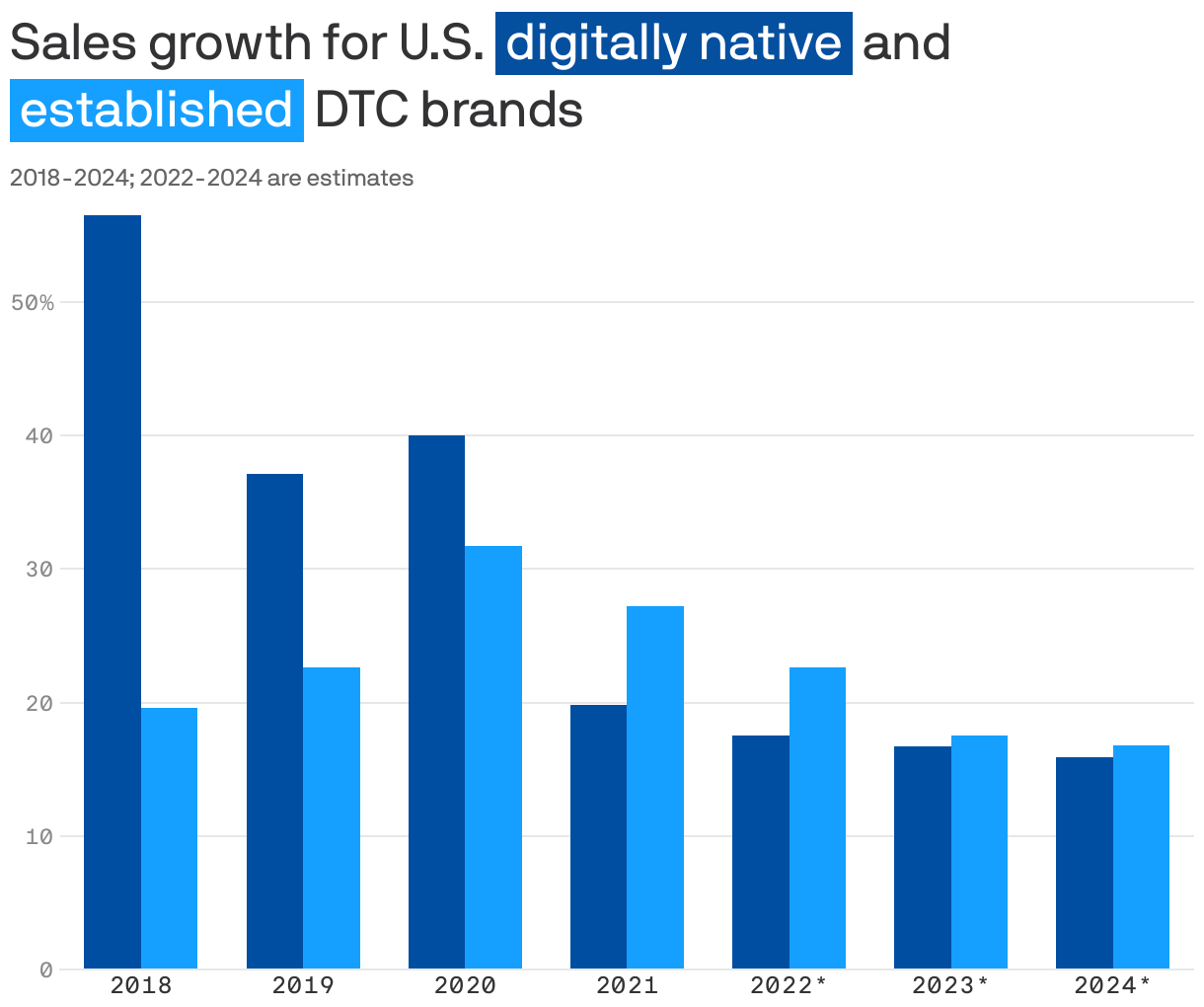
Splashy direct-to-consumer brands like Peloton and Blue Apron are losing their edge as established companies double down on digital products and services.
The big picture: The digital upper hand can only take new brands so far. Established companies have far more capital and scale, enabling them to leverage the ideas and marketing that startups have tried to use against them.
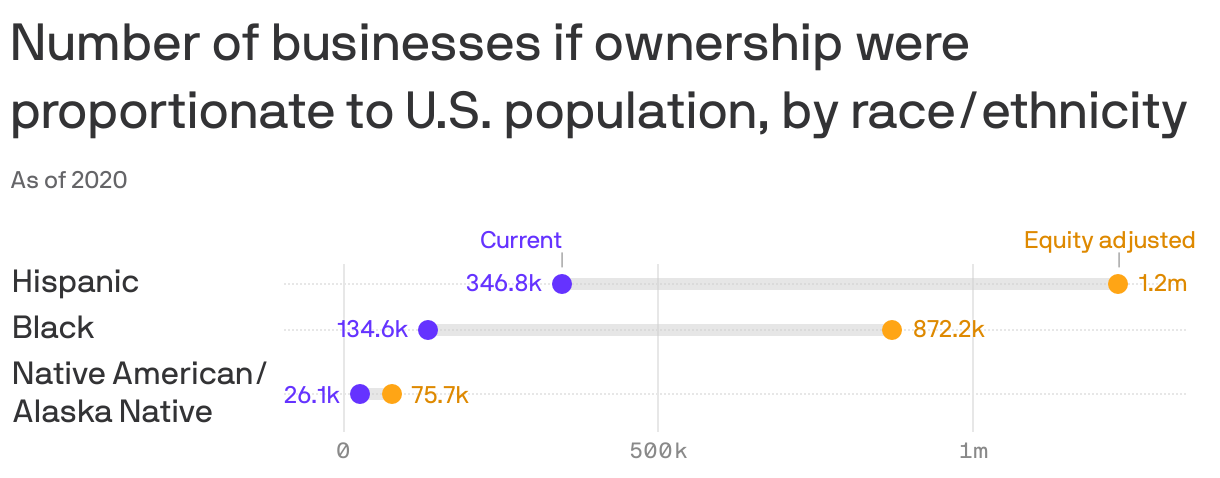
Data: The Alliance for Entrepreneurial Equity; Chart: Erin Davis/Axios Visuals
Only 2% of businesses in the U.S., or 134,600, are Black-owned, even though 13% of the country's population is Black. If business ownership was proportionate to population, there would be 872,200 Black-owned businesses, according to a new report released today.
Why it matters: This entrepreneurial inequality is an under-appreciated driver of the racial wealth gap.
Andy Warhol's iconic 1964 pop art portrait of actress Marilyn Monroe — considered by some the Mona Lisa of the 20th century — sold at Christie's on Monday for approximately $195 million.
Why it matters: "Shot Sage Blue Marilyn" fetched a total of $195,040,000, an auction record for any modern painting. However, the figure is substantially less than what was anticipated by many.
Two journalists were shot to death in Mexico this week, bringing the total number of journalists killed in Mexico to 11 this year.
Why it matters: Even in Mexico, which is considered one of the most dangerous countries in the world for journalists, the number of journalists killed in such a short period of time is unprecedented.