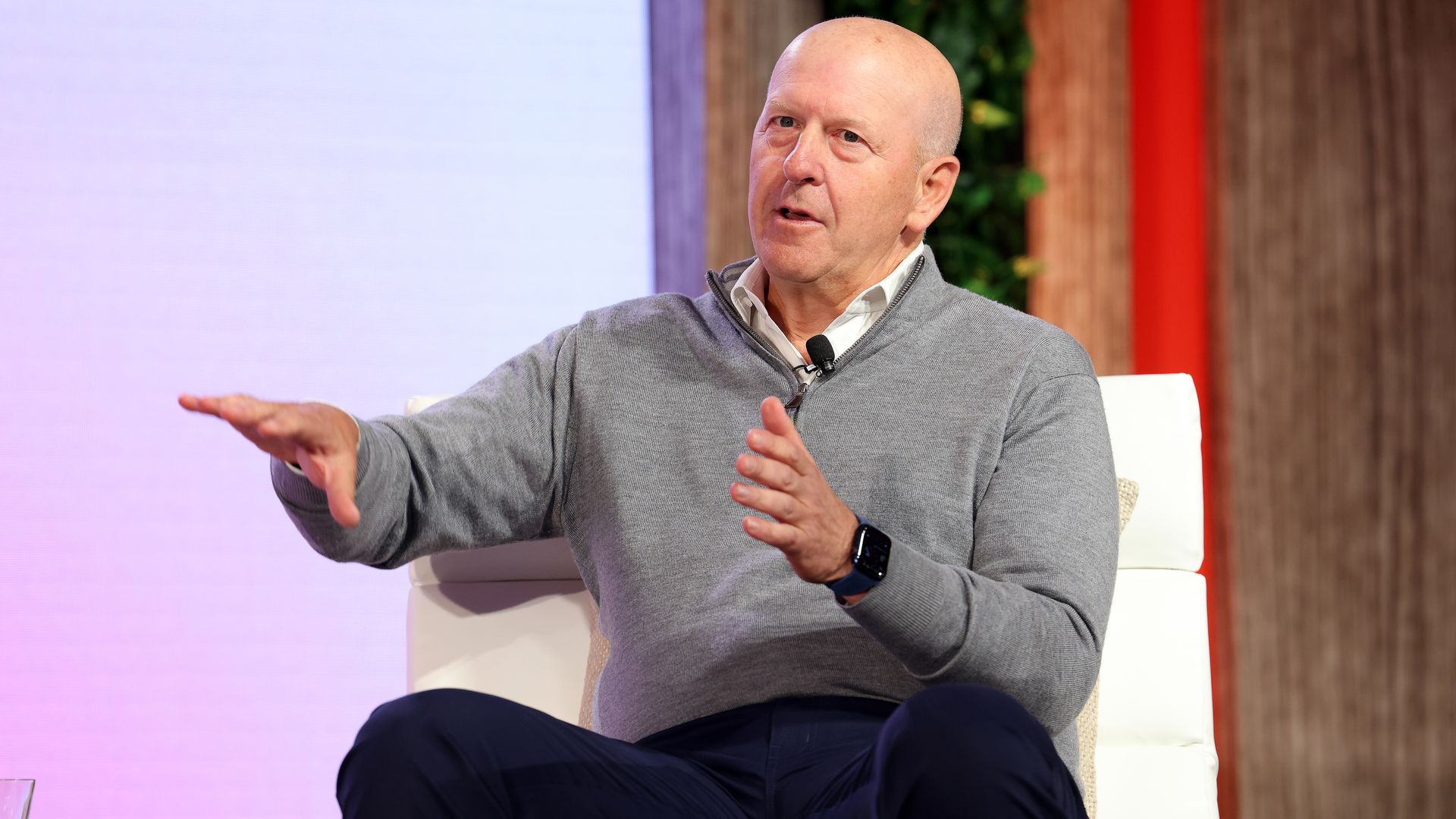
Goldman Sachs CEO David Solomon said that isolating or completely ostracizing Russia is "not our job" or the job of the financial industry, he said in a Time interview published Sunday.
Driving the news: JPMorgan and Goldman Sachs exited Russia last week following the Russian invasion of Ukraine.
Dozens of current and former BuzzFeed employees have sued the media company alleging that its mismanaged public listing process cost them millions of dollars, according to copies of two separate complaints obtained by Axios.
Why it matters: It's the latest wrinkle in an ongoing saga surrounding BuzzFeed's volatile public debut in December. BuzzFeed's stock has fallen more than 40% since its public debut to less than $5, leaving many employees that bought their shares underwater.
Now you can go for a swim and don’t even have to leave your hotel room.
What’s happening: The Downtown L.A. Proper Hotel has a private, full-size pool … inside the 2,777-square-foot Proper Pool Suite, the Los Angeles Times reports.
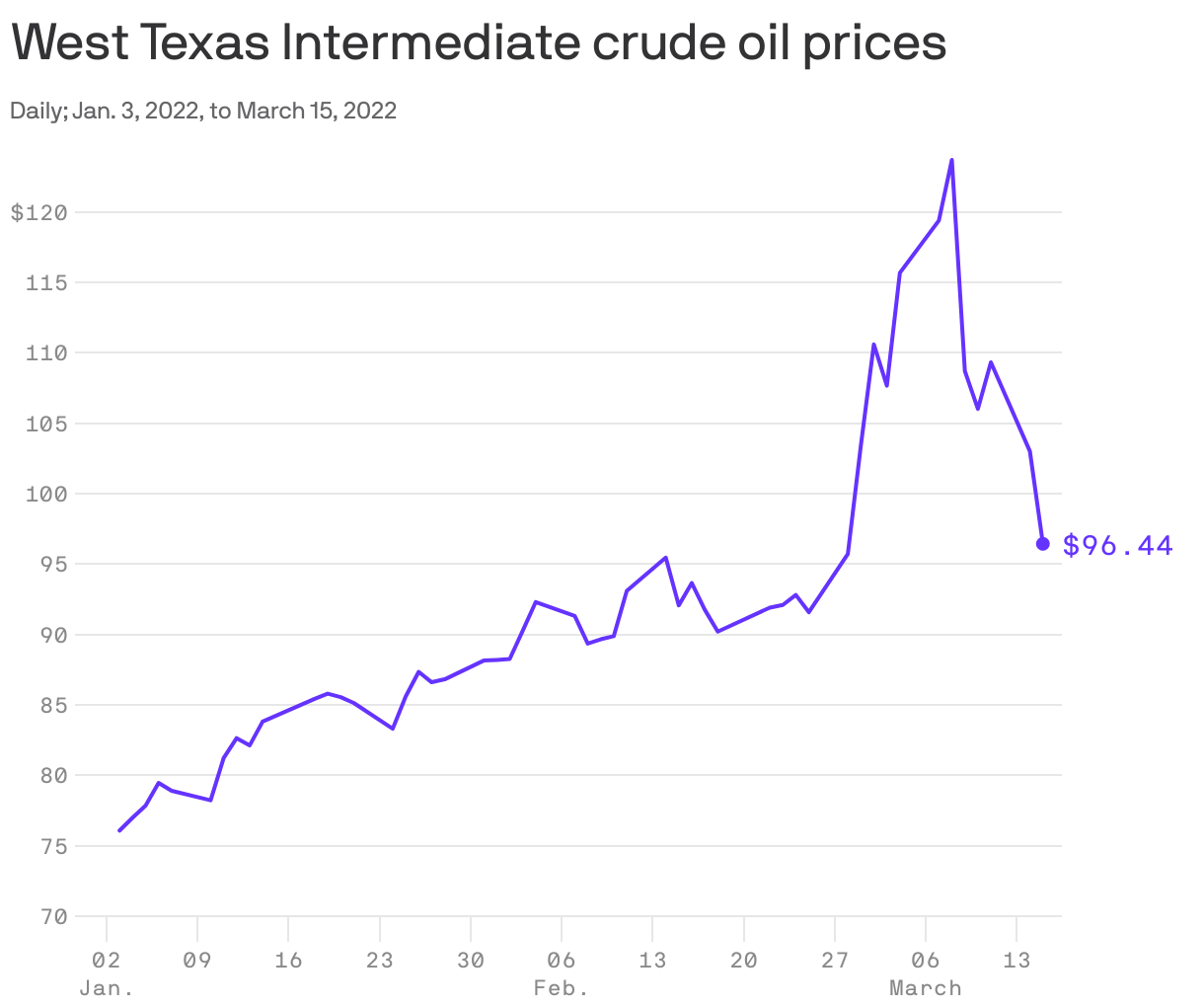
Oil prices have suddenly reversed course, falling almost as quickly as they rose in the early days of the Russian invasion of Ukraine.
Why it matters: The about-face raises the prospect of a corresponding drop in gas prices, which hit a record high last week.
By the numbers: The price of West Texas Intermediate — the U.S. benchmark crude oil — tumbled below $97 per barrel on Tuesday, having fallen more than $33 from its peak about a week ago.
That's only a few dollars more than it was priced at when the invasion began.
The national average price of gasoline — which tends to move in lockstep with oil prices, lagging only a few days as the market catches up — has leveled off in the low $4.30s over the last several days, according to AAA.
What we're watching: Whether Russia moves to cut off oil or gas supplies from Western customers, which could lead to another price spike.
AMC Entertainment — the struggling movie theater chain that got an enormous lift from meme stock investors in 2021 — is investing in a financially strapped gold-and-silver mining company.
TreeHouse Foods'update on its strategic review process said a lot more about the state of the M&A market than it probably intended.
Why it matters: The private label food company's bearish comment yesterday about the macro climate and the financing market points to a growing issue facing deal makers: banks are sitting on loans they can't sell on to investors.
Fox News cameraman Pierre Zakrzewski and Ukrainian journalist Oleksandra Kuvshynova, who was working as a consultant for Fox News, were killed Monday while newsgathering outside of Kyiv, the outlet's CEO Suzanne Scott said in an internal memo.
Driving the news: Zakrzewski and Kuvshynova were traveling alongside Fox News journalist Benjamin Hall when their vehicle came under fire, Scott said. Hall remains hospitalized.
Barstool Sports, the sports blog turned viral social community, is launching a new philanthropy arm called "Barstool Difference," pegged to its existing "Barstool Fund," which raised $41 million during COVID-19 for small businesses.
Why it matters: The company, which is forecasting $230 million in revenue for 2022, sees a business opportunity in converting more of its audience into philanthropy partners and creating matching opportunities for brands.
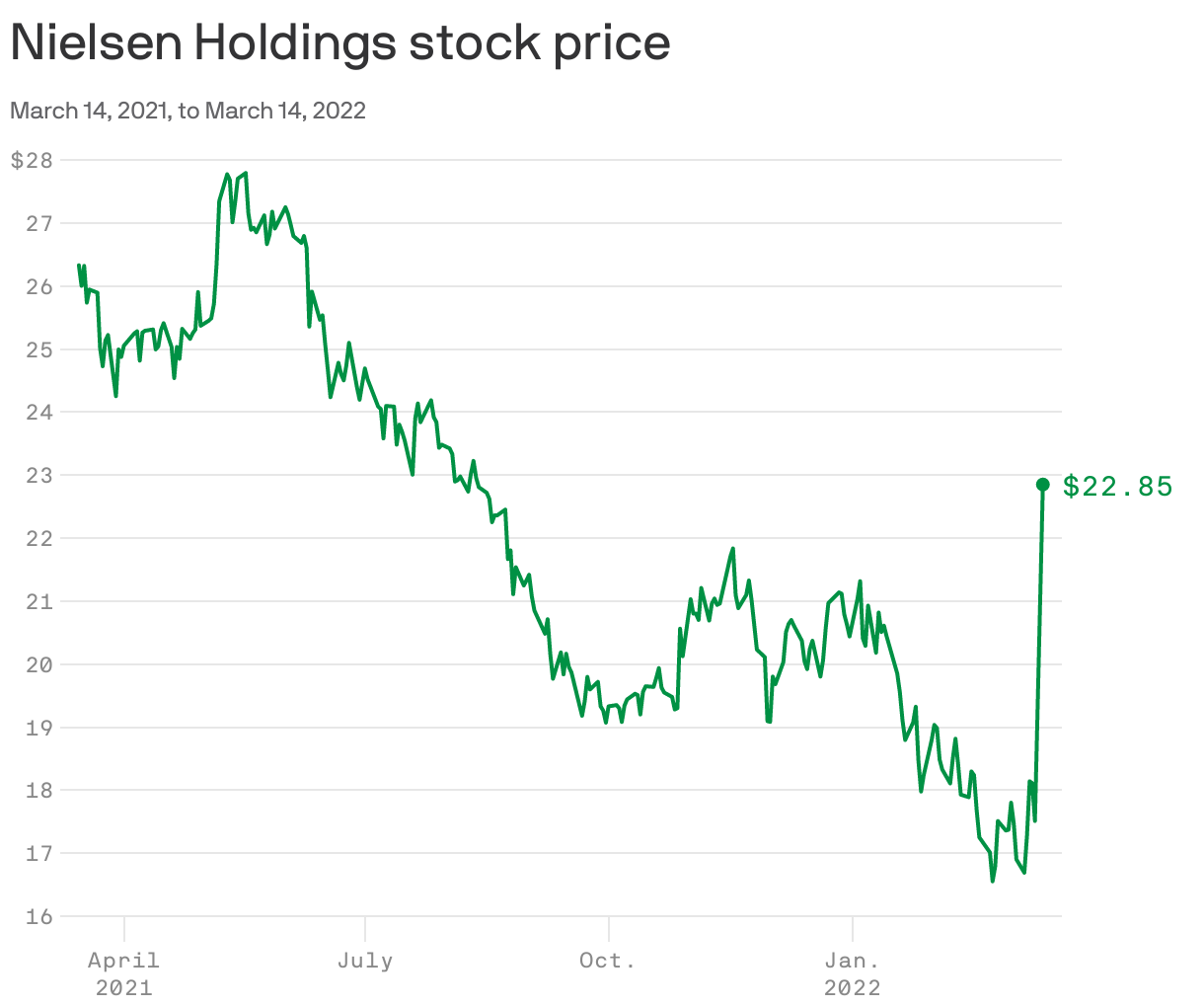
Nielsen Holdings' stock climbed more than 40% Monday in response to a Wall Street Journal report that a consortium of private investors, including activist investor Elliott Management, is in advanced talks to buy the media measurement company for about $15 billion. Sources confirmed those talks to Axios.
Hong Kong's Hang Seng Index dropped more than 5% on Tuesday — on the heels of a 5% drop on Monday — thanks to those COVID-related lockdowns as well as worries about renewed government clampdowns on homegrown tech giants.
The big picture: It's the biggest one-day drop for the index — a gauge of some of corporate China's largest global companies — since 2015. And the index hasn't been this low since early 2016.
After massive commodity producer Russia was exiled from the world economy, a new shock is emerging from China — the world's biggest user of raw materials.
The big picture: Commodities prices turned tail and tumbled yesterday, as China imposed new COVID-related lockdowns in response to soaring infection rates.
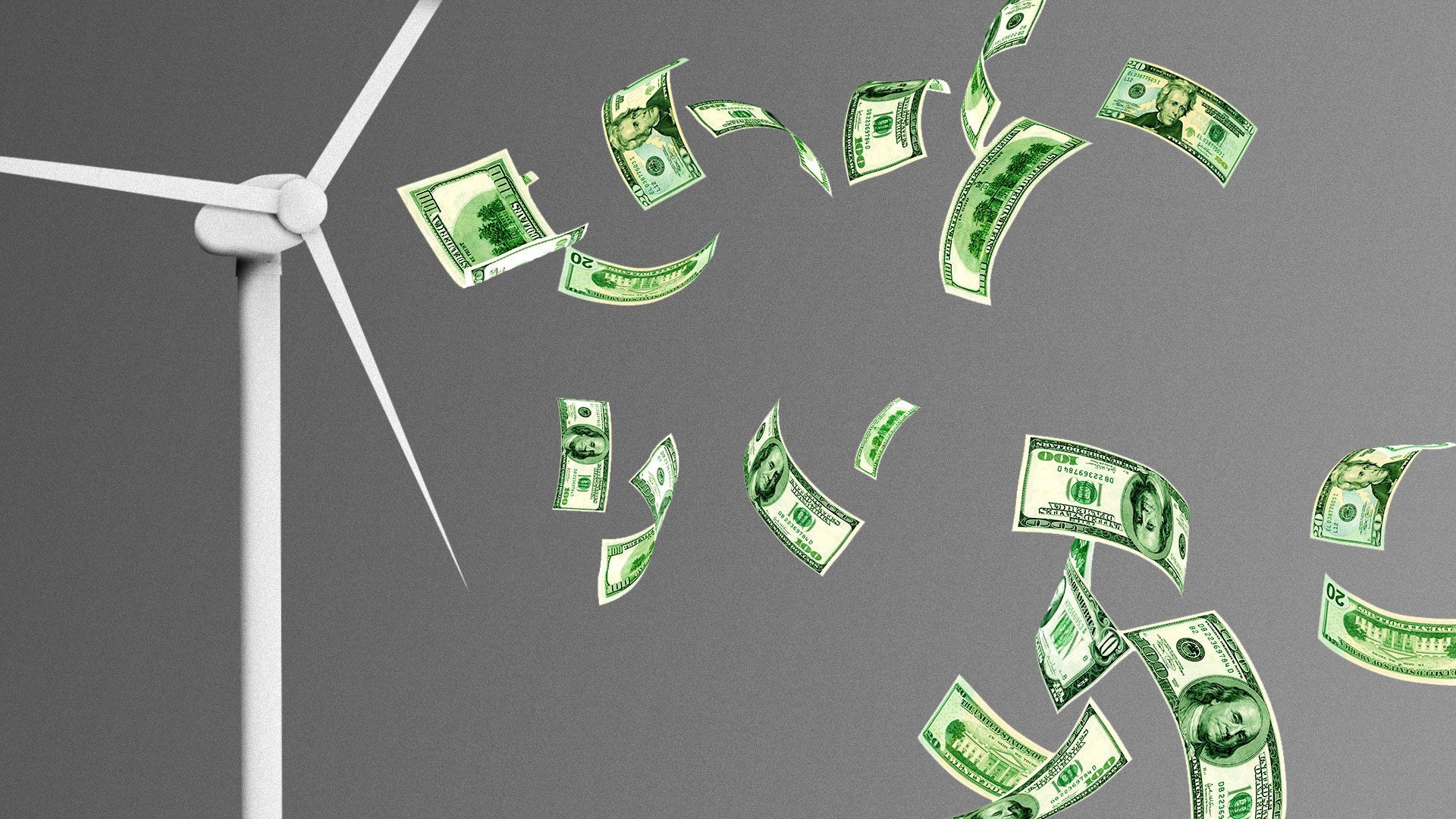
The Energy Department's Loan Programs Office (LPO) has seen its portfolio upgraded two levels from "high-risk" single-B to "investment-grade" following an internal risk rating review, an office spokesman confirmed to Axios.
Why it matters: The LPO provides billions of dollars in loans and loan-guarantees for projects that might struggle to find backing elsewhere.
A sense that the world is coming unglued — and that great-power geopolitics will ultimately shape economic destiny — hangs over global markets and the economy.
The big picture: Aspects of how the world works that people have taken for granted for a generation have become deeply uncertain amid war in Europe, new pandemic lockdowns in China and high inflation in the U.S. that global developments stand to make worse.
Significant updates proposed to the federal government's flagship 5-Star Safety Rating program do nothing to address the higher risk faced by female drivers.
Why it matters: Women face a higher risk than men of being seriously injured or killed in a crash — but most vehicle safety systems are tested using male crash test dummies.
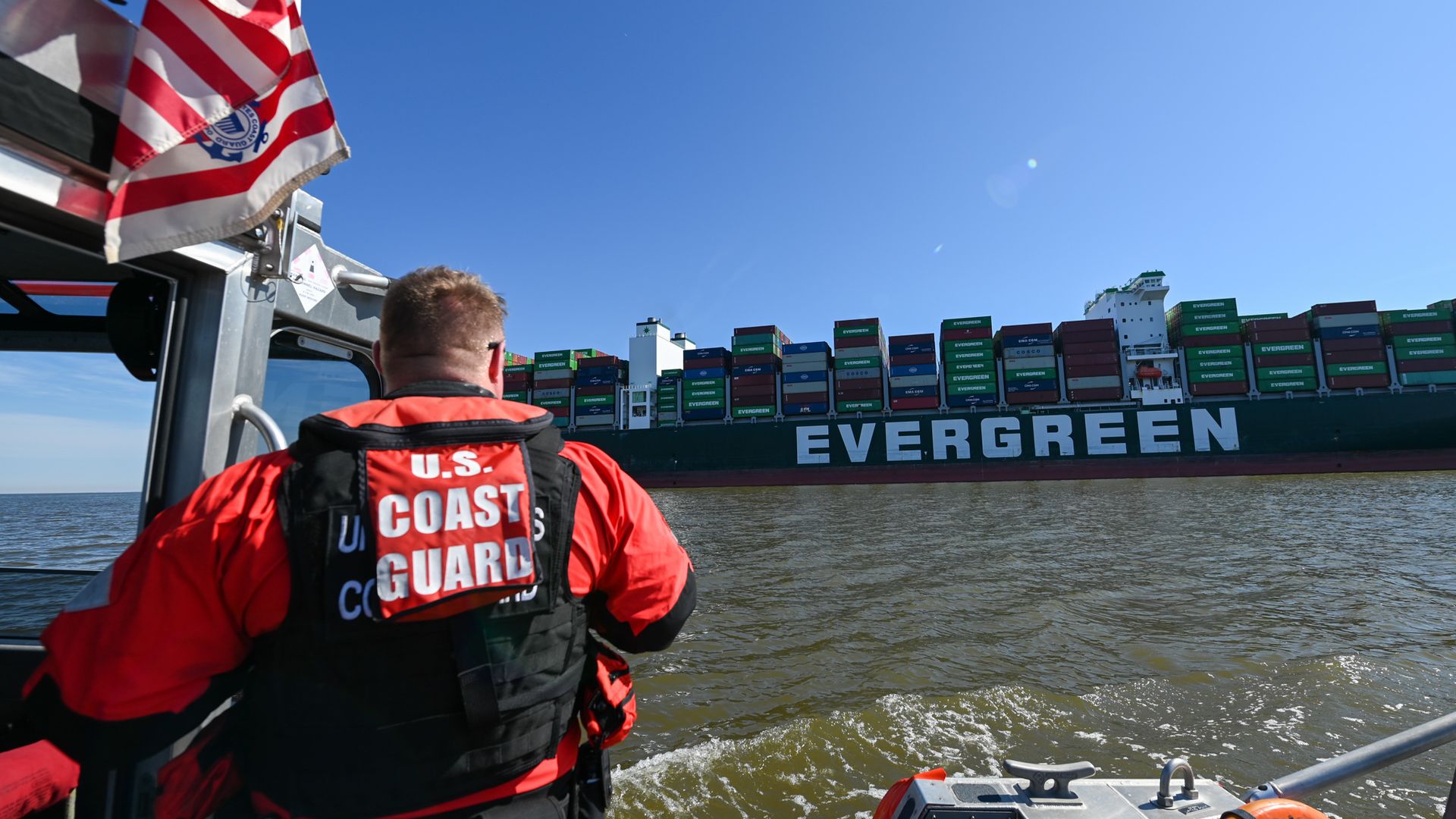
Officials were working to free a container ship owned by Evergreen Marine that ran aground near the U.S. capital over the weekend, per Bloomberg.
Why it matters: The incident comes one year ago to the month after another one of the company's container ships, the "Ever Given," spent a week stuck in the Suez Canal, causing a massive maritime traffic jam that impacted global trade.
A slew of packed parties and panels at Austin's annual SXSW (South by Southwest) festival this year demonstrated that the tech and entertainment industries still crave in-person events, even if they don't look the same as they used to.
Why it matters: The conference marked the first large-scale industry event to take place without big restrictions in the COVID era, and hardly anyone wore masks.
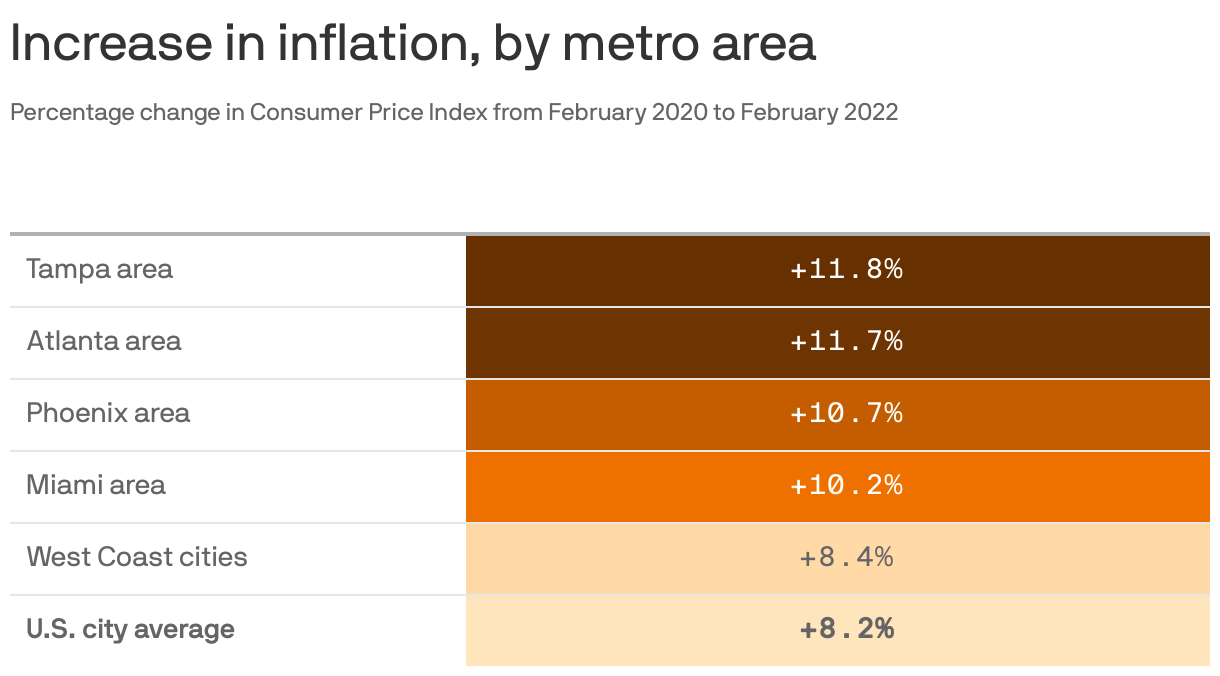
Data: Bureau of Labor Statistics; Table: Thomas Oide/Axios
Price hikes affecting Americans nationally have been even worse in battleground states since the beginning of the pandemic, Axios found.
Why it matters: Some of the most sensitive voters politically are the ones feeling price hikes most sharply. During an already volatile midterm year for Democrats, inflation concerns have prompted the party to focus its messaging on lowering costs and cutting taxes.

/2022/03/15/1647379767865.gif?w=3840)














/2022/03/14/1647294096367.gif?w=3840)