That’s the lowest reading since September and the third lowest since 2020.
The big picture: The NAHB attributed the decline to several factors, including shortages of lumber and other materials and an expectation of higher interest rates.
“While builders continue to report solid buyer traffic numbers, helped by historically low existing home inventory and a persistent housing deficit, increasing development and construction costs have taken a toll on builder confidence,” NAHB Chairman Jerry Konter said in a statement.
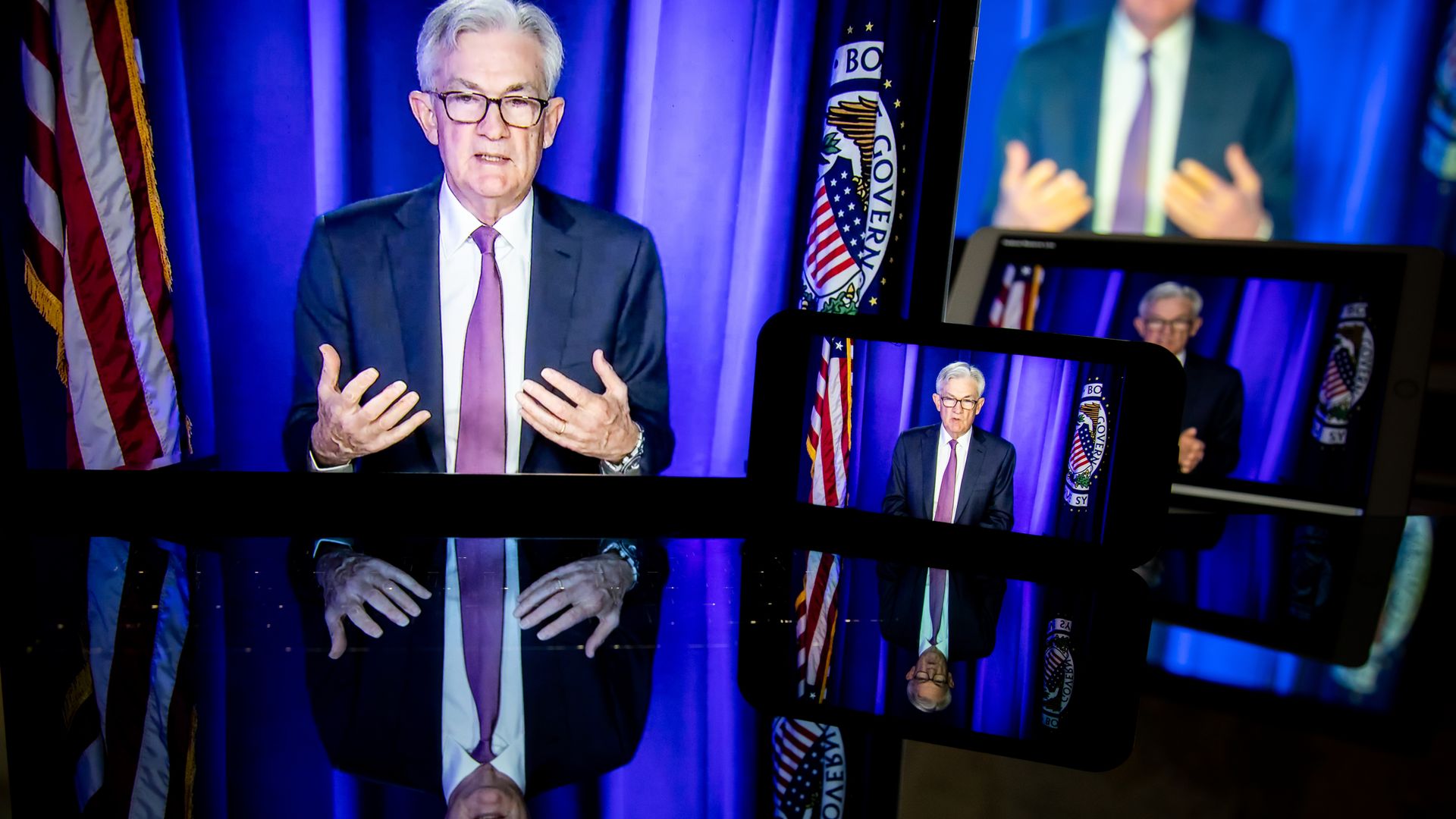
A recurring theme in Federal Reserve chair Jerome Powell's news conference Wednesday was his confidence that the economy is on sufficiently robust footing that even a sustained campaign of interest rate increases won't shake it.
Why it matters: The Fed is now on track to raise interest rates at the fastest clip in at least 16 years as it tries to contain inflation, a trajectory that will test the capacity of markets and the economy to adjust.
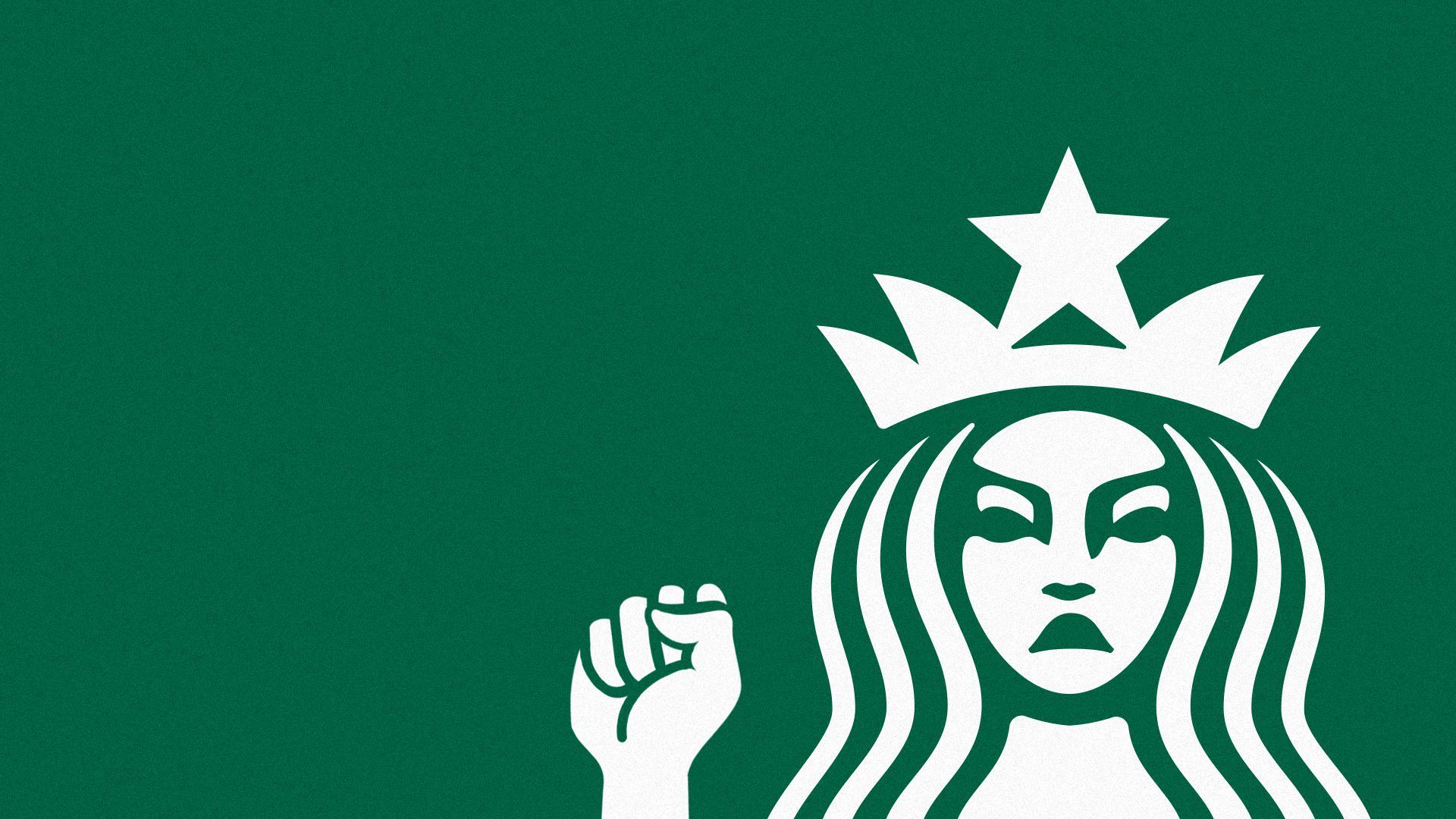
Starbucks is poised to get a new CEO — and the pick could signal whether the company takes a hostile stance or welcoming approach toward sporadic unionization efforts at its coffee houses.
Why it matters: Starbucks’ reputation as a benevolent chain is on the line — and the fate of the labor movement’s attempt to get a foot in the fast-food door is at stake.
The Taskforce on Nature-related Disclosures (TNFD) released its first draft of a working risk assessment and disclosure framework for financial institutions.
Why it matters: ESG is is nearly universal among institutional LPs, according to a survey from Adams Street Partners. But without specific guidelines, most ESG promises are, well, promises.
State of play: TNFD's framework comes roughly a week before the SEC is expected to vote on additional climate-related risk disclosures for businesses operating in the U.S. As the name implies, TNFD's framework focuses more narrowly on nature-related risks like fallowing fields or extreme weather kneecapping logistics networks.
Several investors have told Megan they don't expect the SEC disclosures will negatively impact industry-wide deal-making, but it could hold executives' feet to the fire depending if it really gets into the weeds on topics like Scope 3 emissions.
What's in the TNFD framework: Industry- and geography-specific recommendations and analysis for companies and financial institutions as they build their own risk assessments and disclosures.
It also includes a dictionary to ensure disparate industries are talking about nature-related risks in the same way.
What's next: The working document will be finalized near the end of Q3 2023, the organization told Axios on a press call. Its writers will continue to update and refine the framework based on input from investors, executives, and industry stakeholders.
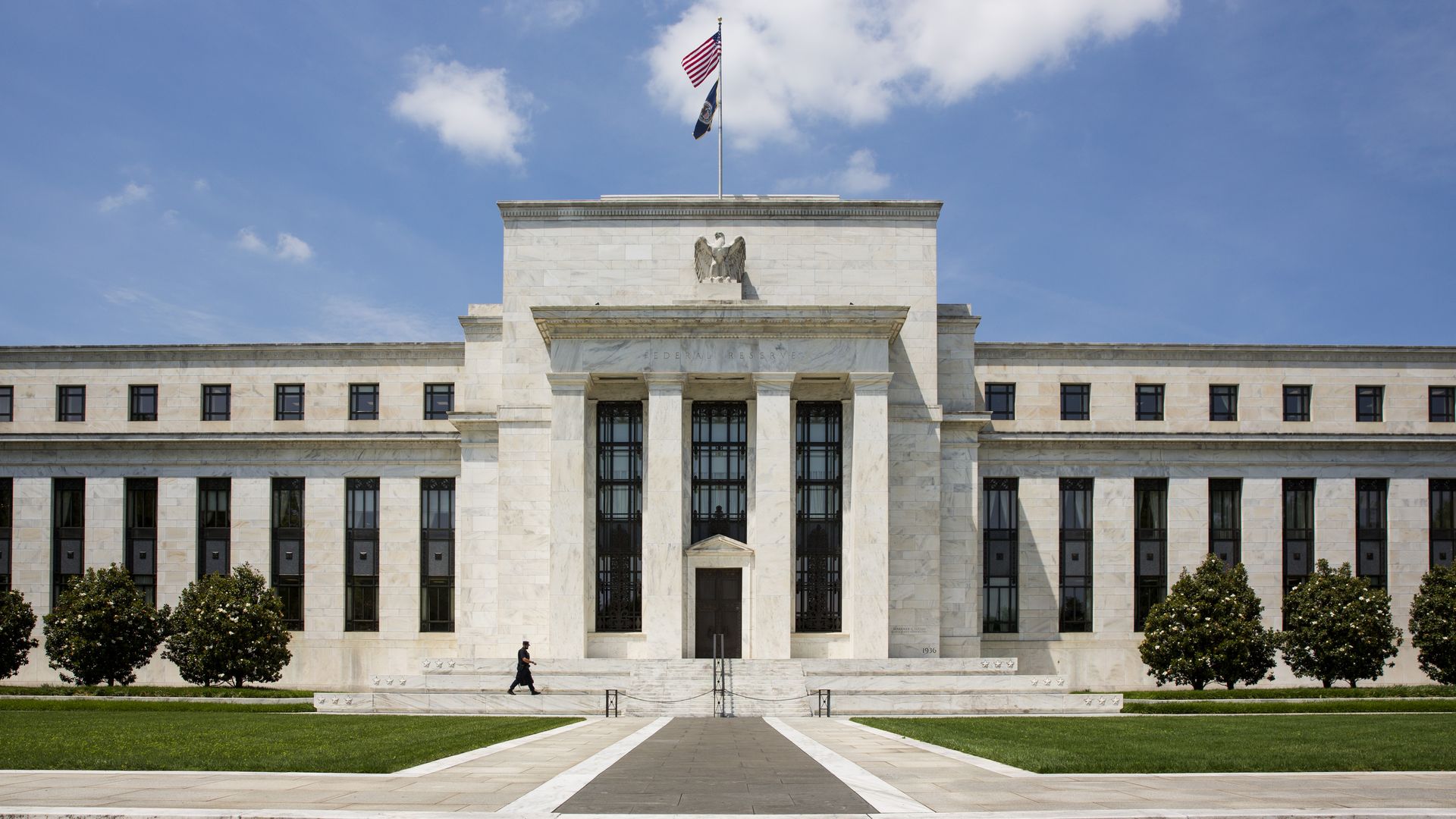
The Federal Reserve raised its target for short-term interest rates a quarter-percentage point Wednesday and signaled many more rate increases are on the way as the central bank tries to quash sky-high inflation.
Driving the news: The policy-setting Federal Open Market Committee increased the federal funds rate to a range of 0.25% to 0.5%, the first rate rise since 2018. The median policymaker expects the rate to be 1.9% at the end of the year, implying a total of 7 rate hikes this year, and 2.8% at the end of 2023.
"Servant of the People," a comedy series featuring now Ukrainian President Volodymyr Zelensky, is once again available on Netflix, the streaming service announced on Wednesday.
Driving the news: The series, in which Zelensky plays a Ukrainian high school teacher who unexpectedly becomes president, first aired in Ukraine in 2015. It has now found its way back on several streaming platforms worlwide, as Zelensky became the face of the resistance amid Russia's unprovoked attack of Ukraine.
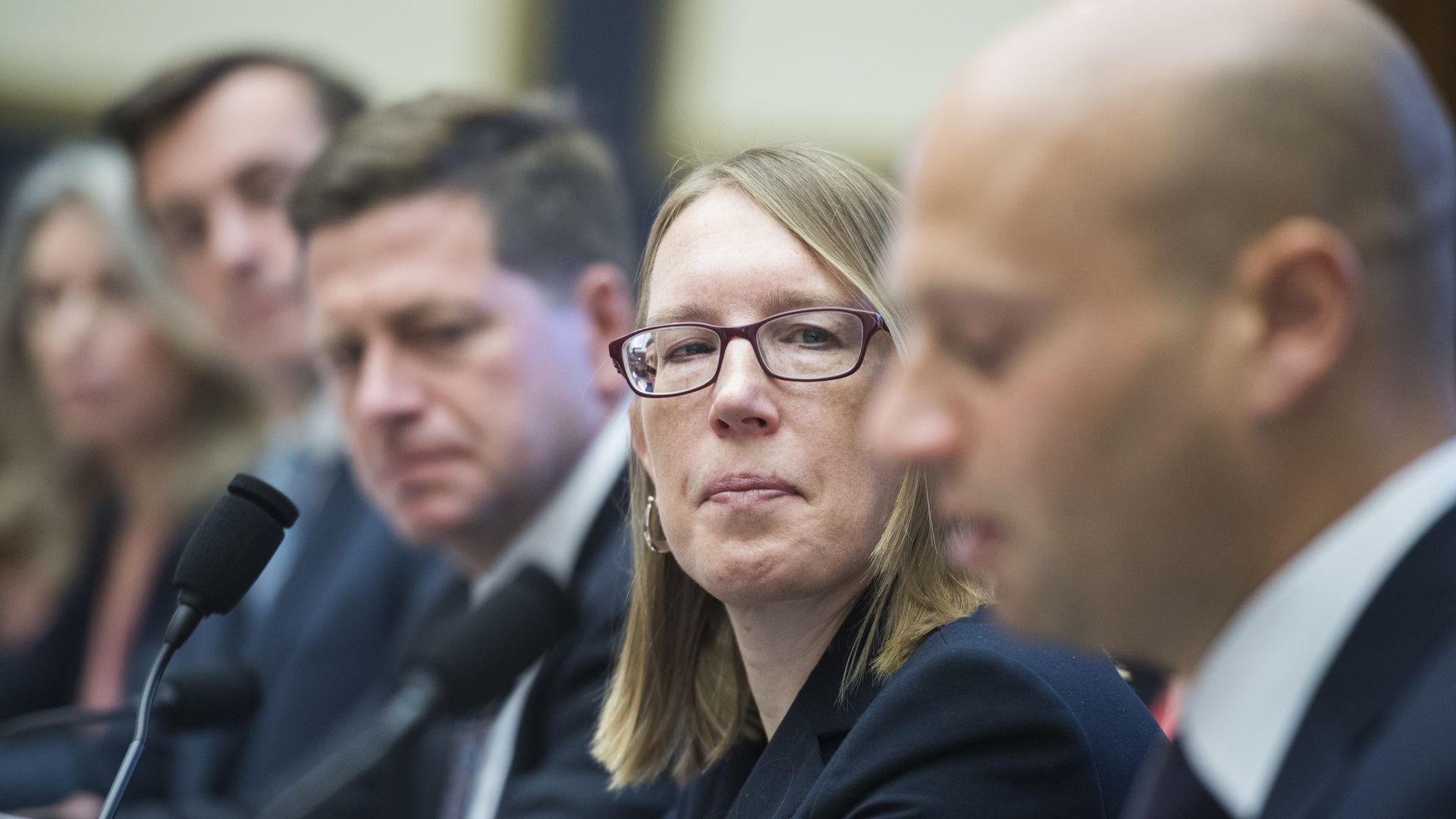
Securities and Exchange Commissioner Hester Peirce hasno desire to stay on board after her term ends in 2025.
"Absolutely not," she said in the interview with Axios Pro Fintech Deals when asked if she'd like to stand for renomination.
Why it matters: Affectionately dubbed "Crypto Mom" by the web3 crowd, Peirce is seen as a long-time supporter who comes to bat for the often libertarian-leaning industry.
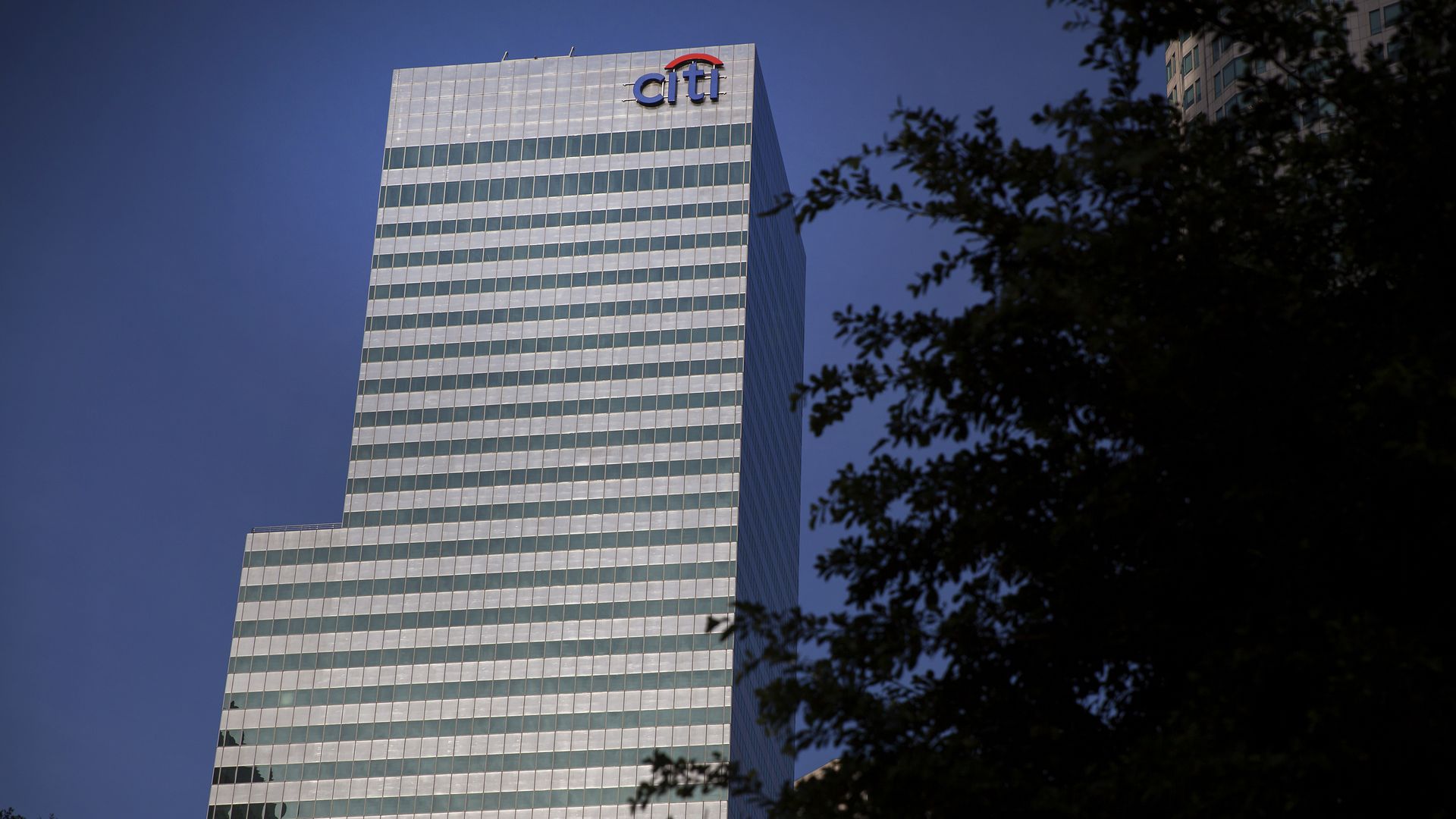
As states increasingly pass new abortion restrictions, Citigroup will now cover travel costs for U.S.-based employees seeking an abortion.
Driving the news: "In response to changes in reproductive healthcare laws in certain states in the U.S., beginning in 2022 we provide travel benefits to facilitate access to adequate resources," Citi wrote in a filing for its shareholders' meetings set for next month.
Shield Capital, a new VC firm focused on dual-use national security startups, raised $125 million for its debut fund.
Why it matters: Timing is everything. Tech's antipathy toward defense and military applications was waning even before the Russia-Ukraine war, in part thanks to the change in White House occupant, and that abatement should now move even quicker.
When European private equity firm EQT went public in 2019, one of its top goals was to grow its small Asia footprint. On Wednesday it landed a size-15 boot.
Driving the news: EQT has agreed to buy Baring Private Equity Asia for around $7.5 billion in stock and cash.
Linktree, the Australian startup best known for its popular "link-in-bio" tool, has raised $110 million at a $1.3 billion valuation, led by Index Ventures and Coatue Management, with AirTree Ventures, Insight Partners and Greenoaks also participating.
Why it matters: As more social media and online content apps appear, Linktree and its investors are betting that it can serve as a unifying "digital business card" amid an increasingly fragmented landscape.
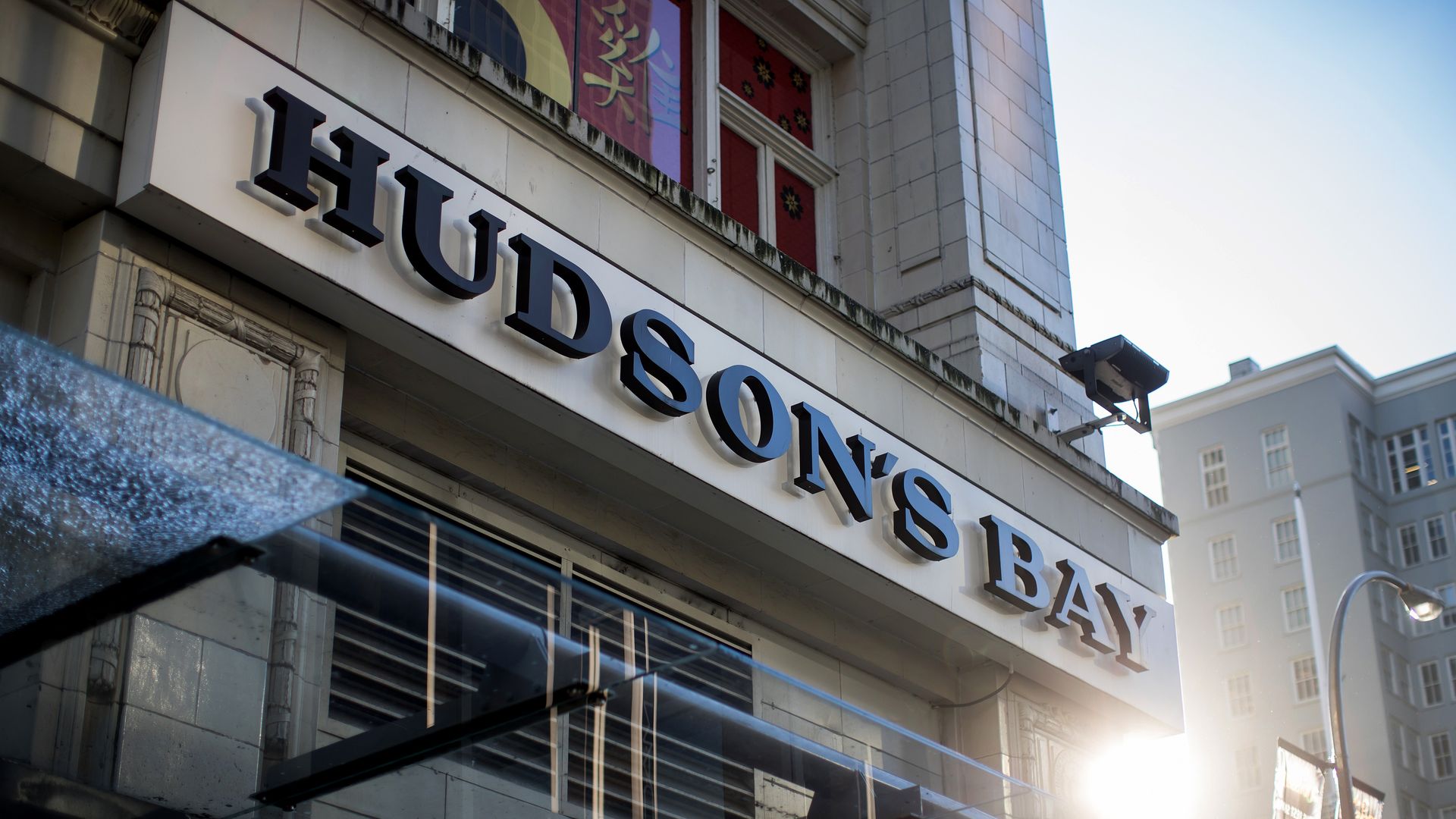
Hudson's Bay, the Canadian department store, is considering a bid for U.S. retailer Kohl's, sources tell Axios.
Why it matters: The entry of Hudson's Bay into the Kohl's sale process pits the Toronto-based company against at least one other suitor and adds bid tension to an auction that was prompted, in part, by an activist investor.
Starbucks CEO Kevin Johnson will retire in April after five years in the position and he will be replaced in the interim by former CEO Howard Schultz, the company announced Wednesday.
Why it matters: The leadership shift comes as a growing number of Starbucks employees seek to unionize. Five of its stores in Buffalo, New York, and another in Arizona have already voted to form a union.
Amagi has raised $95 million in new funding, valuing the media tech company at more than $1 billion, CEO and co-founder Baskar Subramanian tells Axios.
Why it matters: That valuation brings Amagi, a cloud-based SaaS technology for broadcast and connected TV, to unicorn status.
A reporter in Mexico was shot and killed Tuesday, the eighth such killing in the country this year.
Why it matters: The string of killings in such a short period is unprecedented, even for Mexico, which has been considered one of the most dangerous places in the world for journalists.
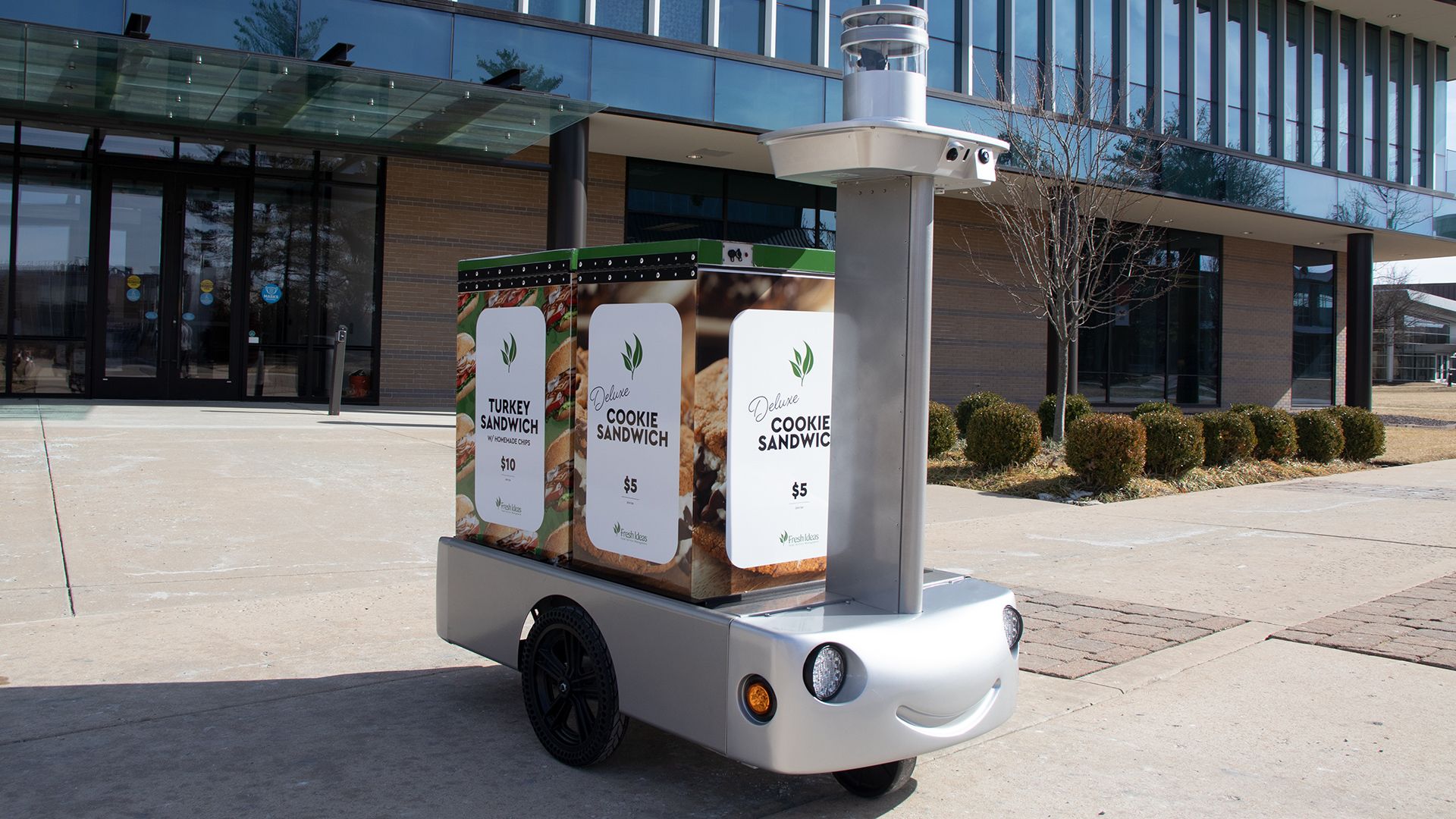
A Silicon Valley company called Tortoise has introduced a remote-controlled robot that can sell a varied inventory — chocolates, AirPods, knee socks — from tap-to-pay containers on its back.
Why it matters: Retailers can use the Tortoise Mobile Smart Store to generate incremental sales without having to pay someone to oversee the transaction.
Pedestrians can enjoy the novelty and convenience of buying food and accessories from a cute-looking droid, in what Tortoise calls a 15-second experience.
The unprecedented sanctions the West imposed on Russia have hobbled its economy and are hurting the global system, too. But their primary purpose, arguably, is to stop the fighting. And that's not yet happening.
Why it matters: Sanctions are increasingly one of the go-to tools in American foreign policy, all over the world — that doesn't mean they always work.
There’s never been a better time to start your own company. That helps explain why America just witnessed the biggest business startup boom of our lifetimes, according to the U.S. census.
The big picture: 5.4 million people applied for small businesses licenses last year — a 53% jump from 2019, pre-pandemic. Global investment in startups shattered records in 2021, hitting $643 billion — 10 times what it was 10 years ago.