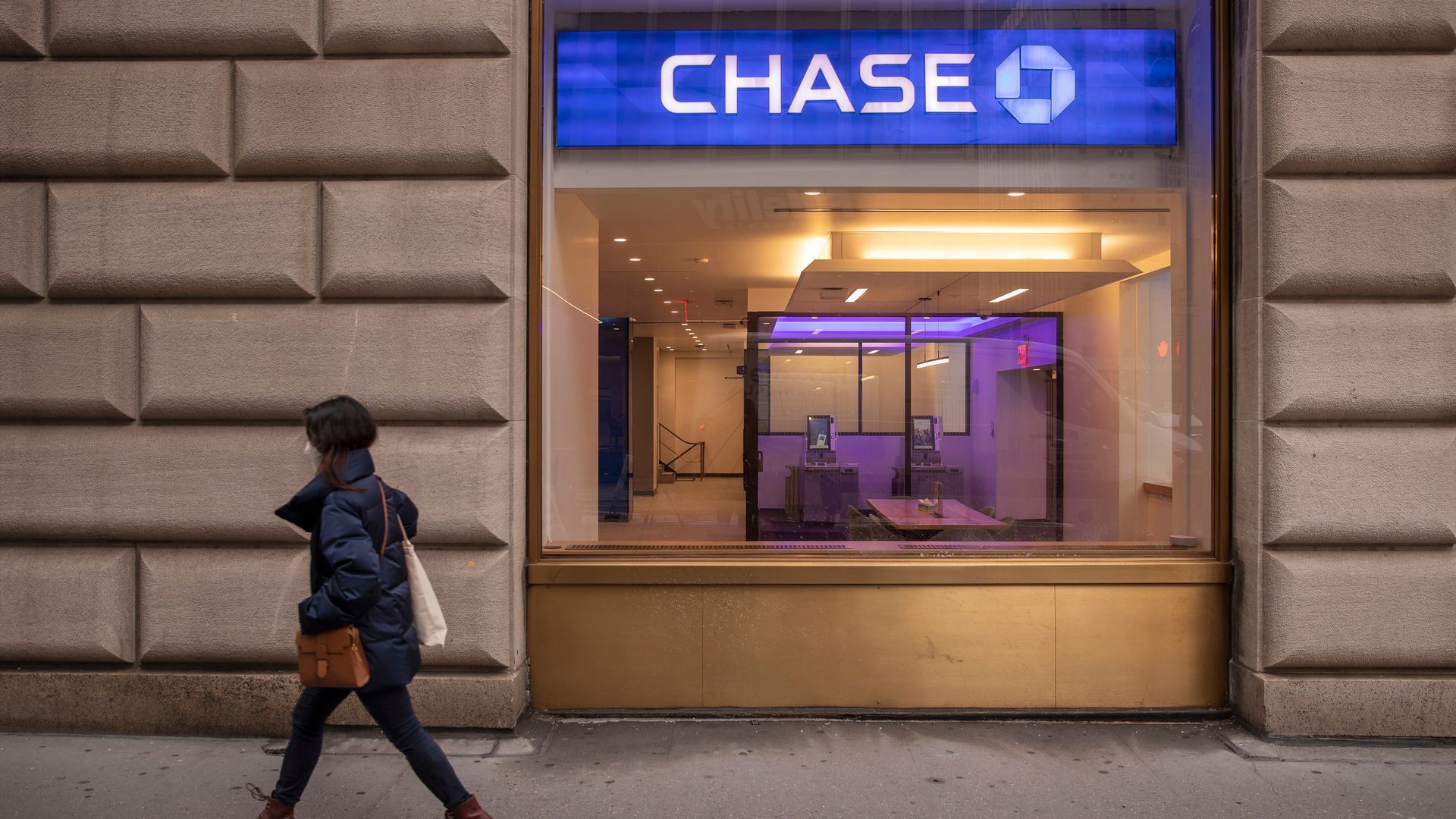
For the nation’slargest banks, inflation may be too much of a good (for them) thing.
Driving the news: JPMorgan Chase and Citigroup shares fell today — despite delivering solid quarterly revenue and profit — amid concerns that the banks won’t be able to outrun inflation.
Tesla followed through on its December promise to accept dogecoin.
The big picture: The company added the meme-inspired cryptocurrency as a payment option for some merchandise on Friday — sending the price up about 20% to some $0.20, per Reuters.
The NFL has had a banner season in terms of ratings and engagement, thanks in large part to the return of fans to stadiums, a slew of suspenseful games and of course, some off-field drama.
Why it matters: The 2021 viewership spike has quieted concerns regarding 2020's COVID-related decline, while also justifying the $100+ billion in media deals the league signed with its partners in March.
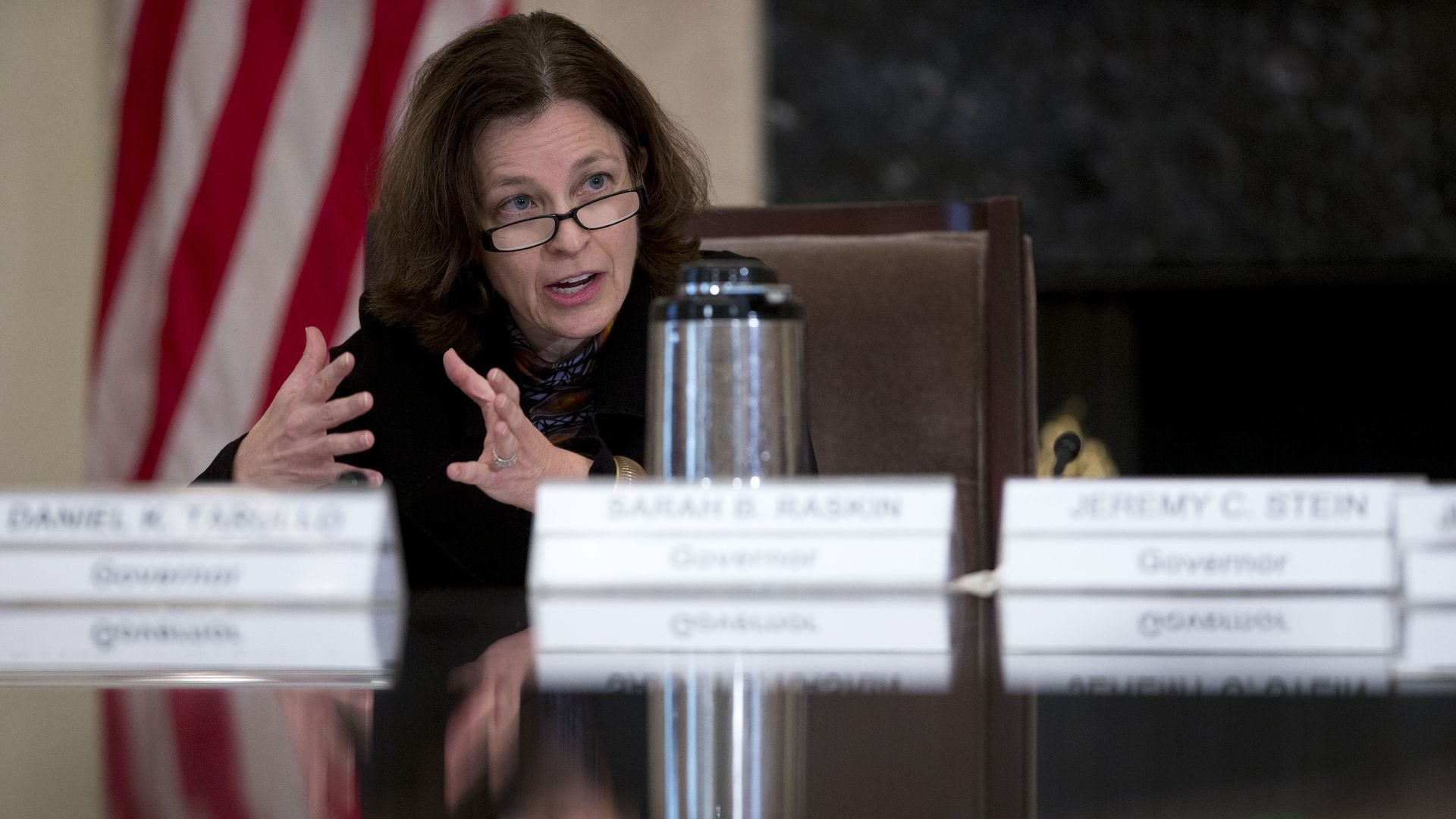
Now that President Biden's long-awaited nominations for vacant seats on the Federal Reserve Board of Governors have dropped, the big question is how Sarah Bloom Raskin, Lisa Cook, and Philip Jefferson, if confirmed, might shift policy.
The answer: Don't expect any big changes to the central bank's policy direction overnight — but do expect it to prioritize a healthy labor market more in the years ahead.
Why it matters: The Fed's actions shape the economy in ways that outlast the presidents who appoint them — and the Biden-appointed Fed looks to be a more explicitly pro-worker central bank than we've seen in modern times.
The big picture: With inflation running hot, the Fed is in the midst of a pivot to more hawkish monetary policy — possibly including raising interest rates in March.
Raskin, Cook, and Jefferson are unlikely to stand in the way of that pivot, and not just because the slow-moving Senate confirmation process means it will likely be well underway before they are confirmed for their new jobs.
The Fed is a consensus-driven institution, and the consensus has swung decisively in a hawkish direction in the last three months. Even normally-dovish officials like San Francisco Fed President Mary Daly and Chicago Fed president Charles Evans on board with the policy shift.
But over time, the new additions to the Board of Governors — who have a permanent vote on monetary policy, unlike regional Fed presidents who rotate — have emphasized the importance of running a hot labor market in order to achieve gains for workers and greater racial equality.
That implies the three new governors would resist continuing to push interest rates higher once inflation moderates.
What they're saying: "Inflation is so high and political pressures on the Fed are so strong (including from Democrats), that we doubt they will push hard against the will of the committee," wrote Roberto Perli and Benson Durham of Cornerstone Macro, in a client note.
But, they add, "Because all of them have expressed views in favor of broader expansion of the labor market, … we can expect them to resist substantial tightening in the future."
Regulatory policy is a different matter. If confirmed as vice chair for supervision — and Republican Senators will try to stop that from happening — Raskin would have more explicit power over a wide range of regulatory policy, and look to rein in the deregulatory impulses of her predecessor, Trump appointee Randal Quarles.
The bottom line: As the Biden Fed takes shape, it will include more voices focused on workers than in modern memory. But the course of policy depends on whether inflation trends allow them to act on those instincts.
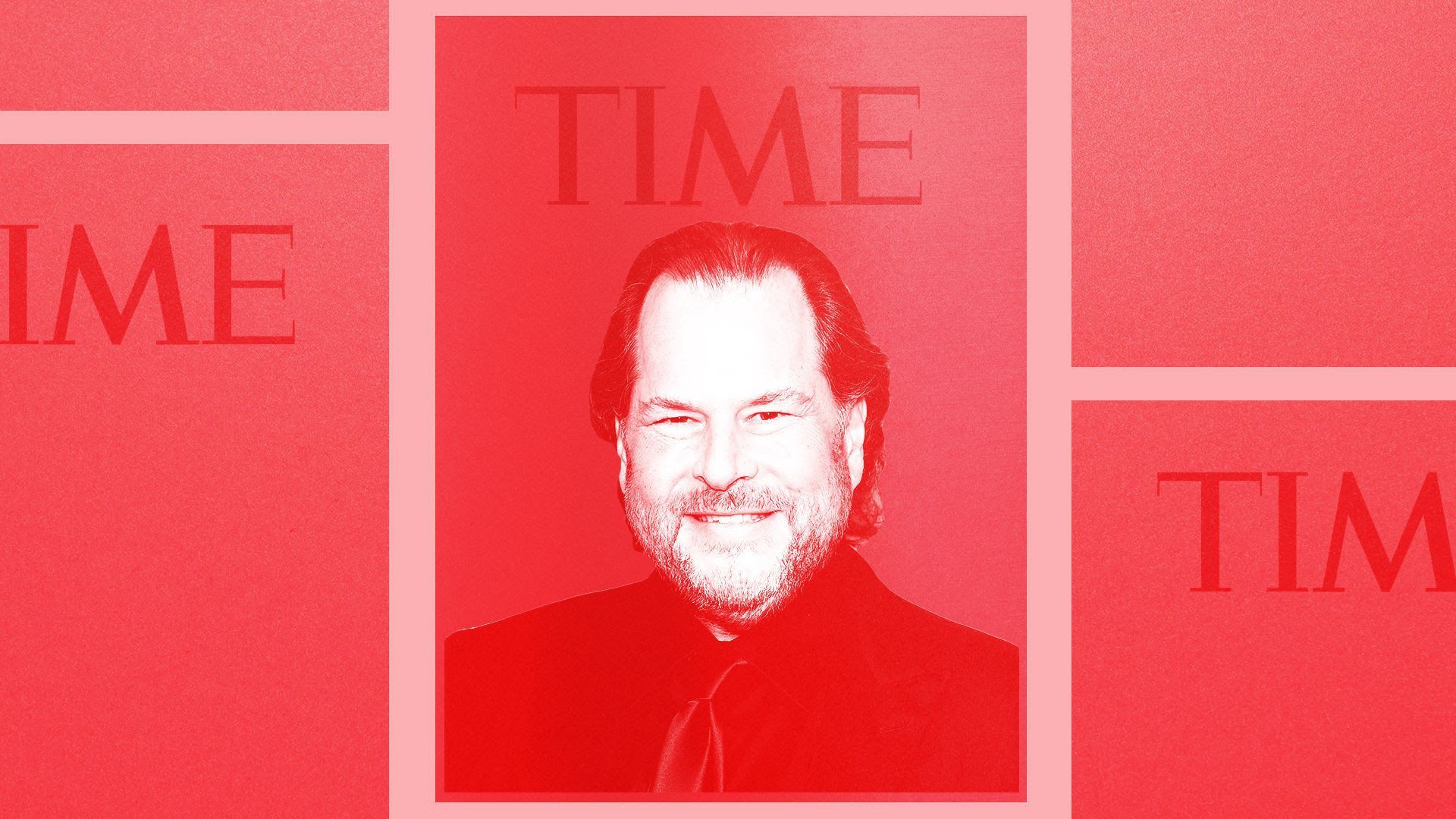
When Salesforce.com founder Marc Benioff and his wife Lynne bought Time magazine from Meredith Corp. in 2018, it read to many as a vanity purchase. A billionaire buying a legendary media brand, to impress friends and influence people, without doing too much legwork.
Why it matters: But the carve-out is proving transformative for Time, as Benioff seems to have actively brought a lot of his tech ethos to the company Henry Luce founded nearly 100 years ago.
Nitin Nohria, who spent 10 years as dean of Harvard Business School before stepping down in 2020, is joining Thrive Capital as a partner and executive chairman.
The big picture: Nohria first met Thrive founder Joshua Kushner in 2010, while Kushner was enrolled at HBS. "He was literally the first student I met when I became dean that summer," Nohria tells Axios.
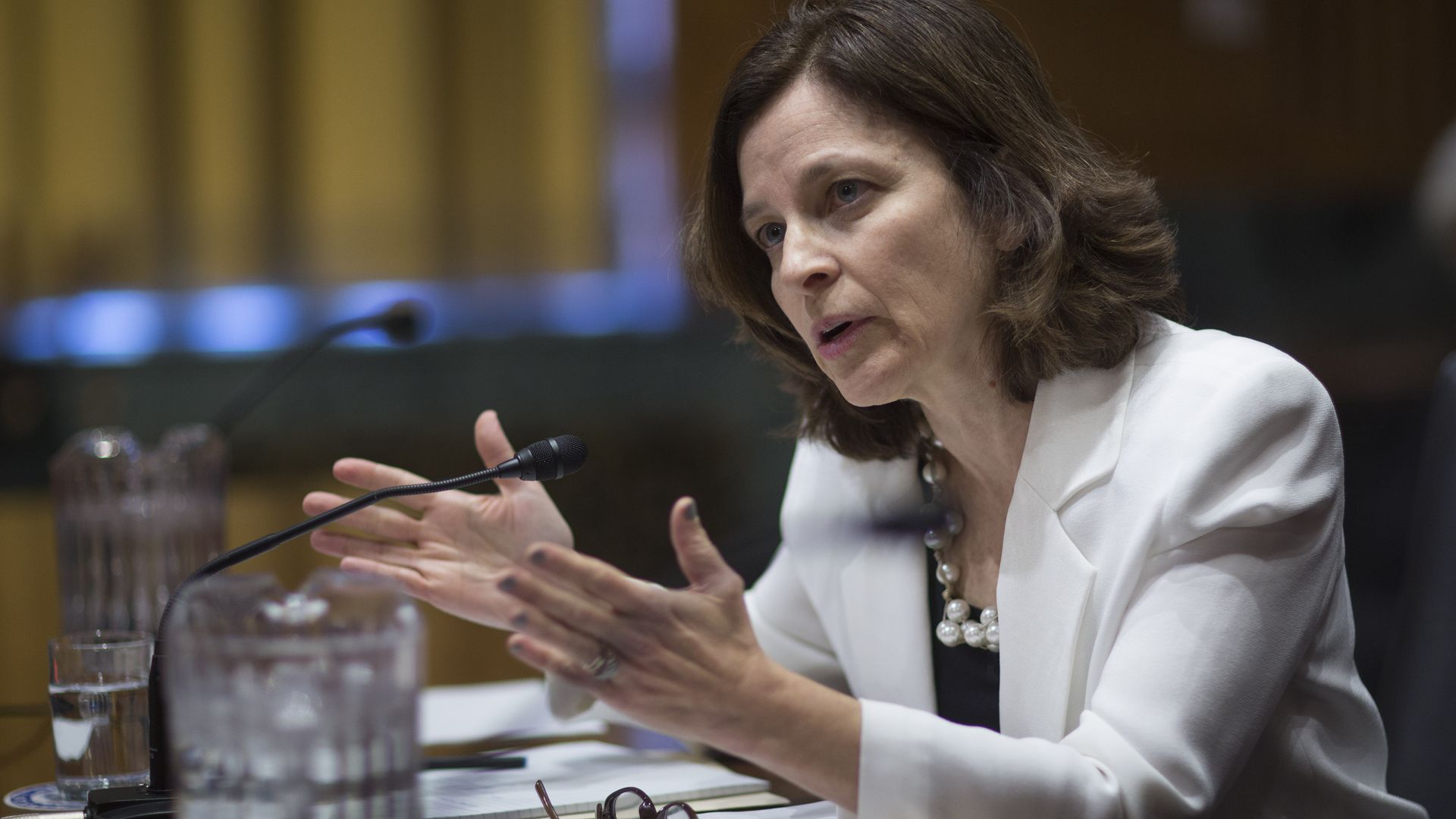
President Biden's plan to tap Sarah Bloom Raskin as top banking regulator at the Federal Reserve could intensify the central bank's already growing focus on climate change.
Catch up fast: The news broke Thursday night that Biden will nominate Raskin, a Duke University law professor, for the powerful role of vice chair for supervision.
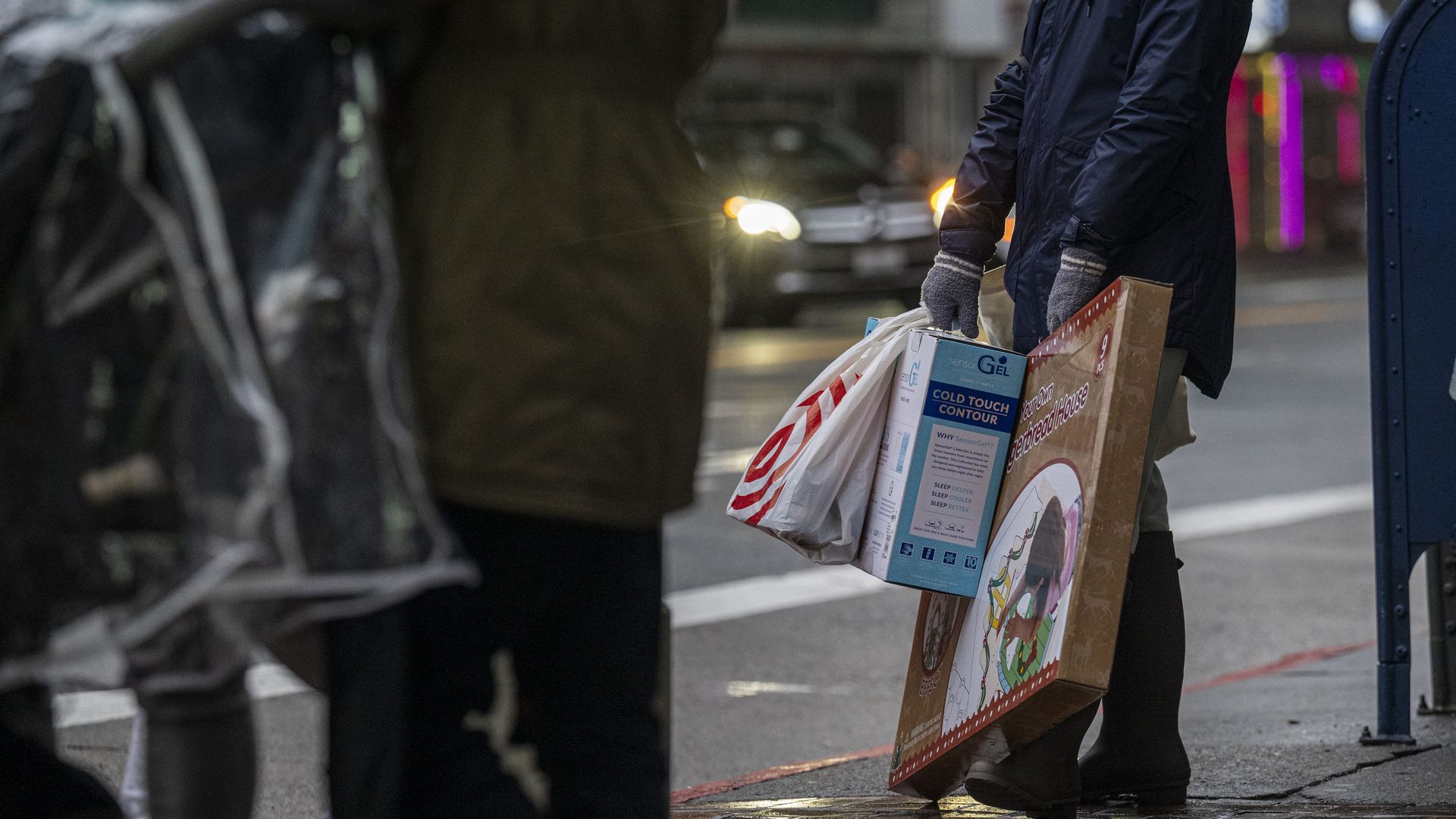
Retail sales fell 1.9%in December compared to the previous month, suggesting that shoppers bought holiday gifts earlier last year as they faced rising inflation and supply chain issues.
Driving the news: The datais much lowerthan the 0% change predicted by economists, according to FactSet.
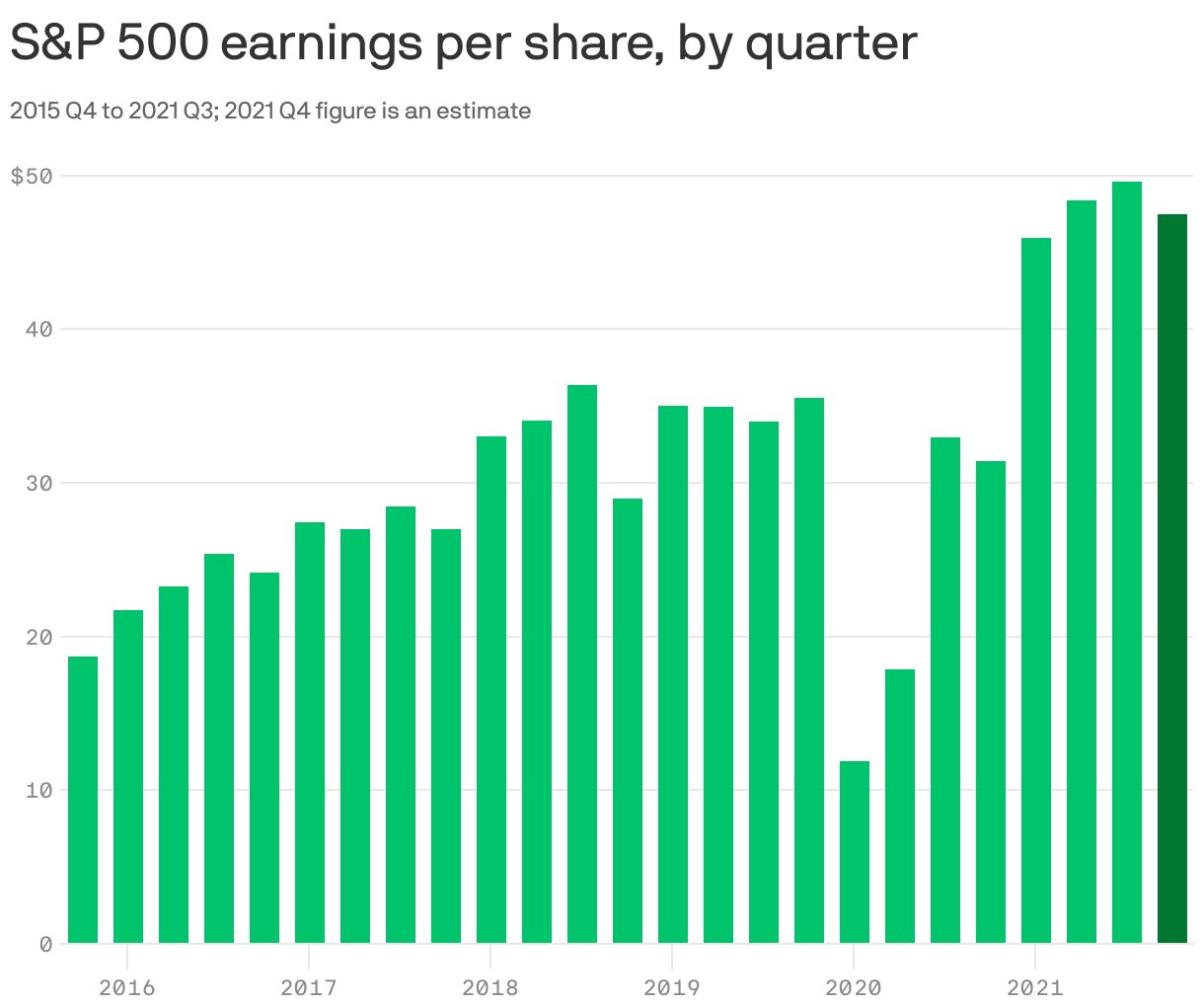
Data: S&P Dow Jones Indices; Chart: Thomas Oide/Axios
Companies areabout to blast out a blizzard of quarterly profit and sales numbers over the next few weeks, as the carnival of Q4 corporate results kicks off.
Driving the news: Large banks will open the floodgates, issuing reports early Friday that mark the unofficial start of earnings season on Wall Street.
The pharmaceutical industry is ready to pressure Medicare and demand the agency reverse its restrictive coverage plan for new Alzheimer's treatments like Aduhelm.
The big picture: Doctors, researchers and health policy experts praised Medicare's proposal as a way to get more data to prove whether Aduhelm works, but with billions of dollars and many other similar Alzheimer's drugs on the line, the industry is prepared for war.
The shortage of workers in the U.S. has become a flywheel of doom, messing up our lives and society writ large. And many of the underlying problems that led to this breakdown are bigger than the pandemic.
The big picture: Millions of immigrants, older workers and mothers are missing from the labor force. Those labor shortages create problems like supply chain woes, school closures, and skyrocketing child care costs — and some of those problems further exacerbate the worker shortages.
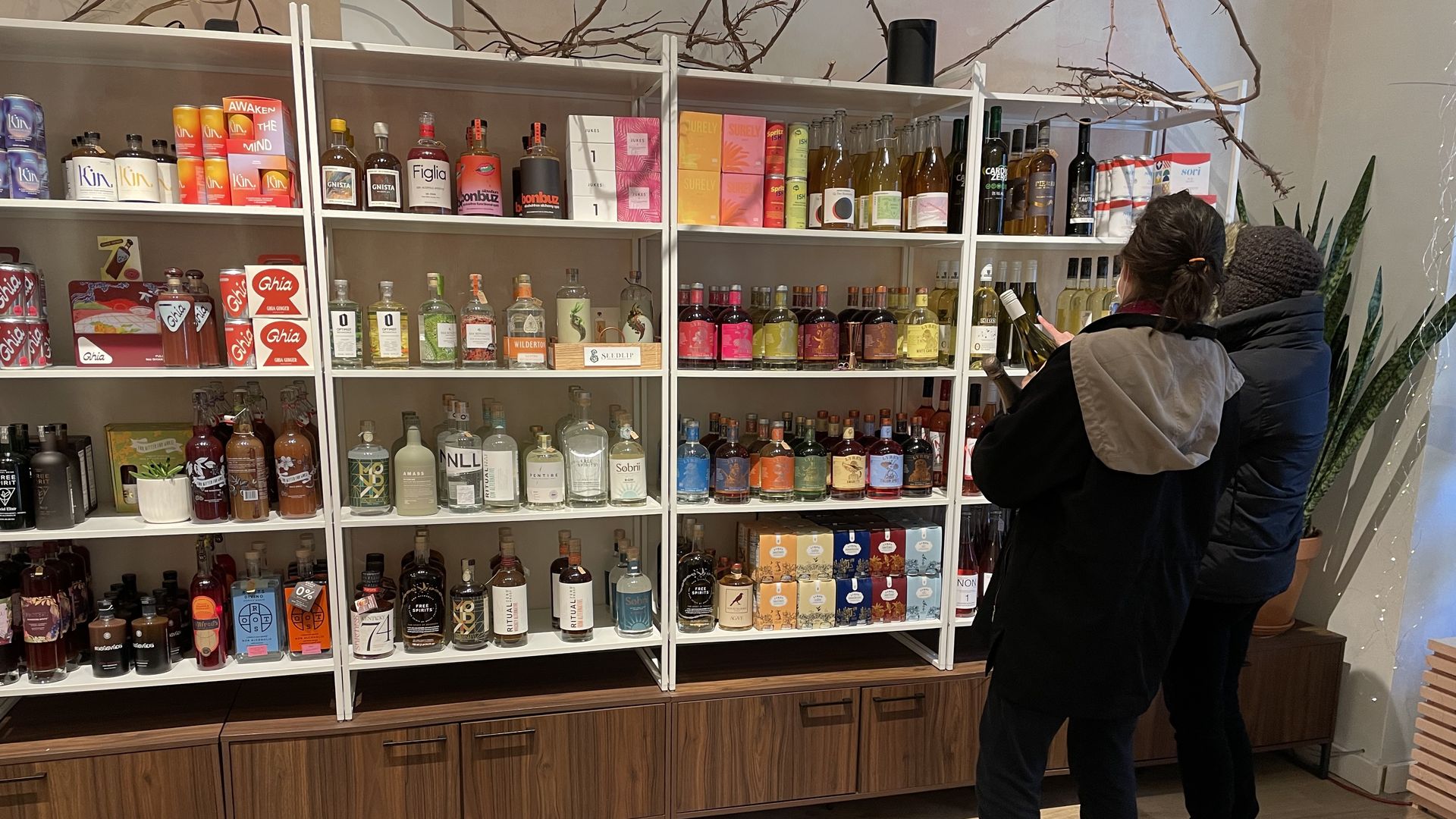
Interest in non-alcoholic beer, wine and spirits has been soaring and is expected to far outlast "Dry January," the month when people typically swear off booze.
Why it matters: Companies big and small are doubling down on the mocktail market, which is being pitched as a healthful alternative for social drinkers who want to take a day off from their nightcap.
The U.S. is likely reaching the end of the road on new vaccinations, after the U.S. Supreme Court blocked the Biden administration's vaccine mandate for large employers.
Why it matters: Cash prizes and other incentives barely moved the needle on vaccinations. So the government turned from carrots to sticks — but now it has lost its biggest stick.
President Biden will nominate Sarah Bloom Raskin as the Federal Reserve's top Wall Street cop, a Biden administration official said, one of three nominees being unveiled for the critical open seats on the central bank's board of governors.
Why it matters: It's Biden's biggest mark yet on the influential economic body that's center stage as the country grapples with inflation rising at the fastest pace in decades and a recovering labor market.
The Centers for Disease Control and Prevention's COVID-19 guidance will be optional for many cruise ships starting Saturday.
Why it matters: The CDC's framework for cruise lines was extended to Jan. 15 in October after cases spiked. Its expiration comes two weeks after the CDC issued a warning to avoid cruise travel for both vaccinated and unvaccinated people.






/2022/01/14/1642172546562.gif?w=3840)