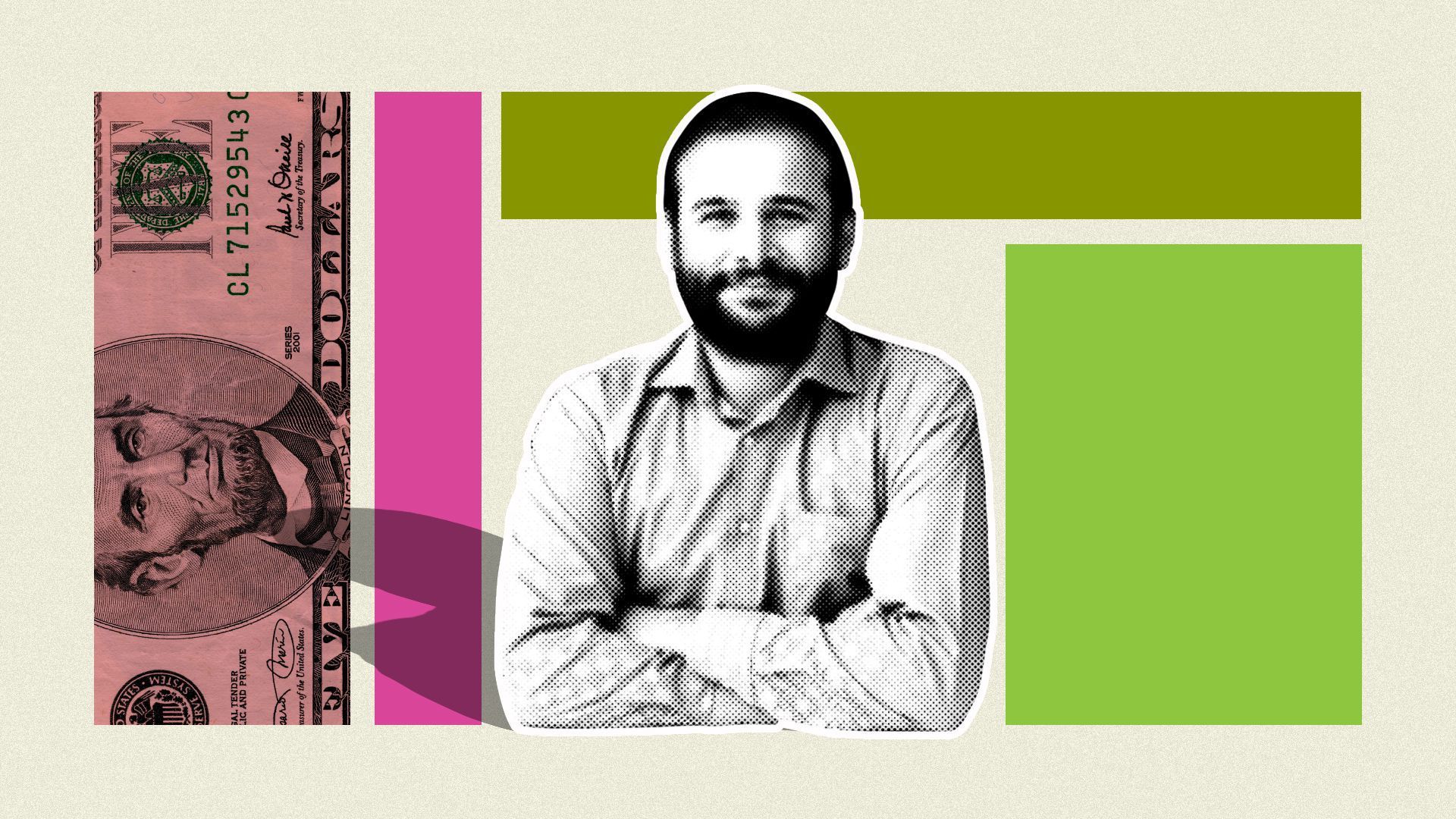
Eren Bali’s first “unicorn,” online course marketplace Udemy, is readying an IPO. Meanwhile, Carbon Health, his other company, is helping people in the U.S. get vaccinated and tested for COVID-19 — on top of running 83 clinics in 12 states.
Why it matters: Bali isn't a household name, but he's quietly built two companies that were perfectly poised to fill in gaps created by the pandemic.
Retailers are expected to sell more small, squishy toys this holiday season amid increasing shipping costs and a shortage of shipping containers for bigger toys, CNN reports.
Why it matters: Global supply chain logjams have left retailers with empty shelves for customers looking to spend more money this holiday season, Axios' Joann Muller writes.
U.S. retail sales rose in September as a result of higher gas and auto dealership sales, according to data released on Friday by the Department of Commerce.
The big picture: Higher retail sales may have been the effect of consumers buying early for the holidays out of fear of supply shortages.
Two of the world's biggest cryptocurrency exchanges laid out their respective big-picture visions for how their ecosystem should be regulated on Thursday. The differences between them are stark.
Why it matters: One of the exchanges, Coinbase, is a big and centralized American company, subject to all U.S. rules and regulations and listed on the Nasdaq. The other, FTX, is a younger, nimbler decentralized exchange of no fixed abode, willing and able to conduct most of its activity outside the reach of U.S. regulators.
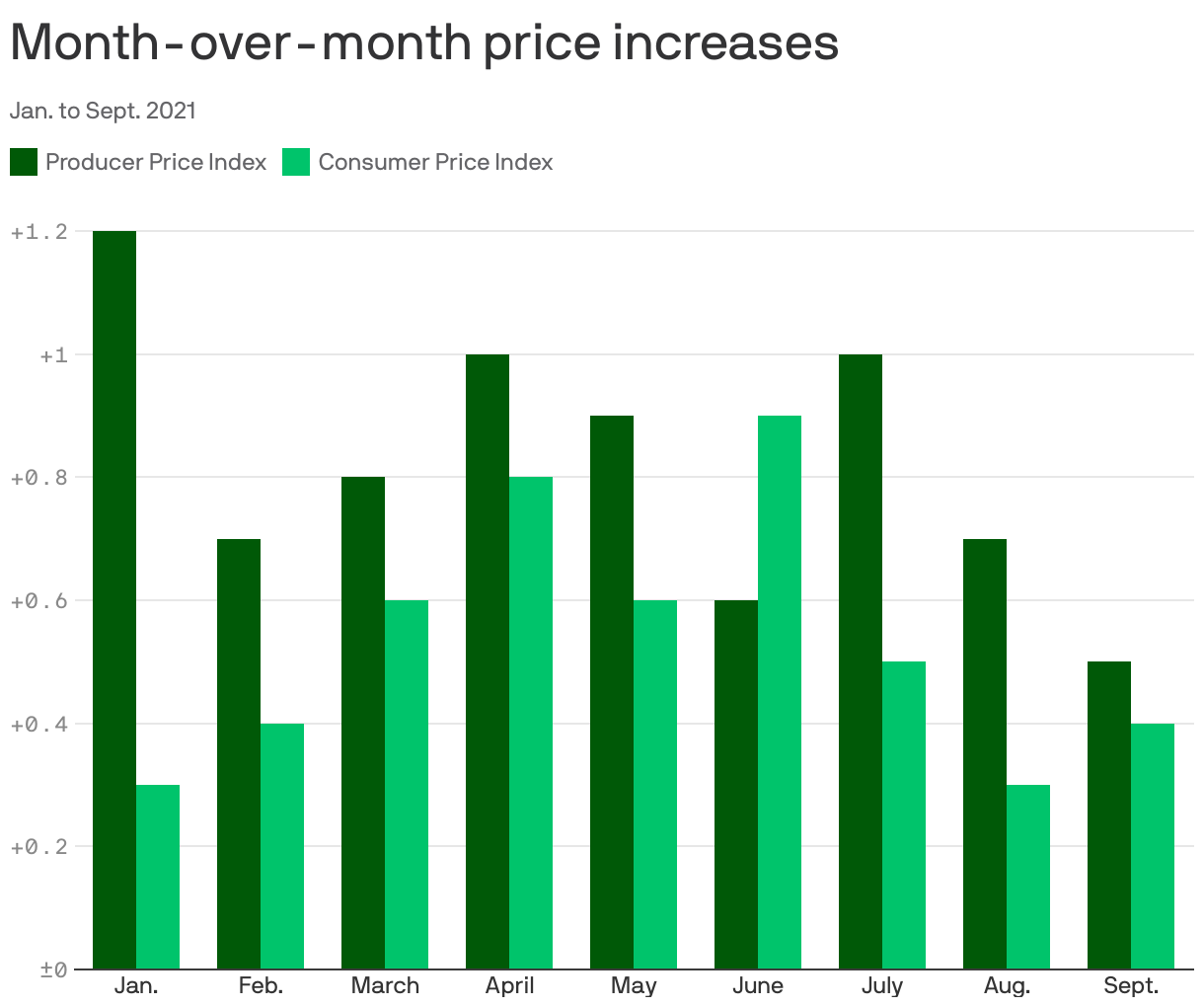
Data: U.S. Bureau of Labor Statistics; Chart: Jared Whalen/Axios
Two inflation indexes out this week, taken together, show how companies’ margins are getting squeezed.
Why it matters: Corporate earnings growth, while still historically high, is receding from record second-quarter levels. Margins will be a huge focus during Q3 earnings calls this month.
The publisher calls Auletta's 12th book "a deep dive into the life and career of Harvey Weinstein — how he rose to become one of the most iconic figures in the world of movies, how he used that position to feed his monstrous sexual appetites, and why he was allowed to operate with such impunity for so many years."
Barely a day goes by without another juicy/eyebrow-raising story about what Katie Couric has to say in her forthcoming autobiography, "Going There," which comes out on Oct. 26.
The intrigue: Forget perky (as the former "Today" co-anchor was perennially and somewhat cloyingly known). Let's take a look at who Couric does (and doesn't) throw under the bus:
Ruth Bader Ginsburg: In 2016, RBG told Couric that athletes who knelt during the national anthem showed “contempt for a government that has made it possible for their parents and grandparents to live a decent life … which they probably could not have lived in the places they came from. … As they became older, they realize that this was youthful folly. And that’s why education is important.”
Per the Daily Mail, Couric withheld those comments because she "wanted to protect Ginsburg" and said that the 83-year-old Supreme Court justice was "elderly and probably didn't fully understand the question."
Matt Lauer: Couric says she knew her former colleague was "a player," "a flirt" and "unhappy in his marriage" but didn't have firsthand knowledge of the sexual harassment issues that tanked his career, per People magazine. She told People she's no longer talking to Lauer.
Prince Harry: Couric writes that at a polo match around 2012, “a strong aroma of alcohol and cigarettes seemed to ooze from [his] every pore,” per the New York Post.
Ashleigh Banfield: People magazine says the former TV news superstar was "stunned" by Couric's admission that she felt threatened by Banfield and tried to suppress her rise.
Deborah Norville: The former "Today" co-anchor (whom Couric replaced) turned off viewers with her "relentless perfection," Couric is reported to have written.
Martha Stewart: Couric says it took "some healthy humbling (prison will do that . . .) to develop a sense of humor," according to The Daily Mail.
What they're saying: Little, Brown and Co., the book's publisher, blurbs this: "If you thought you knew Katie Couric, think again. Going There is the fast-paced, emotional, riveting story of a thoroughly modern woman, whose journey took her from humble origins to superstardom."
What's next: Couric will go on an 11-city book tour.
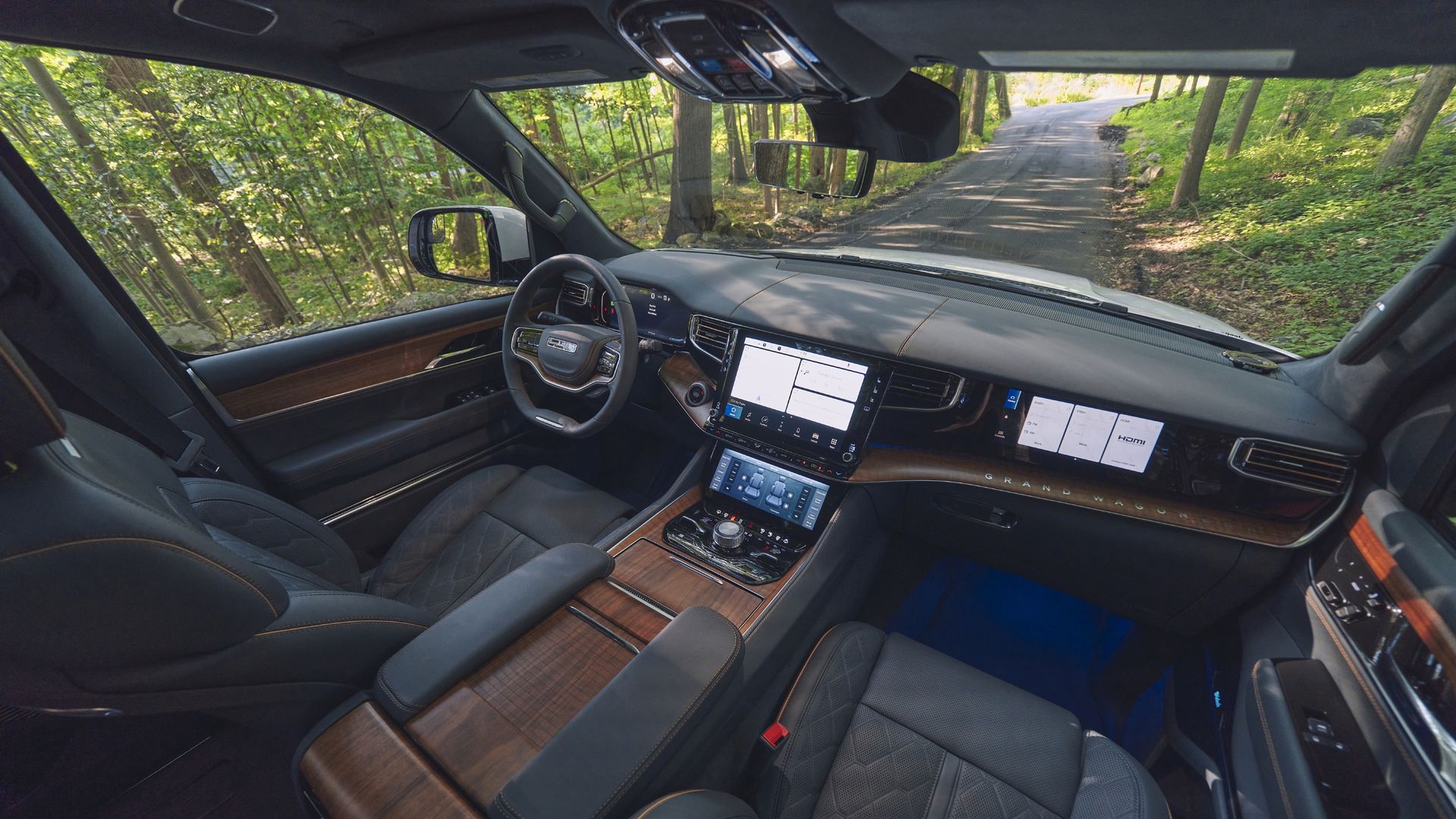
Carmakers keep testing the limit of what people will pay for an automobile packed with luxury, high-tech features. Consider the $110,000 Jeep Grand Wagoneer I drove recently.
This is the largest, fanciest Jeep ever, with a spectacular interior bathed in dark walnut and supple leather that's outfitted with every tech gizmo you could want.
It's hard to imagine off-roading in this luxury yacht — though it has a 10-inch ground clearance and can ford two feet of water.
But that's not the point: this SUV is about exploring the reaches of American opulence.
The big picture: The Stellantis-owned brand known for its iconic and rugged Jeep Wrangler has already mined the low end of the SUV market with the Cherokee, Compass and Renegade. So now it's pushing the other end of the spectrum, taking on premium full-size SUVs like the Cadillac Escalade and Lincoln Navigator.
Details: The stately, upright Grand Wagoneer is massive and hard to maneuver — though the 360-degree, bird's-eye camera helps — yet it's still surprisingly refined and comfortable on the highway.
It's powered by a 6.4-liter V-8 engine which gets an EPA-rated 13/18 mpg city/highway.
It comes in five trim levels, ranging from about $90,000 to $110,000. (A slightly less grand model — the similarly sized Jeep Wagoneer — starts around $69,000.)
There are screens everywhere — including a 10-inch front passenger screen that has a special privacy filter to prevent distraction for the driver.
Second-row passengers have a 10-inch touchscreen between the captain's chairs, and individual screens mounted on the seatbacks in front of them.
Are we there yet? The Grand Wagoneer and Wagoneer are the first in the industry to come with Amazon Fire TV for Auto, which lets passengers stream content from Amazon Prime, Netflix, Hulu and YouTube, among others.
When you sync the system to an existing Amazon account, you can even pause programming in your home and resume watching in the car.
A fun feature lets kids track the trip's progress, and the time to destination, just as airline passengers can.
There's also a rear-seat monitoring system that lets drivers see passengers seated behind them on a video feed.
There are some surprises too, like an optional cooler in the front center console or a touchpad-controlled safe to stow valuables under the split front armrest.
The bottom line: You have to wonder if it's worth spending $110,000 on a Jeep, but if you've got the money, the Grand Wagoneer won't leave you asking for anything more.
Airbnb CEO Brian Chesky foresees a travel spike at year's end as workers cash in a flood of use-it-or-lose-it paid time off.
Driving the news: "We're going to be entering ... a new golden age of travel, where suddenly people ... have a record accrual of PTO and they've been landlocked," Chesky told me during a wide-ranging interview for "Axios on HBO."
There are those speculating whether Fed chair Jerome Powell gets another term. Then there are those speculating with real money on the line.
Why it matters: The explosion in retail trading is one sign of the flush consumer's betting fervor. The amped up rush to wager on political outcomes — like who's next to lead the Fed — is another.
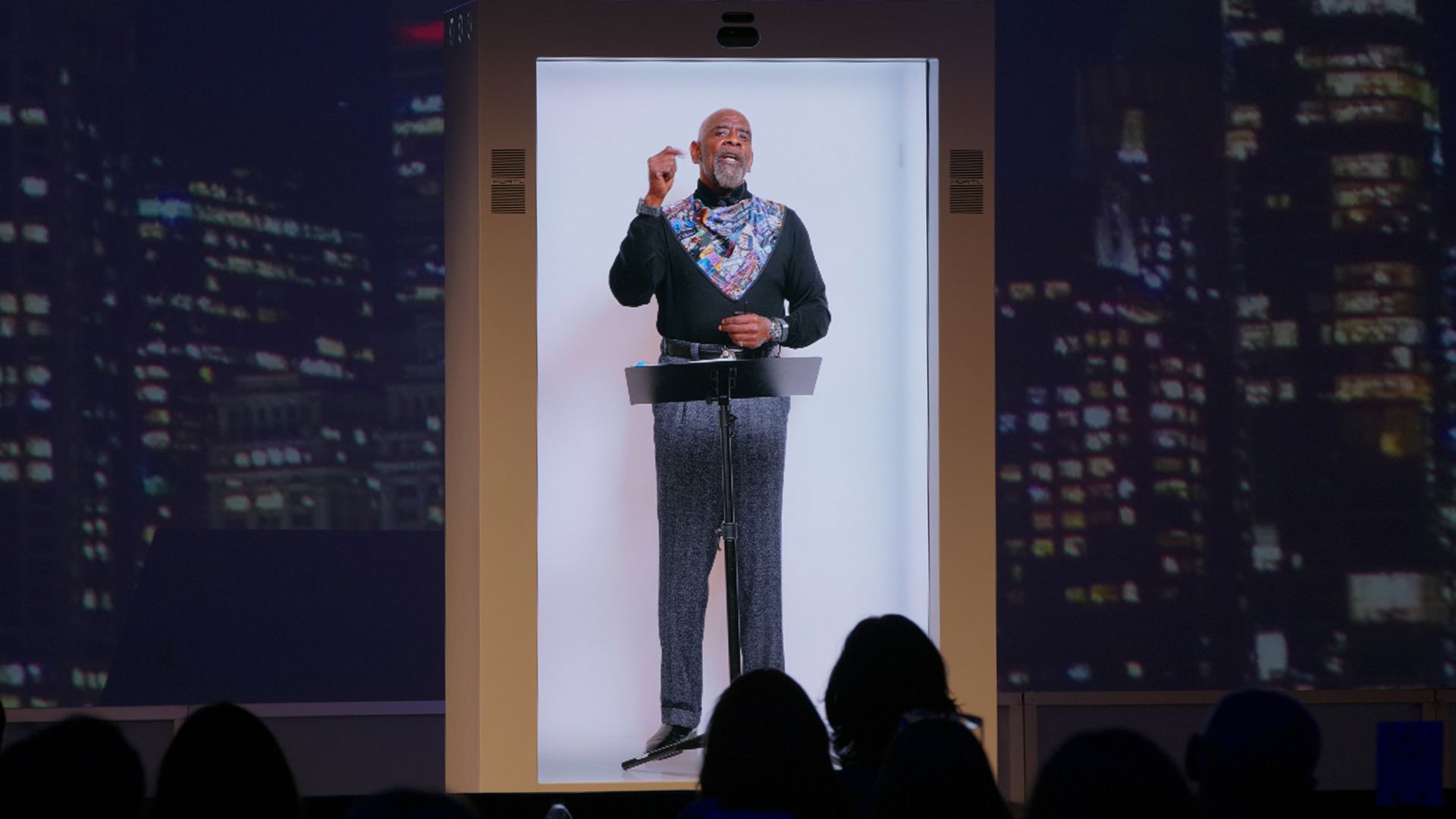
A company called PORTL sells a 7-foot-tall booth into which you can beam a 3-D image of yourself anywhere in the world.
Why it matters: In the age of COVID-19, it's valuable to have a way to project someone realistically from Point A to Point B. The technology, while still a bit expensive and cumbersome, can make anything from classroom learning to celebrity appearances and business meetings more vivid and compelling.
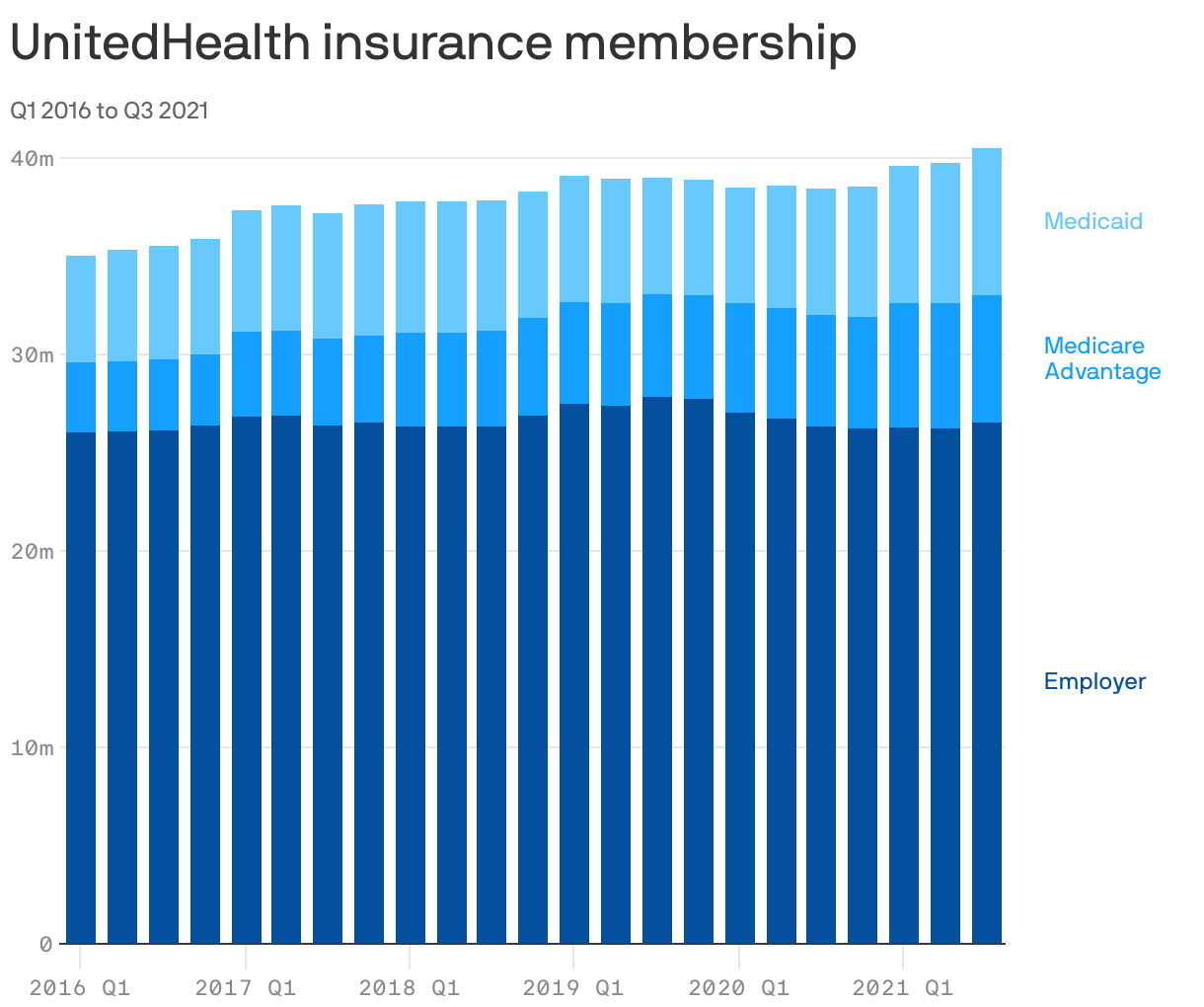
UnitedHealth Group raised its profit projections for the rest of 2021 even though the insurer covered 60,000 COVID-19 hospitalizations during the third quarter, a number that was "meaningfully above the second quarter," executives said Thursday.
Why it matters: Health insurers expected to incur higher COVID costs in the quarter after the Delta variant ran rampant over the summer, especially in states with low vaccination rates. But UnitedHealth's COVID costs fell in line with its projections and were offset by some providers delaying care again.