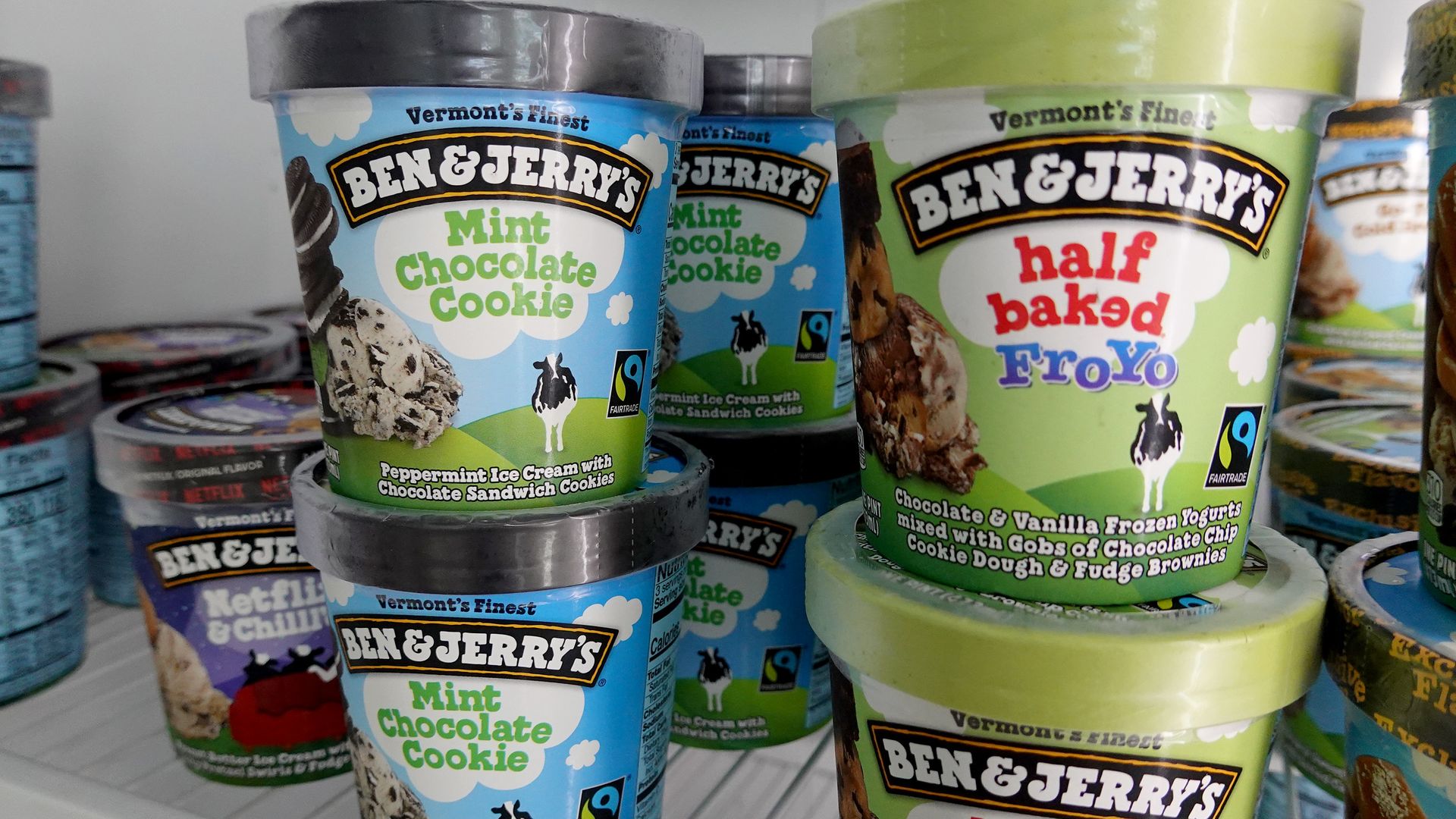
Grocery stores could have limited quantities of a number of products heading into the holidays after some of the country's biggest food manufacturers say they're short on supply, CNN reports.
Driving the news: Many companies have told grocers that they'll be short on supply due to labor, commodity and transportation constraints restraining supply chains, according to CNN.
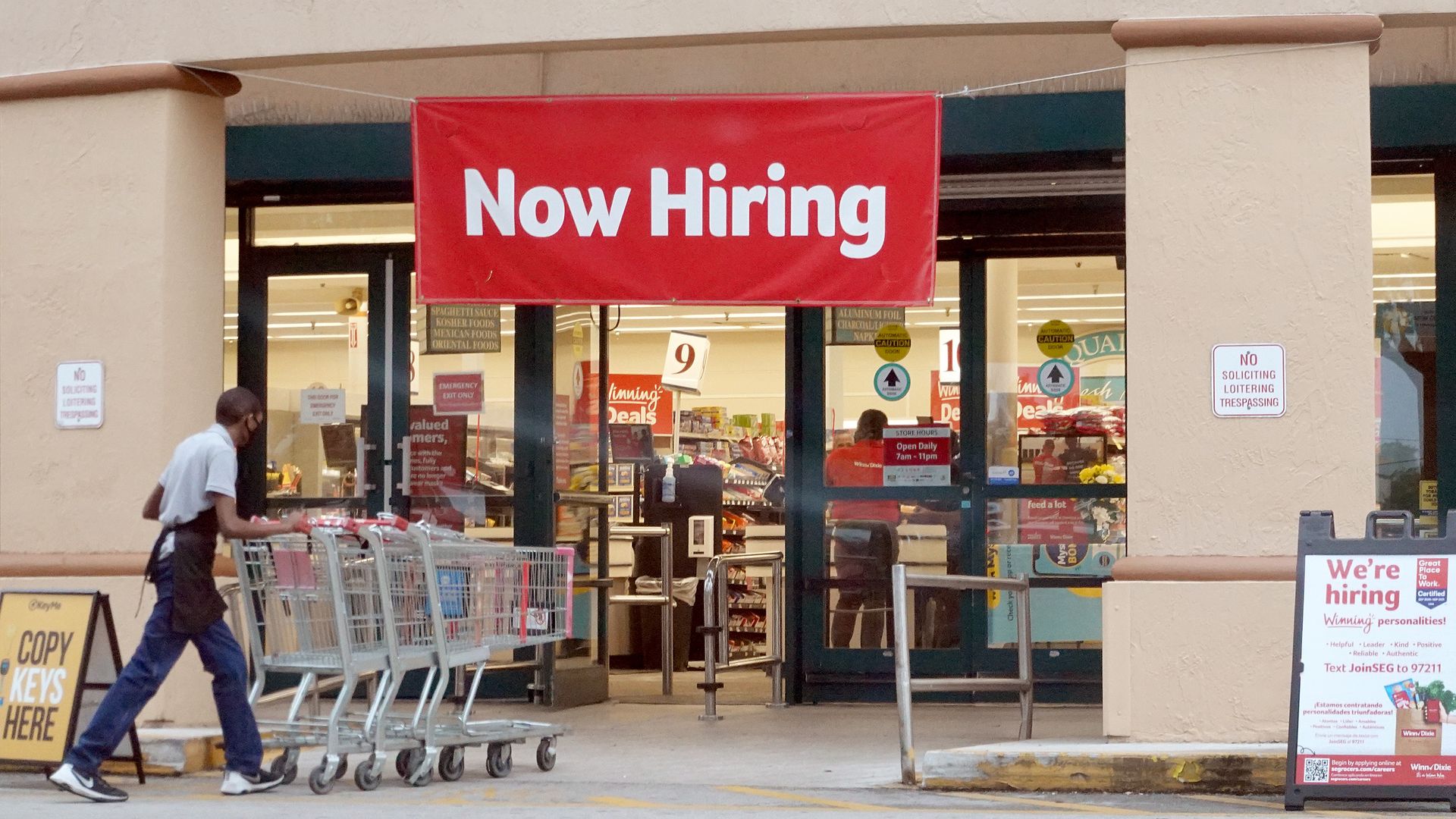
School is back, but the workers — teachers, bus drivers and more — are not.
Why it matters: The education hiring slowdown (which helps explain Friday morning’s weak jobs report) is partially a byproduct of the biggest hurdles to labor market recovery.
The first person charged with fraudulently seeking pandemic relief loans was sentenced to 56 months in federal prison on Thursday, according to the Justice Department.
Why it matters: The DOJ has increasingly cracked down on fraud stemming from the Paycheck Protection Program. Over 500 people have been charged with pandemic loan fraud, per Reuters.
State of play: Over 130 nations backed a 15% minimum global tax rate after years of negotiations. Smaller countries — such as Ireland, Hungary and Estonia — were against raising corporate tax rates because international businesses were attracted in locations that had lower tax rates, per CNBC.
Global venture capital funding hit an all-time record in Q3, topping $158 billion, per a report from CB Insights.
Driving the news: That's more than double the Q3 2020 total, and more than any full-year totals before 2018. Or, put another way, startups raised more in three months of 2021 than during the entire dotcom boom years of 1999 or 2000.
Bank of America will pay its U.S. workforce at least $21 an hour, the bank announced Wednesday.
Why it matters: The increase — which means a large portion of the bank's 174,000 workers in the U.S. will get raises — puts Bank of America at nearly three times the minimum wage of $7.25 per hour, per CBS News.
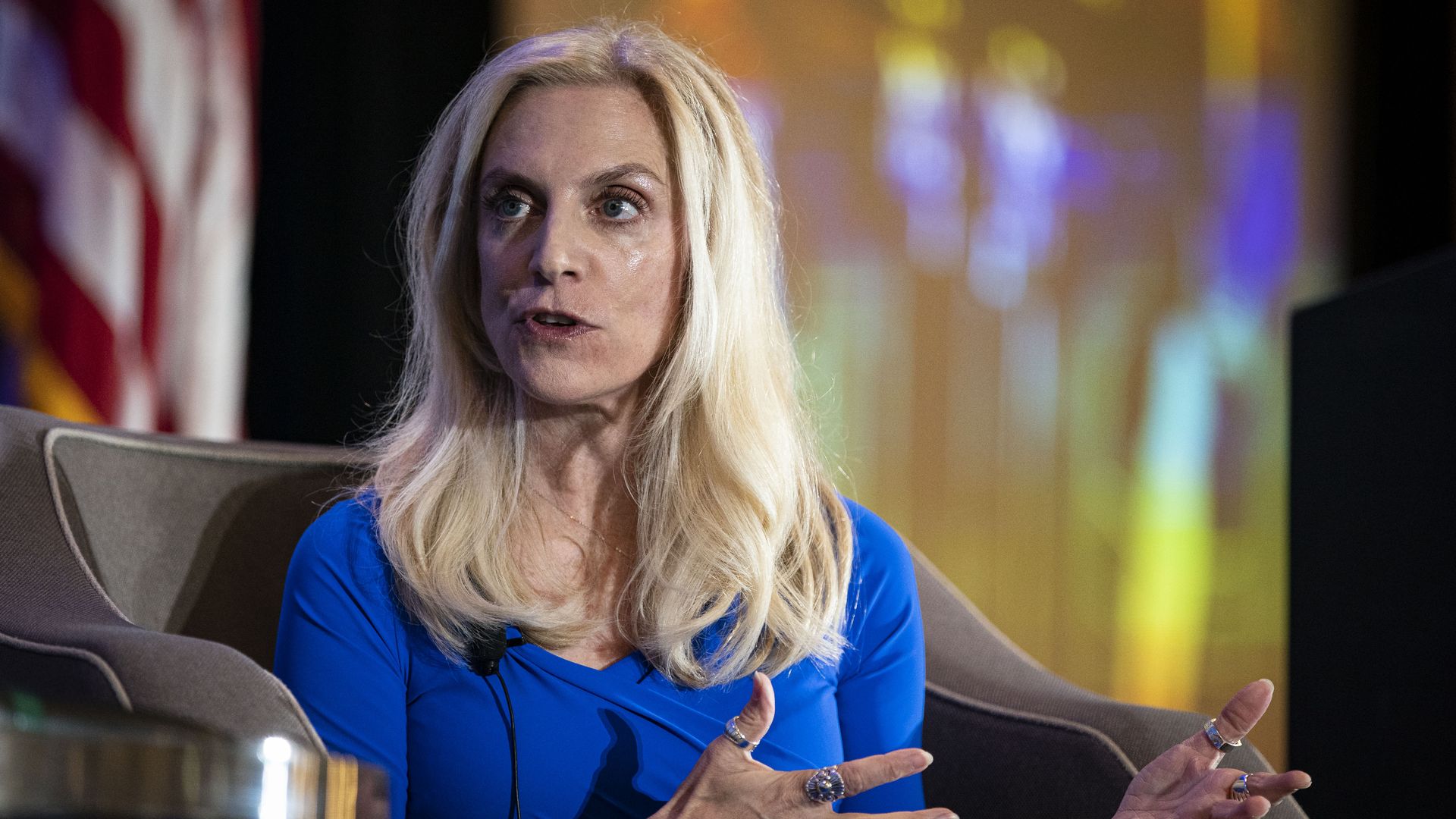
Fed governor Lael Brainard is filling in more blanks about how the central bank could weigh and limit financial institutions' exposure to climate risk.
Driving the news: "I anticipate it will be helpful to provide supervisory guidance for large banking institutions in their efforts to appropriately measure, monitor, and manage material climate-related risks," she said in a speech Thursday.
America registered disappointing job growth for the second month in a row.
By the numbers: Just 194,000 jobs were created in September, a significantly slower pace than the 366,000 number a month earlier. Economists had been hoping and expecting to reach at least 500,000 this time around.
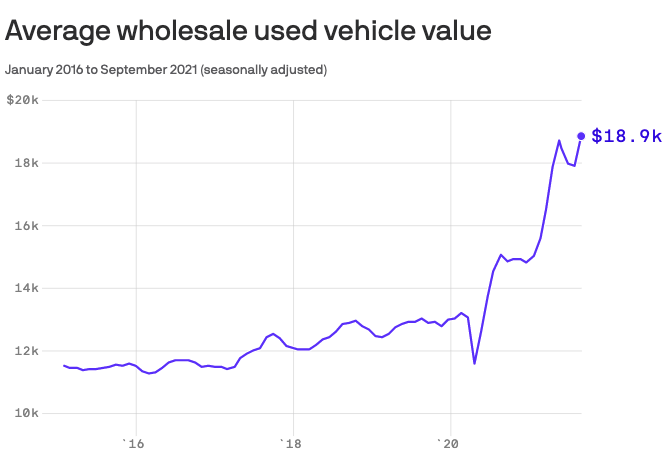
Data: Manheim Used Vehicle Value Index; Chart: Axios Visuals
Used cars are the poster child of the pandemic economy — and prices are on the way up again.
Driving the news: After two months of cooling wholesale used vehicle prices (what dealers pay), costs increased 5.3% in September from their August levels.
The stock market roller coaster ride this week was real.
Why it matters: This year was on pace to notch a rare milestone: a full 12-months without a pullback of more than 5% in the S&P 500 — until this week helped tip it further out of the running.
If you haven't heard of "Squid Game," a Netflix series that has taken South Korea by storm — and seems poised to do the same in the U.S. — here's what you need to know:
"Squid Game" is a nine-episode miniseries with a "Hunger Games"-type plot, set in a dystopian world in which desperate people compete in deadly children's games to win a huge cash prize.
Dissident journalists Maria Ressa and Dmitry Muratov were awarded the 2021 Nobel Peace Prize "for their efforts to safeguard freedom of expression," which the Nobel Committee described as "a precondition for democracy and lasting peace."
Ressa, who co-founded the Philippine news site Rappler in 2012, has been prosecuted for her reporting on Philippine President Rodrigo Duterte and his government's deadly anti-drug campaign.
Muratov is the founder of Novaya Gazeta, described by the committee as "the most independent newspaper in Russia today."
Money is flowing heavily into the business of medical billing as hospitals and doctors — whose revenues were disrupted by the coronavirus — focus on maximizing every dollar they can collect from patients and insurers.
The big picture: The rise and even existence of the billing industry is the result of a fragmented system that is designed around multiple types of insurance plans and a system that has increasingly forced patients to shoulder more of the costs of their care.
Whatever it is you might want or need — at work, at play or at home — you’re going to have to wait.
Why it matters: There is simply no escaping the complex web of labor, product and service shortages unleashed by the pandemic, and this era of disruption is nowhere close to ending.
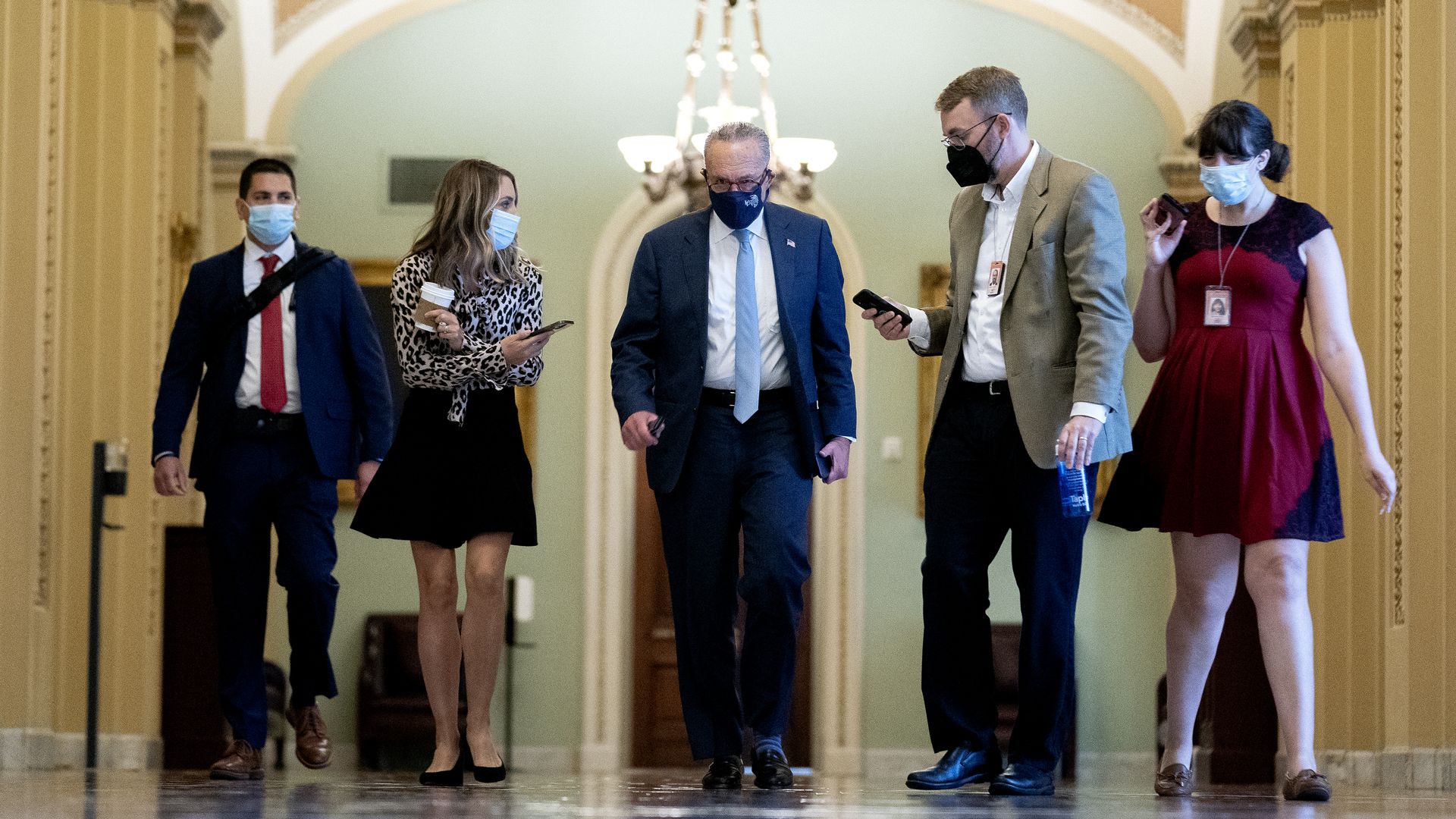
The Senate voted 50-48 on Thursday night, passing an agreement to raise the federal debt limit by $480 billion through Dec. 3. The bill now goes to the House, where there is a clear Democratic majority.
Why it matters: The deal, struck early Thursday by Senate Majority Leader Chuck Schumer (D-N.Y.) and Minority Leader Mitch McConnell (R-Ky.), would avert the threat of the U.S. defaulting on its debt as of Oct. 18. Treasury Secretary Janet Yellen had warned that unprecedented move could trigger a recession and have global ramifications.