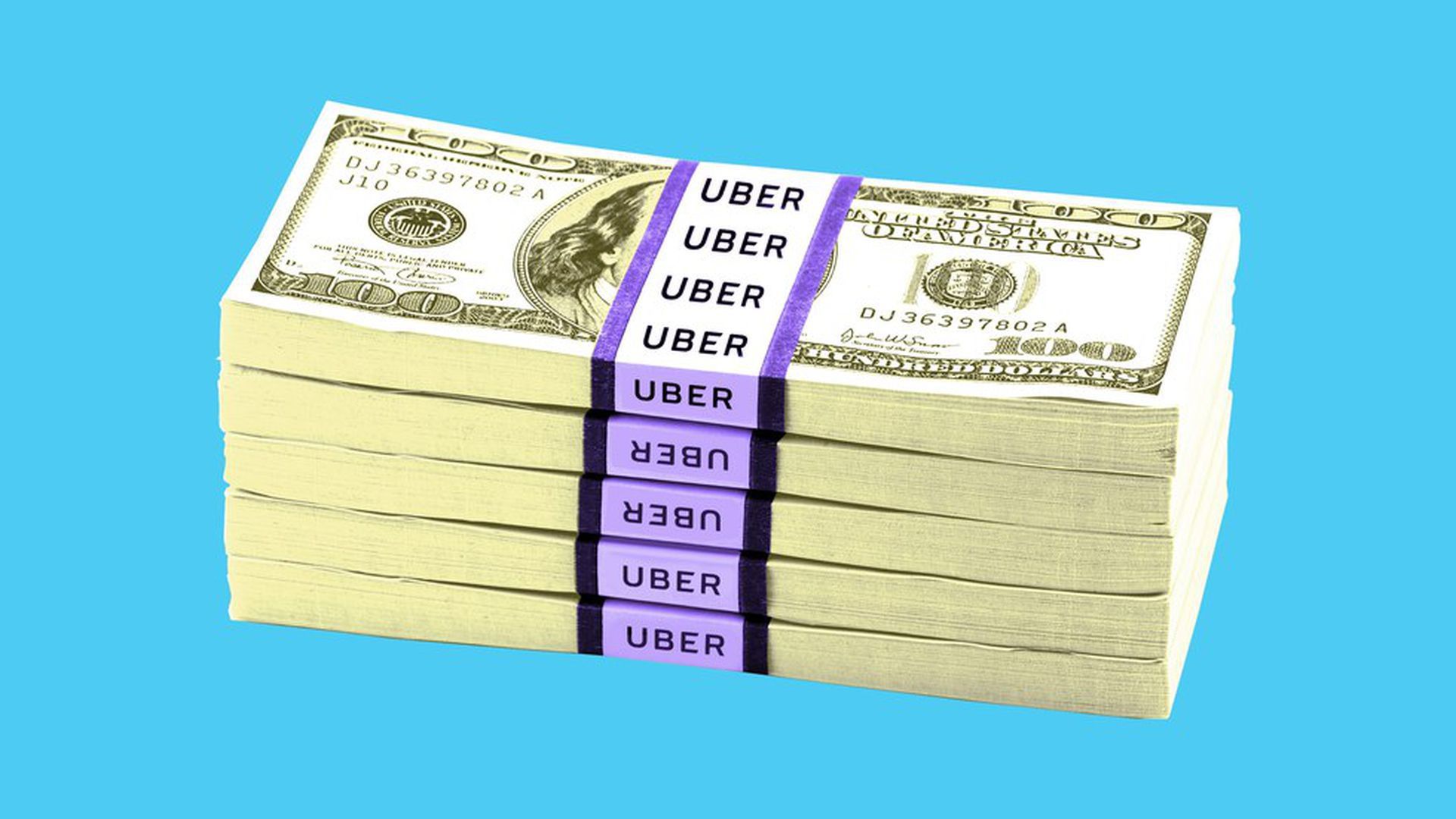
Uber posted an unexpected profit for the second quarter, and beat analyst expectations with revenue of $3.9 billion and earnings per share of $0.58.
Why it matters: Uber benefited from unrealized gains of $1.4 billion and $471 million from its stakes in Didi and Aurora, respectively—just two of the ride-hailing company's portfolio of such investments.
One definition of a meme stock: Any publicly listed company whose stock becomes a speculative vehicle beloved of retail investors armed with small-dollar Robinhood accounts. To no surprise, Robinhood itself has now become one of those stocks, just a few days after going public last week.
Why it matters: Robinhood is one of the most high-profile disruptive fintechs to have gone public. There's irony and symbolism to its stock price ceasing to be a reflection of corporate fundamentals and instead becoming a short-term gambling mechanism. But that transformation effectively removes an important valuation signal that investors might otherwise have found very helpful.
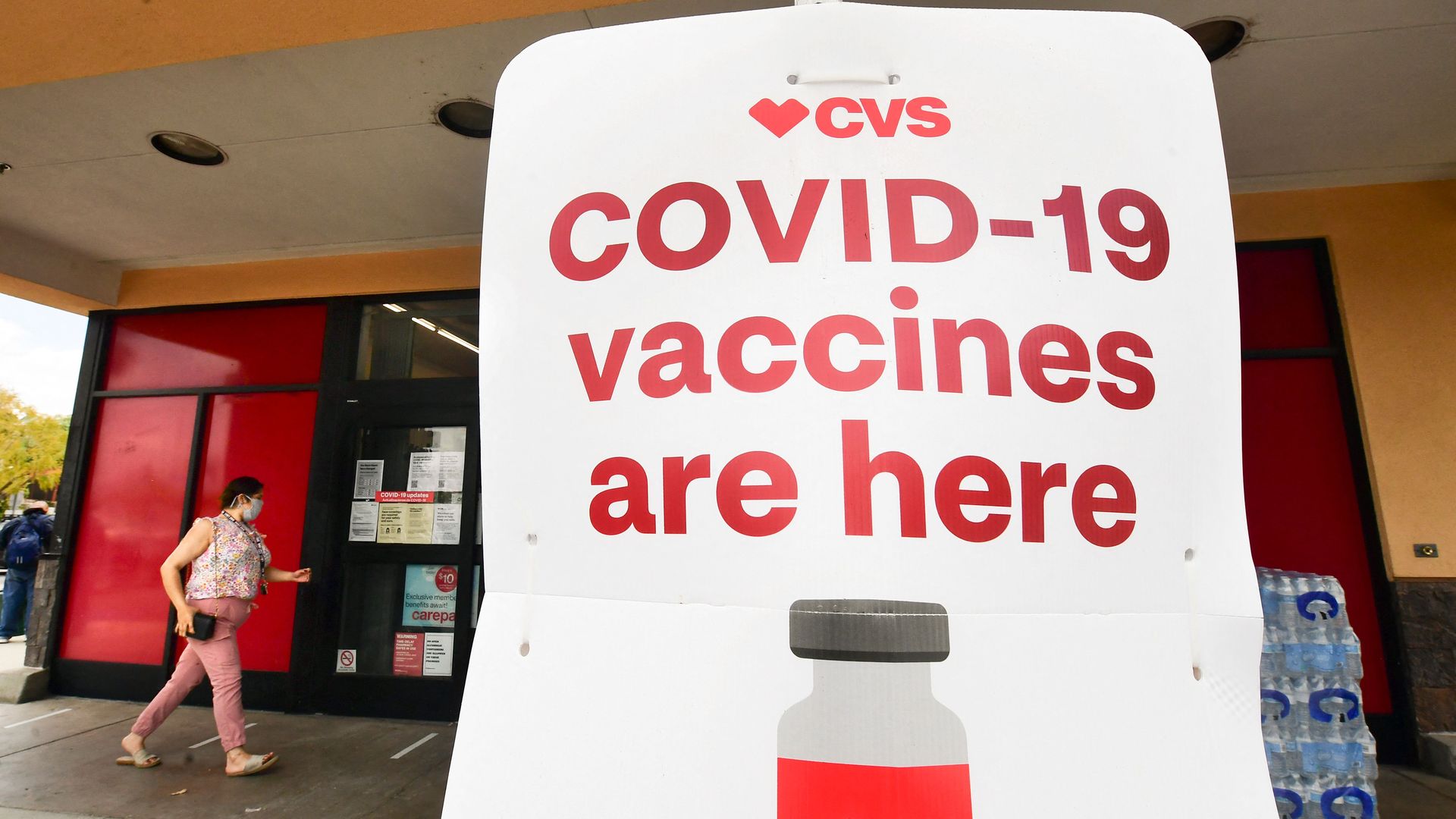
Demand for COVID-19 vaccines has increased at Walgreens and CVS stores in the past month after slow uptake in May and June.
Why it matters: Vaccinations are vital to slow the spread of the Delta variant, and the amount of rising coronavirus cases appears to be nudging some unvaccinated people into a pharmacy.
Puck, a splashy new digital media company, is coming out of stealth mode, Axios has learned. The company debuted its landing page, puck.news, on Wednesday, and will officially launch its website in September.
Why it matters: The company has been quietly building a roster of top talent, but hadn't confirmed its branding or exact business plans up until now.
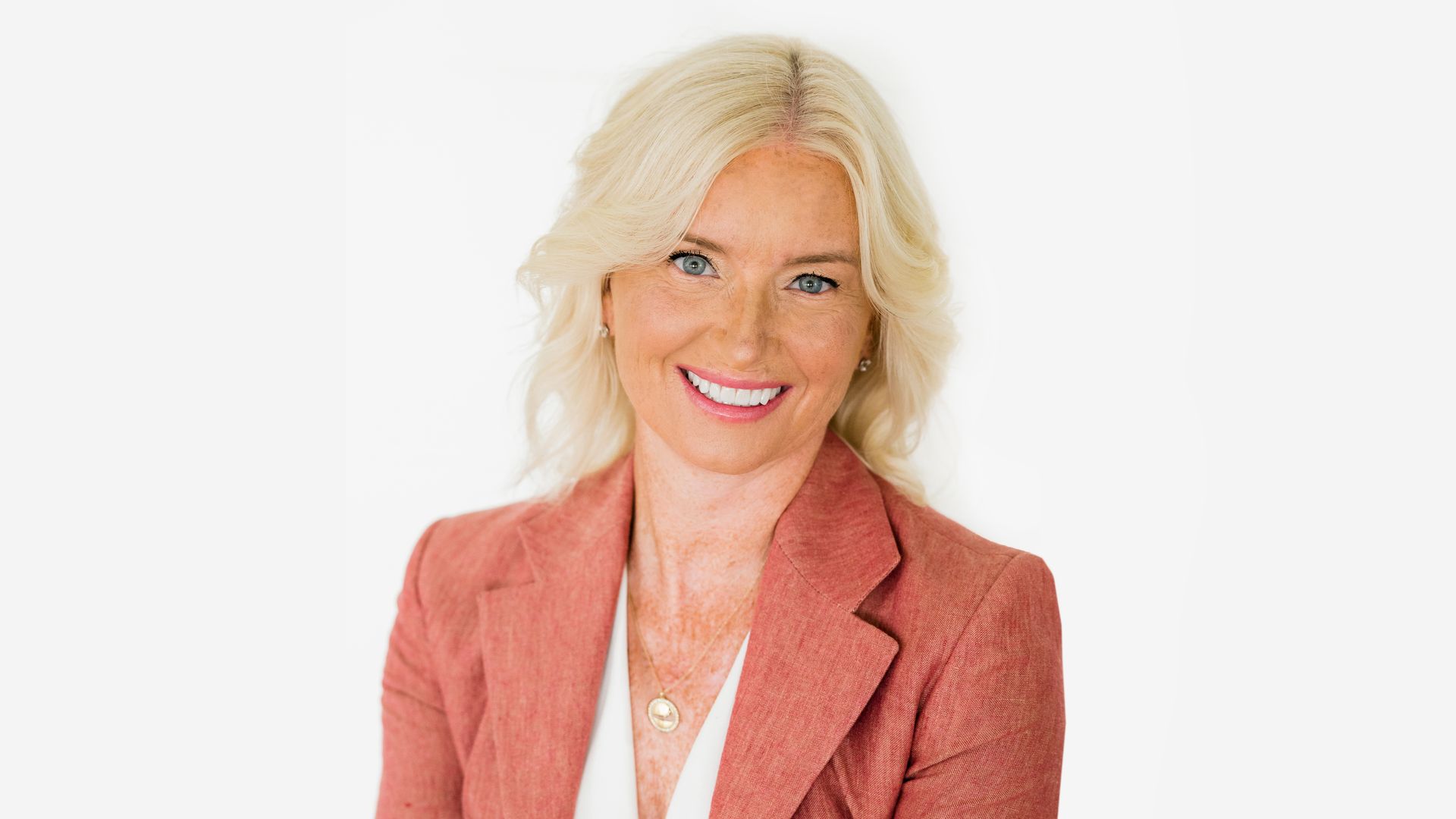
Carolyn Everson, Facebook's former head of global ad sales, has joined Instacart as president, the company tells Axios.
Why it matters: She joins a growing list of former Facebook employees joining Instacart. Everson will report to the company's new CEO Fidji Simo, who was previously head of the Facebook app.
Spanish soccer league La Liga has agreed to sell 10% of its commercial business to CVC Capital Partners for around $3 billion.
The bottom line: "If approved by the league's clubs, the deal could help the league’s cash-strapped teams, including giant ones like F.C. Barcelona, repair their finances and ease a cash crunch caused by the coronavirus pandemic," the New York Times writes.
What a week for cryptocurrencies in Washington. SEC chairman Gary Gensler spent Tuesday in the spotlight when he said at the Aspen Security Forum that not only does he believe virtually all initial coin offerings are securities, but that token exchanges are very likely facilitating trading of unregistered securities.
What they're saying: "While each token's legal status depends on its own facts and circumstances, the probability is quite remote that, with 50 or 100 tokens, any given platform has zero securities," said Gensler.
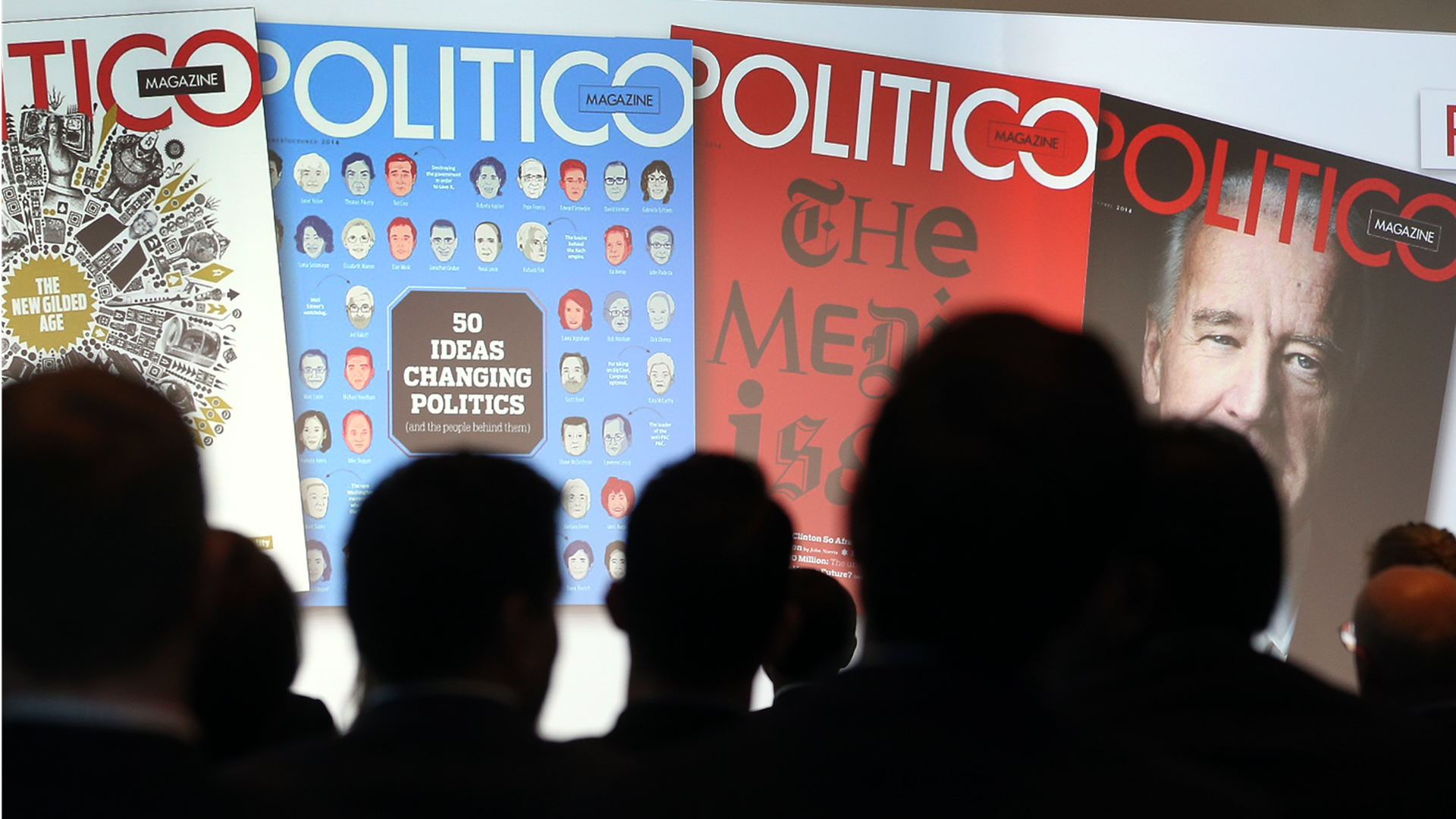
Members of Politico's newsroom are actively mounting an effort to unionize with the NewsGuild, sources tell Axios.
Why it matters: Politico's newsroom is one of the largest newsrooms to have resisted organizing efforts in the past. A successful unionization drive would be a major win for newsroom labor groups.
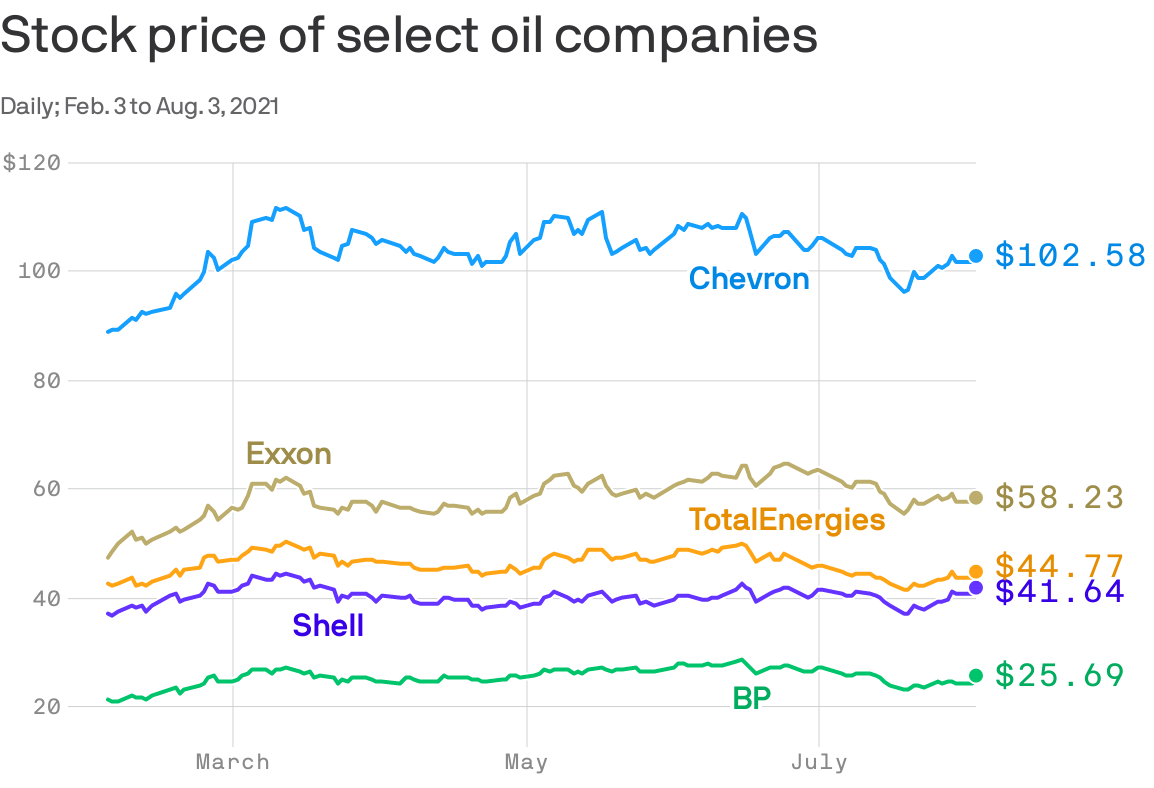
The just-concluded Big Oil earnings season highlighted two things at once: The sector's on far more solid footing than last year, but still faces big headwinds.
Driving the news: BP's stock rose 7% Tuesday after it reported a $2.8 billion Q2 profit after losing $6.7 billion that period last year, and announced higher dividends and new share buybacks.
The New York Times on Wednesday said it added 142,000 paid digital-only subscriptions last quarter, 65,000 of which were for its non-core news products, like cooking, games and audio.
Why it matters: It's the highest percentage of non-core news subscriptions that The Times has added in its history. The Gray Lady has leaned more heavily into non-news products in recent years to offset news cycle turbulence.
Credit card balances recently ticked higher, but remain well below pre-pandemic levels. However, consumers are charging much more than those balances might suggest.
Why it matters: Higher credit card balances are considered a rough proxy for spending activity and consumer confidence.
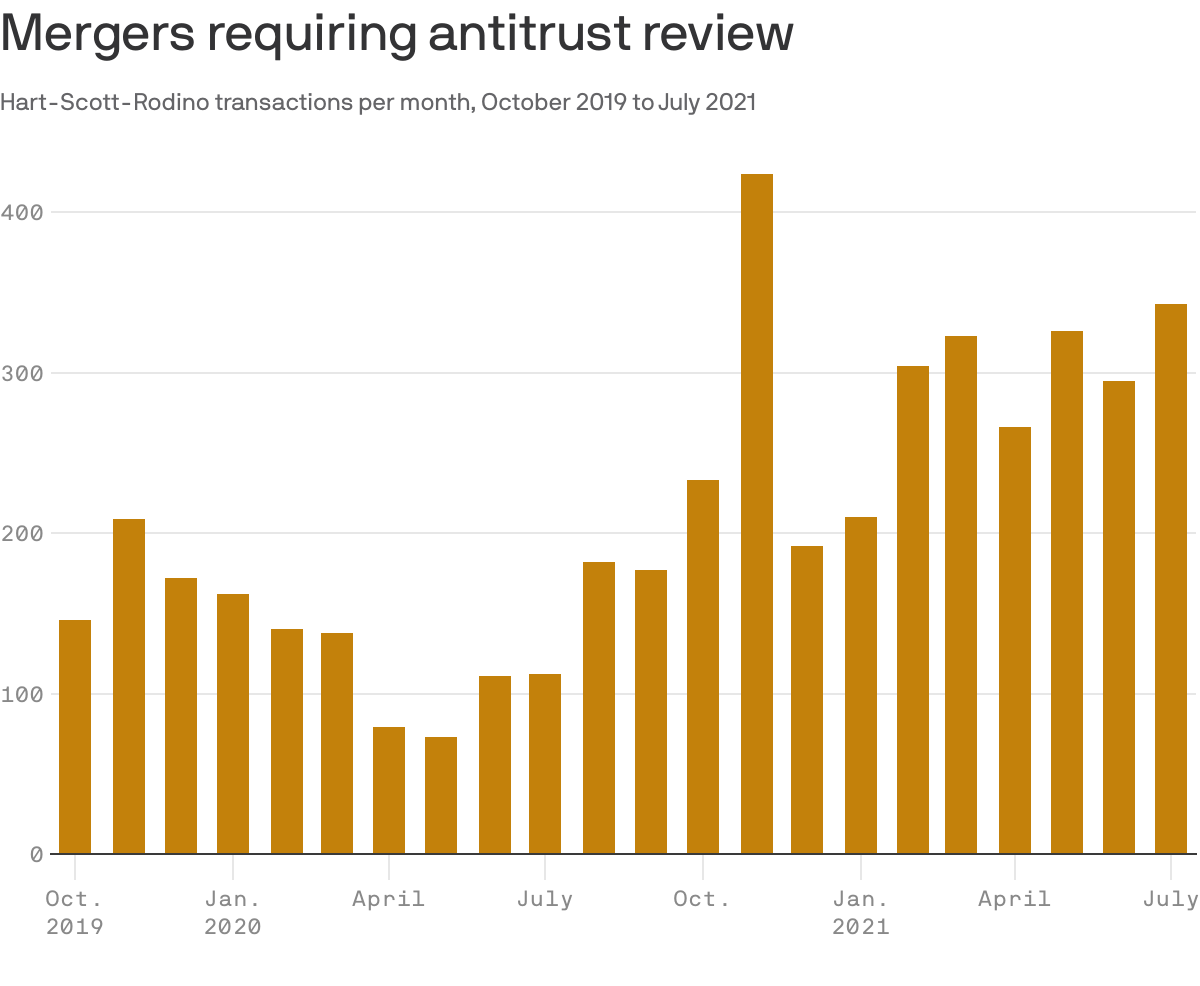
The Federal Trade Commission can't keep up with the "tidal wave" of mergers that need its careful scrutiny.
Driving the news: The FTC said Tuesday in a blog post that it won't be able to finish reviewing all the deals on its plate within its standard 30-day period — and that it will notify companies via form letter if a review remains open longer than 30 days.
Half of America'ssmall businesses are likely or certain to require their on-premise employees to be vaccinated, according to a Morning Consult poll of small businesses commissioned by American Express. That compares to 31% who say that such a mandate is unlikely or that they certainly won't impose one.
Why it matters: Many large businesses, from Facebook to Morgan Stanley, have announced vaccine mandates. New York City restaurants and gyms are also going to be fully vaxxed as of next month.
A new high-performance electric scooter is being billed as the transportation solution for urban residents who want an EV but don't have dedicated parking and can't exactly hang a charging cable out their apartment window.
What's happening: The $7,495 Zapp i300 is positioned as a daily commuter vehicle for urban dwellers — offering the convenience of a scooter and the performance of a motorcycle. Debuting this month in Paris, it's headed to Asia and the United States next year.
Companies that were eager to call employees back to the office are delaying those return dates as coronavirus infections keep rising.
The big picture: The Delta variant is throwing us back into the thick of pandemic-era living, with new restrictions at restaurants and gyms and complications to return-to-work plans.
Banks are coming under fire from all sides for their role in funding fossil fuel companies, even though most have pledged to pull back over the coming decades.
What's happening: Despite pressure from activists, shareholders and Democratic politicians to finally divest from carbon-spewing businesses as the planet warms, the biggest American banks are still energetically backing dirty energy.
Sales of AbbVie's blockbuster anti-inflammatory drug Humira have declined internationally, as cheaper copycats known as biosimilars gain more traction in Europe. But Humira sales continued to rise in the U.S. last quarter because Humira biosimilars are locked out of the country until 2023.
Why it matters: Cheaper versions of Humira exist, but Americans don't have access to them due entirely to AbbVie's "legal strategy" of delaying entry.
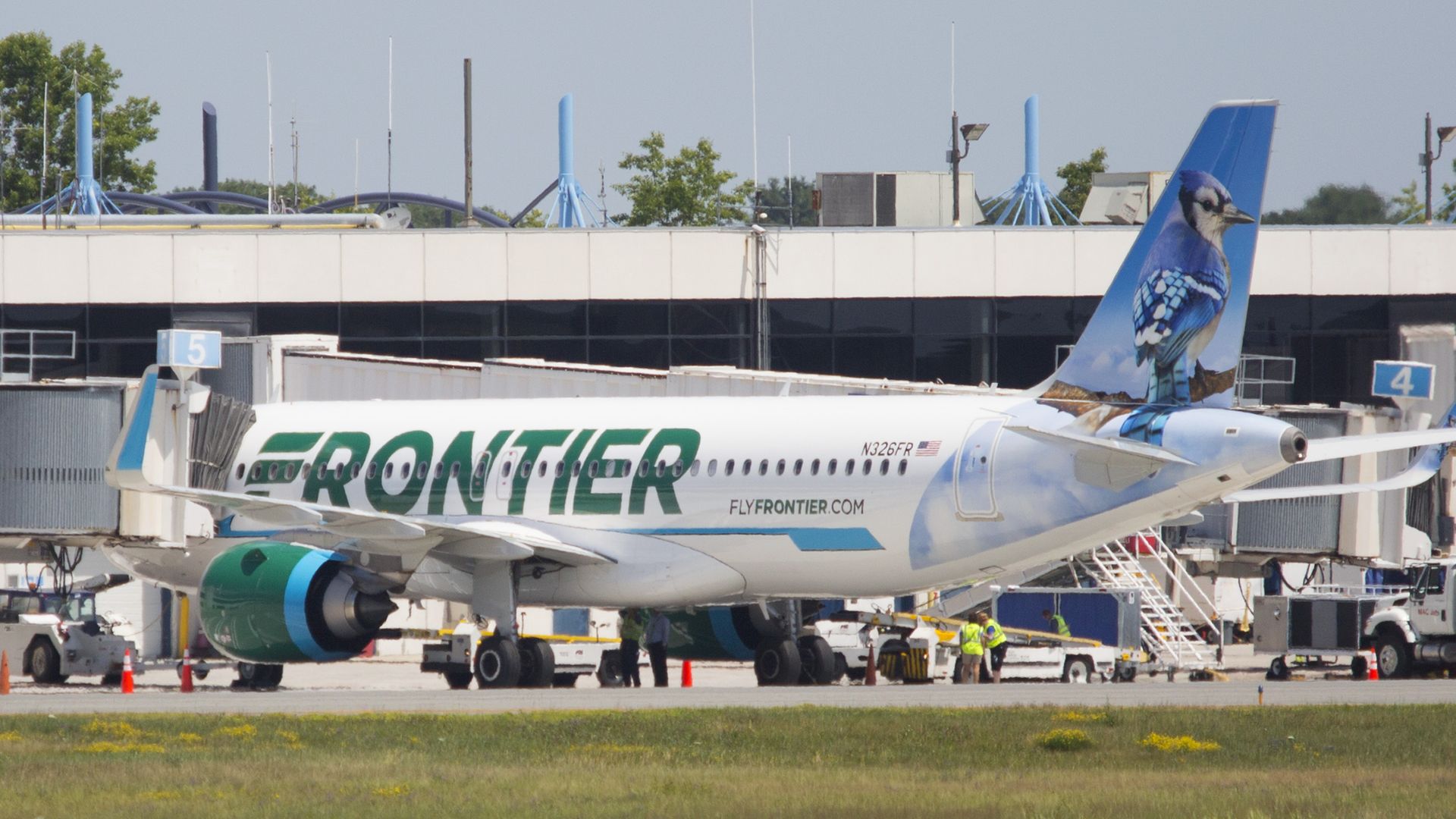
A Frontier Airlines passenger was arrested for allegedly groping the breasts of two attendants and punching a third before being taped to his seat for the remainder of his flight from Philadelphia to Miami, per multiple reports.
The big picture: It's been an unprecedented year for reports of unruly and violent airline passengers, with the Federal Aviation Administration dealing with hundreds of cases despite announcing in January a new "zero tolerance" policy.