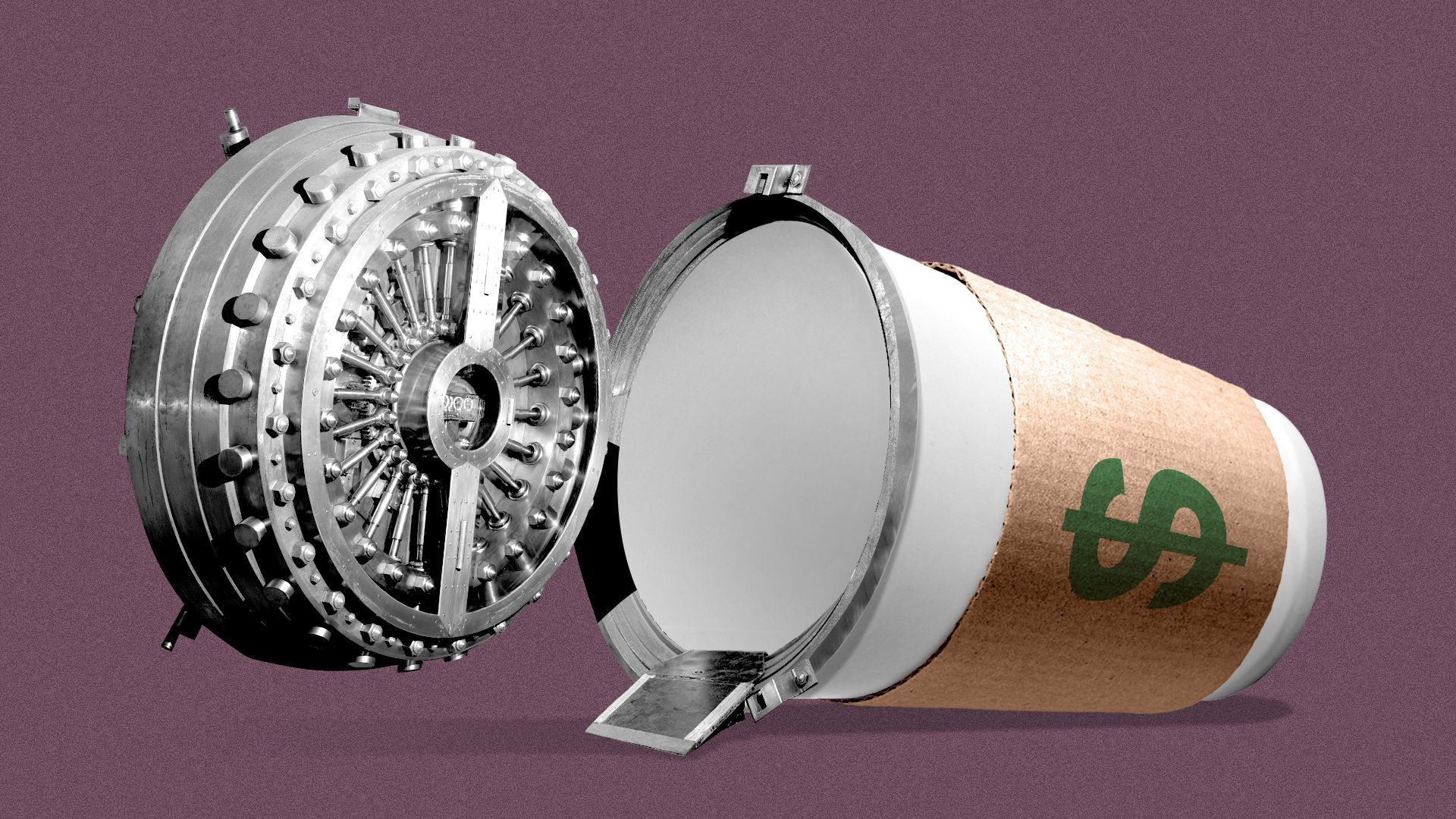
Bank branches were once a staple of neighborhoods across America. Now they are closing by the thousands.
Why it matters: Like the transformation of brick-and-mortar retail, bank branches are trying to evolve from places to buy stuff into places to have an experience.
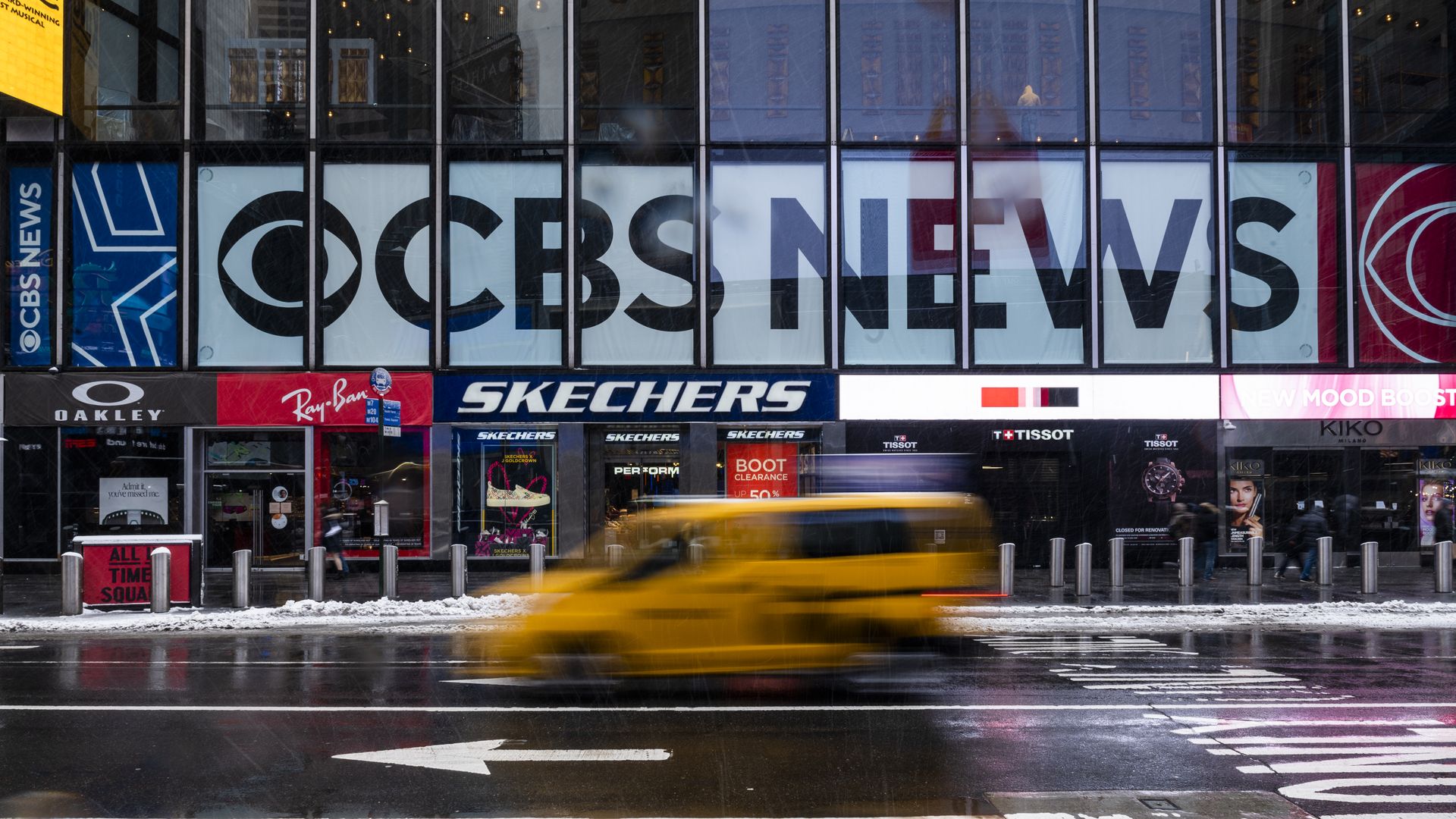
CBS Evening News executive producer Jay Shaylor is exiting amid reorganization of the show's management, sources tell Axios.
Why it matters: It's the second major leadership shakeup at the show in the last few years. The program has struggled for years to compete for ratings with evening news at ABC and NBC.
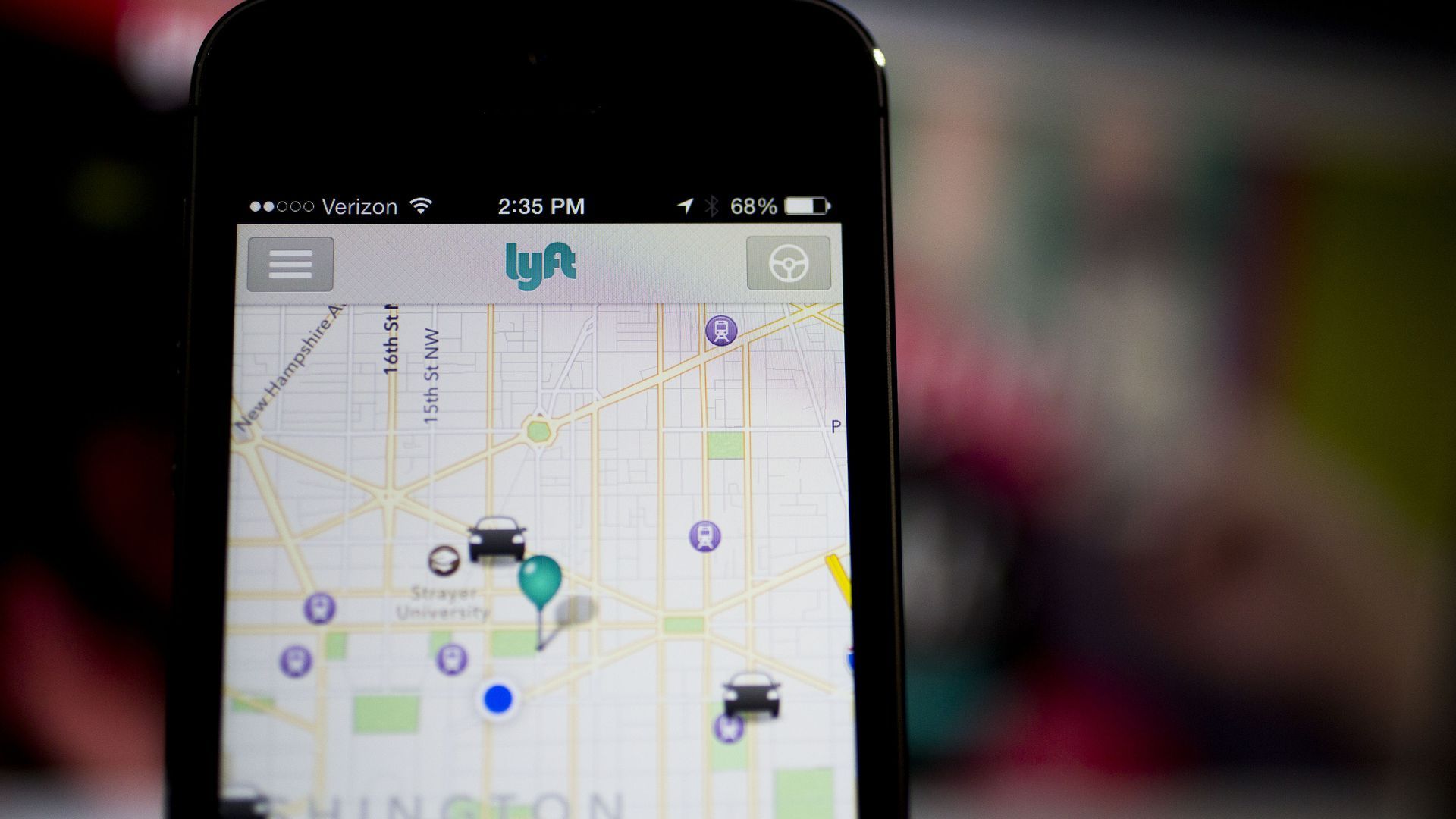
One of the first things to go when the pandemic struck U.S. cities is back: carpooling.
Driving the news: Lyft is bringing back shared rides in Philadelphia, Chicago and Denver on Monday, with plans to keep adding cities over the coming months.
Investment firm General Atlantic is raising $4 billion for a growth equity fund focused on climate technologies, Axios has learned.
Why it matters: Massive flooding in Germany. Wildfires in Canada, with smoke reaching Greenland. Droughts causing massive amounts of animal death. Another heat dome forming. Hottest June on record in the U.S. And on and on and on.
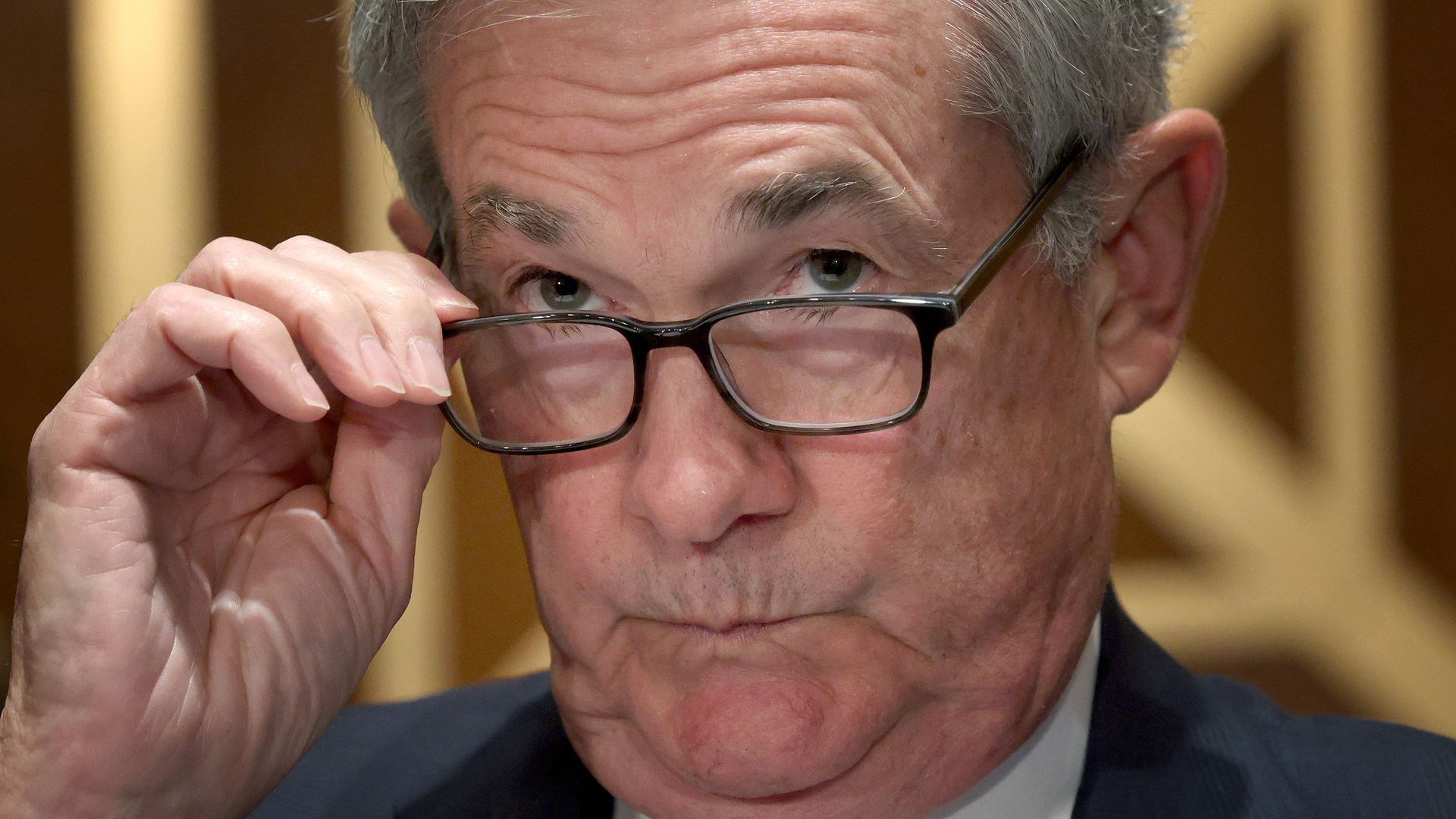
The way Fed chairJerome Powell is talking about inflation seems to be evolving.
Why it matters: The Fed has been employing a very stimulative monetary policy, which is helping boost job growth. But inflation has been running above its target.
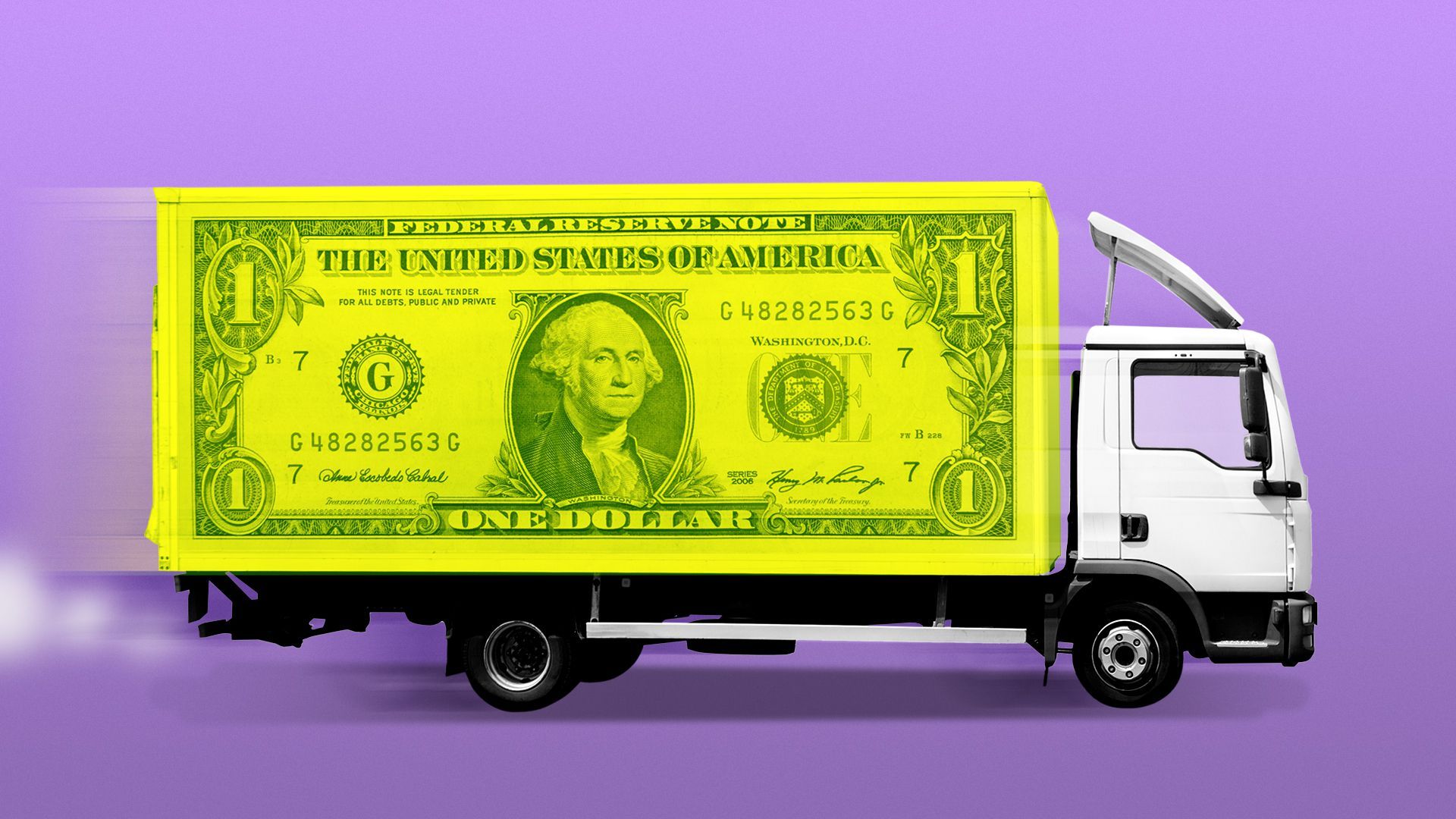
Autonomous trucking is a hot commodity as investors once dazzled by self-driving cars are now pouring truckloads of money into automated logistics.
The big picture: It's still not clear when robotaxis might be ready for large-scale deployment. Meanwhile, the explosion of e-commerce since the pandemic has created an increased demand for shipping.
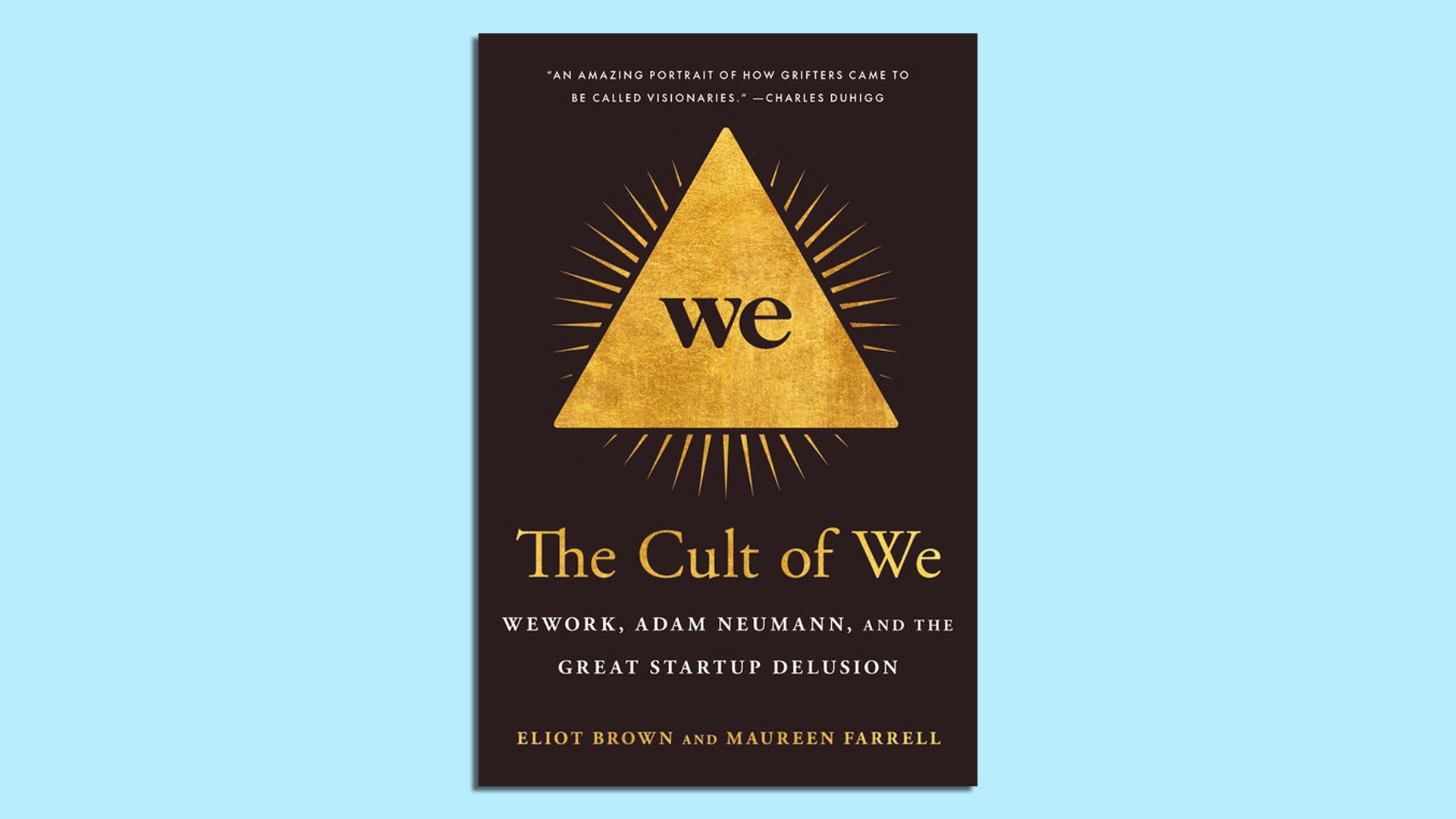
WeWork founder and former CEO Adam Neumann threatened to walk away from a multi-billion dollar investment because of a request that he viewed as antisemitic, according to an exclusive excerpt from an upcoming book called "The Cult of We" by Wall Street Journal reporters Eliot Brown and Maureen Farrell.
Setting the scene: Neumann, who was born in Israel and is Jewish, was in Tokyo in early 2017 to finalize a giant investment from SoftBank, which planned to mostly use money from a $100 billion fund whose largest investor was the government of Saudi Arabia.
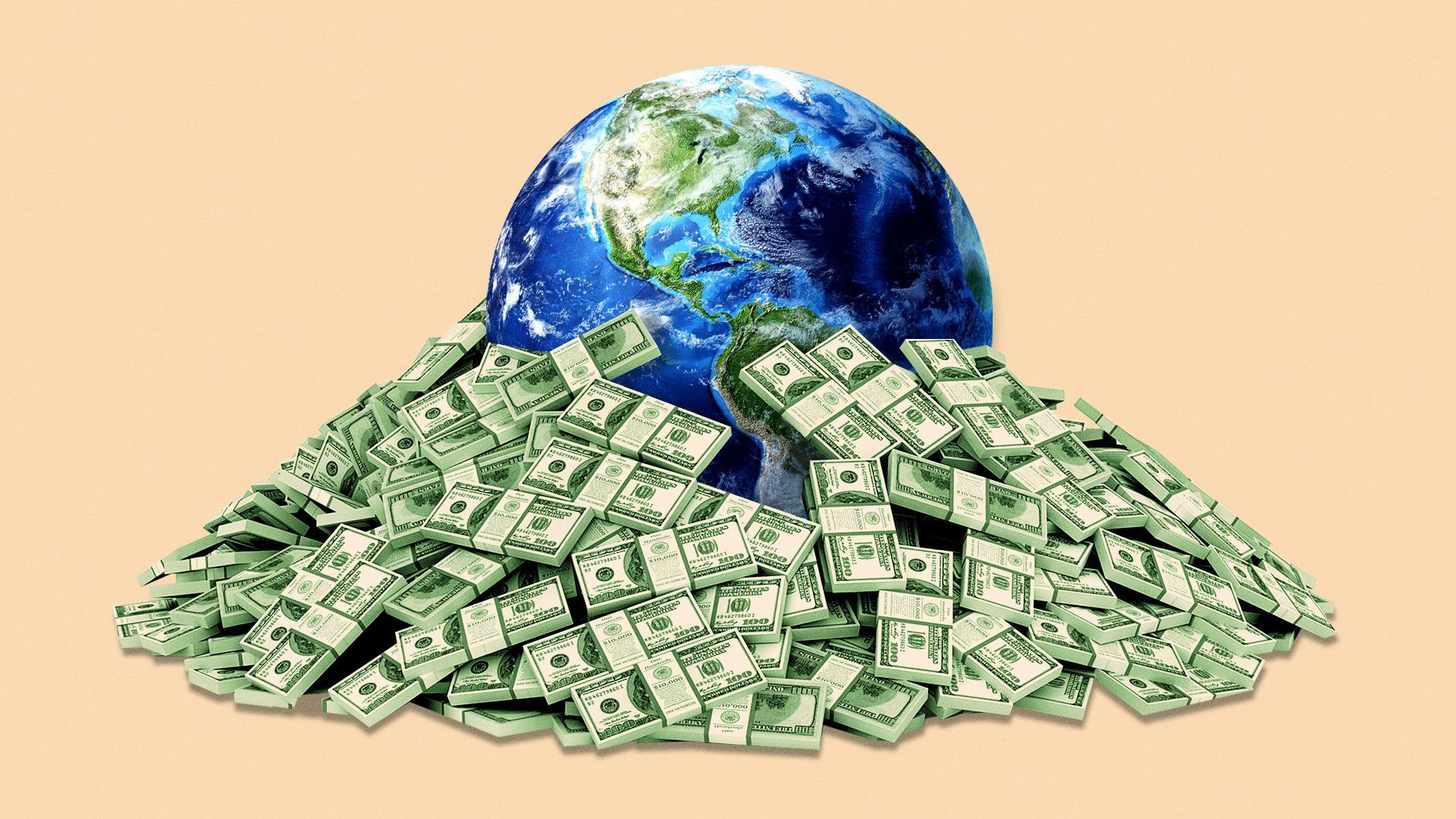
Cash is getting a bad reputation. It was already on the ropes but the pandemic accelerated a decline that's been underway.
Why it matters: Consumers used less cash in 2020. That along with a trend toward digital transactions in the smaller-dollar realm — the last stronghold of the legal cash economy — implies the cash in circulation is largely being used for under-the-table or illicit activities.
Ransomware may be the threat everyone is talking about right now, but businesses also face another growing risk: becoming a disinformation campaign's direct target or collateral damage.
Why it matters: Ransomware's damage is immediate and unavoidable, but the attack takes skill and planning, while disinformation attacks are often cheaper to launch and harder to protect against.
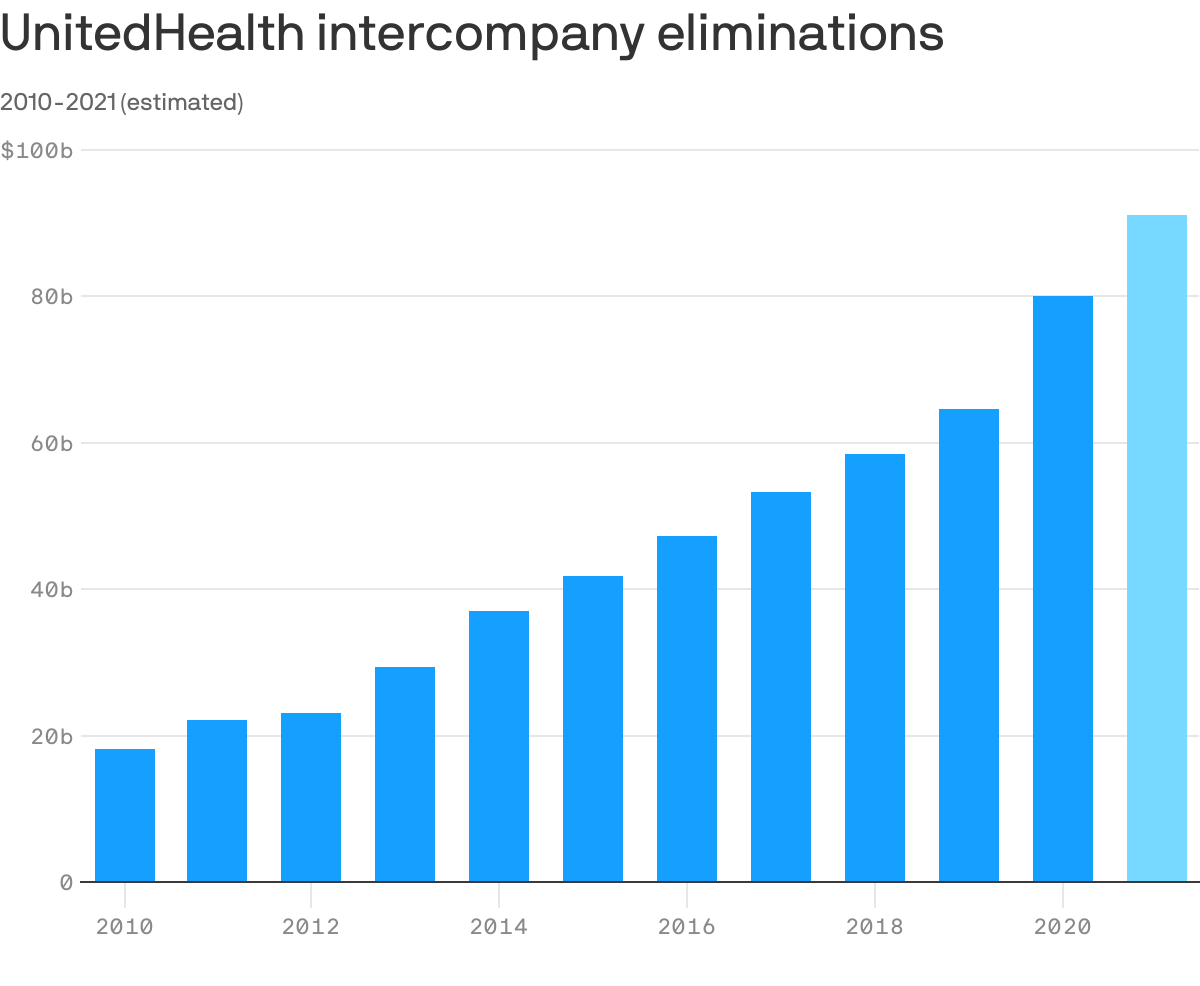
UnitedHealth Group isn't just making more money because people deferred care throughout the coronavirus pandemic. It's making more money because it's owning a bigger piece of the health care system.
The bottom line: Insurers keep more of the premiums they collect when they also own the medical providers that are paid those premium dollars. And no insurer has expanded as aggressively into care delivery over the years as UnitedHealth.