UnitedHealth Group collected $4.3 billion of profit in the second quarter, a 36% decline from the health care conglomerate's historically profitable second quarter last year, when the coronavirus suppressed care and led to the company paying out fewer medical claims.
Yes, but: The company's revenue in this quarter soared 15% year over year, and the $4.3 billion of profit was still 30% higher than the same period in 2019, before the coronavirus hit. UnitedHealth remains the most financially powerful private entity in the health care system.
For the first time, Twitter is publicly revealing how its business resource groups are supported and run.
Why it matters: Internal employee networks and support groups are typically self-organized around demographics and interests. They've become a key part of corporate operations and culture, not to mention overall diversity, equity and inclusion strategies.
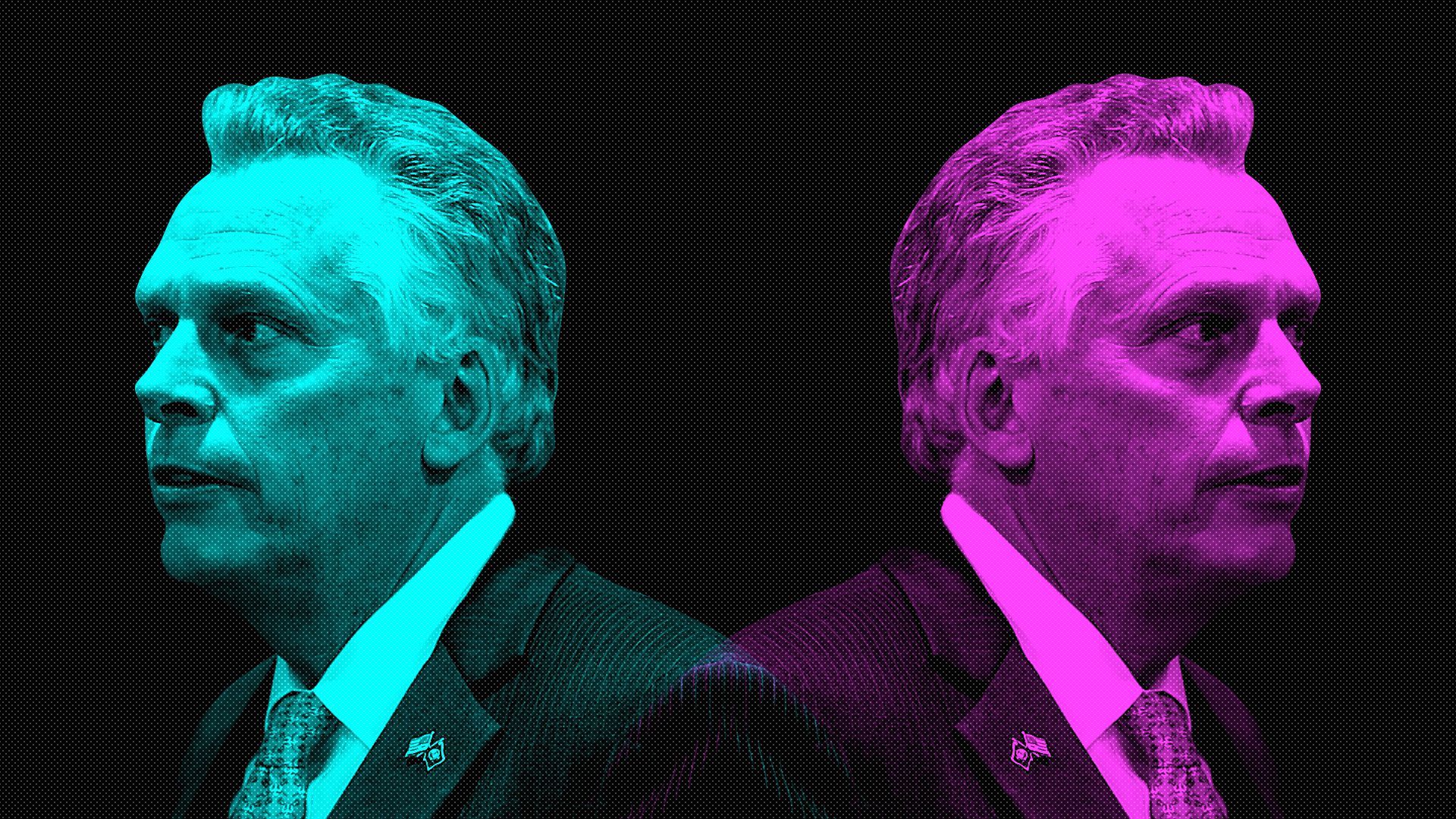
Virginia gubernatorial candidate Terry McAuliffe has begun to bash the private equity background of his Republican opponent, former Carlyle Group co-CEO Glenn Youngkin, as was expected.
Yes, but: McAuliffe has a history of investing in private equity funds, including from the Carlyle Group.
OpenStore, a Miami-based rollup of Shopify merchants, raised $30 million in Series A funding led by Khosla Ventures at around a $250 million post-money valuation, Axios has learned.
Why it matters: This is almost a backhand compliment to Amazon, suggesting that Amazon is so good at optimizing merchant relationships that there's little way for a consolidator to improve the bottom line. Shopify sellers, on the other hand, usually need to get their own customers and manage their own fulfillment.
State of play: Compared with the second quarter from last year, the country's economy grew 7.9% in the April to June period. That's less thanhalf of the 18.3% year-over-year growth the nation saw during the first quarter of 2021, per the South China Morning Post.
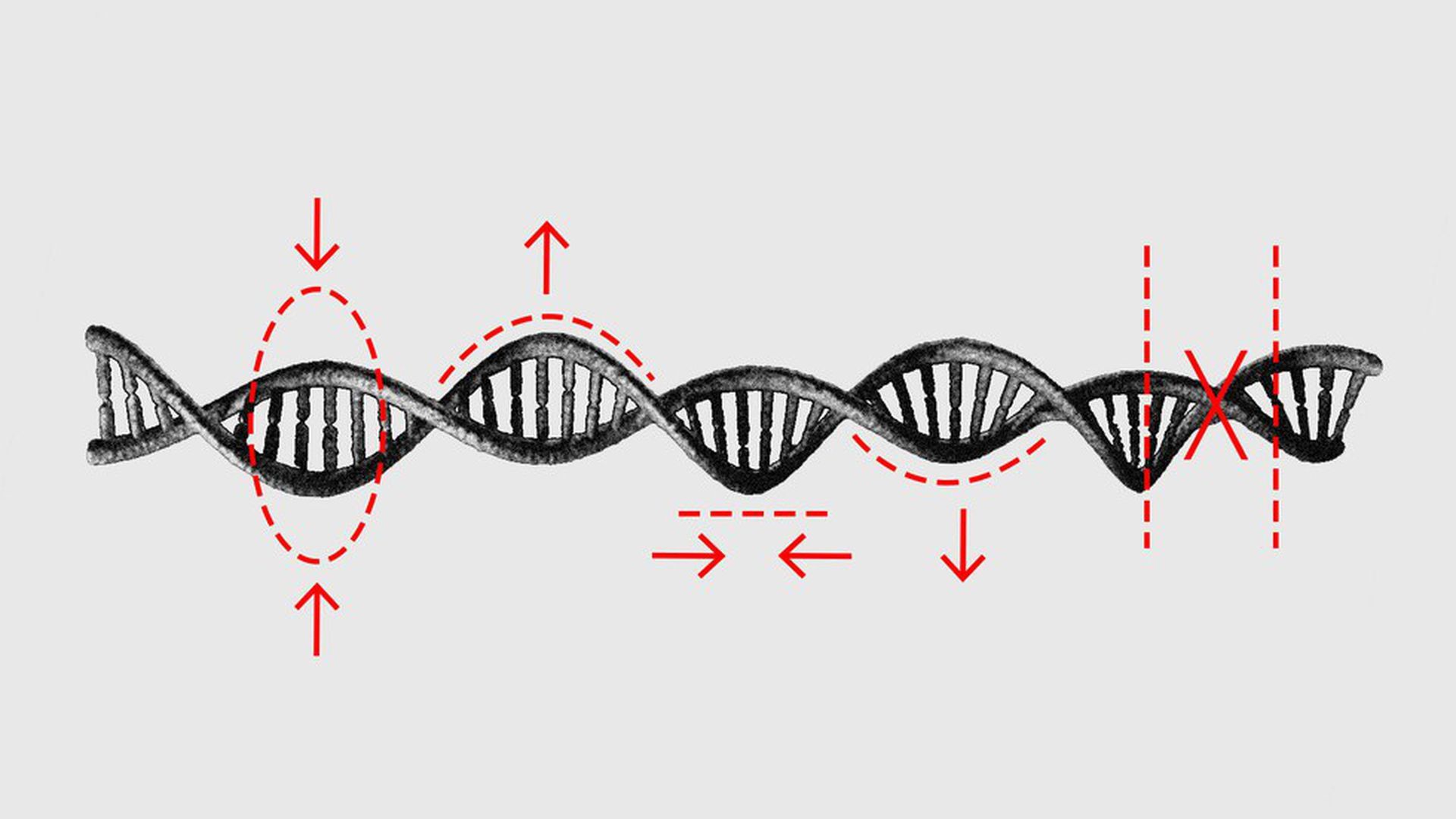
Prime Medicine, a Cambridge, Mass.-based gene-editing startup co-founded by biochemist David Liu, raised $200 million in Series B funding and disclosed that it raised $115 million in Series A funding.
Why it matters: Liu is one of the foremost CRISPR innovators, first investing in "base editing" in 2016 and then "prime editing" in 2019. It's that latter effort that's the basis of Prime Medicine, and basically acts as a sort of word processor for potentially editing a larger number of genes without triggering some of CRISPR's more troublesome reactions.
Chicago touts a diverse workforce. Morgantown, West Virginia, promises outdoor activities galore. Savannah, Georgia, advertises its historic charm. Indianapolis is proud of its small-town feel.
Why it matters: The post-pandemic workforce reshuffling has given cities and towns a new opportunity — and a new mandate —to market themselves with glitzy ad campaigns and worker recruiting trips, putting a new spin on the conventional municipal economic development playbook.
The booming economy, with abundant help from both Congress and the Federal Reserve, has one downside: It's causing some prices to rise at a somewhat alarming level. Inflation is now well over 5%, and no one's entirely sure when it might start coming down.
Why it matters: If Democrats in Congress get their way, we're about to see some $4.5 trillion in new infrastructure spending, which can't help but add to inflationary pressures. Inflation alone, however — especially if it's temporary — is not so harmful as to be a reason not to pass such a bill.
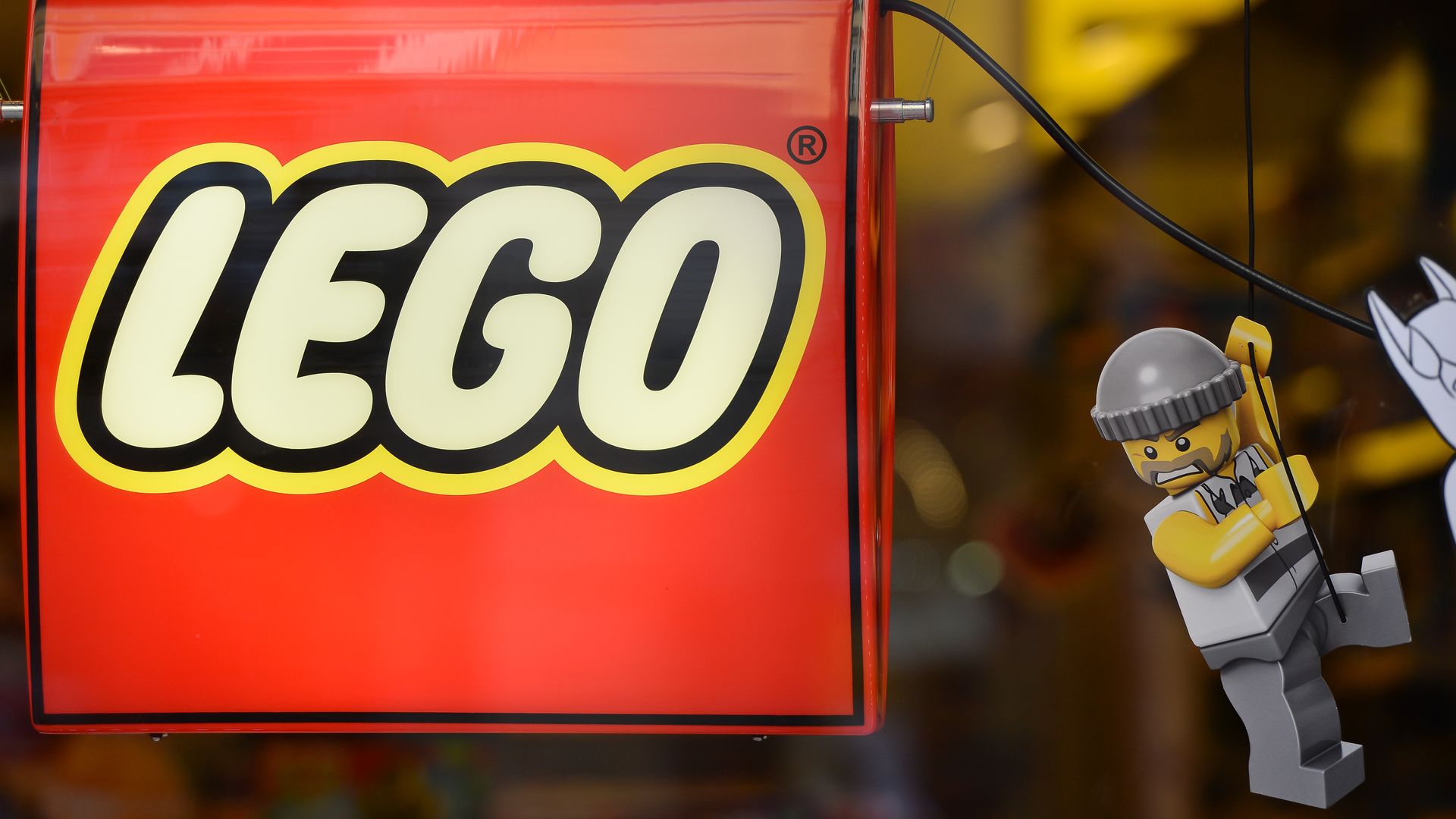
A Utah-based gun company announced Wednesday it will stop selling a product that encases Glock pistols in colored block pieces that resemble Lego bricks "after some communication" with the Danish toymaker.
Driving the news: Culper Precision was criticized by gun control groups after it made an announcement about the Block 19 product in June, which retailed for about $600.