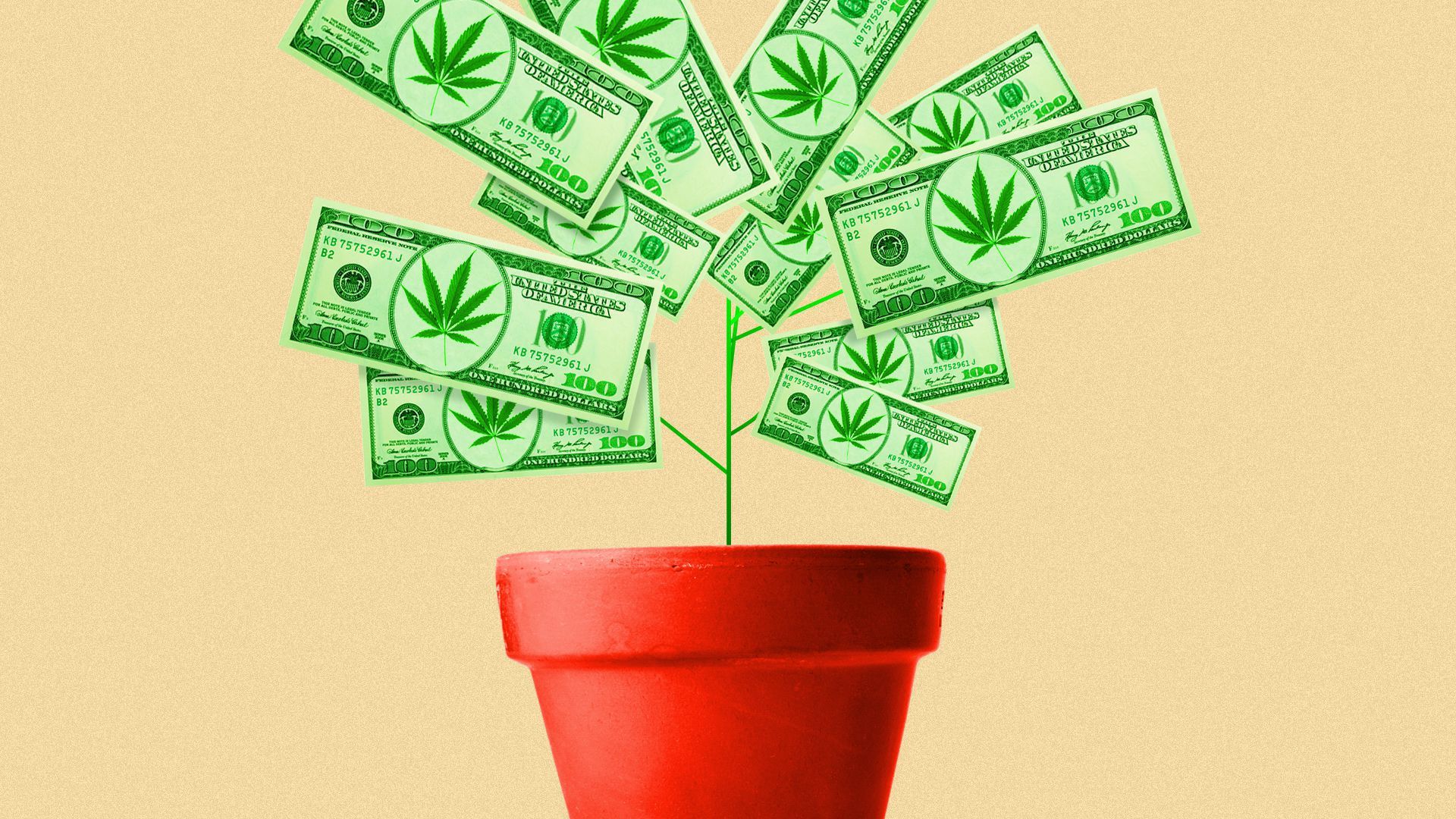
The legalization of weed may be giving an assist to the commercial real estate industry, according to a member survey by the National Association of Realtors.
Why it matters: More states legalizing weed equals more demand for space to store, grow and sell it.
Netflix added 3.98 million global subscribers last quarter, a far cry from the 6.2 million additions anticipated by Wall Street analysts. This upcoming quarter, it expects to only add 1 million new subscribers.
Why it matters: The streaming giant is facing increased competition, particularly in the U.S. and increasingly abroad, which could be impacting its subscriber growth. In a letter to investors, Netflix blamed the slowdown on a lighter content slate in the first half of this year, due to COVID-19 production delays.
Workers at Amazon’s warehouse in Bessemer, Alabama, rejected unionizing by more than a 2-1 margin earlier this month, despite a surge of national support for their efforts. This followed a failed effort to get Uber, Lyft and DoorDash drivers recognized as employees and not contractors.
Axios Re:Cap talks to two of the organizers involved about what went wrong, legislation that might bolster the power of unions, and where organized labor goes from here.
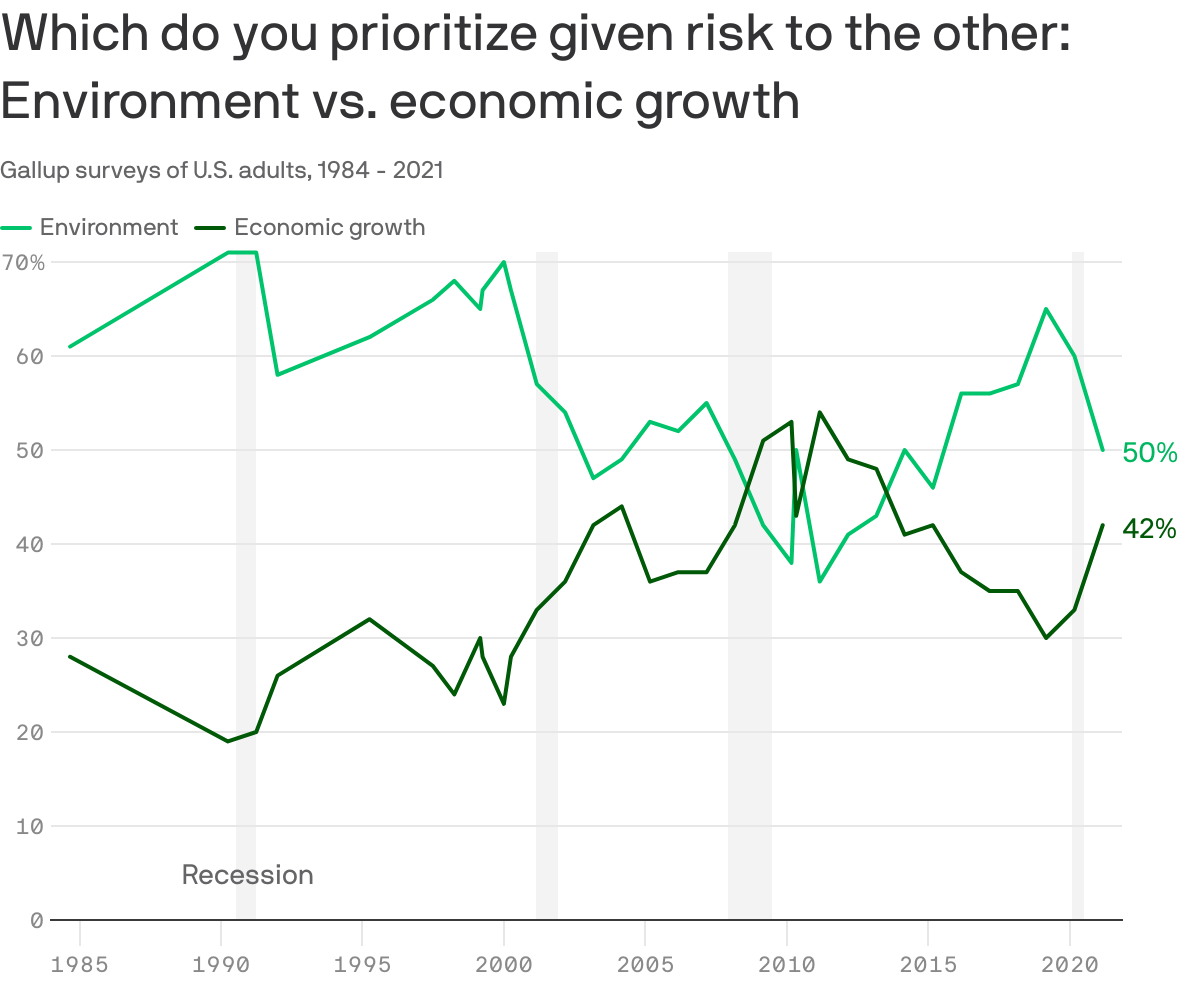
Americans are more split on the question of prioritizing the environment over economic growth than they have been in years, which could be a good sign for public support of President Biden's climate and economic agenda.
Driving the news: Historically, more people favor prioritizing the economy over the environment when unemployment is high, and the opposite when unemployment is low.
But when asked by Gallup last month, half of the respondents agreed that the environment should be given priority, even at the risk of curbing economic growth.
42% said the opposite in the annual poll — that economic growth should be given priority, even if the environment suffers some.
The 8 percentage point difference is the smallest it’s been since 2015.
Axios' Ben Geman and Andrew Freedman’s thought bubble: There’s little evidence that environmental protections are a brake on growth — and actual evidence shows that environmental protection and jobs growth can go hand in hand. It's not a choice between the two.
Why it matters: Ben writes that the findings suggest Biden has political running room to pursue his aggressive environmental and climate agenda because it’s happening alongside recent economic and job growth.
The White House is also extremely aware of the political peril around economic attacks on the plans, which is why they’re trying very hard to paint the infrastructure plan — stuffed with low-carbon energy and transit provisions — as a jobs plan, he adds.
What’s happening: President Biden’s infrastructure proposal (and larger macro level bet) is a blend of two of his top four priorities: climate change and the economy.
The White House is holding a virtual climate summit starting on Thursday as part of a larger plan to regain international credibility on climate action.
On Monday, President Biden held a second meeting with Congress to review his $2 trillion infrastructure plan, which some GOP have called a jobs killer — citing the Keystone XL oil pipeline cancellation is a sign of things to come.
Businesses stand ready: Hundreds of companies are signaling support for a clean-energy economy and are starting to prepare for regulatory changes as they look for ways to benefit from backing the larger infrastructure proposal.
A group of 300-plus corporations and investors issued a letter last week calling for the administration to commit to cutting emissions to “at least 50% below 2005 levels by 2030.”
Apple on Tuesday launched a bevy of new hardware and software products, building on the strength of its homegrown M1 chip to retool its iMac and iPad lineups and also introducing the long-awaited AirTags item trackers.
Why it matters: Apple is getting a later-than-usual start this year on product launches, perhaps due to a mix of factors, including a global chip shortage.
More than 140 racial justice activists and leaders took out an ad in the Financial Times Tuesday urging asset managers to "change the business-as-usual practices that uphold white supremacy at the foundation of our economy."
Why it matters: The asset managers' actions during the 2021 shareholder season will determine whether the words of support during racial justice protests in 2020 "were cynically performative, or instead representative of an actual shift in mindset and future behavior," the signees of the letters argue.
The AP is doubling down on its local news experiment called StoryShare, which helped newsrooms quickly share information around COVID, AP deputy managing editor for U.S. News Noreen Gillespie tells Axios.
The big picture: There are now more than 130 newsrooms participating in the program across geographic networks in Colorado, Upstate New York, Oregon, New England, West Virginia, Illinois, and more.
One to watch at this year's Upfront and Newfront advertising presentations (held virtually again in 2021): Bloomberg Media.
What to watch: Bloomberg will host its first-ever Upfront presentation exclusively for its streaming network "Quicktake." Most media companies are leaning into their streaming products as a part of their presentations this year.
Analysts are bullish ahead of Netflix's Q1 earnings Tuesday, but there's no question that the streaming giant will need to rely heavily on subscriber gains abroad in order to maintain its lead in the streaming wars.
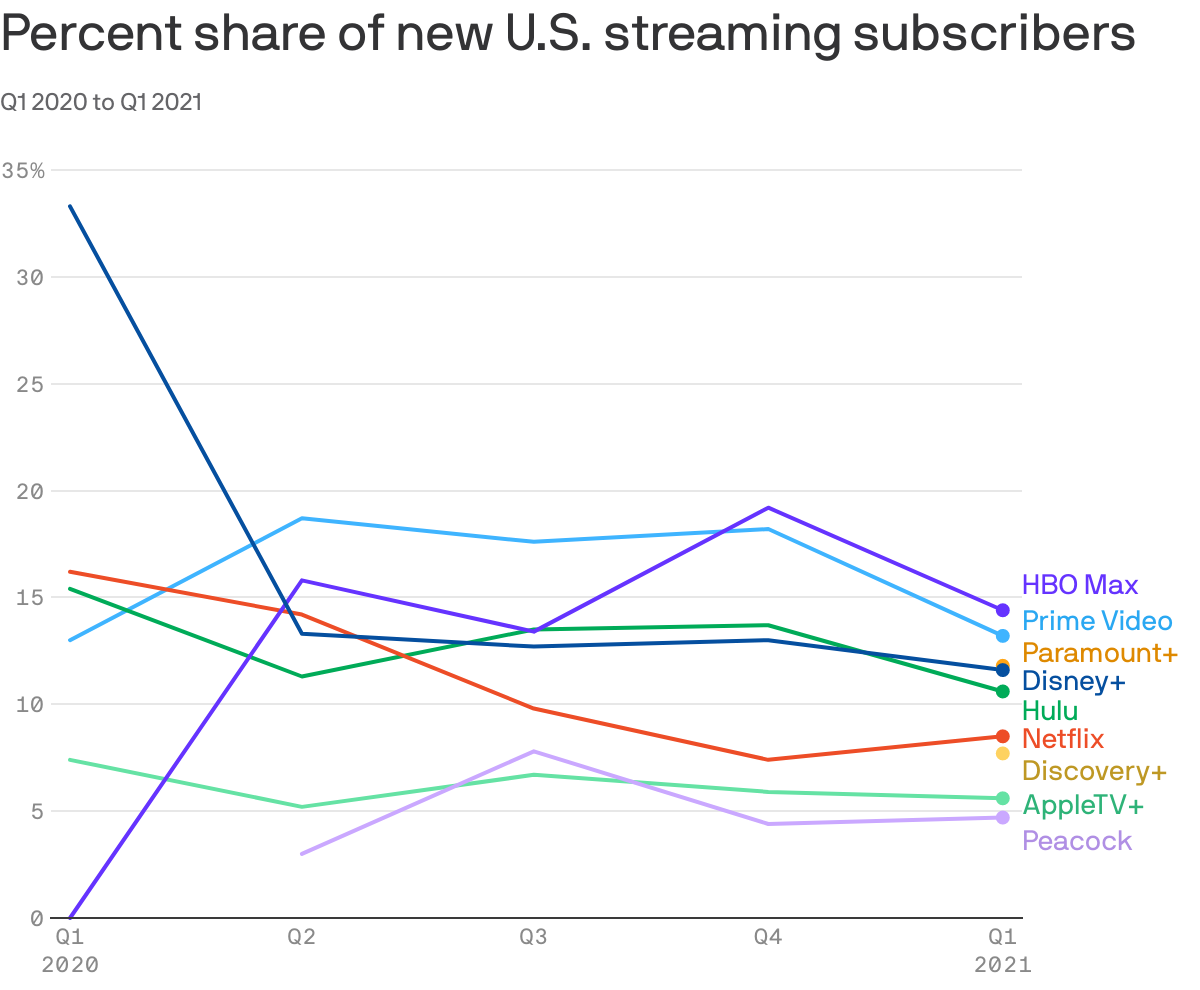
Driving the news: The percentage of new streaming subscribers in the U.S. signing up for Netflix has declined since the onset of the pandemic, thanks to increased competition from new streamers, according to data from Kantar.
Independent writers are joining forces to create networks of shared resources to make it easier to strike out on their own.
Why it matters: Writer collectives create a sweet spot for journalists and pundits looking for the support of peers but more autonomy than a traditional newsroom offers.
Morning Brew co-founder and CEO Alex Lieberman is becoming executive chairman and co-founder Austin Rief will take his place as CEO, Rief tells Axios.
The big picture: The changes come less than a year after Insider acquired a majority stake in Morning Brew. The upstart business newsletter outlet is now branching into podcasts, live events, and social video.
Playboy — yes, that Playboy — has become the stock market's hottest play for NFTs with its shares jumping more than 150% since returning to public markets via SPAC on Feb. 11, even after a 20% correction over the last two days.
What's happening: Having shed its roots as a magazine dads kept hidden under their beds and rebranded as a sexual health and lifestyle brand, Playboy, now PLBY Group, is catching fire as investors look to cash in on the company's brand recognition and its future on the blockchain.
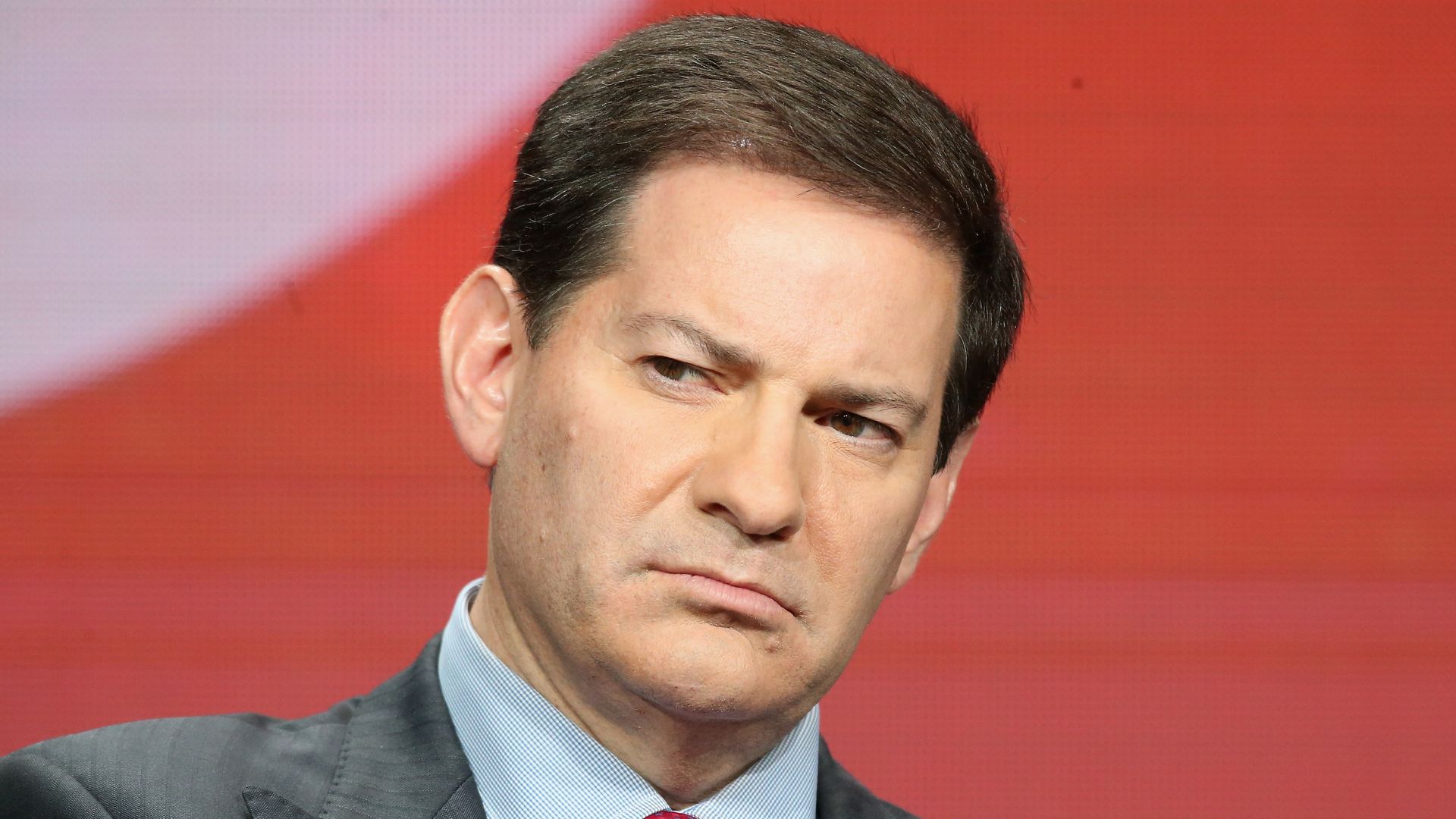
Political journalist Mark Halperin, whose career crumbled in 2017 after multiple women accused him of sexual harassment, has joined No Labels, a D.C.-based bipartisan policy group, Punchbowl News reports.
Why it matters: Halperin was once one of the most powerful figures in Washington media. His downfall became one of the prominent examples of the #MeToo movement calling out abuse in the media industry in the fight to end sexual harassment.
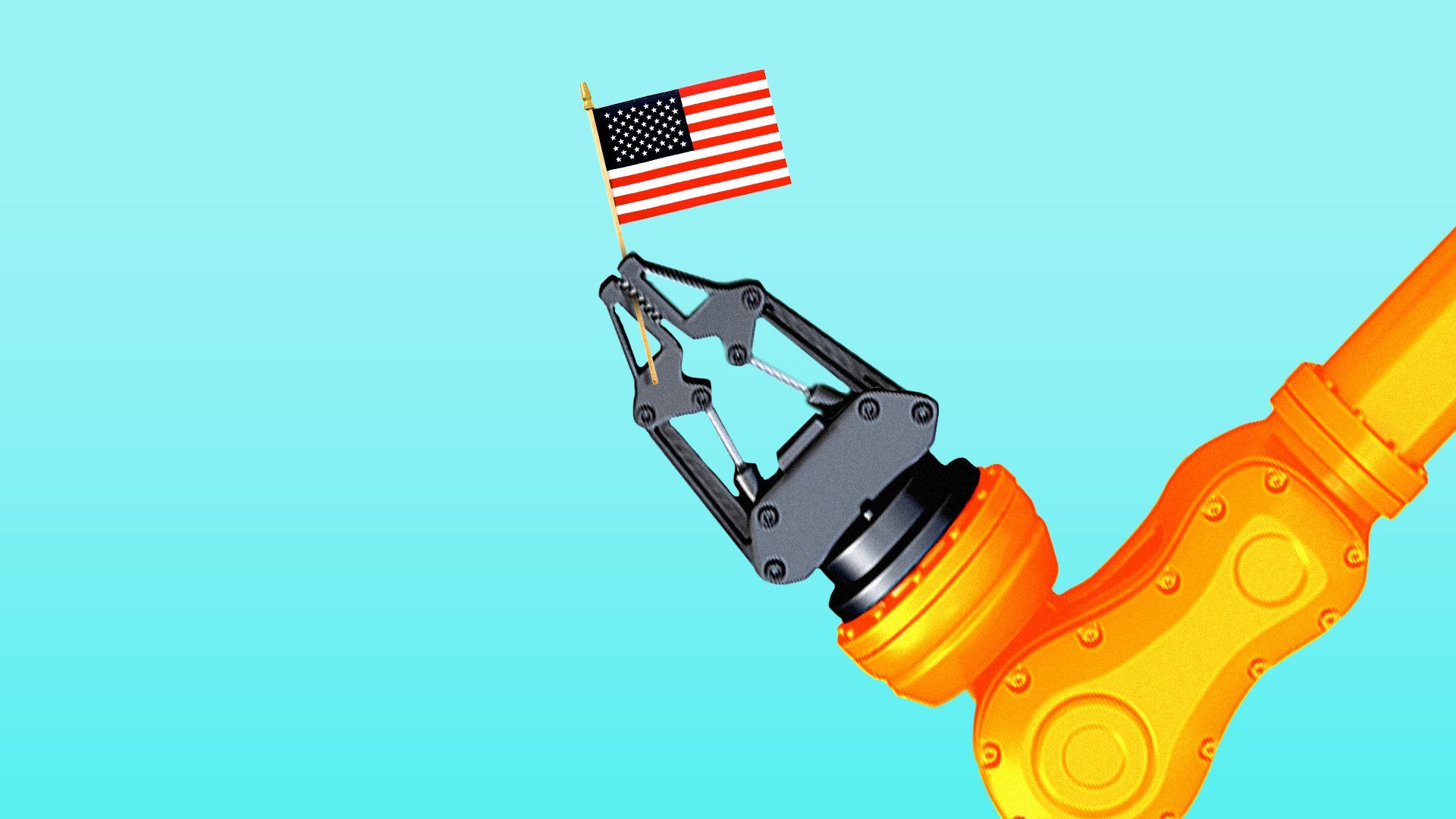
The U.S. manufacturing sector is at a crossroads: Proponents of President Biden's Build Back Better initiative argue that if focus was to be retrained on it, the sector could provide improved and sustainable economic growth after decades of shedding jobs and scale to other countries.
Why it matters: Biden's ambitious plan makes it clear that infrastructure and manufacturing investments are top priorities, but history is not on his side and Congress is already asking for plenty of compromises.
In a push to dominate global financial technology, the Chinese government is aiming to roll out the world's first state-backed digital currency.
Why it matters: China's new currency could set global standards for the use of national digital currencies — and give Beijing unprecedented visibility and control over domestic financial transactions.
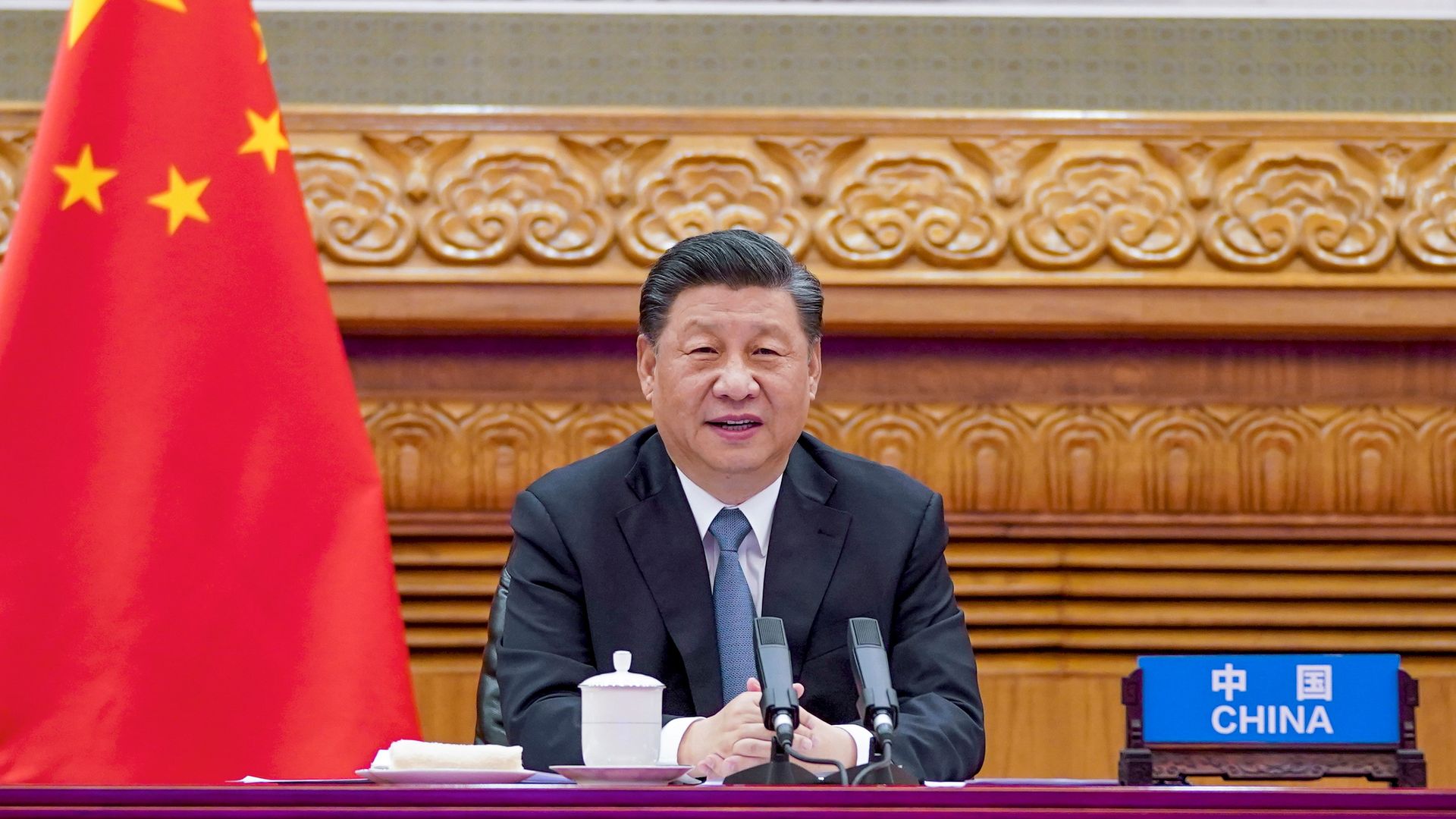
China's President Xi Jinping on Tuesday warned against "bossing others around or meddling in others' internal affairs" and called for "more fair and equitable" global governance.
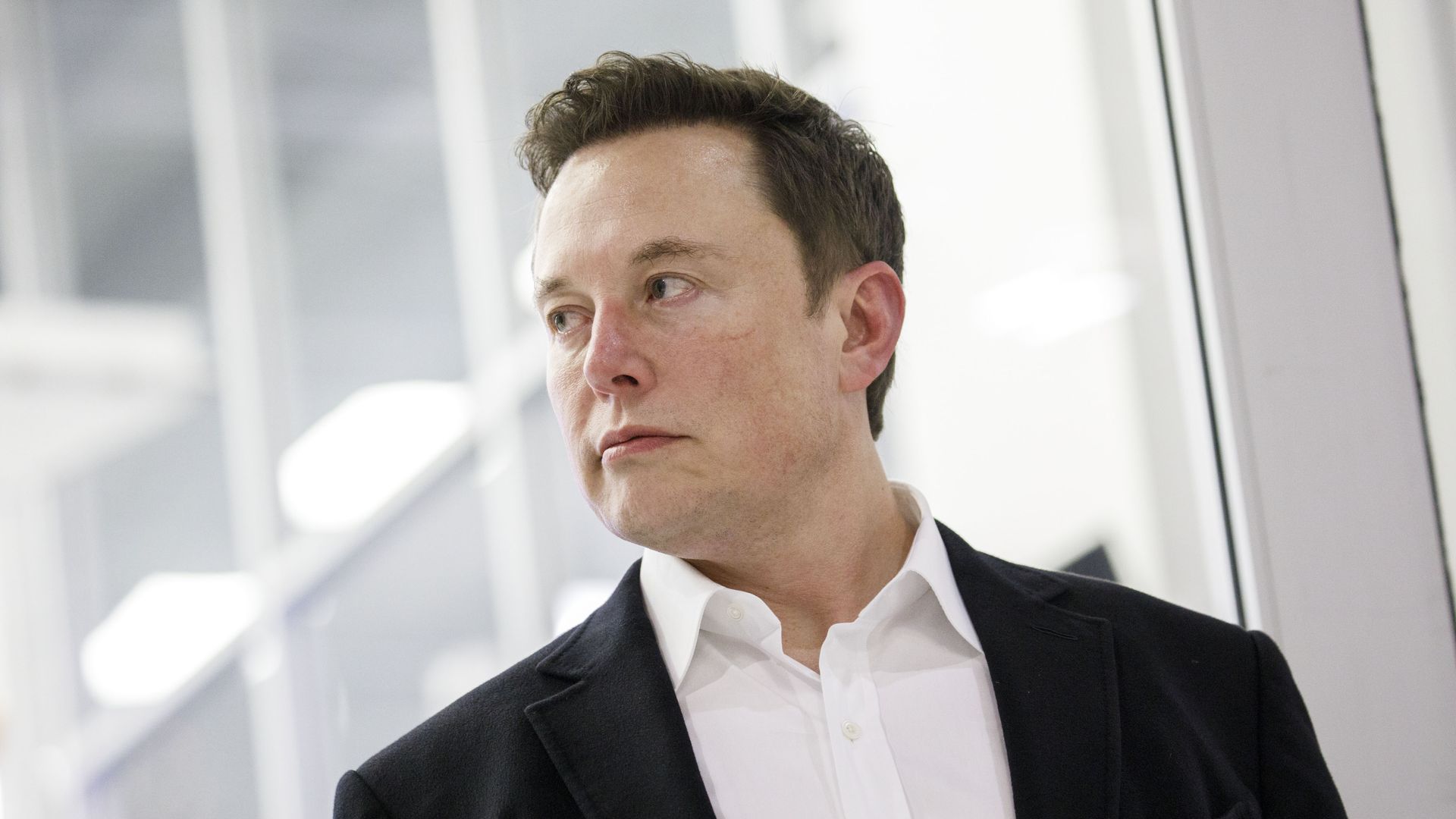
Tesla CEO Elon Musk tweeted on Monday that "data logs recovered so far" show the car's Autopilot feature was not enabled — and it did not have access to "full self-driving mode" — in the deadly crash in Texas involving the company's electric vehicle.
Background: Local investigators said they believed the car was operating without anyone in the driver's seat. At the time of death, one man was in the passenger seat, while another was in the rear seat, KPRC 2 reports.