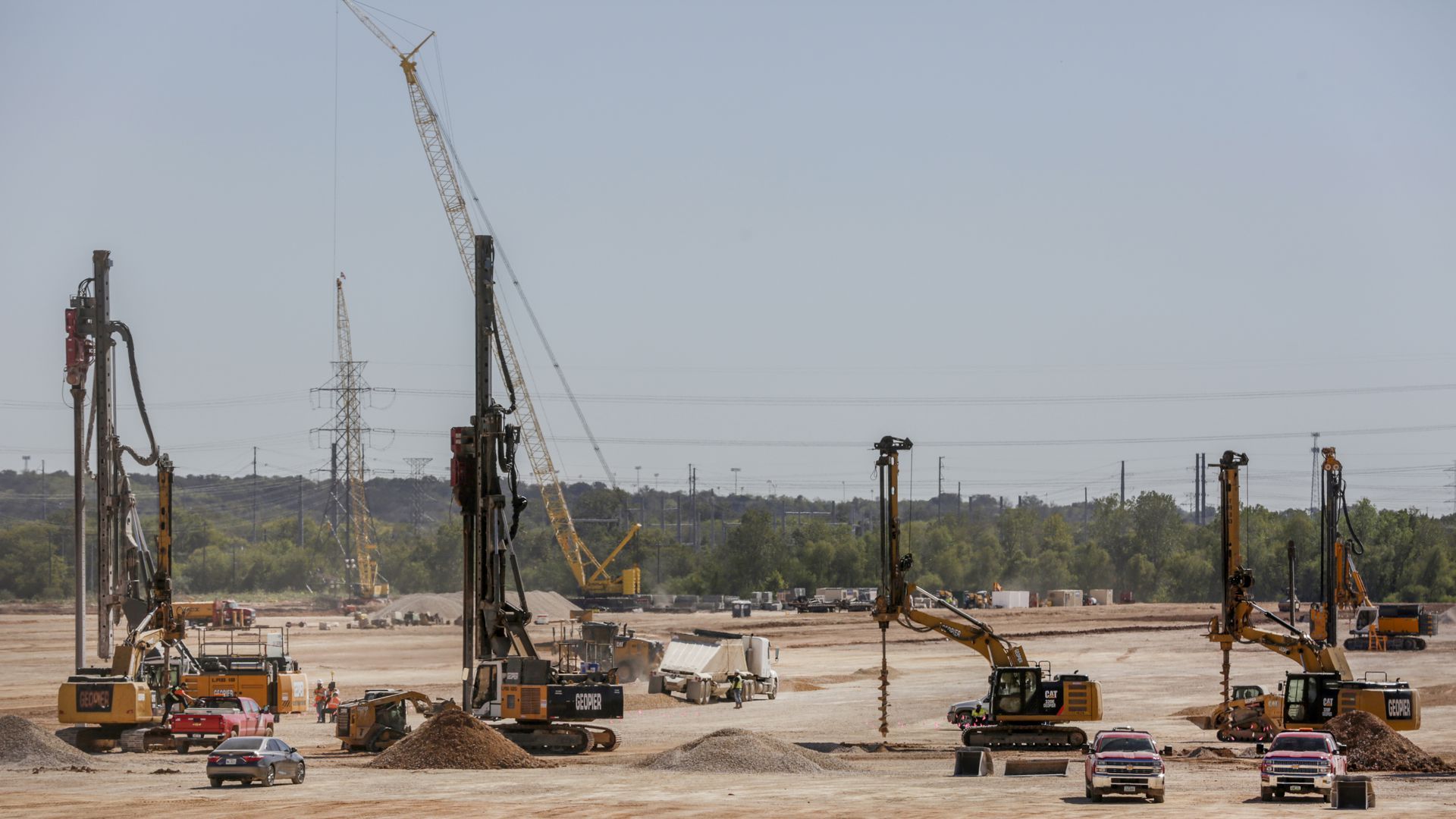
Cities far from the coasts have emerged as havens to job seekers and businesses during the coronavirus pandemic, according to an estimate from the Wall Street Journal.
How it works: To determine the strongest job market in the U.S., The Journal rated 53 regions with more than 1 million residents on factors that included unemployment rate, wages and change in payroll and size of workforce.
The past year's avalanche of special purpose acquisition companies, or SPACs, has been an unexpected boon for some investors in the climate tech industry.
Driving the news: According to an analysis by Climate Tech VC from Dec. 11, the 10 climate tech companies that completed mergers in 2020 notably outperformed, posting on average a 131% return, compared with the 50% return of the total SPAC post-merger market (assuming a $10 offer price).
The Chinese government imposed an antitrust fine equivalent to $2.8 billion on tech and e-commerce company Alibaba, the Wall Street Journal reports.
Why it matters: It's a record penalty in the country and a continuation of Beijing regulators' scrutiny on the business empire of founder Jack Ma, who was ordered in December to transform his Ant Group into a financial holding company overseen by China’s central bank.
Silicon Valley got a black eye a decade ago when its big venture capital foray into expensive and nascent cleantech didn’t pan out—but its recently renewed interest in a wider scope of technologies that can tackle the climate crisis could be different this time around.
Why it matters: Climate change is one of the most pressing challenges of our time, and the tech industry’s innovation could be a powerful tool to stem it.
The Honest Company, the all-natural household products company co-founded by Jessica Alba, filed on Friday for an initial public offering.
Why it matters: Despite the buzz Alba's involvement has garnered, the company has faced controversies over certain product ingredients, and slashed its valuation when it raised funding in 2017.
Poet Amanda Gorman added another first to her list of accomplishments this week: Her book, "The Hill We Climb: An Inaugural Poem for the Country," became the first book of poetry to debut at No. 1 on USA Today's Best-Selling Books list.
The big picture: The title was also the first book of poetry to claim the No. 1 spot since the list's inception in 1993, per USA Today.
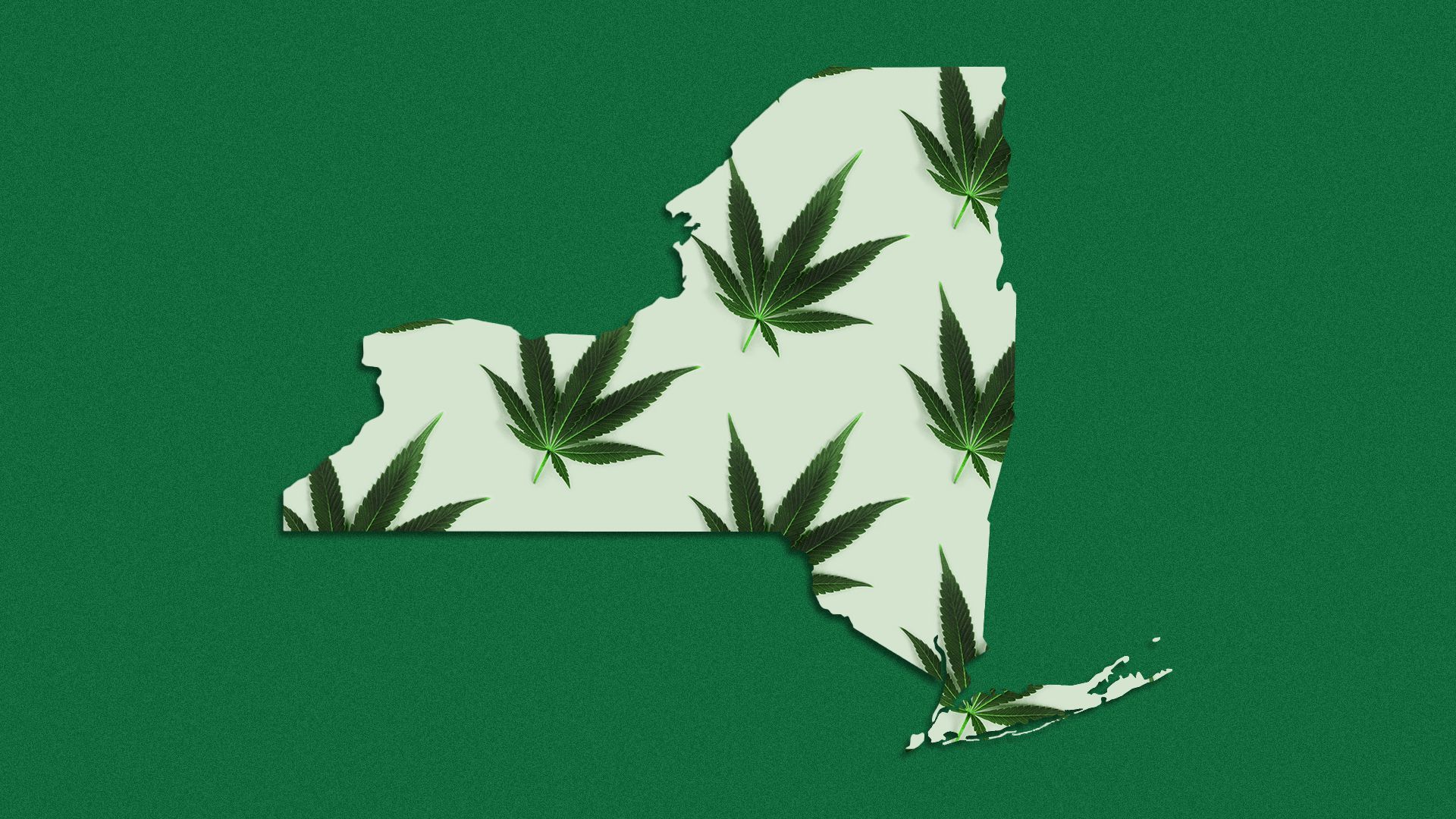
Despite being half the size of the legal cannabis market in California, New York is poised to impact the larger industry and culture beyond its state lines and U.S. borders.
Why it matters: Even as cannabis is still simultaneously illegal at a federal level and only somewhat legal in 42 states, New York’s unique global identity and mix of industries will enable changes in perception and business operations, experts say.
President Biden’s $2 trillion infrastructure plan includes spending on child care facilities and senior care — and now members of his administration and allies on Capitol Hill are arguing to expand the definition of infrastructure so it encompasses more than roads and bridges.
Axios Re:Cap speaks with Rep. Katie Porter (D-Calif.), who supports Biden’s plans, but calls the decision to split up family policies and jobs “a big mistake.”
There's a big new player in the green ETF game: LCTU, the BlackRock U.S. Carbon Transition Readiness ETF, launched today and already has more than $1 billion in assets thanks to seed investments from CalSTRS, Temasek, and other big institutional investors.
Why it matters: Individual investors who want broad stock market exposure but who also believe in the sustainability thesis now have a big-name ETF to invest in.
How it works: LCTU has exactly the same sector weights as the market as a whole — it doesn't underweight sectors like energy, or overweight cleaner areas like technology. Instead it applies BlackRock's sustainability algorithm within sectors, to decide which companies to overweight and underweight.
The idea is that if investors start buying LCTU in large quantities, that will help capital flow to the kind of companies that are best prepared for a low-carbon future.
What they're saying: "Sustainable investing allows us to use the strength of our investment portfolio to proactively manage climate change," says Bob Qutub, the CFO of RenaissanceRe, another of the seed investors in the fund.
Our thought bubble: A new ETF, no matter how big it gets, will never move the needle on climate change, since all it can ever do is buy and hold stocks of existing public companies.
If you believe in the thesis that green companies will outperform the market, however, then maybe the excess performance of the fund will be able to cover its 0.3% annual fee.
In a major win for Amazon, a majority of workers involved in an organizing effort at its distribution center in Bessemer, Alabama, has voted not to unionize.
Why it matters: The vast majority of large tech companies have been composed of non-union workers, and tech companies, including Amazon, have fought hard to keep it that way. The "no" vote in Alabama could chill or delay other unionization efforts in the industry.
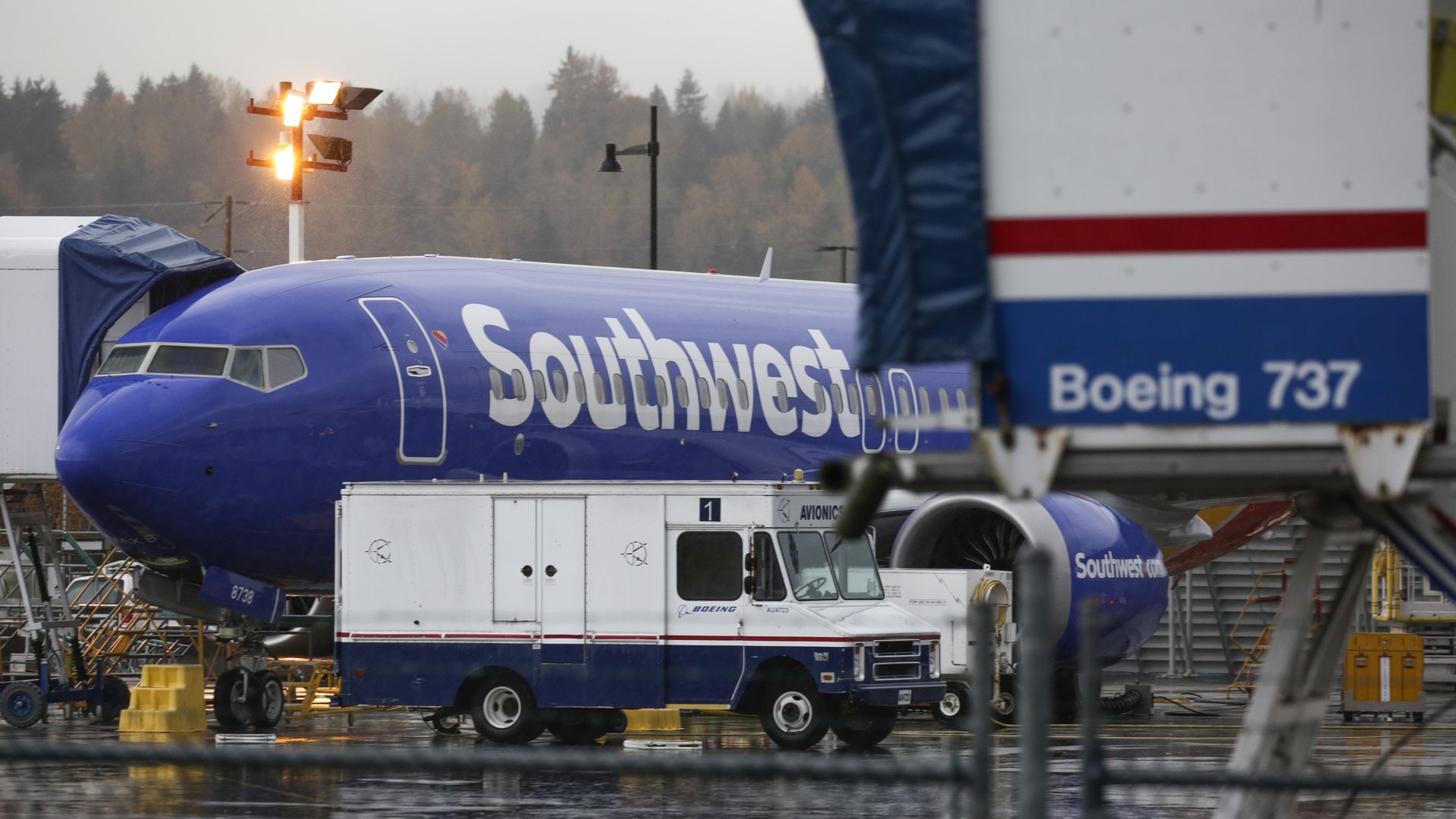
Boeing warned 16 of its customers on Friday to address a potential production issue in a group of 737 MAX jets before they take flight again.
Why it matters: The aircraft manufacturer has been hampered with production issues and design problems with the 737 MAX jets that caused two fatal planecrashes and led to the grounding of all MAXs for over a year.
U.S. initial jobless claims remained below 1 million for the third straight week, but after a notable drawdown during the week of March 20, claims increased for the second straight week.
The intrigue: March's blowout nonfarm payrolls report showing 916,000 jobs added should have signaled a positive trend for employment gains, however, the jobless claims report suggests layoffs continue. That could hamper the recovery.
America's CEOs need policies on the coming verdict in the Minneapolis police trial; the human rights dimensions of next year's World Cup in Qatar and Winter Olympics in Beijing; and voting-access bills — all different — moving through statehouses around the country.
Why it matters: As part of a generational change that has left many corporations on the defensive, CEOs are being pressured by younger workers and potential recruits — plus shareholders and customers — to take stands on issues they had always avoided. This includes the divisive issues of race, guns, climate change and LGBTQ rights.
Threats to Taiwan, the self-governing island only slightly bigger than Maryland, are sending shivers through the global tech industry.
Why it matters: Taiwan is home to 92% of the world's leading-edge chip manufacturing operations and a vital center for producing other tech components, including laptops and PC motherboards.
America’s financial titansare coming to a consensus: We are on the early edge of the biggest economic boom since World War II, with the promise of years of growth after the privation of the pandemic.
Why it matters: They might be wrong, but all point to the same data — this expansion will be kickstarted by trillions in spending from presidents Trump and Biden, the Fed's easy money, and piles of cash that consumers and companies accumulated during the COVID shutdown.
You've got your COVID vaccine, and the CDC says it's OK to travel this summer, even internationally. But you're likely to find that your overseas options are limited by border restrictions in many countries.
Why it matters: If you don't do your homework before traveling, you could wind up stranded in a foreign airport or quarantined in your hotel room for two weeks.
Nearly a third of small- and medium-sized businesses have had to lay off workers as a result of the COVID-19 pandemic, and half say they don't plan to rehire employees in the next six months, per Facebook's Global State of Small Business Report out Friday.
Why it matters: Small businesses have been pummeled in the past year, and small businesses owned by people of color faced higher closure rates, lower sales and bigger staff reductions.