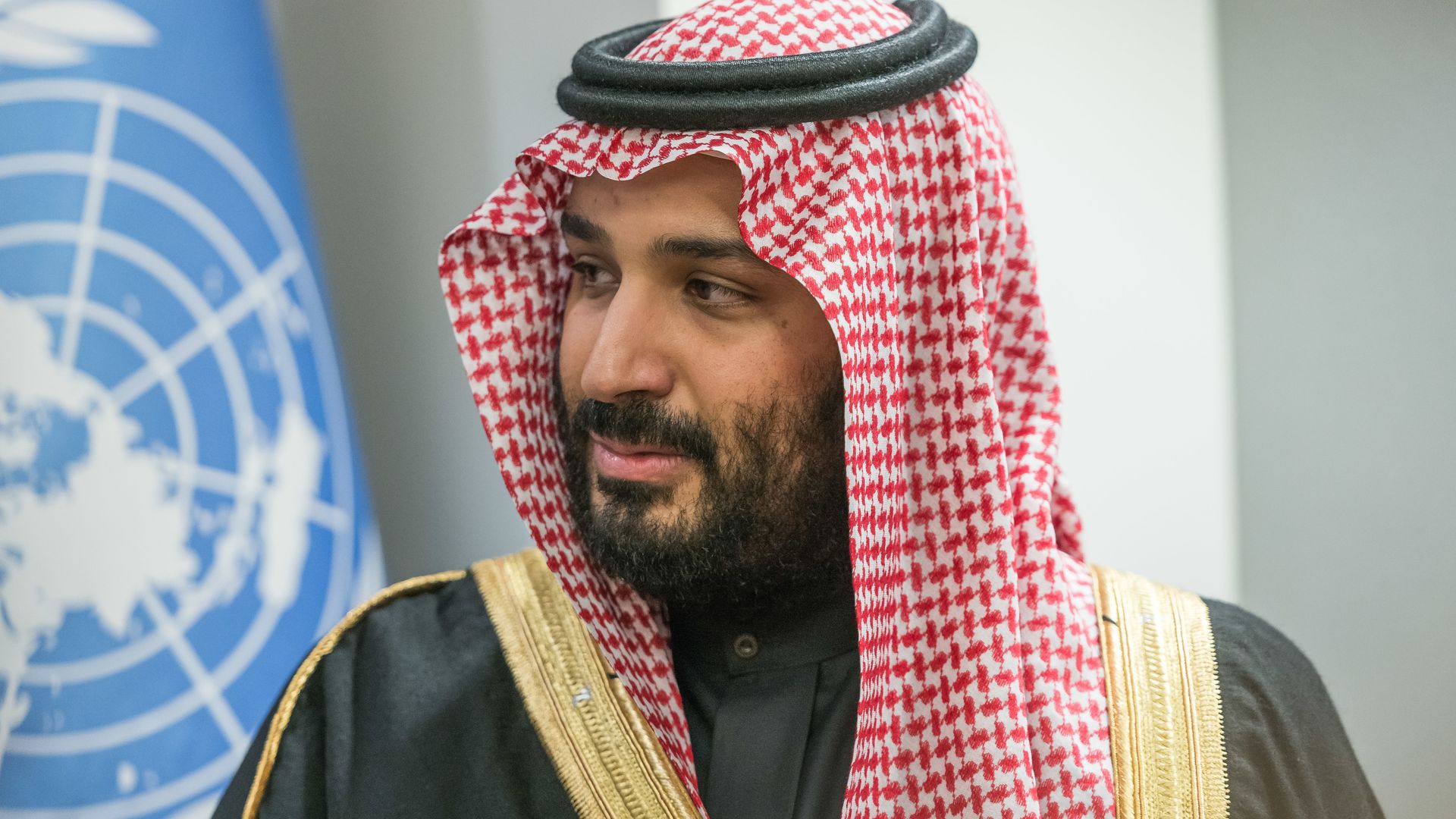
The Financial Times reports that AMC has signed a deal with Saudi Arabia to bring movie theaters to the kingdom for the first time since a cinema ban was applied 35 years ago. Per the FT, the plan is to open "30-40 cinemas in approximately 15 cities in Saudi Arabia over the next five years," and have 50-100 theaters open by 2030 in around 25 cities.
The big picture: The deal will allow the first AMC theater to open on April 18, FT reports. This joins a number of other reforms in Saudi Arabia, as Crown Prince Mohammed bin Salman pushes to attract international favor for Saudi Arabia.
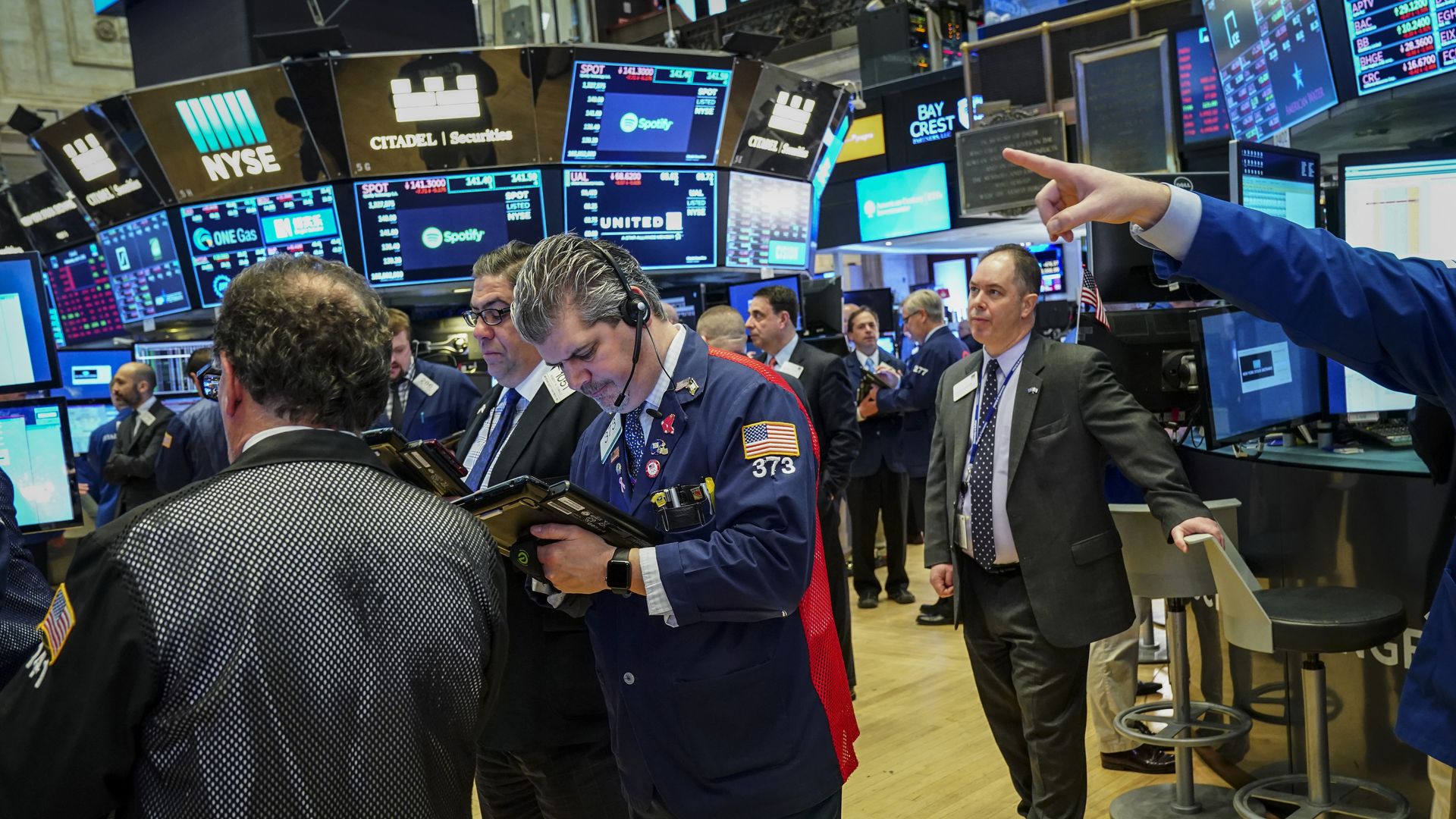
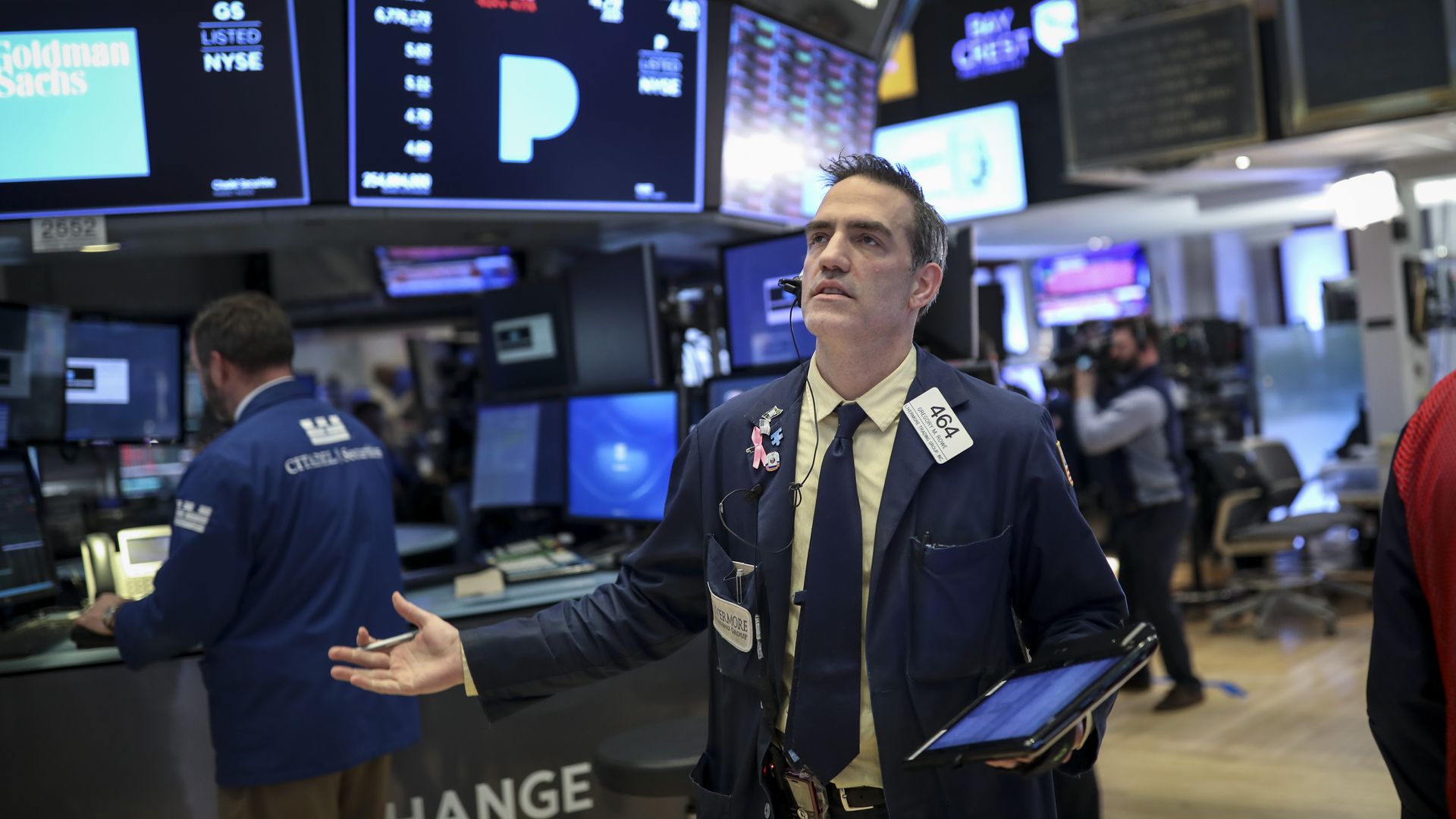
The Dow closed up nearly 750 points from Wednesday's lows, erasing morning losses on fears of a trade war with China after representatives from the Trump administration suggested that there could be a negotiated solution to the tariff proposals.
Why it matters: The swing marks a third volatile day in the market after stocks took a hit amid issues in the tech sector and China’s tariffs announcement.
In addition to the multi-day bloodbath on Wall Street, the U.S.-China tariffs war will cost 190,000 American jobs thus far and shave a smidgen of GDP growth from the economy, projects Mark Zandi, chief economist at Moody's Analytics.
What they're saying: For months, President Trump has continued to gripe about the cost to U.S. workers of the U.S.-China trade imbalance. But, if Zandi is more or less right, the tit-for-tat trade attacks that he set off last week will cut close to a month's average growth in U.S. jobs, and 0.14% from this year's growth in GDP. "And the economic costs will mount quickly if the back-and-forth tariff hikes continue," he tells Axios.
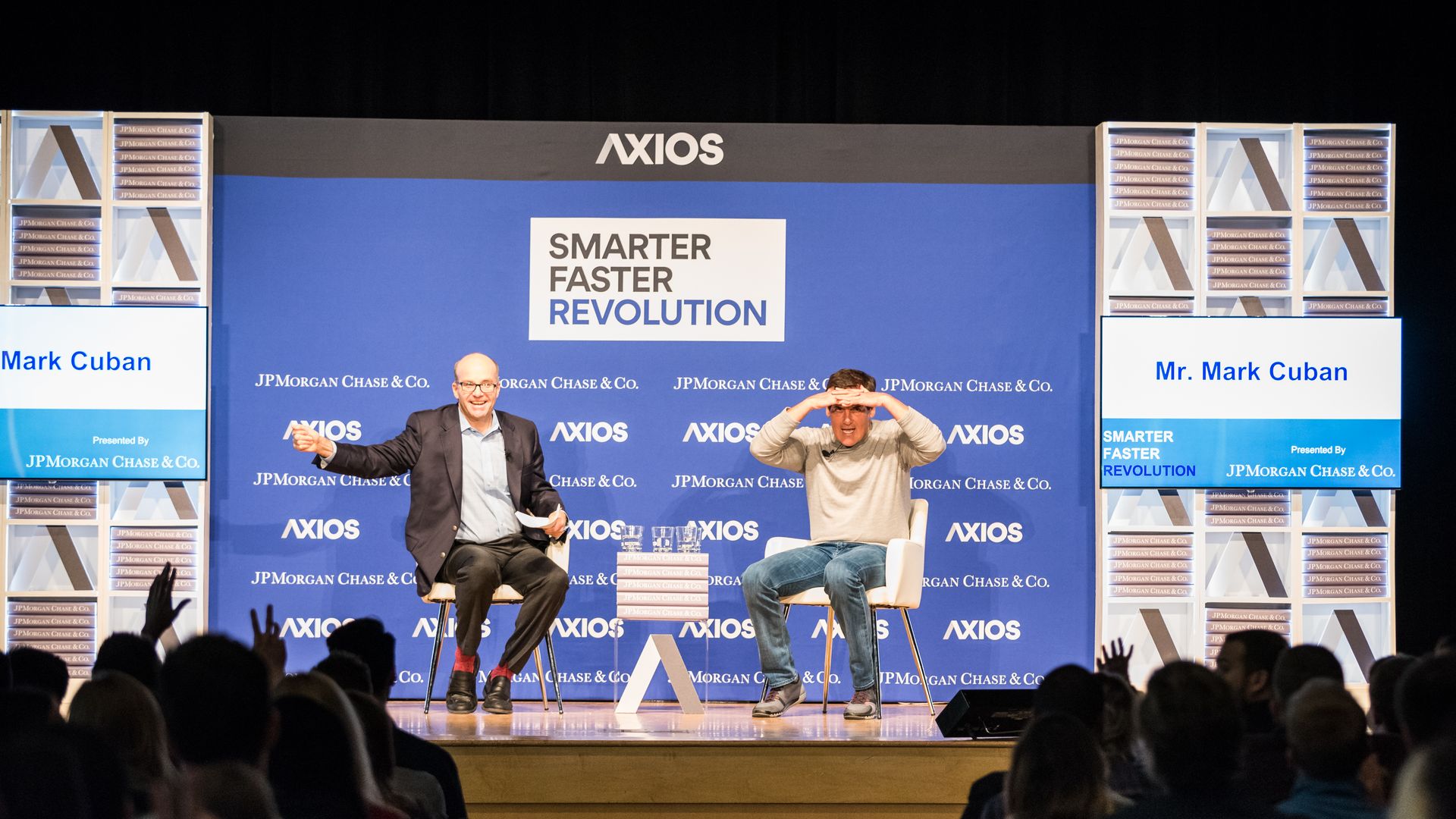
Over 400 students joined Axios co-founders Mike Allen and Jim VandeHei at the Ohio State University for the fifth leg of the Smarter Faster Revolution college tour. They discussed the Future of Work, how to counteract job displacement, and how to succeed in the workplace with:
T.H. John Kasich, Governor, Ohio
Ms. Amy Bonitatibus, Chief Marketing & Communications Officer of Home Lending, JPMorgan Chase & Co.
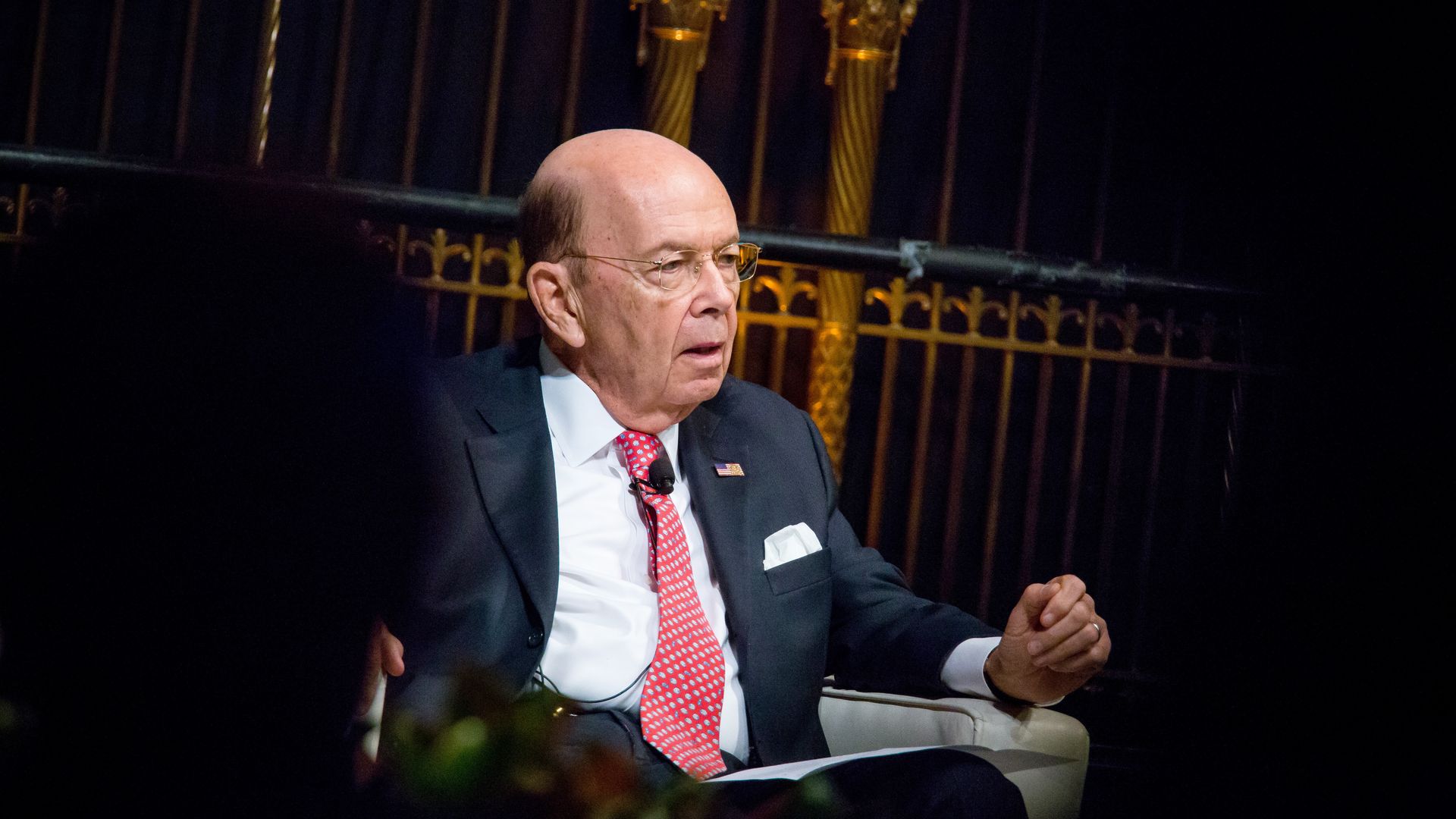
Commerce Secretary Wilbur Ross said on CNBC this morning that the Chinese tit-for-tat tariffs against U.S. autos, chemicals, planes, soybeans and whiskey would only affect "a fraction of a percent of GDP."
"I'm a little surprised that Wall Street is surprised by [Chinese retaliation]. This has been telegraphed for weeks."
As U.S. stock futures plummet Wednesday morning on the news that China has responded to U.S. tariffs by targeting autos, chemicals, planes, soybeans and whiskey, President Trump denied the existence of a trade war — though he claimed just last month that "trade wars are good, and easy to win."
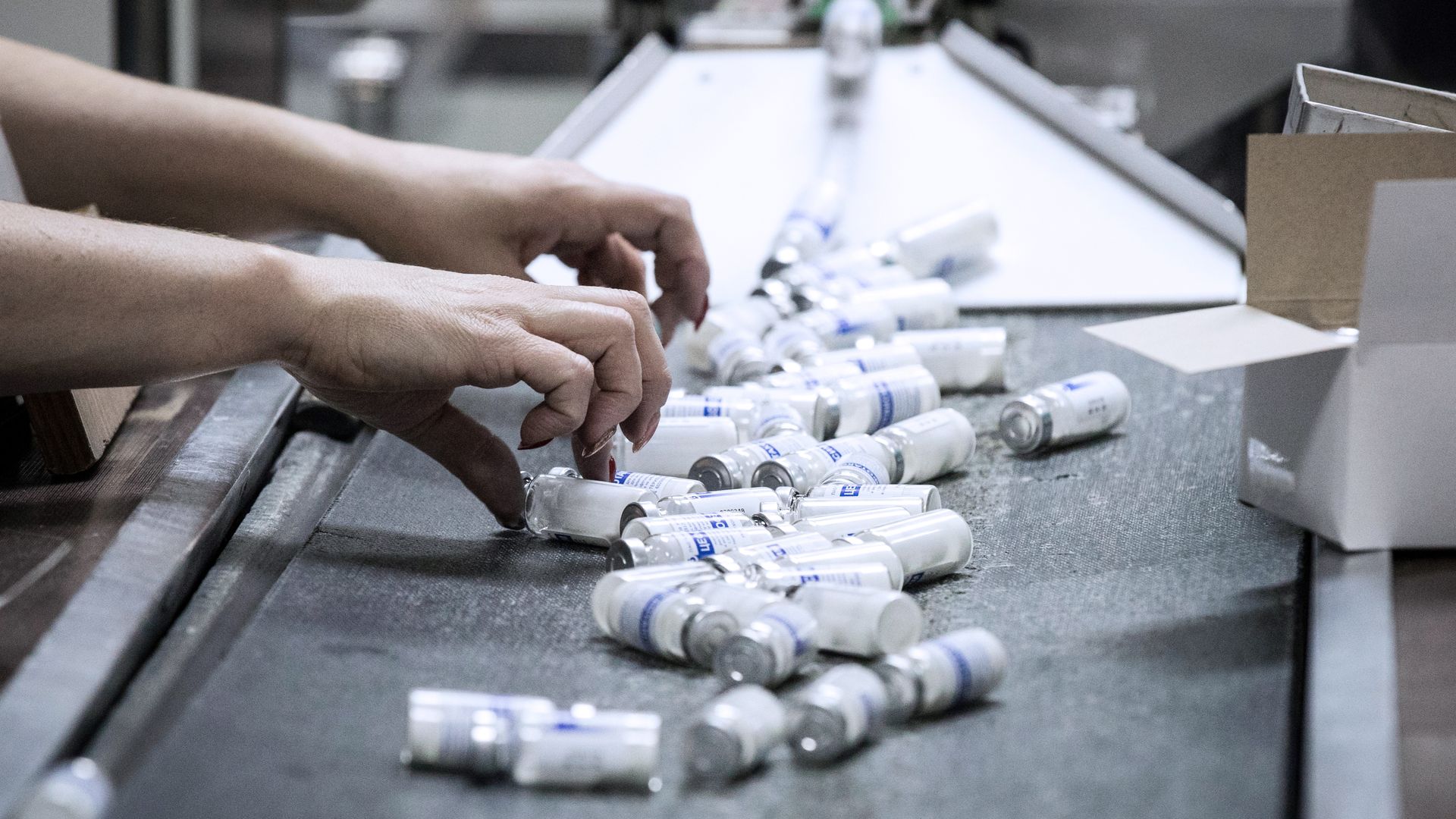
There are a lot of medical products on the Trump administration’s list of candidates for the new 25% tariffs it wants to impose on China, including vaccines; insulin products; MRI machines, surgical tools and other medical devices; and a host of raw ingredients for pharmaceuticals.
Why it matters: An enormous amount of the ingredients in American pharmaceuticals are made in China. As those prices rise, the cost of drugs could rise, too — and the impact could be especially dramatic for generics.
The Trump administration on Tuesday proposed 25% tariffs on Chinese-made products worth $50 billion in response to alleged technology theft, sparking growing fears of a trade war with Beijing.
The details: The U.S. Trade Representative said the new rounds of tariffs would target products "that benefit from China's industrial plans while minimizing the affect on the U.S. economy." 1,300 industries could be subjected to a 25% tariffs, include aerospace, information and communication technology, robotics, and machinery. The Chinese embassy in Washington “strongly condemns” the proposal, saying in a statement: "China is not afraid of and will not recoil from a trade war. ... If a trade war were initiated by the U.S., China would fight to the end to defend its own legitimate interests with all necessary measures"
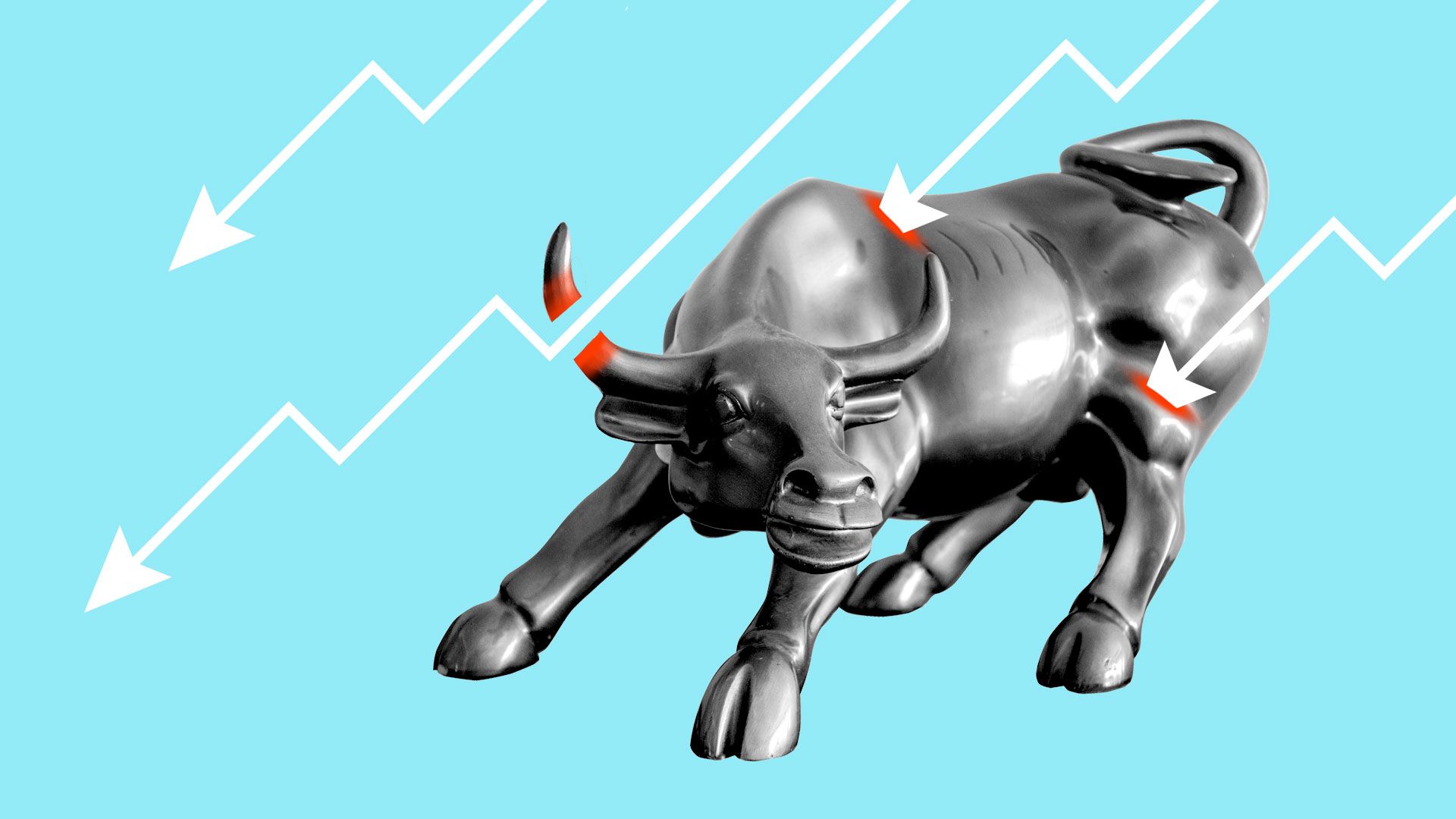
Investing bears have spent the past several years getting stomped by the bull market, but expect their negative roars to begin getting louder. Particularly after next month, when the current economic expansion officially becomes the second-longest in American history.
Be smart: No one ever correctly predicts the specific end of a market cycle. This is more if than when, and data points are giving the naysayers more courage of their convictions.
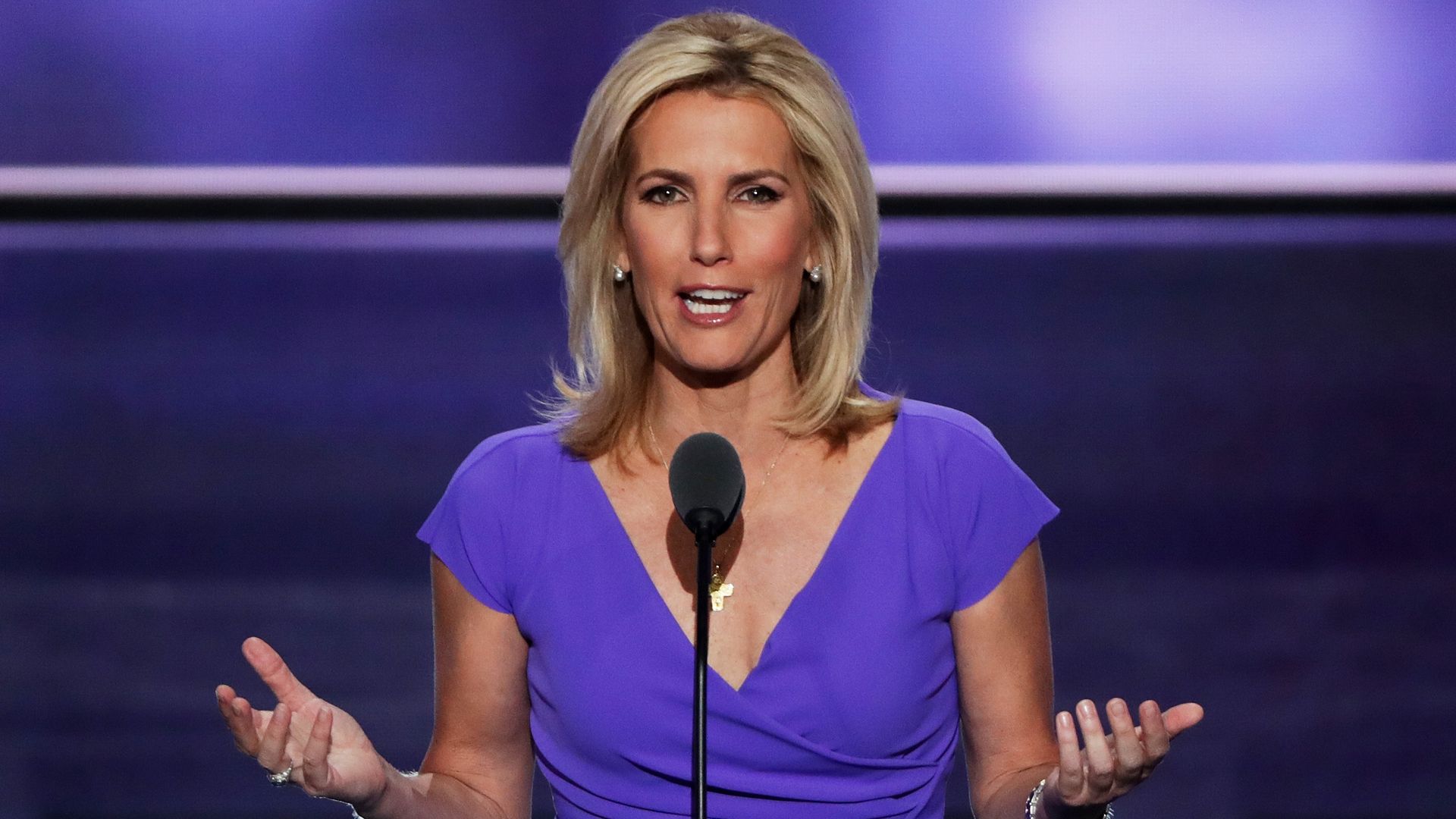
Early data from YouGov's Brand Index, which measures daily consumer perceptions of brands, reveals that Fox News Channel's brand is experiencing more perception damage than any of the advertisers that have boycotted Laura Ingraham’s television show so far.
Why it matters: Fox News co-president Jack Abernethy says the network still supports Ingraham, who's currently taking a scheduled leave amid fallout from tweets mocking Parkland school shooting survivor David Hogg.
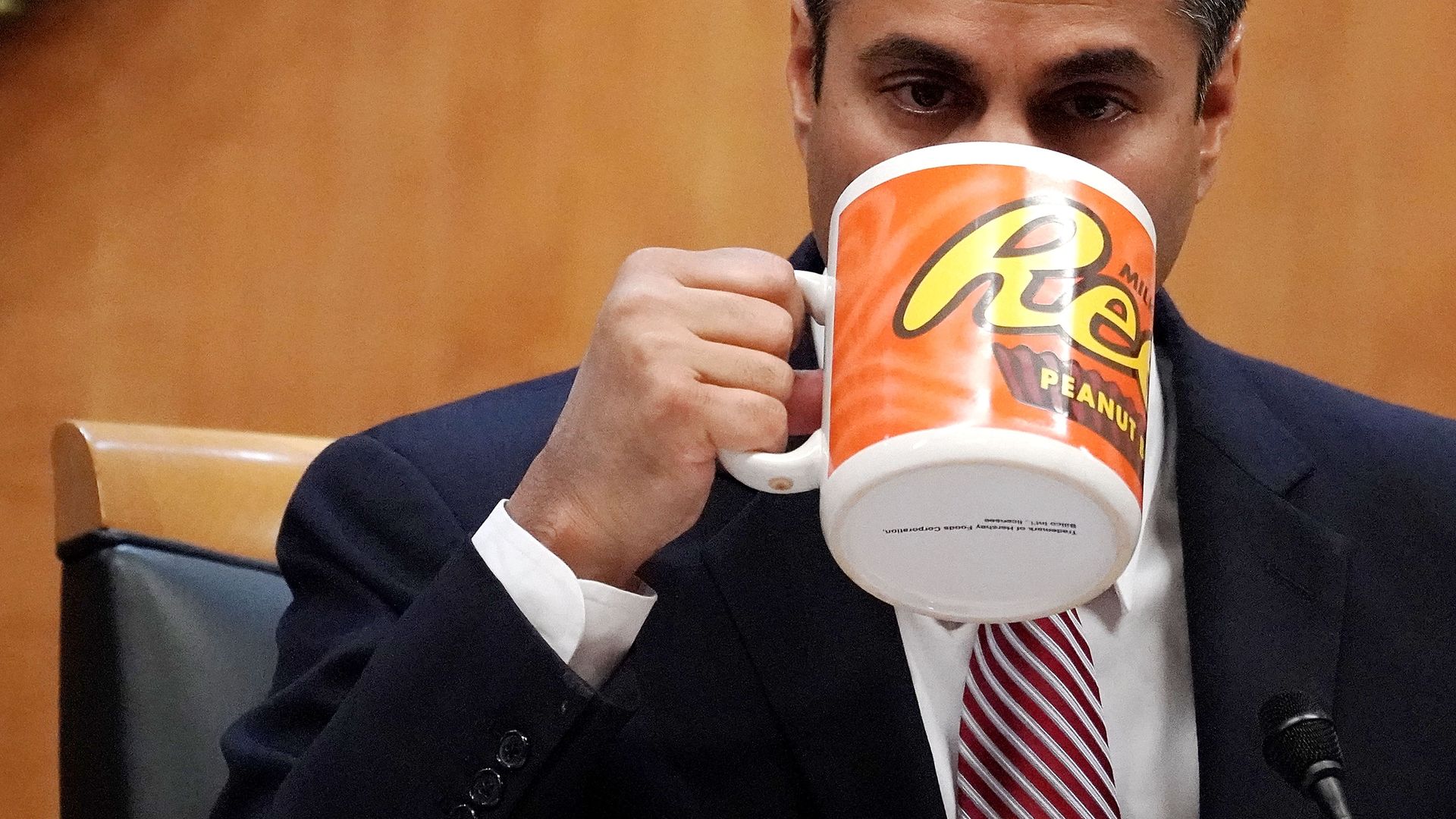
Critics, are blaming the FCC for the Sinclair Broadcast Group's unabashed conservative leanings, reports the Washington Post, after an embarrassing video showing dozens of Sinclair anchors reading a script denouncing "fake stories" went viral.
"The president's FCC, under Ajit Pai, is opening the door to major liberal networks like NBC and ABC to do exactly what Sinclair did."
— Christopher Ruddy, CEO of Newsmax Media and a friend of the president
The big picture: In late 2017,the FCC eliminated a rule that kept news stations under local control, paving the way for automated national programming. Ruddy claims the policy ruling incentivizes companies to produce homogenous content.
In 2017, the NBCU's "Audience Studio," the group that manages its advertising data platform, had over 500 clients buy ads based off of audience data — not Nielsen ratings — a 50% increase year over year, Axios has learned.
The company has sold roughly $1 billion of data-based ads over the past year, and plans to meet the same goal over the next year.
"Companies in technology, investment and other industries now say that the measures the administration is taking to help them may actually end up doing irreparable harm to supply chains they have built up over decades," the N.Y. Times' Ana Swanson reports.
The bottom line: "Any American company that wants to be a global player cannot afford to lose access to China’s growing market, executives say."
President Trump went on the defensive again for Sinclair Broadcast Group in a Tuesday morning tweet. It's the second time in as many days that Trump has come to the defense of Sinclair after the local broadcasting giant came under fire for having its anchors read a promotional script pushing a conservative agenda denouncing "fake" stories.
Bloomberg presents this stunning datapoint: "U.S. stocks had their worst April start since 1929."
The big picture: "The president — who frequently touted Wall Street’s rally following his 2016 election victory — was partly blamed for a sharp stock selloff ... that investors believe is likely to continue, deepening cracks in a nine-year-old bull run," per Reuters.
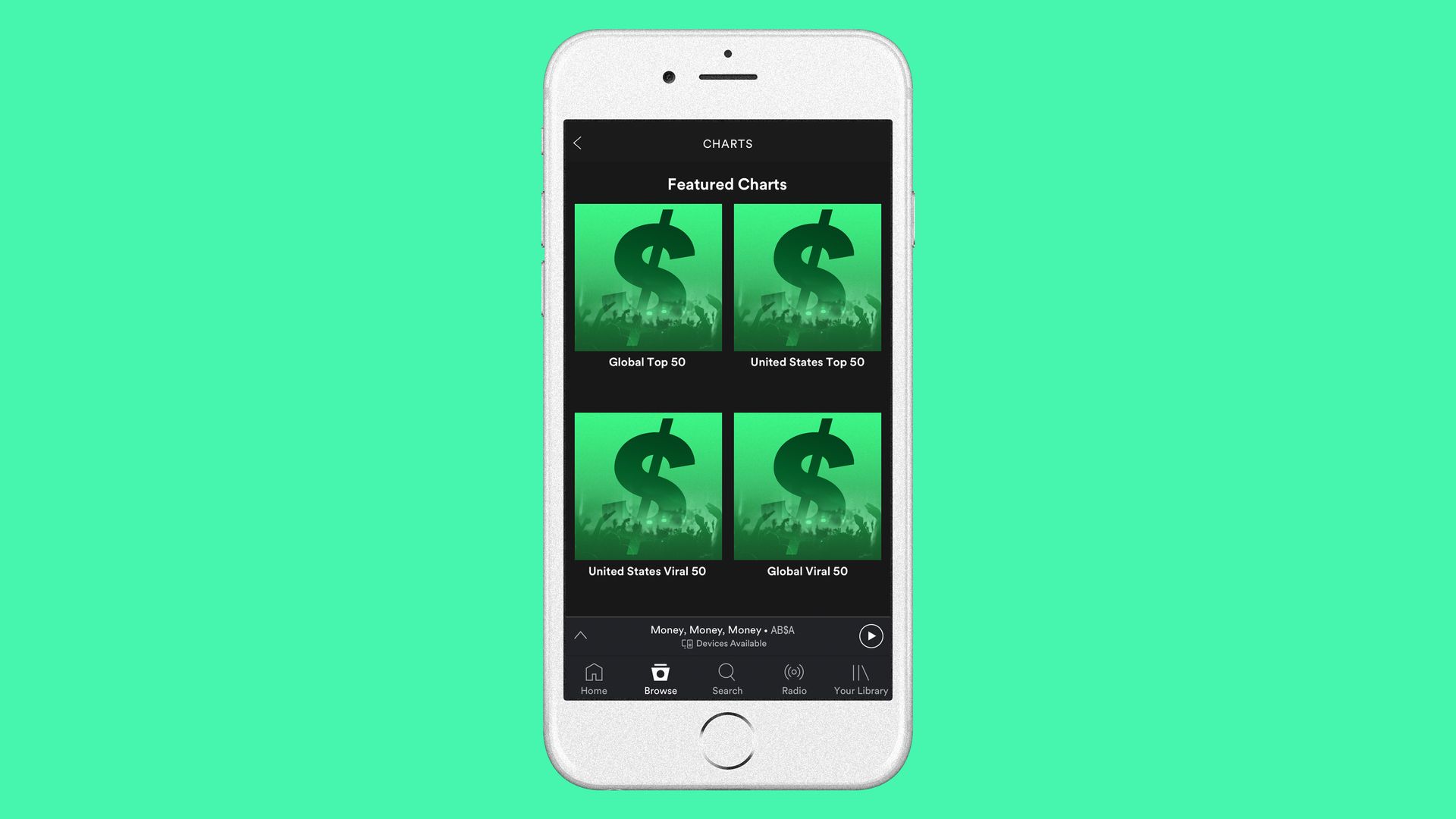
All tech and business eyes are on Spotify, as the music streaming giant goes public today without a traditional IPO process.
Why it matters: Precedent. If Spotify's direct listing is successful, other private companies may pursue their own alternative paths to public equity, including ones like Spotify's that use investment banks more as navigators than as drivers.
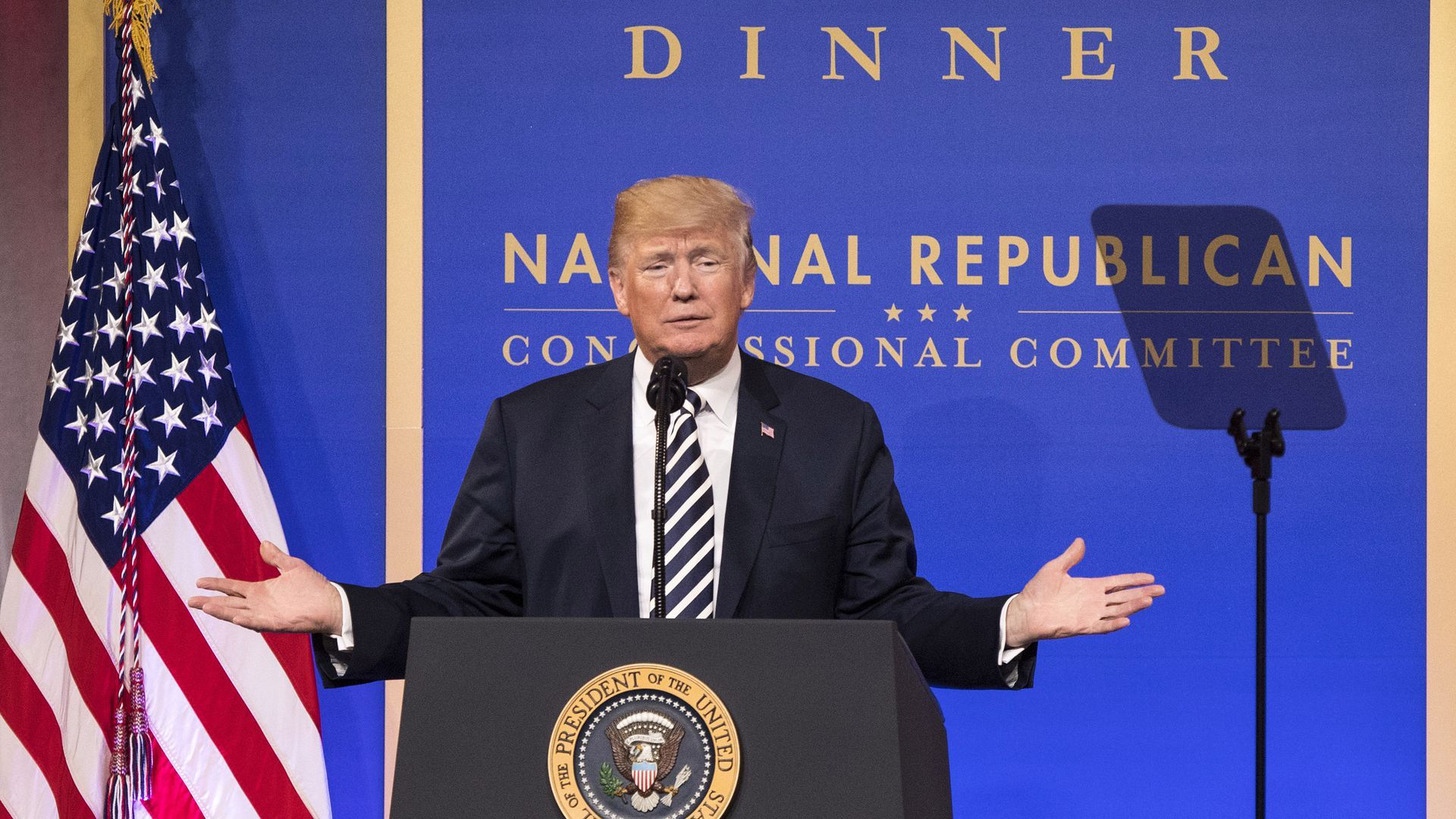
Nothing helps President Trump more — or tightens his hold on his base more securely — than his cozy, mutually beneficial relationship with conservative TV. Trump's feedback loop, including cable-news coverage, and mainstream media squawking, convinces the president that he's winning his war on media.
The two key players: Fox News — especially the morning show, "Fox & Friends" — and Sinclair Broadcast Group, the nation's largest owner of local broadcasting stations with unabashed conservative leanings.