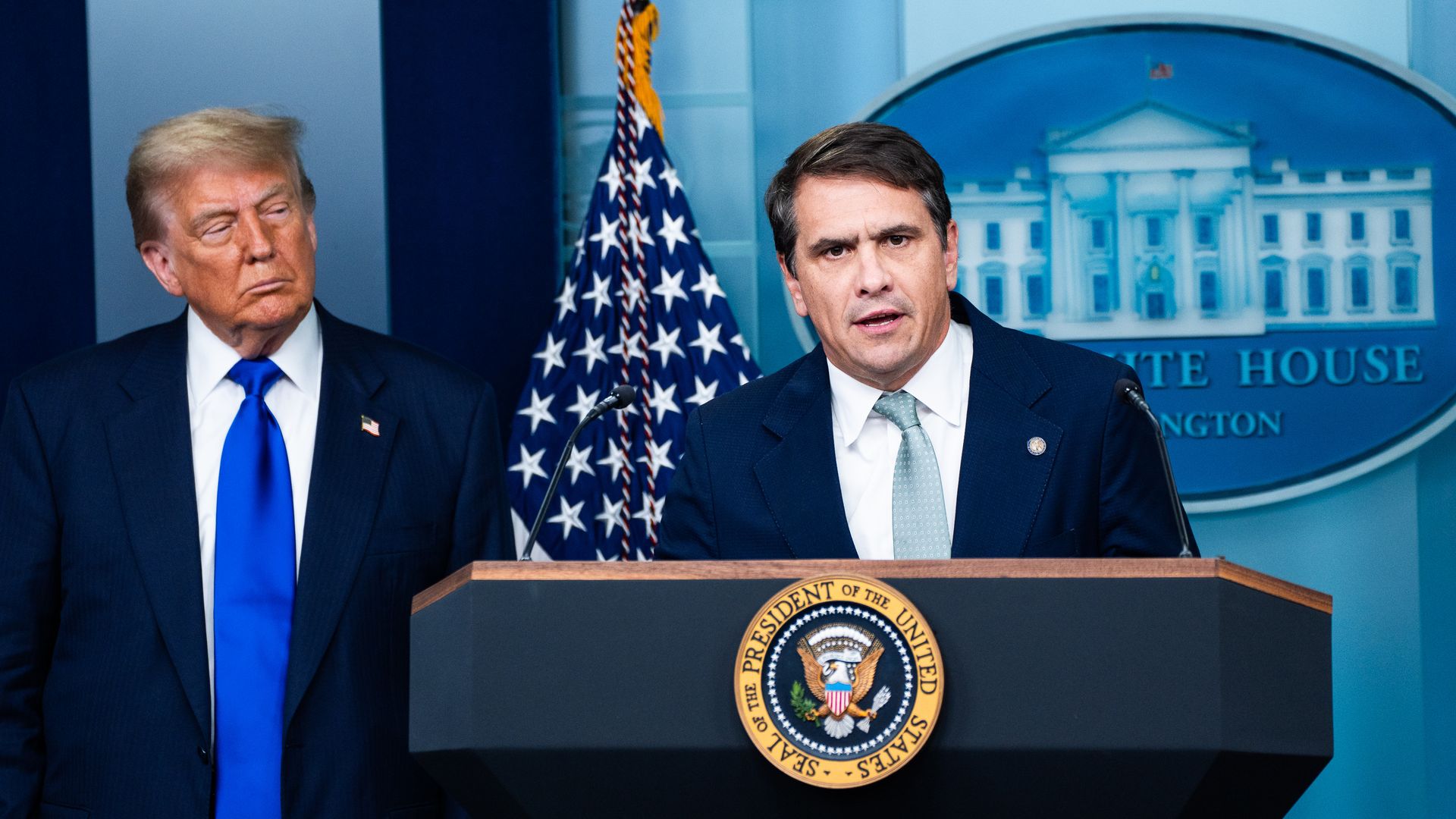
A settlement between President Trump and the IRS that created a $1.8 billion "anti-weaponization" fund was expanded Tuesday to bar investigations into him, his family and his businesses' previously filed tax returns.
Why it matters: The expanded waiver intensifies scrutiny of a controversial settlement involving agencies that Trump effectively oversees.
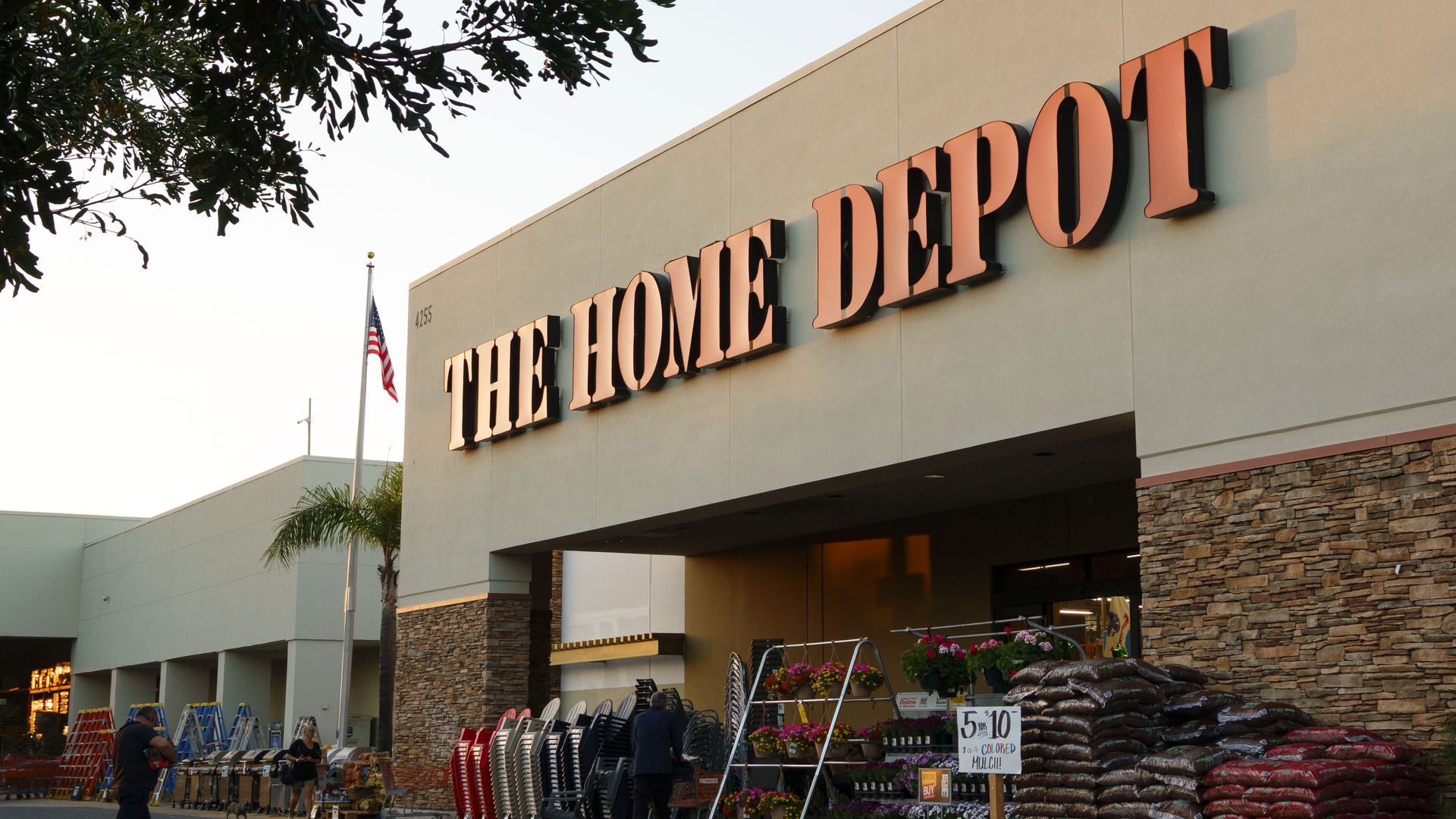
Home Depot is leaning more heavily on contractors, specialty distribution and job-site delivery as high mortgage rates continue to suppress big homeowner remodels.
Why it matters: Tuesday's quarterly results suggest Home Depot sees contractors — not a homeowner rebound — as its clearest near-term growth engine.
The Securities and Exchange Commission on Tuesday proposed two new rules that the agency says will make it easier for companies to go public.
Why it matters: It's the largest overhaul of the IPO rules in 20 years, the agency says, and part of SEC chairman Paul Atkins' push to "make IPOs great again."
Digital media companies that waited too long to sell all or parts of their businesses saw their final sale prices plummet from their peak valuations.
Why it matters: Peak valuations came at a frothy time in digital publishing when social distribution, search traffic and scale-based audience growth convinced investors these were the next generation of media giants.
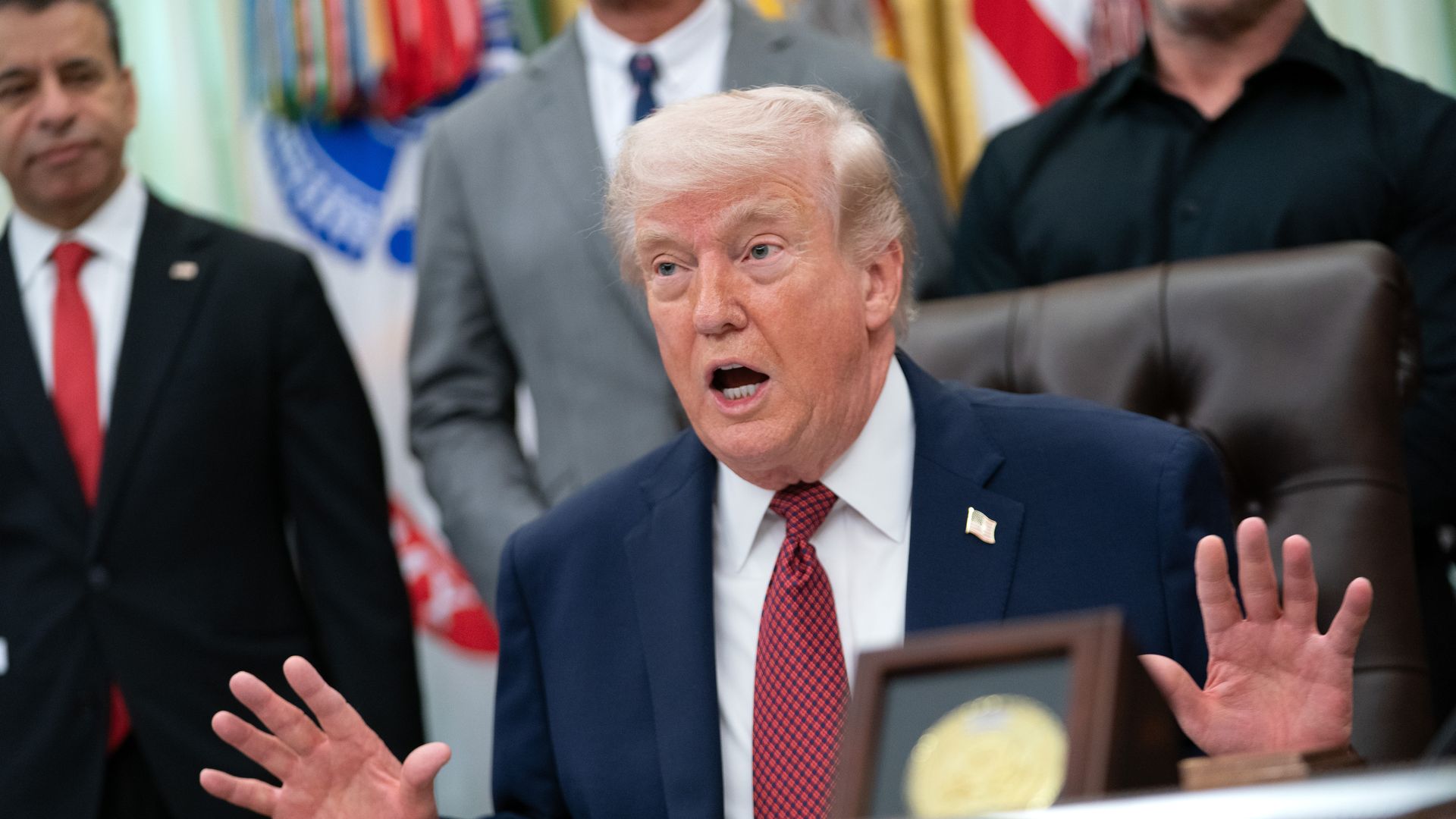
President Trump endorsed Texas Attorney General Ken Paxton in the Texas Republican Senate primary runoff on Tuesday, a day after the start of early voting.
Why it matters: Senate Republicans spent months pleading with Trump to endorse incumbent U.S. Sen. John Cornyn over Paxton.
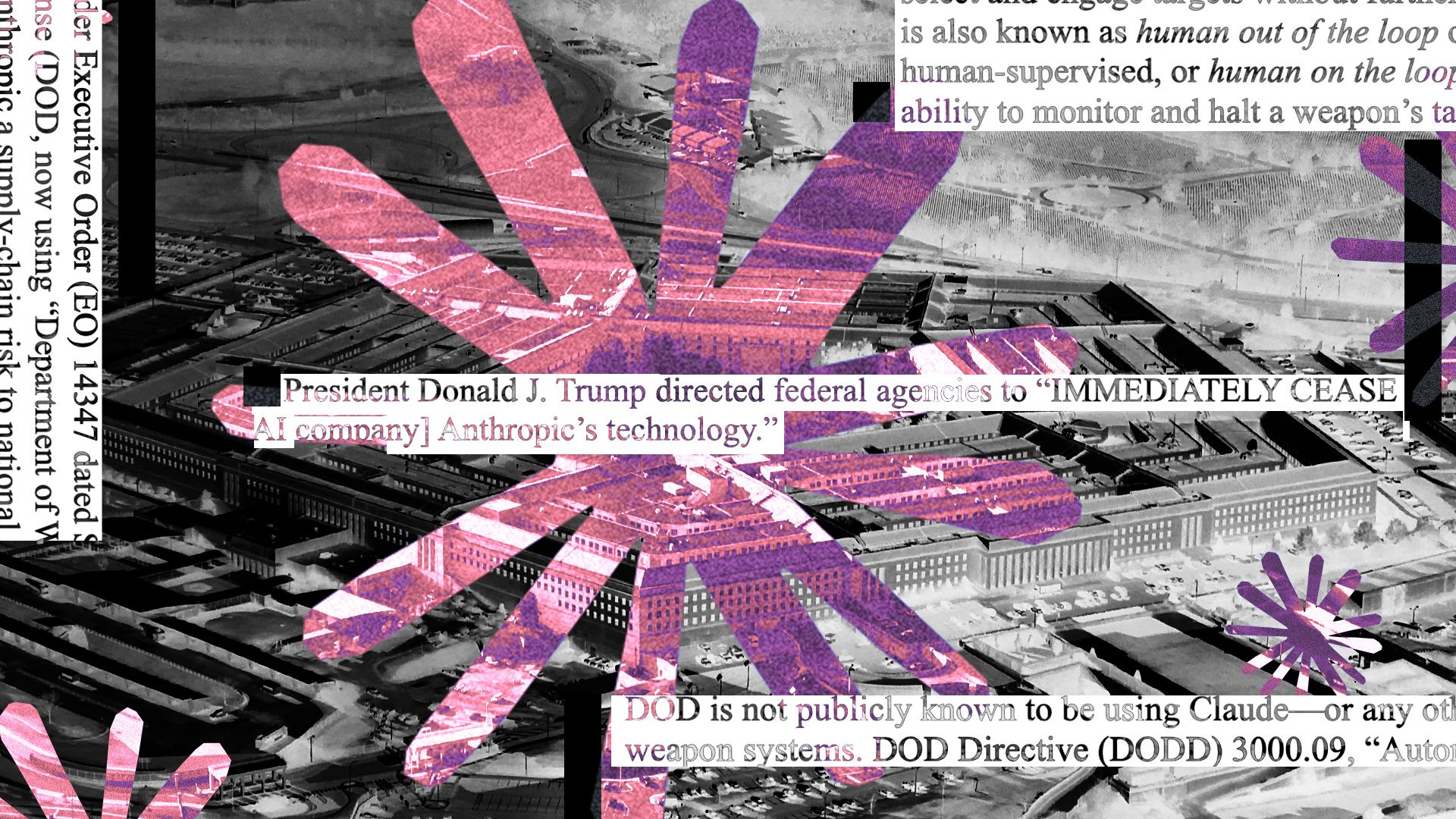
The Trump administration defended its designation of Anthropic as a supply chain risk in oral arguments in federal court Tuesday, even as it actively tries to figure out how it can adopt its most powerful model yet, Mythos, to combat cyber threats.
Why it matters: Treating a U.S. company as a national security threat while looking to use its technology to combat foreign adversaries is an awkward needle to thread.
A group of congressional Democrats wants to stop private equity from investing in youth sports, arguing that a ban would bring down costs and be a political winner with beleaguered parents.
Driving the news: Sen. Chris Murphy (D-Conn.) and others recently introduced the Let Kids Play Act (full text here).
Private equity firms would be prevented from investing in youth sports — including leagues, facilities, tournaments and targeted tech platforms — and forced to divest existing holdings within two years.
It would also require firms to reimburse parents for previously collected "junk fees," eliminate debts and make PE investors personally liable for any infractions that occur under their ownership.
Bloomberg Media on Tuesday said it would bring its flagship New Economy Forum event to India for the first time this October, as part of a broader push into the region.
Why it matters: It wants to get ahead of the region's critical tech and business growth story while also exploring more business and expansion opportunities.
In a government filing late last week, President Trump disclosed more than 3,500 stock trades on his behalf in the first quarter — at least $1 million each was purchased in shares of Nvidia, Oracle, Microsoft, Boeing and more.
The trading included sales of holdings in Meta, Amazon and Walt Disney, among others.
All told, there were hundreds of millions of dollars worth of transactions, per the Financial Times, although it is not known how much money the president earned (or lost) as a result.
Why it matters: In modern history, no president has had an active investment portfolio quite like this.
"We've never seen a president trading actively in the stock market before," says Richard Painter, who served as the chief White House ethics counsel under former President George W. Bush and is a critic of Trump.
The Trump Organization says the president's accounts are independently managed by third-party financial institutions without his input.
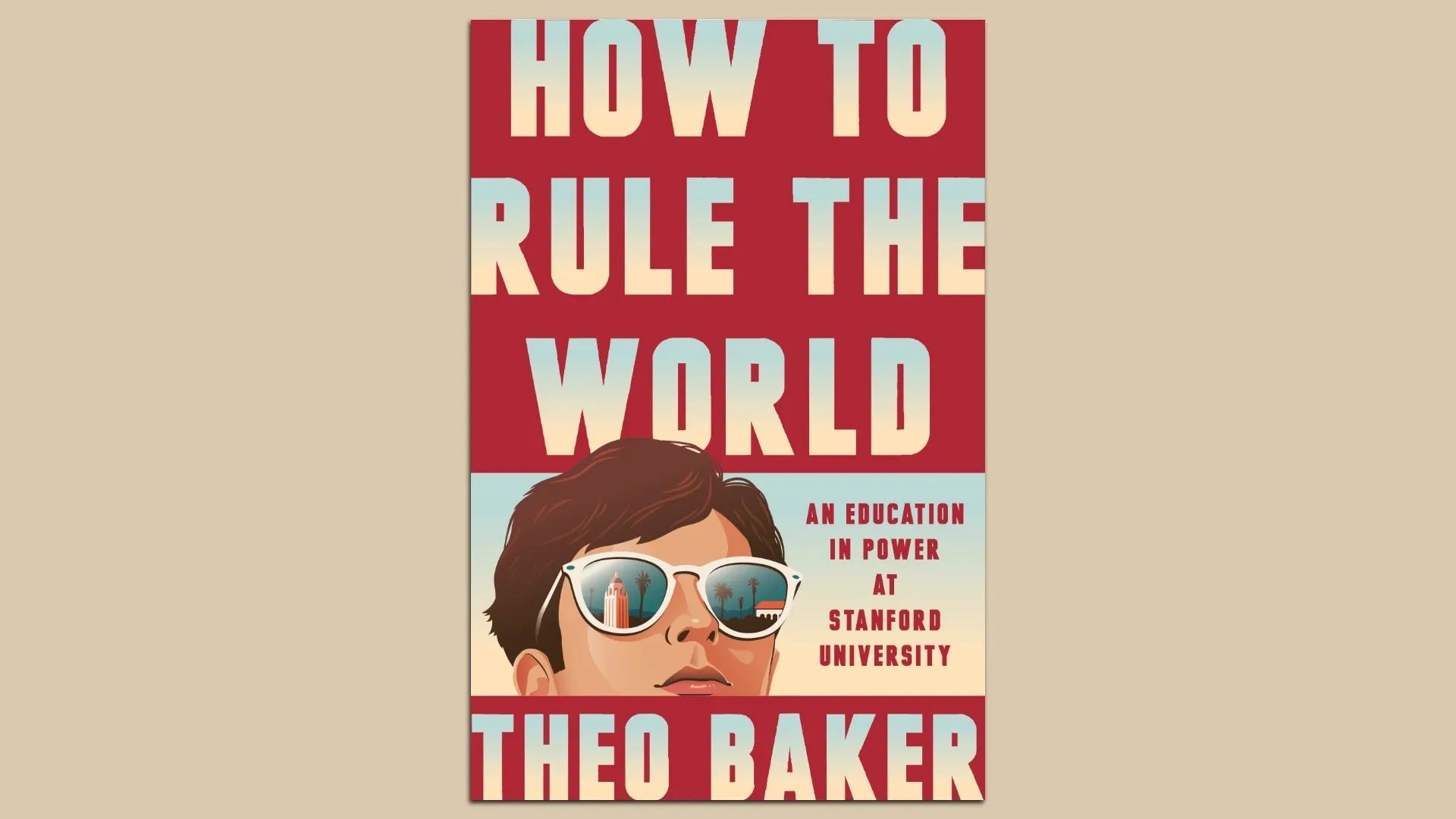
Theo Baker, a Stanford history major who'll graduate 26 days from now, is out today with a vivid, dishy exposé of the sometimes comical, at times seemingly corrupt, efforts by tech funders to seduce undergraduates who smell like future moguls and geniuses, and vice versa.
"I've had more one-on-ones with billionaires than I've been on formal dates," Baker writes in "How to Rule the World," which takes its title from an unofficial, exclusive seminar at Stanford run by a Silicon Valley CEO. "I've encountered genius and misdeed at every stage, from wide-eyed freshman wannabes to accomplished masters of the universe."
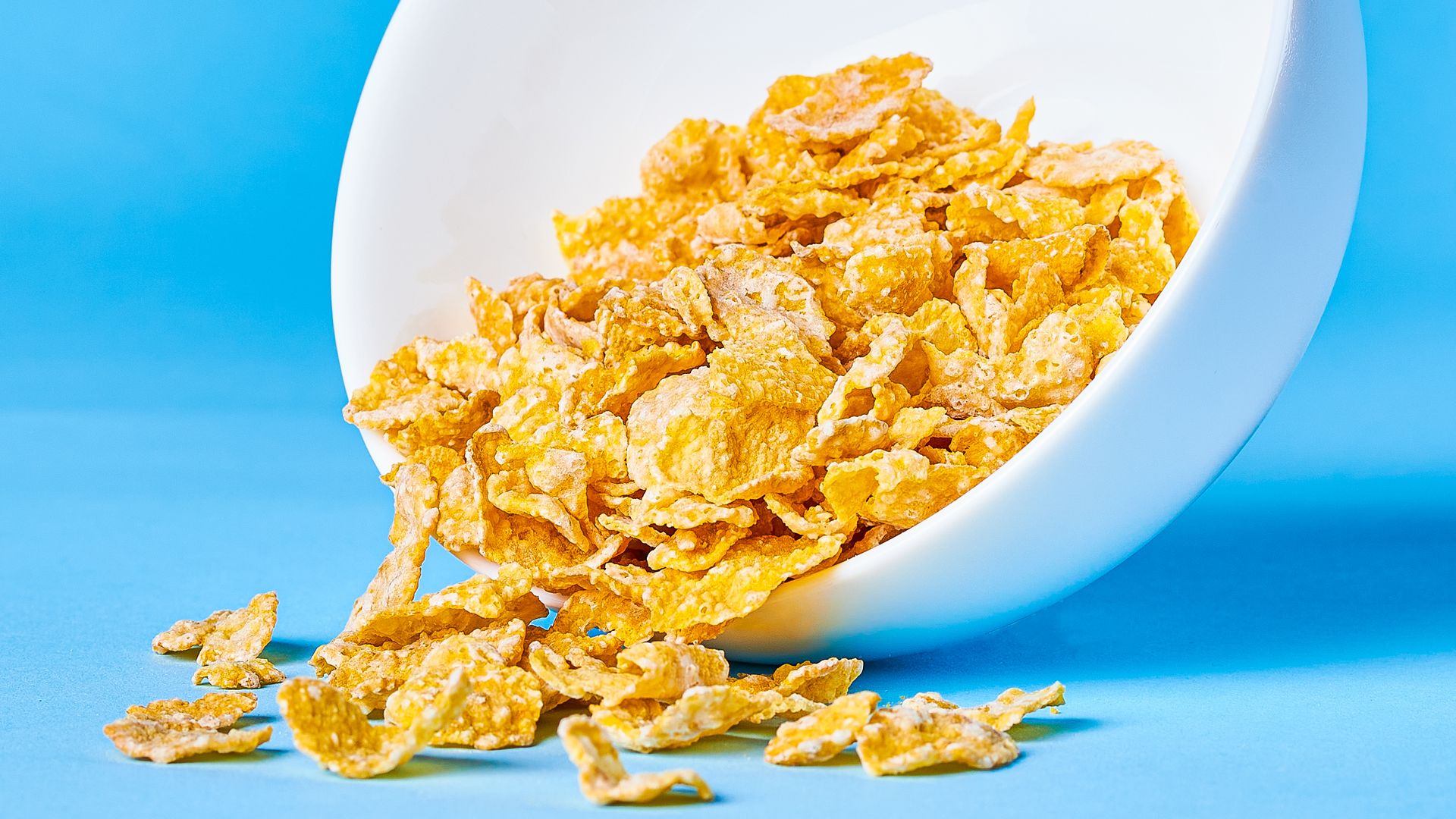
Ferrero is using its growing portfolio of legacy brands to create nostalgia-fueled mashupsand crossover products as it expands deeper into protein and breakfast, the company told Axios.
Why it matters: Armed with iconic names like Nutella, Butterfinger and Kellogg, Ferrero is using acquisitions and innovation to revive aging brands in categories many larger companies have struggled to grow.
The NextEra-Dominion merger plan signals the rapid evolution of the U.S. power landscape marked by rising demand, rising bills, and AI's voracious needs.
Why it matters: There are a lot of wild stats around NextEra acquiring the smaller (but still very big) Dominion, but this one is especially eye-opening in the AI data center age:
The company would have a pipeline of over 130 gigawatts of "large load" customers — with data centers a big part — looking to come online by 2032.
Democrats erupted Monday over President Trump's $1.8 billion "anti-weaponization" fund for MAGA allies who claim political persecution, vowing to investigate what they called textbook corruption.
Why it matters: With each passing month, Trump is weaving the financial interests of his family, his allies and his political movement more tightly than ever into the fabric of the American presidency.
This survey is the result of a partnership between Axios and Harris Poll to gauge the reputation of the most visible brands in America, based on 20 years of Harris Poll research.
The big picture: Axios and Harris Poll have been partnering on the poll since 2019.
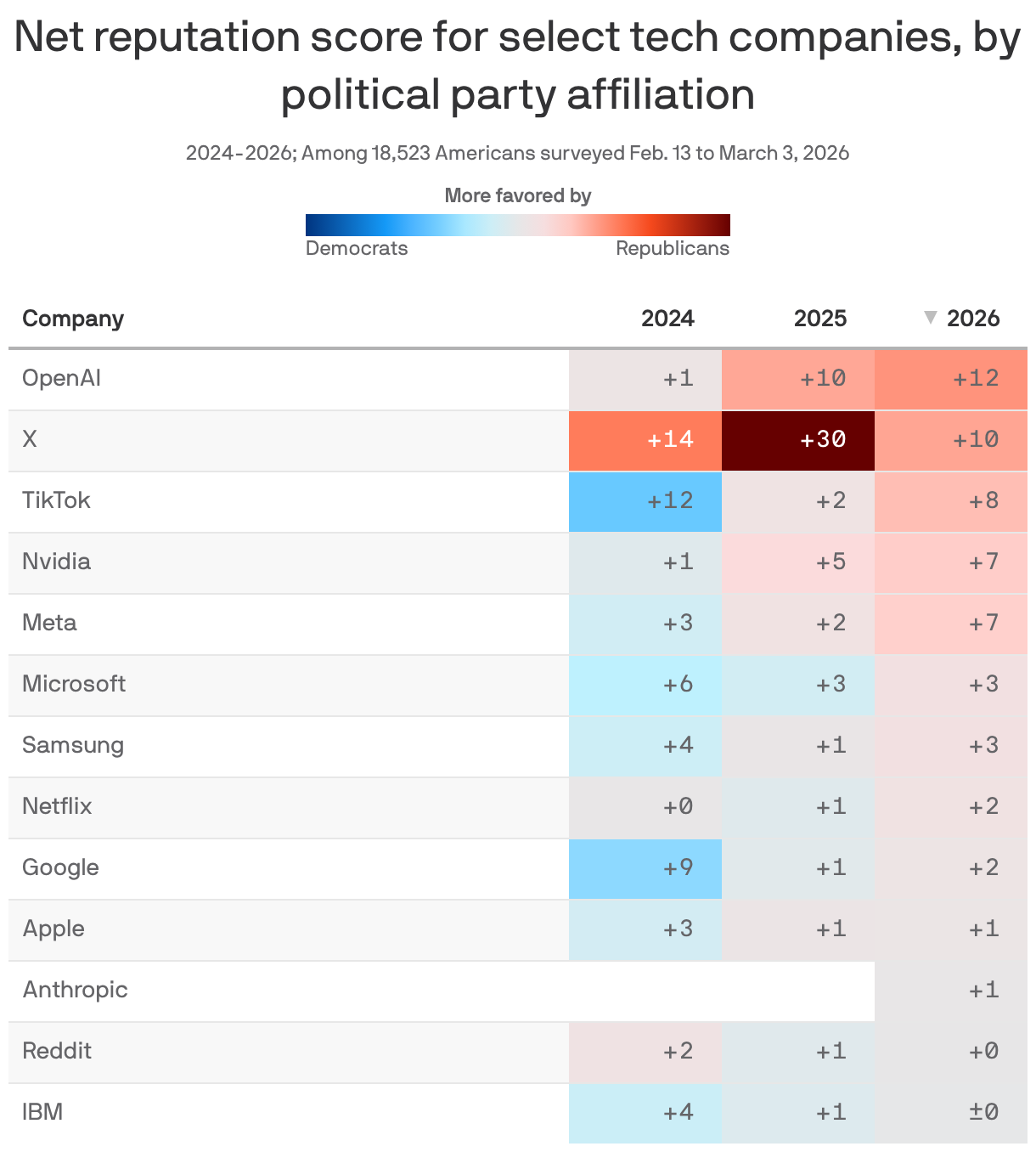
Democrats have become more skeptical of AI technology and the industry behind it, while Republicans are significantly more likely to trust most AI companies, according to this year's Axios Harris Poll 100 rankings.
Why it matters: This represents a significant shift in just two years, since the White House changed hands and AI advancements accelerated.