Stellantis plans to add affordable entry-level cars and high-performance trucks to its U.S. showrooms over the next five years as part of a 60 billion euros ($70 billion) global turnaround plan.
Why it matters: Expanding into new market segments is a key aspect of Stellantis' strategy reboot as it tries to reinvigorate its 14 brands and strengthen its financial performance in the hyper-competitive auto industry.
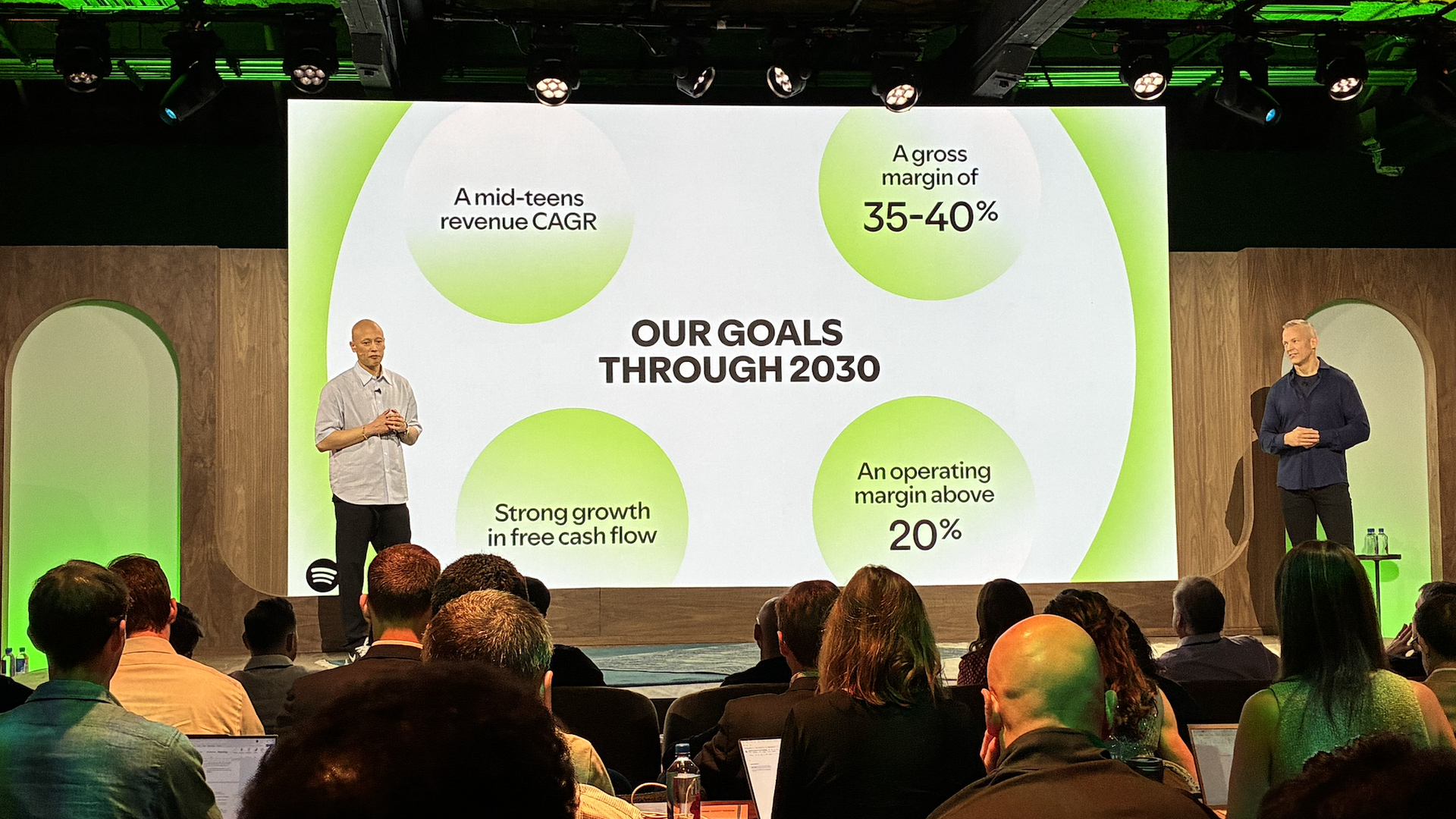
Spotify believes it will become much more profitable over the next four years by leveraging AI to build a "large taste model" that supportsinteractive sharing over passive listening.
Why it matters: The streamer spent the past four years proving it could turn its popularity into a meaningful business. Now, it wants to show Wall Street it can sustain and build on that momentum in the agentic era.
The U.S. space economy is evolving. What once centered on large programs and long timelines is now expanding into something faster, more flexible and founder-driven.
Why it's important: Aerospace is starting to look more like a startup ecosystem, where speed, access to capital and ownership matter earlier in the build cycle.
Greater Seattle is one place where that shift is already taking hold.
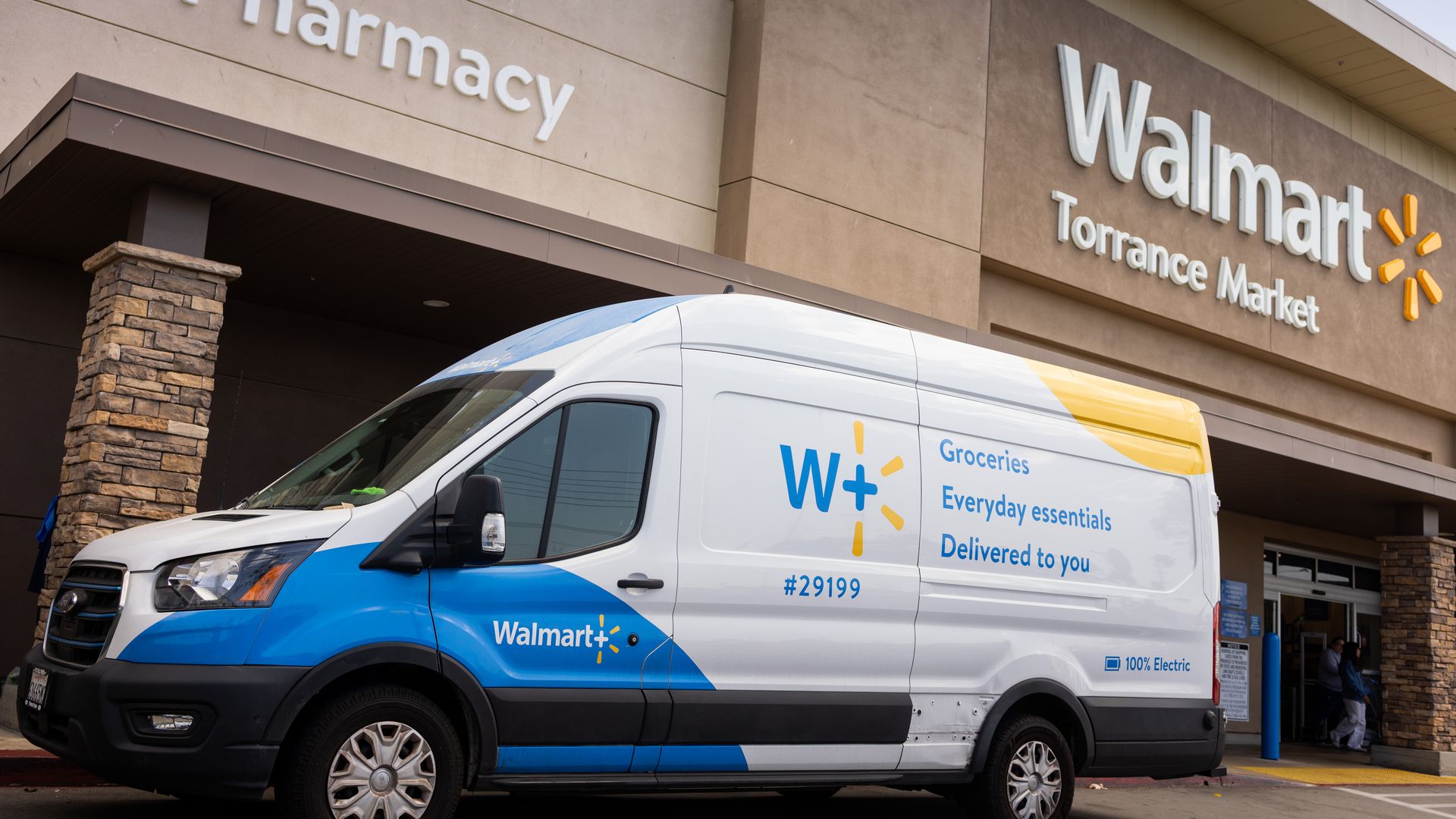
Walmart says faster delivery is changing how customers shop, with more people using 30-minute delivery for everyday needs like diapers, cold medicine and meal ingredients, the company told Axios.
Why it matters: Retailers are increasingly competing on speed — not just price — as Walmart, Amazon, Target and grocery chains battle to become consumers' go-to platform for urgent shopping.
Walmart's growth beyond its stores continued in the first quarter, driven by advertising, e-commerce and memberships.
Why it matters: The nation's largest retailer is increasingly making money from the services built around shopping — not just the products on its shelves.
Washington, D.C., is locked in a battle over how to integrate crypto and fintech firms into the regulated financial system. Now the Federal Reserve is confronting a similar question: Who gets access to its payment infrastructure, and on what terms?
Why it matters: The Fed on Wednesday night said it is seeking public comment on a proposal to extend limited access to its payment rails to fintech and other non-bank firms.
The U.S. government on Thursday said that it has agreed to take equity stakes in nine quantum computing companies, tied to $2 billion in CHIPS Act grants.
Why it matters: These sorts of quasi-socialist arrangements have been normalized with breathtaking speed.
SpaceX is going public, but not really: Elon Musk will retain a vise-like grip on the company he runs, its initial public offering filing shows.
Why it matters: It's the largest IPO history and as such will reshape the fabric of the public markets and may set a new standard for how companies are run.
Nvidia announced plans to supersize the shower of cash it will return to shareholders.
Why it matters: On Wall Street, big increases in plans to return cash — such as a fast-growing company announcing a dividend for the first time — are viewed as a tacit acknowledgement that the company is running out of places to invest profitably.