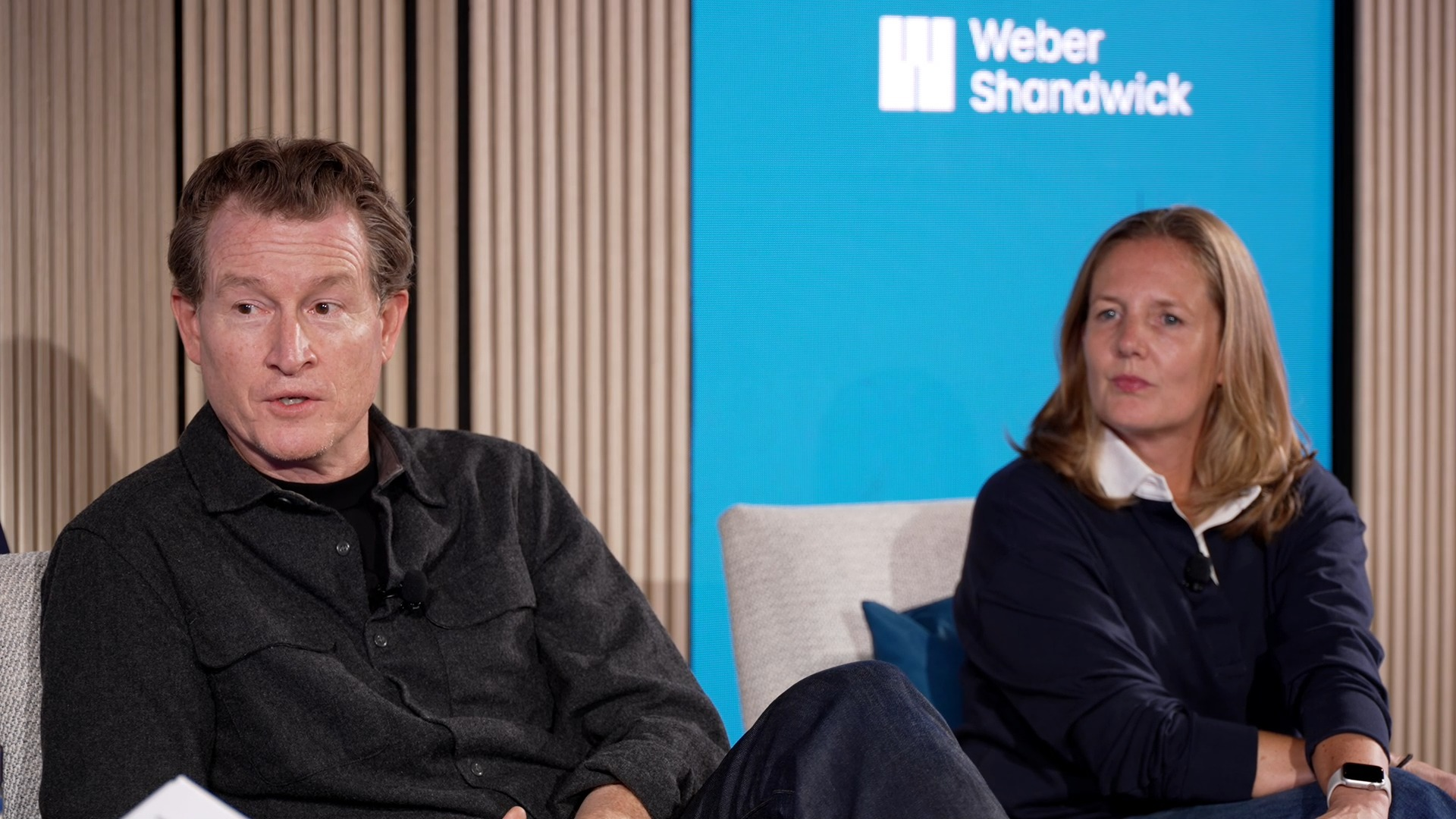
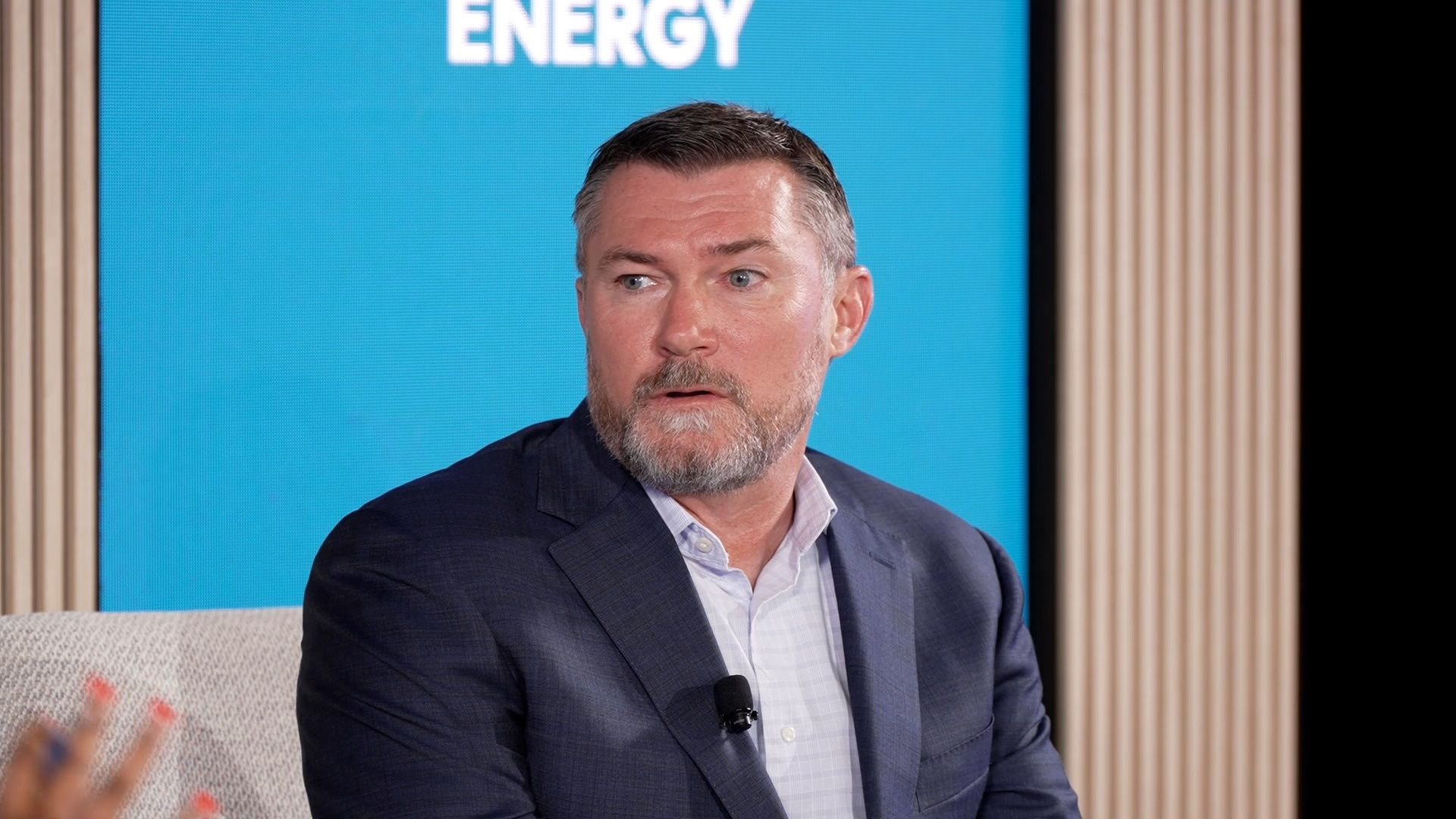
"It's a hell of a target-rich environment right now," for leaders who are unafraid to speak up on political and environmental issues, Patagonia CEO Ryan Gellert said Tuesday at an Axios House event during NYC Climate Week.
Why it matters: A lot of U.S. business leaders are afraid of triggering the Trump administration's wrath, but the Patagonia CEO is continuing in the company's tradition of speaking up on environmental and social issues.
Together, Sinclair and Nexstar control more than 25% of ABC's local affiliates, according to Reuters. Data: Nexstar, Sinclair; Map: Erin Davis/Axios Visuals
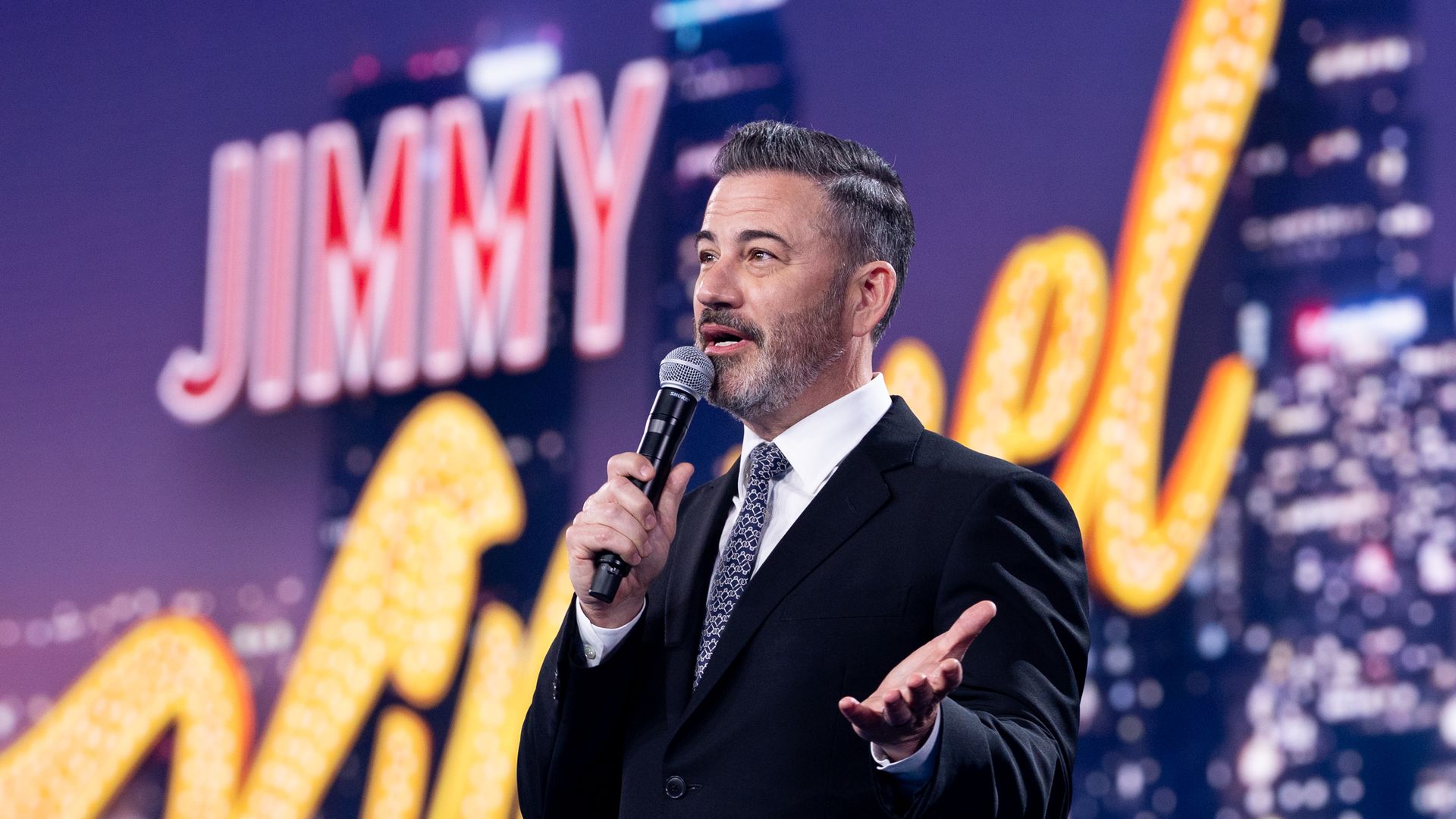
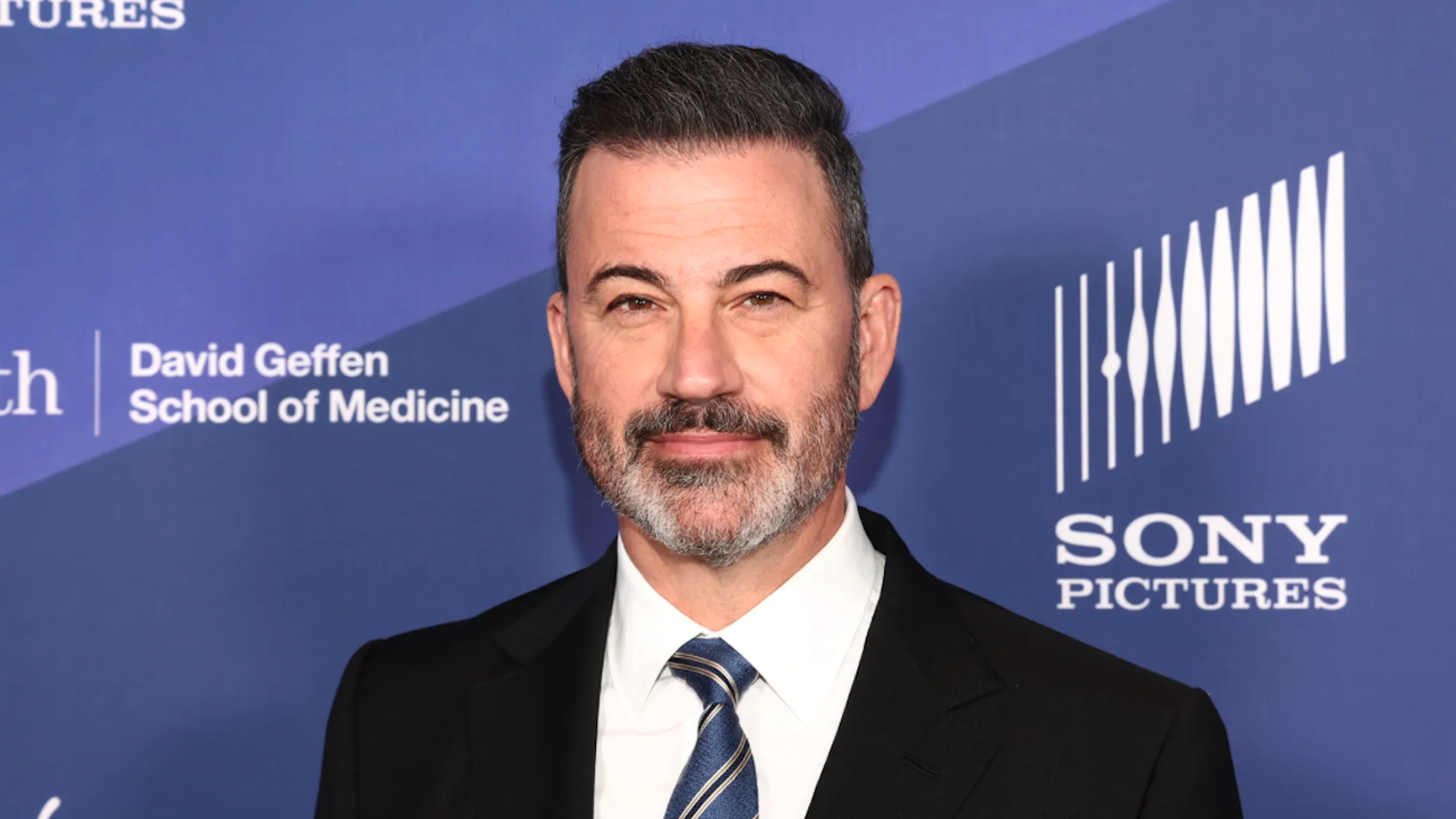
Jimmy Kimmel is set to return to television, but not everywhere.
The big picture: Disney is bringing back "Jimmy Kimmel Live!" after a week-long suspension, but two big TV station owners will block the show from more than a quarter of ABC affiliates.
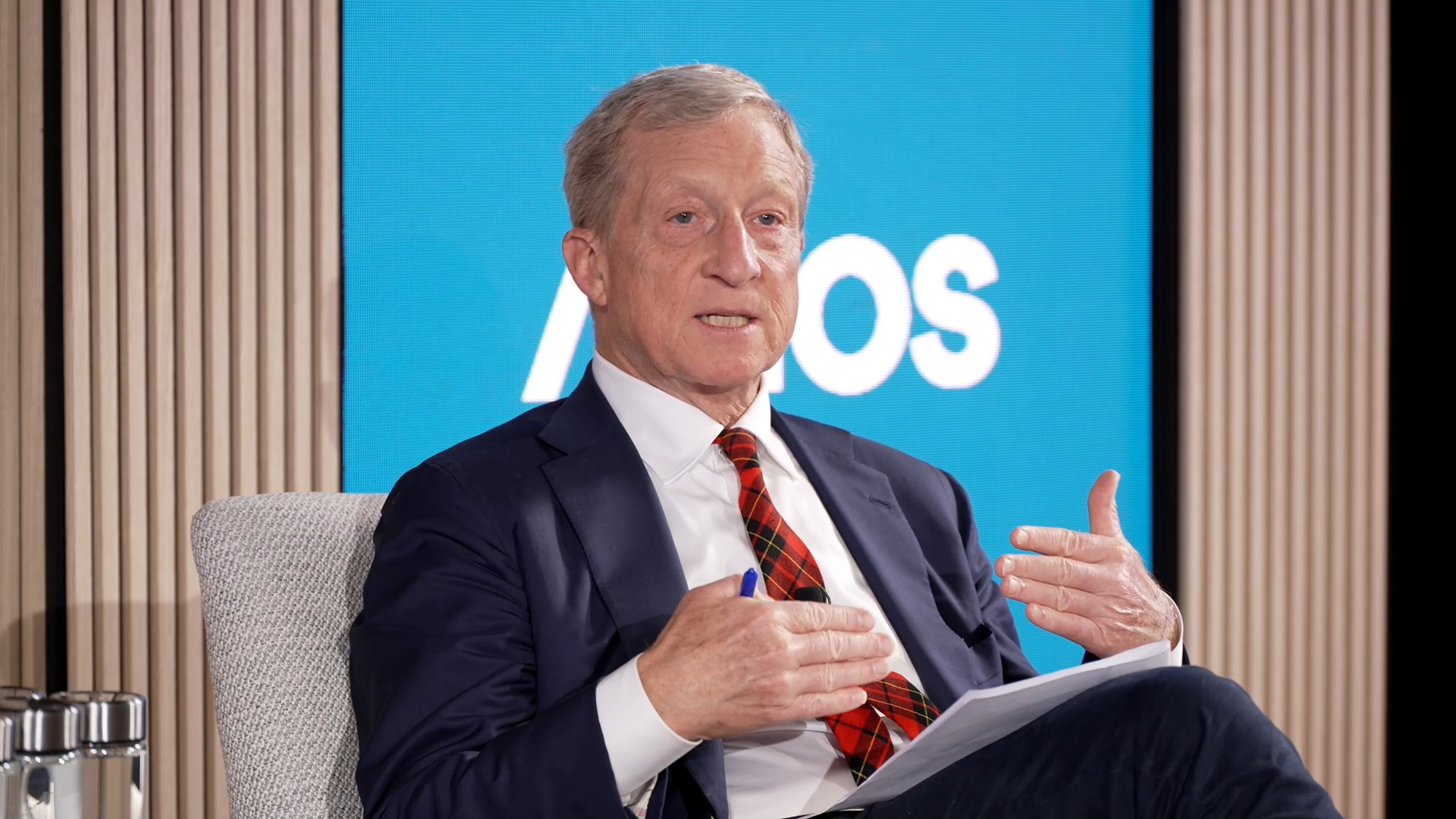
President Trump isn't an existential threat to the energy transition and climate change, investor and climate activist Tom Steyer said Tuesday at an Axios House event during Climate Week NYC.
Why it matters: Steyer's free-market views offer an upbeat contrast to the Trump administration's focus on fossil fuels and nuclear over other clean-energy technologies.
Microsoft is in talks with select U.S. publishers about a pilot program to help launch a two-sided marketplace that would compensate publishers for their content used by AI products, starting with its Copilot assistant.
Why it matters: Microsoft would become the first major tech company to build an AI marketplace for publishers, a milestone in building a sustainable business model for content companies in the AI era.
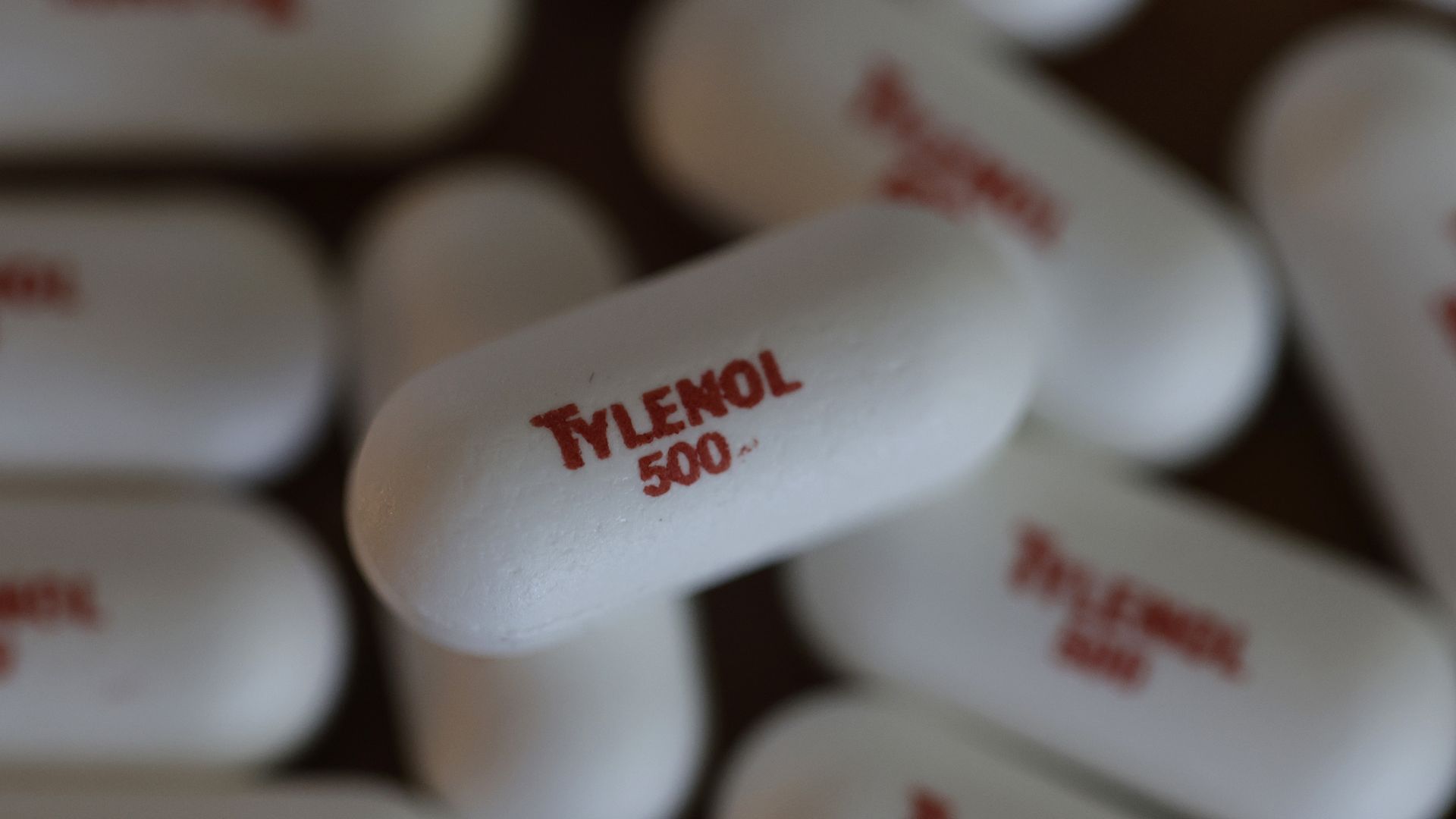
Tylenol's maker rebutted President Trump's warning to pregnant women, saying there is "no credible evidence linking acetaminophen to autism."
Why it matters: Decades of evidence show Tylenol is safe in pregnancy when used as directed, but Trump's claims fueled fears among expectant mothers, pressuring the drugmaker to defend its brand.
The American College of Obstetricians and Gynecologists continues to back acetaminophen as a safe option during pregnancy, a stance also supportedby outside experts.
The Food and Drug Administration moved to add a pregnancy warning to acetaminophen, even as the agency admitted studies have shown only correlation and not yet causation for any neurological conditions.
Driving the news: Kenvue, Tylenol's maker, responded that untreated fevers and pain — especially in the first trimester — pose risks of their own, framing Tylenol as the safer choice under medical supervision.
Zoom out: Tylenol's ad reflects a shift in how pharmaceutical companies counter political claims and misinformation.
Kenvue inherited both Tylenol's reputation as a trusted brand and Johnson & Johnson's history of product-safety litigation, including lawsuits claiming its talc-based baby powder caused cancer.
The backlash against Trump's comments also hit markets: The Johnson & Johnson spinoff saw shares rise 6% Tuesday morning, rebounding from a record low after investors dismissed Trump's claims as unsubstantiated.
What they're saying: In a statement, Kenvue said: "Over a decade of rigorous research, endorsed by leading medical professionals and global health regulators, confirms there is no credible evidence linking acetaminophen to autism. We stand with the many public health and medical professionals who have reviewed this science and agree."
What we're watching: Will parents sue Tylenol and generic manufacturers based on Trump's claims? And will regulators offer stronger guidance to reassure the public about medication use and side effects?
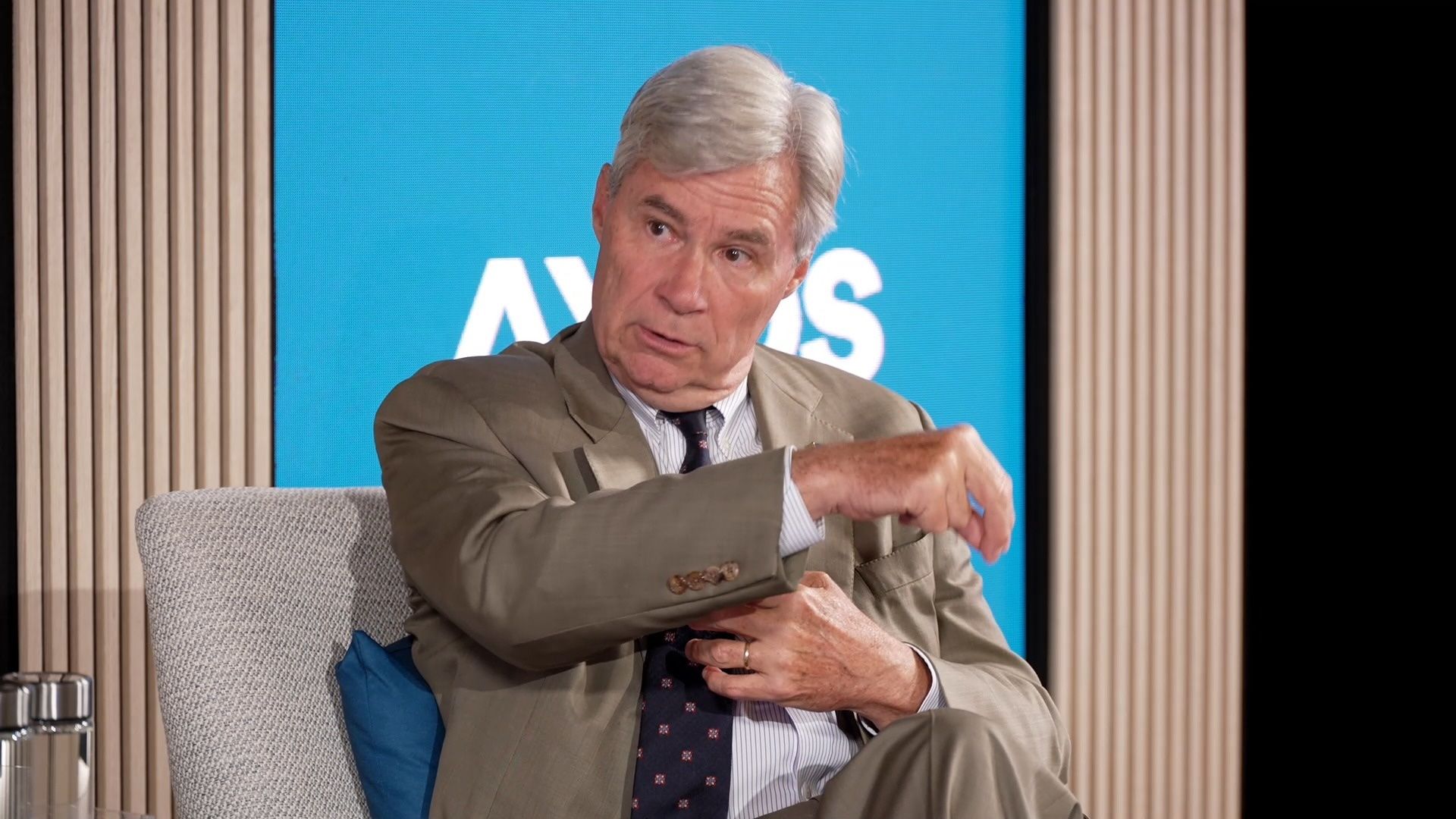
Democrats must shift from former President Biden's "tepid tone" on climate change to a more aggressive stance to persuade voters, Sen. Sheldon Whitehouse (D-R.I.) said Tuesday at an Axios House event at Climate Week NYC.
Why it matters: Whitehouse — the top Democrat on the Senate Environment and Public Works Committee — is among those in his party who think climate can be a winning pocketbook issue as insurance premiums rise and other financial impacts surface.
Climate change is causing "a major paradigm shift" in real estate markets due to the impact on insurance, investment guru David Burt said Tuesday at an Axios House event at NYC Climate Week.
Why it matters: Burt drew considerable attention for predicting the 2008 financial collapse.
Burt, founder and CEO of DeltaTerra Capital, was immortalized in the 2015 movie "The Big Short" when Brad Pitt played a character based on a composite of him and others.
Driving the news: Burt has been warning recently that not enough money is being collected to cover the costs related to climate change as risks keep increasing.
"Insurers are starting to hike premiums, and some lenders are starting to think about increasing insurance requirements," Burt said.
If the Federal Reserve was paying more attention to climate's effects, it would support a case for lowering interest rates, he said.
The Fed "should be focusing on the economies where home prices are falling," he said. "You're already starting to see delinquencies rise."
Burt also said Chairman Jerome Powell and others "need to sort of look away from the aggregate and start looking at the regions that are being most impacted."
He cited "most of Florida," particular its west coast, along with the Mountain West, Southern California and the Gulf states of Texas and Louisiana
Zoom in: In a separate Axios House appearance, Potential Energy Coalition CEO John Marshall said polls show 80% of Americans living in high-risk zones have become highly concerned about insurance costs.
Marshall, whose group unites marketers who seek to change the narrative on climate, said the insurance impact could make it easier to convey the dangers of climate change to the public.
"It's a decently simple message, because insurance starts to resonate across America — 'Your town could be next,''' Marshall said.
"And that gets people's attention; it moves it away from something that you have to make a value-space choice for ... It's a way to think about materiality."
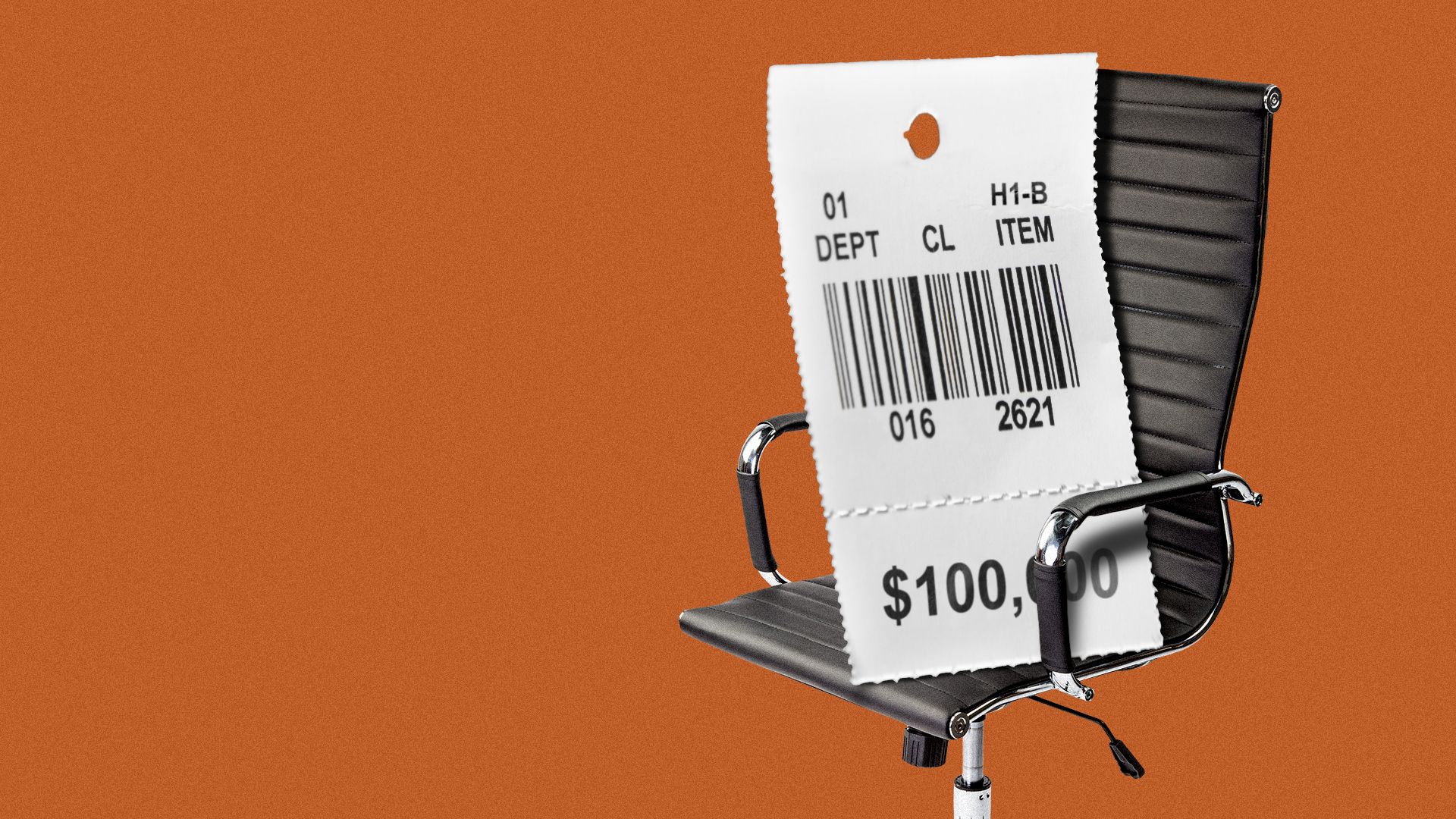
Venture capitalists are buzzing over the Trump administration's plan to charge $100,000 for H1-B visas, and it hasn't quieted down after White House clarification that these will be one-time fees on new applications.
The big picture: Most VC reaction seems to be negative. Both because of the financial burden it could place on startups, making it that much harder to compete with richer incumbents, and also because of the longer-term risks it presents to American innovation.
Sinclair and Nexstar plan to continue pre-empting "Jimmy Kimmel Live!," despite the fact that ABC said it plans to bring back the program on Tuesday.
Why it matters: Sinclair is exploring a possible divestiture of its local broadcast stations, while Nexstar is acquiring Tegna. Both transactions require regulatory approval.
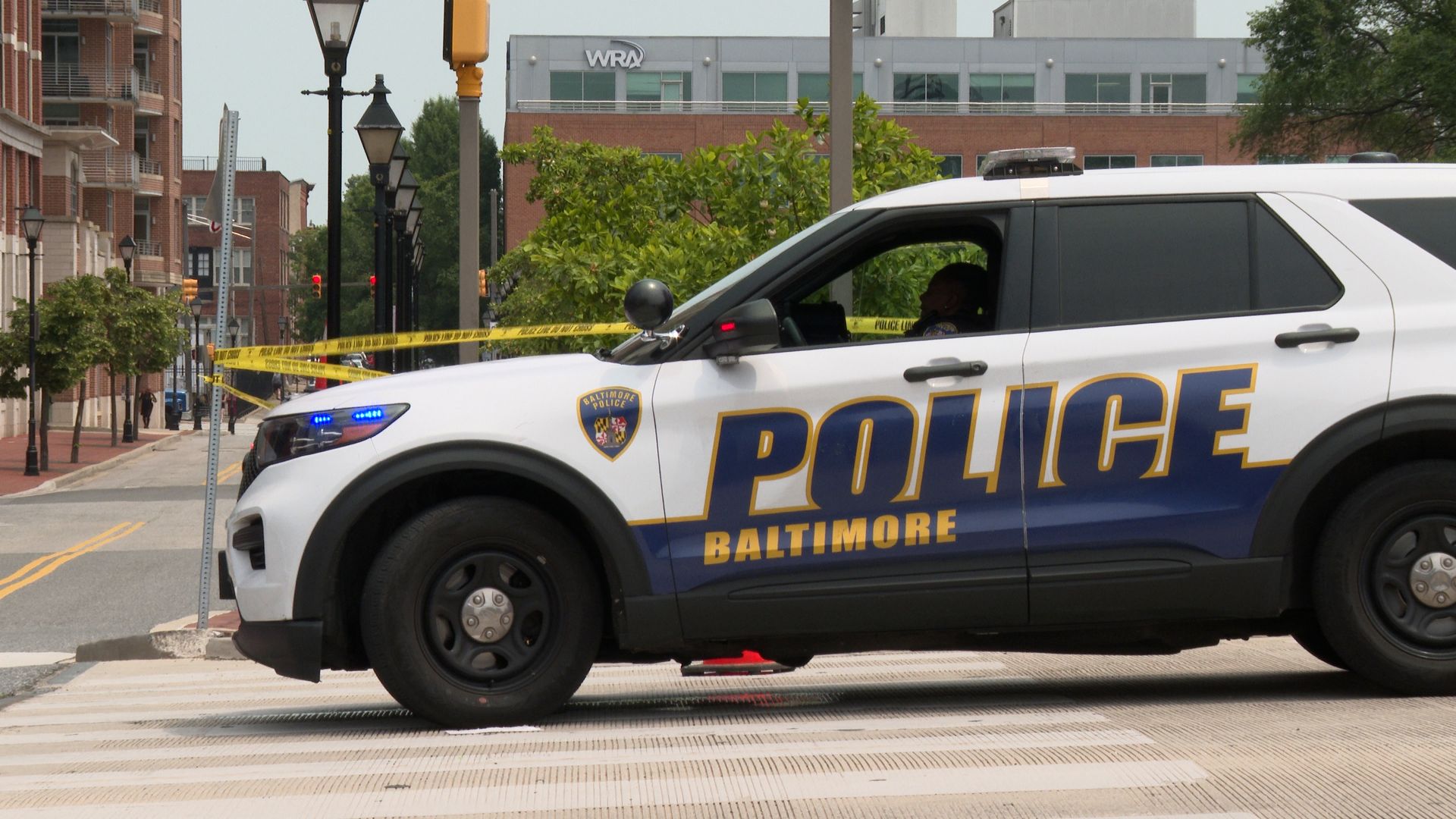
Why it matters: Drops in violence mark progress in cities long hit hardest by crime, but the Trump administration is using crime rates as a pretext to send troops to expand federal control overblue cities.
Stripe is in talks to repurchase shares from venture capital backers at a $106.7 billion valuation, Axios has learned.
Why it matters: The payments infrastructure giant caught grief, including from yours truly, for not going public when its valuation hit $95 billion before the pandemic — after which it was slashed to only $50 billion.
Future has launched Collab, a new initiative for creator-led content that runs across its portfolio of media brands including Marie Claire, Homes & Gardens and Who What Wear, executives exclusively tell Axios.
Why it matters: As site traffic declines and audiences fragment across platforms, publishers are seeking to reassert themselves as trusted curators and tapping on creators' direct relationships.
Al Gore says AI's surging electricity demand merits giving nuclear power a fresh look — even with whathe thinks is a persistent hefty price tag.
Why it matters: The former vice president and famous environmentalist has had an evolving perspective on nuclear. It encapsulates the tricky position the power source occupies in our broader energy and climate debate.
A wave of global interest rate cuts is pushing currencies lower. That could fuel the bull market higher, but not necessarily for the right reasons, as we learned in the late 1990s.
Why it matters: When multiple currencies weaken at the same time, they remain stable against each other but lose credibility with investors.
That dynamic often drives capital into U.S. markets, pushing up valuations to unsustainable levels that can quickly topple over.
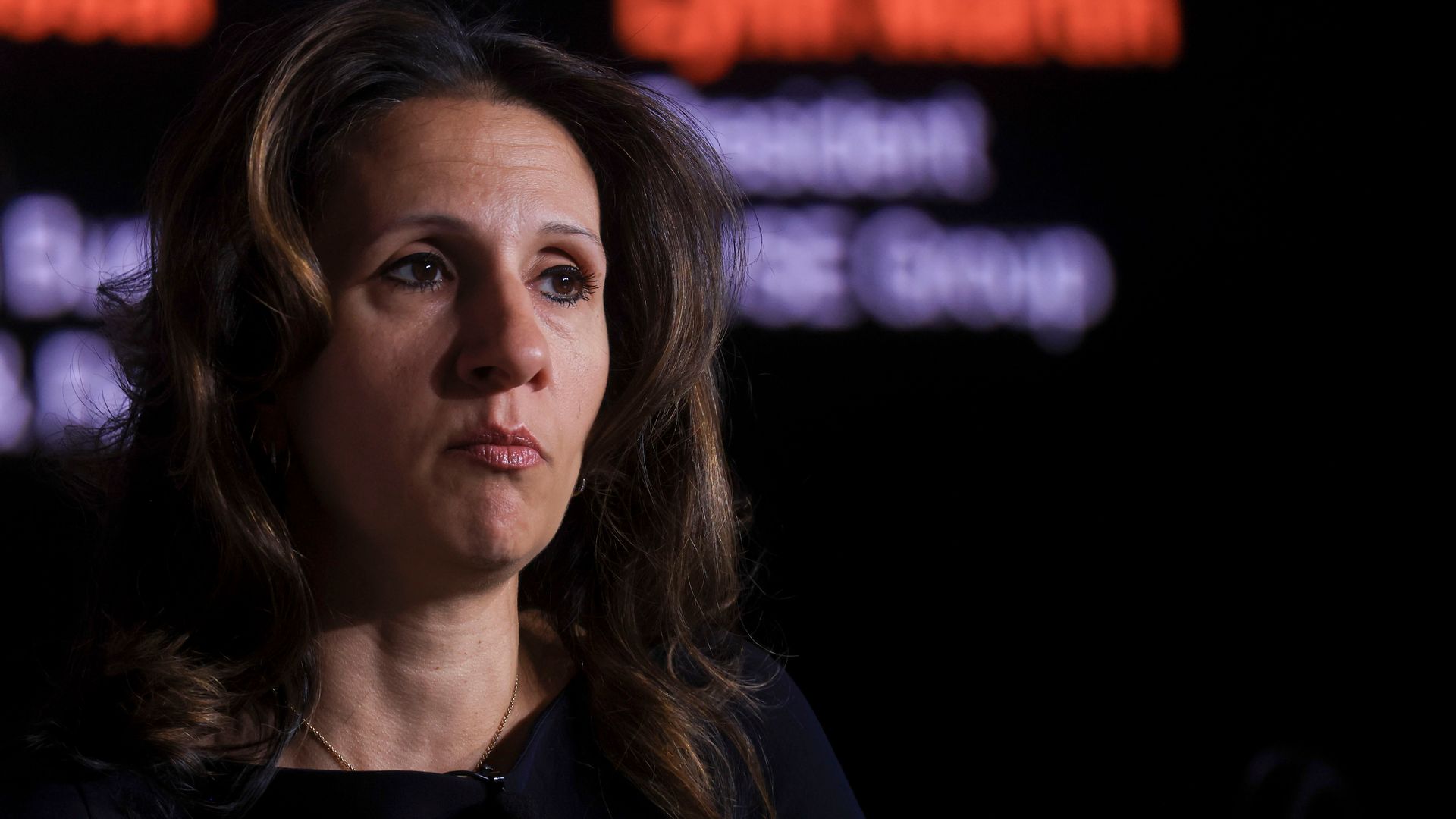
New York Stock Exchange president Lynn Martin cautioned on Monday that President Trump's push for fewer corporate earnings reports should not come at the cost of transparency, she told Axios at an event in New York City.
Why it matters: Martin said company releases should not be prescriptive but rather a choice depending on the needs of each firm and its shareholders.
Target is hoping to recapture its inner "Tarjay" — and it's starting with a splashy store redesign in the heart of New York City, the retailer shared exclusively with Axios.
Why it matters: Reimagining the SoHo store is one of the first steps in incoming CEO Michael Fiddelke's strategy to reassert Target's style authority — after years of declining sales and criticism that the brand had lost its cultural cool.
The makers of AI keep pushing the art of utopian forecasting to new levels of hyperbole.
Why it matters: Technology revolutions always come with promises of wondrous change, but the AI industry has set such impossibly high targets for itself that it's bound to face a sobering reset, sooner or later.
The Walt Disney Company said it will bring back "Jimmy Kimmel Live!" on Tuesday after taking the show off-air nearly a week ago following criticism over his comments in the wake of Charlie Kirk's killing.