Investor David Burt warns about climate-related insurance impacts

Add Axios as your preferred source to
see more of our stories on Google.
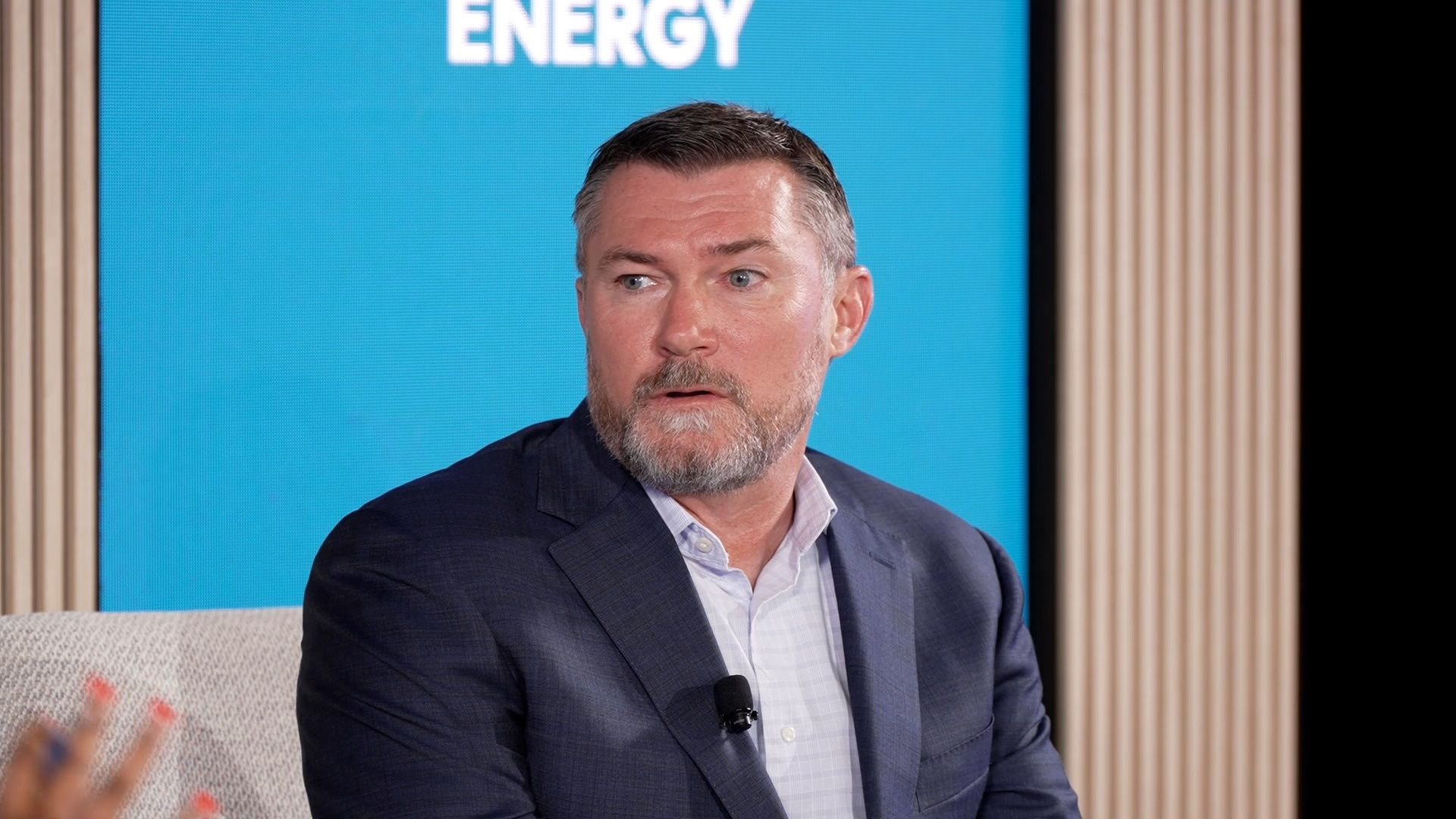
David Burt. Screenshot: Axios
Climate change is causing "a major paradigm shift" in real estate markets due to the impact on insurance, investment guru David Burt said Tuesday at an Axios House event at NYC Climate Week.
Why it matters: Burt drew considerable attention for predicting the 2008 financial collapse.
- Burt, founder and CEO of DeltaTerra Capital, was immortalized in the 2015 movie "The Big Short" when Brad Pitt played a character based on a composite of him and others.
Driving the news: Burt has been warning recently that not enough money is being collected to cover the costs related to climate change as risks keep increasing.
- "Insurers are starting to hike premiums, and some lenders are starting to think about increasing insurance requirements," Burt said.
- If the Federal Reserve was paying more attention to climate's effects, it would support a case for lowering interest rates, he said.
- The Fed "should be focusing on the economies where home prices are falling," he said. "You're already starting to see delinquencies rise."
Burt also said Chairman Jerome Powell and others "need to sort of look away from the aggregate and start looking at the regions that are being most impacted."
- He cited "most of Florida," particular its west coast, along with the Mountain West, Southern California and the Gulf states of Texas and Louisiana
Zoom in: In a separate Axios House appearance, Potential Energy Coalition CEO John Marshall said polls show 80% of Americans living in high-risk zones have become highly concerned about insurance costs.
- Marshall, whose group unites marketers who seek to change the narrative on climate, said the insurance impact could make it easier to convey the dangers of climate change to the public.
- "It's a decently simple message, because insurance starts to resonate across America — 'Your town could be next,''' Marshall said.
- "And that gets people's attention; it moves it away from something that you have to make a value-space choice for ... It's a way to think about materiality."
