Vendors that focus on brand safety are being pushed beyond simply protecting brands from running ads in bad environments to becoming full-stack measurement providers as advertisers demand more return on investment.
Why it matters: Legacy verification companies can no longer succeed by simply sticking to their old ways and are being challenged by AI-first incumbents.
The measurement landscape is more crowded and fragmented than ever, leaving advertisers overwhelmed with trying to hold publishers to account.
Why it matters: The measurement industry underpins how the $1 trillion global ad industry is planned, priced and justified. Without clarity, marketers risk wasting money and annoying consumers.
The measurement sector is undergoing consolidation and poised for more as strategic buyers and private equity firms bet on outcome-based models and AI-powered optimization.
Why it matters: The next era of measurement will be defined by who can unlock the full stack of measurement capabilities as advertisers seek fewer vendors and more integrated solutions.
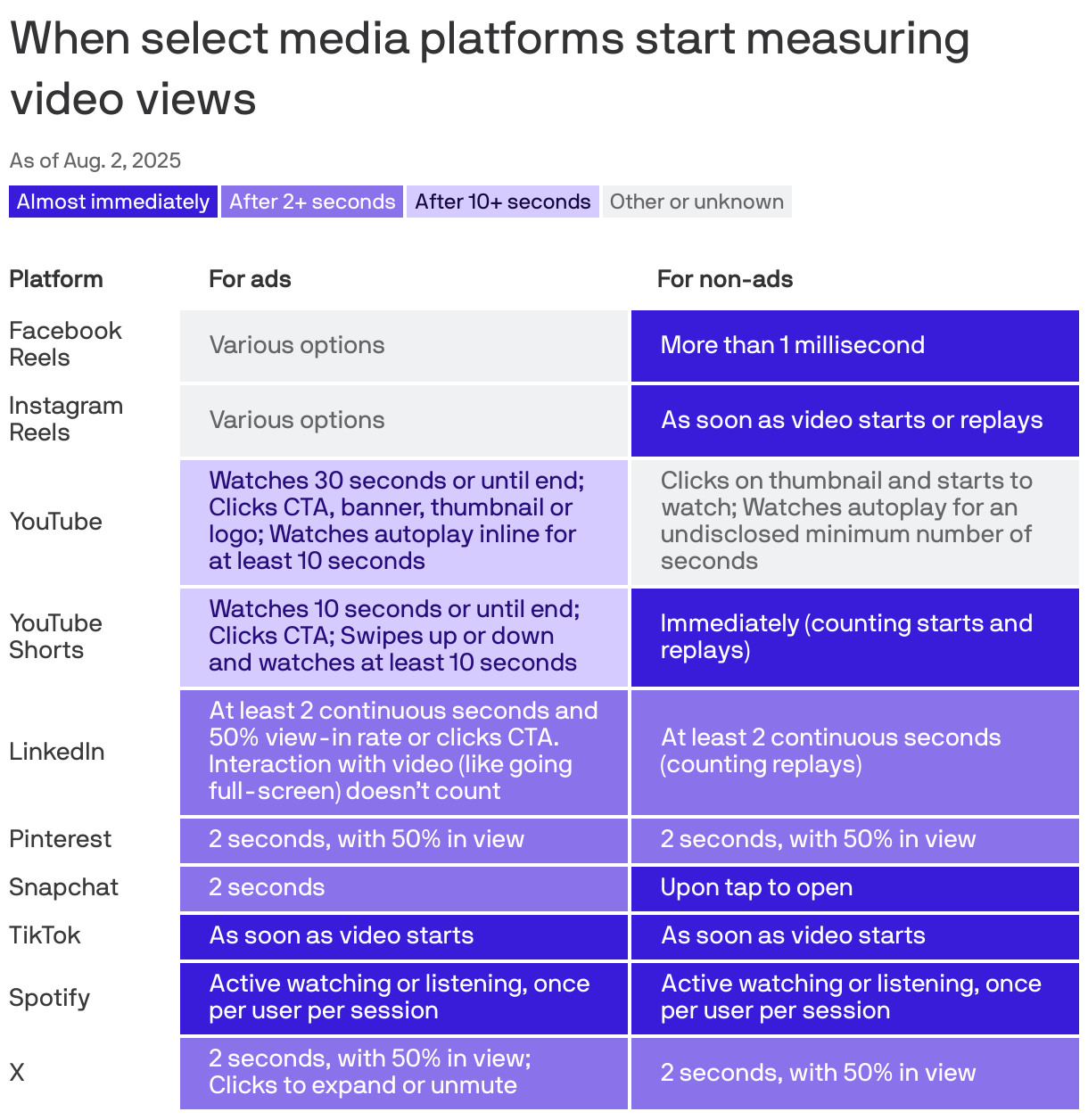
Major platforms continue to define and measure video views differently, creating confusion and inconsistency for advertisers and publishers.
Why it matters: The problem has become more urgent as more viewing and ad dollars shift to creator content inside platforms that operate as closed, opaque ecosystems.
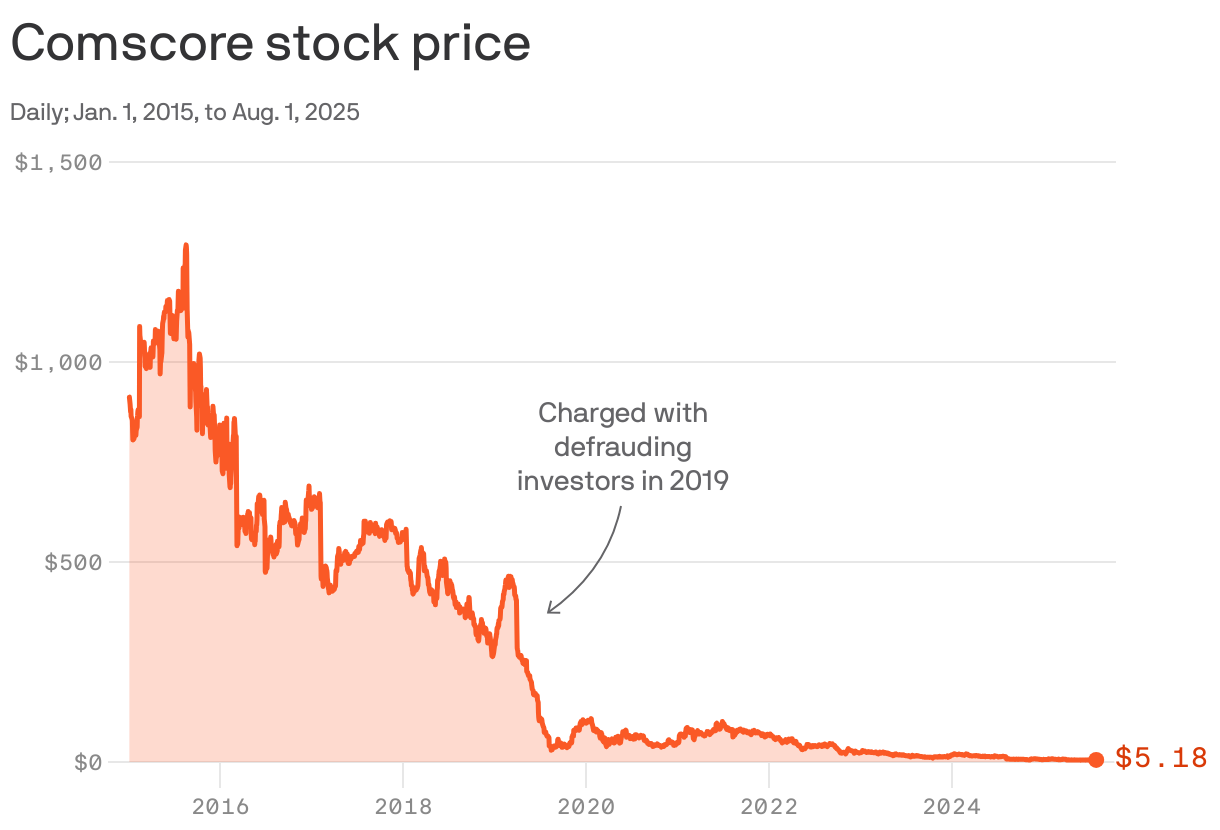
Comscore is relaunching its brand this fall with a new positioning it hopes will better reflect a broader role in a shifting media and advertising ecosystem as a cross-platform intelligence provider.
Why it matters: The legacy measurement company is rebranding itself to reclaim relevance amid tough times in the public market and competition.
Nielsen remains the default currency even as buyers, sellers and rivals question the accuracy, transparency and consistency of its methodology.
Why it matters: Advertisers seeking better audience measurement are stuck with limited alternatives as legacy systems, status quo bias and infrastructure hurdles stall attempts at a multicurrency marketplace.
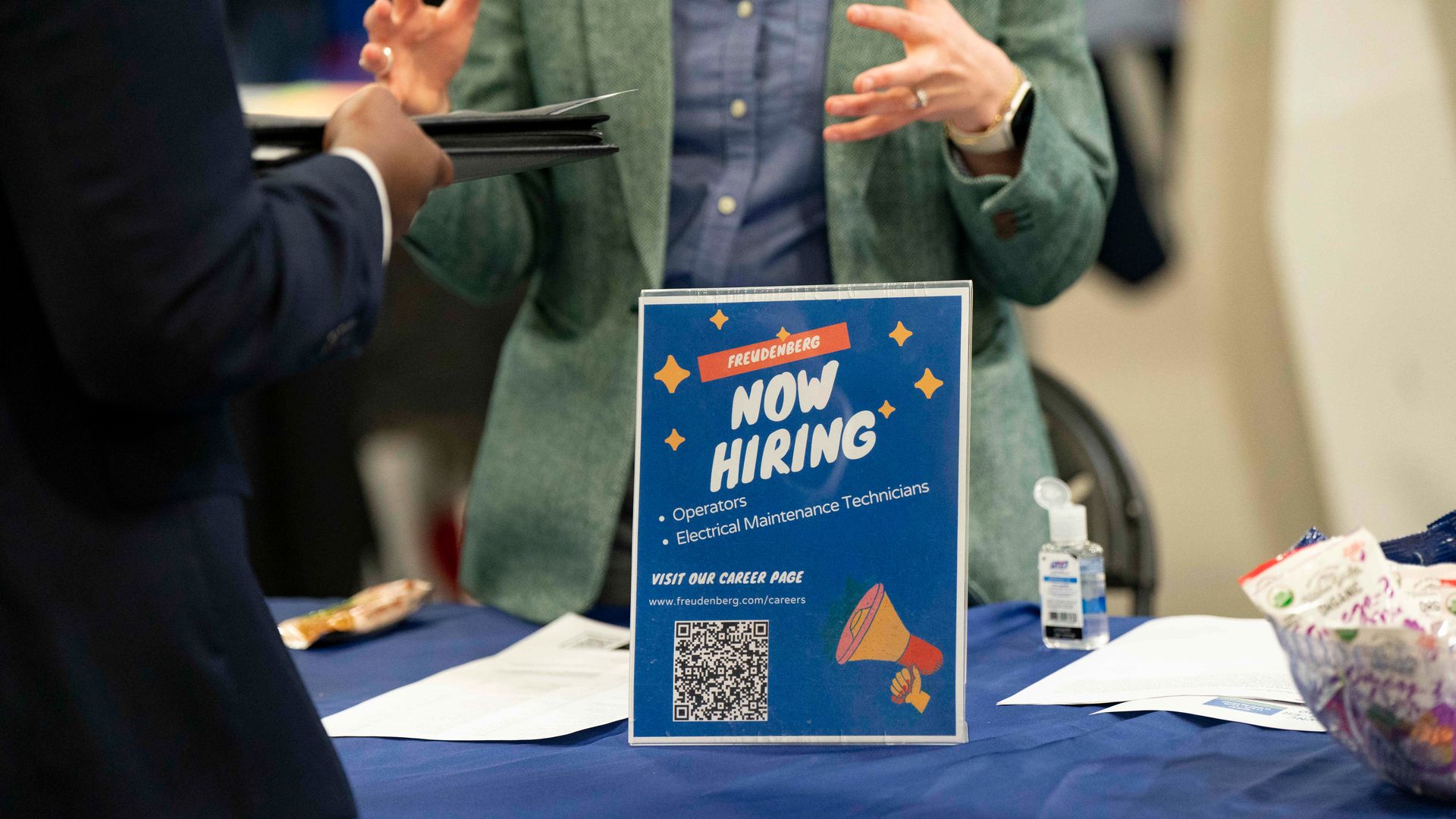
Stocks are sinking and the VIX, a measure of volatility, is spiking, off the back of weak jobs data and new tariffs. Yet Wall Street is still bullish.
Why it matters: Strategists who spoke with Axios believe the long-term upside for the stock market outweighs any near-term weakness and suggest buying dips, especially in tech.
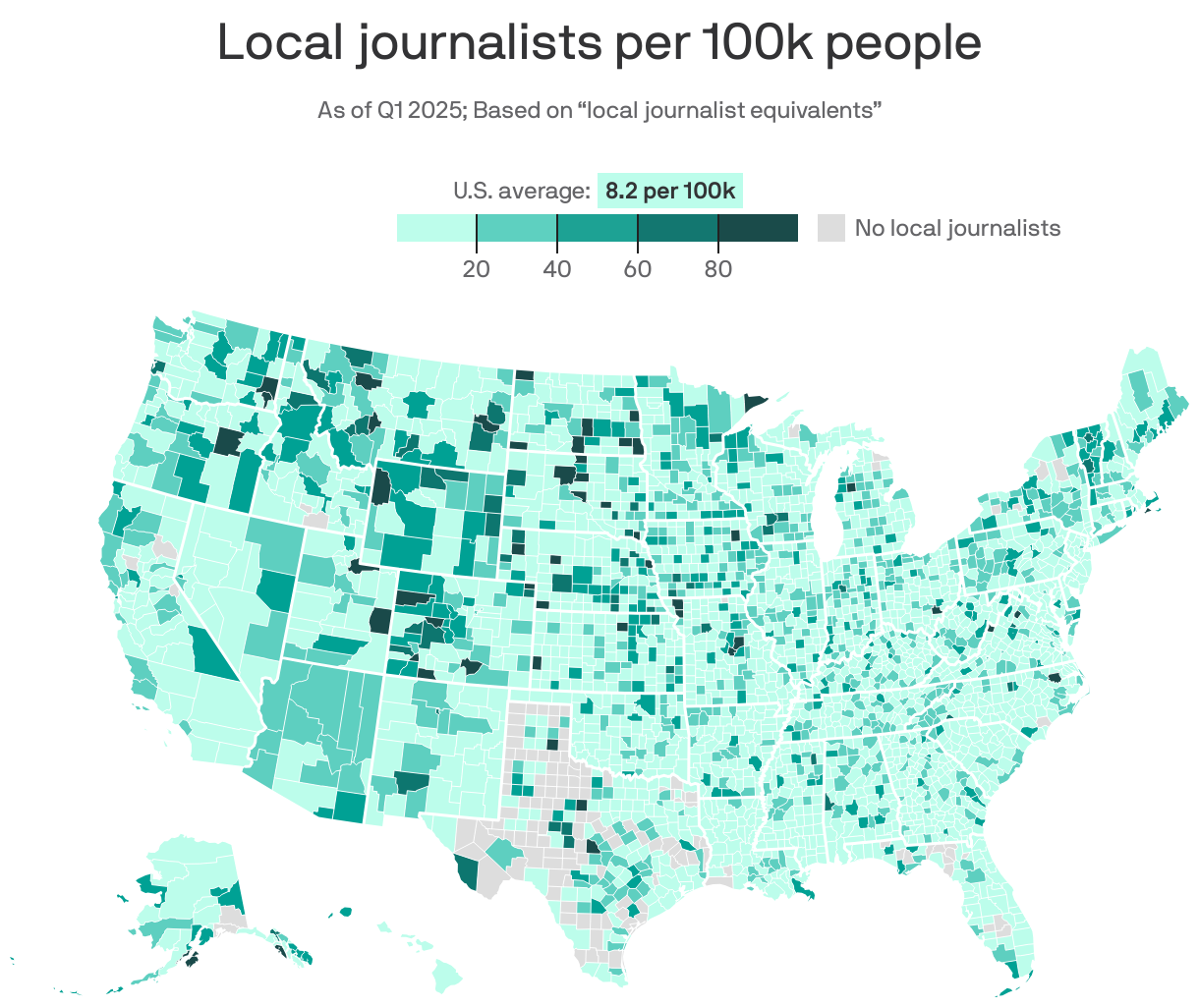
The Corporation for Public Broadcasting said on Friday it will begin winding down operations, following Congress' vote to cut nearly $1.1 billion in federal funding.
Why it matters: The decision is expected to severely impact local member stations of PBS and NPR that depend on federal support to operate.
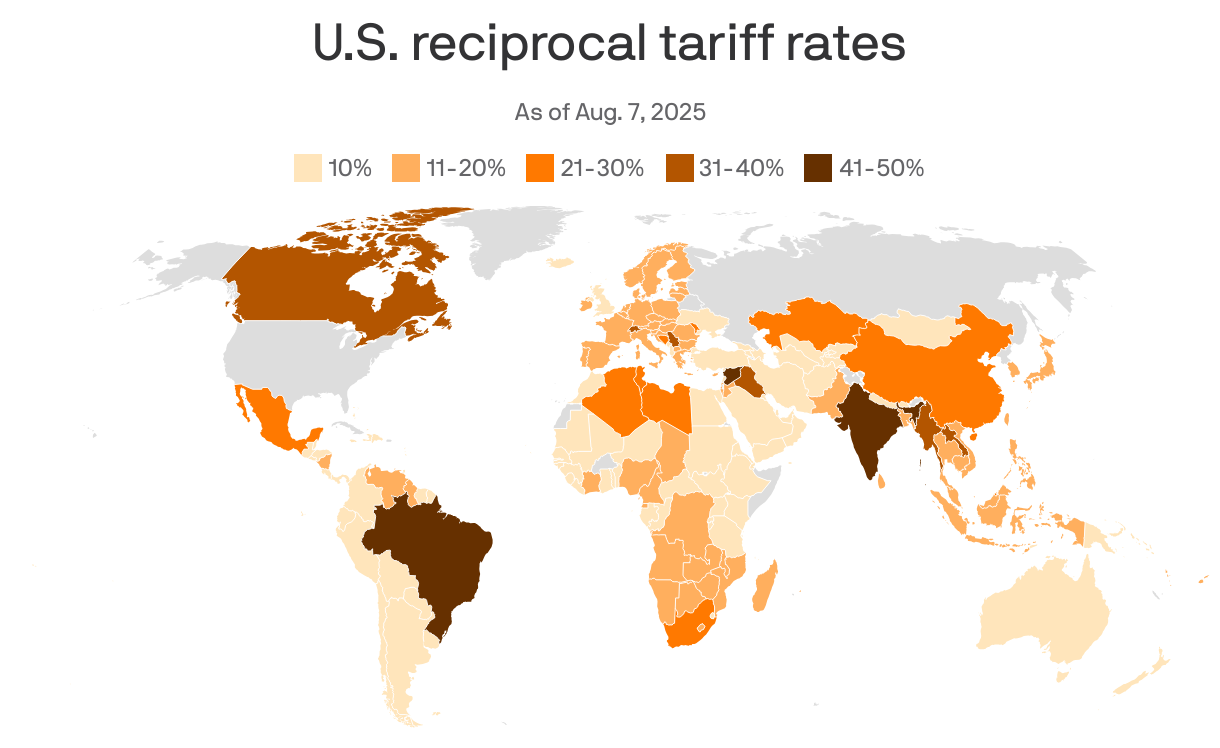
The Trump administration's dozens of reciprocal tariffs will start this month after drawn-out delays.
Why it matters: The tariffs — ranging from 10% to 50% — mark another escalation in President Trump's trade war, as the economy is showing signs of slowing.
The new tariff rates President Trump announced late Thursday are the highest in nearly a century and will cost the average family about $2,400 this year, the Yale Budget Lab said.
Why it matters: Combined with the surprisingly weak jobs report Friday morning, it's the latest sign that American households face a much more difficult economy in the months to come.
Tariff deadline day has arrived. The administration celebrated Thursday night by publishing a list of about 70 countries and their respective tariff rates, which are set take effect next Thursday.
Why it matters: As stocks continue hitting record highs, beneath the surface, tariff policy is reshaping market winners and losers. Investors looking to beat the index are racing to determine where the pain and opportunity will hit.
If you want a job safe from AI, consider becoming a trader. Robinhood's CEO tells Axios human traders will not be replaced by AI in the foreseeable future.
April's "Liberation Day" was about President Trump trying to impose a new global trade system. Thursday's tariff orders were effectively a reset to create a somewhat more practical regime.
Why it matters: Trump scrapped most of the highest levies, and the erroneous formula behind them. In the process, he settled on a framework that most major partners seem willing to grudgingly accept.
Tech companies are finally generating real revenue from their AI investments, but they're pouring that money — and more — back into data centers in a bet that the AI boom is just getting started.
Why it matters: Investors will want to see those massive investments not only generate revenue, but profits too.
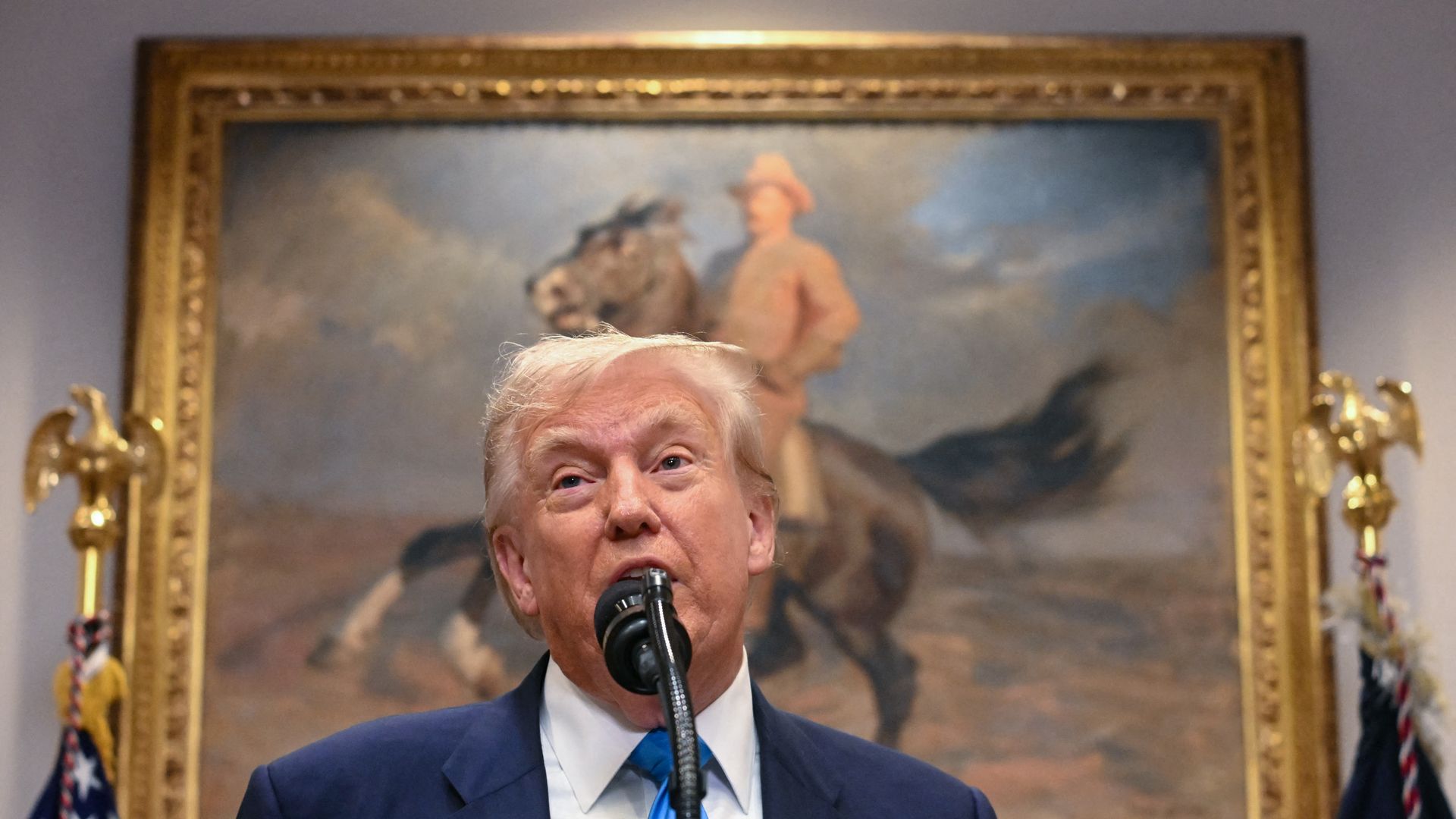
President Trump on Thursday confirmed imports from most countries will face a tariff rate of 10%, while raising levies on Canada to 35% and lowering rates on many other countries.
Why it matters: The baseline rate is unchanged from the global duties Trump first set in April, and will come as a relief given his recent hints it could double.
President Trump's tariffs order for countries yet to strike a trade deal with the U.S. went into effect just after midnight on Friday, though most levies aren't due to start until Aug. 7.
Why it matters: While countries like Mexico struck trade deal extensions ahead of Trump's deadline, others face steep tariffs. The president increased Some Canadian goods imported to the U.S. on Thursday to 35%, effective 12:01am Friday ET.
Why it matters: Centuries after they were considered medicinal, mushrooms are today's go-to "functional" food — with a brain-boosting, sustainable aura.