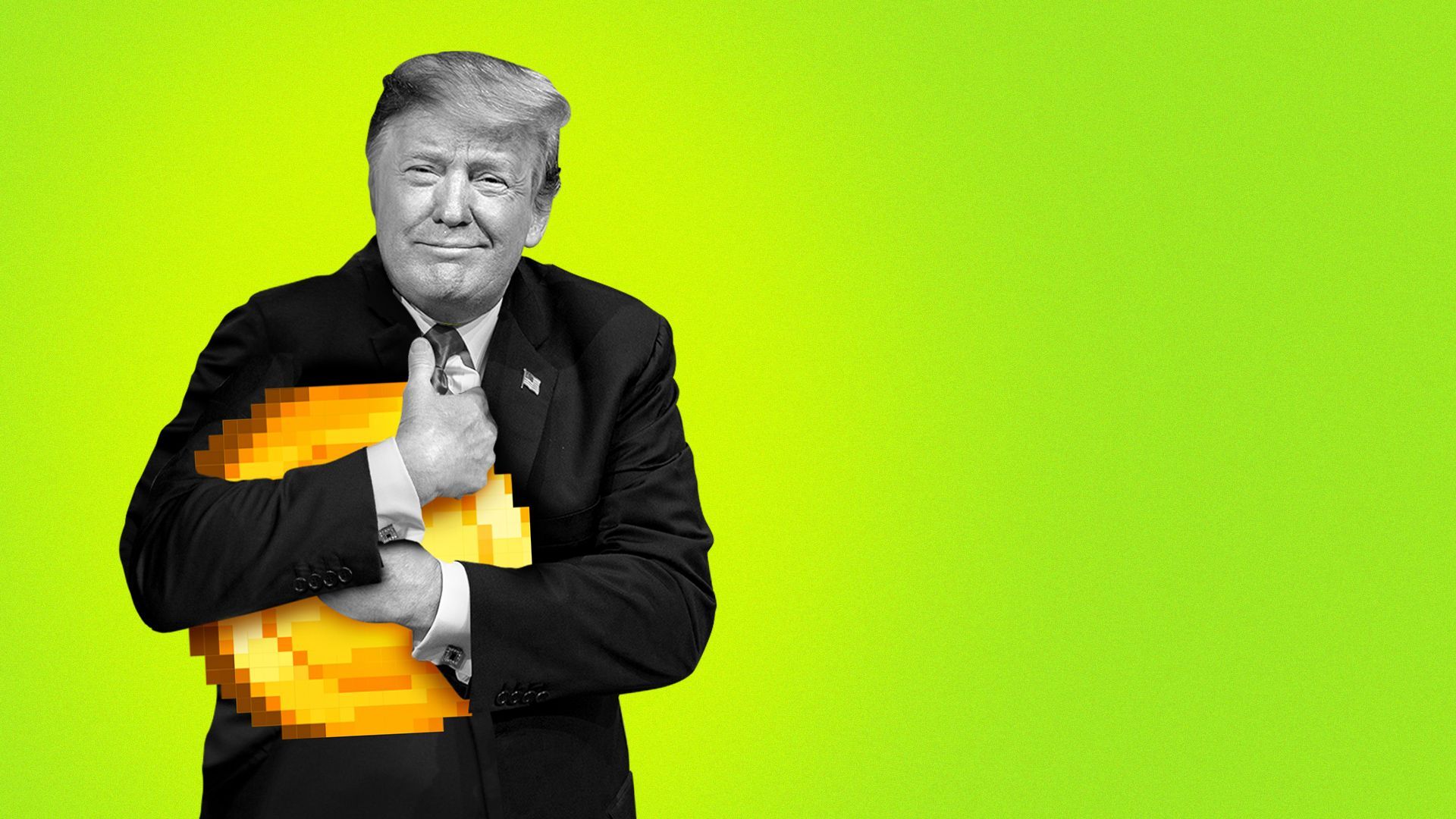
The crypto industry is holding a $1.5 million-a-head fundraiser for President Trump on Monday in Washington, according to a copy of the invitation obtained by Axios.
Why it matters: Trump has been cozying up to the crypto industry — including by launching a crypto venture called World Liberty Financial, which he cofounded last year with longtime friend Steve Witkoff now the White House's envoy to the Middle East.
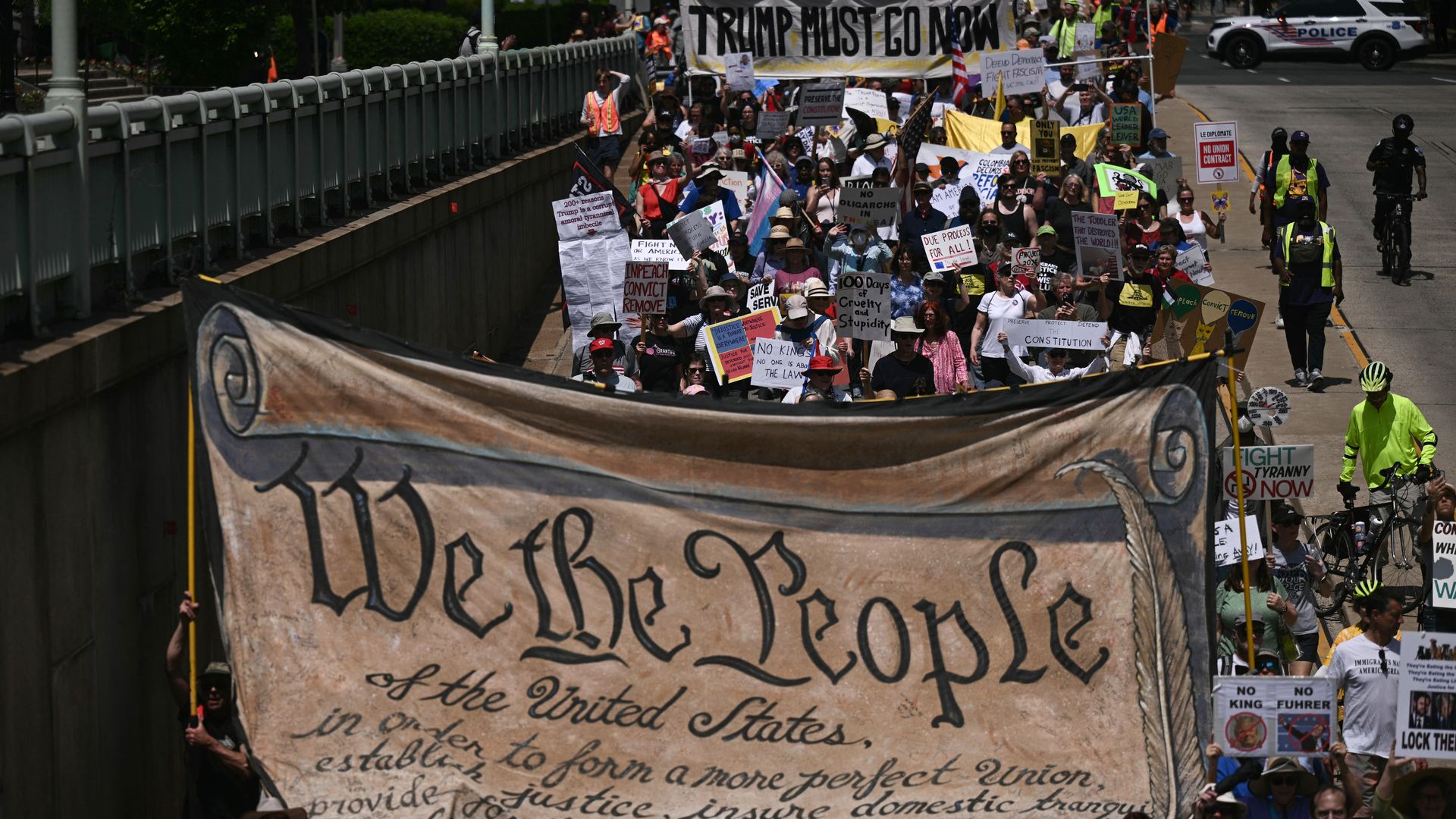
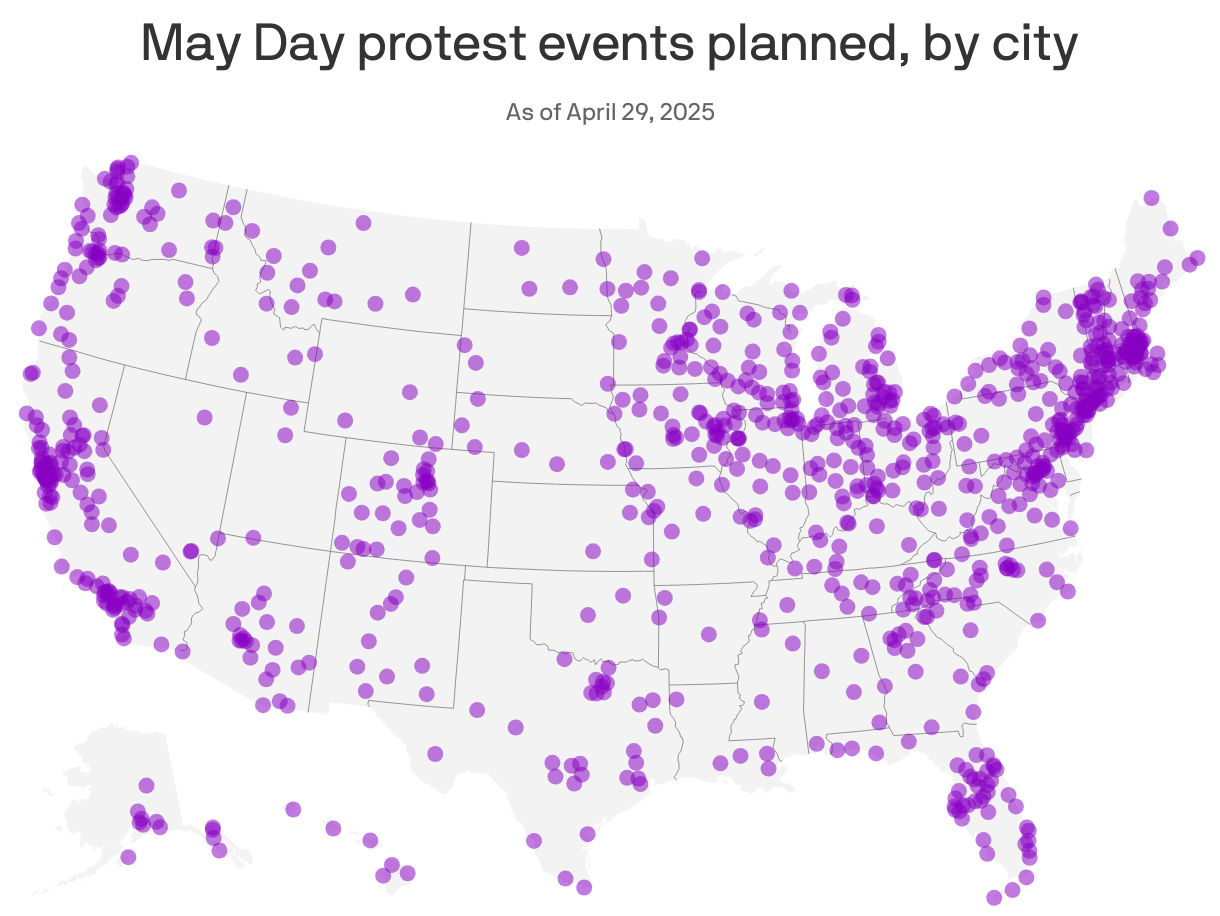
For the third time in a month, tens of thousands of protesters took to the streets, government buildings and the White House in a nationwide rally against the Trump administration.
Driving the news: Thursday's May Day protests fall on International Workers' Day and are calling attention to policies that affect working people, including threats to Social Security and union protections.
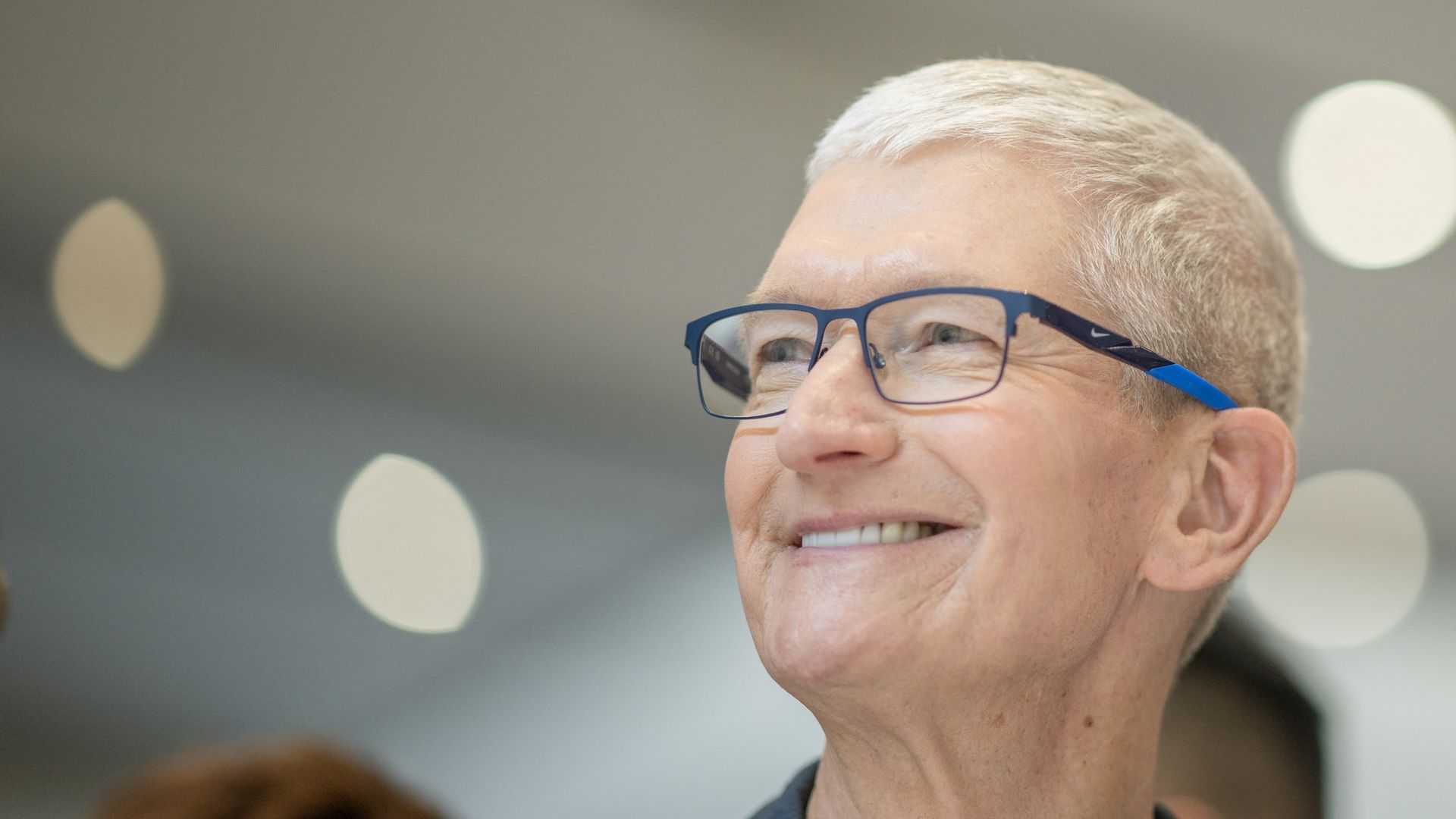
Apple on Thursday reported quarterly earnings slightly ahead of expectations, lifted by stronger-than-expected revenue from its services business.
Why it matters: The earnings reports come amid concerns over how the company will be affected by trade tensions with China and just after a scathing ruling from a federal court over its App Store practices.
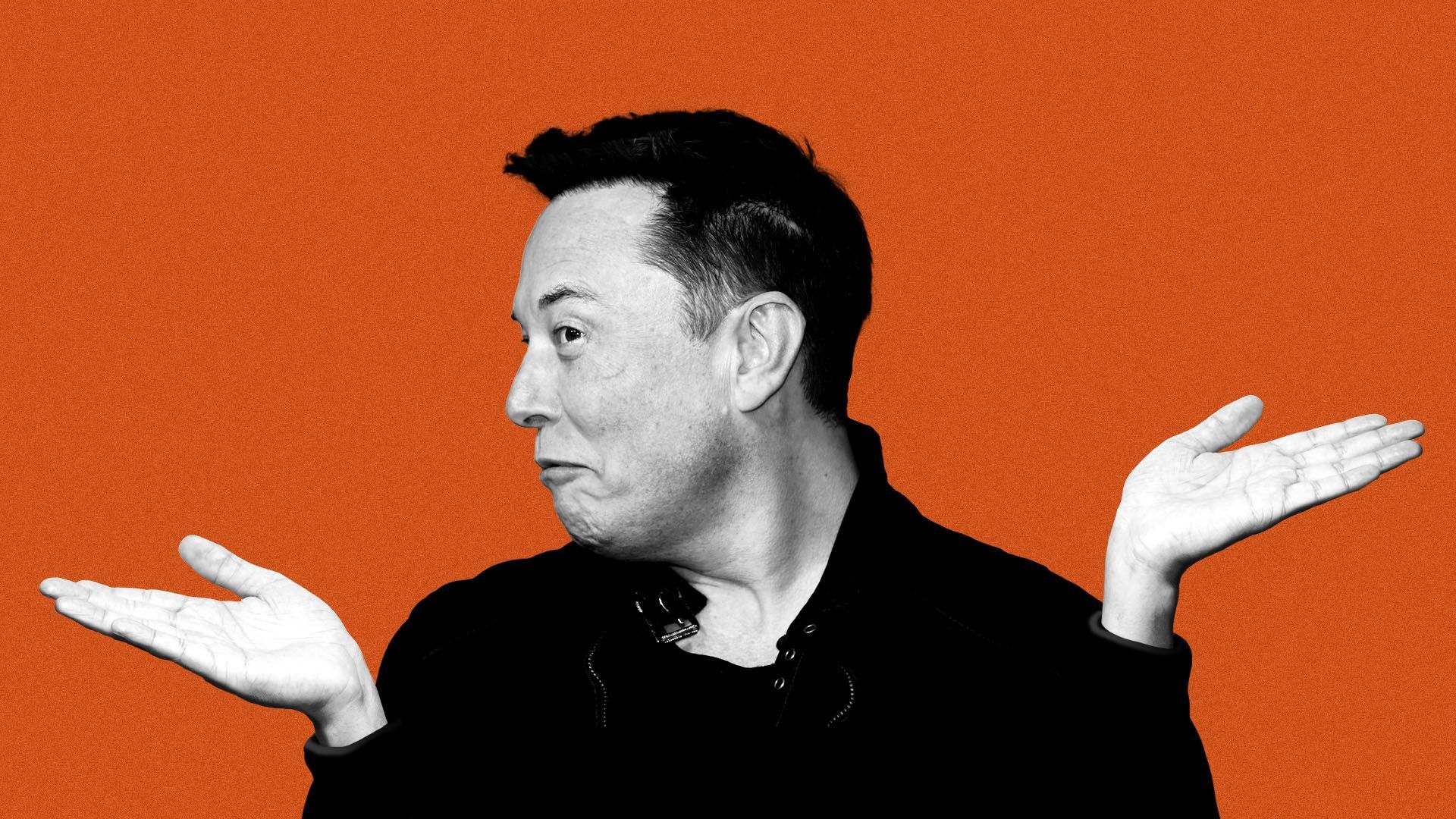
The simple thought of replacing Elon Musk as CEO of Tesla is not so simple at all.
It stirs up practically unanswerable questions about who could possibly take his place, how Musk would handle it and how investors would react.
Why it matters: Musk and Tesla's chair on Thursday vehemently denied a Wall Street Journal report saying the EV company's board had launched a search process for a new CEO to potentially replace the world's richest person.
Bitcoin is now an investment held by regular people who want to diversify their portfolio, while the rest of the cryptocurrency world (stablecoins aside) struggle to catch on.
Why it matters: The question of "what is bitcoin actually good for" has been answered by the market: It buys (and is buying) the digital gold narrative.
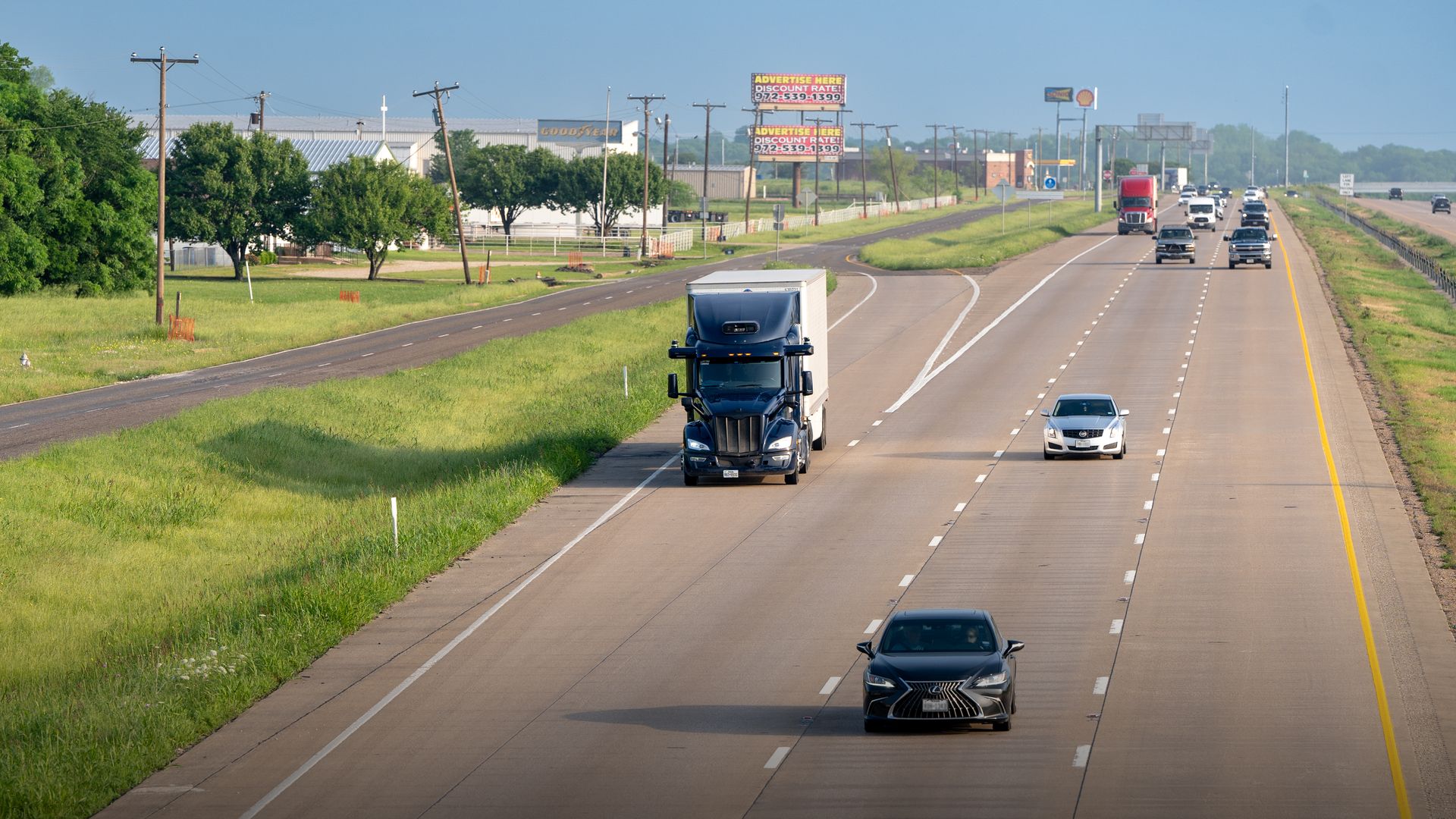
Aurora Innovation said Thursday it has successfully launched a commercial self-driving trucking service in Texas, a milestone for the autonomous vehicle industry that came with a load of frozen pastries.
Why it matters: While driverless trucks on the highway may seem scary to some motorists, Aurora and other AV developers say the technology will make roads safer and help bolster a critical sector of the American economy, which often can't find enough drivers.
The White House's reaction to reports that Amazon was planning to itemize tariff pricing — which Amazon later denied — shows how tricky the current political landscape is for American businesses.
Why it matters: This kerfuffle highlights the potential blame game between corporations and the administration, should prices rise.
General Motors expects a tariff impact of $4 billion to $5 billion this year — almost one-third of its expected profits for 2025 — even after President Trump pulled back on some auto levies this week, the company said Thursday.
Why it matters: The warning underscores how much pain American companies may face as Trump uses trade leverage to try to bring back domestic manufacturing.
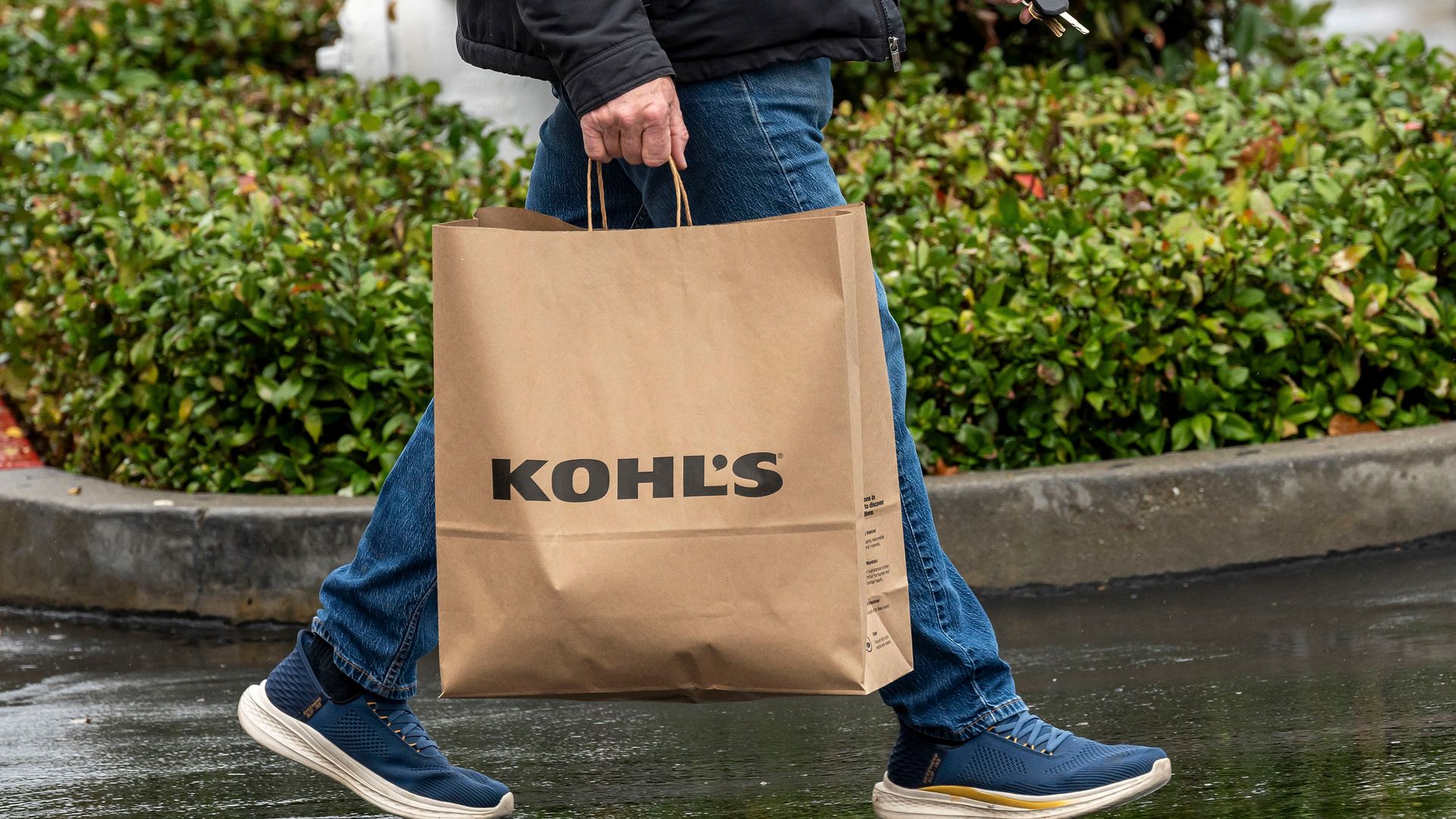
The CEO of Kohl's was fired after the company's board said he violated conflict-of-interest standards by inappropriately directing business to someone with whom he had a "personal relationship."
Why it matters: The struggling department store chain has had significant turnover in the C-suite as it tries to reinvent itself amid three straight years of sales declines.
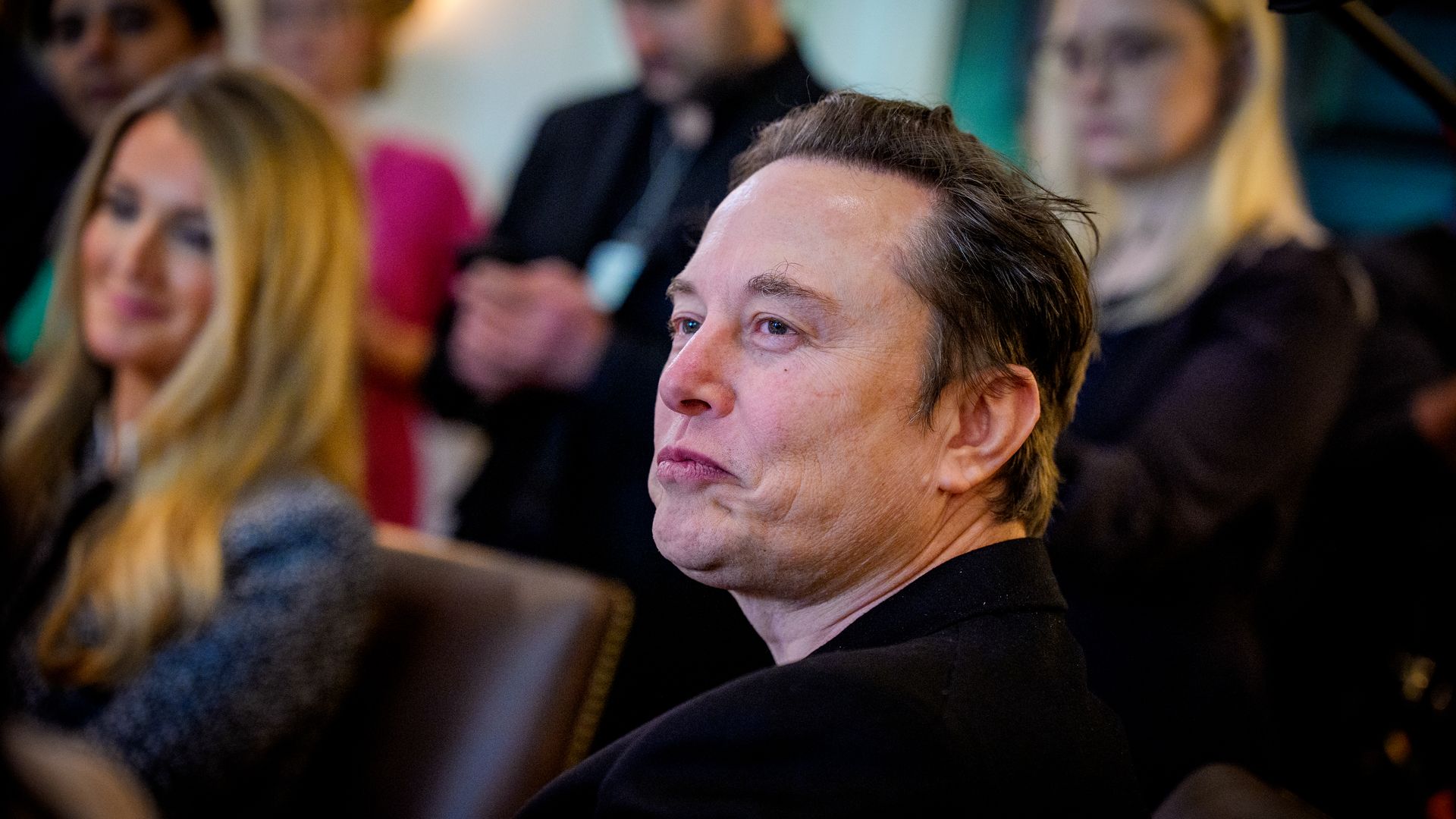
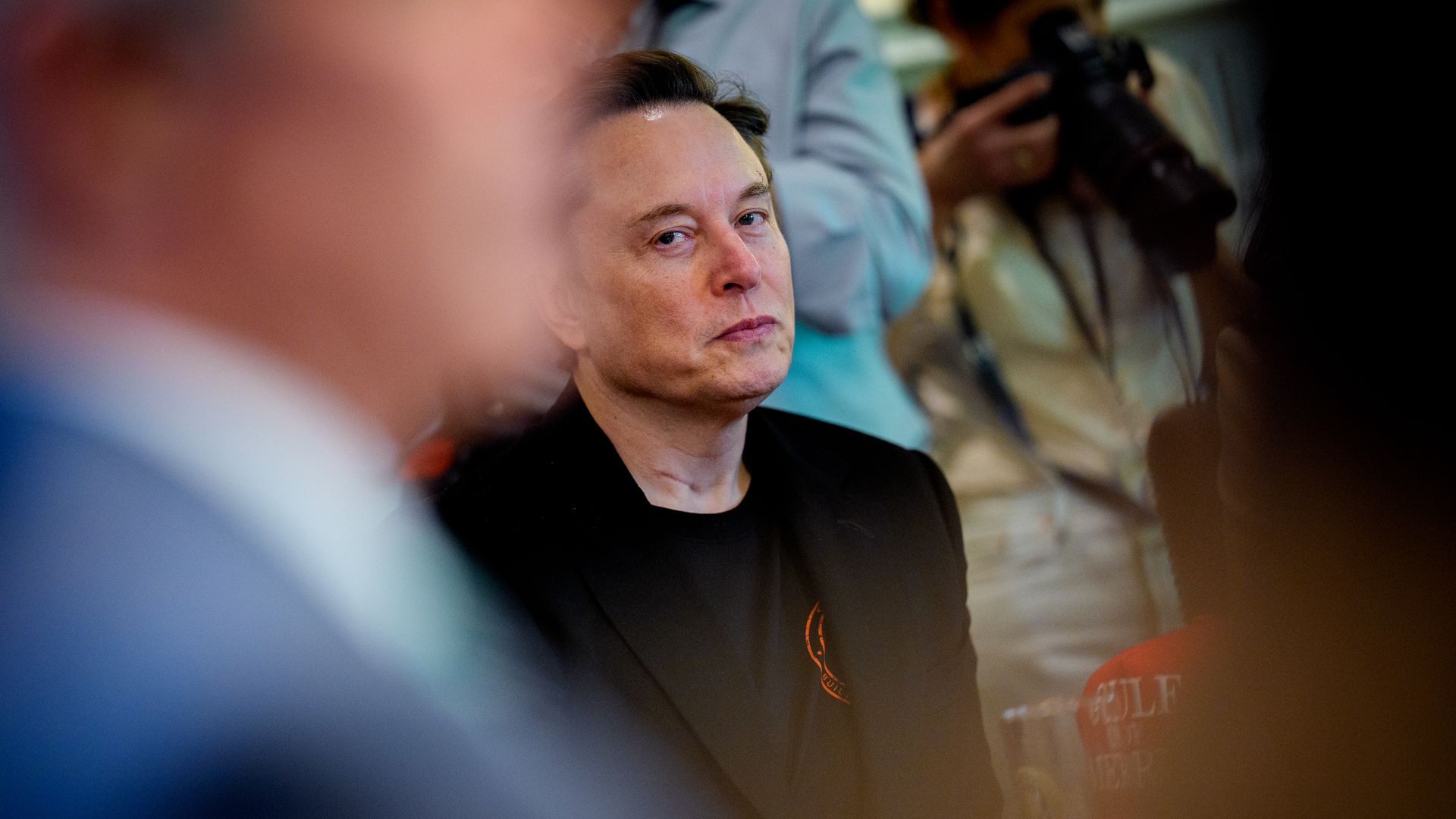
Elon Musk and Tesla's chair early on Thursday vehemently denied a Wall Street Journal report saying the EV company's board had launched a search process for a new CEO to potentially replace the world's richest person.
Why it matters: Tesla has suffered declining sales since Musk became an outspoken ally of President Trump and leader of the budget-slashing DOGE.
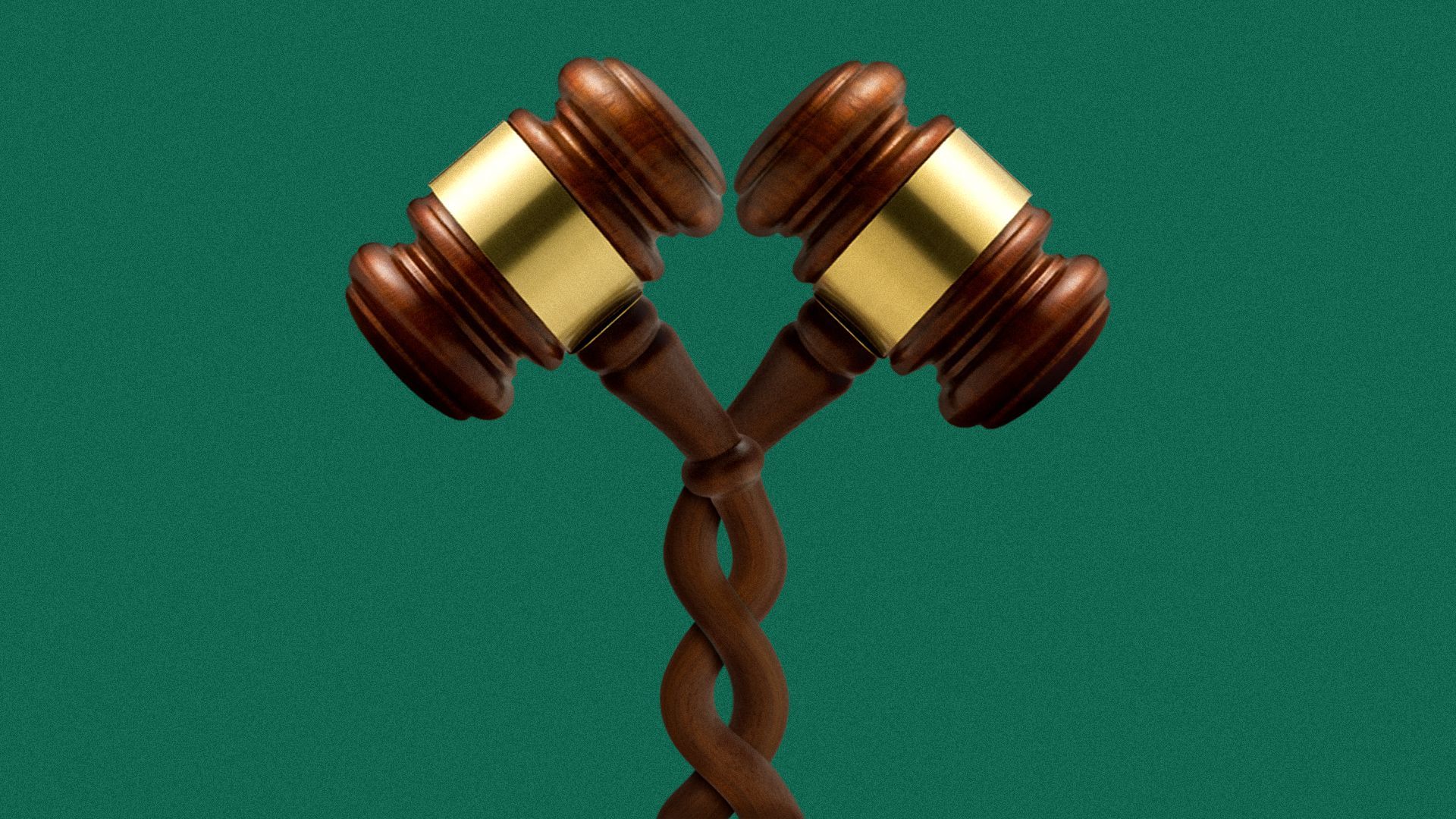
Corporate America will continue to serve two antitrust masters, after Rep. Jim Jordan (R-Ohio) yesterday backed off a plan to remove the FTC's antitrust authority and consolidate (most of) those powers in the Justice Department.
Why it matters: This illustrates how antitrust politics have changed in the past 100 days.
Roughly 20 protests are planned across Virginia on Thursday as part of a nationwide rally that organizers say is against President Trump's "war on working people" and the "billionaire takeover" of the federal government.
Why it matters: Protests against the Trump administration have shown no signs of stopping these past few months and keep drawing thousands of people statewide.
Elon Musk acknowledges his budget-cutting exercise known as DOGE hasn't been as successful as he hoped. But he says it may go on for President Trump's entire four years in office — more than twice as long as originally planned.
Why it matters: DOGE was set up to terminate on July 4, 2026. But Musk now says his controversial group could help oversee the slashing of federal spending through the end of 2028.
President Trump is putting China's economy through a trillion-dollar stress test, and he may not like the result.
Why it matters: Treasury Secretary Scott Bessent insists China is far more reliant on the U.S. than vice-versa, and thus has no choice but to blink first.
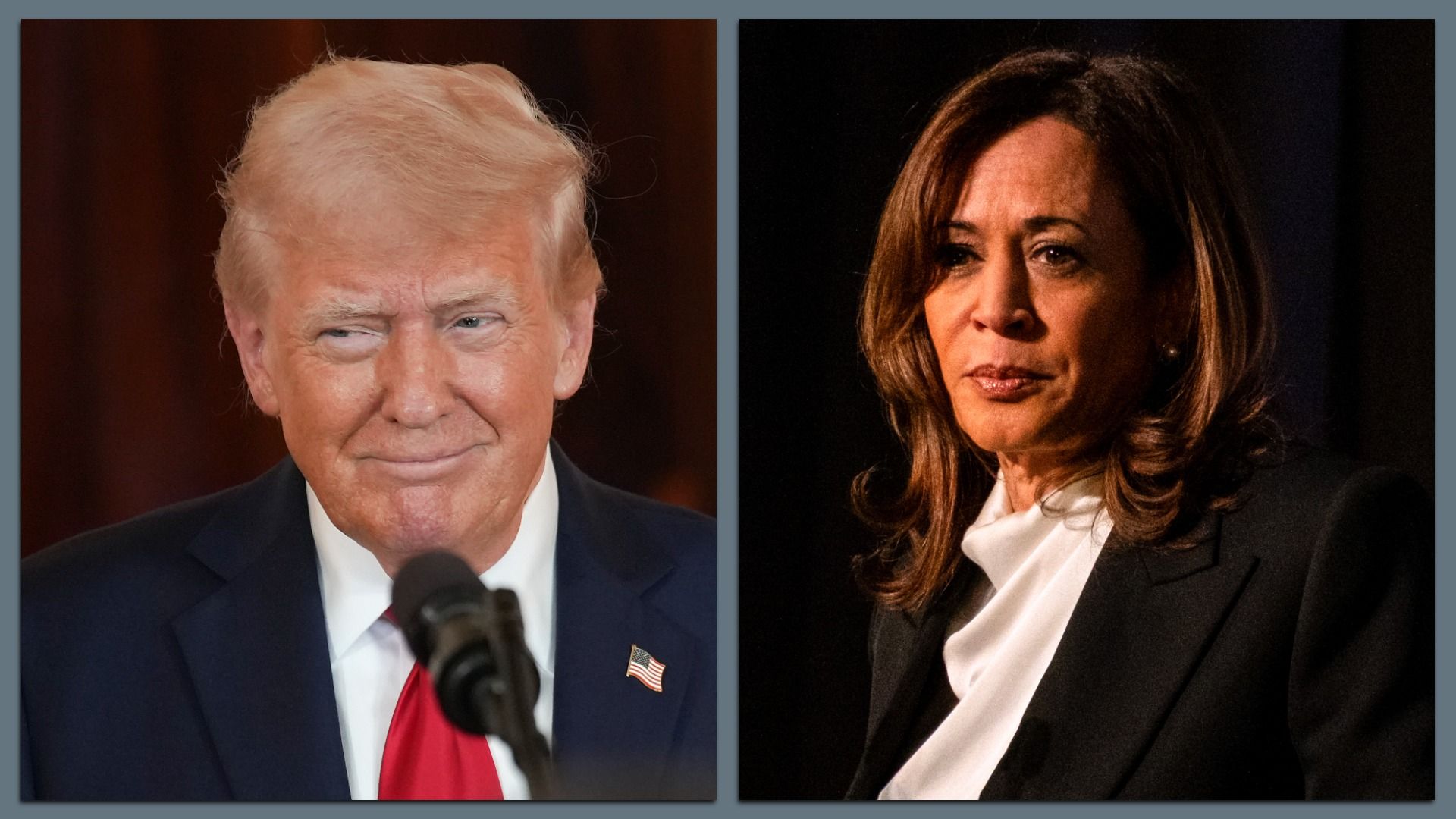
Former Vice President Harris accused President Trump of being responsible for the "greatest man-made economic crisis in modern presidential history" during a Wednesday night speech in San Francisco, California.
Why it matters: The 2024 Democratic presidential candidate used her first major speech since Trump took office for a second time to criticize his handling of the economy, immigration and other key policy areas.
World, the eyeball-scanning identity management platform co-founded by Sam Altman, is bringing its technology to the U.S., while announcing partnerships with Match Group, Razer and others.
Why it matters: The move opens up one of the biggest and most lucrative technology markets for World, which says its biometric verification system is the key to proving humanity in a world where people and bots operate side-by-side.
Apple must stop levying 27% commissions on sales that take place when apps point users to websites beyond Apple's App Store, a federal judge ordered Wednesday.
The intrigue: In a scorching ruling that called Apple's response to a previous order "an obvious cover-up," Judge Yvonne Gonzalez Rogers also referred Apple's behavior to federal prosecutors to investigate whether to bring criminal contempt of court charges.








/2025/05/01/1746118910030.gif?w=3840)














/2025/04/30/1746057476228.gif?w=3840)