U.S. Central Command chief Adm. Brad Cooper, the commander of forces in the Middle East, briefed President Trump Thursday on the state of the Iran war, with a focus on the ongoing naval blockade, according to two U.S. officials.
Why it matters: As he did before Operation Midnight Hammer in June 2025 and Operation Epic Fury in February, Trump is pursuing dual tracks — trying to reach a deal to restart peace talks while also preparing for a possible resumption of major combat operations after the midterms.
The Pentagon's top military planner admitted to leaking classified information about Ukraine and Iran to two reporters from separate outlets over a one-year period, according to an internal report of the investigation shared with Axios.
Why it matters: Army Lt. Gen. Brett Sylvia was fired this week by Defense Secretary Pete Hegseth for the alleged misconduct, which the career soldier acknowledged on video after he failed four polygraph tests, a U.S. official said.
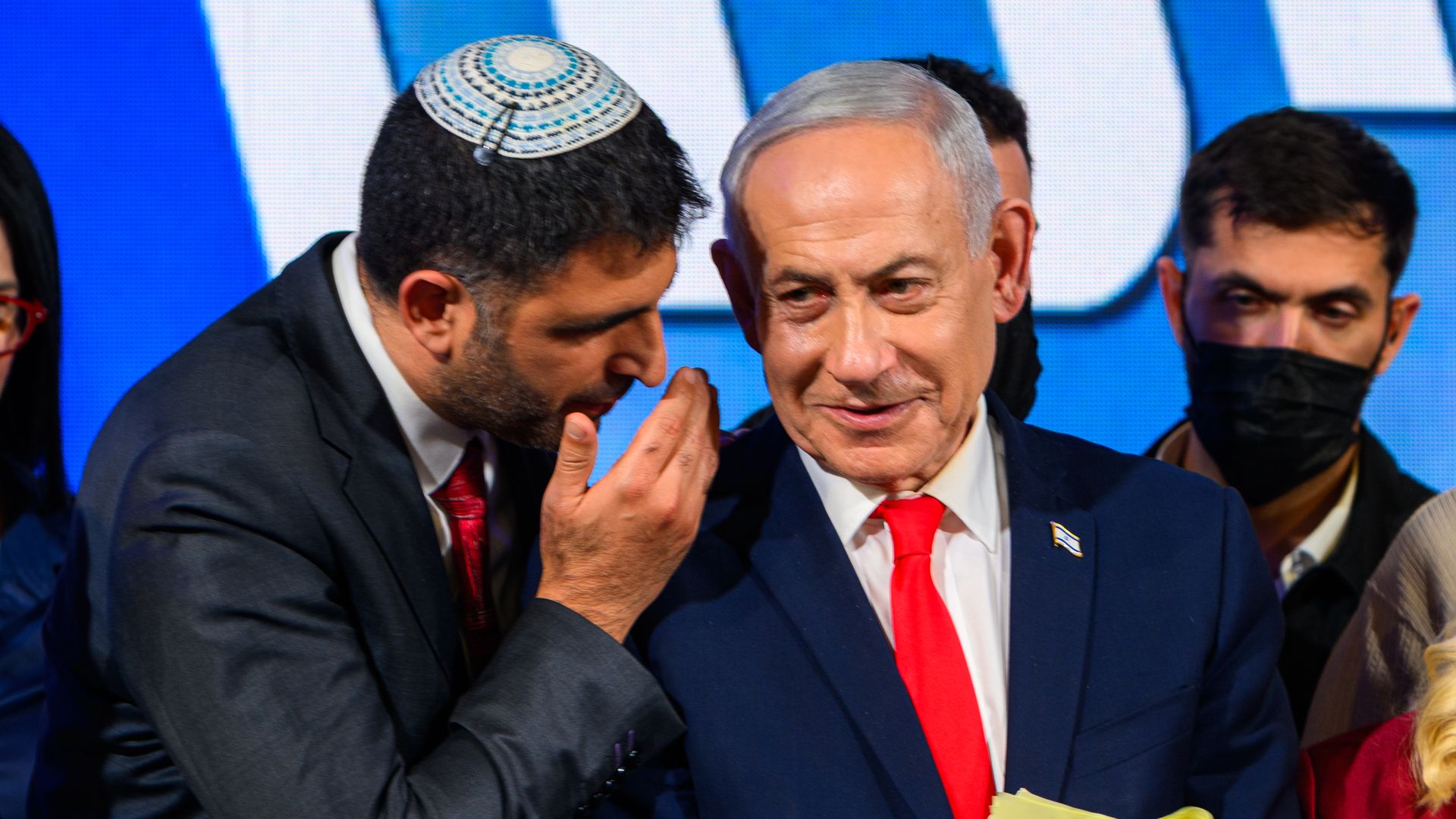
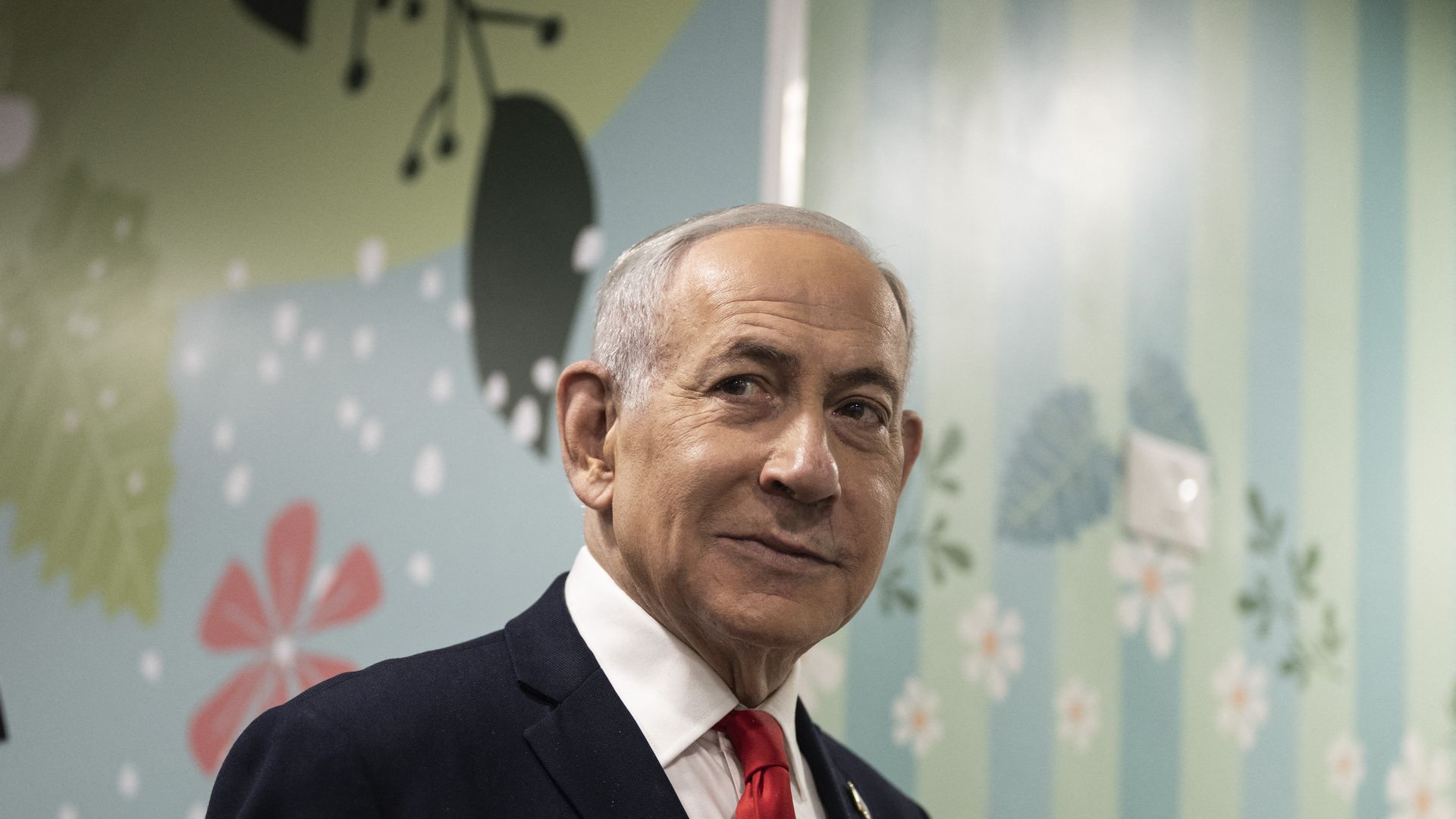
After his far-right coalition lost 11 seats in the election, Israeli Prime Minister Benjamin Netanyahu is trying to discredit the results by claiming there was mass voting fraud in Arab communities.
Why it matters: Netanyahu appears to be trying to spook the opposition bloc out of cooperating with Arab parties to form a new government.
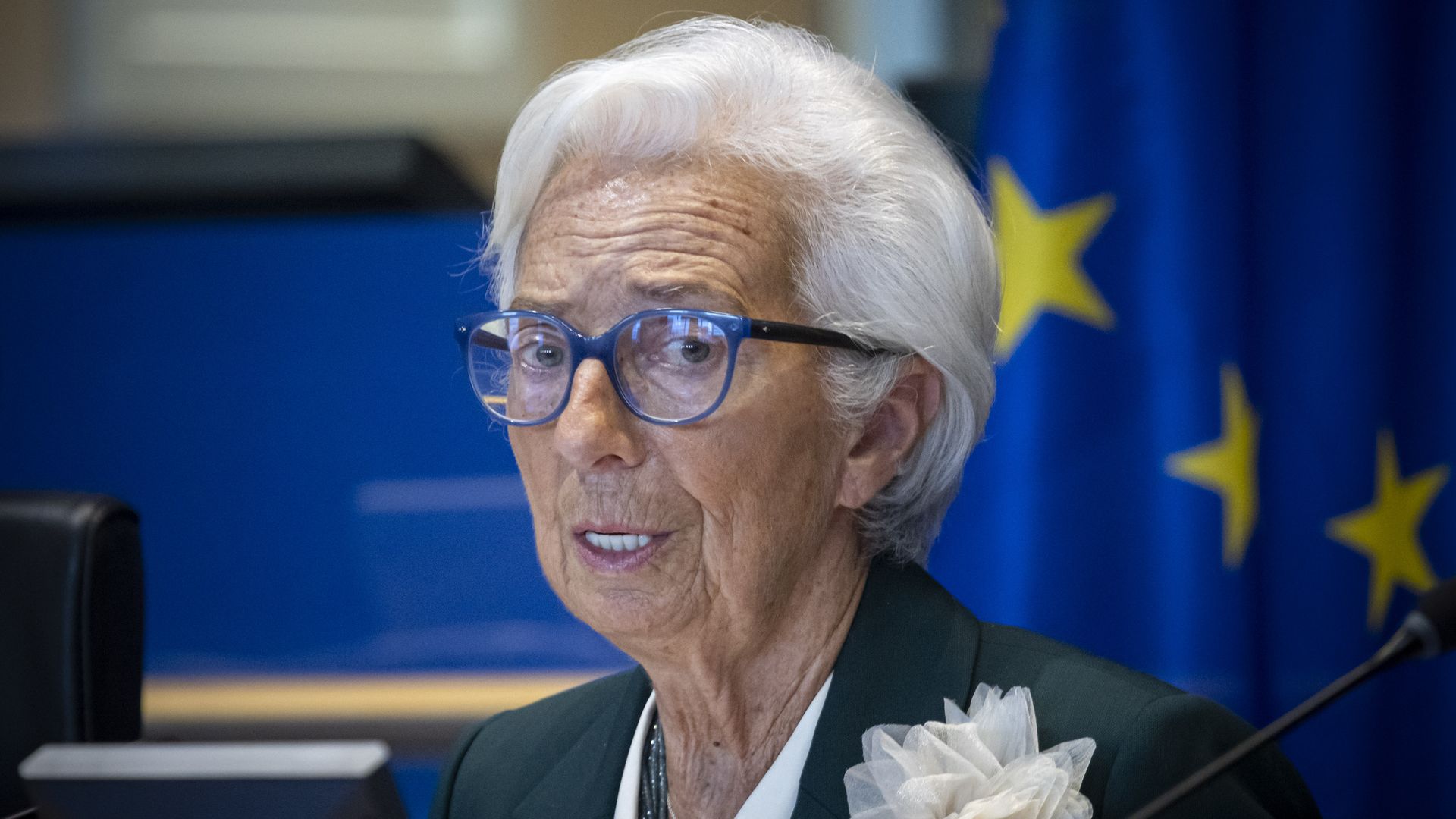
European Central Bank president Christine Lagarde will step down in February, nine months before her term expires, Lagarde said Thursday.
Why it matters: Lagarde's sooner-than-expected departure sets off a high-stakes leadership contest at Europe's most powerful central bank, as the region grapples with renewed inflation pressures and economic uncertainty.
The clearest image to date of China's highly secretive spaceplane was circulated this week in a new Pentagon report identifying space threats.
Why it matters: The photo is further evidence of China's space advancements, and the findings from the Defense Intelligence Agency shine a light on Beijing's orbital arms buildup.
Americans are turning out in droves to vote early ahead of the midterms, with unusually strong participation among Black, Hispanic and unaffiliated voters in several states, according to election researchers.
Why it matters: Early voting patterns could signal heightened voter engagement, but don't necessarily predict overall turnout or which party will benefit.
Vice President Vance sent a letter to Iran's national security chief stressing that any negotiations to head off U.S. military strikes "require discussions on the nuclear issue," a U.S. official said.
Why it matters: The letter to Mohsen Rezaei, which focused on the possibility of restarting negotiations between the U.S. and Iran, is the most senior-level outreach by the U.S. to Iran in several months. It comes as President Trump considers resuming major combat operations in Iran after the midterm elections.
Regional mediators led by Qatar are trying to reach a diplomatic deal to restart negotiations between the U.S. and Iran and prevent the resumption of war after the midterm elections, three U.S., Israeli and regional sources say.
The Qataris are working to convince Iran to allow UN inspectors to visit its bombed nuclear sites in return for some sanctions relief from the U.S.
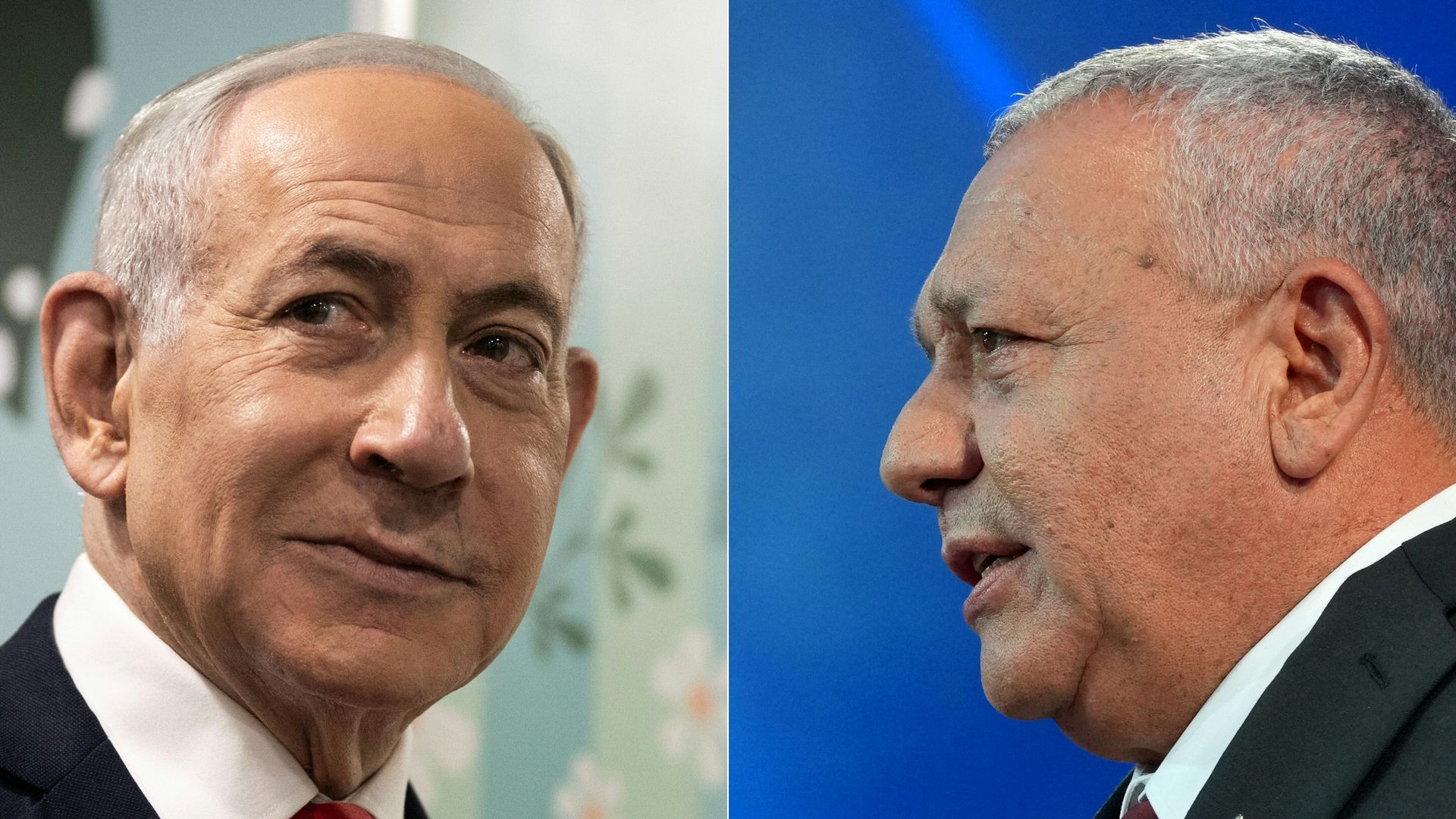
Israel's election left Prime Minister Benjamin Netanyahu and his political rival Gadi Eisenkot scrambling to form a government.
Why it matters: With votes still being counted, neither bloc has secured a 61-seat majority, setting up potentially weeks of negotiations over who will govern Israel.
Dolores Huerta, the pioneering labor organizer who co-founded the United Farm Workers and coined the rallying cry "Sí, se puede," died Wednesday at 96, her family announced on her Instagram account.
Why it matters: The civil rights legend helped lead strikes and boycotts, fought to expand rights for Hispanic Americans and became a powerful kingmaker in politics.
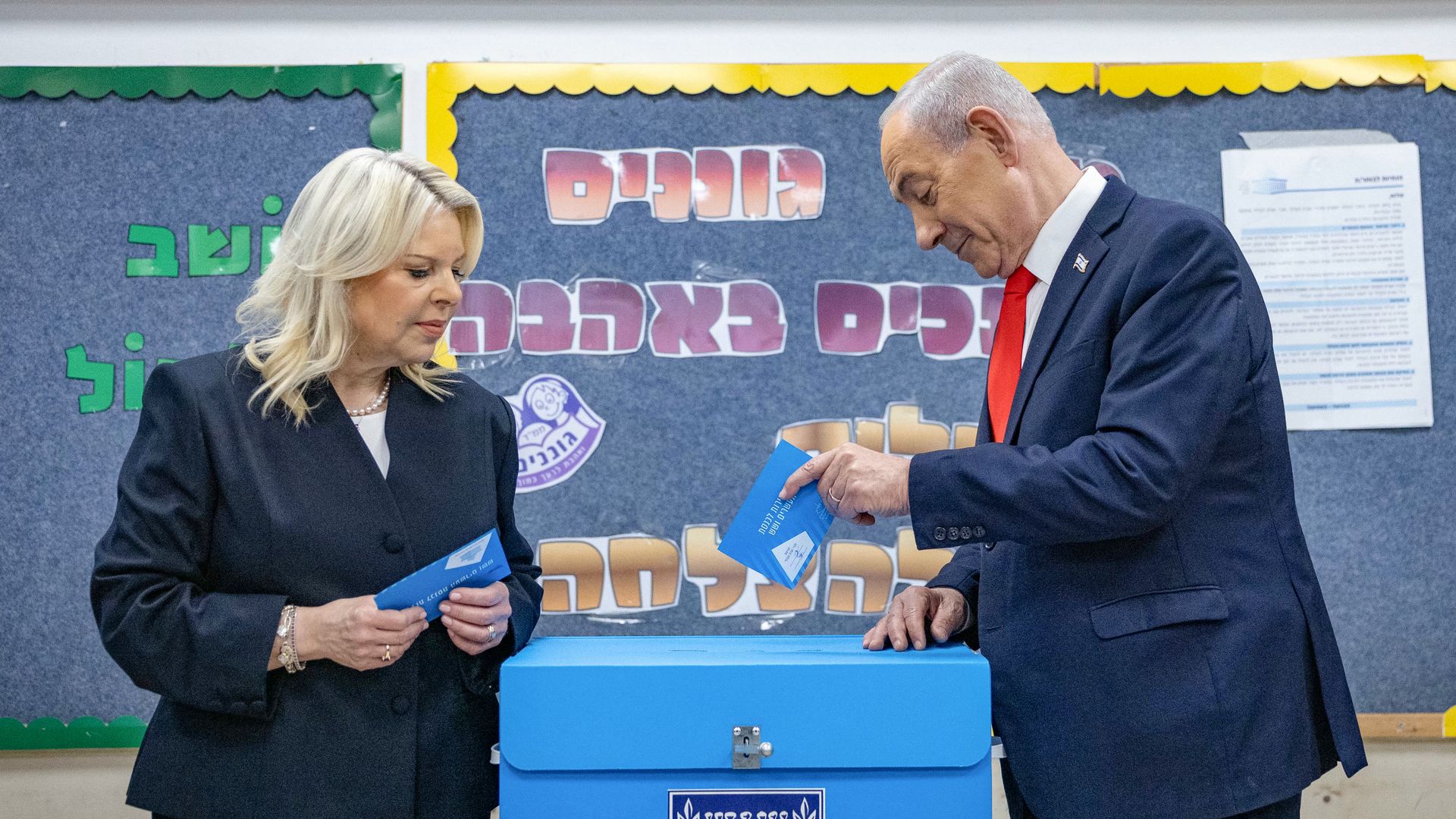
TEL AVIV, Israel — Israeli Prime Minister Benjamin Netanyahu's electoral coalition opened a sizable lead over Gadi Eisenkot's opposition bloc with 85 percent of the vote counted.
But while Netanyahu outperformed exit polls, which had Eisenkot's opposition coalition ahead, neither bloc will clear a 61-seat majority. That sets the stage for weeks of wrangling over the country's next government.
Why it matters: Netanyahu will emerge from the election down but not out. His bloc is on pace to secure 53 seats — 11 fewer than he currently commands. But Eisenkot's bloc trails with 48 seats, leaving both men without a clear mandate to lead a government.
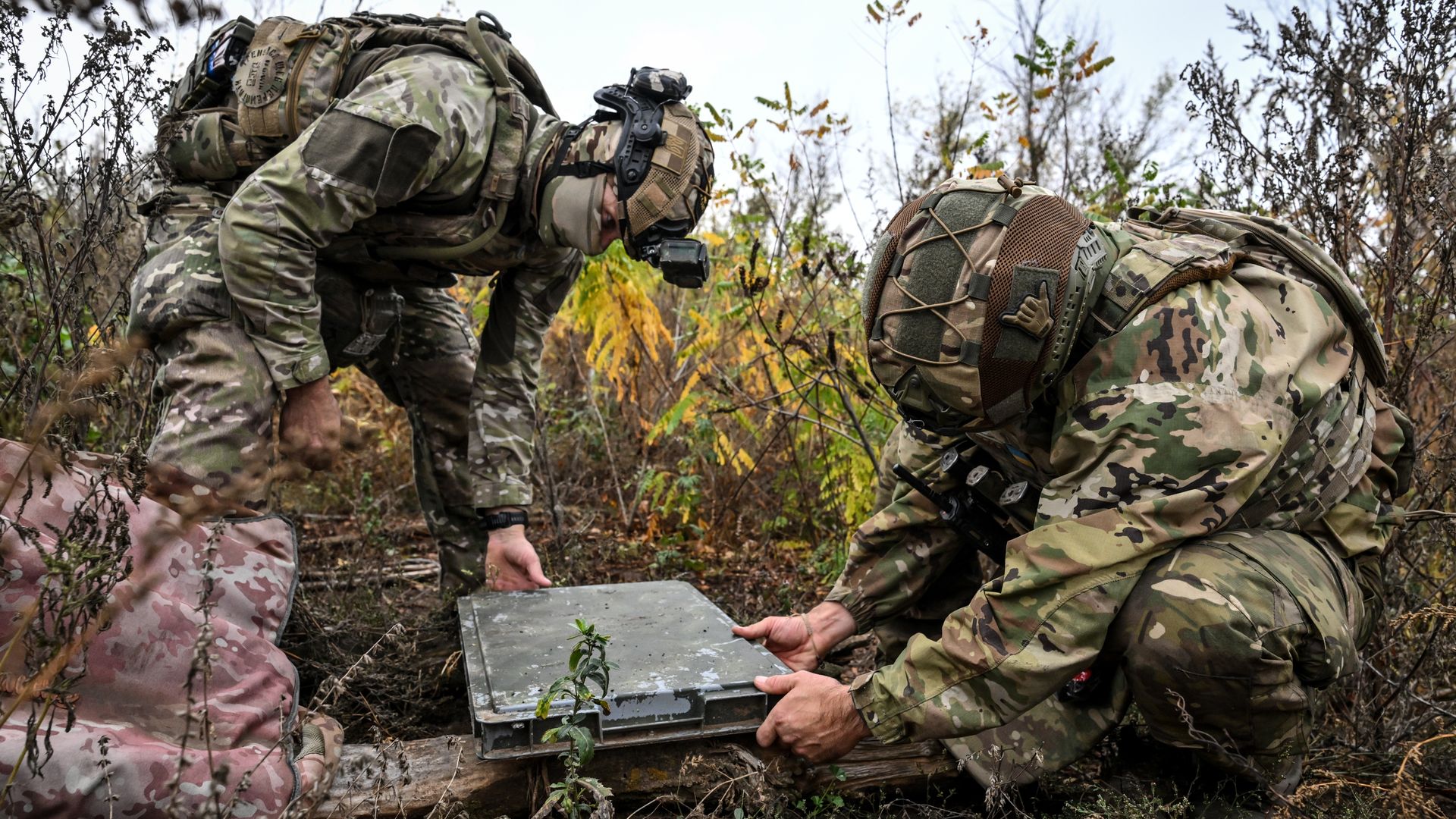
Rival satellite companies are jockeying to loosen Elon Musk's grip on battlefield communications after his company's restrictions on Ukraine's Starlink service shook officials in Europe and the U.S.
Why it matters: The episode, which temporarily disrupted Ukraine's drone usage, shows how vulnerable a military can be to the whims of a single company or market dominator.
The U.S. government is granting visas to Flávio Bolsonaro and his family following his defeat in Brazil's presidential election, a senior Trump administration official tells Axios.
Why it matters: The move comes days after Brazilian President Luiz Inácio Lula da Silva defeated Bolsonaro, the son of former President Jair Bolsonaro, in a closely watched election.
TEL AVIV, Israel — Prime Minister Benjamin Netanyahu's far-right coalition is running nearly even with Gadi Eisenkot's opposition bloc in Tuesday's historic election — but both are short of a 61-seat majority, according to Israeli exit polls.
Why it matters: Political stalemate is the most likely outcome of the election, with Netanyahu weakened but neither side having a clear path to forming a coalition government.