Dolores Huerta, pioneering labor activist, dies at 96


Add Axios as your preferred source to
see more of our stories on Google.
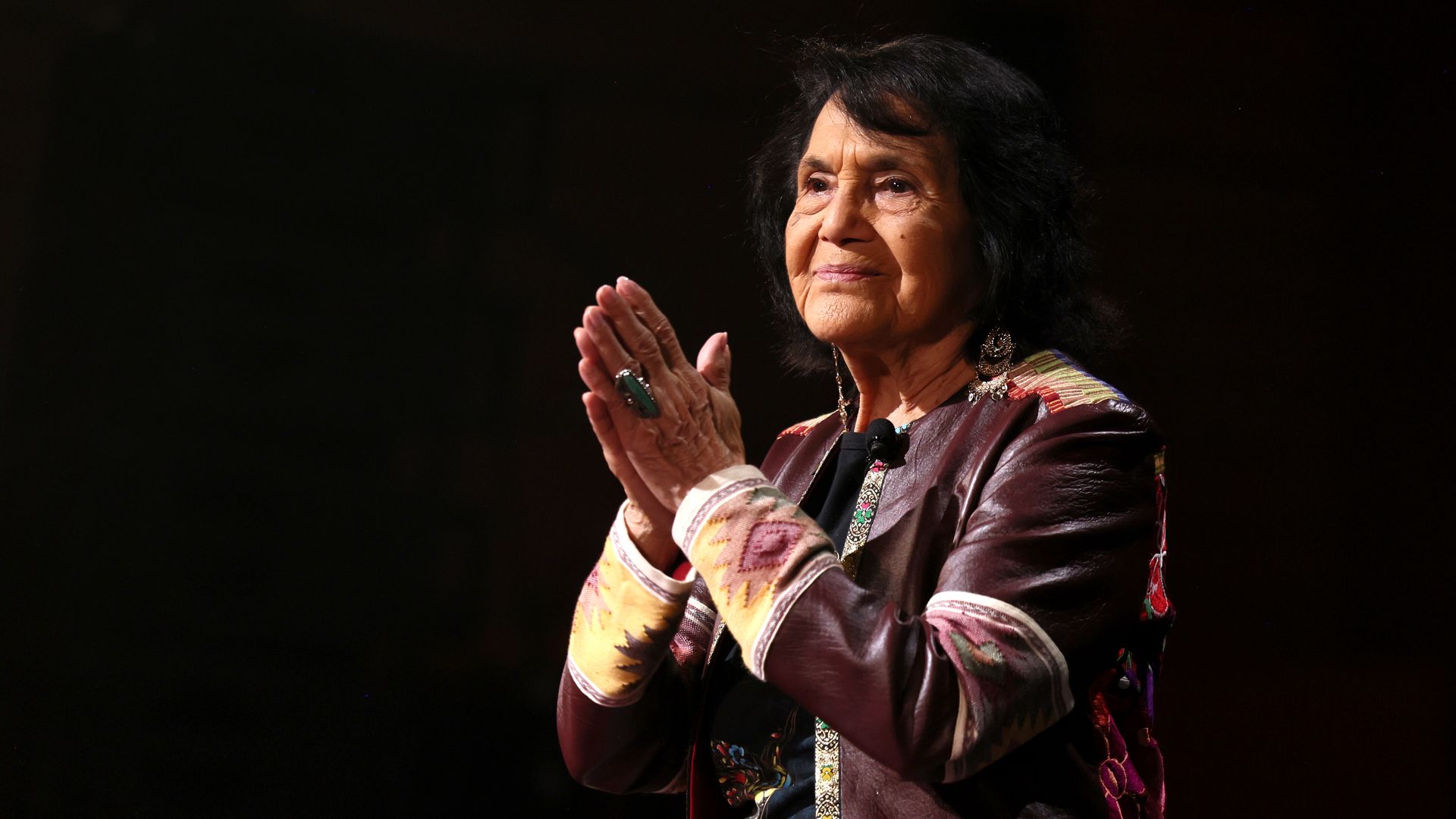
Labor and civil rights activist Dolores Huerta accepts a TIME100 Impact Award at the TIME100 Gala in New York City on April 23. Photo: Jemal Countess/Getty Images for TIME
Dolores Huerta, the pioneering labor organizer who co-founded the United Farm Workers and coined the rallying cry "Sí, se puede," died Wednesday at 96, her family announced on her Instagram account.
Why it matters: The civil rights legend helped lead strikes and boycotts, fought to expand rights for Hispanic Americans and became a powerful kingmaker in politics.
What they're saying: "We are deeply saddened to announce that our beloved mother, Dolores Huerta, has passed away today at the age of 96," her family wrote in a statement posted on Instagram.
- "As you can imagine, this is an incredibly difficult time for us, and we ask for privacy as we grieve this incredible loss to our family. We know that many of you around the world share in our mourning, and we will be following up on plans to recognize and celebrate her incredible life and legacy."
- Her cause of death was cancer, per the New York Times.
Zoom in: Huerta worked alongside farmworker leader César Chávez, organizing workers who were routinely subjected to poor labor conditions on farms.
- The pair founded UFW with fellow activist Gilbert Padilla.
- Huerta also stood next to Sen. Robert F. Kennedy moments before he was fatally shot after his 1968 California primary win, after having worked to get Mexican American voters to support him.
- She would befriend the widows of RFK and Martin Luther King Jr., Ethel Kennedy and Coretta Scott King, as they fought together for civil rights.
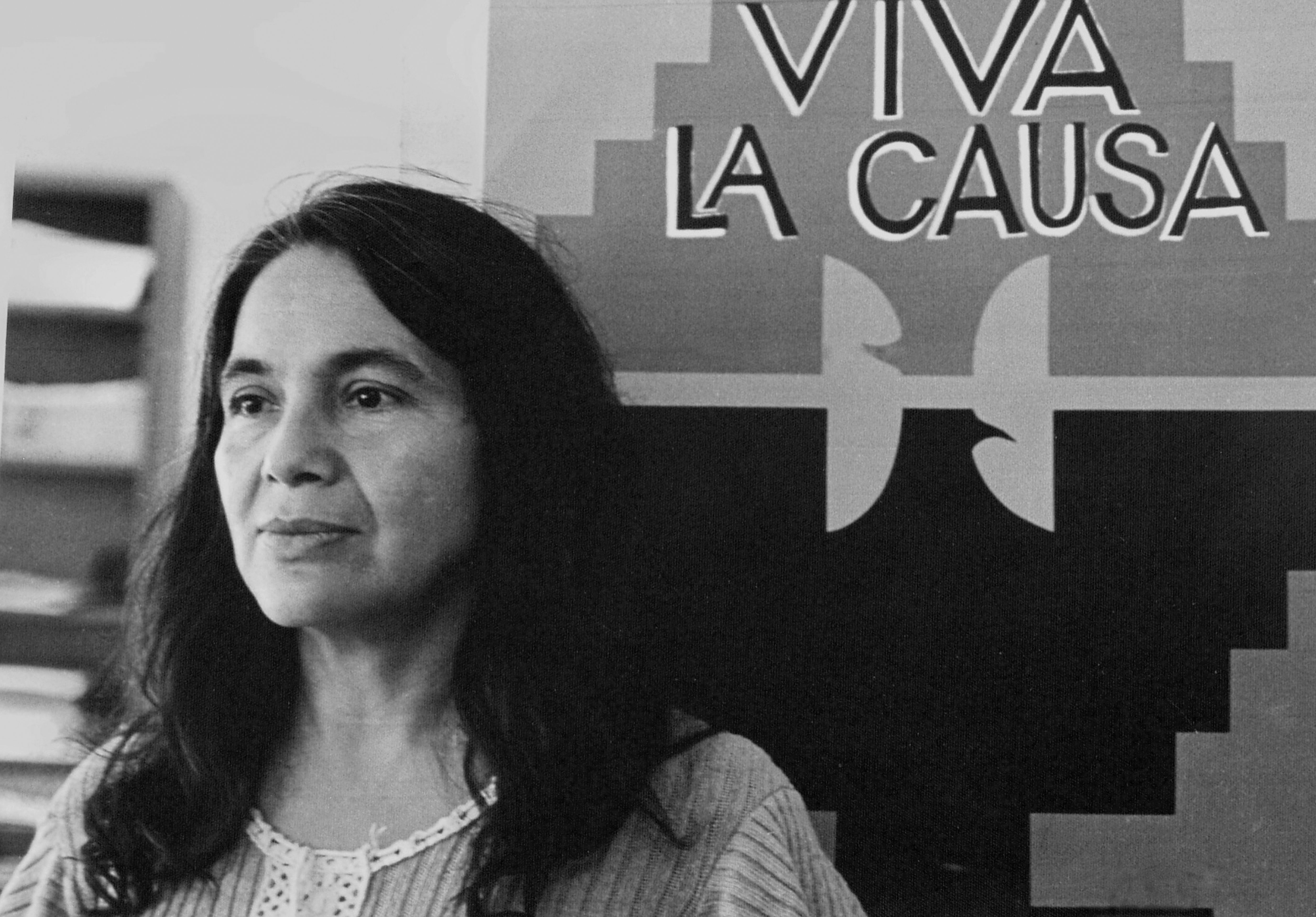
Catch up quick: Chávez, who died in 1993, allegedly sexually abused multiple women and girls during his time as UFW leader, which only came to light this year following a New York Times investigation.
- Huerta said that she was raped by Chávez decades ago, becoming the most high-profile figure to accuse him of misconduct.
- "I carried this secret for as long as I did because building the movement and securing farmworker rights was my life's work," Huerta wrote in a blog post.
- "I have never identified myself as a victim, but I now understand that I am a survivor — of violence, of sexual abuse, of domineering men who saw me, and other women, as property, or things to control."
- Huerta said she became pregnant after both encounters with Chávez and arranged for the children to be raised by other families, keeping their births secret.
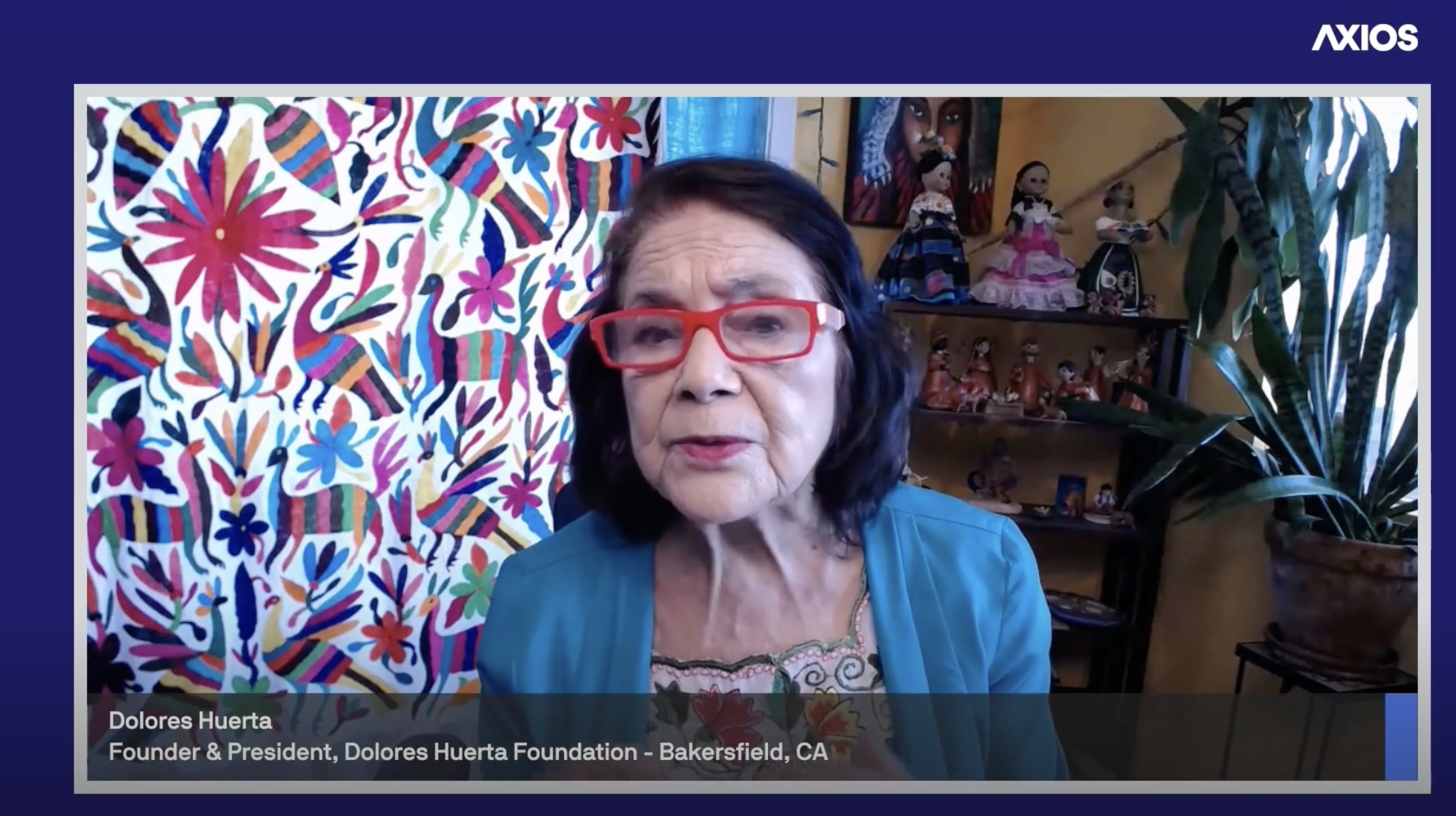
Flashback: Born in the mining town of Dawson, New Mexico, about 140 miles northeast of Santa Fe, Dolores was raised around labor activism, before moving to Stockton, California, as a child.
- She and Chávez founded the National Farm Workers Association in 1962, which later became the United Farm Workers.
- A 2018 PBS documentary "Dolores" showed how Huerta moved from a married woman in a middle-class home to a union activist who gave up a comfortable life to join the fight for equality.
- Decades later, she discussed the sexism she faced in the farmworker labor movement despite becoming a Chicana feminist icon on T-shirts, murals and in songs.
Zoom out: In her later years, Huerta was sought out by Democrats running for office at all levels, from president to Albuquerque mayor.
- She continued to speak and attend rallies well into her 90s.
Fun fact: In 2012, President Obama finally acknowledged Huerta for her role in the creation of his "Yes, we can" slogan during his first presidential campaign.
- "Dolores was very gracious when I told her that I had stolen her slogan," said Obama, who then presented her with the Medal of Freedom, the nation's highest civilian honor.
- "Knowing her, I'm pleased she left me off easy because Dolores does not play."
