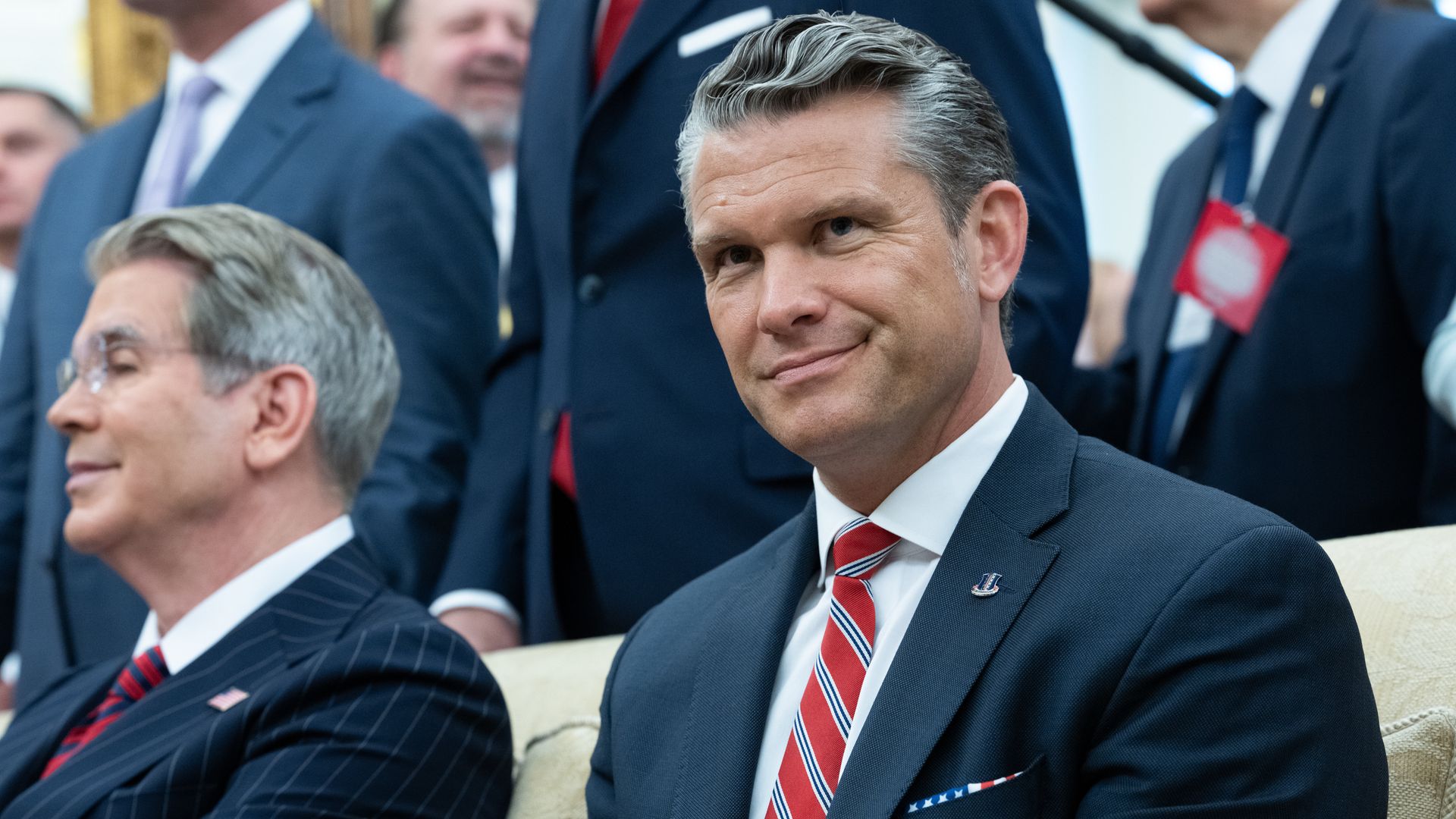
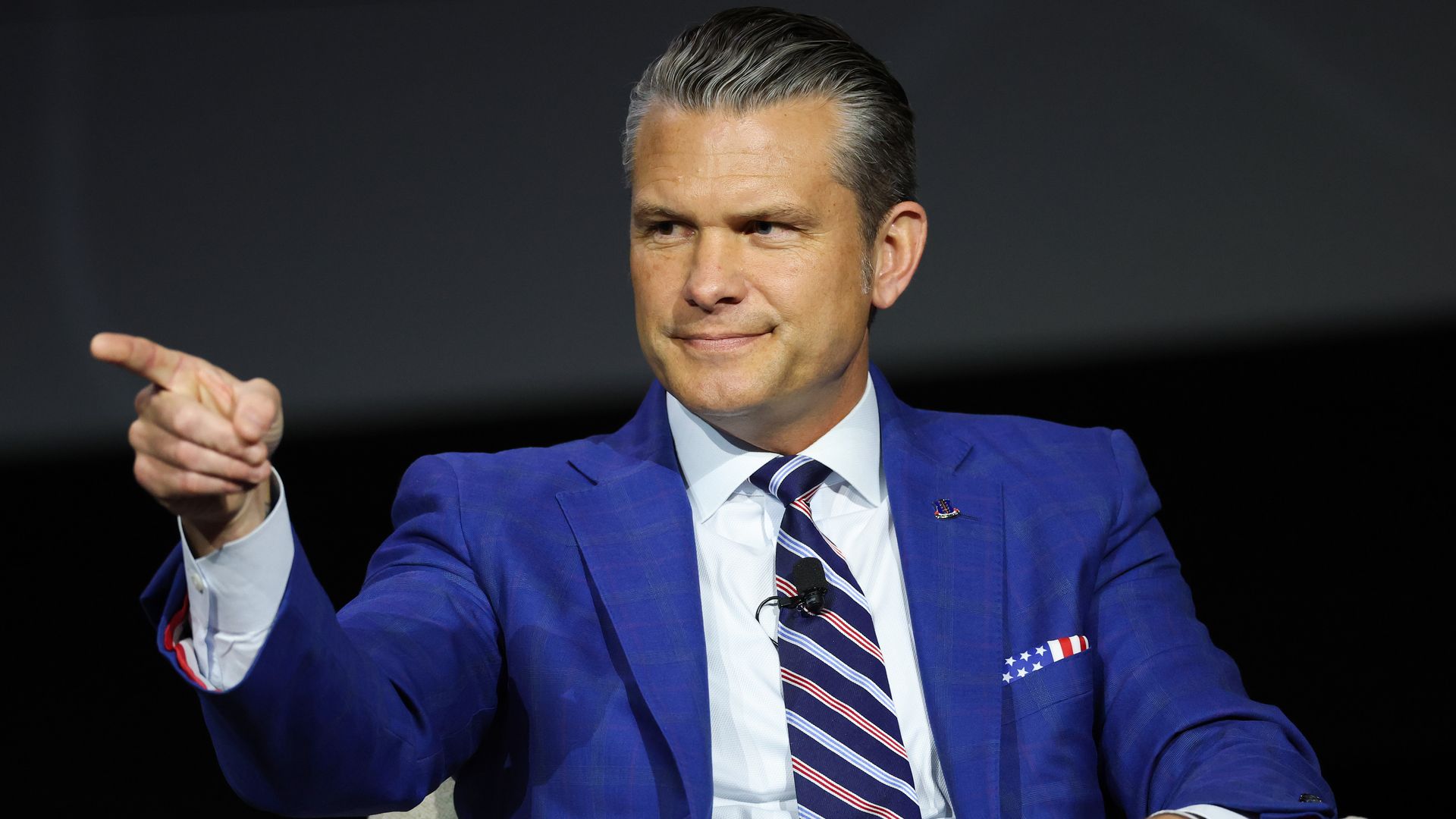
Defense Secretary Pete Hegseth has approved testing of a military-grade "heat ray" for potential use along the U.S.-Mexico border — a weapon that uses invisible energy beams to produce an intense burning sensation on human skin.
Why it matters: The potential use of a military weapon against migrants raises significant safety and legal questions, including whether the technology could cause injuries or endanger people attempting to cross the border.
General Motors wants to slash the time it takes to develop a new vehicle in half, betting that artificial intelligence can help it compete with China's much faster automakers.
Why it matters: Chinese carmakers have a formidable speed advantage, allowing them to introduce new models and technologies faster than their Western rivals can respond.
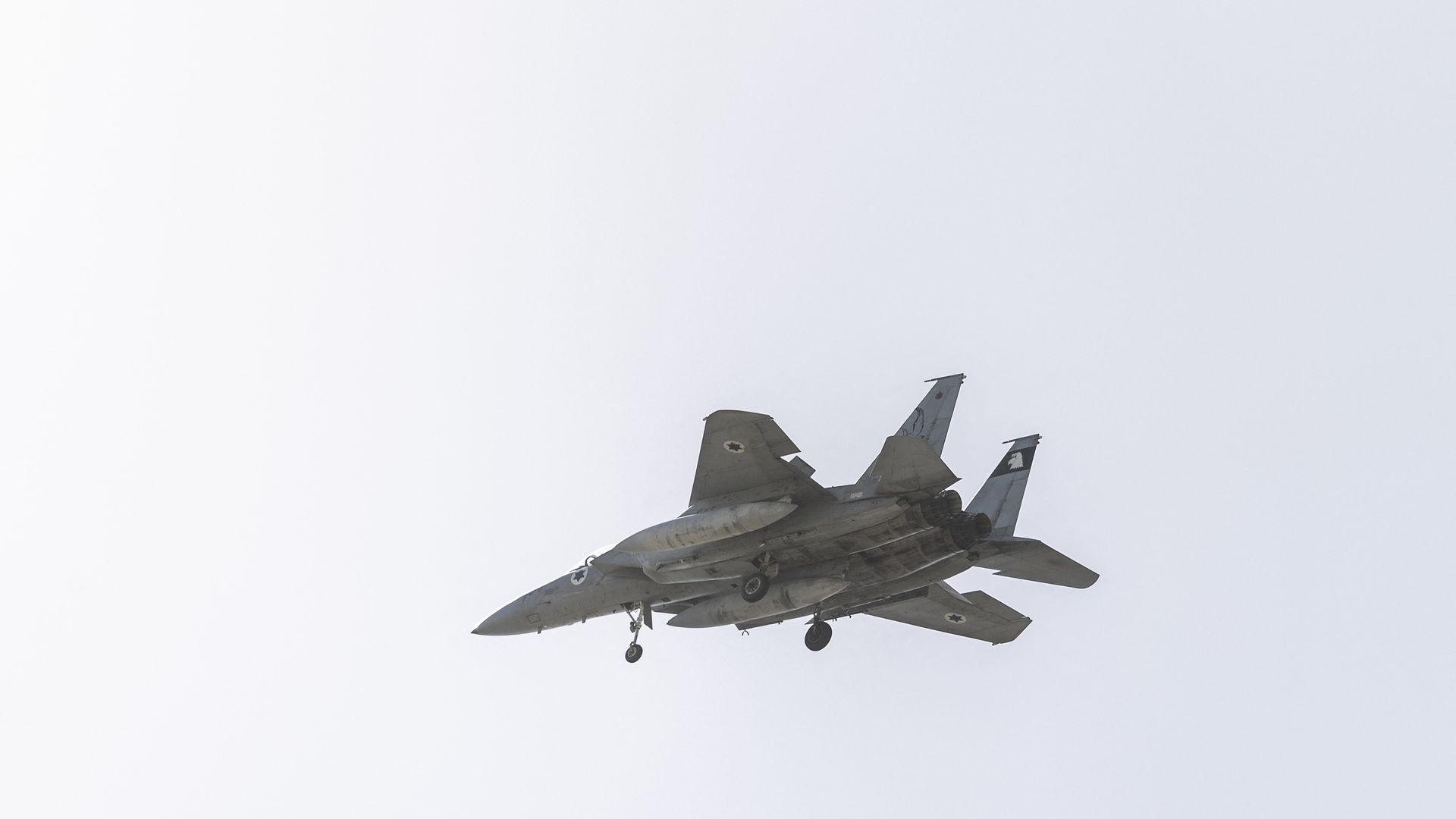
Dozens of Israeli Air Force fighter jets conducted a sortie on Monday, flying as far as the Iranian border, according to Israeli and U.S. officials.
Why it matters: The operation, more than 800 miles away from Israel, took place a week before the Israeli elections and on the same day Defense Secretary Pete Hegseth met with Prime Minister Benjamin Netanyahu at Israel's Ovda Air Base. The sortie wasn't connected to Hegseth's visit.
While some Israeli and U.S. officials said the sortie wasn't unusual and that it was meant to deter Iran, it could have led to a miscalculation, triggering an Iranian response andreigniting the war.
French borrowing costs are heading unrelentingly upward, making for a slow-moving fiscal debacle in Europe's second-largest economy.
Why it matters: It shows the risks for other advanced countries, including the U.S., as they face the combined pressure of large deficits, political resistance to austerity and a wary bond market.
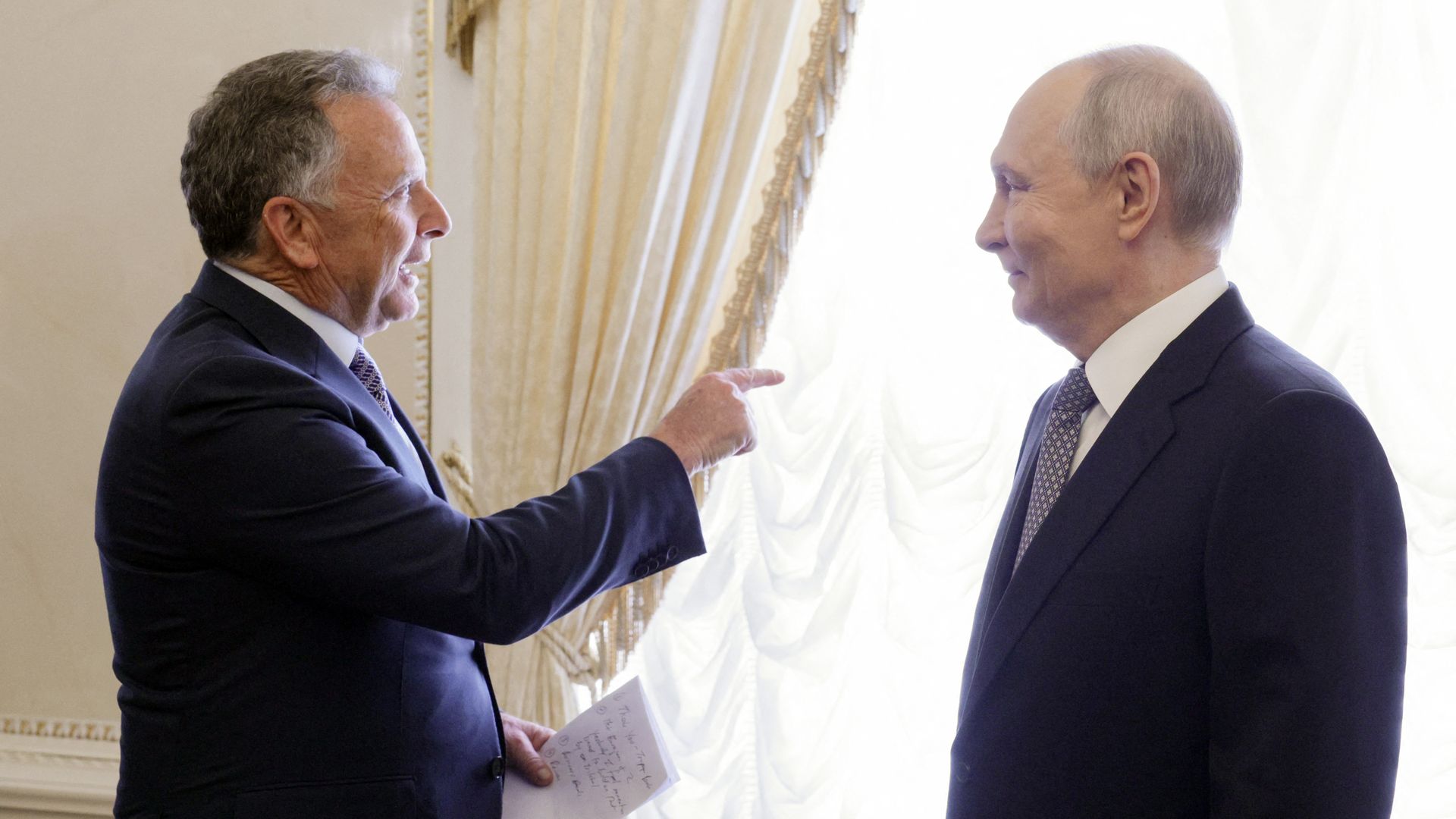
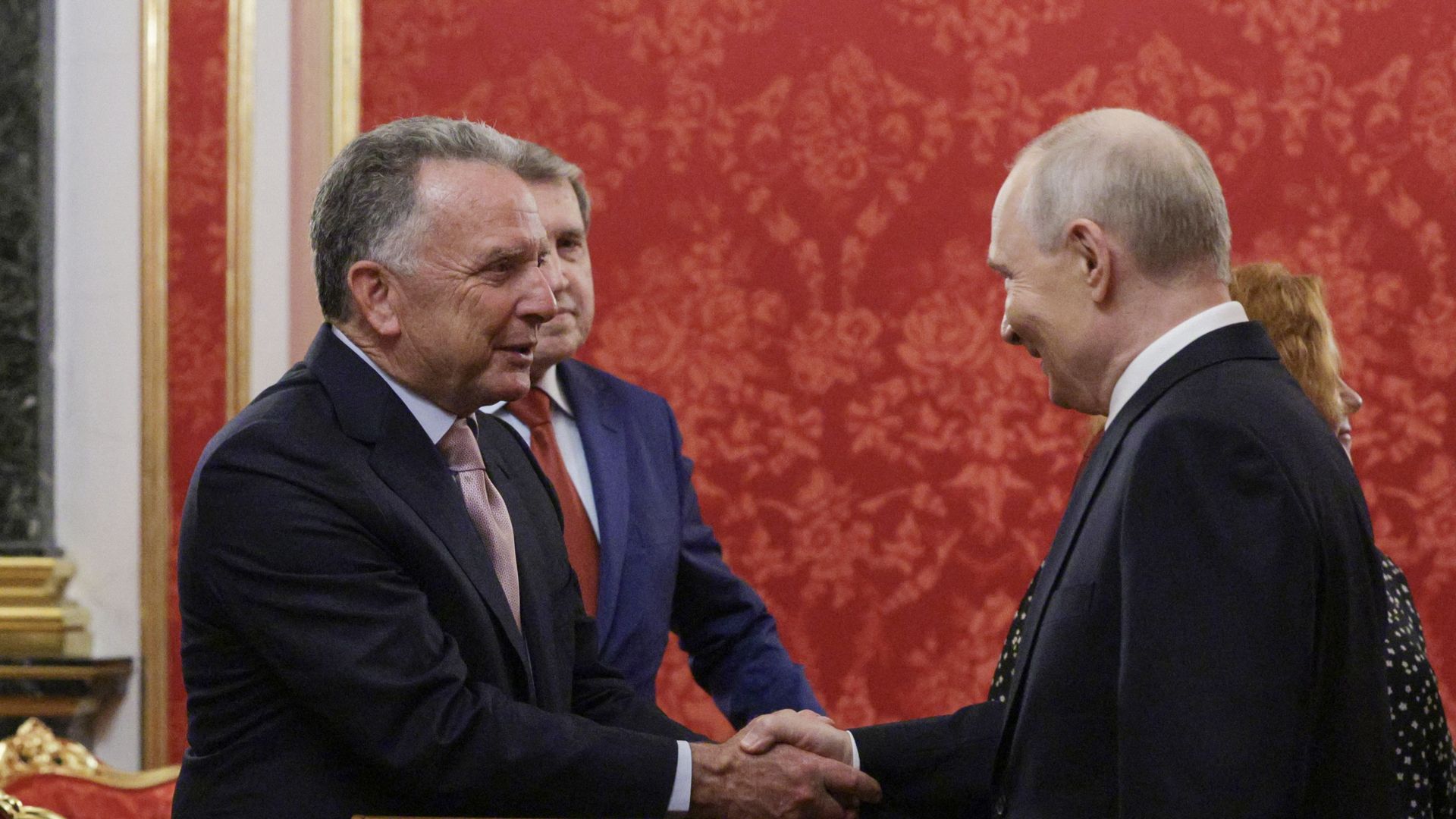
Russian President Vladimir Putin told White House envoy Steve Witkoff on Wednesday that he "agrees in principle" resuming trilateral peace talks between Russia, Ukraine and the U.S. to end the war, according to Russian and U.S. officials.
Why it matters: The White House hopes Putin will show more willingness to compromise after President Trump agreed to lift sanctions on Russian diesel sales and took other steps welcomed by Moscow. For now, it seems the only concession Putin agreed to is to negotiate.
Nvidia CEO Jensen Huang is crisscrossing Europe with a multibillion-dollar checkbook and a grand ambition: Make his company the indispensable backbone of the global AI economy.
Why it matters: As fears of an AI bubble rattle Wall Street, Huang is working to spread the boom beyond the U.S. and China — courting governments, bankrolling startups and cultivating massive new markets for Nvidia's chips.
The AI boom is moving into its rational exuberance phase, to adapt a term from the last tech bubble: Investors are pulling back funding and demanding more evidence that their investments will actually pay off.
Why it matters: It's a delicate dance. The economy is running on the AI trade right now. Can investors take air out of the bubble without popping the whole damn thing?
White House envoy Steve Witkoff will meet Russian President Vladimir Putin in St. Petersburg on Wednesday and present him with an updated proposal to end the war in Ukraine, a U.S. official said.
President Trump's son-in-law and adviser Jared Kushner will join the meeting virtually.
Why it matters: The White House hopes Putin will show more willingness to compromise after Trump agreed to lift sanctions on Russian diesel sales and took other steps welcomed by Moscow.
As the French right-wing National Rally is seizing on fiery protests in the country for its pre-election pitch, so are President Trump and his Republican allies in the U.S.
The big picture: The Trump administration has used the unrest, which began over education grievances, to bolster its messaging on immigration and the threat of "communists," a group Trump has repeatedly claimed is threatening American civilization.
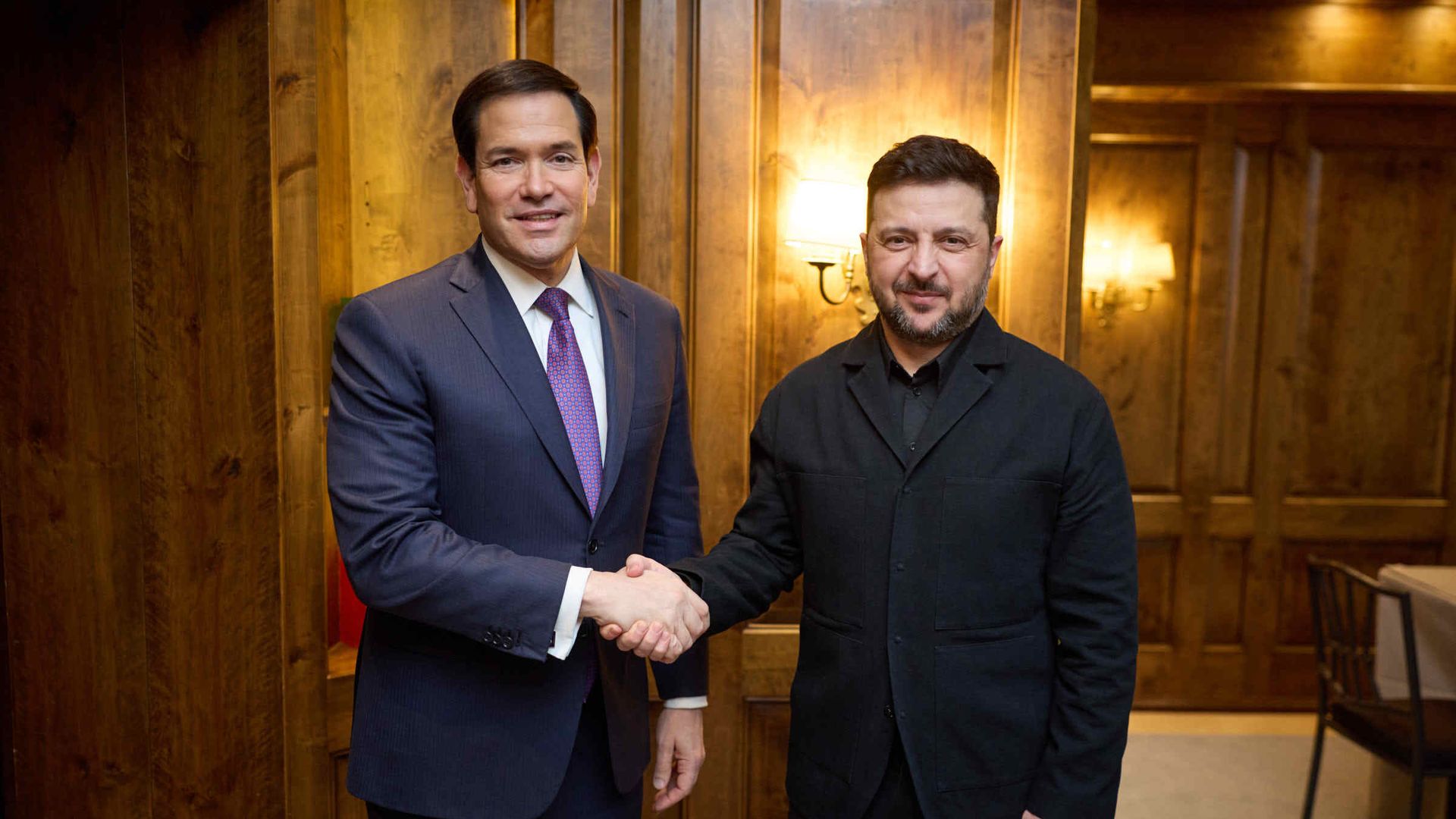
Secretary of State Marco Rubio told Ukrainian President Volodymyr Zelensky in a phone call Tuesday that President Trump hasn't issued any kind of order to harm Ukraine.
Why it matters: The call was an effort to prevent the crisis between the U.S. and Ukraine from escalating further — and to push back on Ukrainian accusations that Trump is trying to coerce Zelensky into making concessions to Russia.
Few if any Western militaries are prepared for underground warfare: the kind of visceral, claustrophobic fight that's reminiscent of Vietnam War tunnel rats and plays out year after year across the Middle East, according to a Jewish Institute for National Security of America report shared with Axios.
Why it matters: The lengthy document, littered with warnings, was co-authored by a man known as "Col. David," an elite combat engineer who commanded Israel's counter-tunnel and subterranean warfare operations after the Oct. 7 attack.
White evangelical Protestants are the only major religious group in which a majority says empathy can become dangerous when it leads people away from a society guided by God's truth, according to a new survey.
Voters in oil-rich Alberta overwhelmingly rejected a push to bring the province one step closer to secession in a historic referendum.
Why it matters: The result is a win for Canadian Prime Minister Mark Carney, who has touted a united, energy-dominant Canada and sought to appeal to Albertans, who have expressed resentment over the nation's energy policies.
White House envoy Steve Witkoff is traveling to Oslo for talks Tuesday with Ukrainian President Volodymyr Zelensky and European leaders, a U.S. official said.
The big picture: The talks will bring together Ukraine, European allies and the U.S. as they seek to develop a peace proposal to present to Russia.
Defense Secretary Pete Hegseth met with Israeli Prime Minister Benjamin Netanyahu in Israel on Monday, two sources with knowledge told Axios.
Why it matters: The unannounced visit comes eight days before Israel's election and amid U.S.-Israeli discussions about potentially resuming major combat operations against Iran.