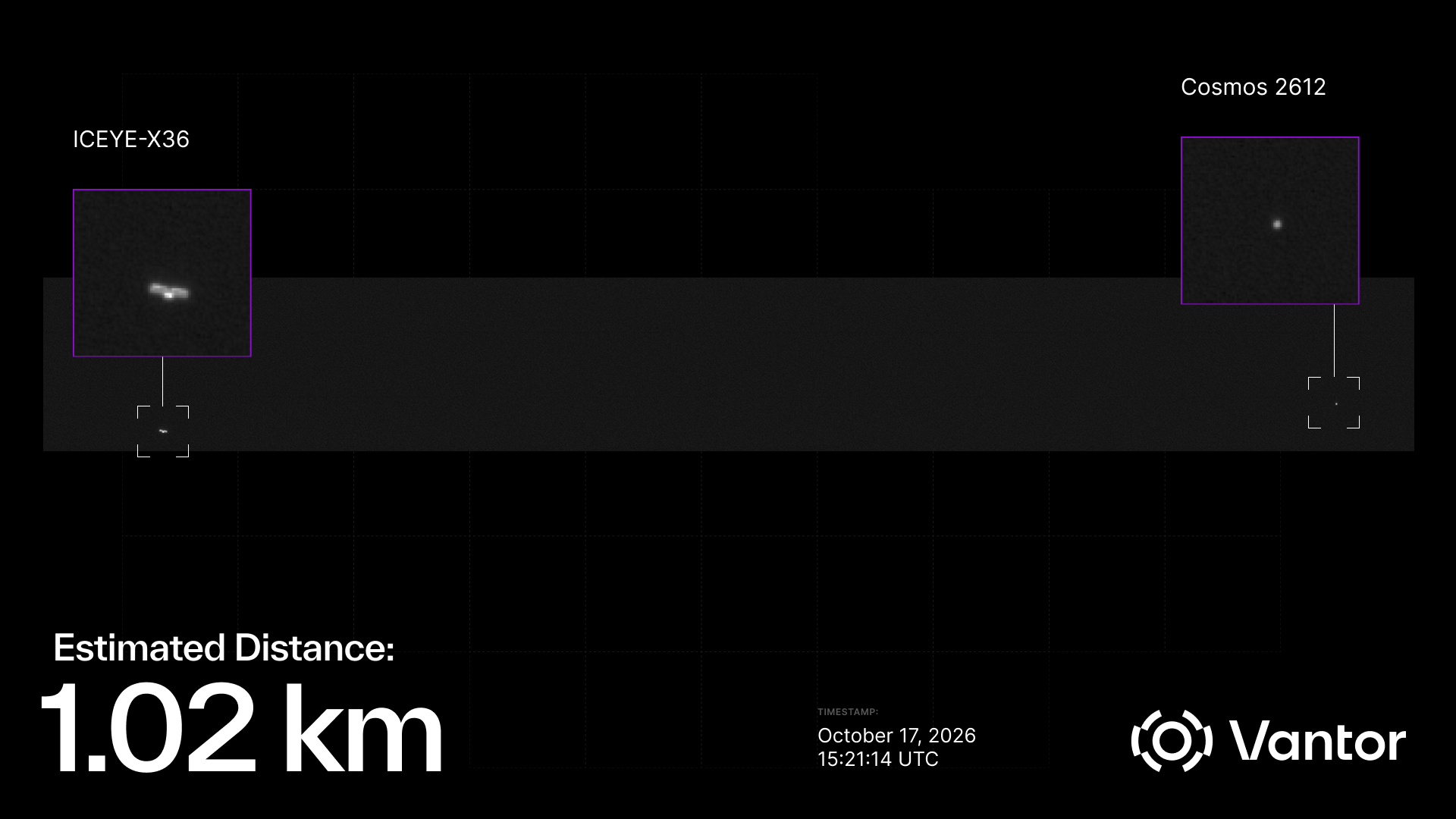
A new, exclusive image shared with Axios shows a Russian satellite bearing down on a U.S.-owned spacecraft during a tense orbital incident last week.
Why it matters: The photo, snapped by spatial intelligence companyVantor, shows how commercial satellites are already becoming possible targets for stalking, jamming and, potentially, space weapons in geopolitical conflicts.
"This image captures a reality long recognized by our national security leaders — space is becoming increasingly contested," Vantor CEO Dan Smoot told Axios in an exclusive statement.
"Seeing one spacecraft repeatedly maneuver close to another raises serious concerns about capability and intent," he said.
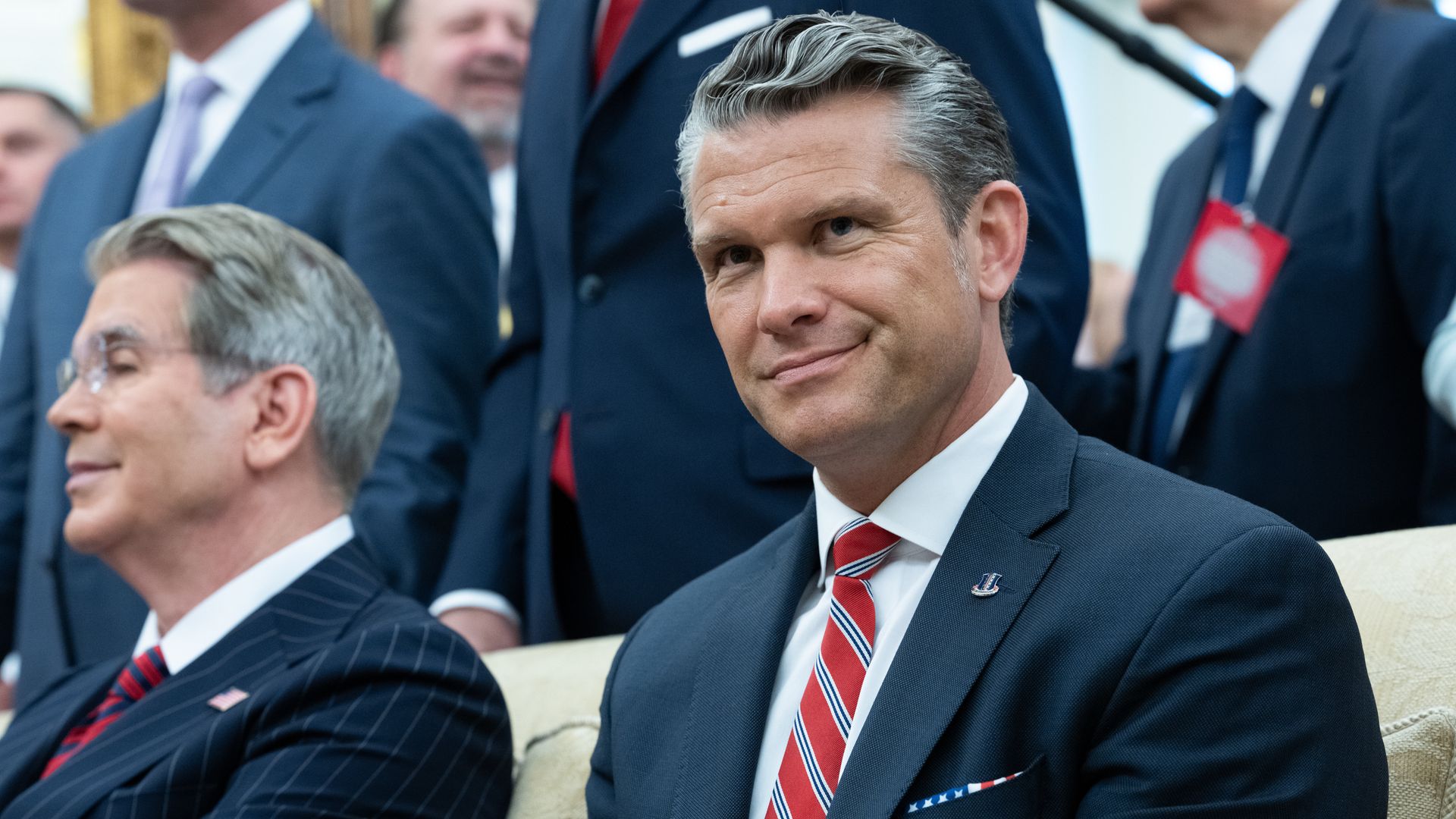
Defense Secretary Pete Hegseth has approved testing of a military-grade "heat ray" for potential use along the U.S.-Mexico border — a weapon that uses invisible energy beams to produce an intense burning sensation on human skin.
Why it matters: The potential use of a military weapon against migrants raises significant safety and legal questions, including whether the technology could cause injuries or endanger people attempting to cross the border.
General Motors wants to slash the time it takes to develop a new vehicle in half, betting that artificial intelligence can help it compete with China's much faster automakers.
Why it matters: Chinese carmakers have a formidable speed advantage, allowing them to introduce new models and technologies faster than their Western rivals can respond.
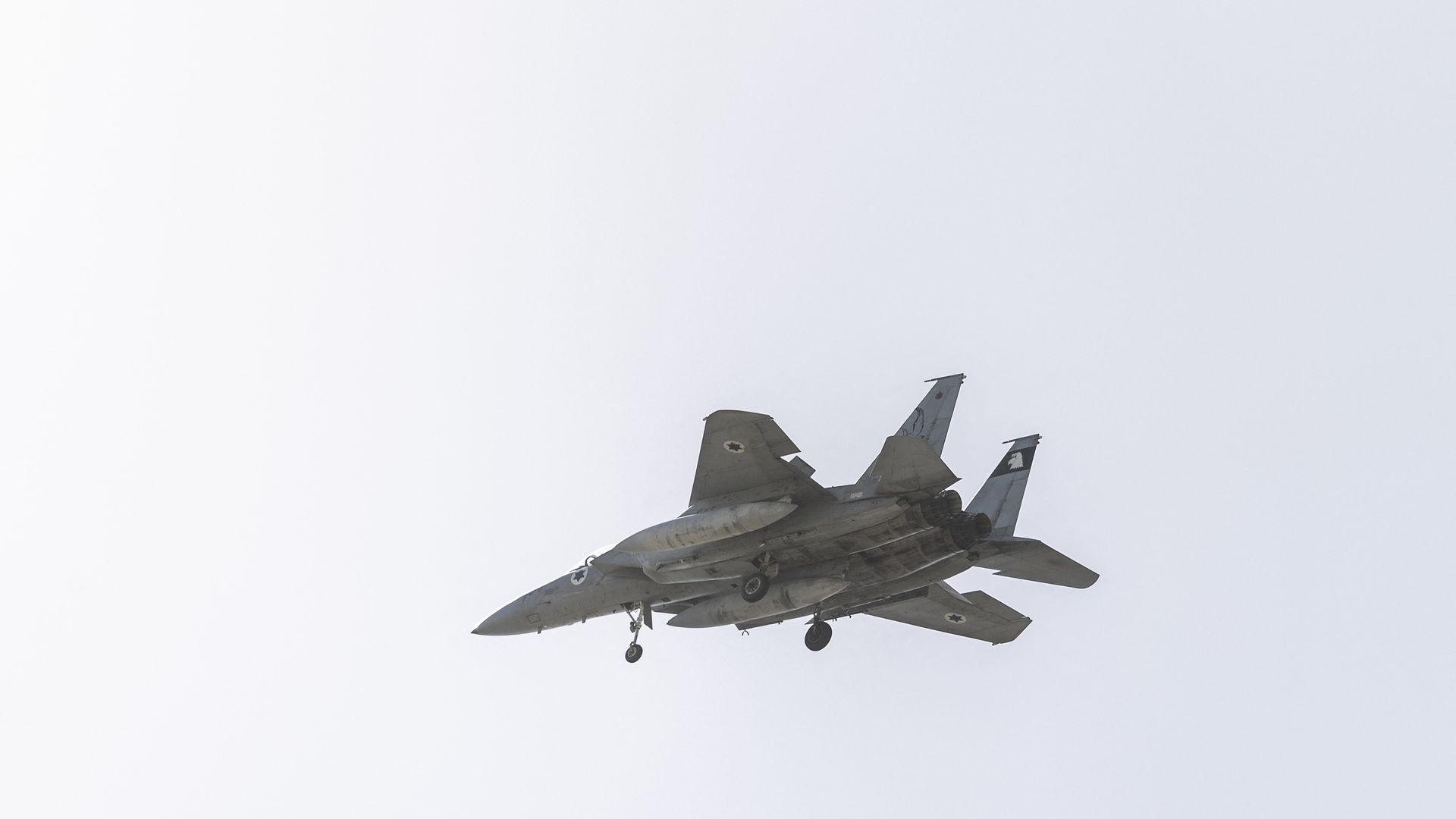
Dozens of Israeli Air Force fighter jets conducted a sortie on Monday, flying as far as the Iranian border, according to Israeli and U.S. officials.
Why it matters: The operation, more than 800 miles away from Israel, took place a week before the Israeli elections and on the same day Defense Secretary Pete Hegseth met with Prime Minister Benjamin Netanyahu at Israel's Ovda Air Base. The sortie wasn't connected to Hegseth's visit.
While some Israeli and U.S. officials said the sortie wasn't unusual and that it was meant to deter Iran, it could have led to a miscalculation, triggering an Iranian response andreigniting the war.
French borrowing costs are heading unrelentingly upward, making for a slow-moving fiscal debacle in Europe's second-largest economy.
Why it matters: It shows the risks for other advanced countries, including the U.S., as they face the combined pressure of large deficits, political resistance to austerity and a wary bond market.
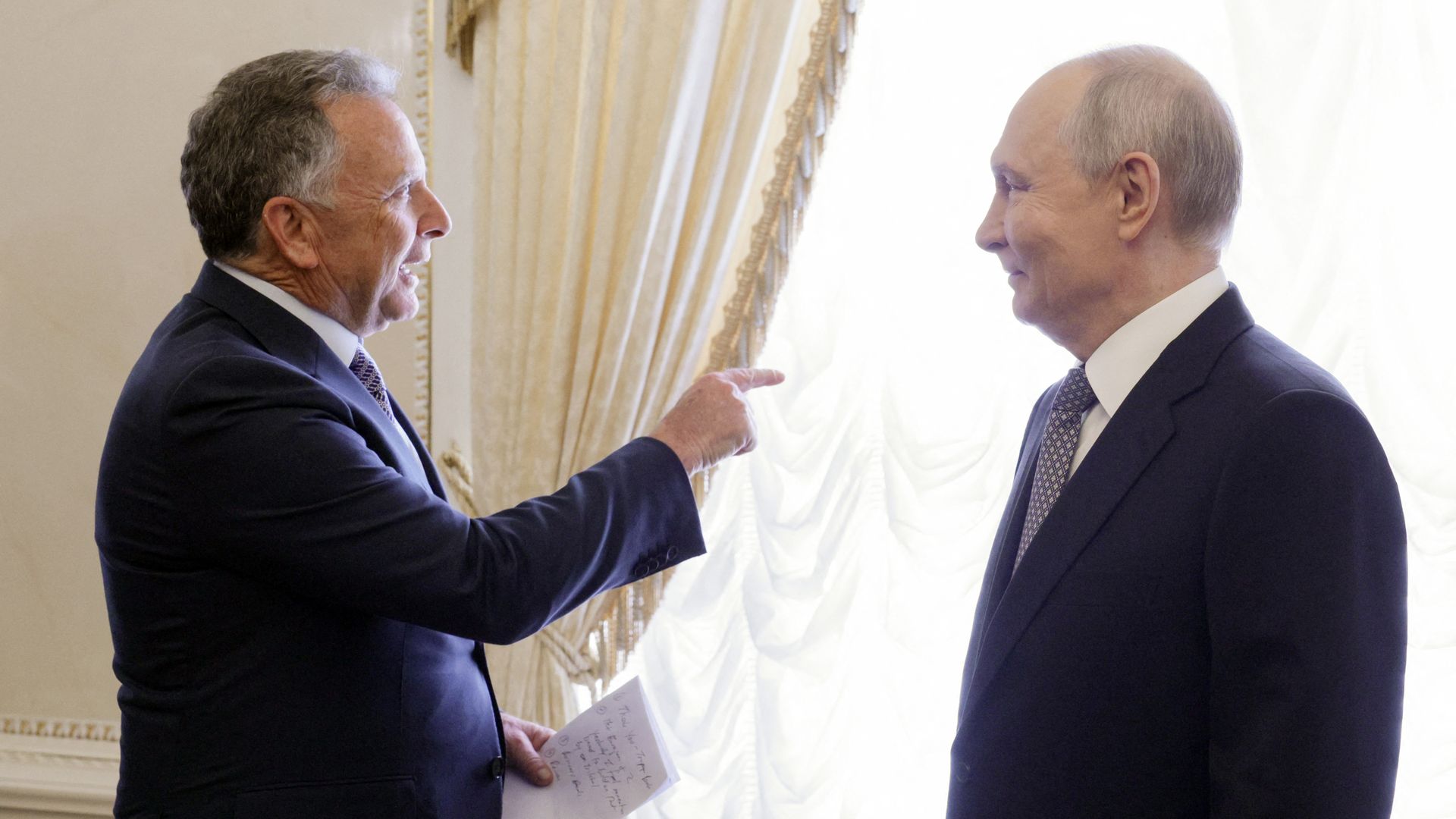
Russian President Vladimir Putin told White House envoy Steve Witkoff on Wednesday that he "agrees in principle" resuming trilateral peace talks between Russia, Ukraine and the U.S. to end the war, according to Russian and U.S. officials.
Why it matters: The White House hopes Putin will show more willingness to compromise after President Trump agreed to lift sanctions on Russian diesel sales and took other steps welcomed by Moscow. For now, it seems the only concession Putin agreed to is to negotiate.
Nvidia CEO Jensen Huang is crisscrossing Europe with a multibillion-dollar checkbook and a grand ambition: Make his company the indispensable backbone of the global AI economy.
Why it matters: As fears of an AI bubble rattle Wall Street, Huang is working to spread the boom beyond the U.S. and China — courting governments, bankrolling startups and cultivating massive new markets for Nvidia's chips.
The AI boom is moving into its rational exuberance phase, to adapt a term from the last tech bubble: Investors are pulling back funding and demanding more evidence that their investments will actually pay off.
Why it matters: It's a delicate dance. The economy is running on the AI trade right now. Can investors take air out of the bubble without popping the whole damn thing?