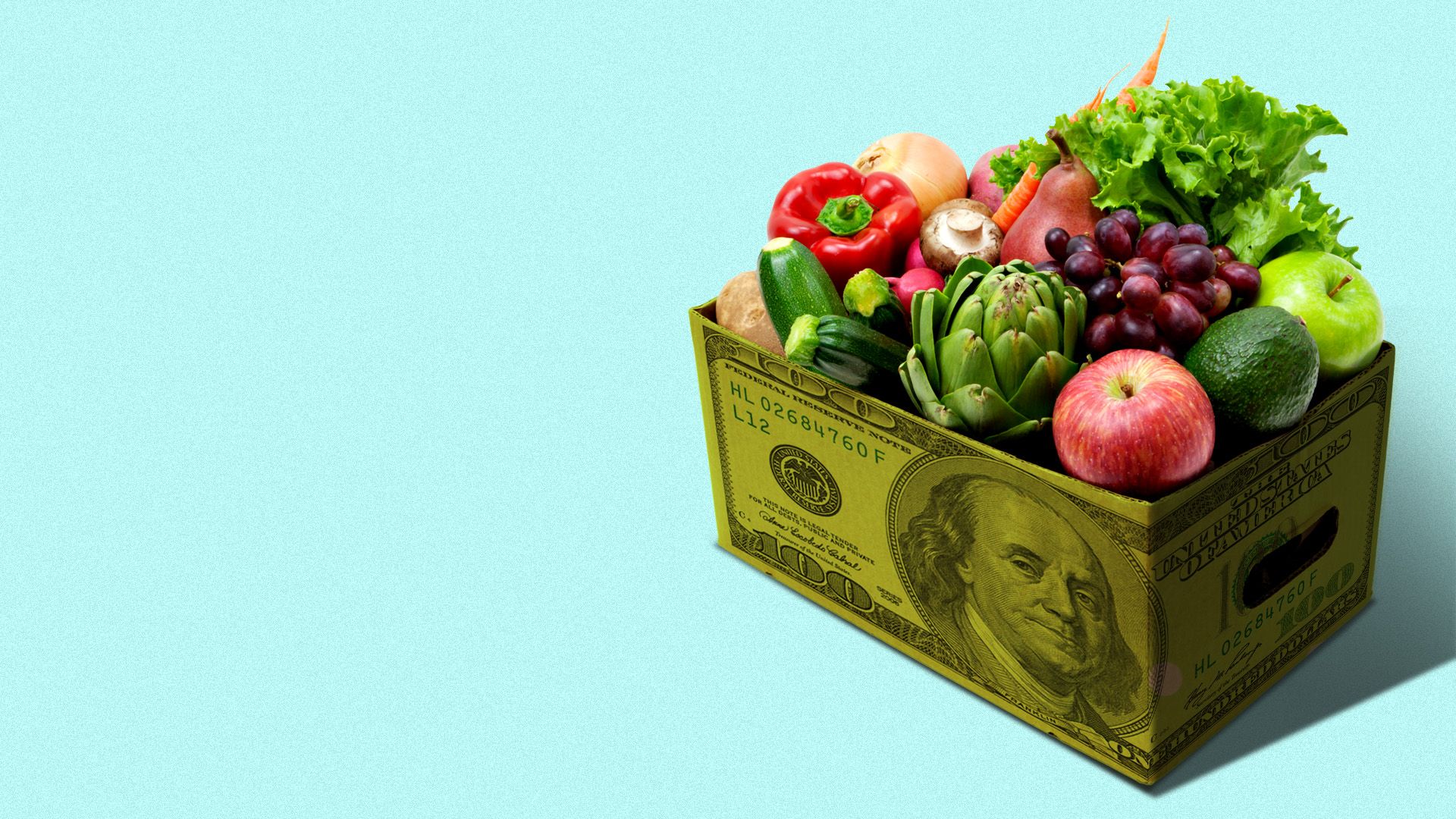
A nearly 50% spike in wholesale vegetable prices in February is grabbing attention — but economists tell Axios it's likely a short-lived blip that may not meaningfully hit grocery bills.
Why it matters: Big swings in wholesale food prices can signal trouble ahead — but this looks like a temporary disruption, not a broader return of food inflation.
Labor and civil rights leader Dolores Huerta said Wednesday that she was sexually abused by farmworker leader César Chávez decades ago, becoming the most high-profile figure to accuse him of misconduct.
The latest: The allegation comes as the United Farm Workers union grapples with reports that their former leader abused girls and young women, prompting the cancellation of tributes and celebrations in his honor.
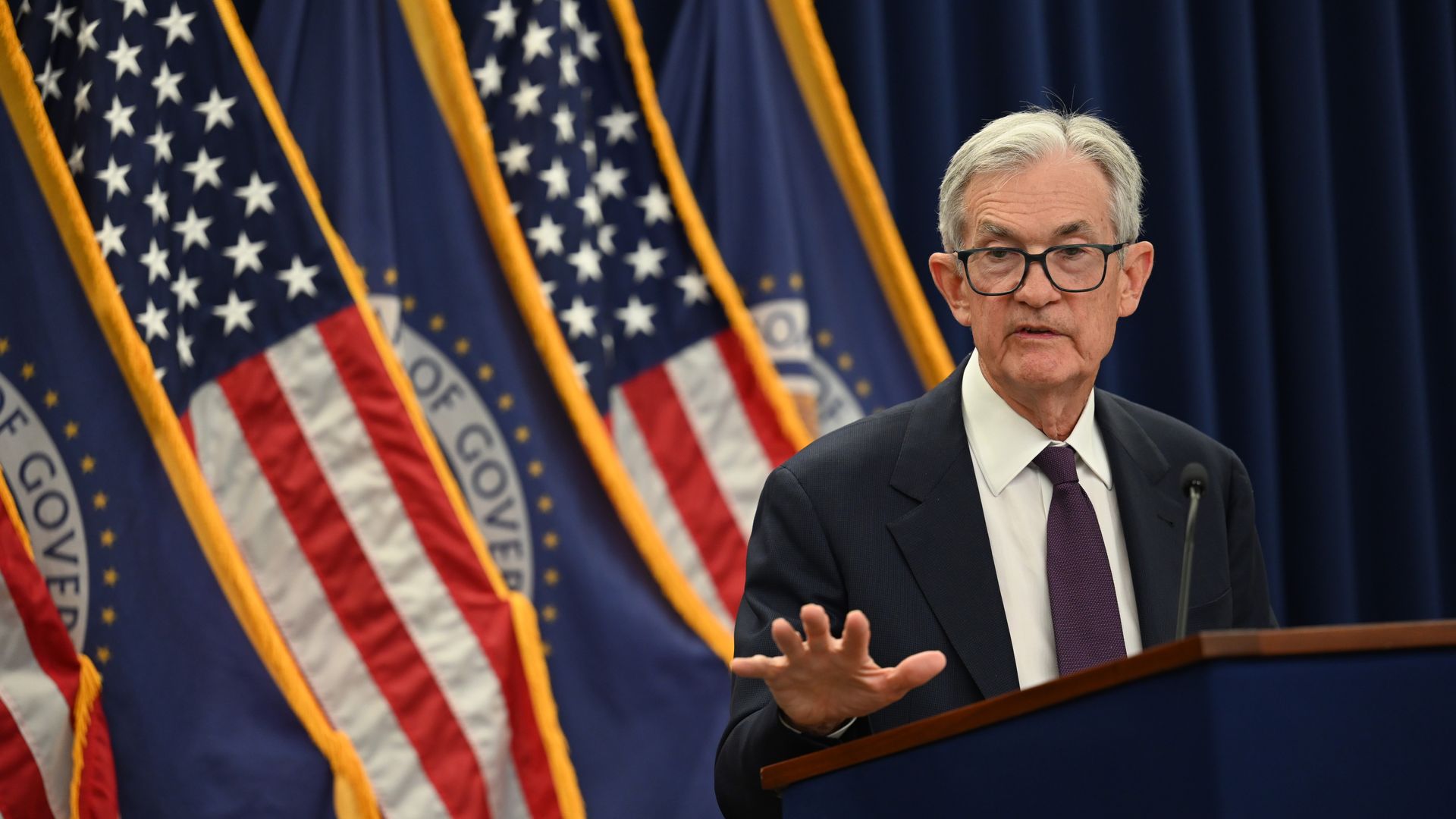
The Federal Reserve on Wednesday kept interest rates steady, and chair Jerome Powell said that he will remain in place until his successor is confirmed, raising the prospect that he could continue leading the central bank after his term is up May 15.
Why it matters: Powell's remarks set up a high-stakes standoff with the Trump administration over who will lead the world's most important central bank in less than two months.
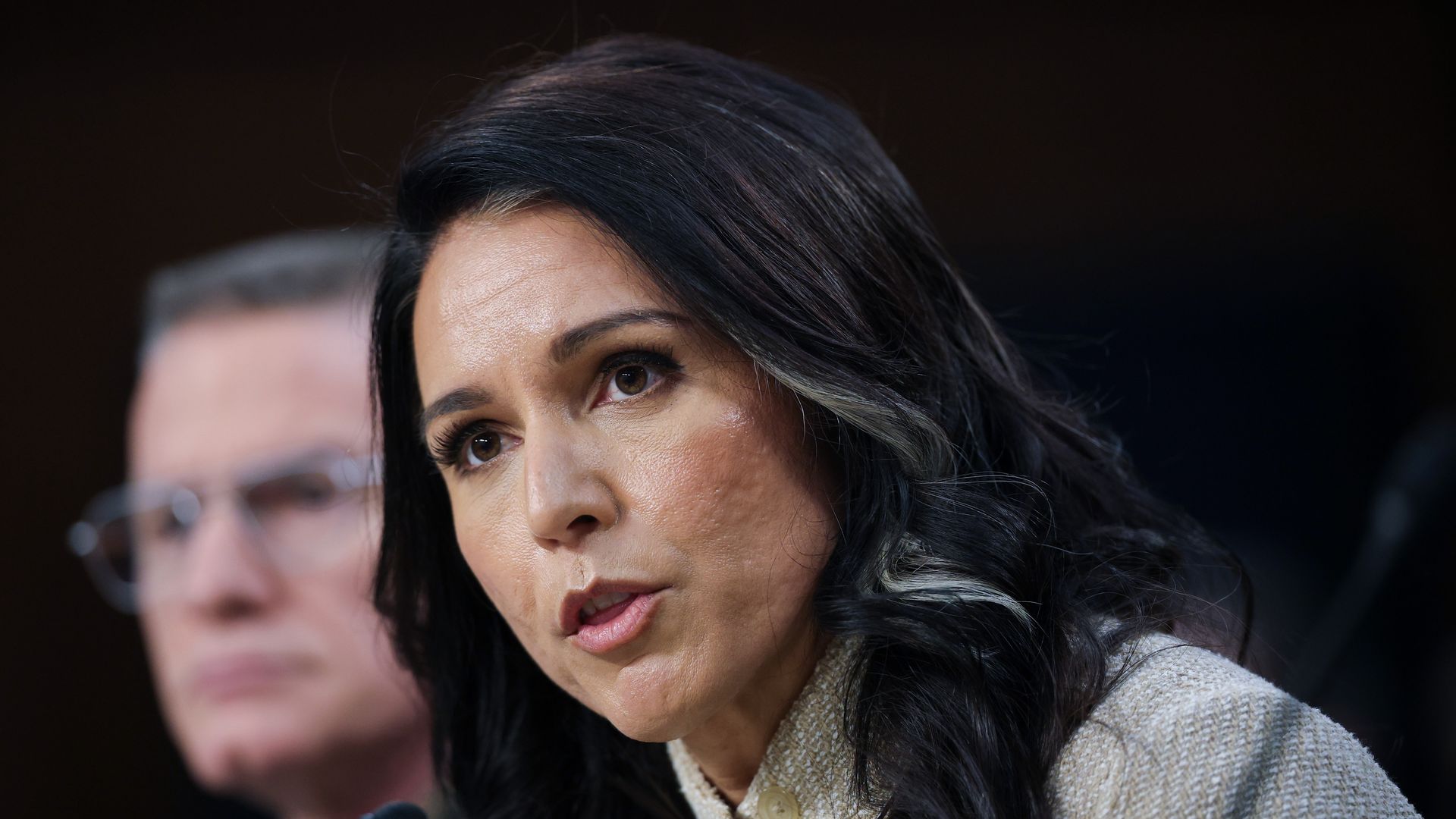
Director of National Intelligence Tulsi Gabbard said that only the president can determine if a nation poses an "imminent threat" during a Wednesday Senate hearing on worldwide threats.
Why it matters: The spotlight on Gabbard, who has been largely quiet about the U.S.-Israeli strikes on Iran, has intensified after top aide Joe Kent, who directed the National Counterterrorism Center, announced his resignation in a scathing letter about the war.
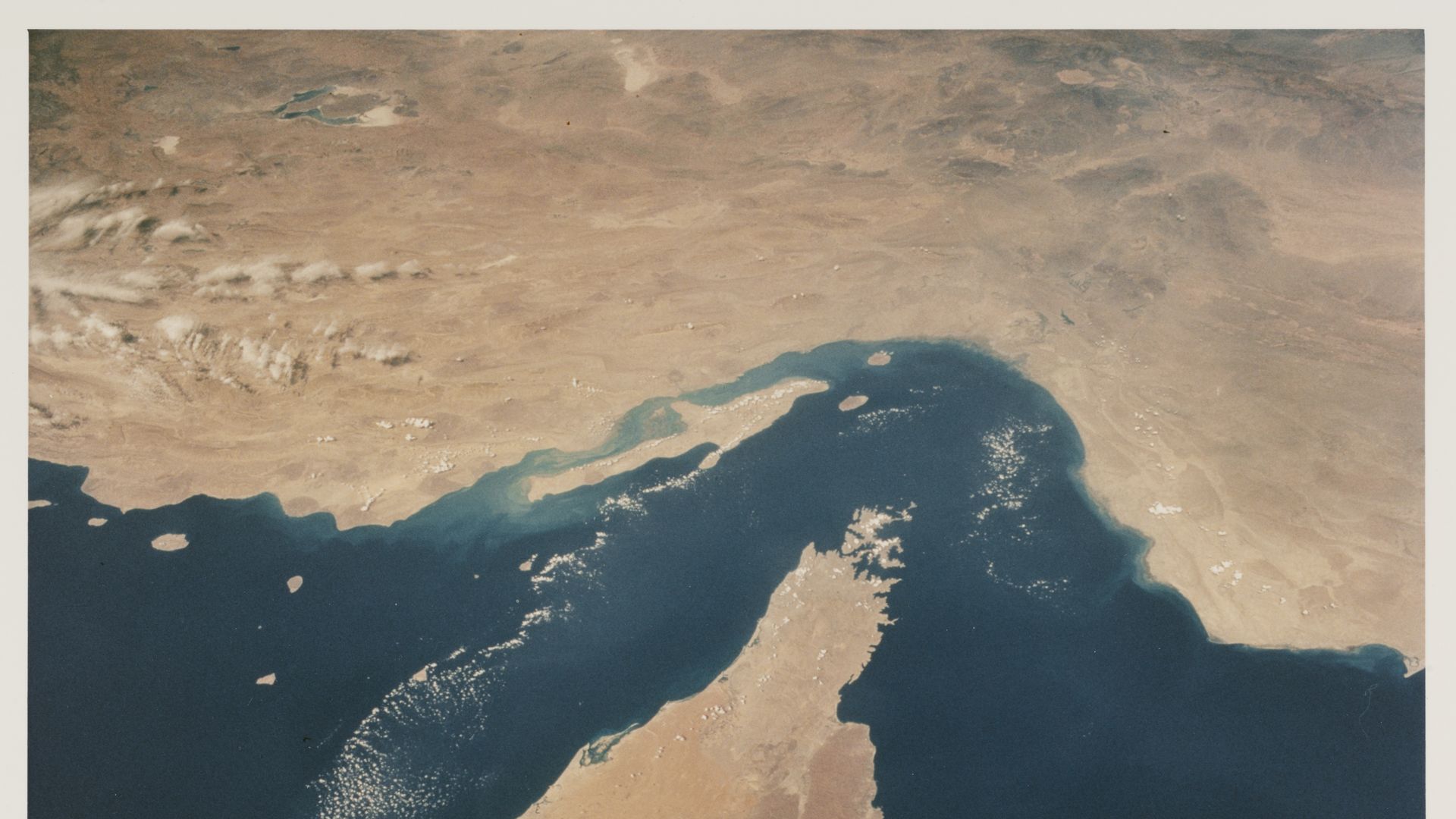
President Trump has formally waived requirements that only U.S. ships can carry cargo between domestic ports as officials look to ease access to fuel and supplies while the Strait of Hormuz remains throttled.
Why it matters: The White House is looking to pull multiple levers as the Iran war sends gasoline prices soaring and restricts access to goods needed by farmers and other industries.
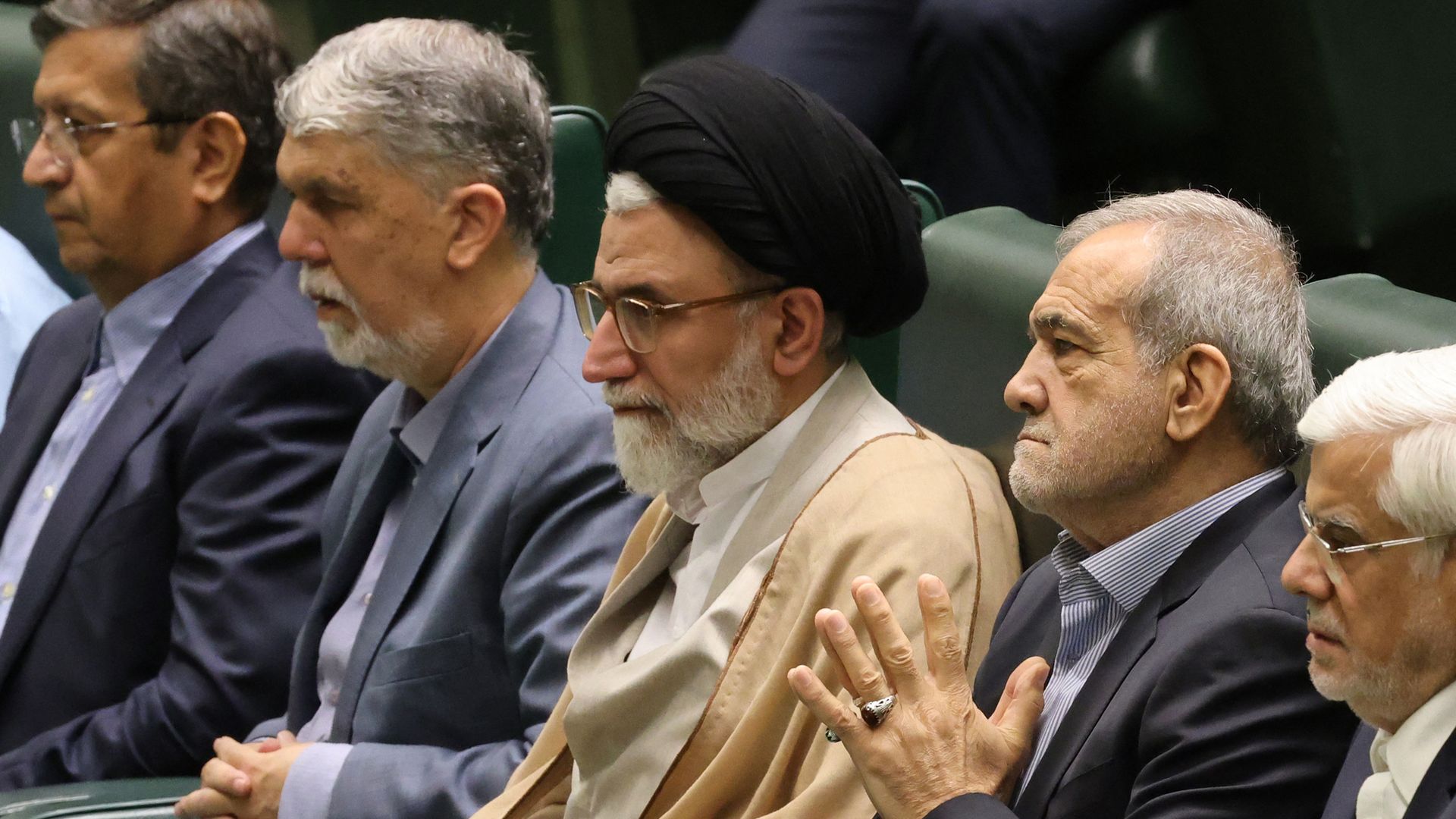
Israel killed Iranian intelligence minister Esmail Khatib in a Tuesday air strike on Tehran, the Israel Defense Force said in a statement.
Why it matters: Khatib ran the ministry that surveilled and crushed protests and hunted dissidents abroad, making him central to both the regime's internal repression and its foreign operations.
Wholesale prices — including for consumer staples like fresh vegetables — rose at a rapid clip in February.
Why it matters: It is a fresh warning for the Trump administration and the Federal Reserve. Price pressures were already building across the economy, even before the Iran war introduced new inflation risks.
Even for those accustomed to the indignities of air travel, it's clear that right now is a particularly terrible time to fly.
The big picture: The Iran war is creating major travel headaches on top of an already chaotic situation at airports in the U.S., raising the prospect of a downturn in the travel industry.
China is "clearly" conducting explosive nuclear testing and "trying to hide it," National Nuclear Security Administration boss Brandon Williams told Axios at a Govini defense conference in Washington.
Why it matters: It's a doubling down on accusations made earlier this year by top State Department arms control officials.
President Trump'seconomic pressure on Cuba is exacerbating a widespread humanitarian crisis as the U.S. continually threatens to intervene in the Caribbean island.
The big picture: Despite surviving 60 years of U.S. economic pressure, Cuban officials claim Trump is escalating the crisis by threatening to tariff its oil suppliers and openly musing about regime change.
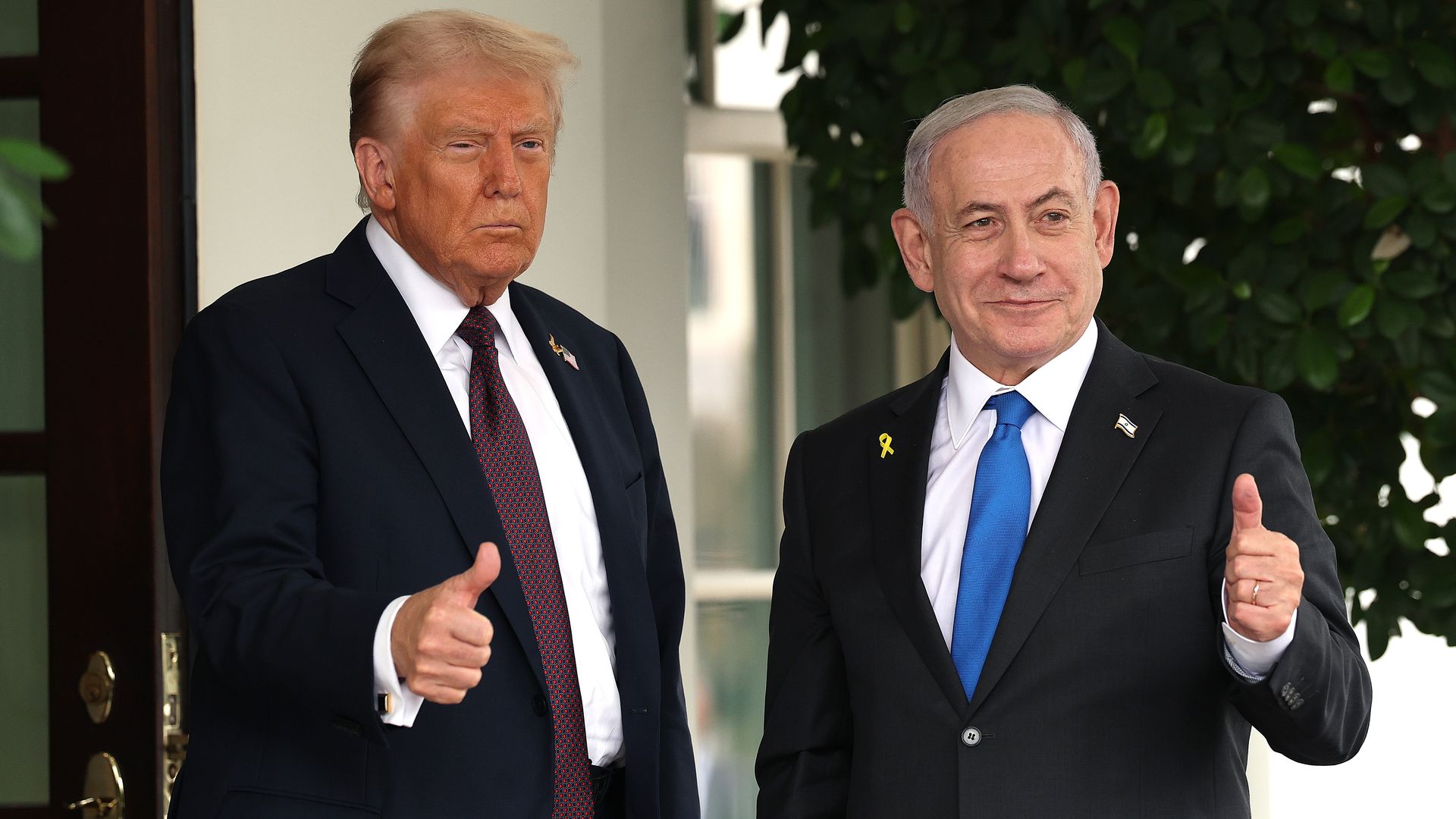
President Trump and Bibi Netanyahu have spoken almost every day since the war began. Trump told Axios that they're "working great together."
But U.S. officials realize the two countries' endgames and risk tolerance may diverge as the 19-day-old war continues.
Why it matters: Several U.S. officials described Trump as the most bullish person in the White House on going to war with Iran. He also appears more aligned with Netanyahu's maximalist objectives than many of his aides.
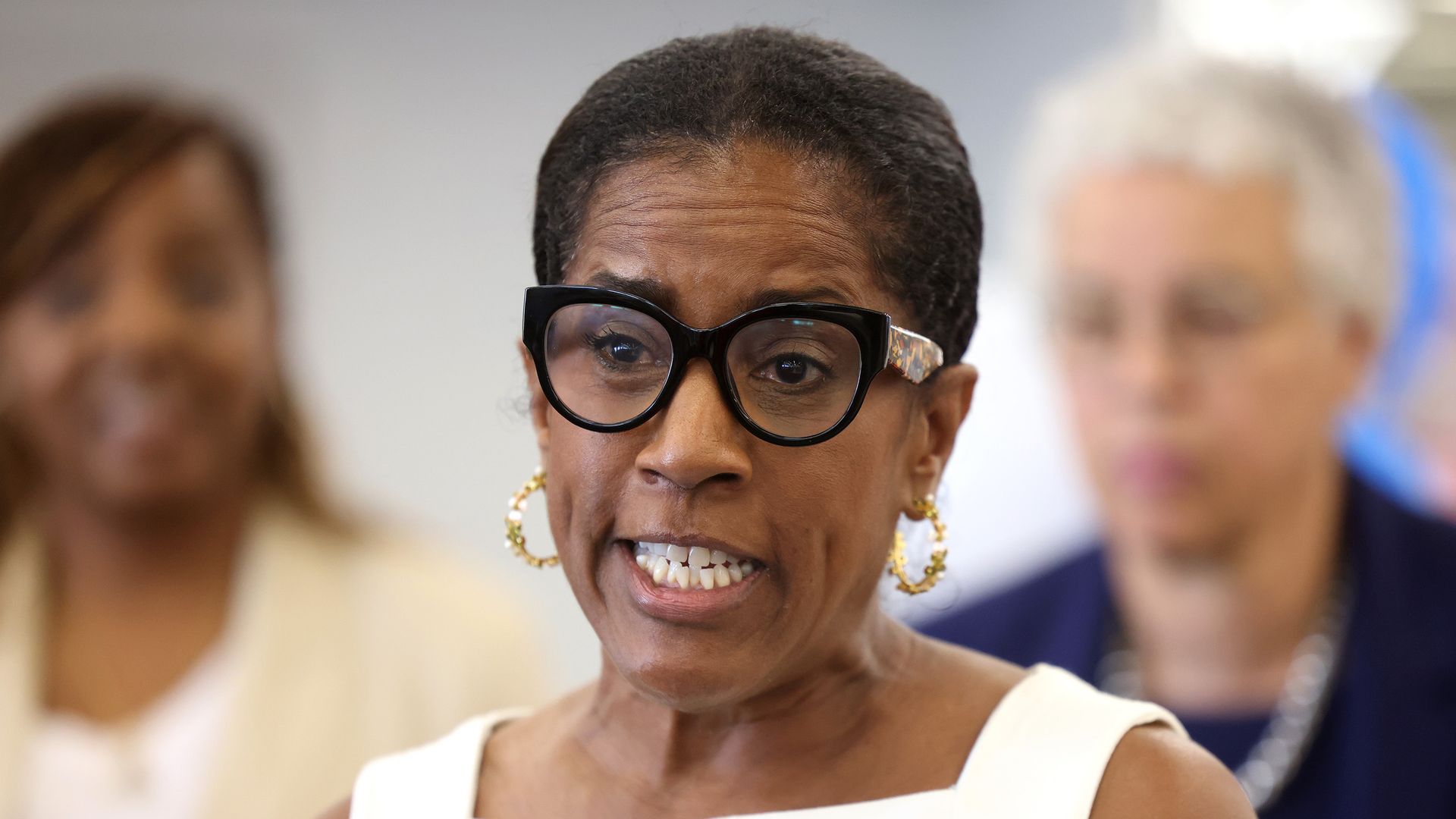
The pro-Israel group AIPAC notched some much-needed victories on Tuesday night in Illinois, with two Democratic House candidates it backed winning their races.
Why it matters: Long a big spender in Democratic politics, AIPAC's reputation within the party's grassroots has never been worse. And yet, with some delicate maneuvering, it proved it can still use its massive campaign war-chest to devastating effect.
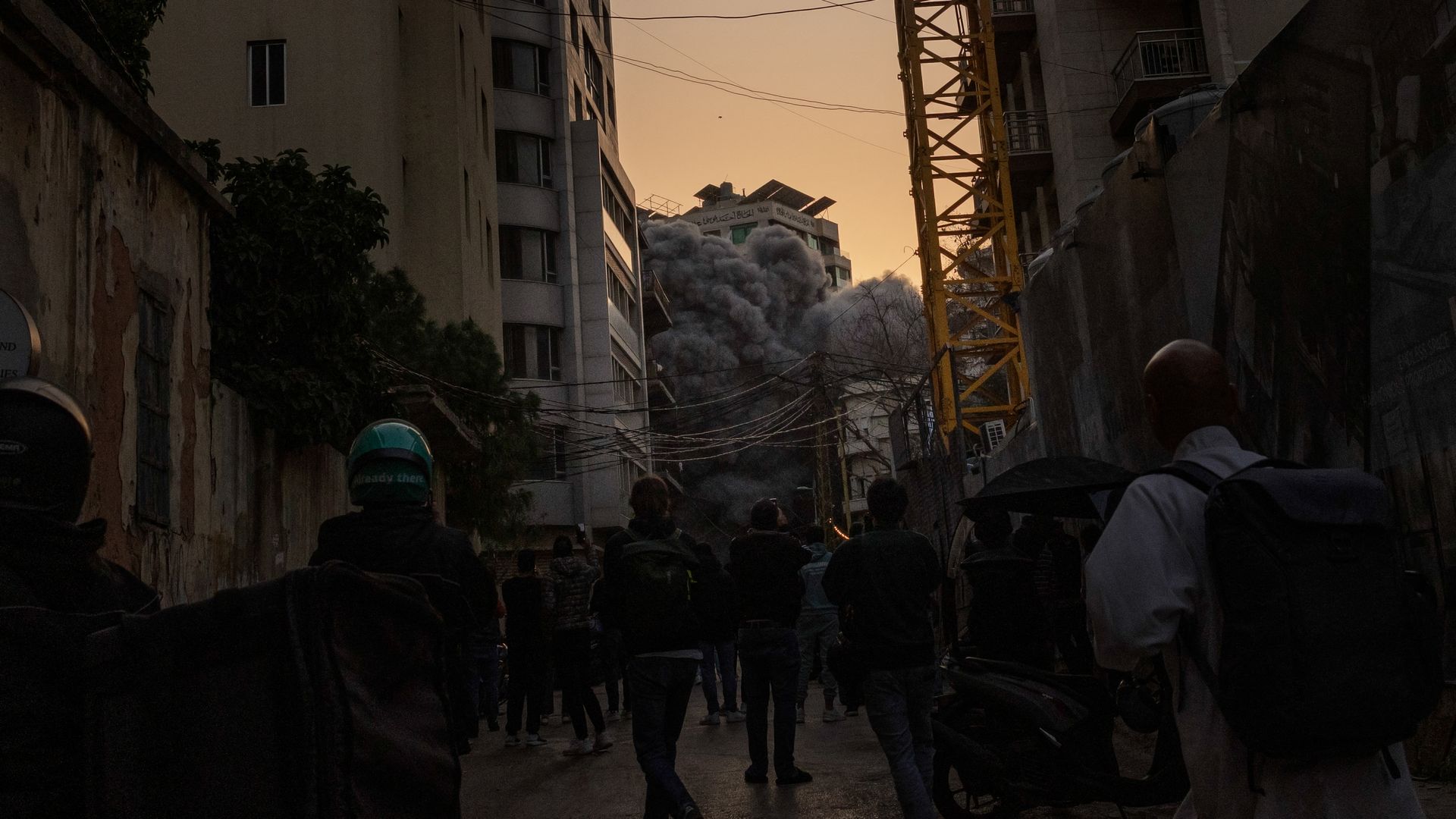
Israeli forces' killing of two top Iranian officialsin separate strikes Tuesday marked a major blow to Tehran's leadership, which has been decimated during the Iran war.
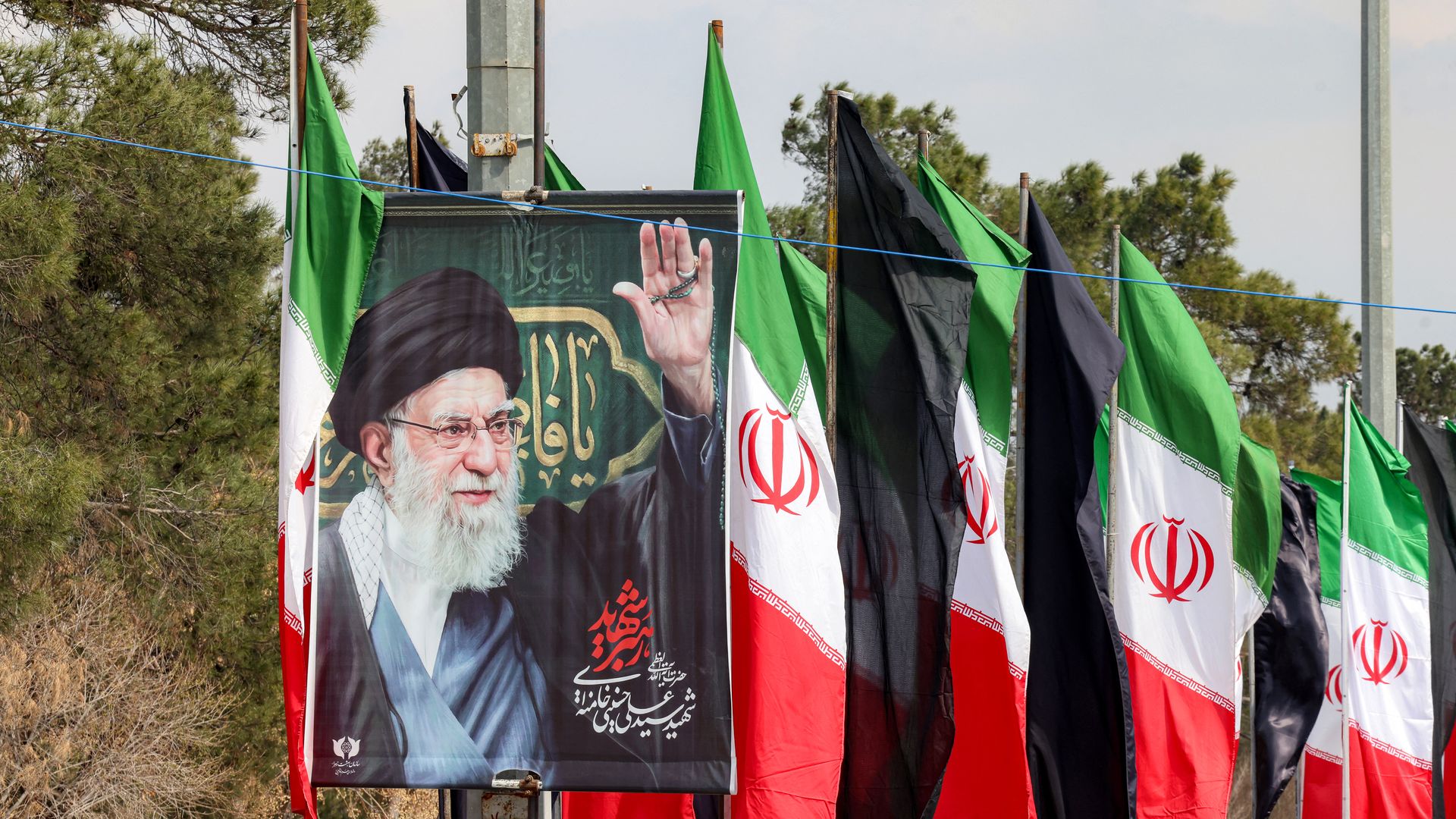
The big picture: National security chief Ali Larijani and Basij paramilitary commander Gholamreza Soleimani are among dozens of Iranian officials killed during the war. Many died along with the late Iranian Supreme Leader Ayatollah Ali Khamenei on Feb. 28, the first day of U.S. and Israeli airstrikes.