In most policy areas, the Trump administration is seeking sharp 180-degree turns from Biden-era policy.
But there is one quiet way Treasury Secretary Scott Bessent is picking up where his predecessor left off: urging China to reset its economy.
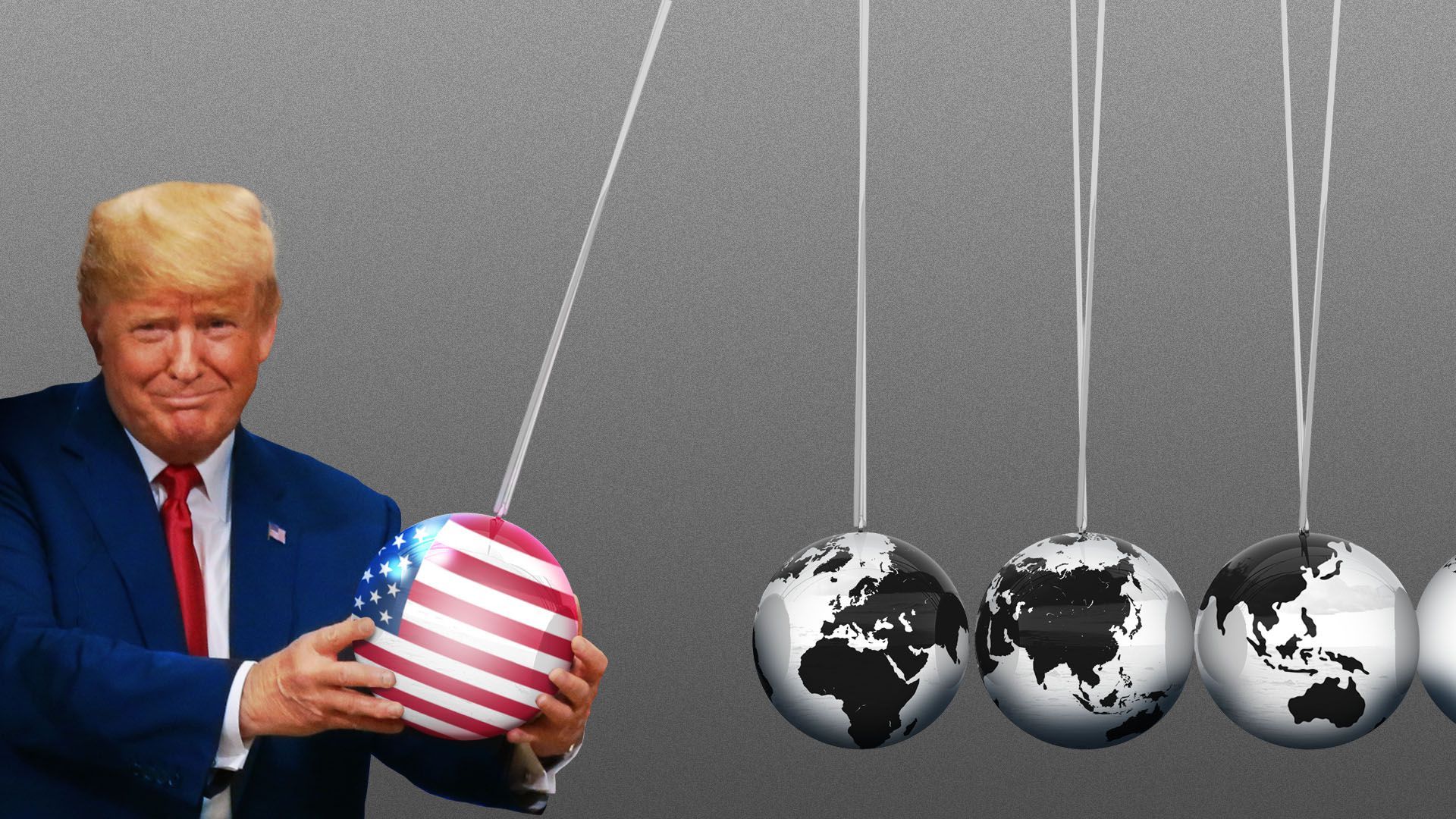
Why it matters: Behind the Trump administration's volatile tariff policy is the same frustration that simmered among Biden-era economic officials — and a continued push to get the nation to change.
For too long, American officials believe, China has been exporting its way to growth, swamping the world with its goods in ways that have harmed domestic industries.
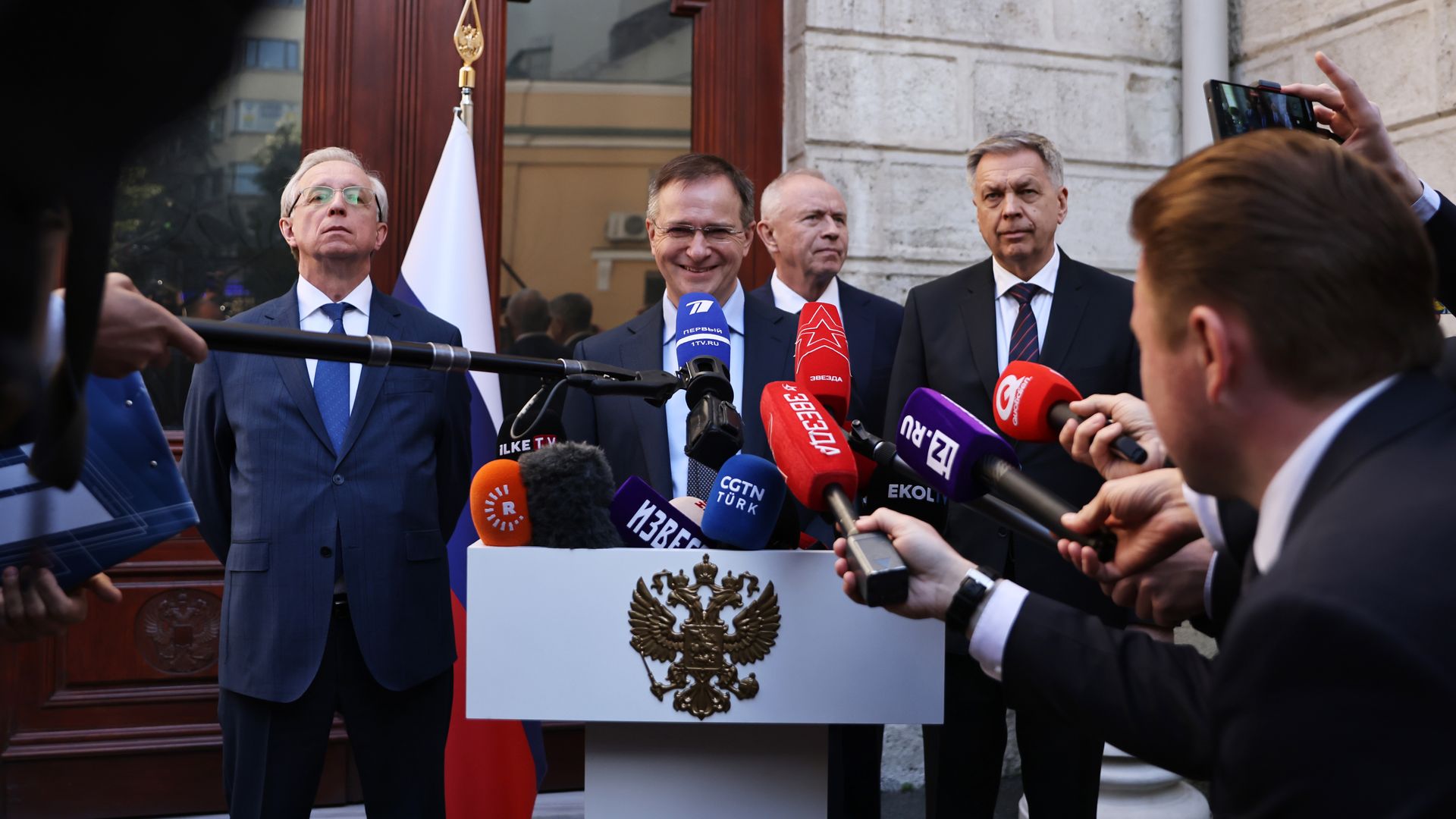
Russian and Ukrainian officials met in Istanbul on Friday to discuss a possible ceasefire in the war, the first such discussions since the early days of Moscow's invasion.
Why it matters: The meeting comes after months of diplomatic pressure by the Trump administration to open talks on ending the war. No ceasefire was agreed in the initial round of talks, but the sides did agree to swap 1,000 prisoners from each side.
President Trump on Friday confirmed that the U.S. gave Iran a proposal for a nuclear deal and called on Iran to accept it fast.
Why it matters: Trump has said he wants to resolve the Iranian nuclear crisis either by diplomacy or by military force, but stressed he prefers a deal that makes sure Iran never gets a nuclear weapon.
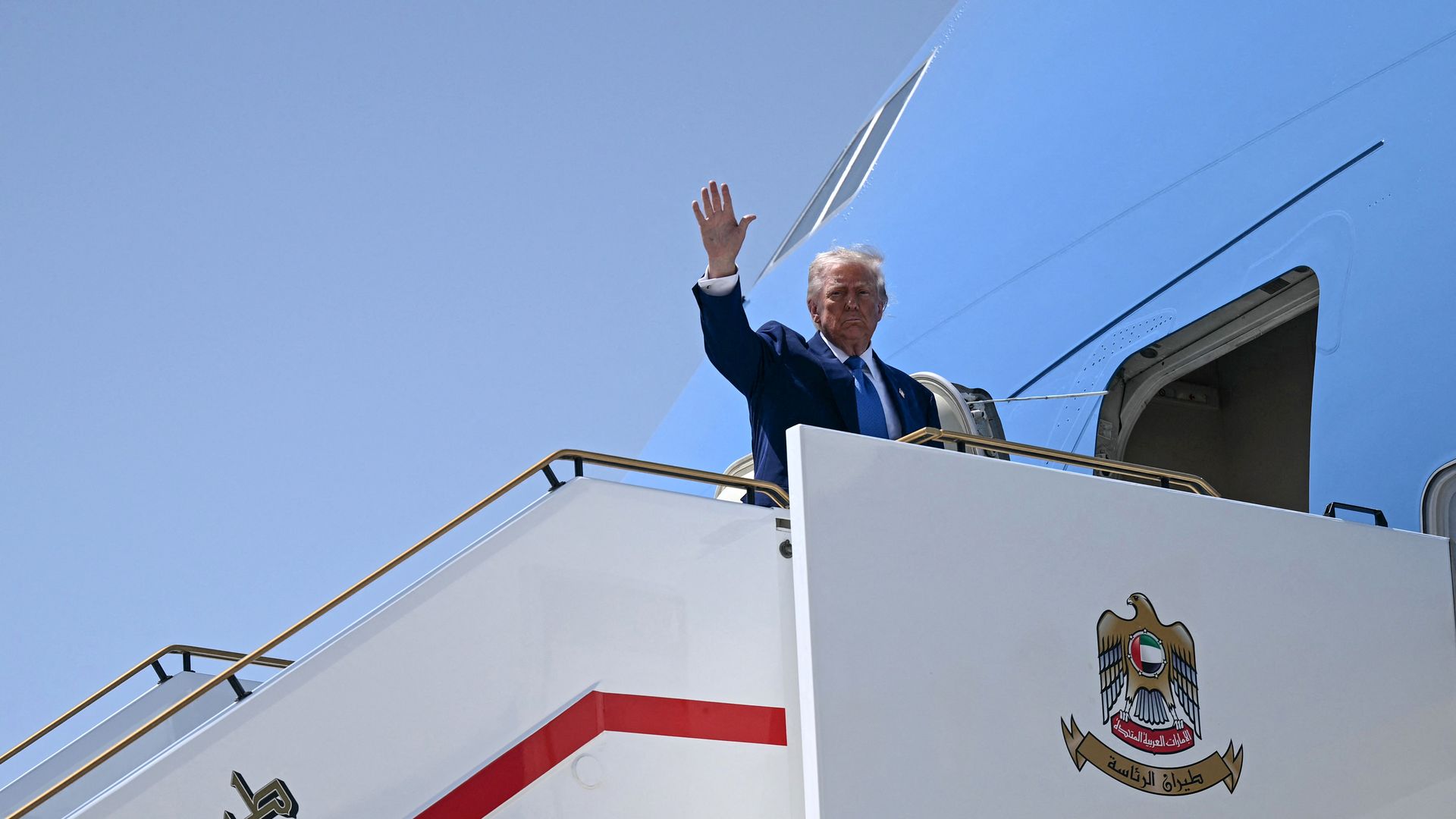
President Trump announced multibillion-dollar AI deals between U.S. companies and Gulf countries this week even as many in Washington continue to fear that China could gain backdoor access to advanced AI chips and worry that critical AI infrastructure could end up based outside the U.S.
The big picture: The president loves big deals with big numbers. Tech interests close to Trump want to see U.S. AI firms win global business. But China hawks in both parties distrust the Gulf states, which have close trade ties with China.
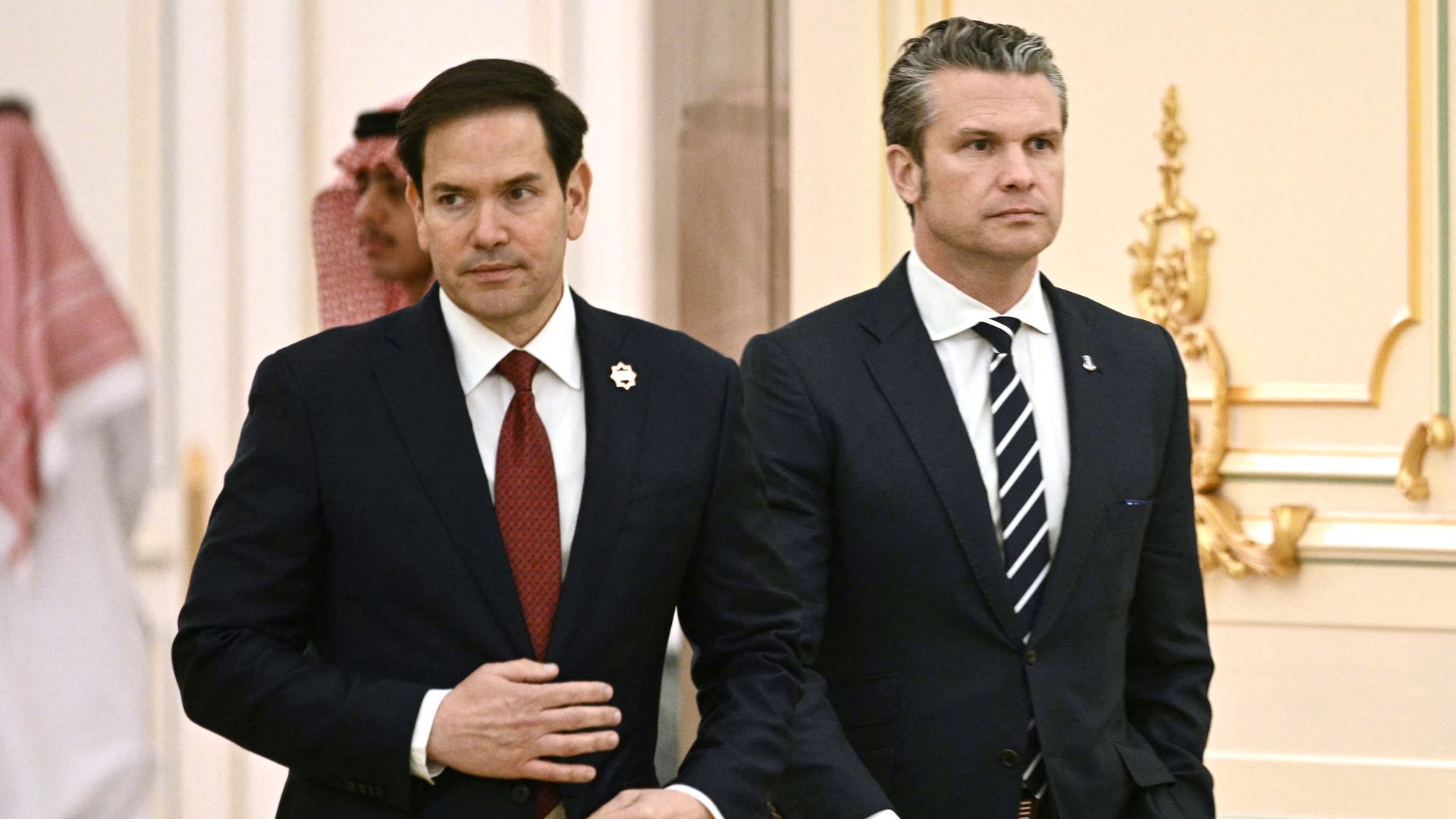
Secretary of State Marco Rubio said Thursday that all NATO nations "will have agreed on a goal" of reaching 5% in defense spending over the next decade by time the military alliance has held its summit next month.
Why it matters: President Trump has long complained other members have ripped off the U.S. and failed to meet the military spending target of 2% of their GDP. During the 2024 election campaign he made threats that he'd "encourage" Russia "to do whatever the hell they want" to countries that didn't meet the NATO spending goal.
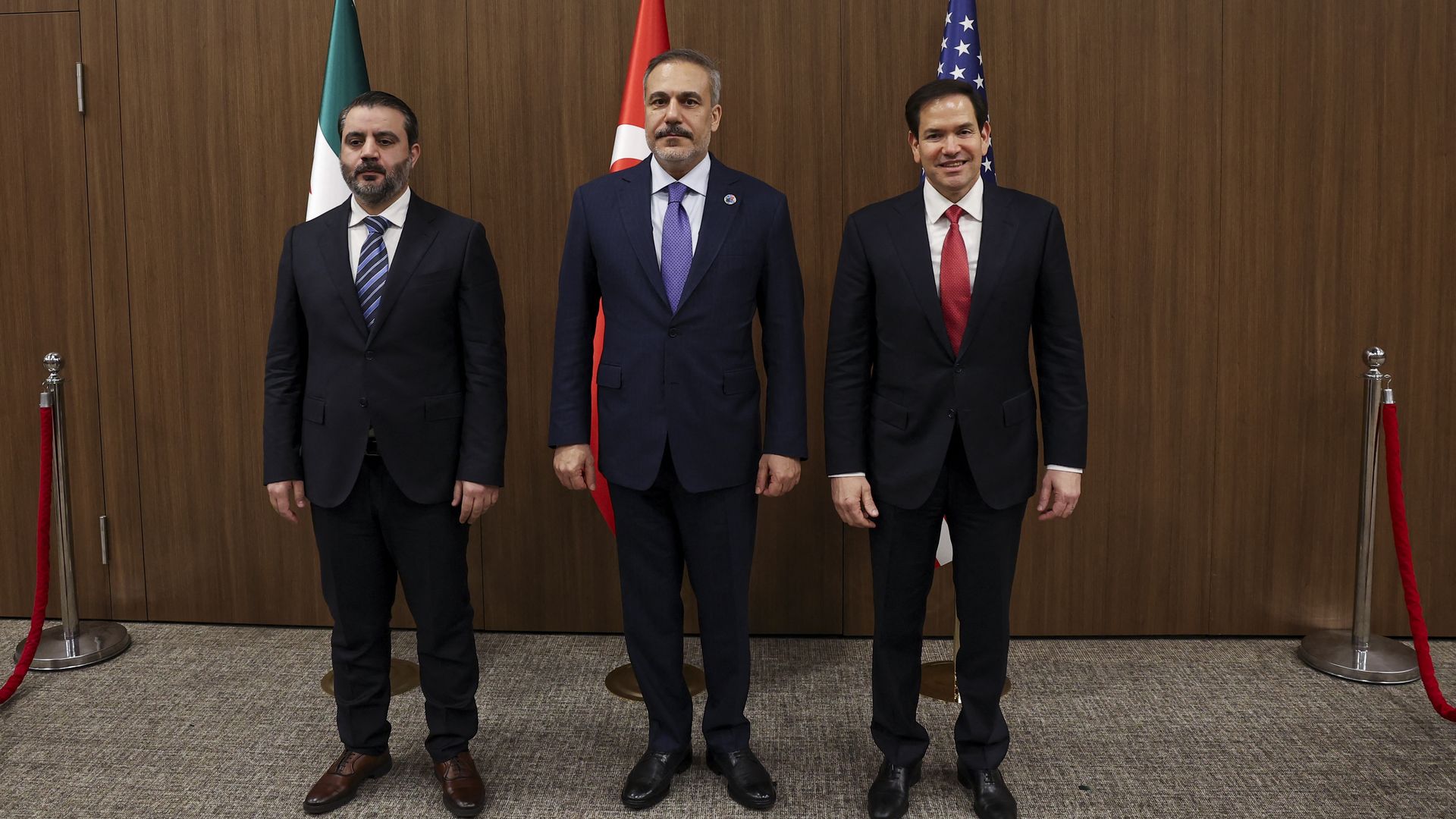
Secretary of State Marco Rubio met Thursday in Antalya, Turkey with Syrian Foreign Minister Asaad al-Shaibani, the State Department said. It's the first such meeting in 15 years.
Why it matters: It's another step in normalizing relations between the countries after President Trump met President Ahmed al-Sharaa and made the shocking pronouncement that the U.S. would lift its crippling sanctions on the country.
Angela Rye isn't waiting on Washington. She's betting on — and investing in — the people.
Why it matters: Led by Rye and fueled by local organizers and national partners, the 10-city State of the People Power Tour aims to meet urgent needs while building lasting infrastructure in Black communities.
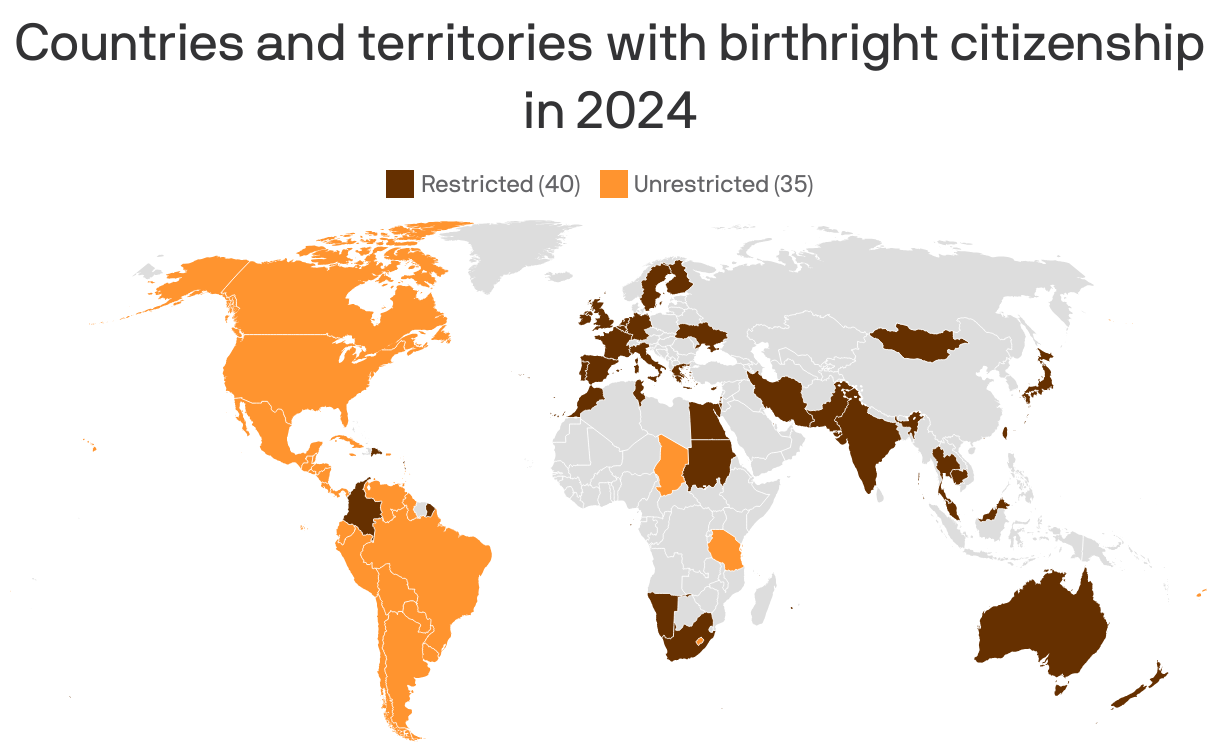
President Trump's challenge to birthright citizenship, a 19th-century constitutional doctrine,reachedthe Supreme Court on Thursday as it weighs courts' restrictions on Trump's executive orders.
The big picture: Though a core part of American citizenship, unrestricted birthright citizenship is mostly a facet of the Western Hemisphere.
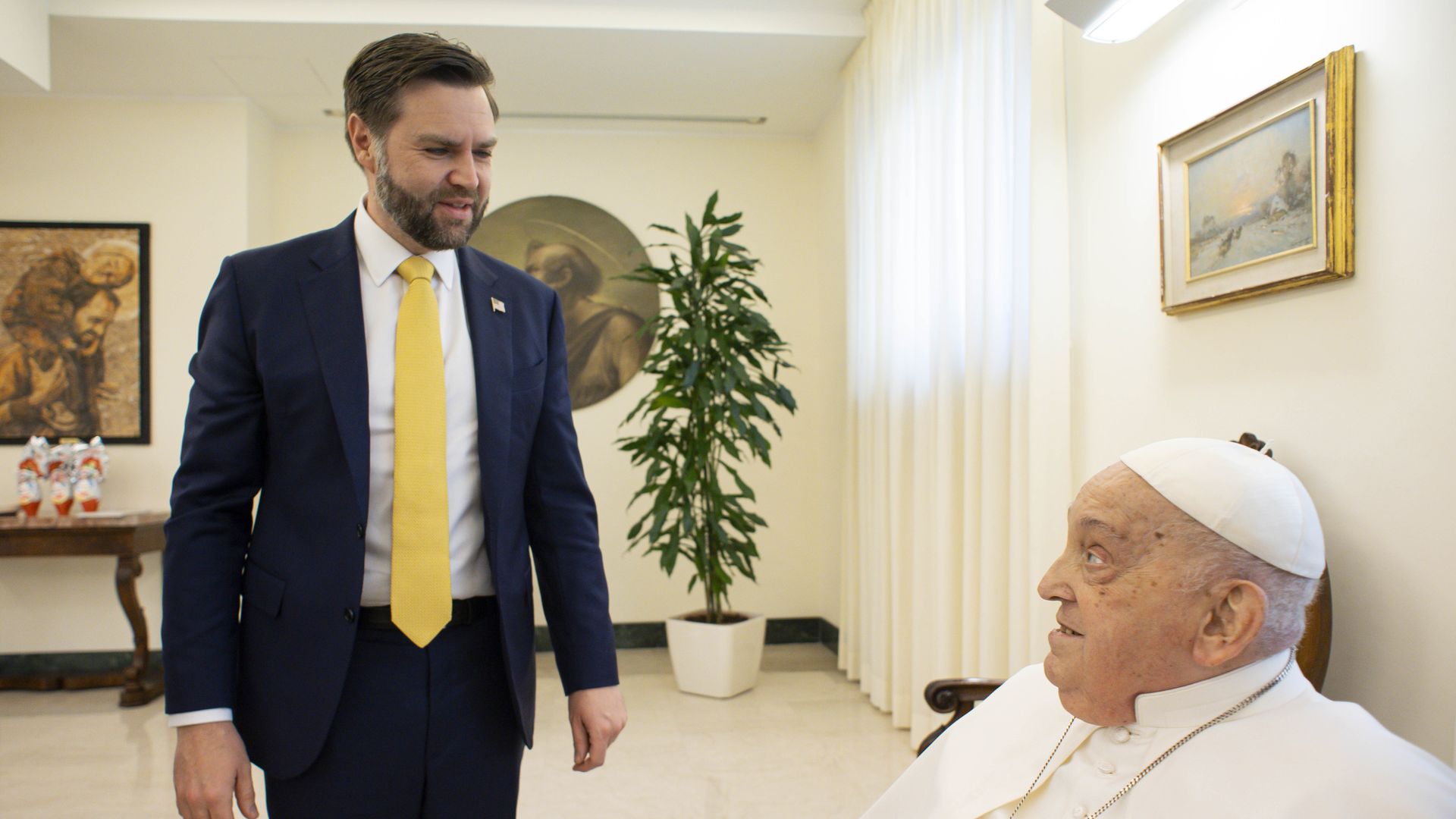
Vice President Vance will lead a U.S. delegation to Pope Leo XIV's inaugural mass in Vatican City on Sunday, his office announced Thursday.
Why it matters: Leo is the first American pope, who took over the papacy at a time of deep political divide in his home country. Notably, some of his views appear to conflict with the administration's policies, particularly on migrants' rights.
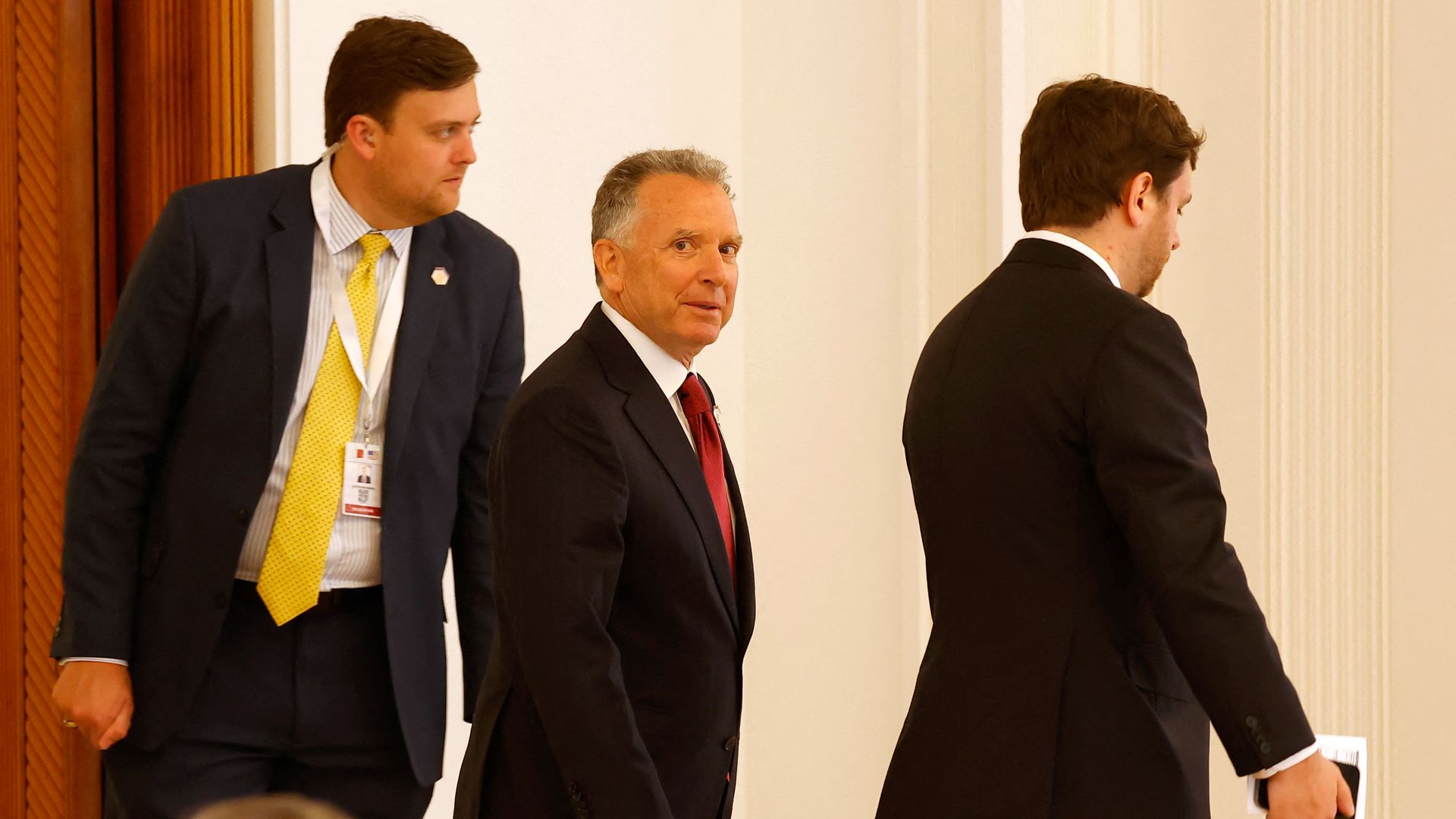
The Trump administration gave Iran a proposal for a nuclear deal during the fourth round of negotiations on Sunday, a U.S. official and two other sources with direct knowledge tell Axios.
Why it matters: It was the first time since the nuclear talks started in early April that White House envoy Steve Witkoff presented a written proposal to the Iranians.
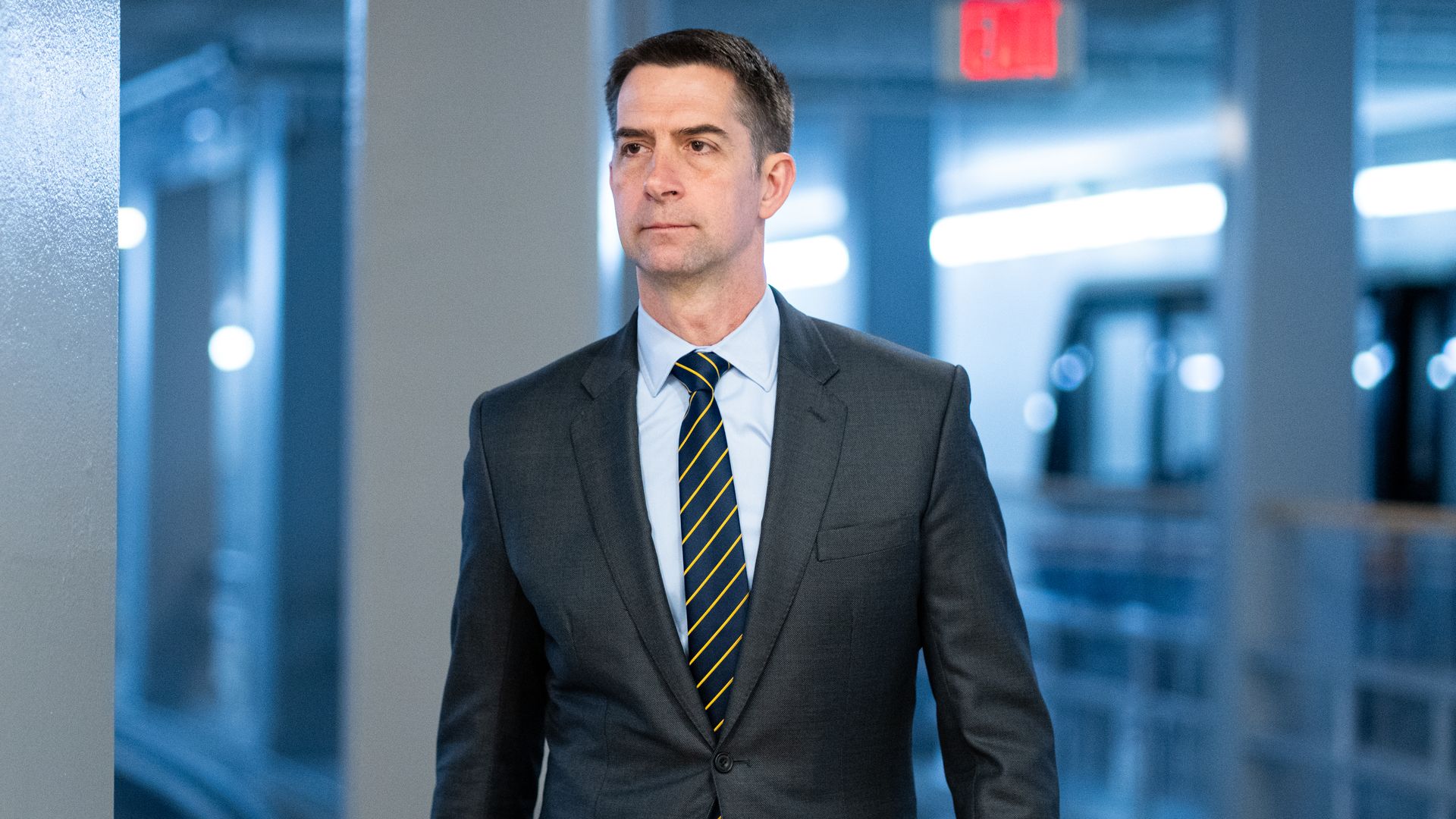
Sen. Tom Cotton is trying to build a public pressure campaign to encourage the Trump White House to hold the line on an Iran nuclear deal.
Why it matters: Key players hope President Trump's desire for a deal doesn't end with too much compromise. Cotton (R-Ark.) has influence in Trump circles but represents a hawkish brand of Republican going out of style in the MAGA movement.