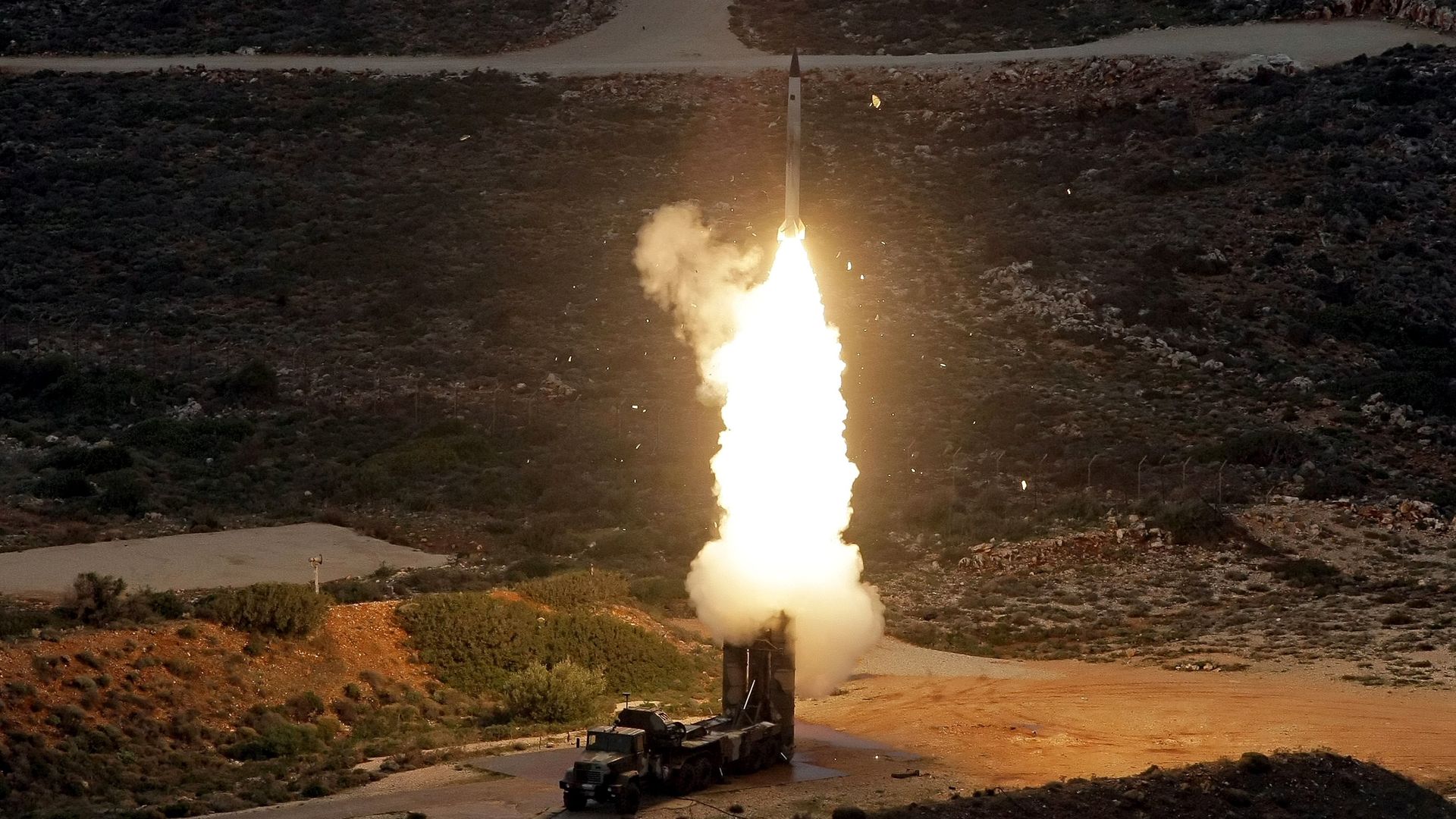
Slovakia has transferred an S-300 missile defense system to Ukraine, fulfilling one of Ukrainian President Volodymyr Zelensky's top requests to help the country defend itself against Russia's bombing campaign.
Why it matters: Zelensky pleaded in an address to the U.S. Congress last month for the U.S. and its European allies to impose a no-fly zone or give Ukraine the ability to "close the skies" itself by facilitating the transfer of Soviet-era fighter jets or anti-aircraft systems.
Prices for grains, vegetable oils and other food commodities soared to the highest levels on record last month, the UN Food and Agriculture Organization said Friday.
Driving the news: The organization's Food Price Index, which tracks monthly changes in the international prices of a basket of commonly traded food commodities, averaged 159.3 points in March. That's up 12.6% from February, when the index reached its highest level since its inception in 1990.
A new report concludes — tentatively — that Europe's push to boost its energy security won't thwart the continent's climate push.
The big picture: The advisory firm DNV says more security "does not come at the cost of decarbonization and there is likely to be a small acceleration in Europe’s energy transition."
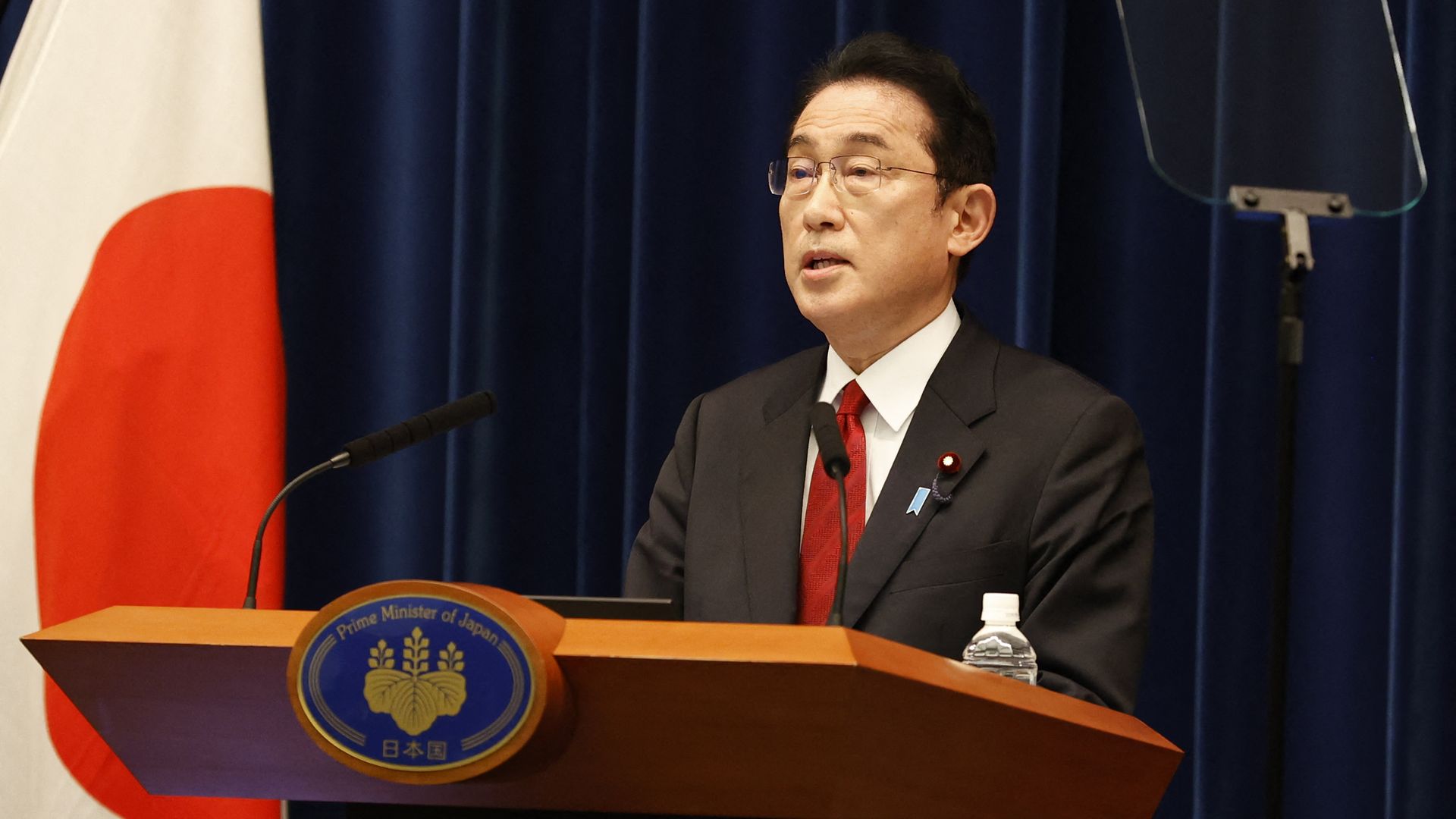
Japan announced Friday it plans to expel eight Russian diplomats and phase out imports of Russian coal and oil over Moscow's invasion of Ukraine, AP reports.
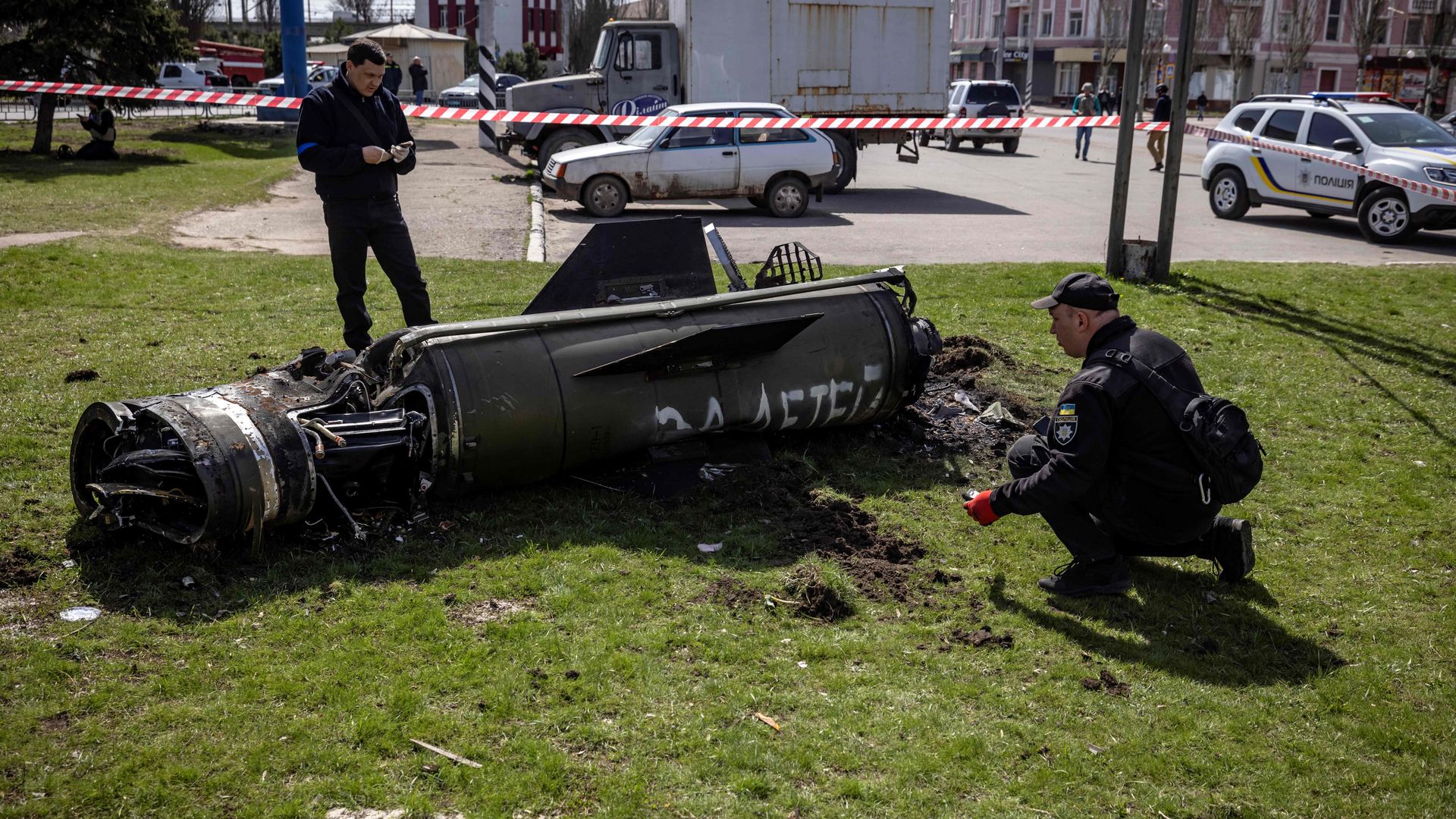
At least 50 people were killed and nearly 100 were hospitalized after a Russian missile struck a train station in the city of Kramatorsk in eastern Ukraine on Friday, Ukrainian officials said.
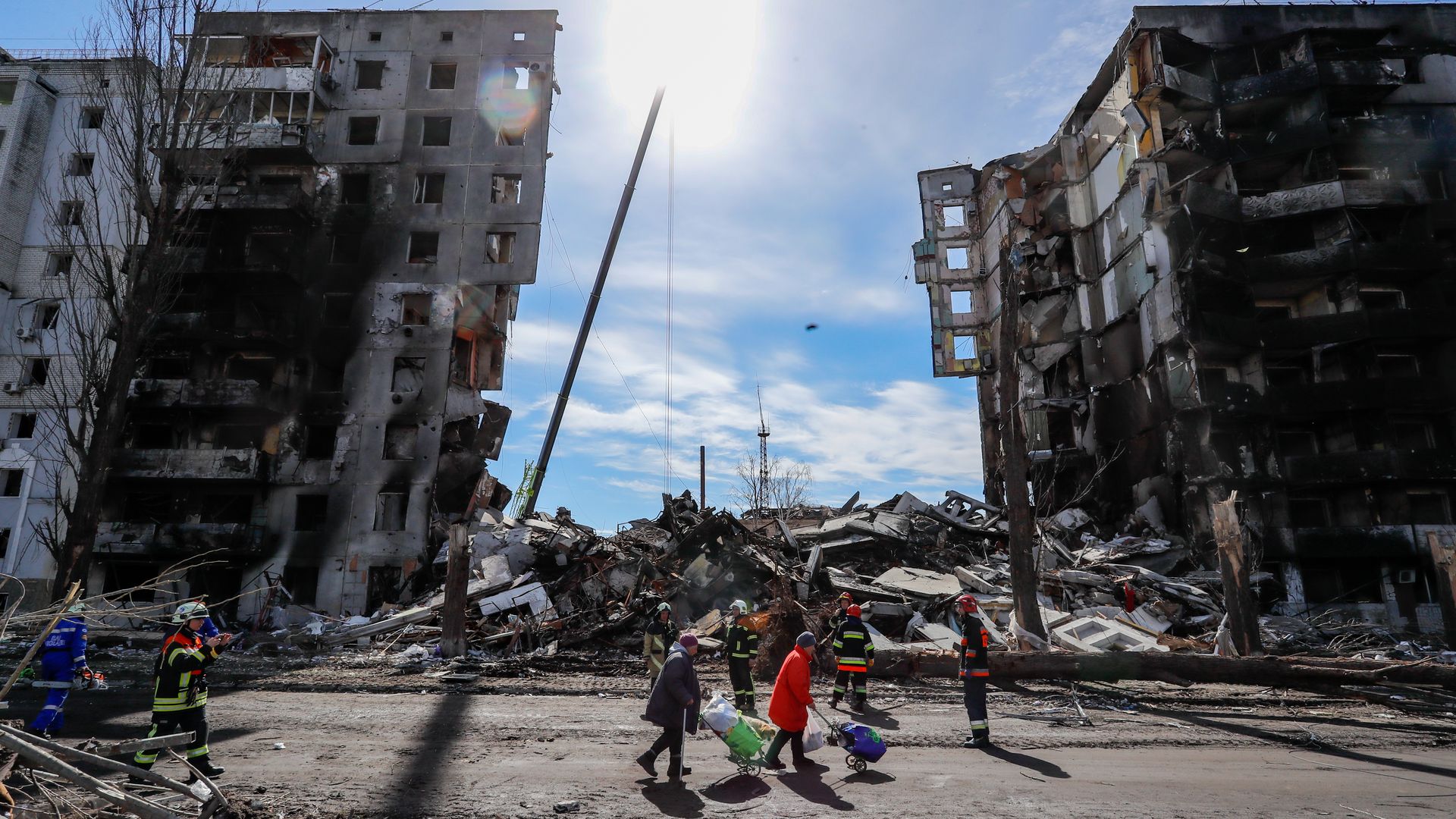
What they're saying: Ukrainian President Volodymyr Zelensky said in a statement that "thousands" of people fleeing the fighting in Ukraine's Donbas region were at the station awaiting evacuation at the time of the strike. It's another apparent instance of Russia bombing civilian targets during its invasion of Ukraine.
An American citizen detained by the Taliban says he was wrongfully accused of espionage butthat his release can be a case study for U.S. diplomacy with the still-unrecognized Afghan government.
Driving the news: Safi Rauf, 27, whose non-profit helped evacuate thousands of at-risk Afghans during the fall of Kabul — including an interpreter who once helped President Biden — shared new details of his 105-day detention in an interview with Axios.
The Chinese government financed a $300,000 social media influencer campaign that reached millions of Americans — featuring a U.S. Paralympic athlete and a "Real Housewives" reality TV star — to promote this year's Beijing Olympics, new records show.
Why it matters: Beijing's efforts to influence U.S. public opinion are under scrutiny over concerns about propaganda and misinformation.
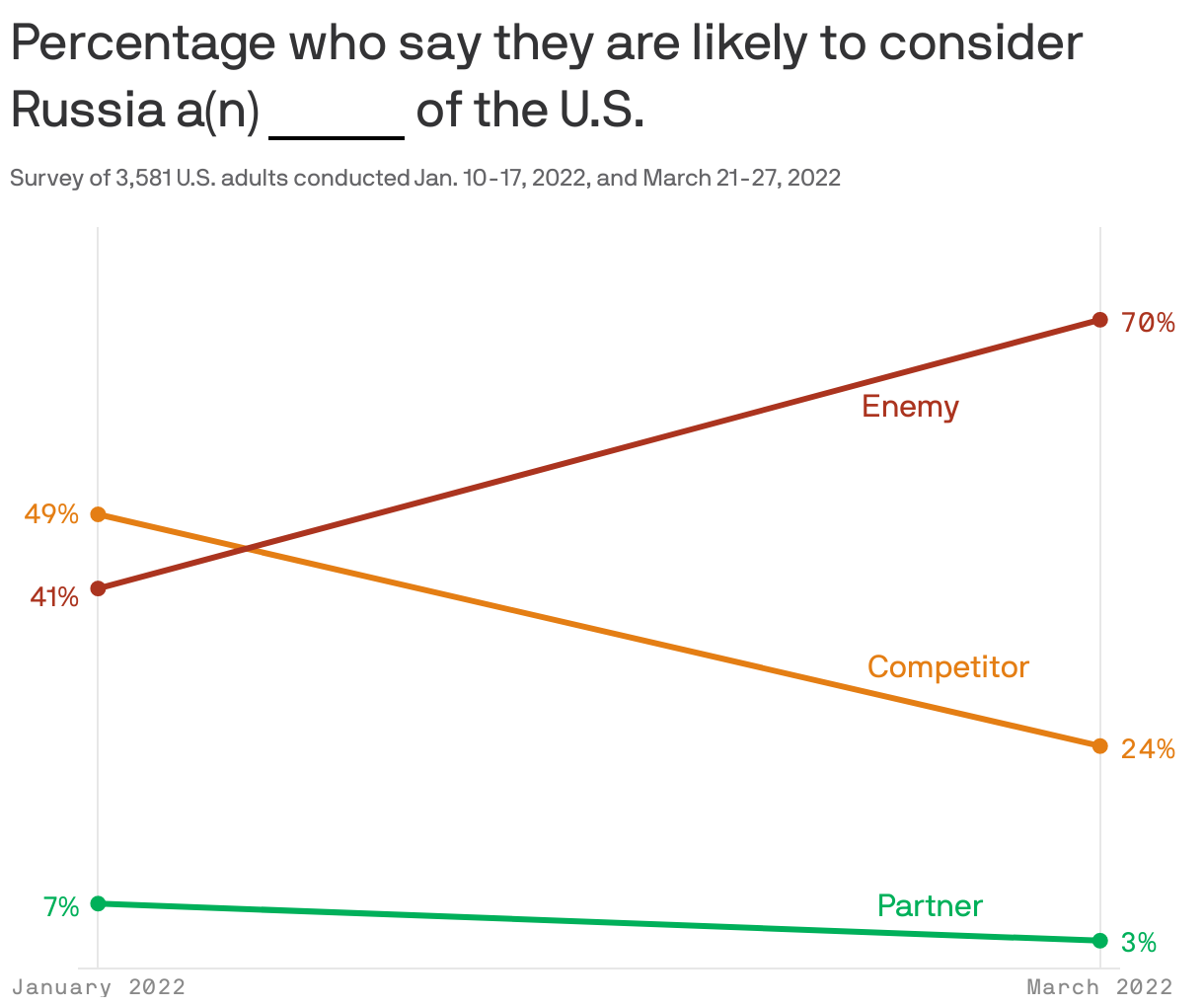
Data: Pew Research Center; Chart: Baidi Wang/Axios
More Americans view Russia as an enemy following its invasion of Ukraine, a new Pew Research survey found.
Why it matters: The issue is one of a few topics in which Democrats and Republicans find common ground. 72% of Democrats and 69% of Republicans agreed that Russia is an enemy of the United States.
Public support and political momentum for Finland joining NATO has reached an all-time high as a result of the war in Ukraine, raising the very real possibility that the alliance's borders with Russia could extend by more than 830 miles in a matter of months.
Why it matters: Russia's invasion of Ukraine has forced a reckoning in European capitals over defense spending and security policy. If Finland joins NATO, it would represent the biggest transformation of Europe's security architecture in years.
Kremlin spokesperson Dmitry Peskov admitted during an interview with Sky News Thursday that Russia has suffered “significant losses of troops” during its unprovoked invasion of Ukraine.
Why it matters: It's a rare concession by Russia that the invasion has not gone according to plan.
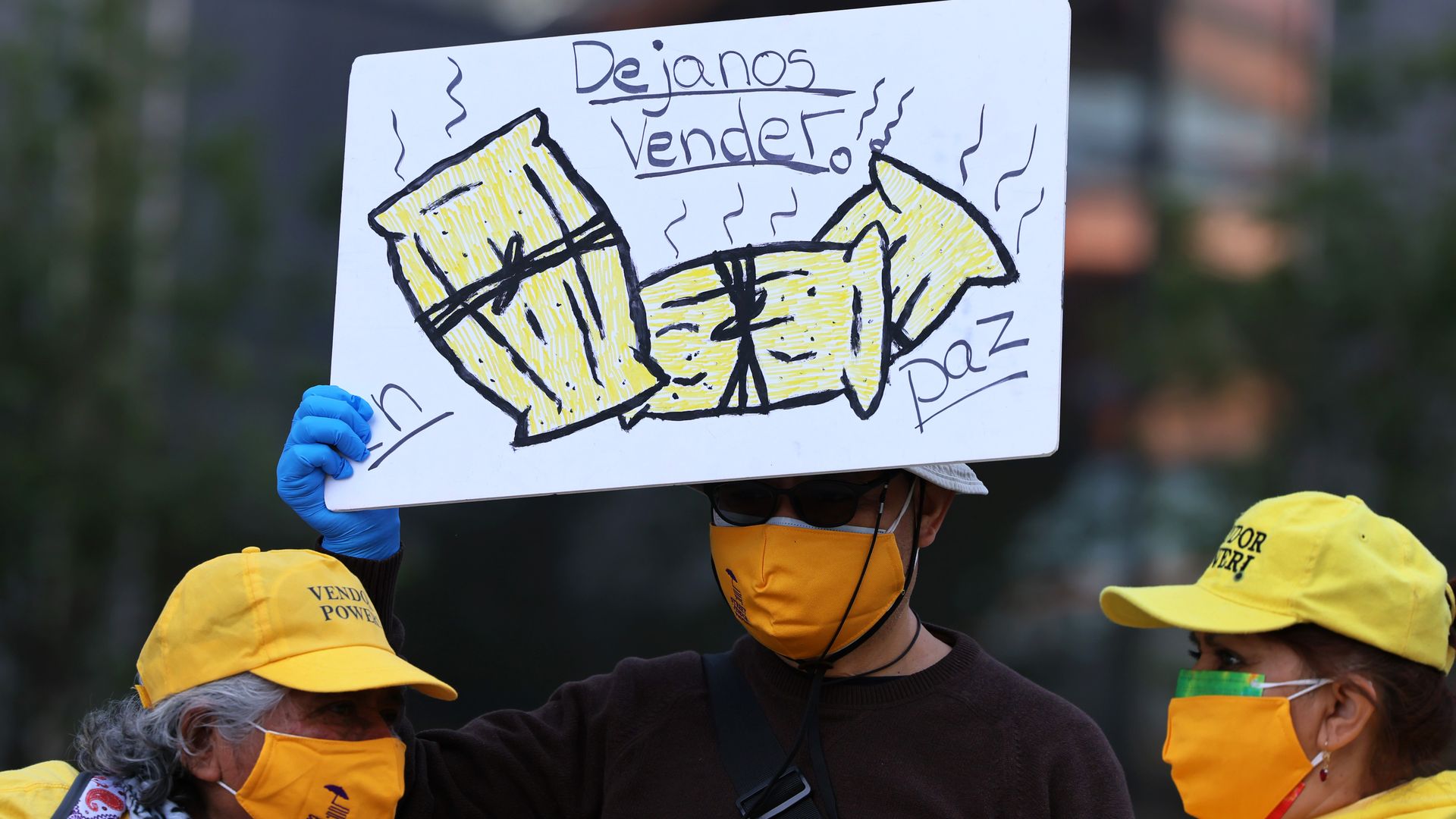
New York City street vendors, including many Latinos, are calling on officials to lift a cap on the permits they need to operate legally.
Driving the news: The city is home to up to 20,000 street vendors — many of whom are immigrants — who forced to work without permits or to pay exorbitant amounts to lease them because of the cap.
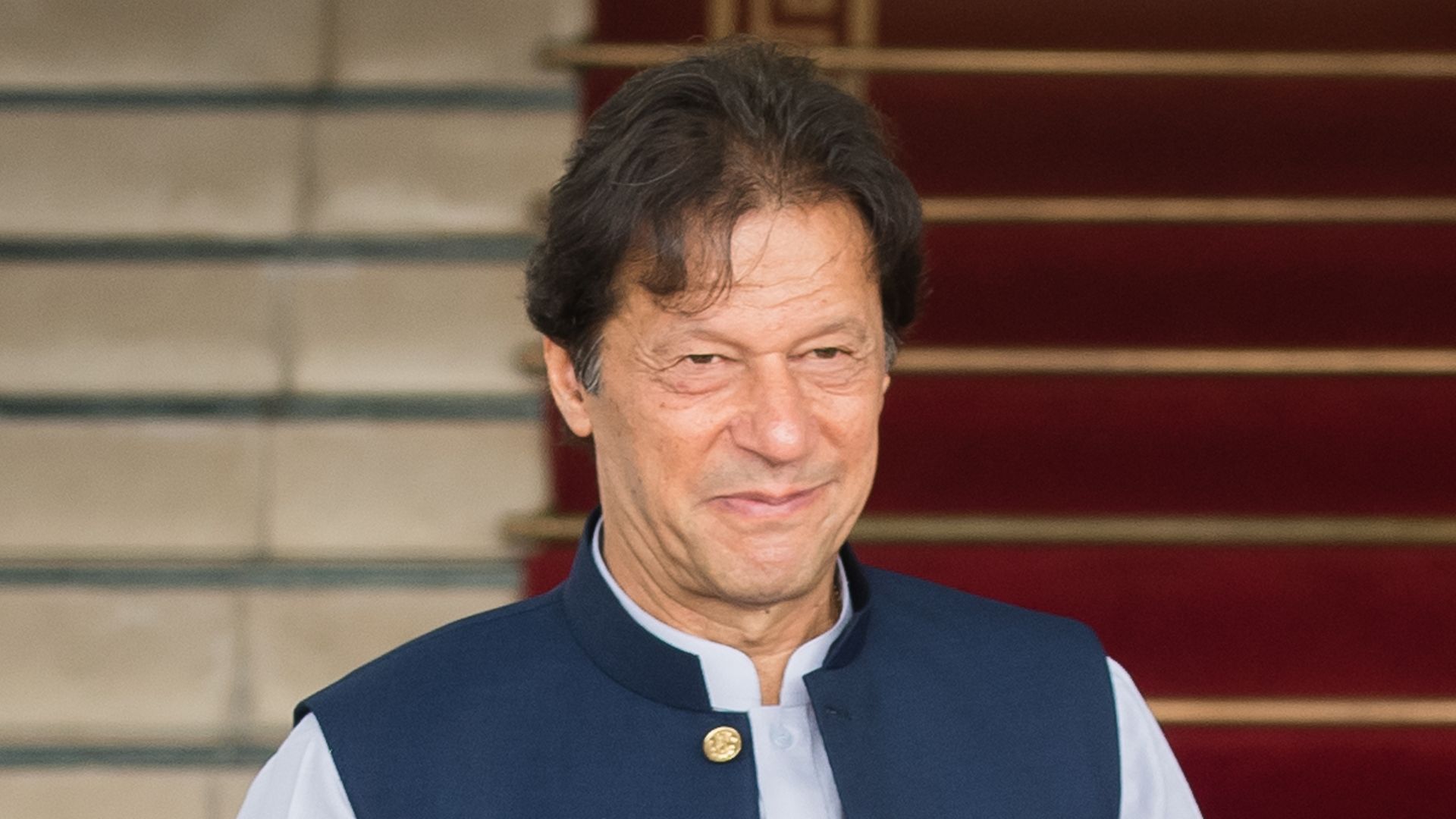
Pakistan's Supreme Court ruled Thursday that Prime Minister Imran Khan's move to dissolve parliament and call for early elections was unconstitutional, AP reports.
Why it matters: Khan will now be forced to face the no-confidence vote he had tried to avoid on Saturday, and the result could see him ousted from power.
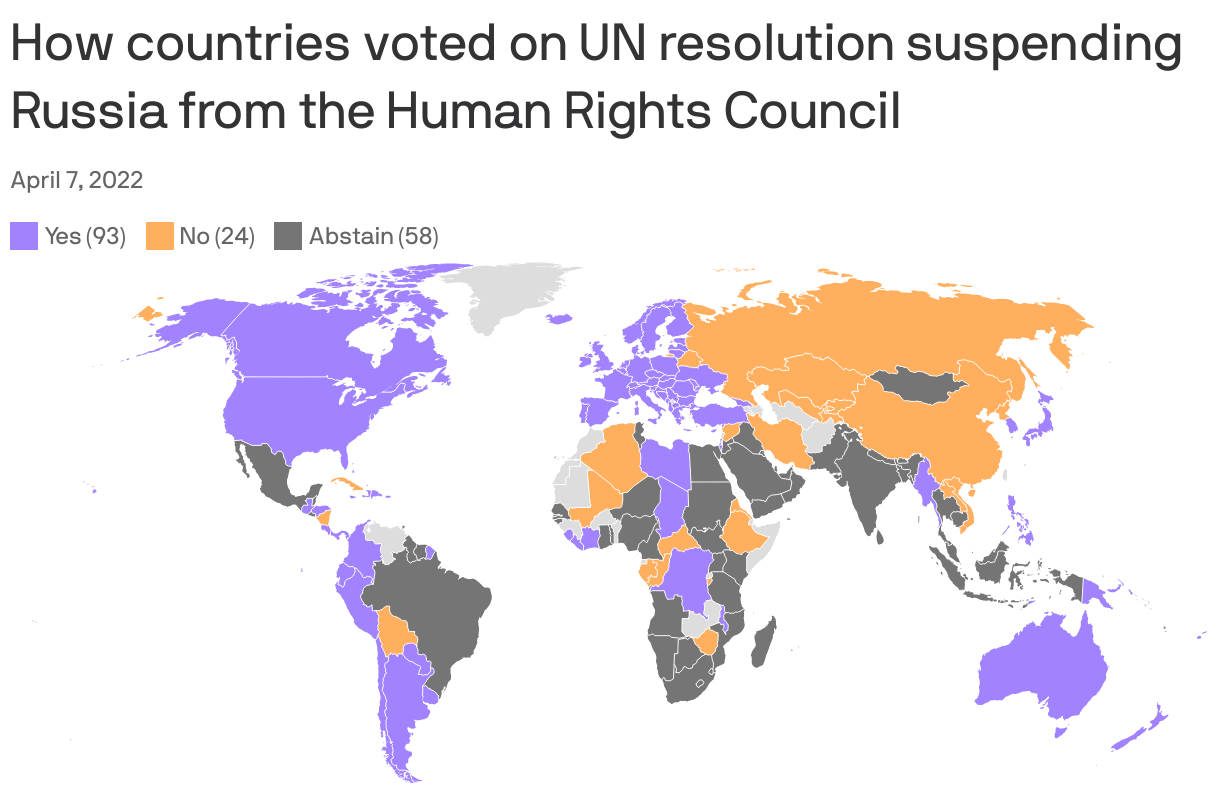
Ninety-three countries on Thursday voted to suspend Russia from the United Nations Human Rights Council over reported atrocities in the Kyiv suburb of Bucha and other places in Ukraine.
Why it matters: Russia is the first permanent member of the UN Security Council to have its membership revoked from any UN body, per AP.
Shell's decision to pull out of Russia has cost the company roughly $5 billion so far, the energy giant said in an update released Thursday.
Why it matters: Major international oil companies, including BP and Exxon, divested from Russian energy companies or projects following the invasion, potentially significantly reshaping the West’s energy relationship with Russia.
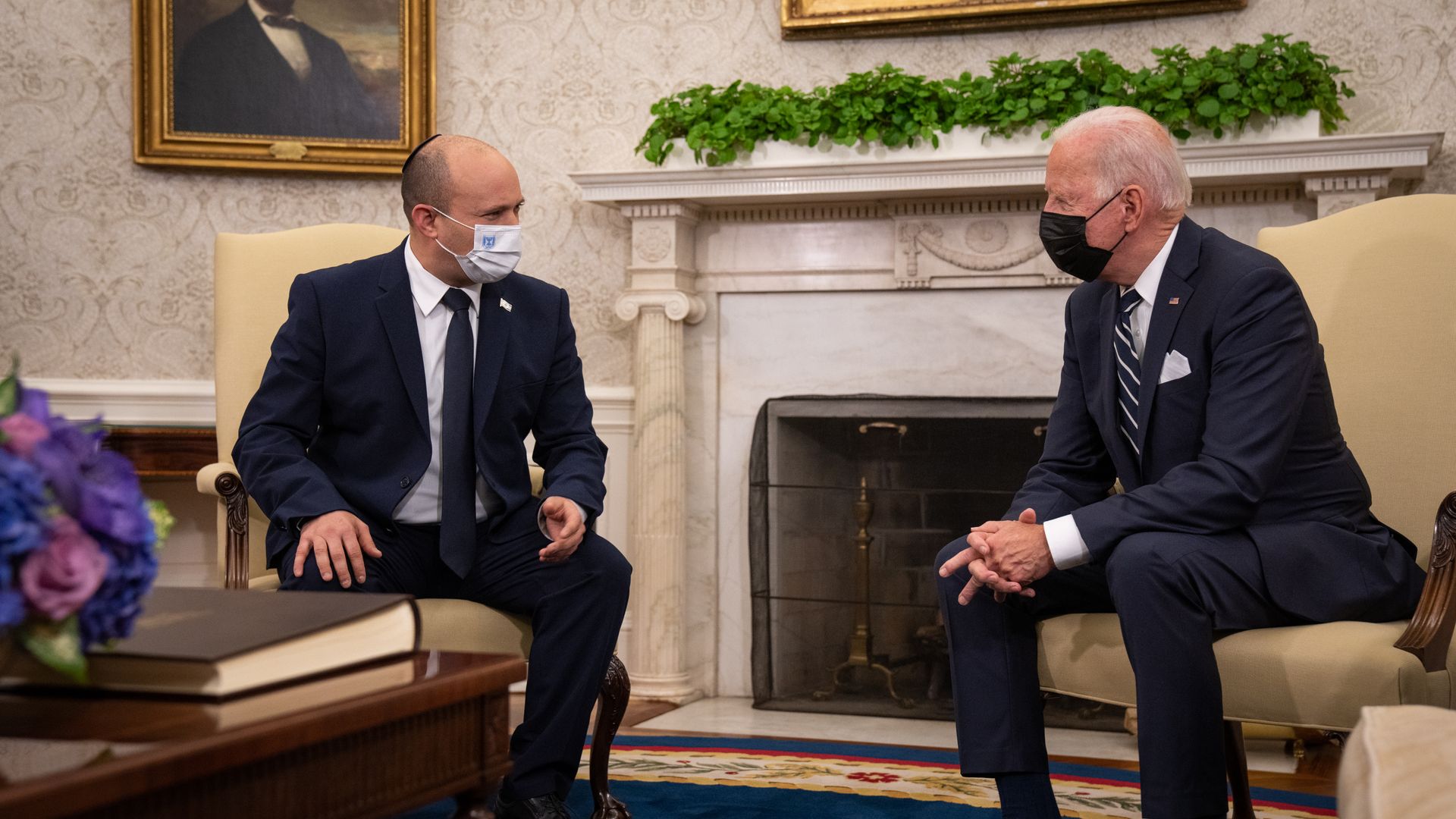
The Biden administration has been floating the idea of a White House meeting between senior Israeli and Palestinian officials, according to five current and former U.S and Israeli officials.
Behind the scenes: U.S. officials have raised that possibility with Israeli officials several times over the last four months, and also discussed it with the Palestinians, Egyptians and Jordanians. While the Israeli side didn't reject it outright they presented several reservations.
Russian and Belarusian runners who reside in either country are barred from participating in this year's Boston Marathon and the B.A.A. 5k, the Boston Athletic Association announced on Thursday.
Why it matters: The announcement is the latest in a series of restrictions the sports world has placed on Russian and Belarusian athletes since Russia invaded Ukraine.
When it comes to sanctions against Russia, the West is using an "everything but" strategy — doing all they can to cut the country off from the global economy, while still allowing it to make lucrative energy sales to Europe.
The big picture: Against that backdrop, a few of the steps the U.S. and Europe took this week are designed to — at least on the margins — blunt Russia's ability to plow energy revenues into funding its conquest of Ukraine.
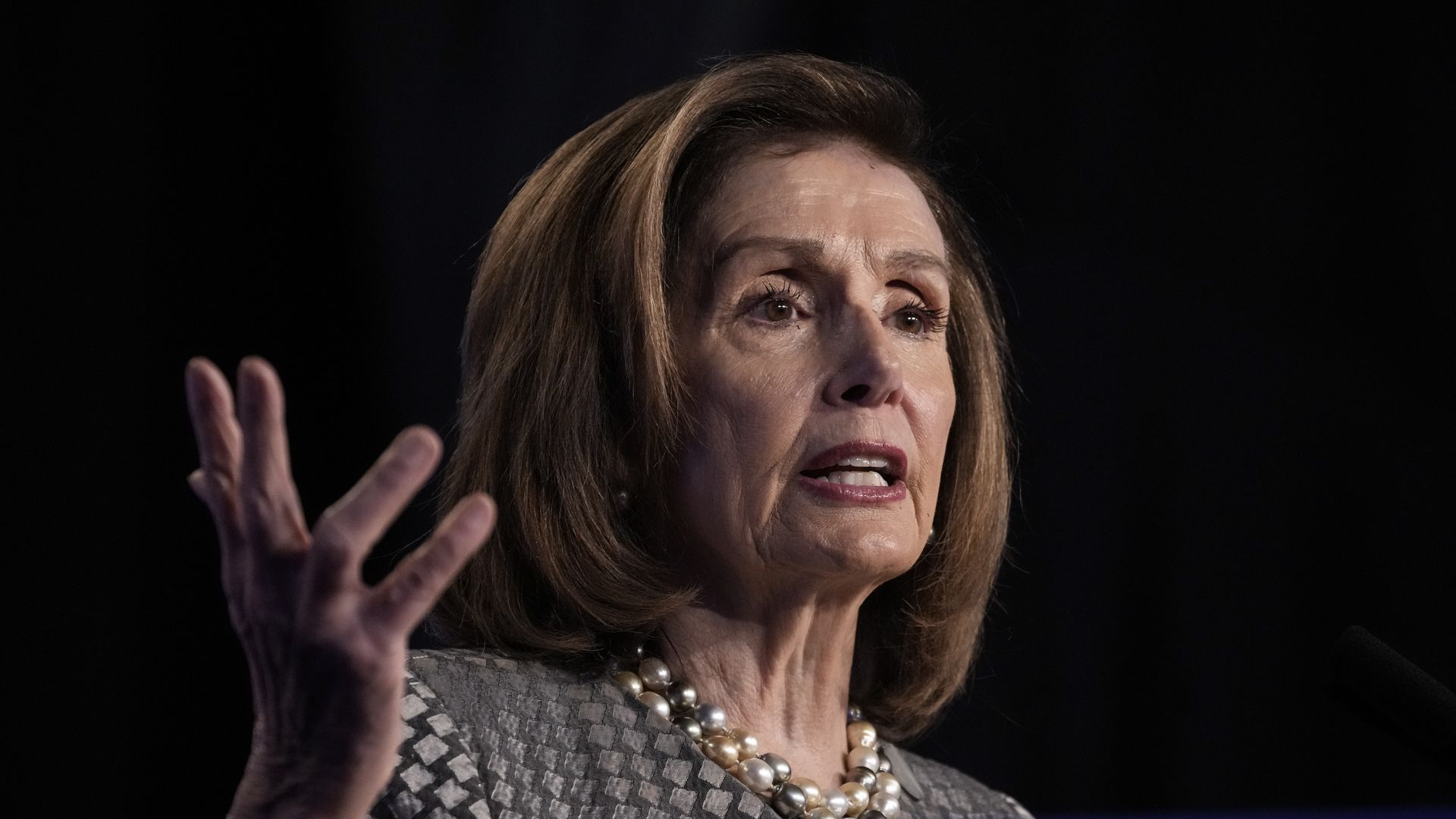
China warned Thursday it would "take strong measures" if House Speaker Nancy Pelosi (D-Calif.) visits Taiwan, as media reports emerged of a trip that was planned for this weekend.
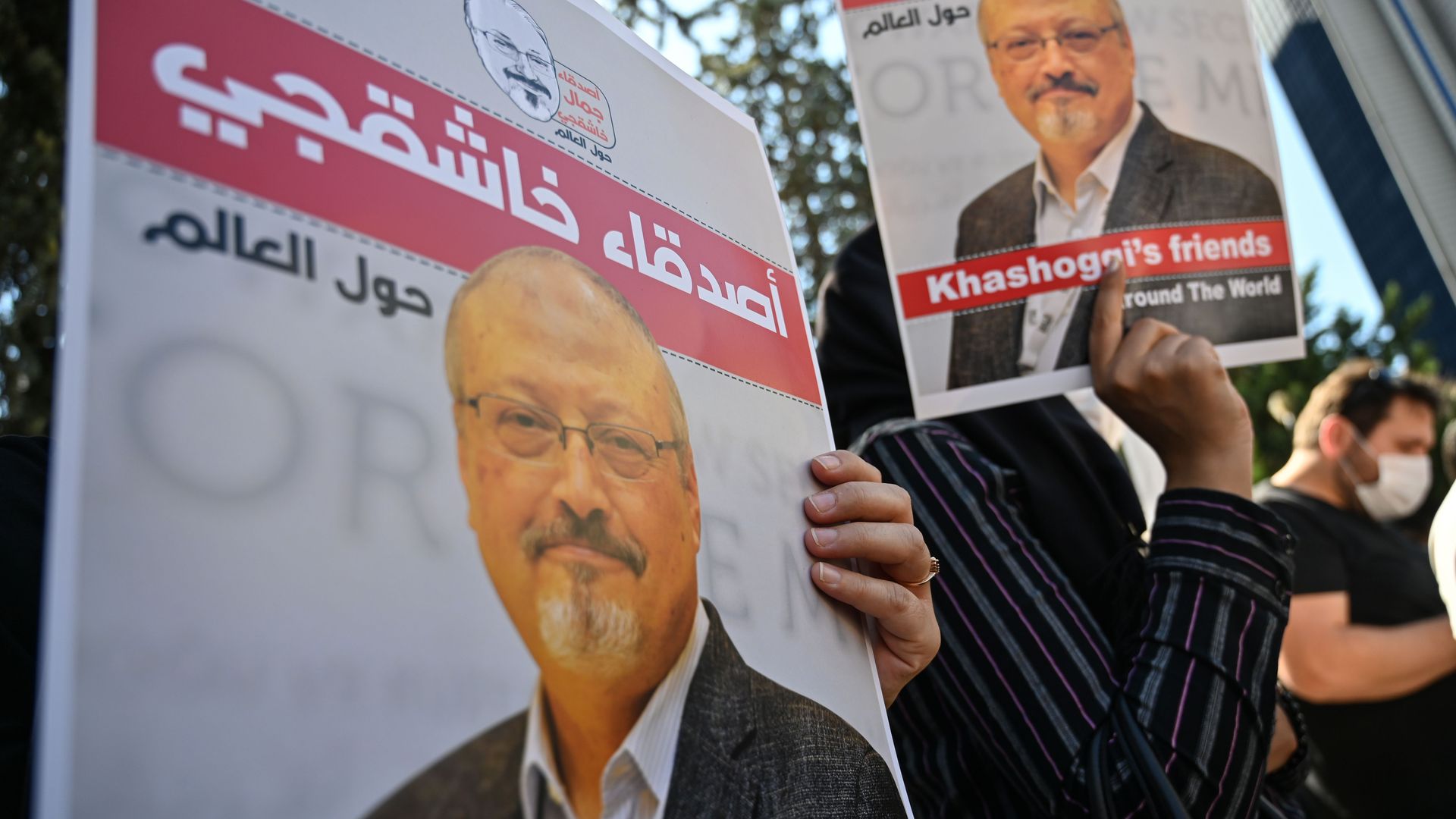
A Turkish court on Thursday suspended the trial in absentia of Saudi suspects accused of killing journalist Jamal Khashoggi and transferred it to Saudi Arabia, per the New York Times.
Why it matters: The transfer probably means the end of the trial of 26 Saudi nationals who were charged in the 2018 killing of Khashoggi in the Saudi Consulate in Istanbul.
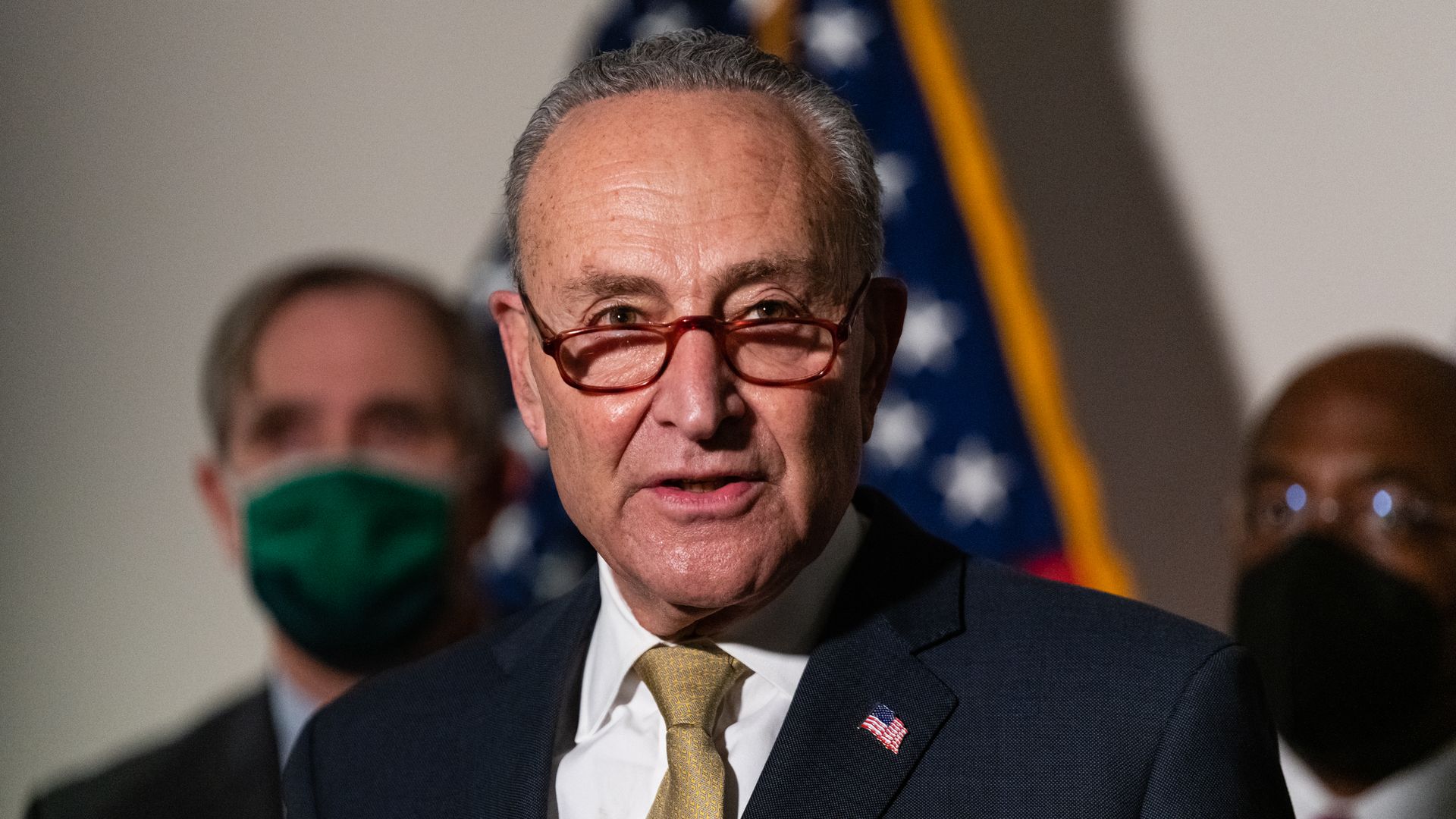
Senate Majority Leader Chuck Schumer (D-N.Y.) declared on the Senate floor last night that the reported atrocities in Bucha, Ukraine, amount to "genocide," and he condemned Vladimir Putin as "pure evil."
What they're saying: "When we murder wantonly innocent civilians because of who they are, whether it be their religion, their race, their nationality — that is genocide. And Mr. Putin is guilty of it," Schumer said.
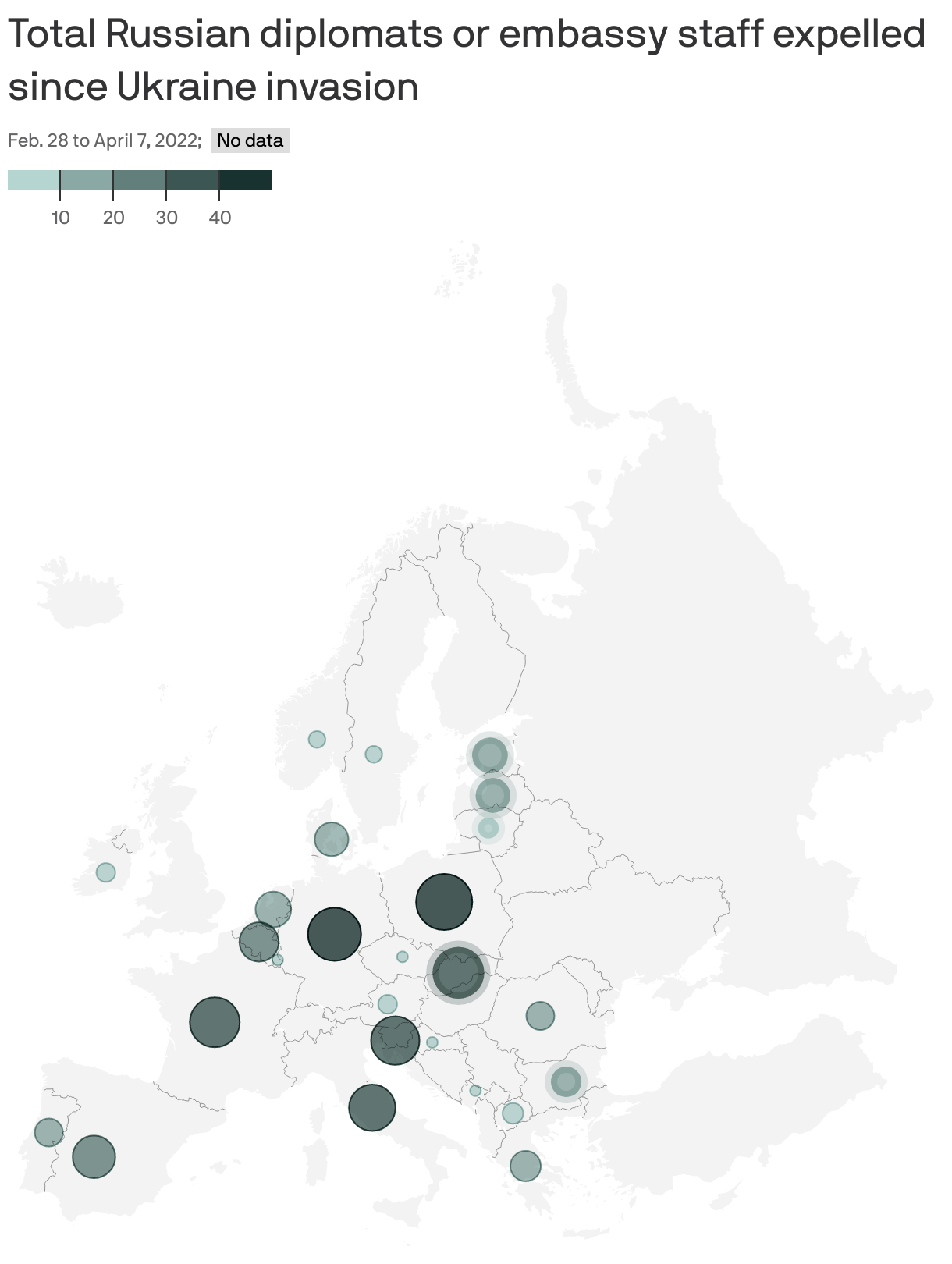
Note: The U.S. has also expelled 12 Russian diplomats. Data: Axios research; Map: Kavya Beheraj/Axios
The U.S. and Europe have together ordered the expulsion of more than 400 Russian diplomats and embassy staff since the invasion of Ukraine began on Feb. 24, according to an Axios tally.
Why it matters: Many of the Russians declared "persona non grata" are alleged intelligence officers working under diplomatic cover. Their removal should degrade Russia's ability to spy and carry out subversive activities on Western soil, but may also cause collateral damage if Moscow responds with tit-for-tat expulsions.