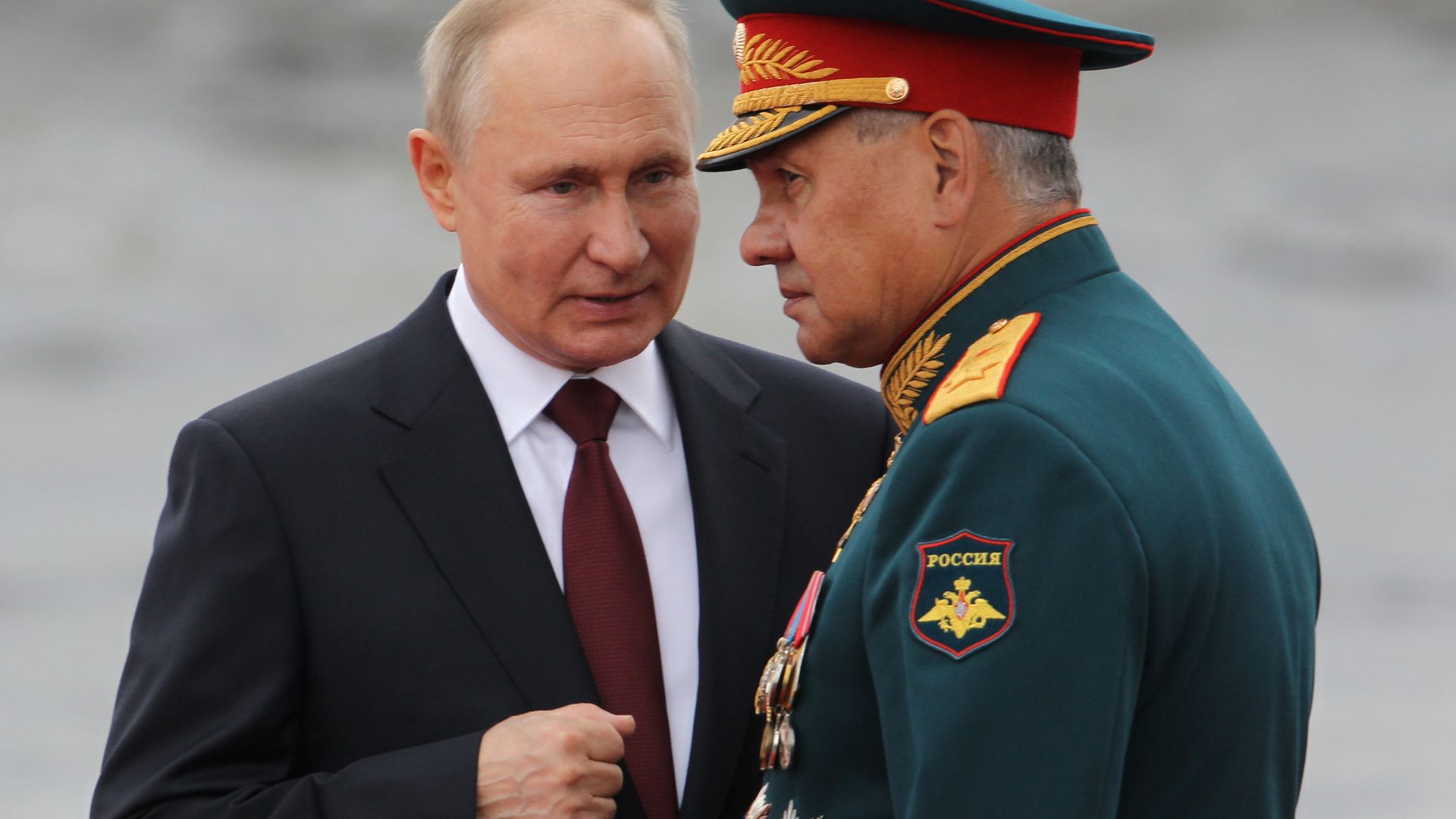
A key ingredient in bread, cereal and baked goods is facing the prospect of supply disruptions as Russia barrels down on Ukraine.
Why it matters: Russia and Ukraine were two of the top five largest exporters of wheat before the pandemic, leading experts to fear that a war could disrupt supplies at a time when the market for the agricultural commodity is already stressed.
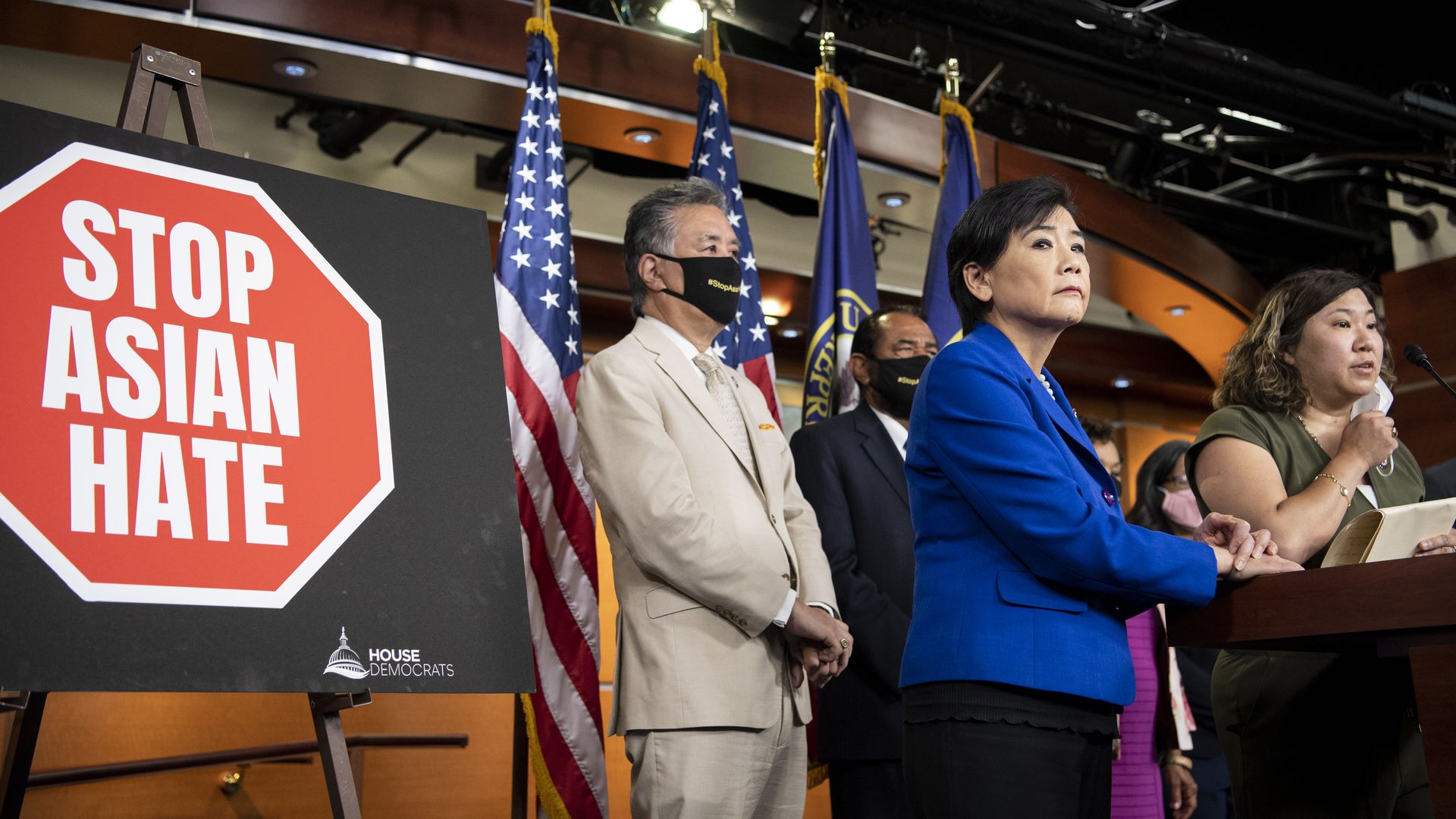
Asian American lawmakers and advocates said Wednesday that the Justice Department's decision to end the China Initiative, a Trump-era program aimed at combating Chinese economic espionage, is an important move but that it cannot be a matter of "rebranding."
Why it matters: DOJ's announcement comes after years of advocacy from Asian Americans who accused the department of using racial profiling to target Asian researchers. Scientists had also said the program's focus on grant fraud would chill research in the U.S.
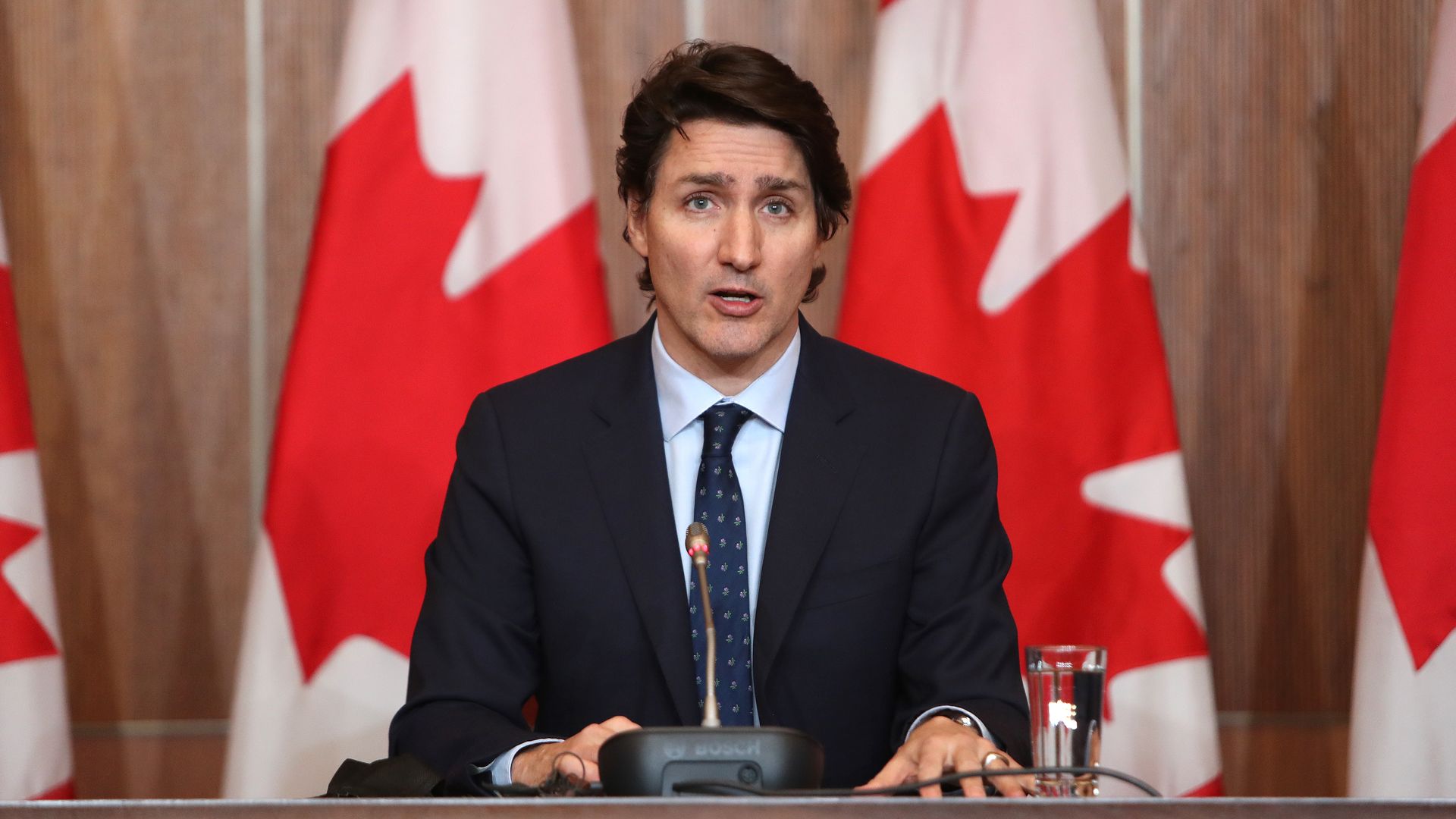
Canadian Prime Minister Justin Trudeau announced Wednesday that he is revoking the emergency powers he invoked earlier this month to quell protests against the country's COVID-19 public health restrictions.
What he's saying: “Today, after careful consideration, we’re ready to confirm that the situation is no longer an emergency,” Trudeau said at a press conference. “Therefore, the federal government will be ending the use of the Emergencies Act."
The Justice Department is ending the Trump-era China Initiative following allegations of racial profiling and an internal review, assistant attorney general for national security Matt Olsen announced Wednesday.
The European Union announced its first round of sanctions on Wednesday in response to Russia's intervention in Ukraine, including the blacklisting of 27 individuals for their roles in organizing and promoting the invasion.
Why it matters: Despite predictions that the EU — with its consensus-based decision-making and energy dependence on Russia — would be the weak link in the coordinated Western sanctions push, the bloc has now arguably gone the furthest of all by targeting Putin's close associates.
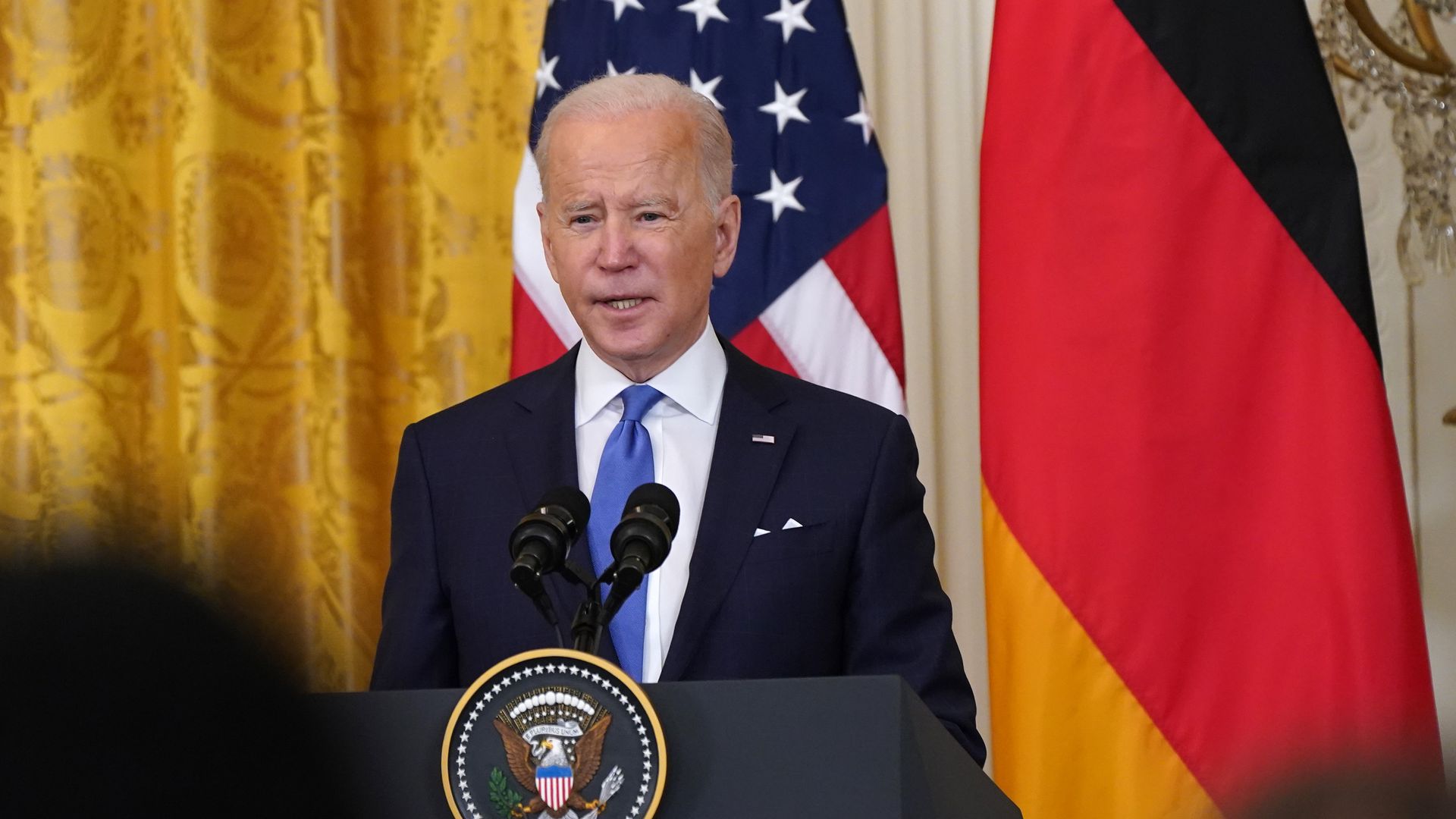
President Biden said Wednesday he will reverse last year's decision to waive sanctions on the entity and corporate officers behind the Nord Stream 2 pipeline, a day after Germany froze certification of the Kremlin-backed project.
Why it matters: It's an escalation in the U.S. sanctions response to what the administration has called the "the beginning of a Russian invasion" of Ukraine, and delivers a fresh blow to an $11 billion pipeline that has proven to be a massive headache for President Biden ever since he waived sanctions last May.
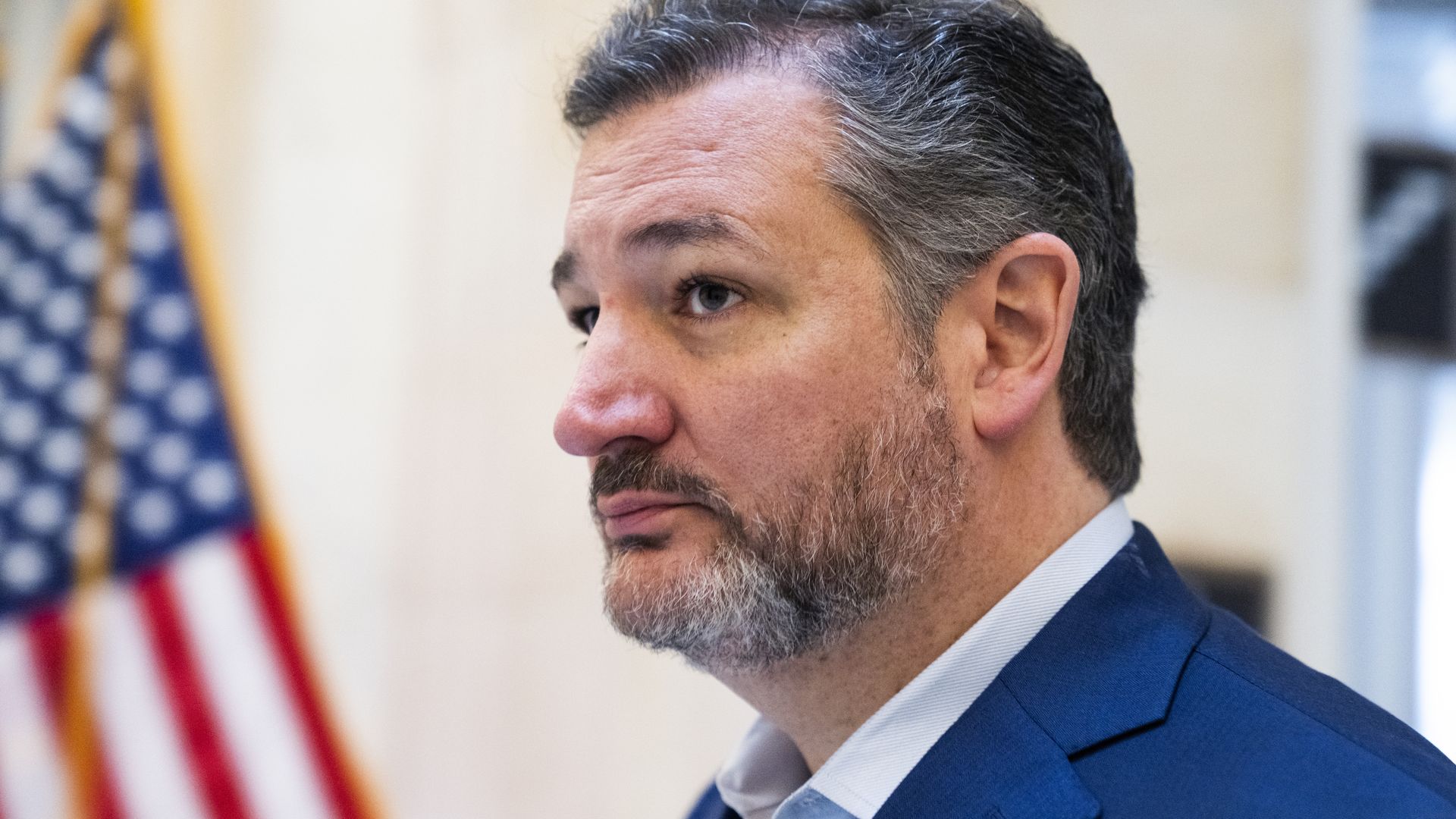
Sen. Ted Cruz (R-Texas) has lifted his hold on President Biden's State Department nominees after the Biden administration sanctioned the Russia-to-Germany natural gas pipeline Nord Stream 2.
Why it matters: Cruz has campaigned to sanction the pipeline for months, calling it a chance to stop a Russian invasion into Ukraine. His bill failed to clear the Senate in January, per Reuters.
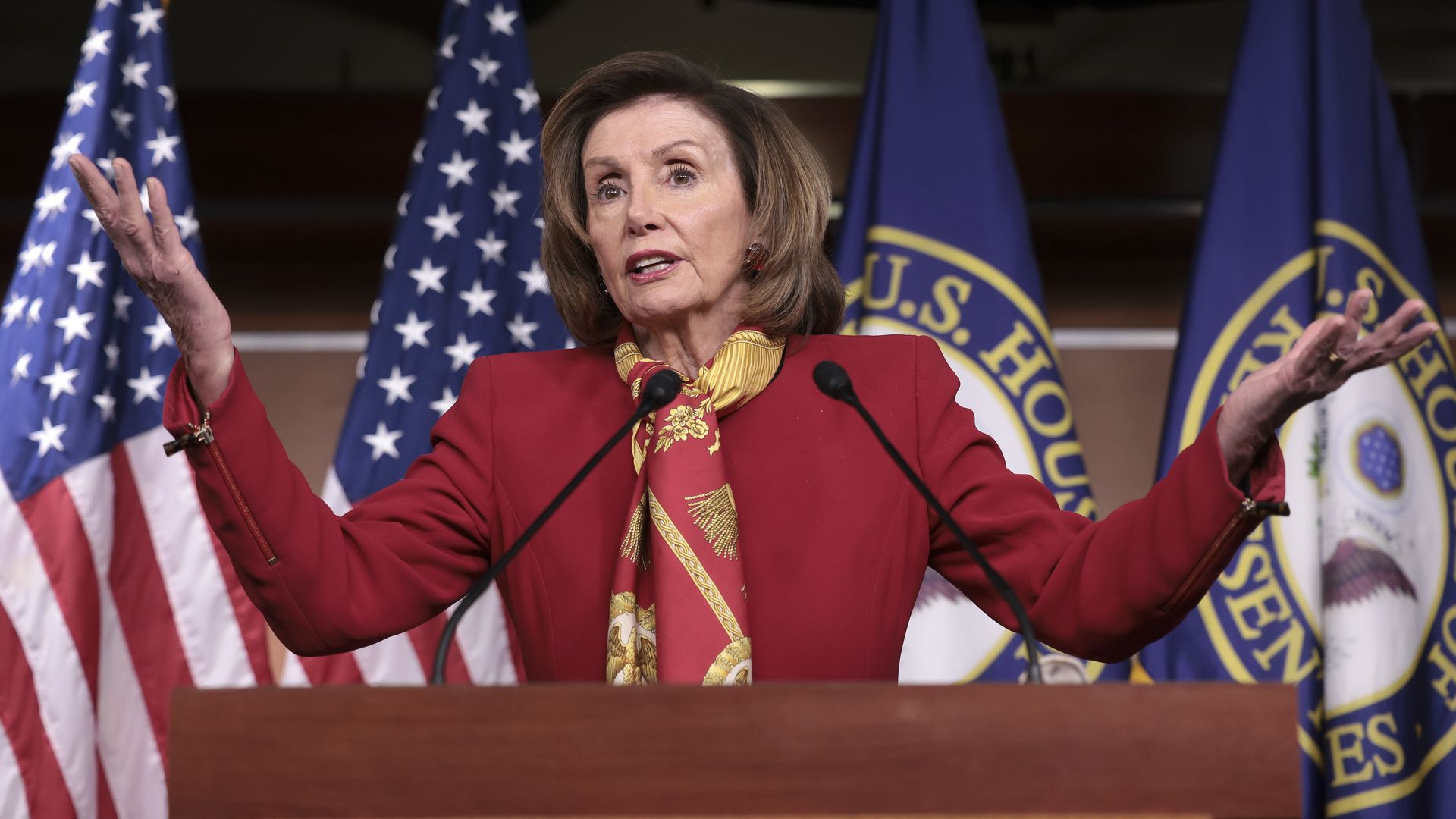
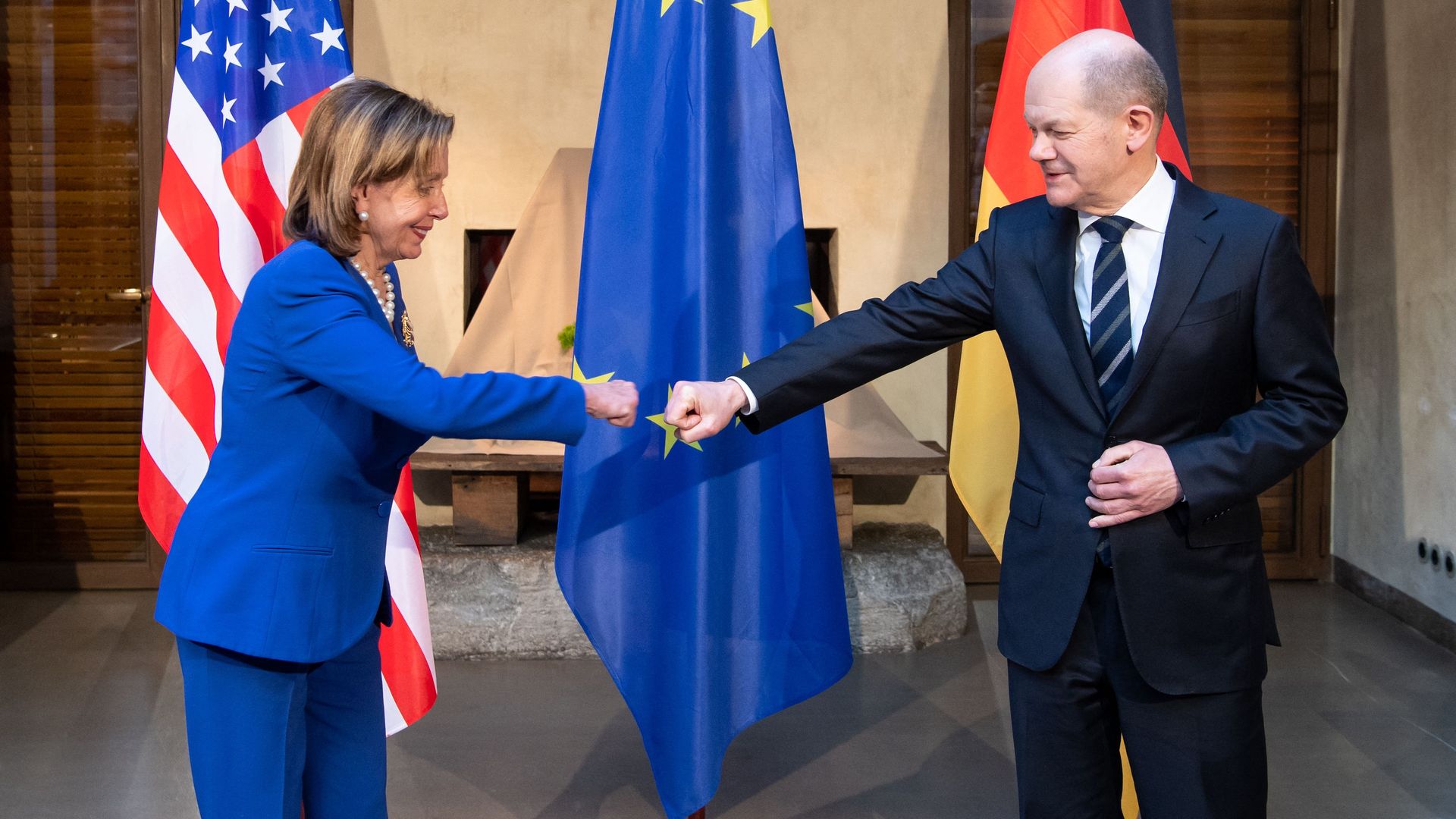
House Speaker Nancy Pelosi on Wednesday called Russia President Vladimir Putin a "tyrant" and said his latest aggression toward Ukraine is "an attack on democracy."
What she's saying: “It’s stunning to see in this day and age, a tyrant roll into a country," Pelosi said in her first news conference since returning from the Munich Security Conference. "This is the same tyrant who attacked our democracy in 2016."
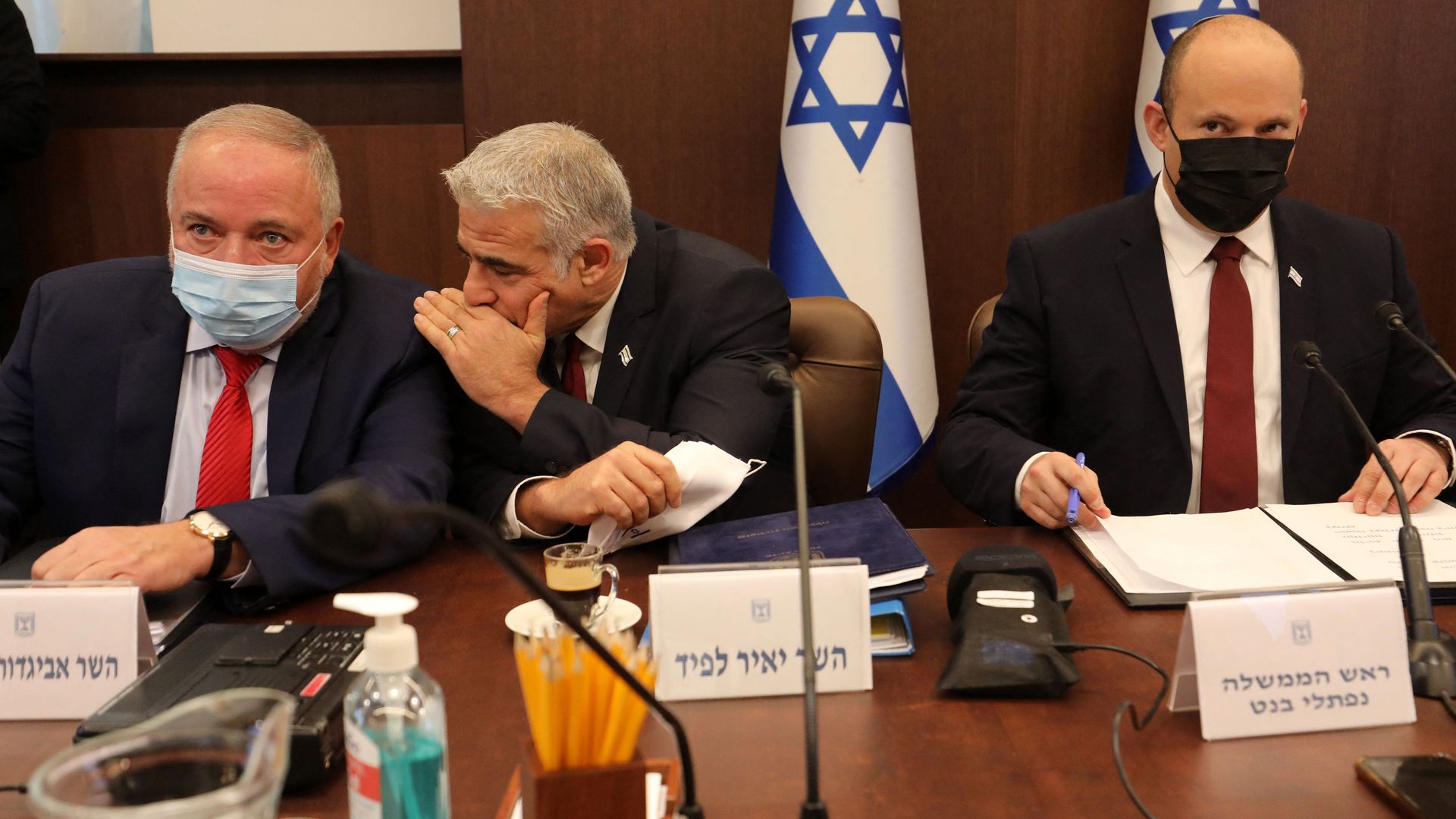
Eight months after it was sworn in, Israel's fragile unity government is showing its first cracks.
Why it matters: The government has lost its voting majority on key issues, and while there is no imminent threat of collapse, the coalition could go down that path if internal frictions can't be contained.
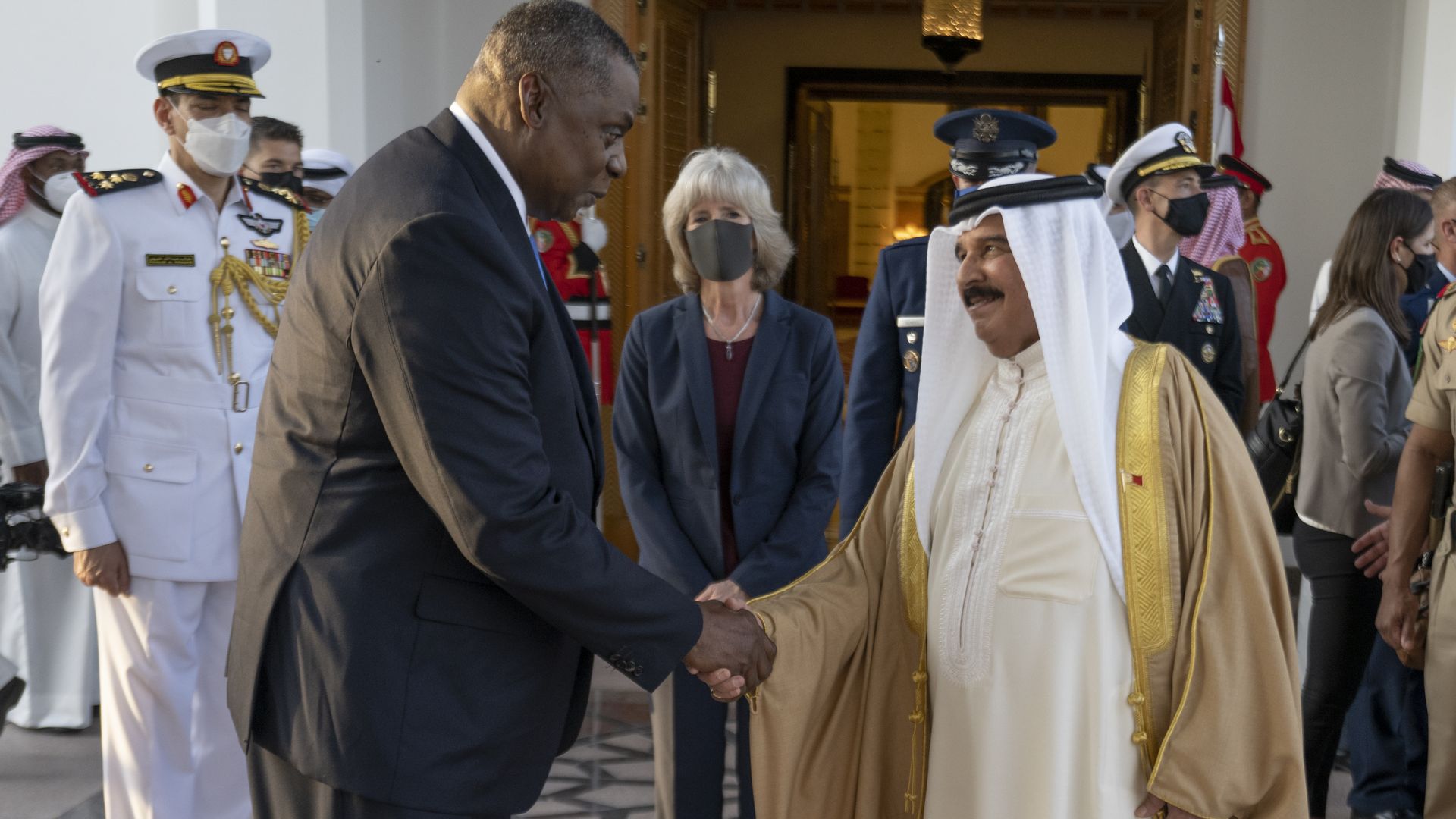
New U.S. Ambassador to Manama Steven Bondy got into a diplomatic spat with the Bahraini government in his second week on the job after he met with a group of civil society and human rights activists.
Why it matters: Bahrain has been highly sensitive to engagement between Western governments and members of the opposition ever since the Arab Spring in 2011, when the Obama administration supported the anti-government protests in the country and pressed for reforms.
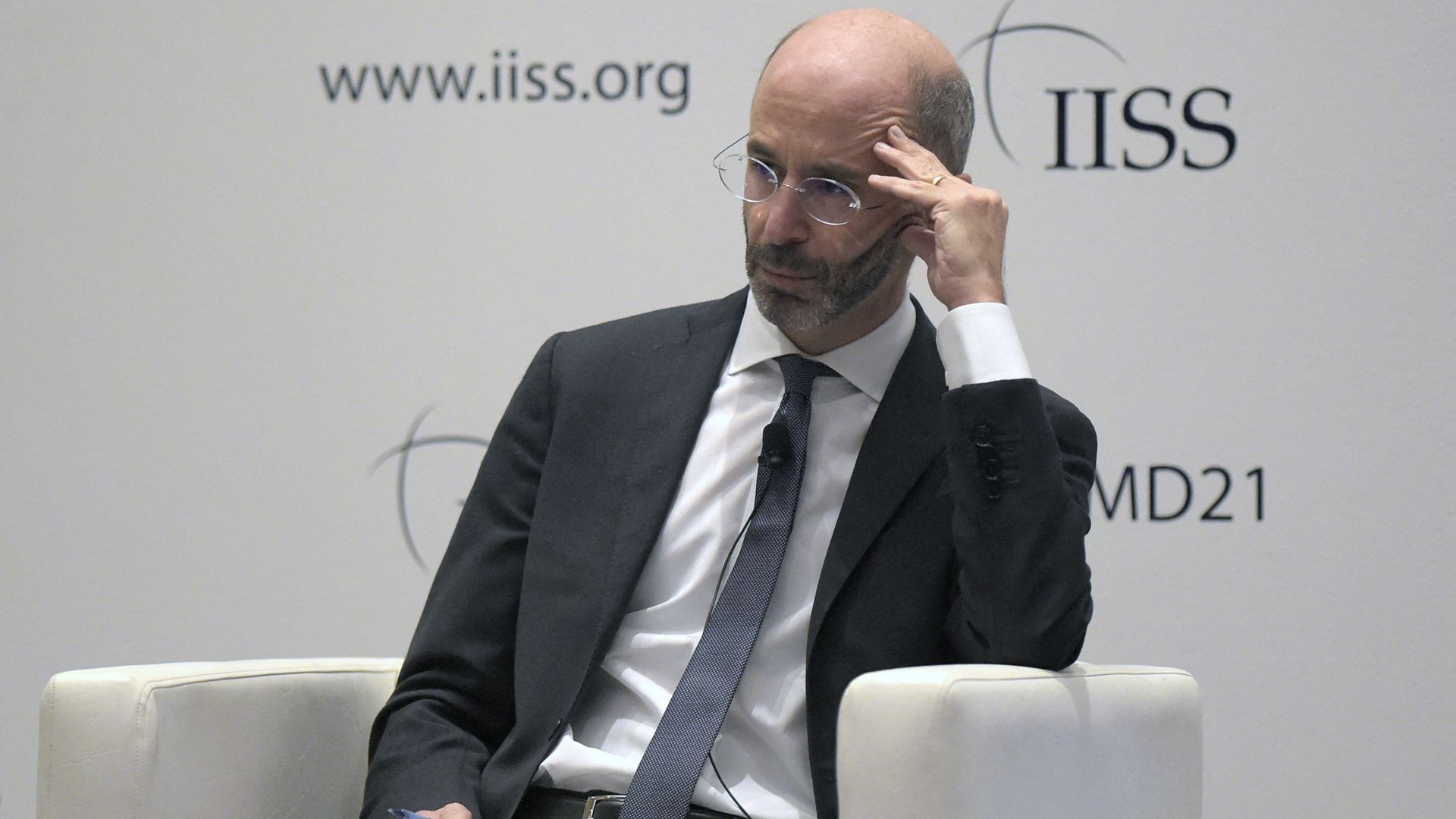
The U.S. and Iran are close to a return to the 2015 nuclear deal but several “difficult issues” remain unresolved, a senior Biden administration official told Axios on Wednesday.
Why it matters: At the moment, neither side seems willing to compromise on its remaining red lines, and the official said the outcome could still be no deal at all.
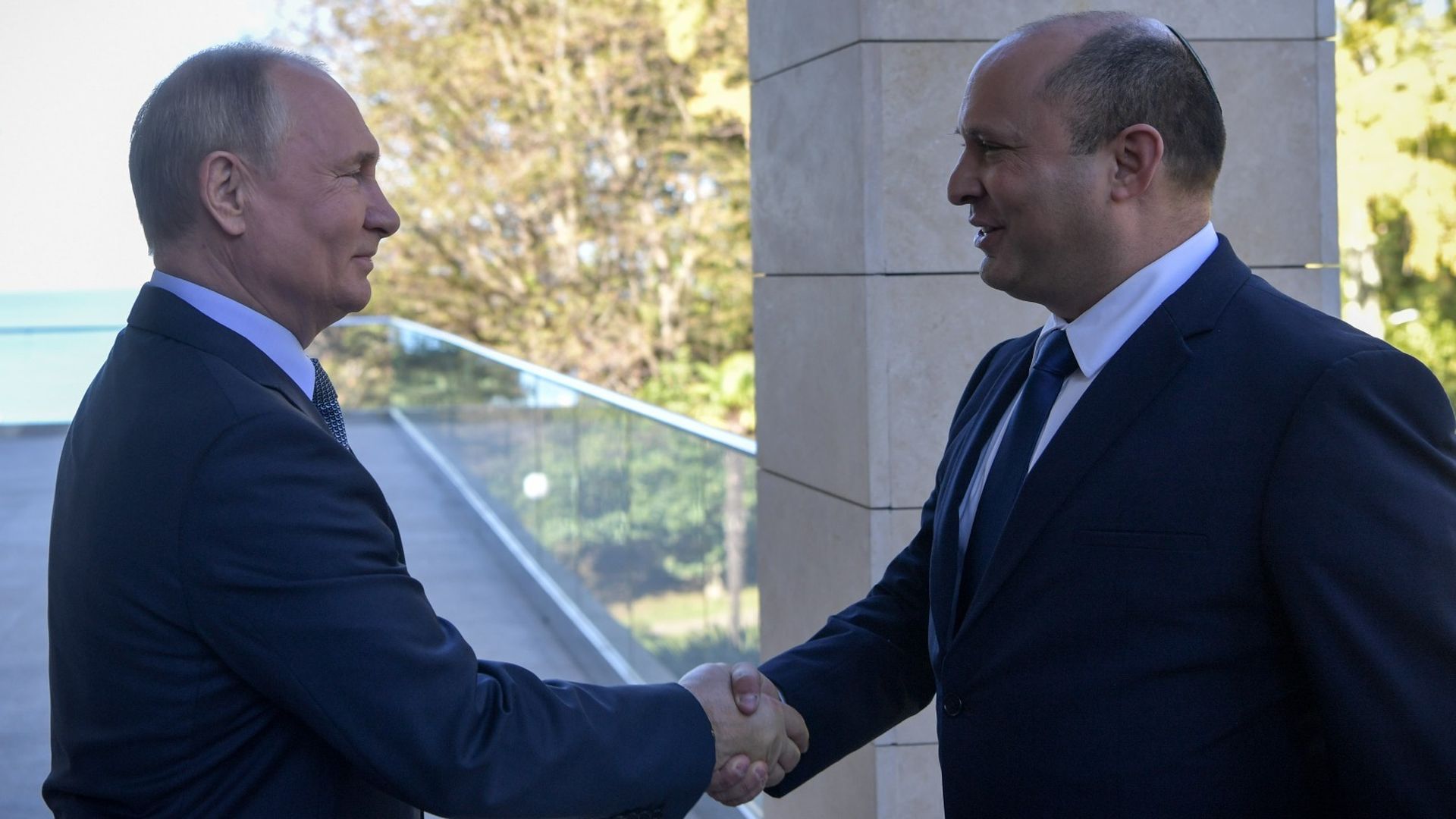
In its first response to the Russian invasion of Ukraine, the Israeli government expressed support for Ukraine's territorial integrity but declined to condemn Vladimir Putin or even mention the word Russia.
Why it matters: The Foreign Ministry statement hinted at Israel's attempt to balance aligning itself with its biggest ally, the U.S., while maintaining good relations with another superpower, Russia, with which it has an important security relationship.
A cyberattack on Wednesday struck Ukrainian government websites and banks, the country's digital minister confirmed on Telegram.
Why it matters: Ukraine's government on Monday warned of plans organized on online hacking forums to launch a spate of cyberattacks against the country's public, banking and defense sectors amid escalating tensions with Russia.
Is Nord Stream 2 dead or just sleeping? It's hard to say yet.
Catch up fast: German Chancellor Olaf Scholz on Tuesday froze certification of the gas pipeline from Russia under the Baltic Sea in response to Russian President Vladimir Putin's moves against Ukraine.
Russia's invasion of Ukraine could mark the start of a new era of petro politics, an uncomfortable parallel to the last inflationary period America faced.
Why it matters: Americans are likely to continue to face rising energy prices in the coming months, as Russia — the world's third-largest crude oil producer and largest natural gas producer — faces the prospect of sanctions.
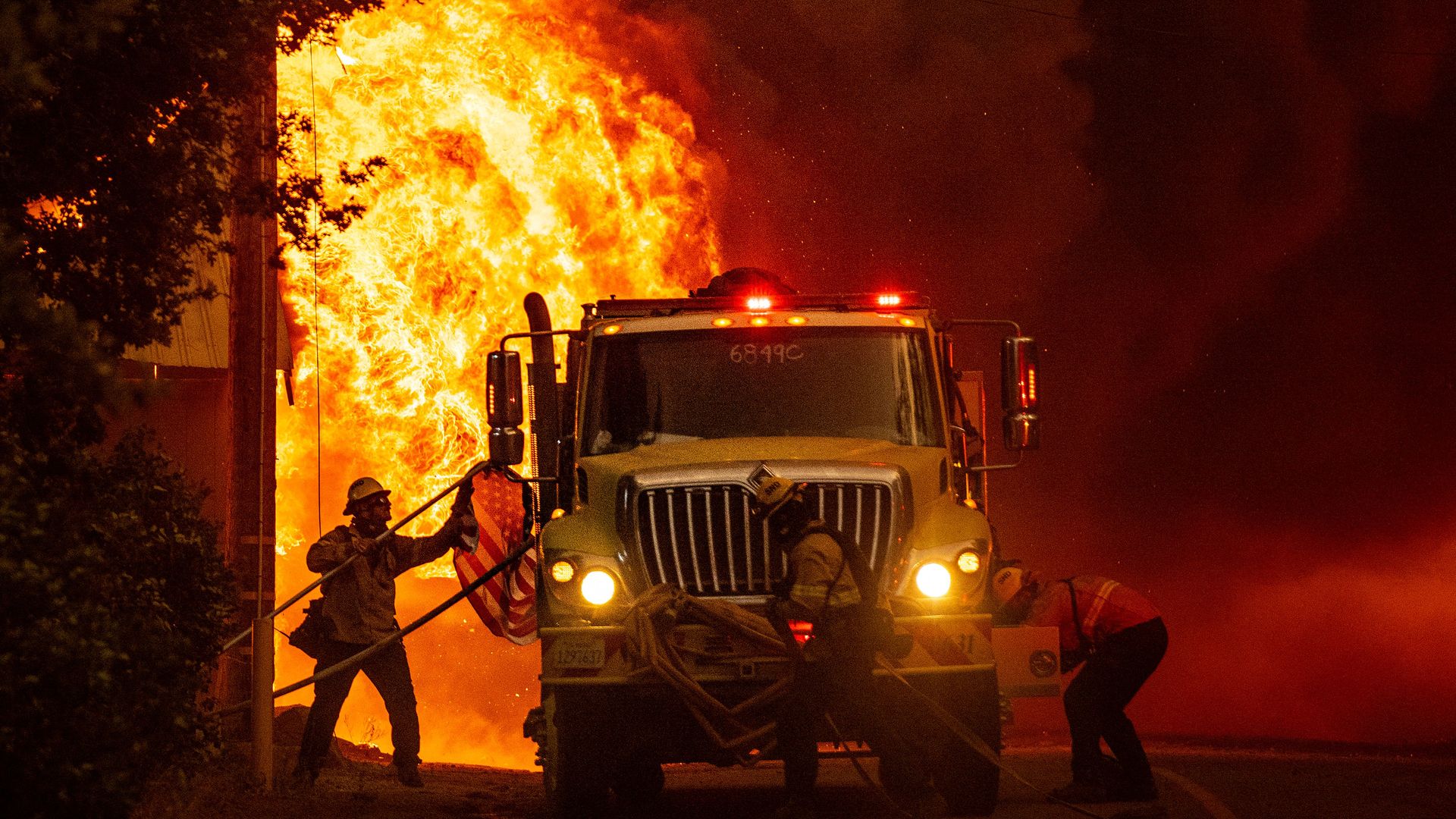
Driving the news: Global warming and land-use change would make wildfires more frequent and intense, with a 14% increase by 2030 and a 30% rise by 2050 projected, according to the study published Wednesday by the UN Environment Program (UNEP) and the environmental nonprofit GRID-Arendal.
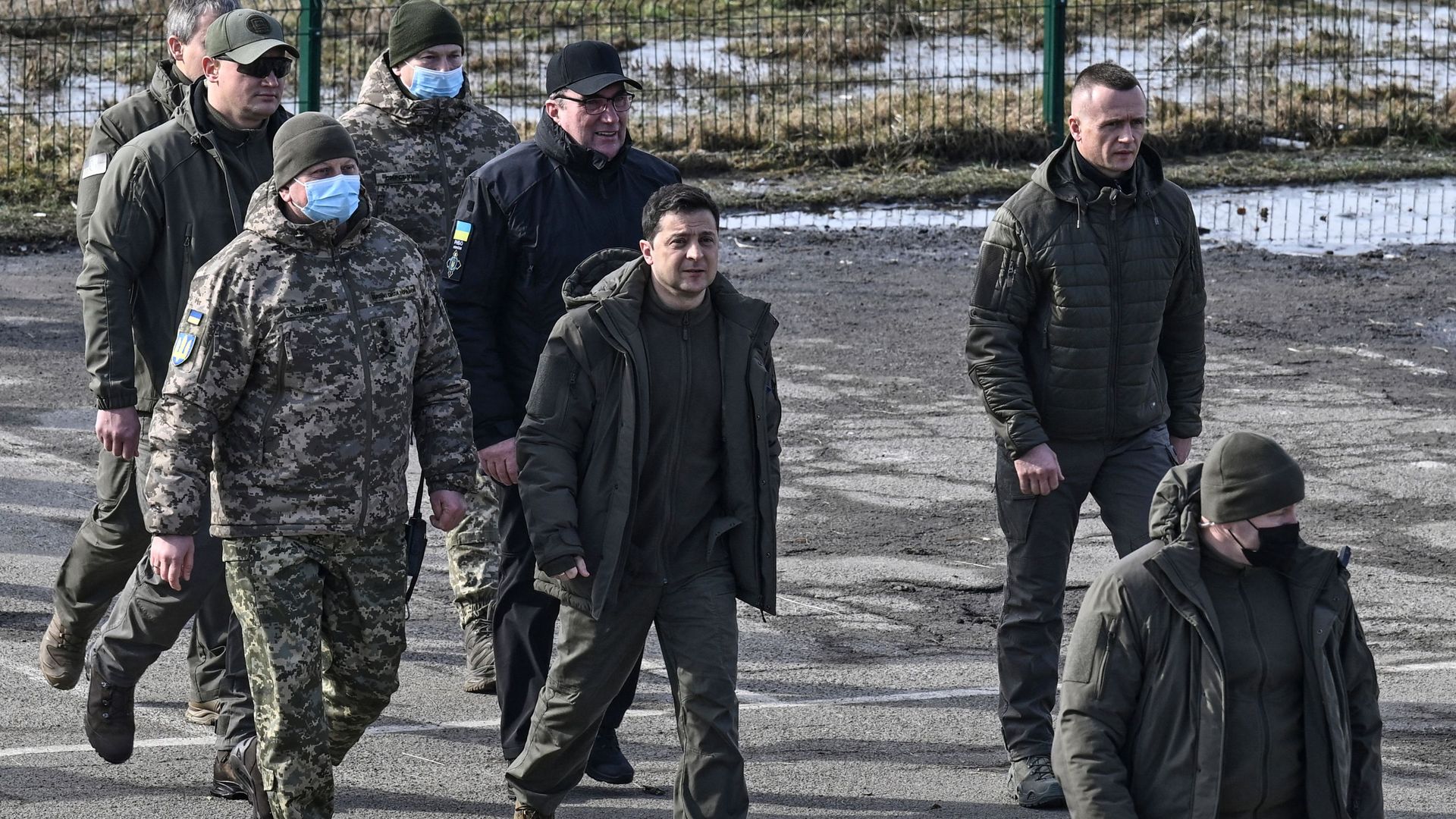
Ahead of a possible large-scale Russian invasion, Ukraine's government has moved to introduce a 30-day state of emergency, call up military reservists between the ages of 18 and 60 and allow ordinary civilians to carry firearms.
Why it matters: Ukrainian President Volodymyr Zelensky said Tuesday that he does not expect an "all-out war against Ukraine" but that he will "put Ukraine on a war footing" if there is a "broad escalation" from Russia. [Latest updates on Russia-Ukraine crisis.]
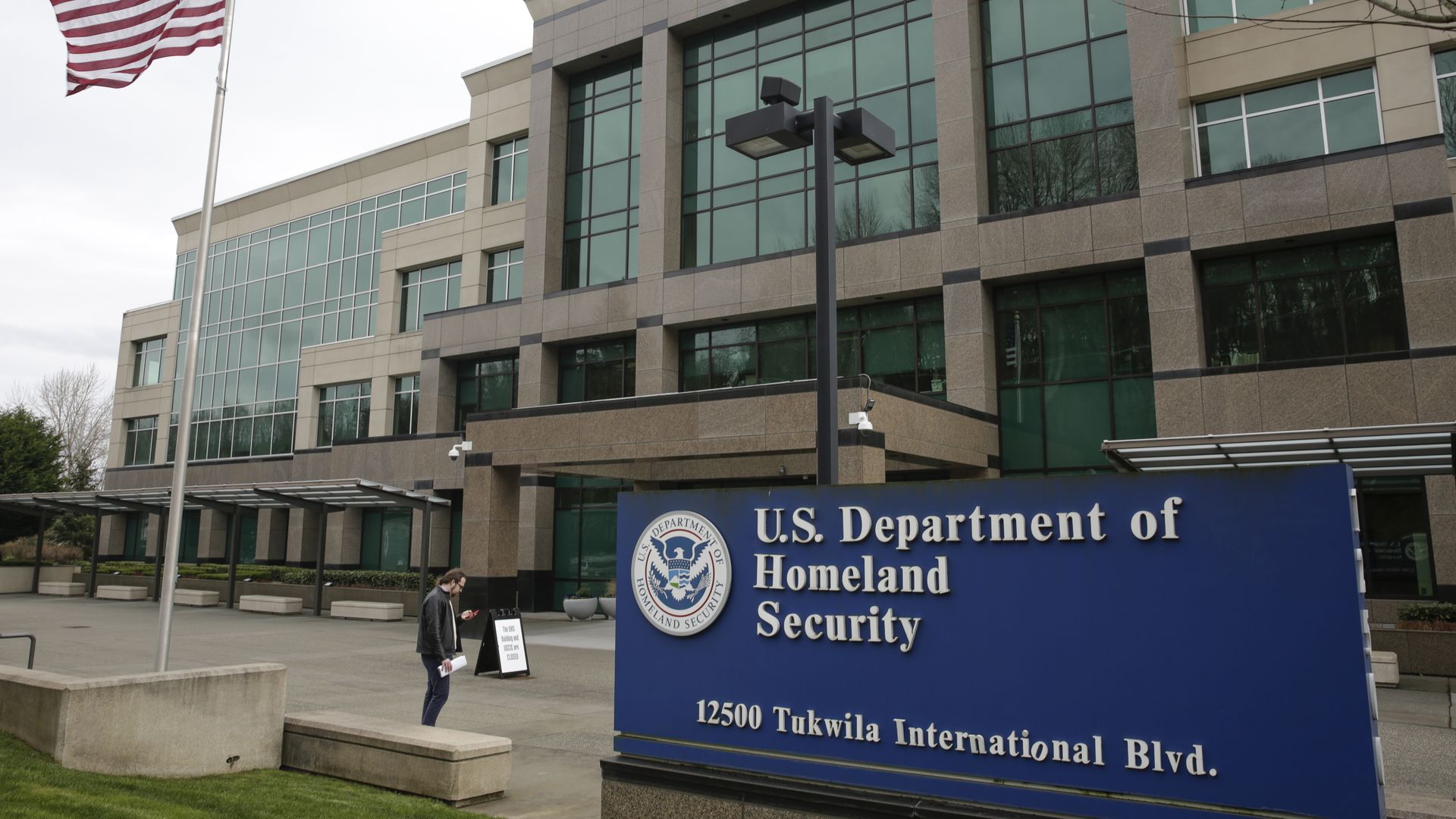
The Department of Homeland Security warned on Tuesday that U.S. organizations at all levels could face cyber threats stemming from "the potential for the Russian government to consider escalating its destabilizing actions" beyond Ukraine.
Driving the news: As part of what it's calling, "Shields Up," the Cybersecurity and Infrastructure Security Agency is encouraging businesses, agencies and other organizations to make sure their "most critical digital assets" are protected.
Russia's talk of invading Ukraine has now captured America's attention, although residents in some congressional districts are paying closer attention than others, according to new Google Trends data and analysis.
Why it matters:Some Republicans criticized President Biden on Tuesday for not taking stronger actions. Some Democrats have largely supported his focus on diplomacy. It's unclear how much the issue will affect the midterms in November — but right now, interest among potential voters is growing.
Written statements supplanted hallway interviews on Tuesday, as members of Congress reacted to Russia’s invasion of Ukraine while scattered across the country and around the world.
Why it matters: The Senate began its recess last week without taking action on a package of proposed Russian sanctions. Now, the House and Senate are effectively consigned to watching and waiting for the next steps taken by Russian President Vladimir Putin and President Biden.
Ukrainian President Volodymyr Zelensky sees President Biden's announcement of tougher sanctions against Russia as "a powerful first step" — though he's not starry-eyed about them changing Vladimir Putin's calculus, people close to Zelensky tell Axios.
Why it matters: Zelensky has previously criticized Biden for being too soft on the Russian president. This included an extraordinary interview with Axios in June that infuriated the administration and strained the bilateral relationship.