Israeli cyber intelligence company NSO asked the Israeli government for assistance in trying to lift sanctions imposed by the U.S. Department of Commerce, according to a letter obtained by Axios.
Why it matters: The department's decision last week to black list NSO for engaging in activities contrary to the national security or foreign policy interests of the United States was the first time the U.S. government has targeted Israeli cyber companies, which receive their export licenses from the Israeli Ministry of Defense.
President Biden signed into law Thursday a bill that requires the Federal Communications Commission (FCC) to secure telecommunications systems against potential foreign threats to national security.
Why it matters: In recent years, lawmakers have increasingly voiced concerns about Chinese telecom giants' operations in the U.S., and possible surveillance by the Chinese government.
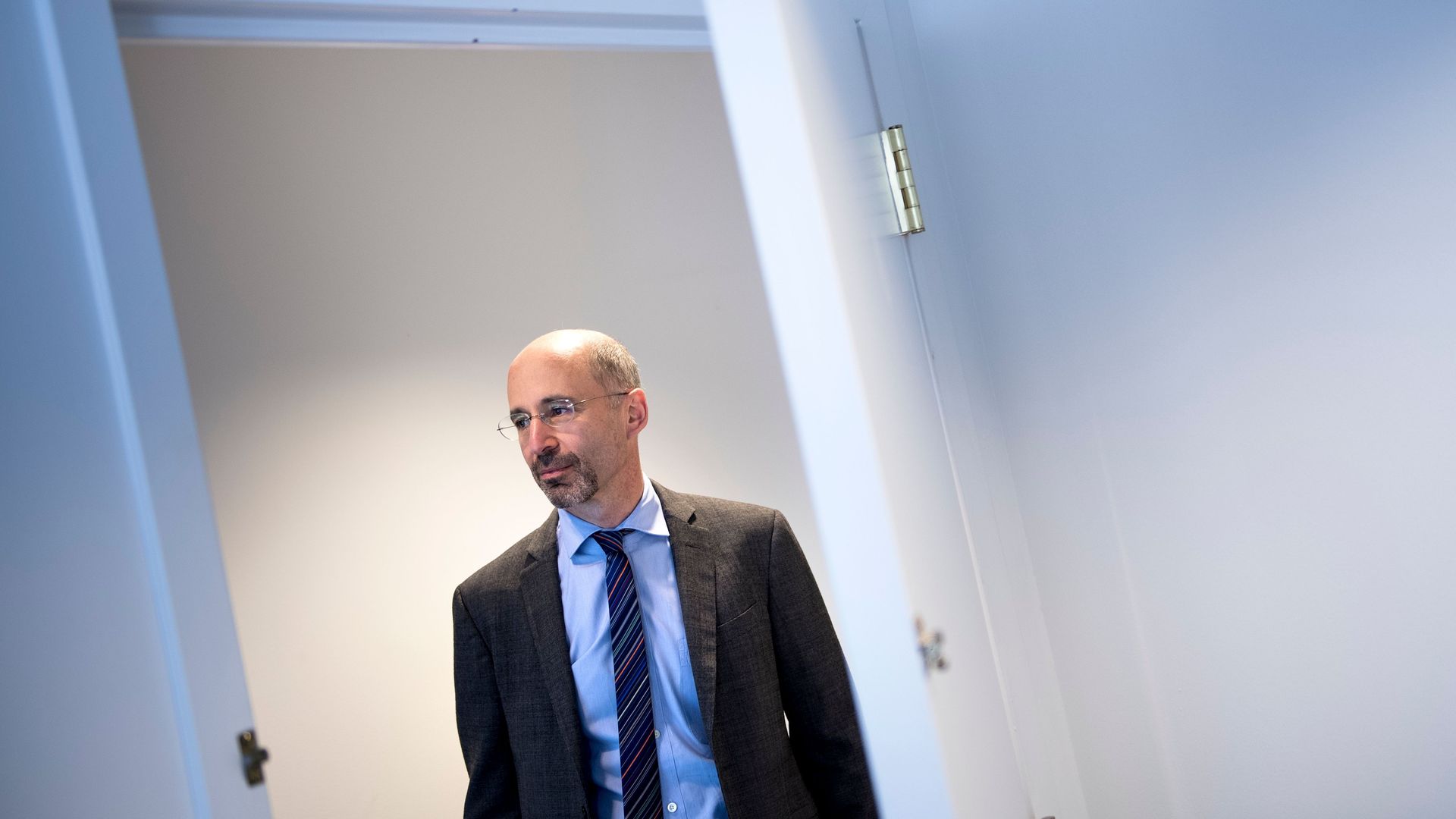
The Biden administration’s Iran envoy, Rob Malley, is traveling to the Middle East for a wide-ranging round of consultation with U.S. allies ahead of the resumption of the indirect nuclear talks with Iran, the State Department said.
Why it matters: Israel and the Gulf states are concerned about the latest advances in Iran’s nuclear program and its aggressive regional activity.
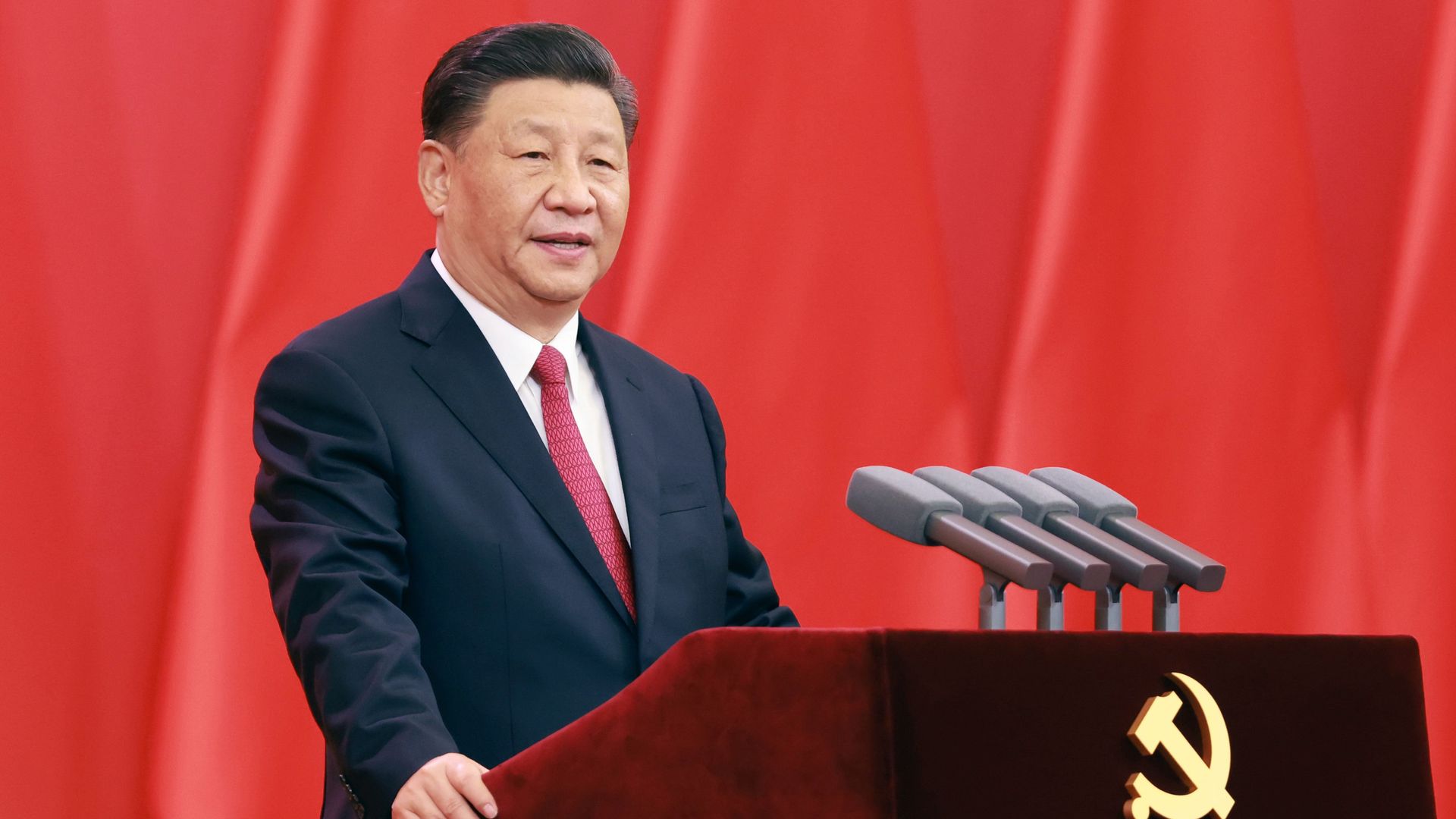
Top members of the Chinese Communist Party in a closed-door meeting in Beijing Thursday adopted a resolution on the party's history that exalted President Xi Jinping as a historical leader of the country.
Why it matters, via Axios' Bethany Allen-Ebrahimian: The high-level meeting, occurring in the same year as the CCP's 100th anniversary, has further solidified Xi’s supremacy and paved the way for him to assume an unprecedented third term at the party congress next year.
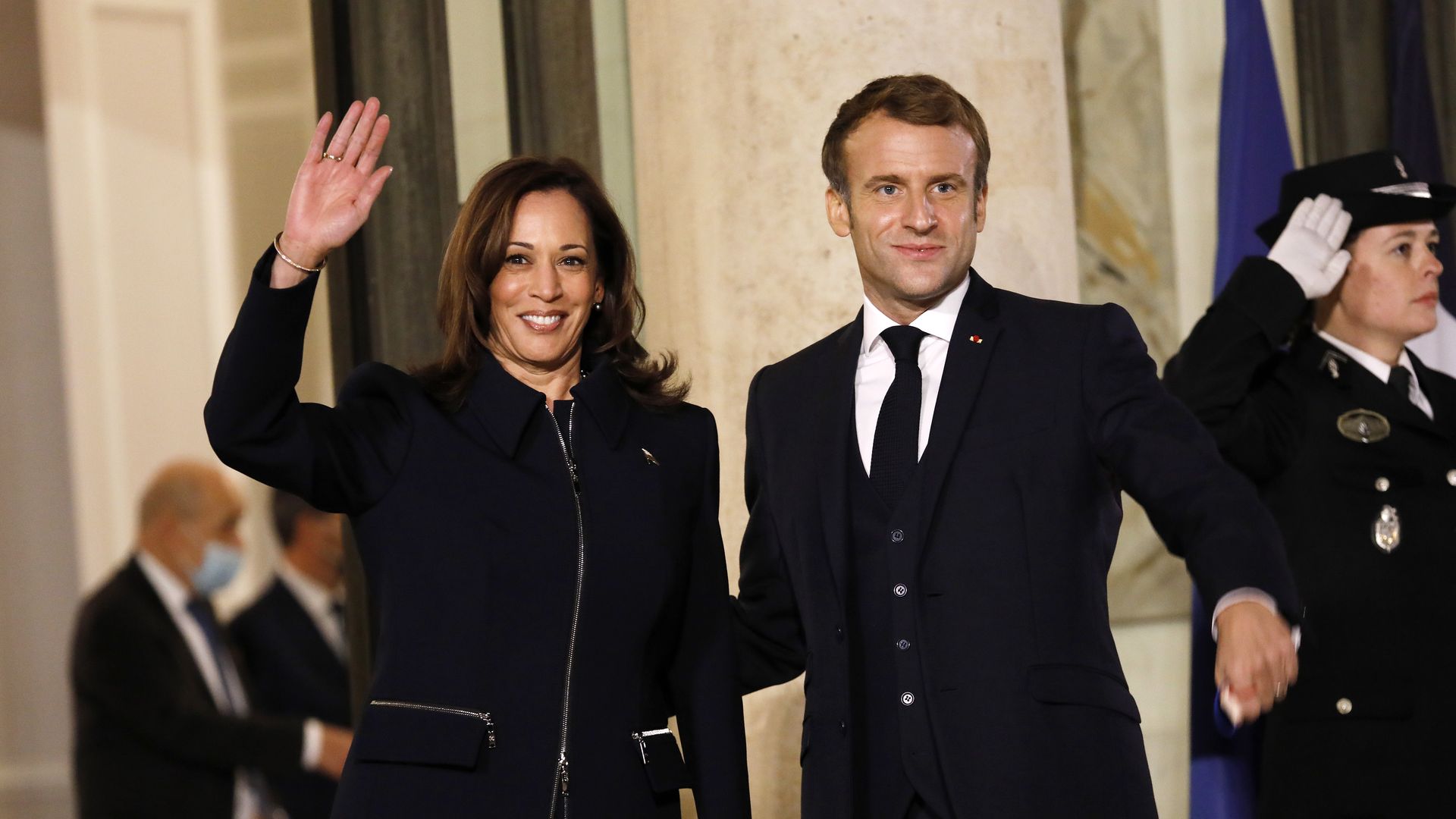
The U.S. is now part of an international agreement on cybersecurity that the Trump administration declined to sign up for, Vice President Kamala Harris announced in Paris Wednesday.
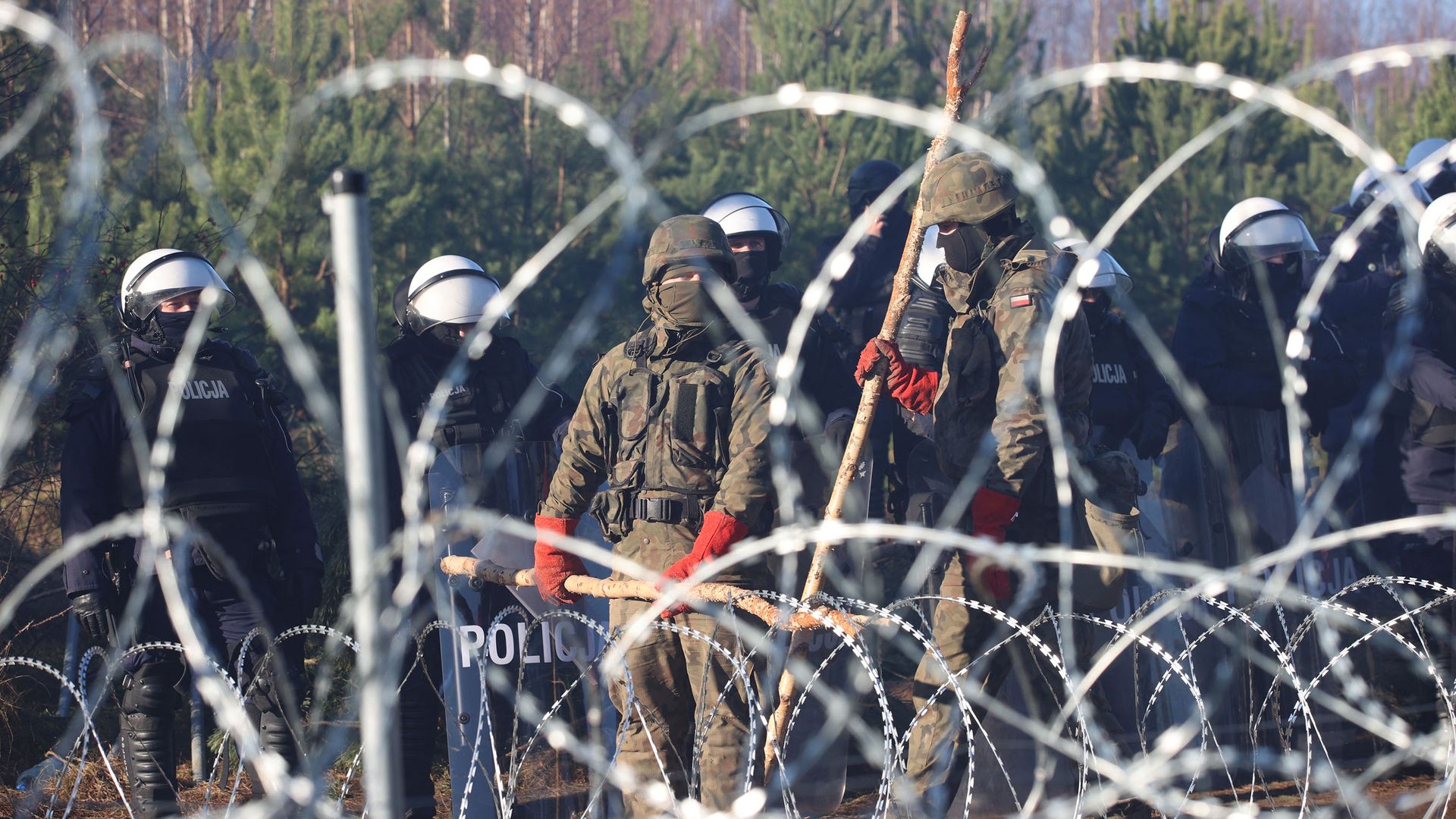
European leaders have accused the dictator of Belarus of funneling hundreds of Middle Eastern migrants to the borders of Poland, Latvia and Lithuania, creating scenes of chaos and desperation on the EU's eastern front.
Why it matters: Experts and Western officials say Alexander Lukashenko is manufacturing a humanitarian crisis that is testing Europe and its American allies with the kind of "gray zone" warfare long practiced by Russian President Vladimir Putin.
Two events over the past week — an attempted drone assassination and a partially engineered migrant crisis — show the changing nature of conflicts.
Why it matters: Outright wars between states remain extremely rare, but new technologies and strategies are enabling countries and groups to wage conflict by other, hybrid means.
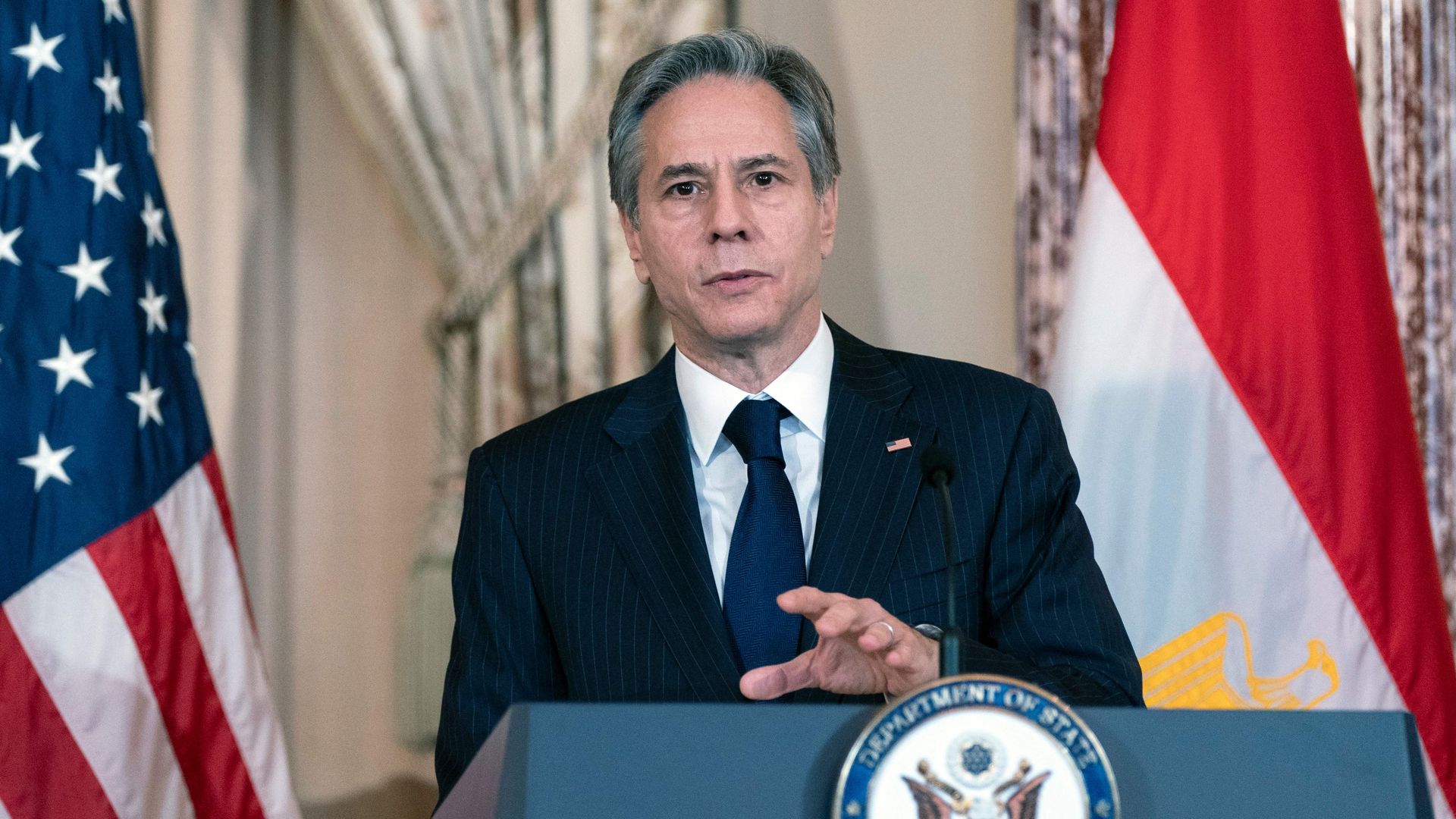
Secretary of State Antony Blinken said during a press briefing with Ukraine Foreign Minister Dmytro Kuleba Wednesday that the U.S. is "concerned" Russia may try" to rehash" its 2014 invasion of Ukraine, noting that "any escalatory or aggressive actions would be of grave concern" to the U.S.
What he's saying: "We're concerned by reports of unusual Russian military activity near Ukraine," Blinken said. "We're monitoring the region very closely."
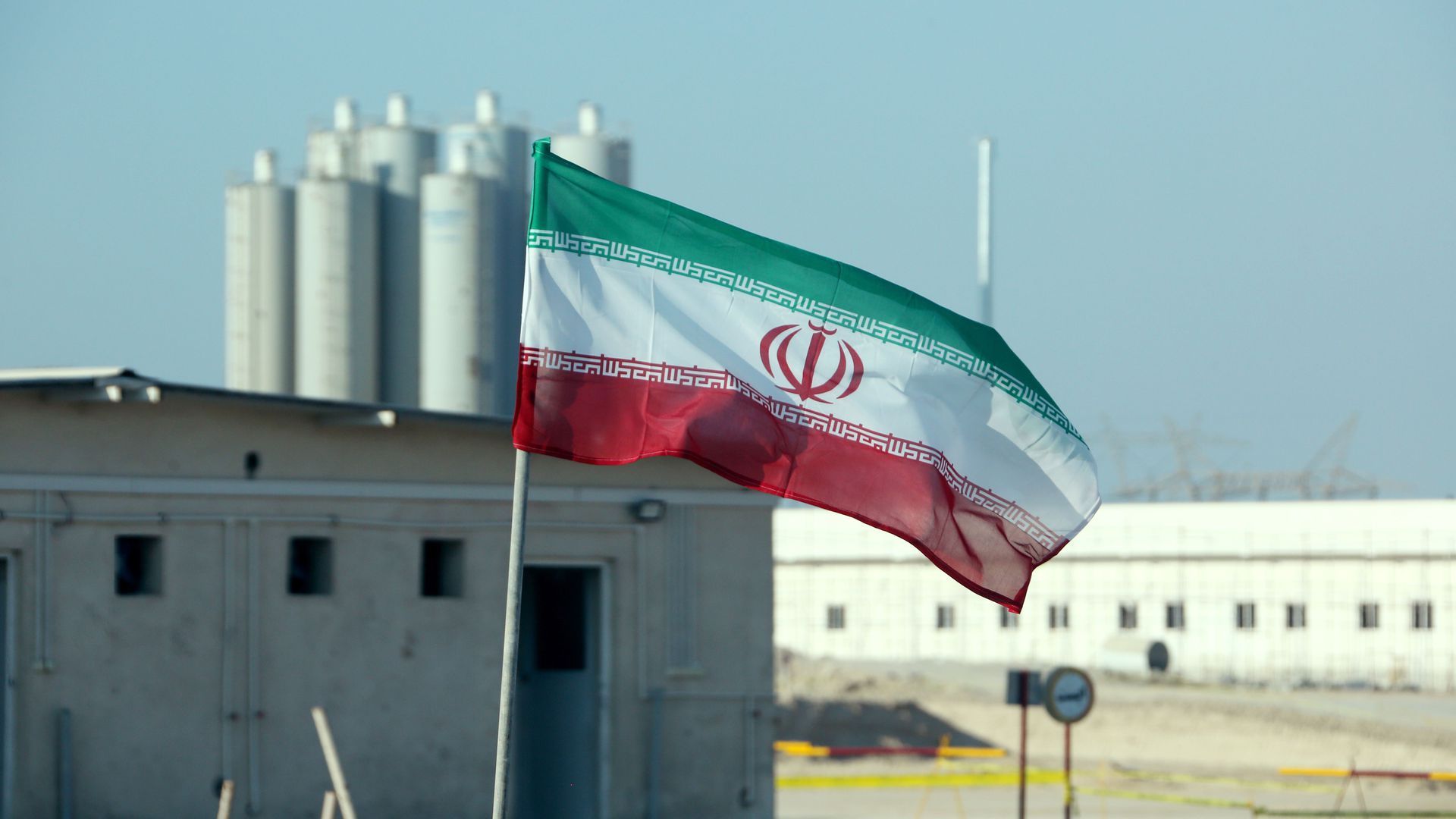
Less than three weeks before indirect negotiations are set to resume between the U.S. and Iran about a possible return to the 2015 nuclear deal, Iran is holding talks with other signatories to the agreement to try to set the stage for the new round of negotiations.
Why it matters: The talks on Nov. 29 in Vienna will be the seventh round of negotiations since President Biden assumed office and the first round since Ebrahim Raisi was inaugurated as president of Iran.
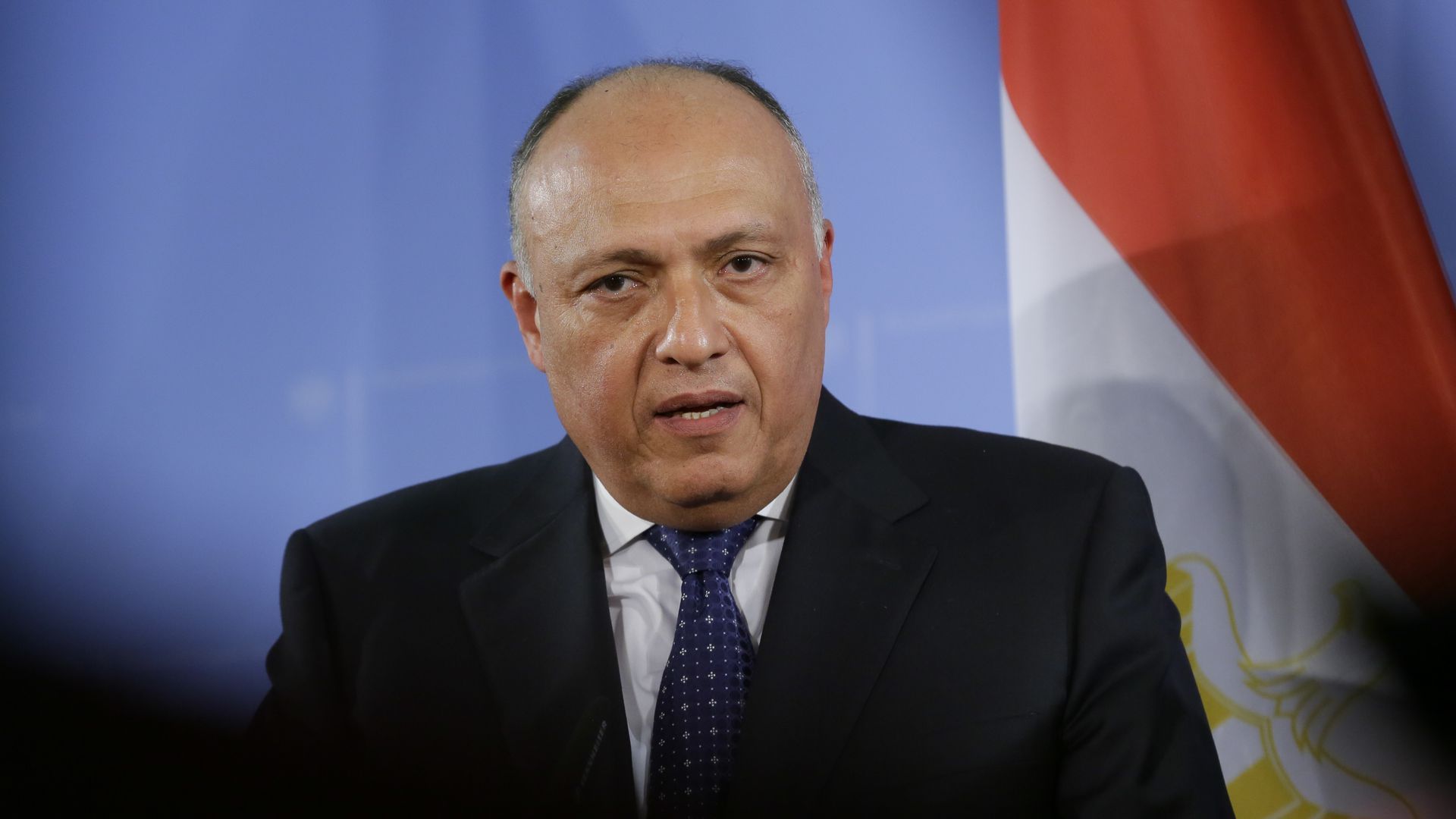
Egypt and the U.S. are working to decrease friction between the countries around human rights issues, Egyptian Foreign Minister Sameh Shoukry told a group of representatives from several American Jewish organizations in a closed meeting in Washington on Tuesday, people who attended the meeting told me.
Why it matters: U.S. criticism of Egypt's human rights record cooled relations between the two countries early in the Biden administration. Egypt played a key role in establishing a ceasefire in the Gaza strip in May, but human rights remains a sticking point in the strategic partnership between Egypt and the U.S.
The Biden administration finds itself stuck between its pledge to the Palestinians to reopen the U.S. Consulate in Jerusalem and strong Israeli government opposition to this move.
Why it matters: Any decision by the Biden administration on this issue is likely to anger either Israel or the Palestinians and lead to tensions.
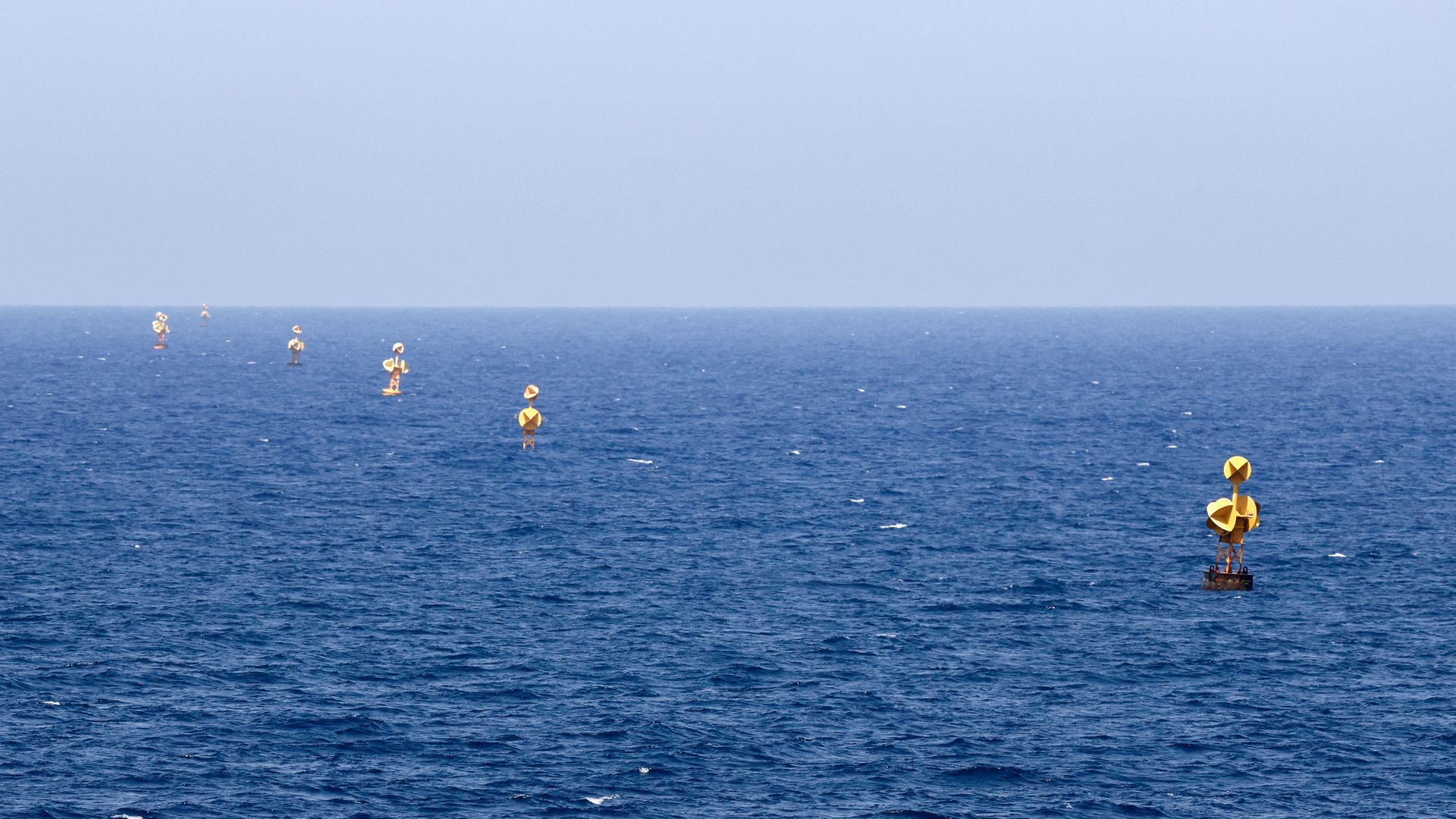
The U.S. mediator in the maritime border dispute between Israel and Lebanon told the parties if they can’t get an agreement before the March 2022 parliamentary election in Lebanon, he will stop dealing with the issue, Israeli officials said.
Why it matters: The direct message from U.S. energy envoy Amos Hochstein seems to be aimed at making it clear to the parties they will have to make compromises.
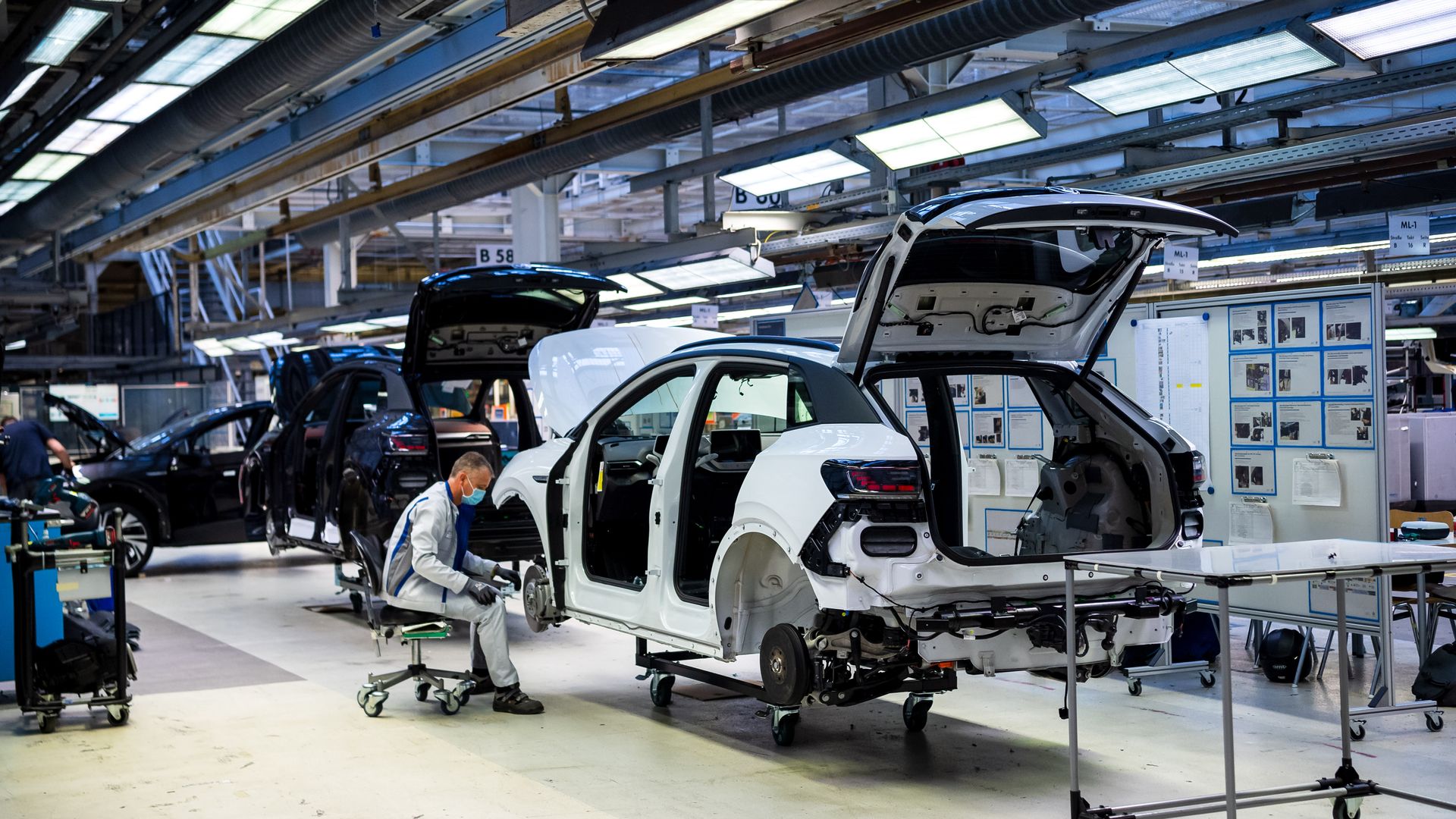
The latest big COP26 pledge aims to greatly speed the transition to electric vehicles, but it has split the auto industry and lacks buy-in from key countries.
Driving the news: The nonbinding commitment from a suite of companies, nations, cities and others calls for all car and van sales to be zero-emissions globally by 2040, and by 2035 in "leading markets."
Since China Evergrande began flaking on debt payments in September, the world’s focus has turned from whether its collapse represents a Lehman Brothers-like moment of systemic peril (it doesn’t) — to whether China’s whole property sector is set for a string of defaults (it probably is).
Why it matters: Lehman or not, the Federal Reserve warned this week that financial fallout from China’s real estate shakeout “could pose some risks to the U.S. financial system.”
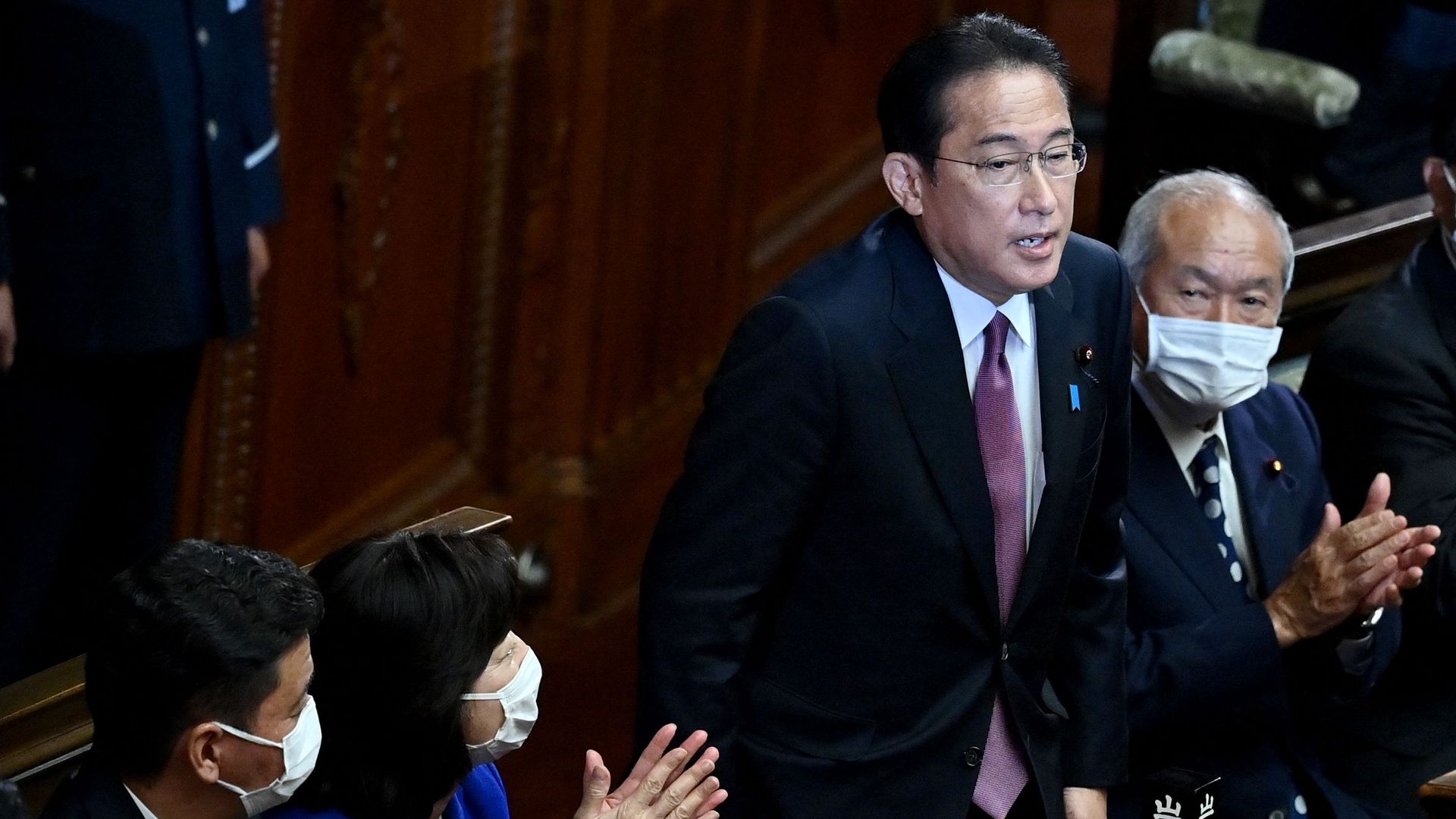
Fumio Kishida was re-elected as Japan's prime minister Wednesday in a parliamentary session after his ruling Liberal Democratic Party (LDP) won a majority in the House of Representatives election, per AP.
Why it matters: The 261 seats the LDP won in the 465-member lower house at the Oct. 31 election puts Kishida in a more powerful position, as he prepares to protect Japan from a potential COVID-19 resurgence while trying to revive the world's third-largest economy and working with the U.S. and other allies to address security threats.











/2021/11/10/1636547553668.gif?w=3840)