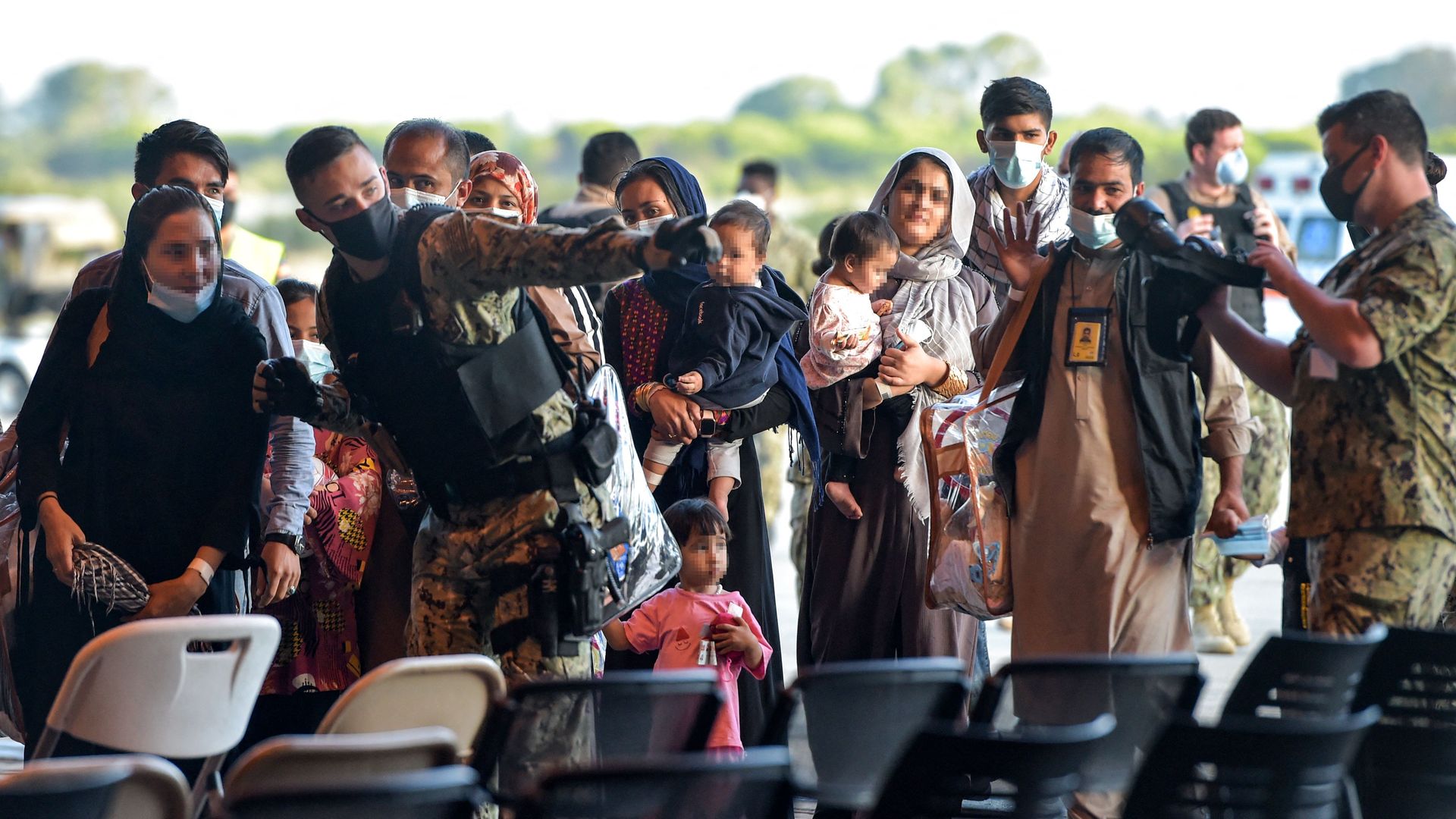
Roughly half of the Afghan refugees housed temporarily at U.S. military bases are children under the age of 18, according to a letter from Defense Secretary Lloyd Austin to Sen. James Inhofe obtained by Axios.
Why it matters: This is among the many challenges when it comes to the government's Afghan resettlement effort.
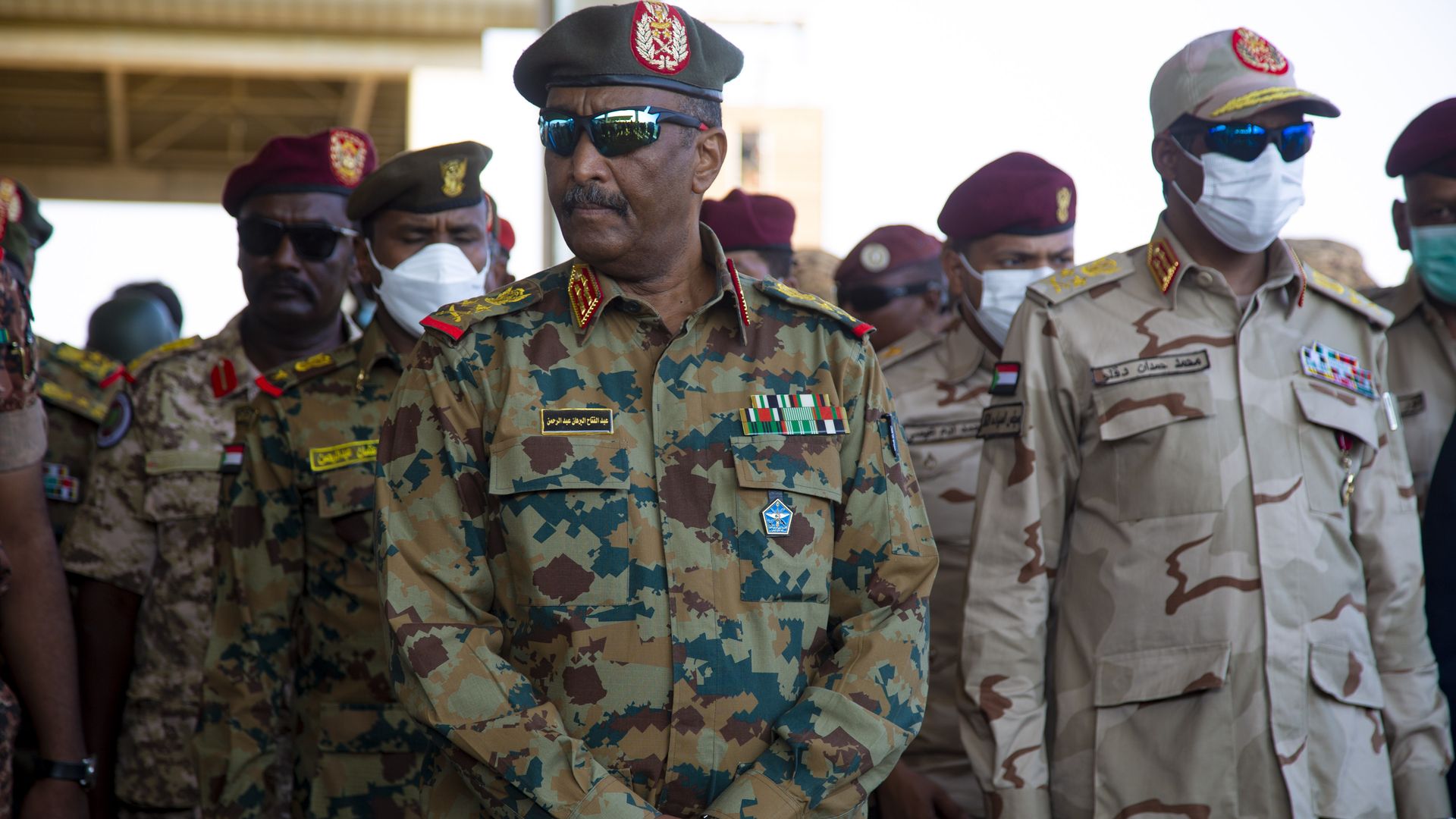
One of the most outspoken and high-profile civilian members of Sudan’s Transitional Sovereign Council (TSC), Mohamed Elfaki Suleiman, said in an interview that the military faction of the council wants to create a government it can control without staging a coup.
Why it matters: Sudan is facing a political crisis 2½ years after the fall of dictator Omar al-Bashir. Thousands took to the streets over the weekend to urge the military to take power, while anti-military demonstrations are planned for Thursday. The protests come just three weeks after a failed coup that the government blamed on Bashir loyalists.
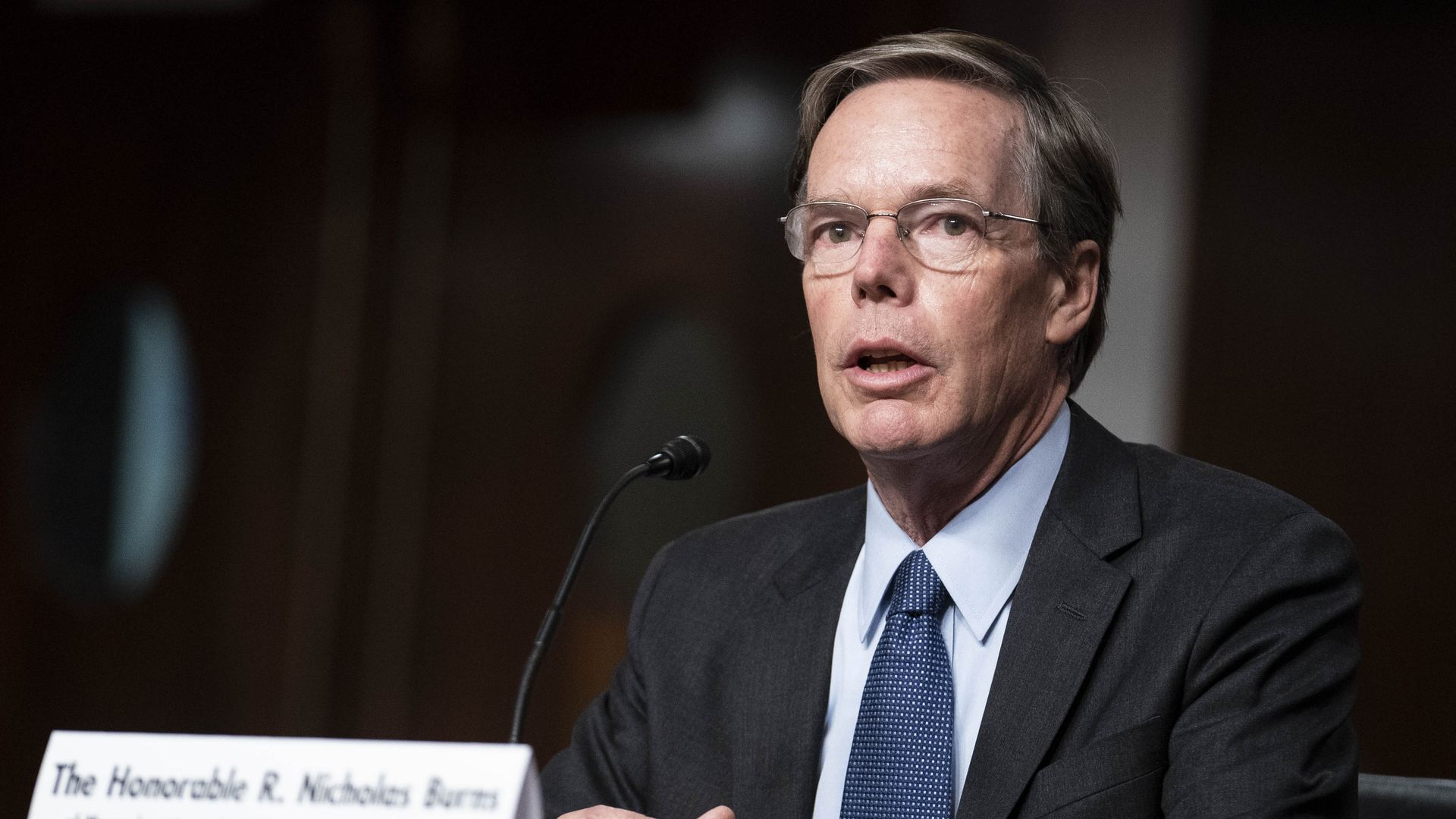
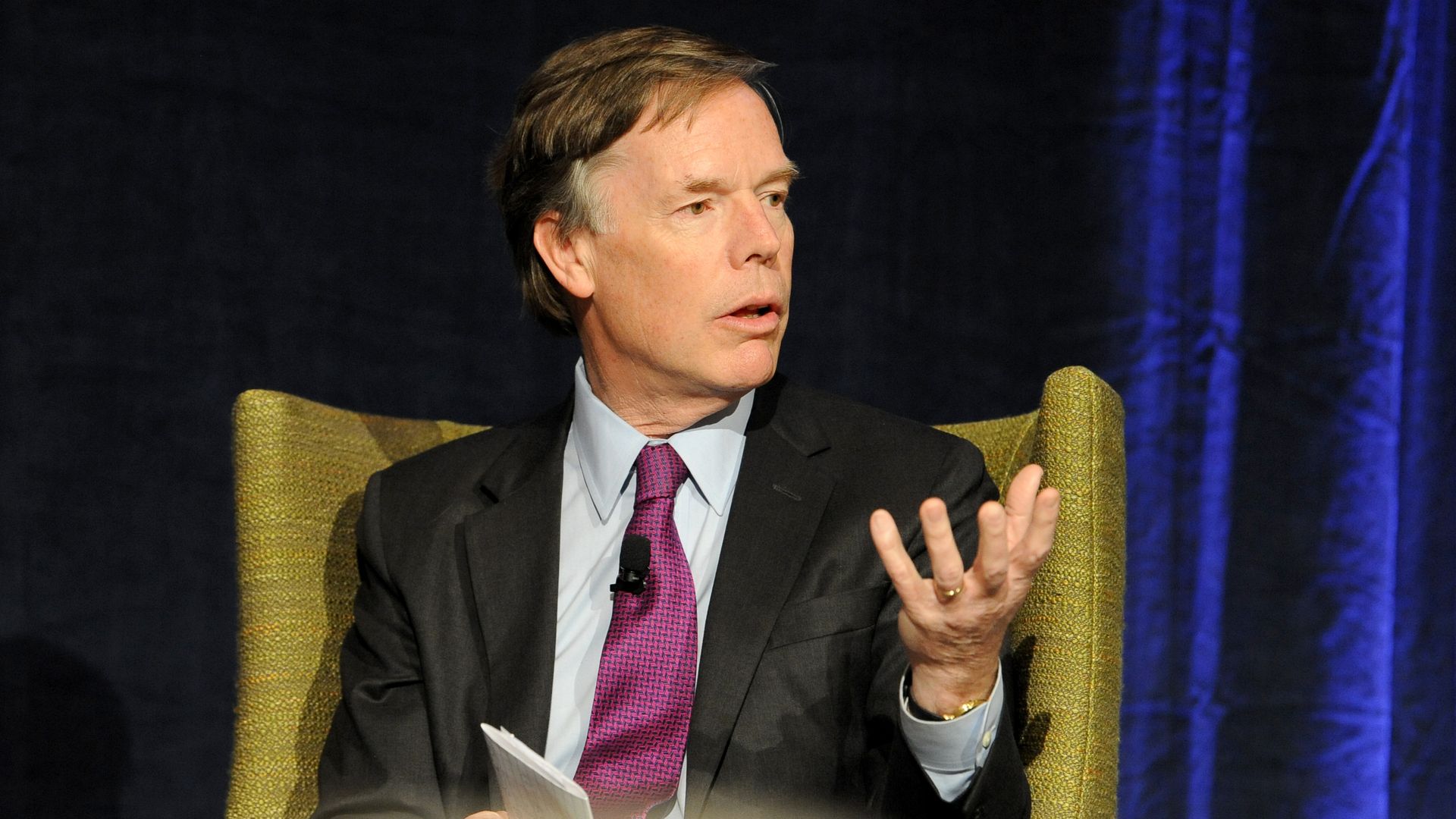
President Biden's nominee to serve as ambassador to China delivered a stark assessment of the challenges the U.S. faces in confronting Beijing, but stressed that the rising superpower is "not all-powerful" and the West retains "substantial" advantages.
The big picture: Nicholas Burns, a retired career diplomat and former U.S. ambassador to NATO, used his confirmation hearing Wednesday to echo the growing bipartisan consensus that China poses "the greatest threat to the security of our country and the democratic world" in the 21st century.
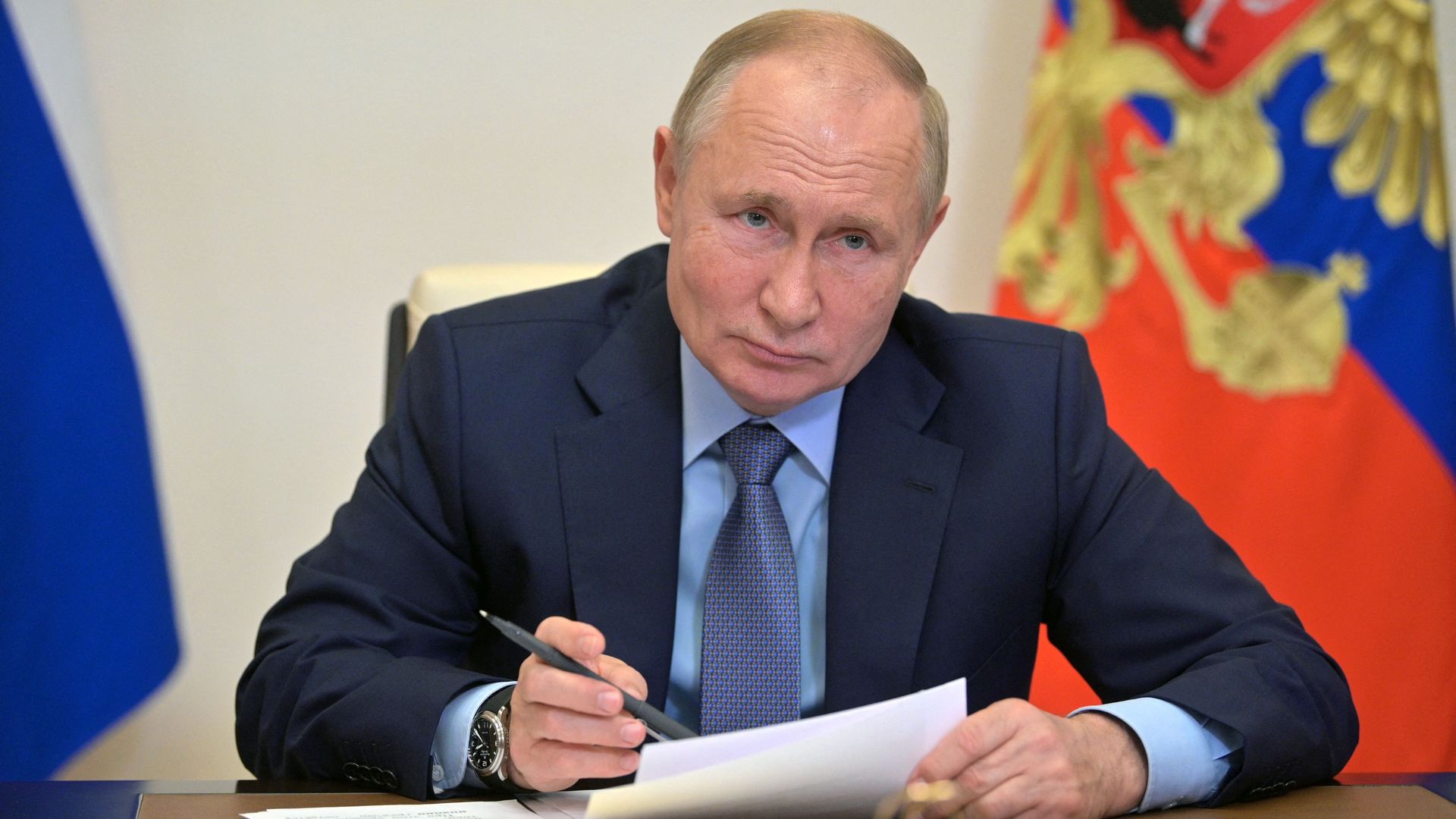
The Kremlin said Wednesday that Russian President Putin will not travel to the United Nations climate summit that starts in Glasgow, Scotland, on Oct. 31 but will take part remotely while other representatives attend in person, according to Reuters.
Why it matters: A lack of a physical appearance from the leader of the fourth largest carbon dioxide-emitting country in the world would be a blow to the crucial climate talks.
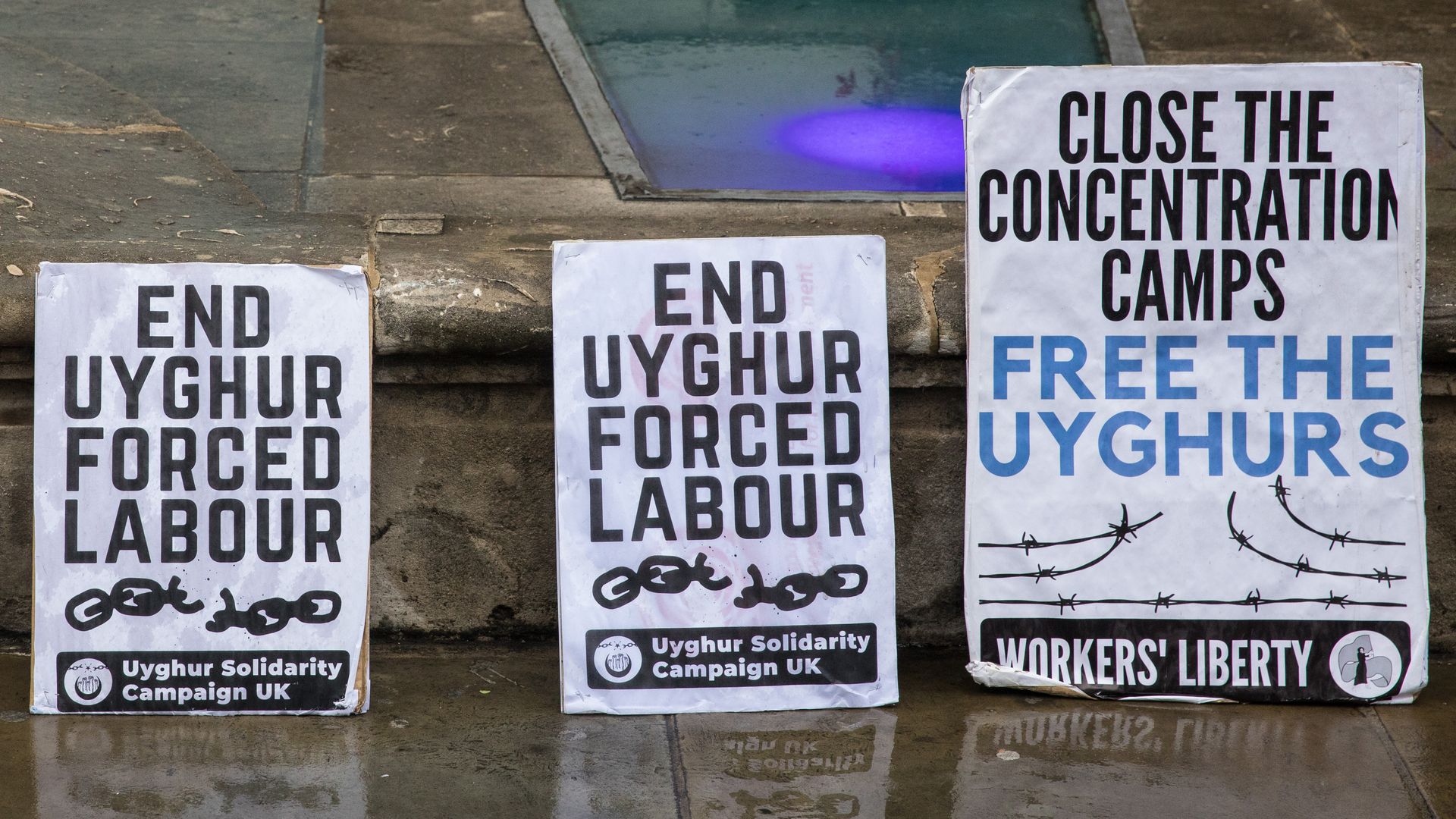
A trio of bipartisan senators sent a letter to Universal Electronics demanding the Nasdaq-listed company provide details on an alleged deal it struck with Chinese authorities to transport hundreds of Uyghur workers from Xinjiang to a plant in southern China.
Why it matters: The U.S. government has warned that businesses with supply chains and investments in Xinjiang, where China is accused of carrying out a genocide against Uyghur and other Muslim minorities, run a "high risk" of violating U.S. laws on forced labor.
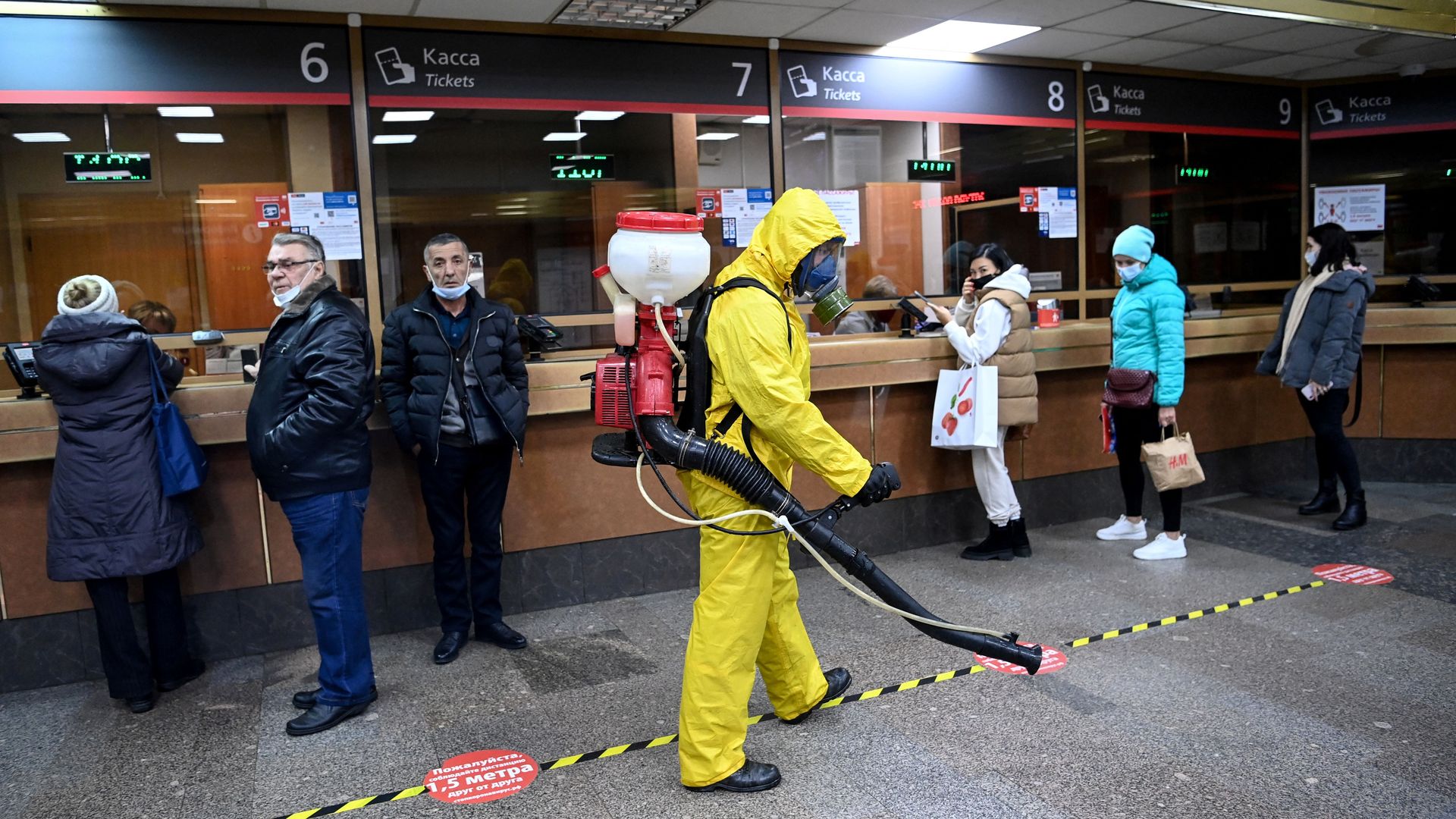
Russian President Vladimir Putin on Wednesday supported a proposal to institute a non-working week to curb record high coronavirus deaths, AP reports.
Driving the news: Putin said Wednesday that he backs a non-working period, where workers will stay at home, beginning Oct. 30 and continuing through the following week, when four of seven days are already state holidays, per AP.
It was easy — far too easy — for Andrew Pearse, a Credit Suisse banker, to negotiate $45 million of kickbacks for himself as part of a deeply corrupt series of loan and bond issues in Mozambique.
Driving the news: That's the verdict of a major international fraud investigation that culminated Tuesday in the Swiss bank paying some $475 million in fines.
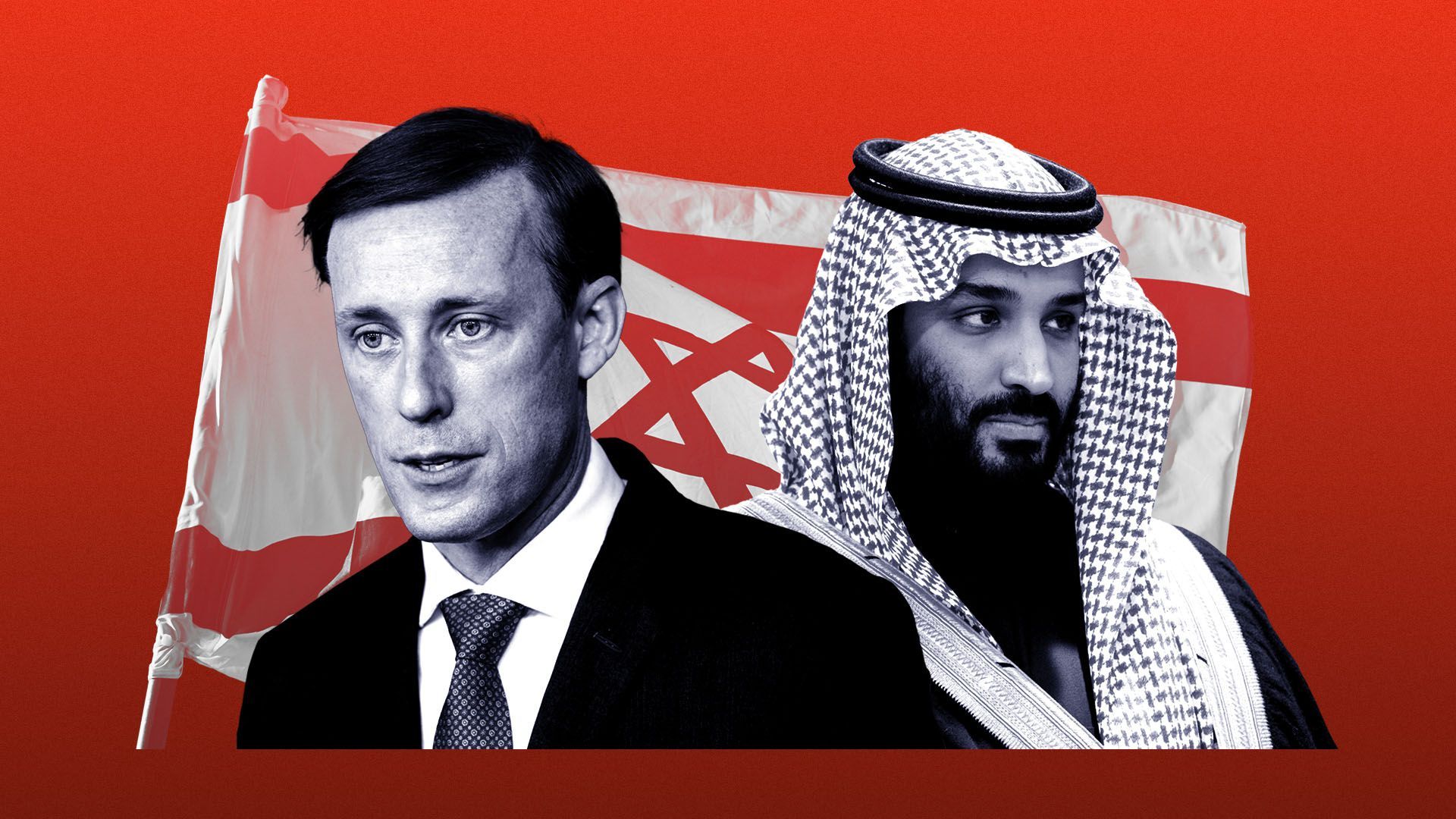
White House national security adviser Jake Sullivan raised normalization with Israel during his recent meeting with Saudi Crown Prince Mohammed bin Salman, three U.S. and Arab sources tell Axios.
Why it matters: Saudi Arabia would be the biggest regional player to sign onto the "Abraham Accords" peace agreement with Israel, and such a major breakthrough would likely convince other Arab and Muslim countries to follow suit.
The Bill & Melinda Gates Foundation said Wednesday it will funnel up to $120 million worth of molnupiravir, an experimental antiviral COVID-19 treatment from Merck, to lower-income countries.
Why it matters: The foundation and others see the antiviral pill's promising results against severe COVID-19 and easy distribution as a way to target countries with low vaccination rates.
At least 13 people died in Damascus when two roadside bombs exploded near a bus carrying Syrian troops on Wednesday, state media reported.
Why it matters: It's the deadliest attack in Syria's capital for years. Blasts have been rare since President Bashar al-Assad's forces recaptured areas previously held by opposition fighters in the country's decadelong conflict, per AP, which notes no one immediately claimed responsibility for the blast.
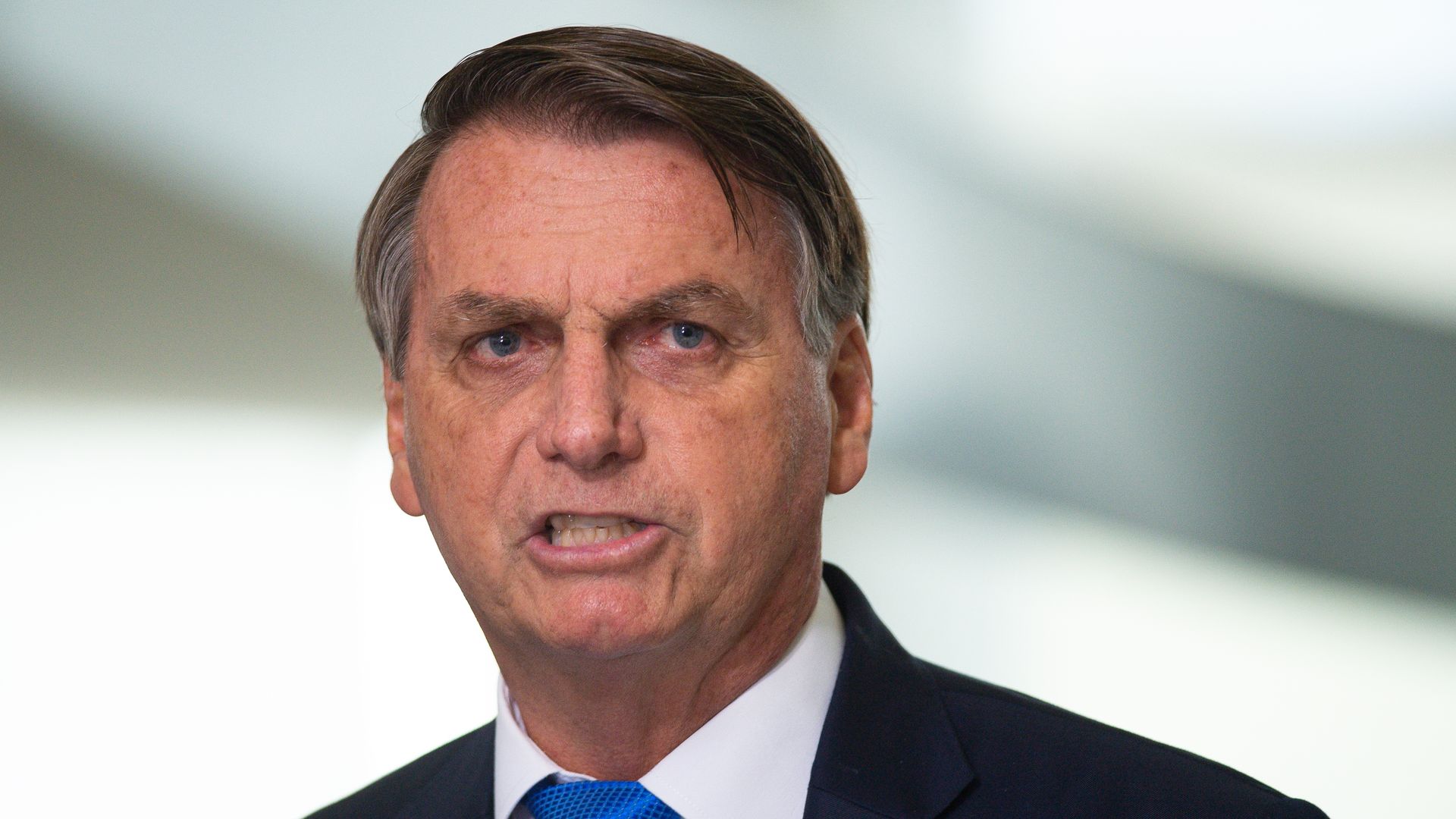
The latest: The lawmakers initially said Bolsonaro should be charged with mass homicide and genocide, but they updated the report to replace these recommendations with the new charge, its lead author, Sen. Renan Calheiros, told the NYT.
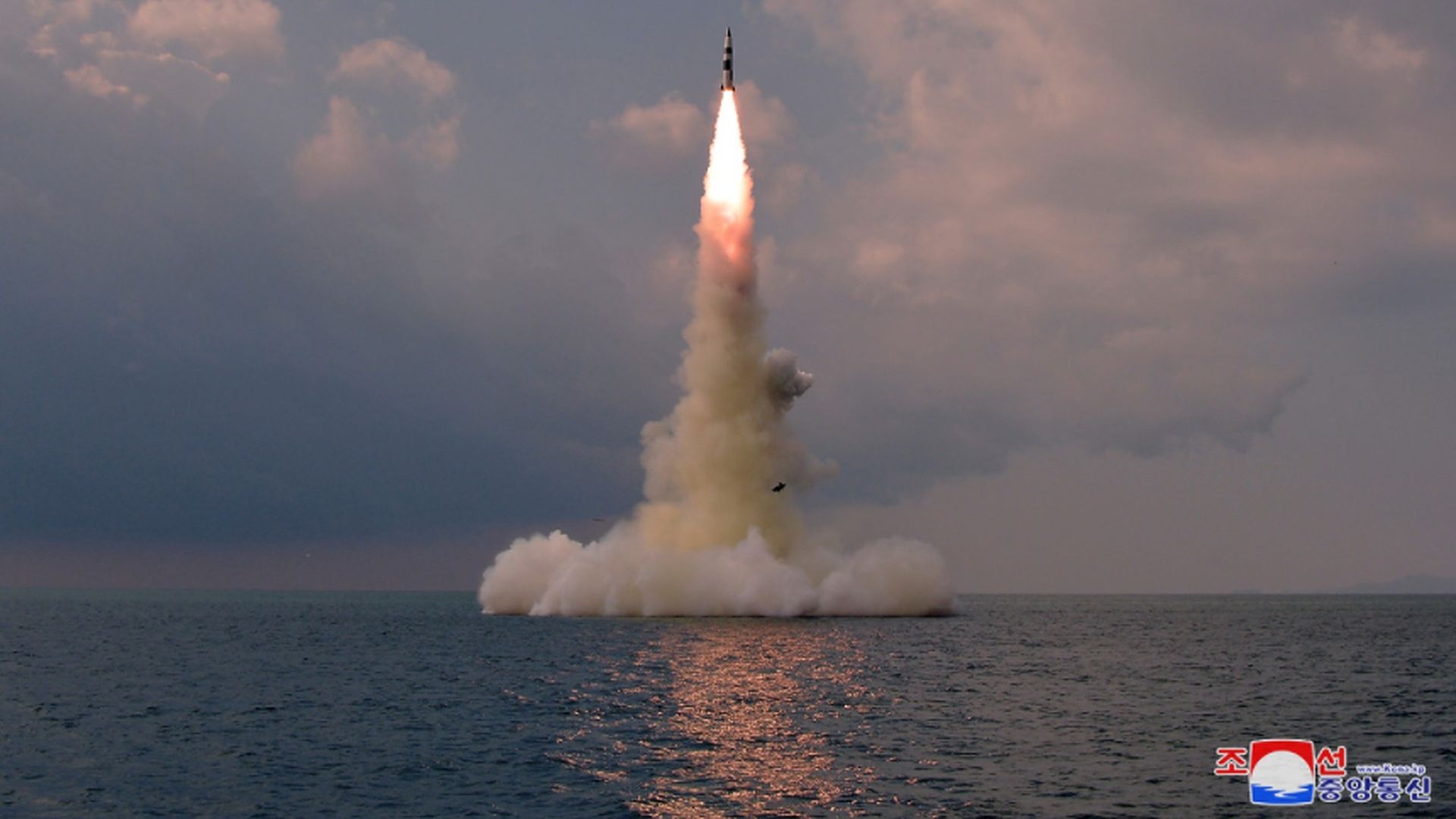
North Korean state media announced that a detected ballistic missile launch off its east coast on Tuesday was a newly developed weapon test-fired from a submarine.
Why it matters: Pyongyang's latest in a series of recent missile launches into the sea happened hours after U.S. officials emphasized their commitment to restart negotiations on North Korea's nuclear weapons program, which have stalled since talks broke down during the Trump administration, AP notes.
A top U.S. communications regulator is moving to officially brand DJI — China's largest commercial drone manufacturer — a national security threat.
Why it matters: The action by Federal Communications Commissioner Brendan Carr is the latest policy escalation targeting a major Chinese tech firm. "We do not need an airborne version of Huawei," Carr said in a statement, referring to the Chinese telecommunications company added to the FCC's Covered List in 2019.
President Biden's nominee for ambassador to China will face aggressive questioning Wednesday about the most important, and potentially perilous, bilateral relationship in the world.
Why it matters: While Nick Burns is an experienced diplomat with support on both sides of the aisle, lawmakers want to use his confirmation hearing to force the administration into some tough positions on China.