The Biden administration is rethinking the U.S. approach to sanctions after four years of Donald Trump imposing and escalating them.
The big picture: Sanctions are among the most powerful tools the U.S. has to influence its adversaries’ behavior without using force. But they frequently fail to bring down regimes or moderate their behavior, and they can increase the suffering of civilians and resentment of the U.S.
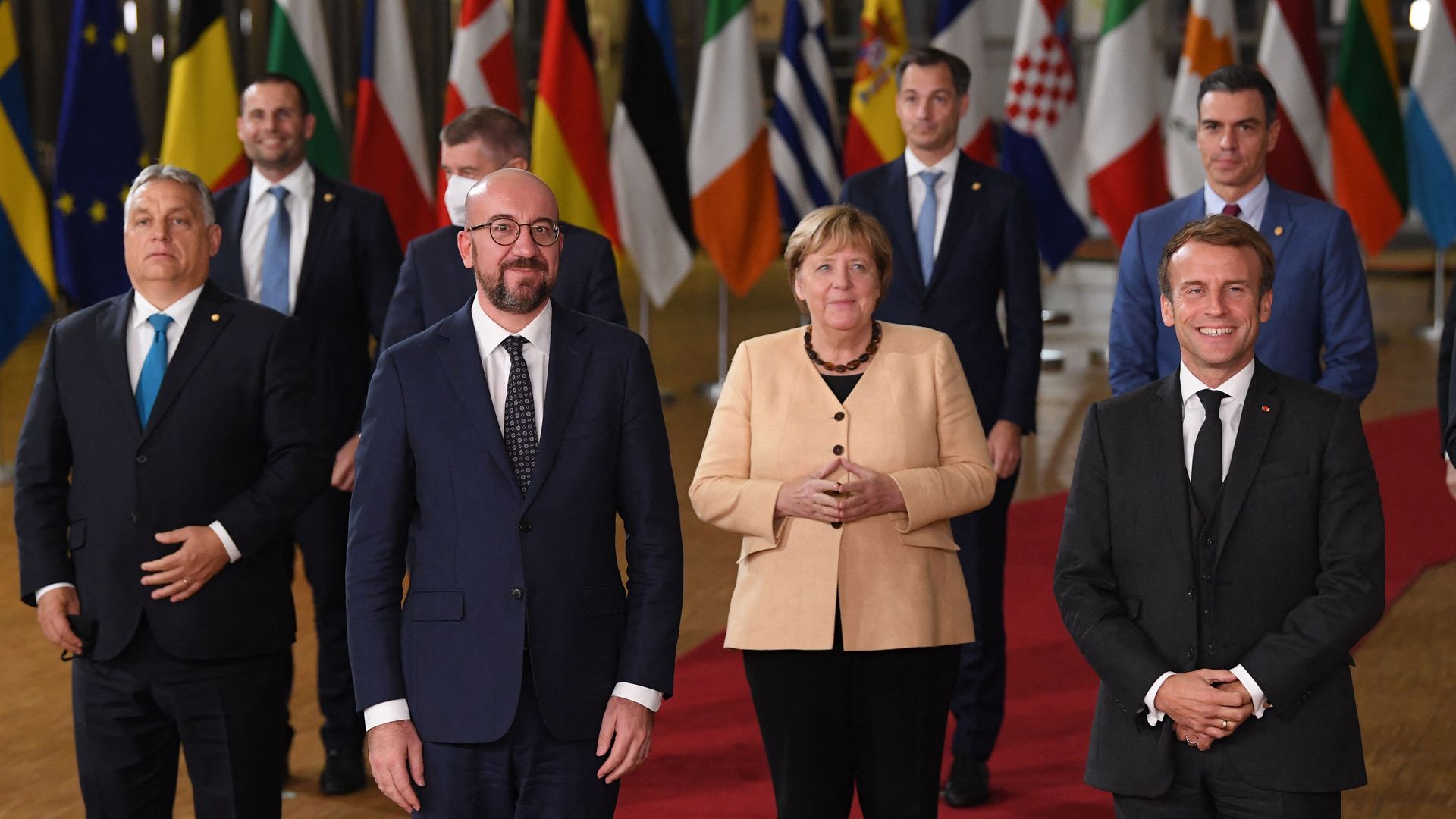
Angela Merkel took up her vaunted mantle as Europe's crisis manager for what could be the last time tonight, as she urged the EU to find compromise in its showdown with Poland.
Why it matters: The European Commission has threatened to withhold over $40 billion in pandemic recovery funds after Poland's constitutional tribunal — stacked with loyalists from the ruling right-wing populist party — rejected the principle that EU law has primacy over national law.
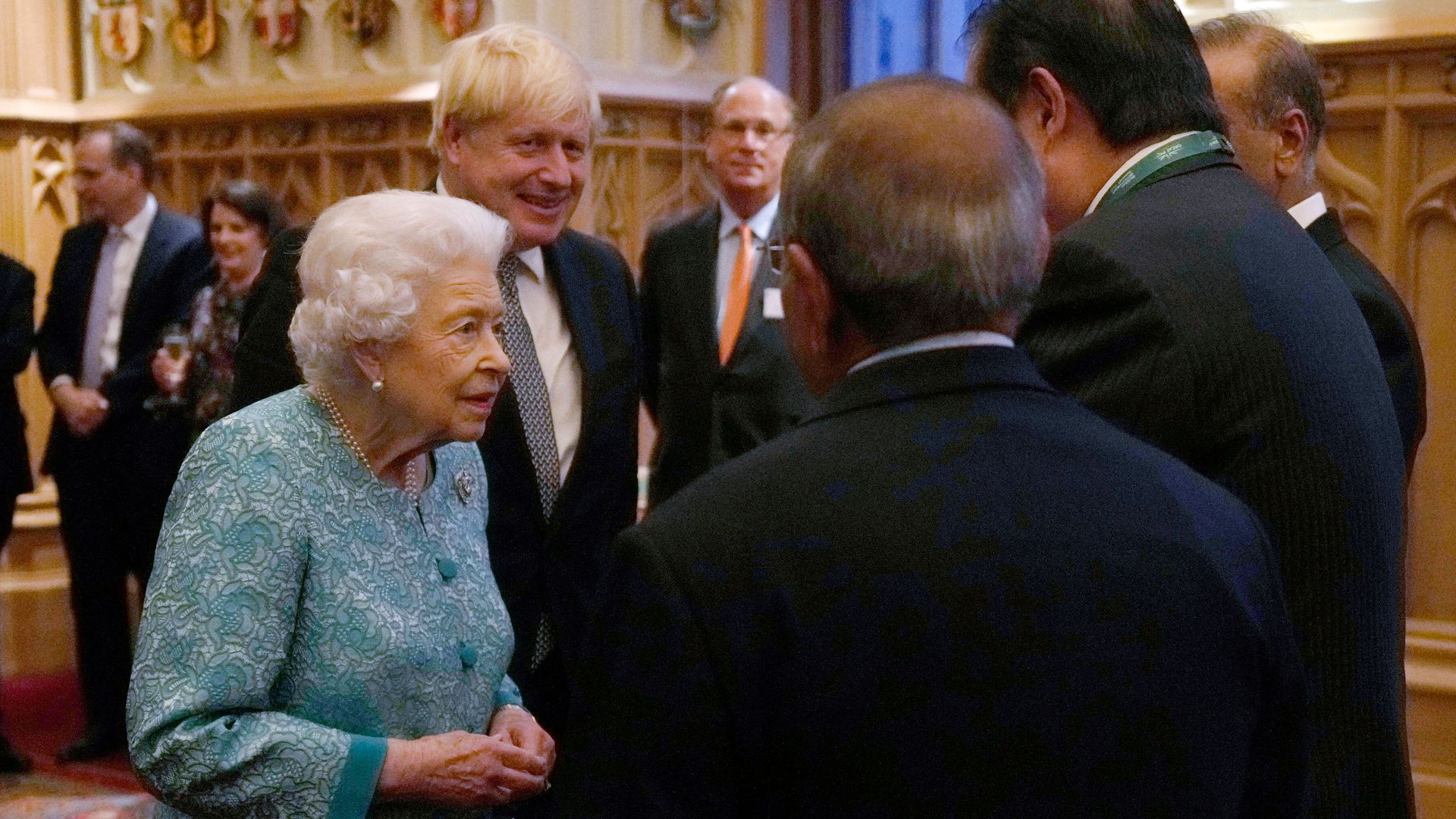
Buckingham Palace said Thursday that Queen Elizabeth II stayed overnight at the private King Edward VII's Hospital for "preliminary investigations" before being released the next day, AP reports.
Why it matters: The queen, 95, is Britain's longest-lived and longest-serving monarch. She was last hospitalized in 2013 due to symptoms of gastroenteritis, according to the Washington Post.
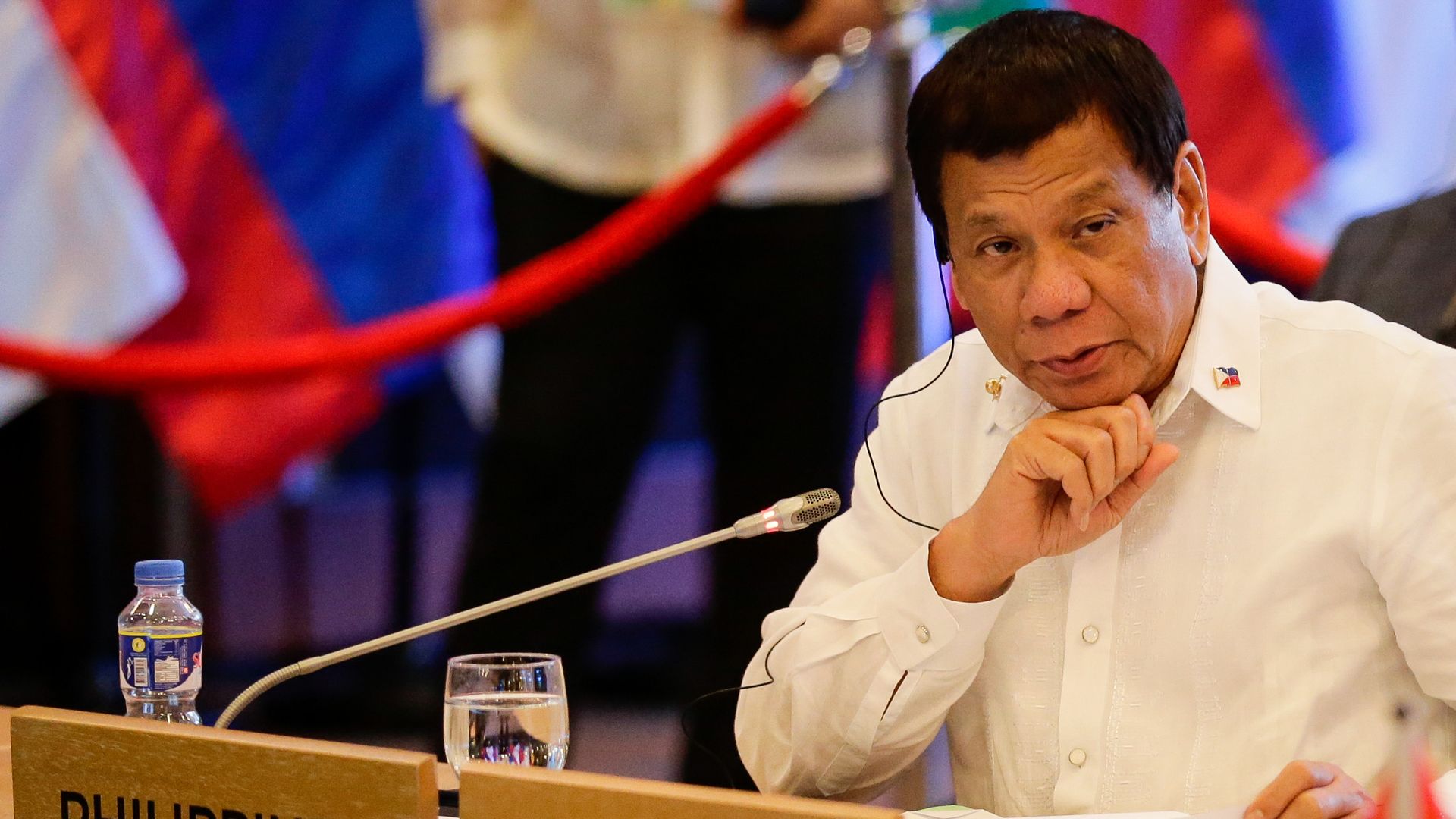
Philippines President Rodrigo Duterte said Thursday that he assumes full responsibility for a violent war on drugs that has killed thousands of people, Reuters reported.
Israel will approve the construction of 4,400 new homes in the West Bank next week: 3,10o in the Jewish settlements and 1,300 in Palestinian villages.
Why it matters: This will be the first time Israel has approved new settlement building since President Biden assumed office, and it's the first time since 2007 that it approves a significant number of new homes for Palestinians in "Area C" of the West Bank, which is controlled by Israel.
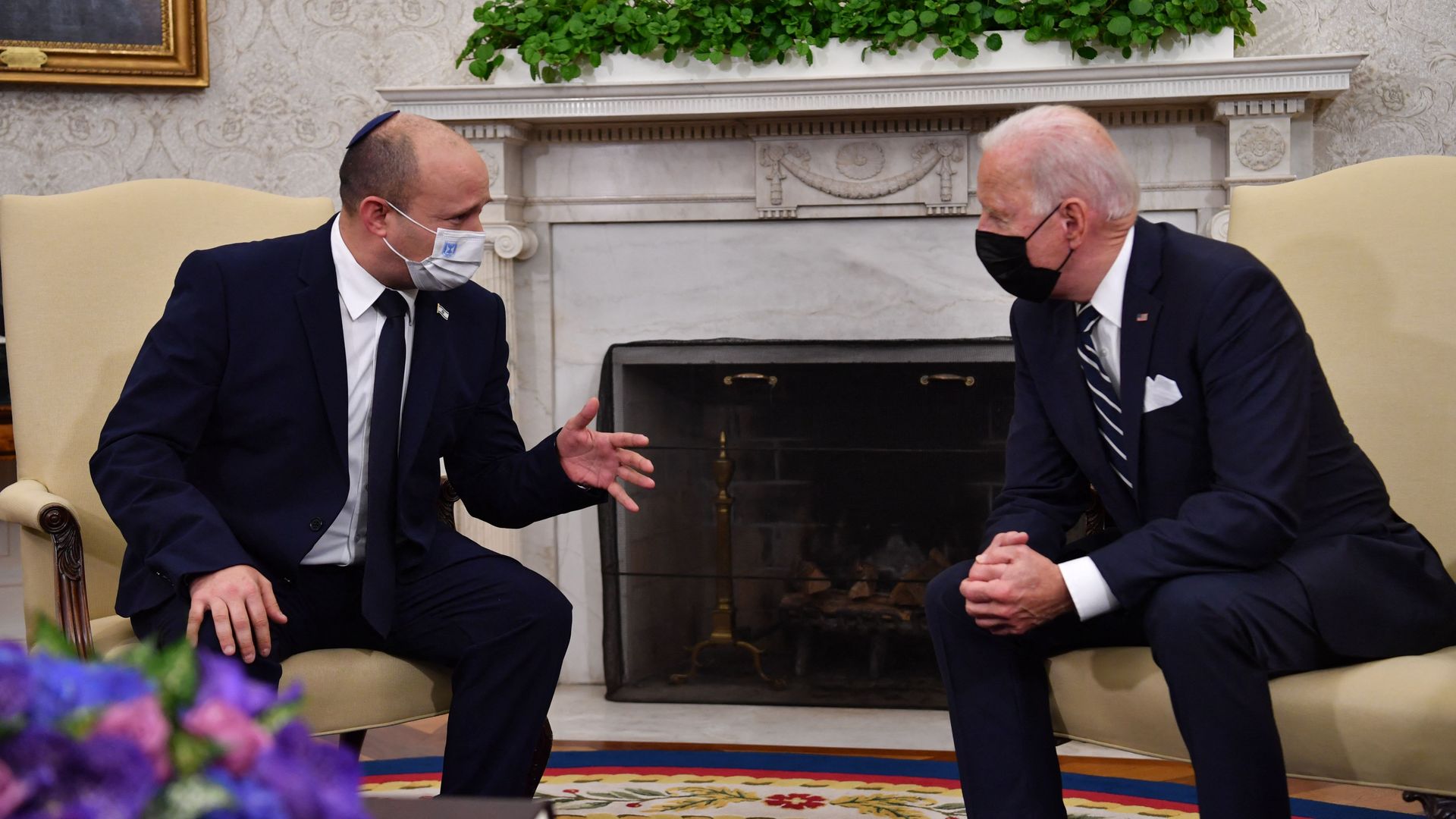
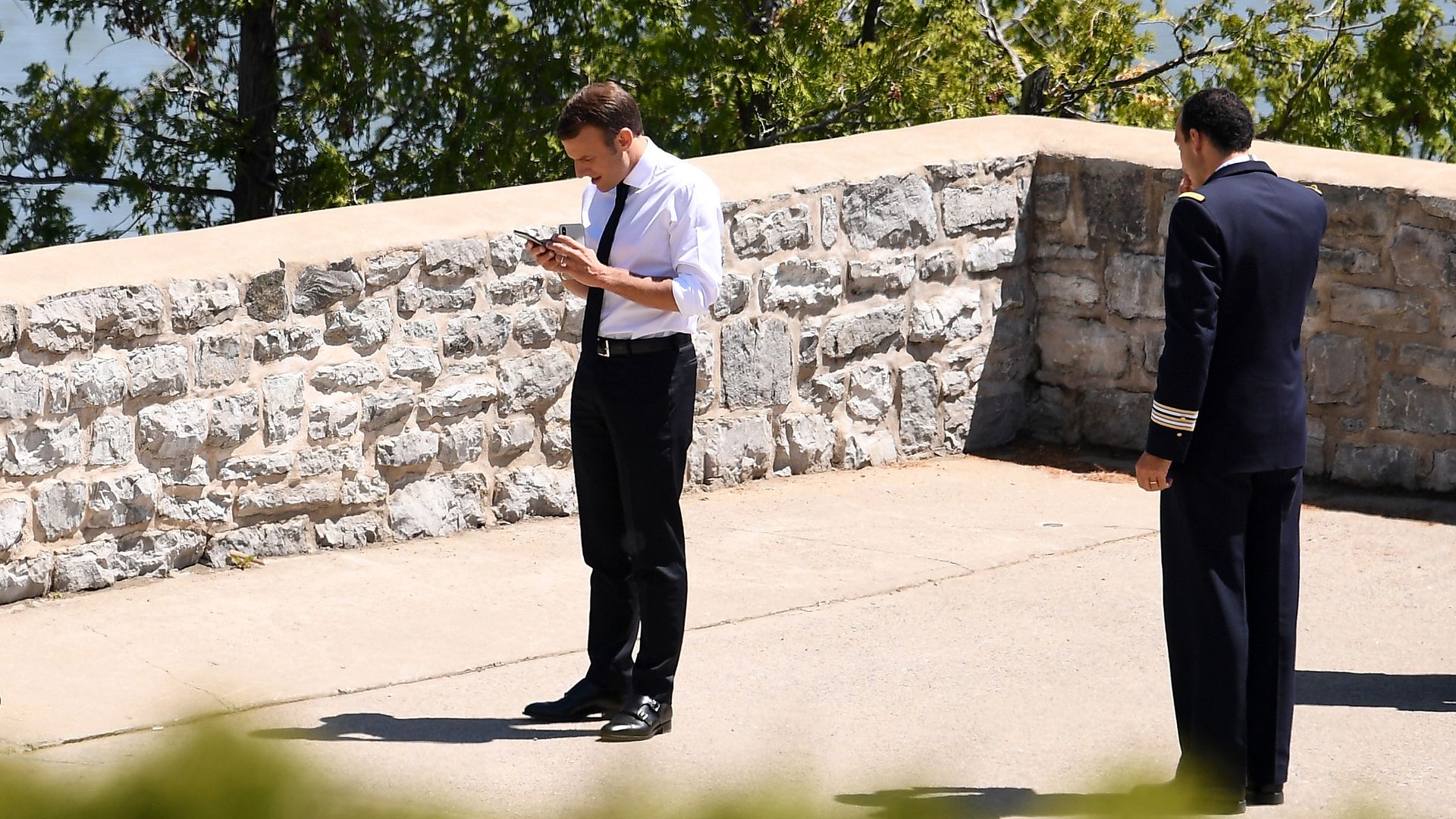
Israeli national security adviser Eyal Hulata secretly visited Paris several days ago for talks with his counterparts at the Élysée aimed at ending the crisis around the alleged use of Pegasus spyware developed by Israeli firm NSO to hack the cell phones of President Emmanuel Macron and other top French officials, Israeli officials tell me.
Why it matters: The alleged misuse of NSO software has become a major diplomatic headache for Prime Minister Naftali Bennett's government. The crisis led to a partial freeze on diplomatic, security and intelligence cooperation between Israel and France and the suspension of high-level bilateral visits.
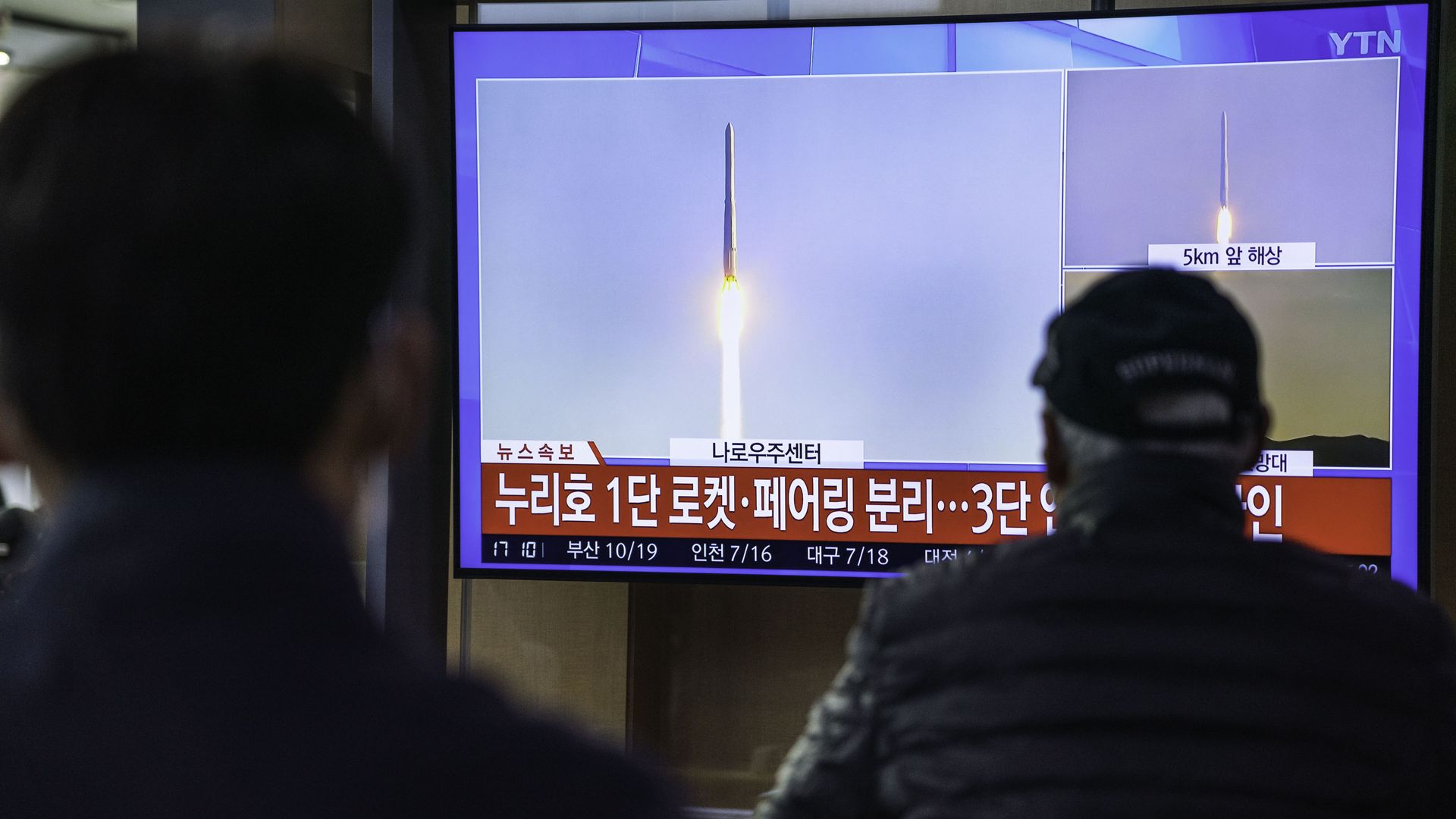
South Korea launched its first domestically produced space rocket on Thursday but failed to deliver a test satellite into orbit after the rocket's final stage shut down early, according to Reuters.
Why it matters: The test of its Nuri — or "world" — rocket was a major step forward for South Korea, an up-and-coming space power, but shows that it still has room for improvement in future trials.
China will no longer stream Boston Celtics games after center Enes Kanter called Chinese President Xi Jinping a "brutal dictator" in a social media post over the Chinese government's repressive policies in Tibet, according to the New York Times.
Why it matters: Kanter's criticism of Beijing has sparked another round of trouble for the NBA in China, one of its largest and most restrictive markets.
Police said Thursday that Ali Harbi Ali, a 25-year-old British man, has been charged with the murder of David Amess, a Conservative Party lawmaker in the U.K.
The big picture: Last week, the Metropolitan Police declared the fatal stabbing a terrorist incident, saying that they had found "a potential motivation linked to Islamist extremism."
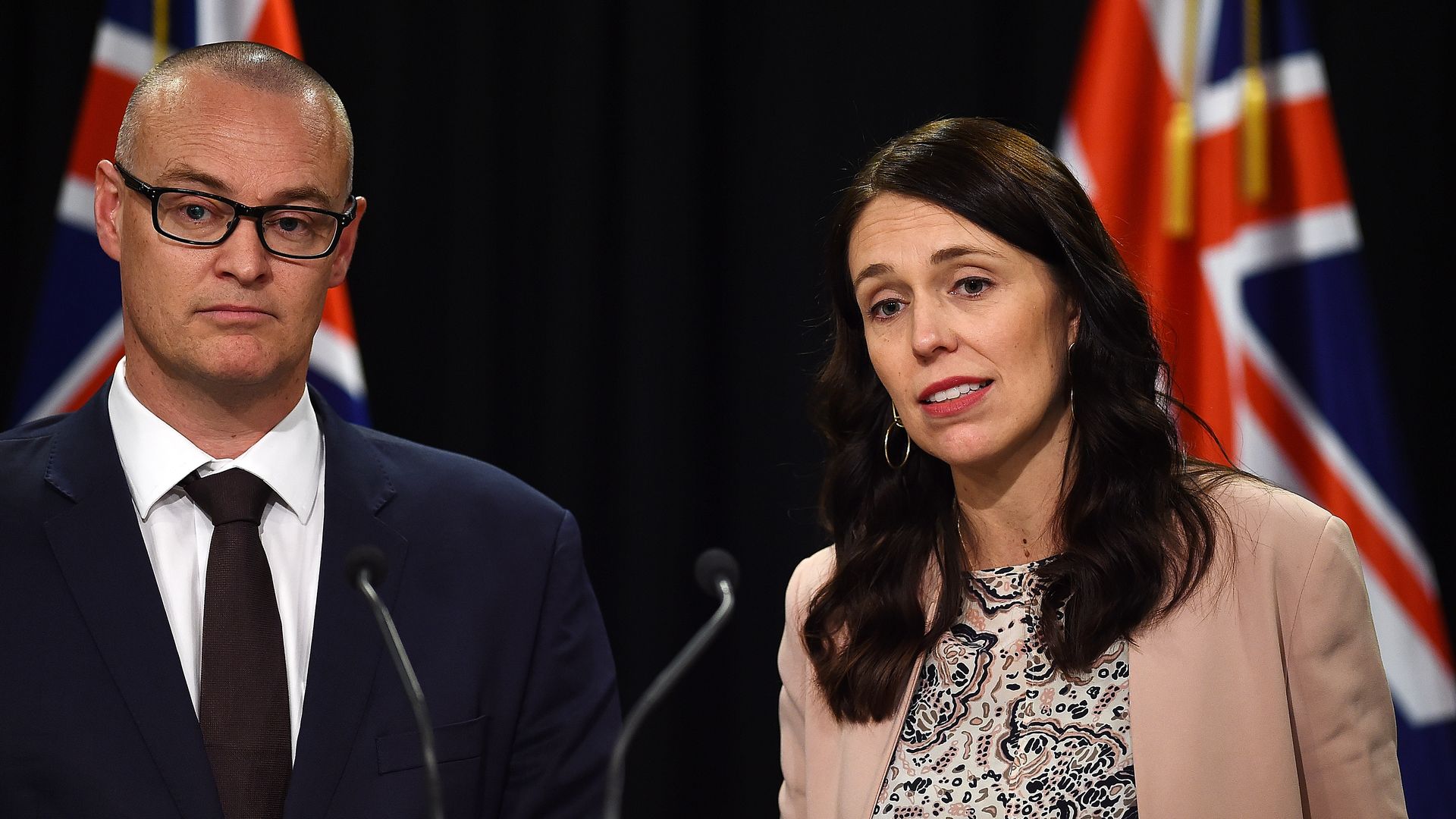
New Zealand passed a "world-first" law requiring financial institutions to disclose and act on climate change impacts concerning their businesses, officials announced Thursday.
Why it matters: About 200 of the "largest financial market participants in New Zealand" will have to "disclose clear, comparable and consistent information about the risks, and opportunities, climate change presents to their business," per a statement from commerce and consumer affairs minister David Clark.
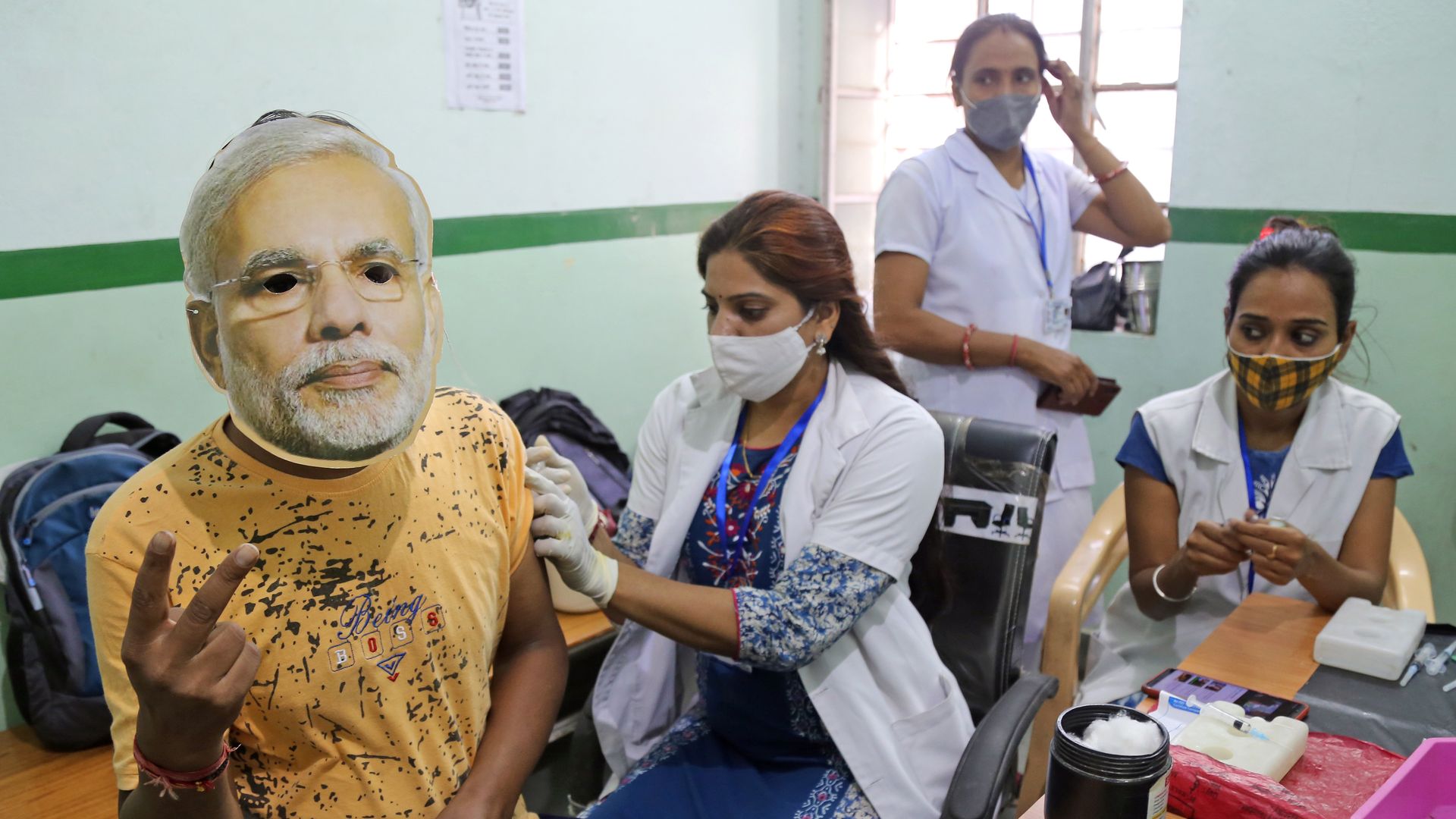
India's Prime Minister Narendra Modi announced Thursday that the country's health workers have now administered more than 1 billion COVID-19 vaccines doses.
Of note: While this is a significant milestone for the country of 1.4 billion, which has been devastated by the coronavirus, only about 30% of the eligible population has been fully vaccinated against the virus, per AP. Roughly 75% have received at least one dose.