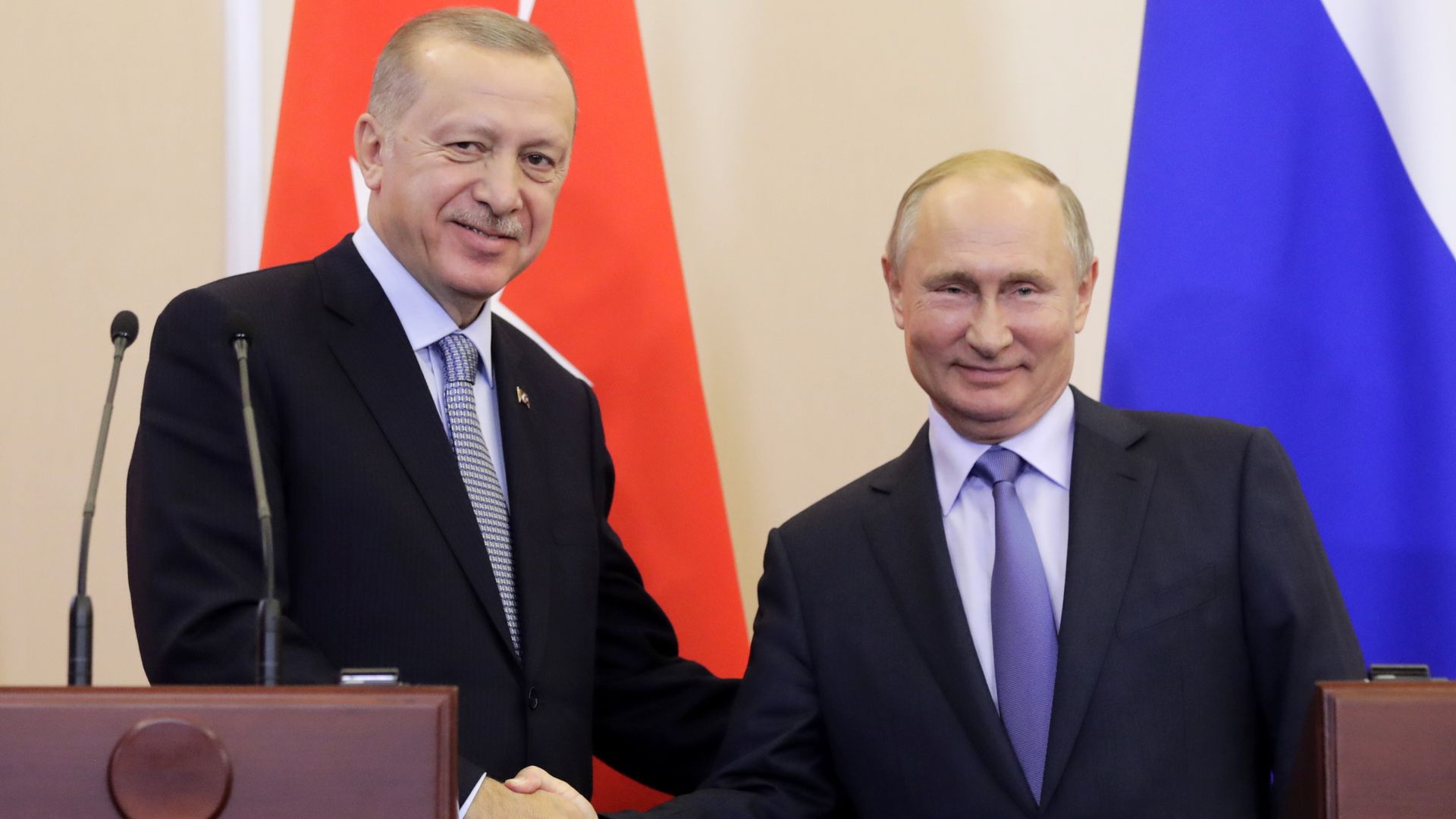
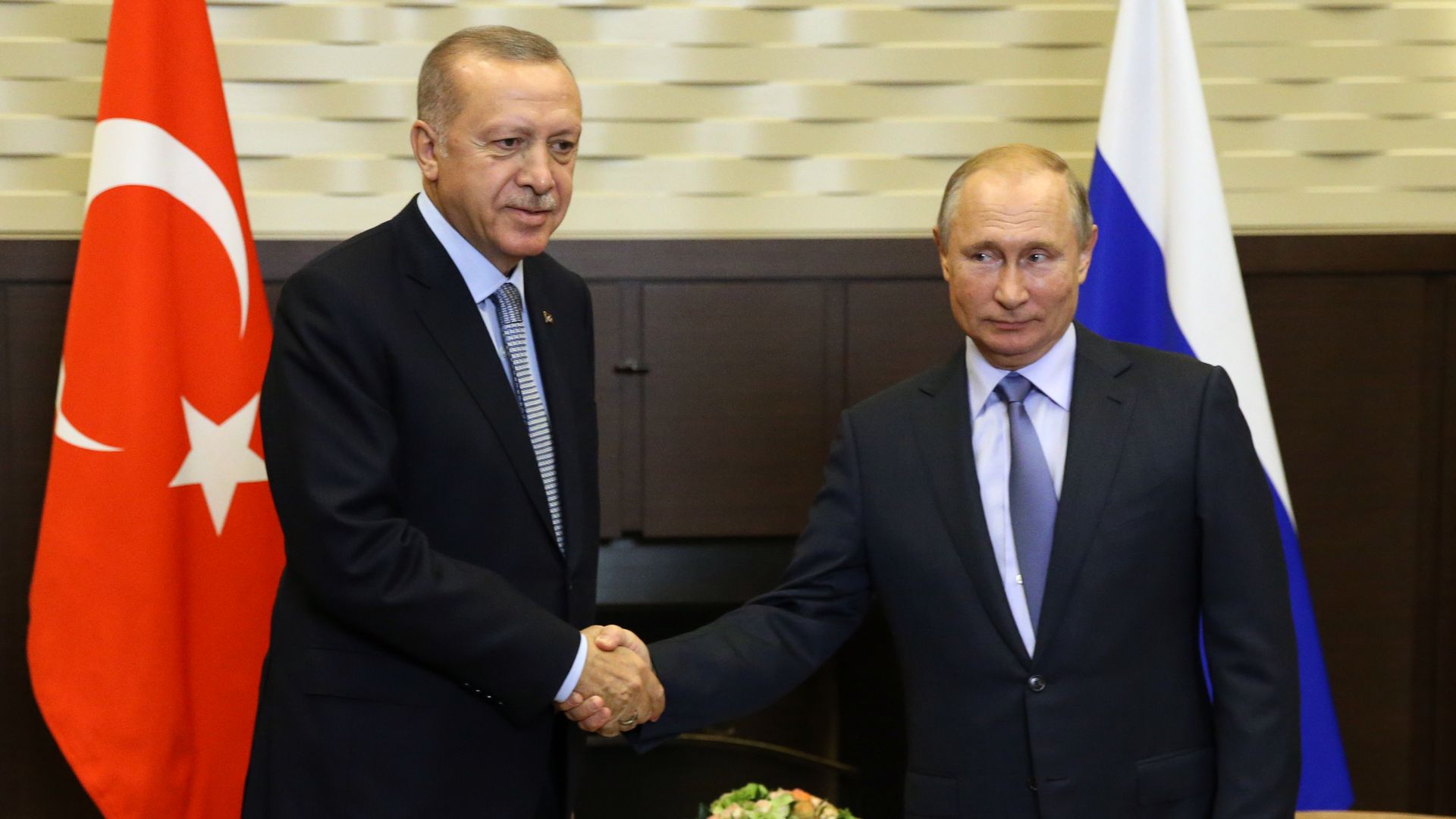
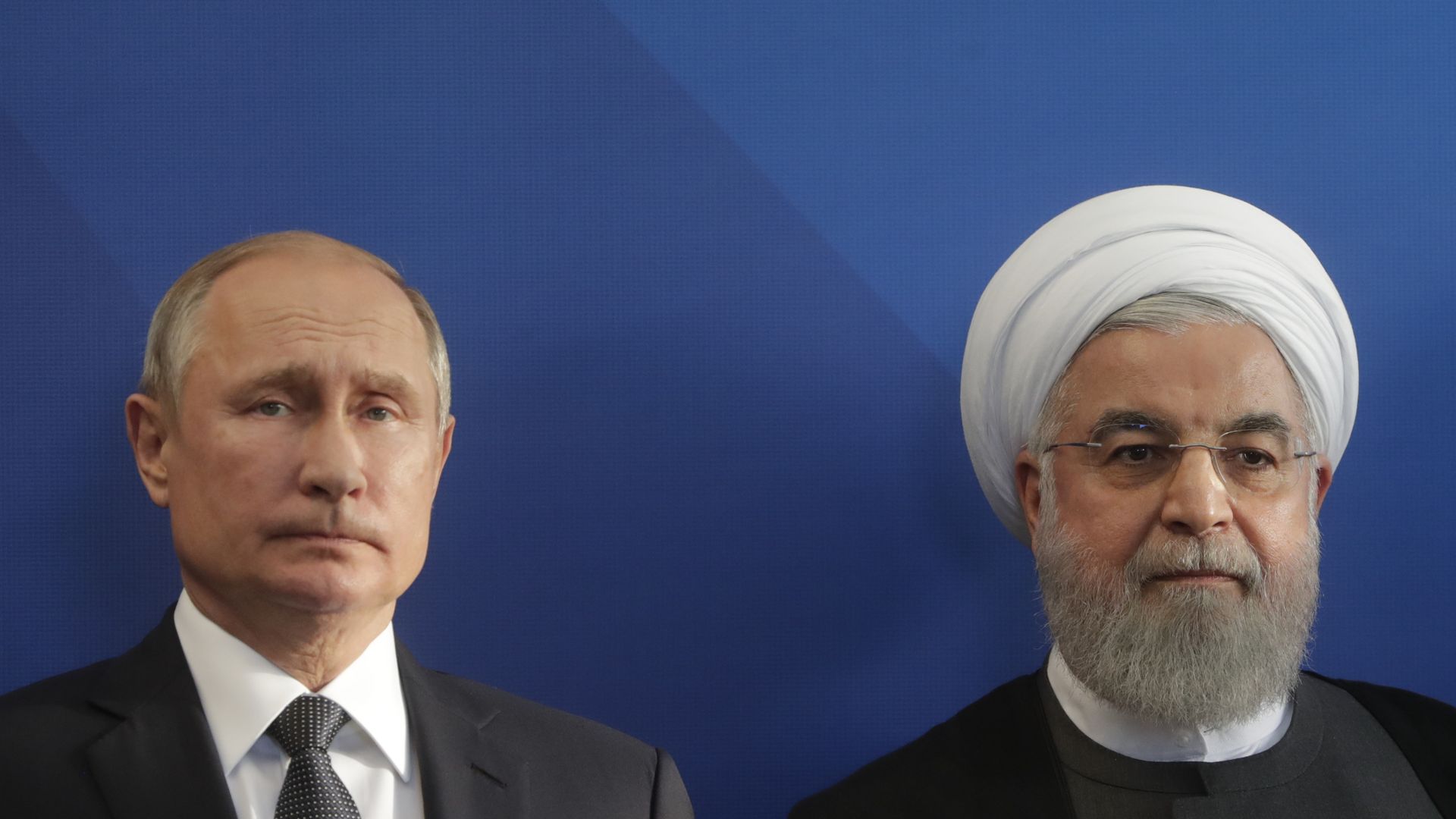
Turkish President Recep Tayyip Erdogan traveled to Russia today to negotiate the future of northern Syria — highlighting in the process the success of his audacious offensive, Vladimir Putin’s unmatched power in Syria, and America's absence from the table.
Why it matters: American influence in Syria is evaporating in real time as U.S. troops withdraw. It's now Turkey and Russia that are effectively re-defining the country's borders and debating the fate of America's Kurdish allies.
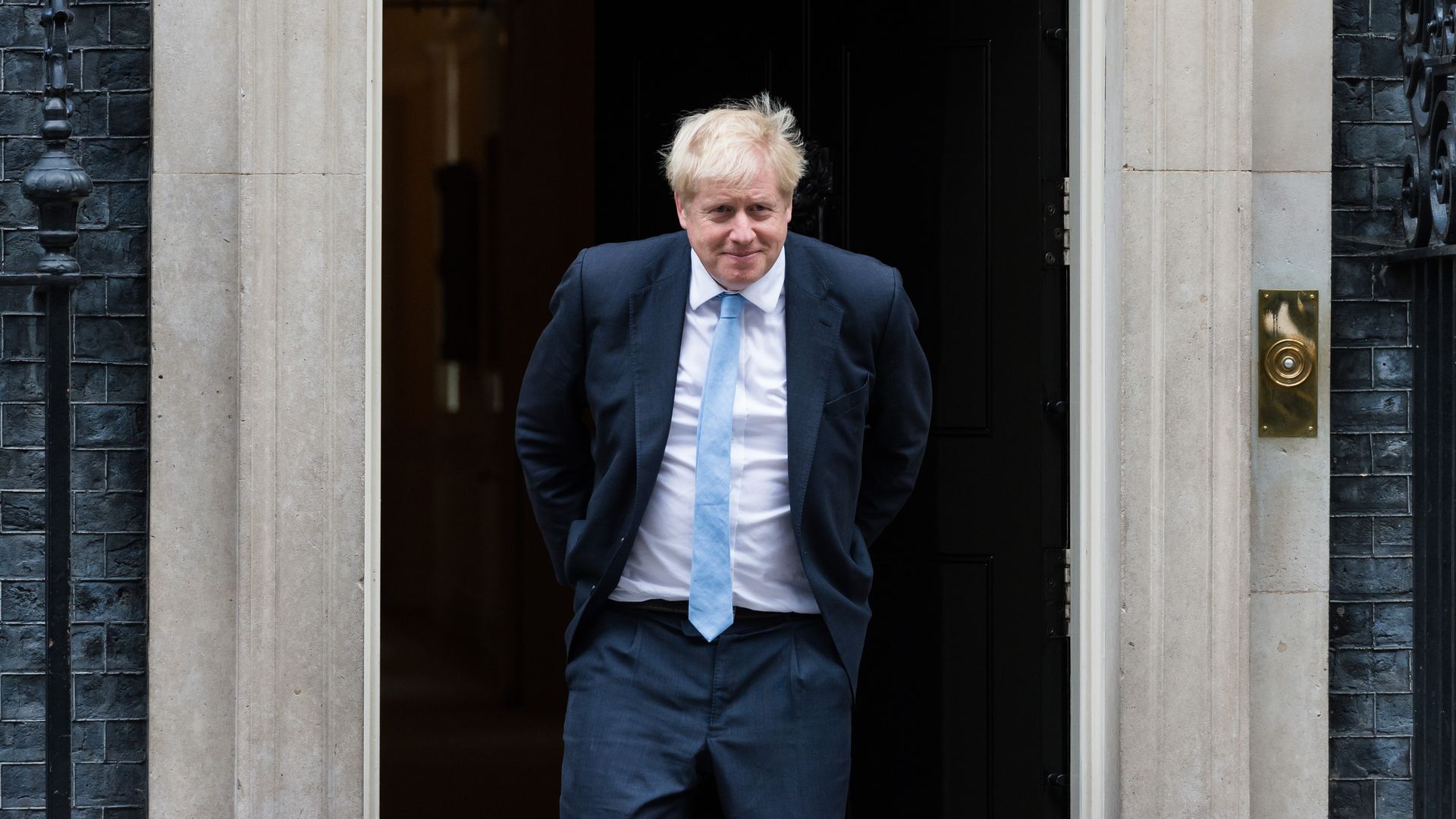
After approving Prime Minister Boris Johnson's Brexit deal in principle, Parliament rejected the expedited timeline on which Johnson aimed to finalize it — making his pledge to take the U.K. out of the EU by Oct. 31 all but impossible.
Why it matters: This was nearly a massive victory for Johnson, as it's the first time Parliament — which rejected Theresa May's deal three times — expressed approval for any Brexit plan. Now it's over to the EU to determine whether to grant an extension, though the bloc is widely expected to do so.
Russian President Vladimir Putin and Turkish President Recep Tayyip Erdogan announced an agreement on Tuesday to clear Kurdish YPG forces 30 kilometers (18.6 miles) from the Syrian-Turkish border in order to establish a "safe zone" where Syrian refugees can be resettled.
Why it matters: American influence on the future of Syria is evaporating in real time as U.S. troops withdraw from the country. It's now Turkey and Russia that are attempting to redefine the country's borders and determine the fate of America's Kurdish allies.
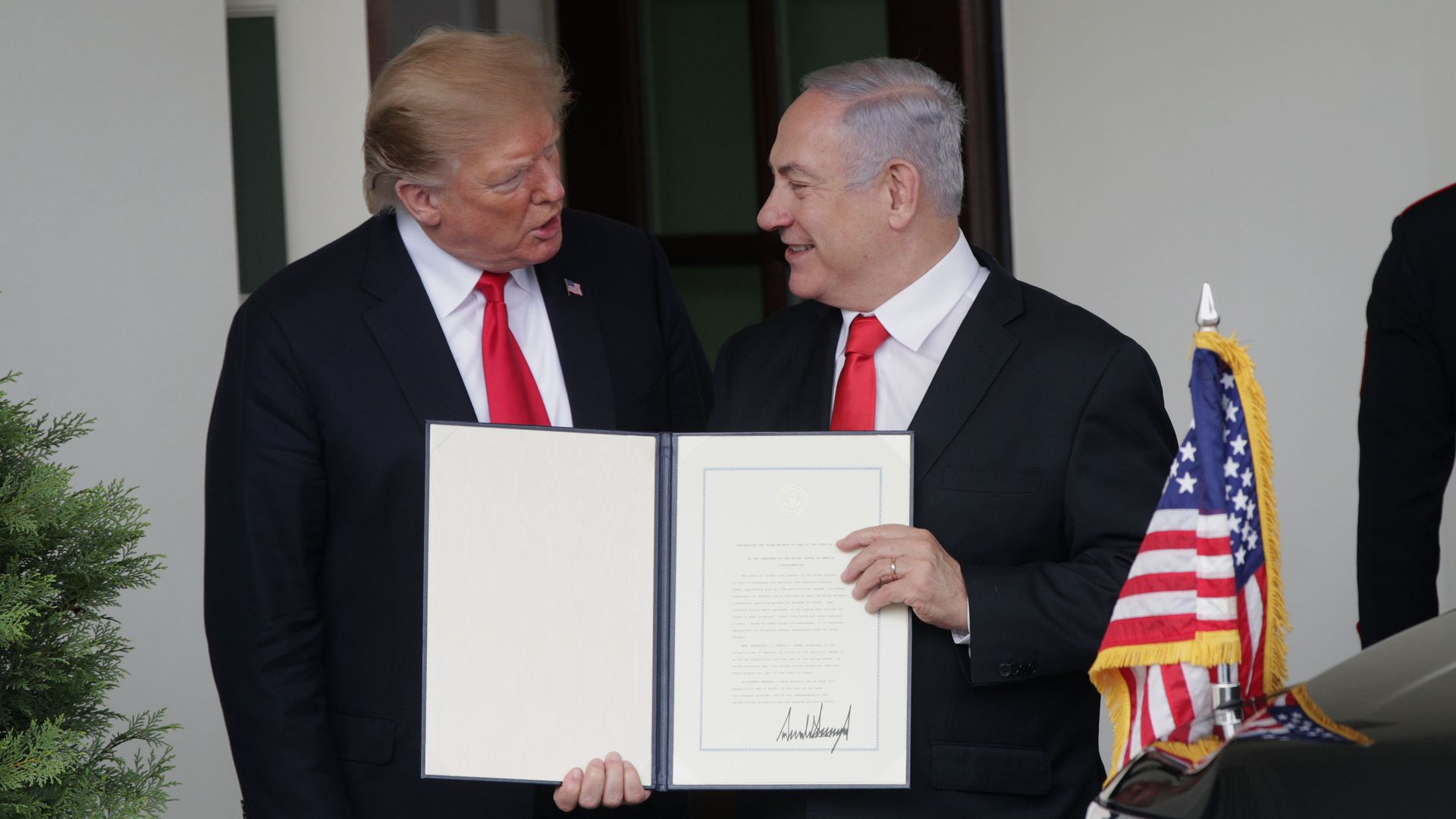
President Trump sent a letter to Israeli Prime Minister Benjamin Netanyahu on Monday congratulating him on his 70th birthday and calling him "one of my closest allies," shortly after Netanyahu announced he had failed to form a government for the second time in six months.
Why it matters: The warm contents of the letter stand in stark contrast to the cold shoulder Trump gave Netanyahu after the Israeli election, when he said the U.S. has relations "with Israel," and not with Netanyahu. Trump and Netanyahu haven’t spoken on the phone in five weeks. Their last phone call was three days before the Sept. 17 elections, when Trump tweeted that he discussed with Netanyahu the possibility of a U.S.-Israel defense treaty.
As the Brexit saga has twisted and turned this year, traders look to have taken their bets on how it will unfold to a new forum: the Euro/British pound currency pair.
The latest: As Prime Minister Boris Johnson has been foiled in his stated attempts to take the U.K. out of the eurozone by any means necessary, traders have pushed the pound to its strongest level in five months against the euro.
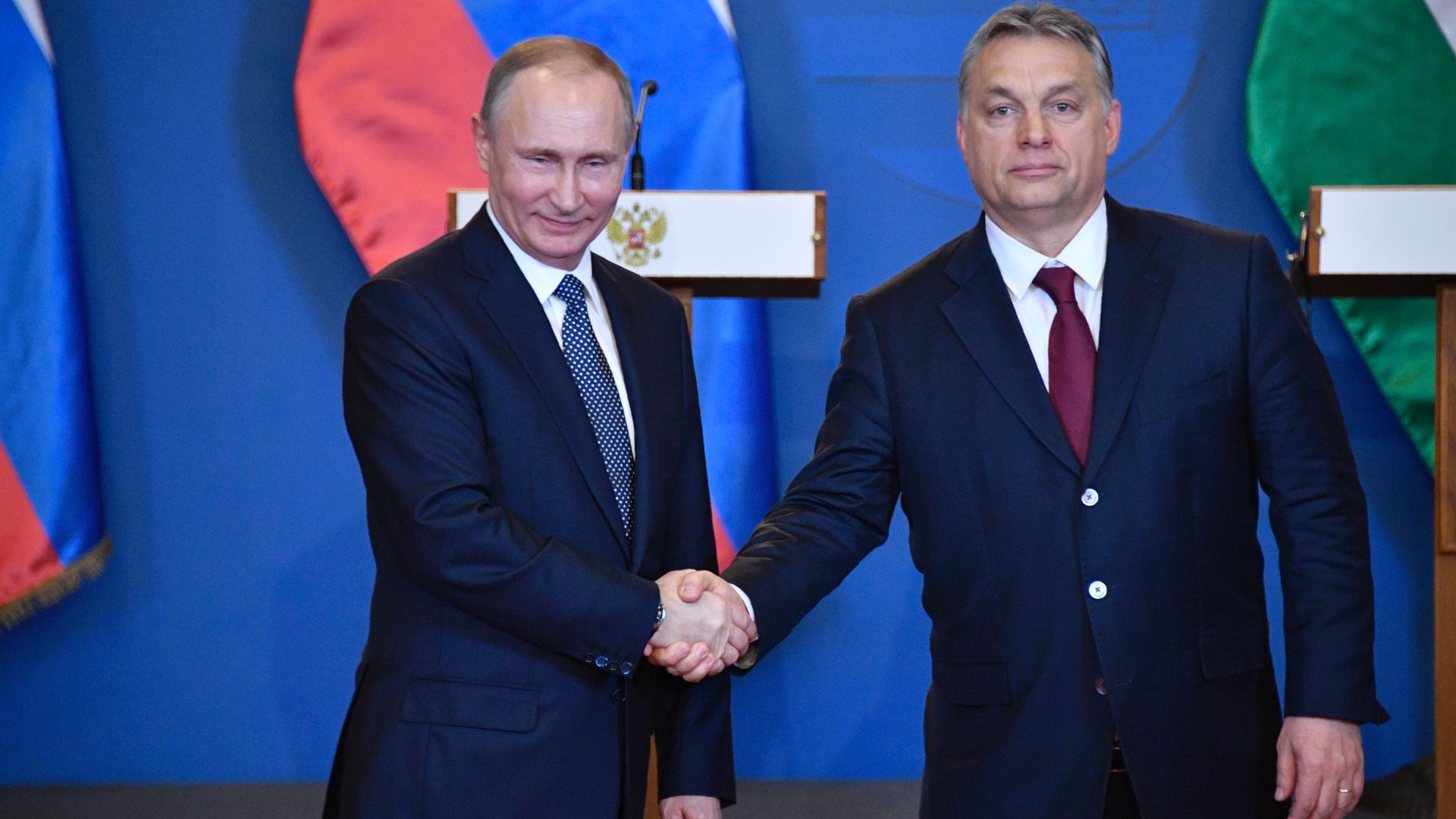
Russian President Vladimir Putin and Hungarian Prime Minister Viktor Orbán denigrated Ukraine during conversations with President Trump, the Washington Post first reported Monday. The New York Times reports Trump met with Orbán 10 days before a key Ukraine meeting, despite objections from then-national security adviser John Bolton.
Why it matters: Per the NYT, Trump’s concerns on U.S. ally Ukraine "set the stage for events that led to the impeachment inquiry against him." The May 13 meeting with fierce Ukraine critic Orbán and a May 3 phone call between Trump and Putin "are of intense interest to House investigators seeking to piece together the back story that led to the president’s pressure on Ukraine to investigate Democrats," the Times said.
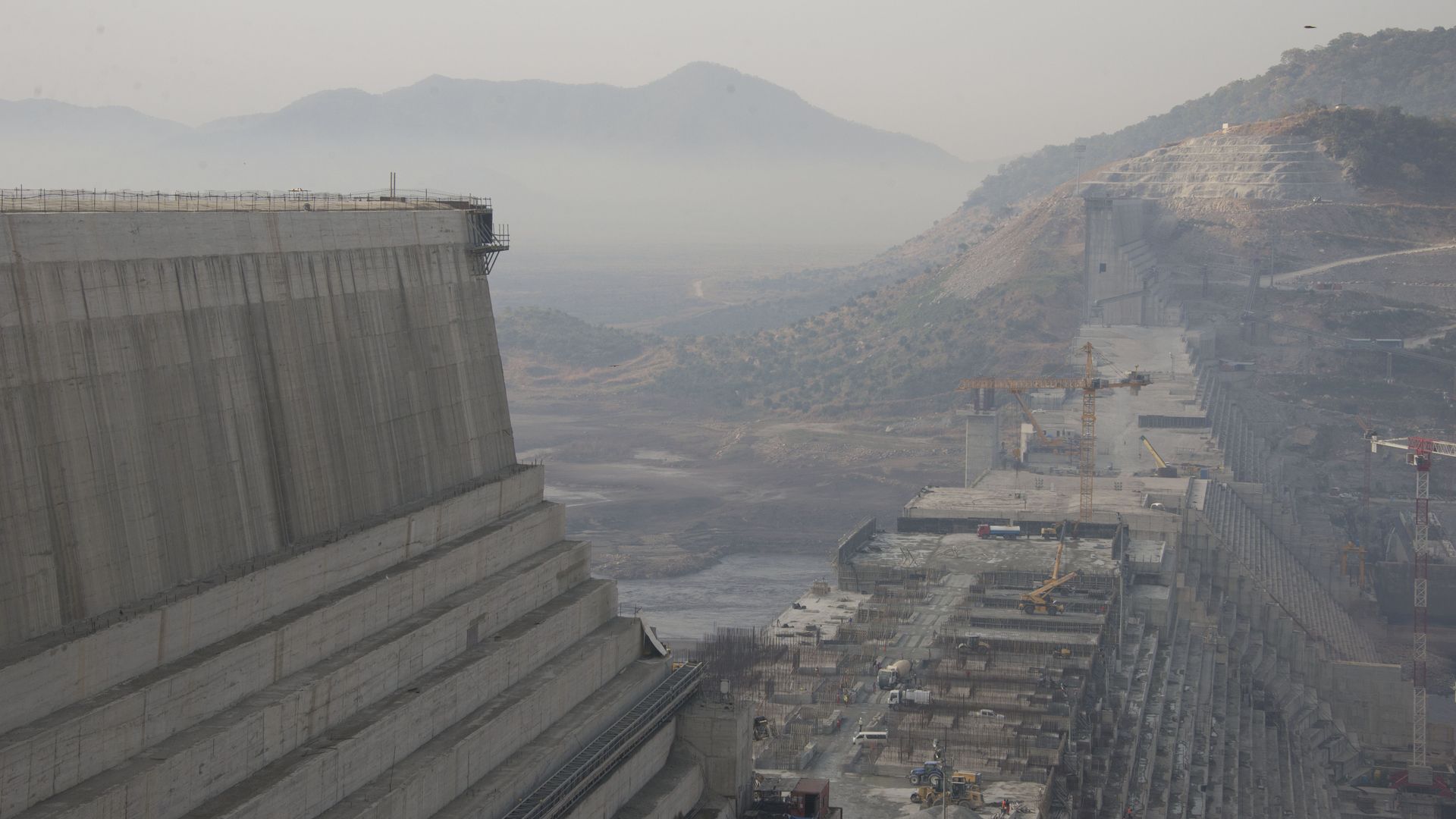
A tense debate over the Grand Ethiopian Renaissance Dam — which will be Africa’s largest dam — will continue in an unlikely location this week: Russia’s Black Sea resort of Sochi.
Why it matters: Egypt fears the $4 billion dam will disrupt the flow of the Nile, which supplies nearly all of the desert country’s fresh water. Ethiopia, which views the dam not only as an economic boon but as a point of national pride, claims Egypt is attempting to trample its sovereignty and economic development.
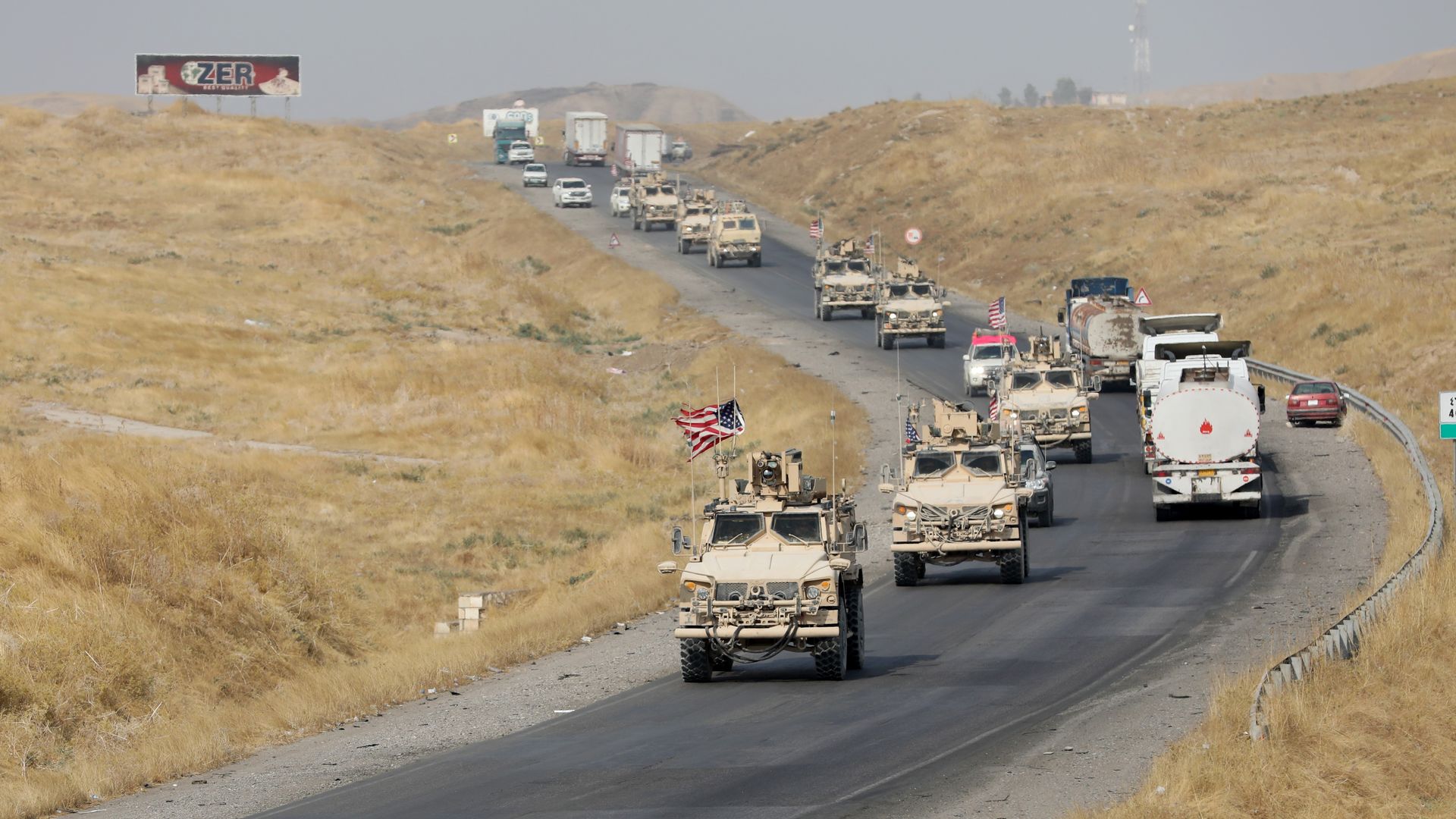
A U.S. military convoy withdrawing from Syria for Iraq today was pelted with fruit and stones by Kurdish civilians who accuse the superpower they once saw as their protector of leaving them in peril.
Driving the news: “We never agreed to protect the Kurds for the rest of their lives,” President Trump responded back in Washington. He said the U.S. would keep small detachments in Syria at the request of Israel and Jordan and to “protect the oil," but there was otherwise "no reason" to remain.
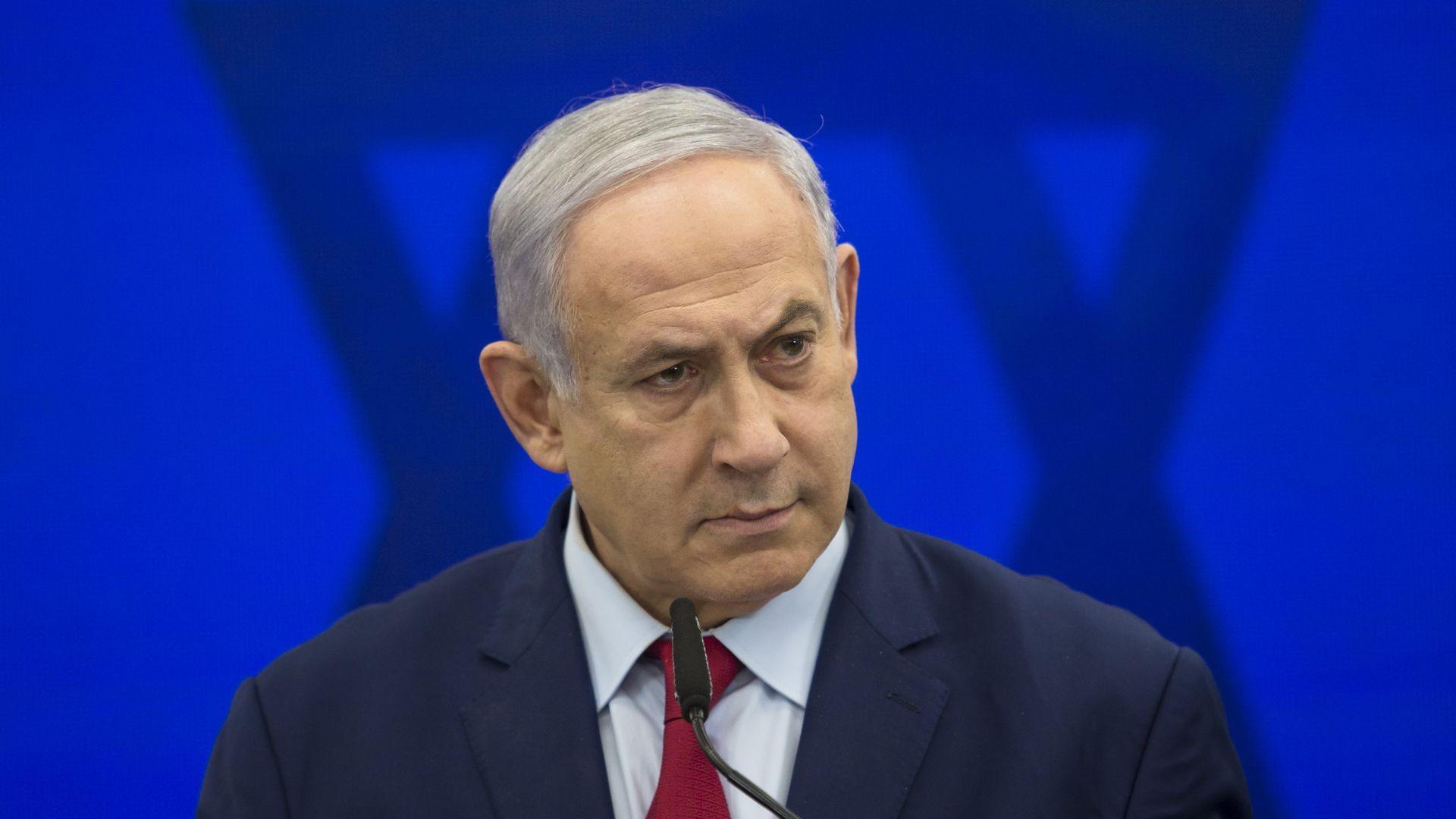
Israeli Prime Minister Benjamin Netanyahu returned the mandate for forming a government to President Reuven Rivlin on Monday after failing to cobble together enough support for a coalition within the 28-day timeframe that Rivlin had granted.
Why it matters: This is the second time in six months that Netanyahu has failed to form a government after an election. Benny Gantz, leader of the center-left Blue and White party, will now get an opportunity to form a coalition, but he's also unlikely to succeed. The chances are growing that Israel will be forced to hold a third election this year.
The British pound slipped but was much less volatile than expected after Prime Minister Boris Johnson's Brexit deal was rejected by Parliament on Saturday.
What's happening: The pound fell about 0.7%, but remained above $1.29, near a 5-month high. Big banks in London called in extra staff in anticipation of major market moves that didn't materialize after the first Saturday sitting in the House of Commons in 37 years.
China wants to have better health care at a lower cost than the U.S. or other countries — a plan that involves extracting massive discounts from pharmaceutical companies, Bloomberg reports.
Why it matters: The trade-offfor drug companies is access to China's enormous population and, thus, a giant market, and Chinese patients are now paying much less than Americans for the same drugs.
U.S. and U.K. intelligence agencies confirmed Monday that the Russian espionage hacker group Turla used tools and infrastructure from Iranian espionage group OilRig, likely without the Iranian group's knowledge.
Why it matters: Moves like this can sometimes confound efforts to understand who exactly has spied on what. And, by monitoring malware implanted by Iran, Turla saved itself the effort of hacking targets directly.