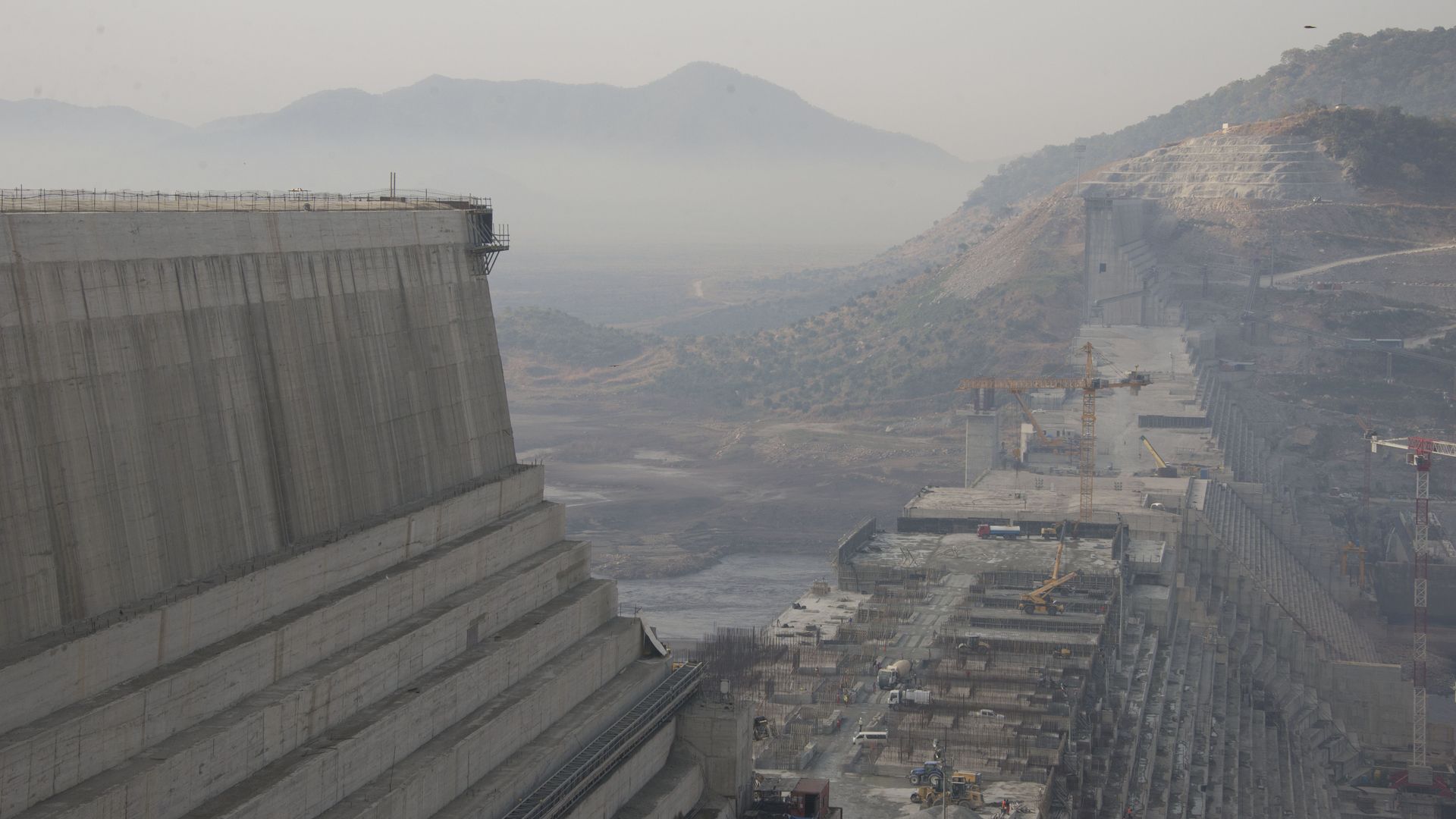
A tense debate over the Grand Ethiopian Renaissance Dam — which will be Africa’s largest dam — will continue in an unlikely location this week: Russia’s Black Sea resort of Sochi.
Why it matters: Egypt fears the $4 billion dam will disrupt the flow of the Nile, which supplies nearly all of the desert country’s fresh water. Ethiopia, which views the dam not only as an economic boon but as a point of national pride, claims Egypt is attempting to trample its sovereignty and economic development.
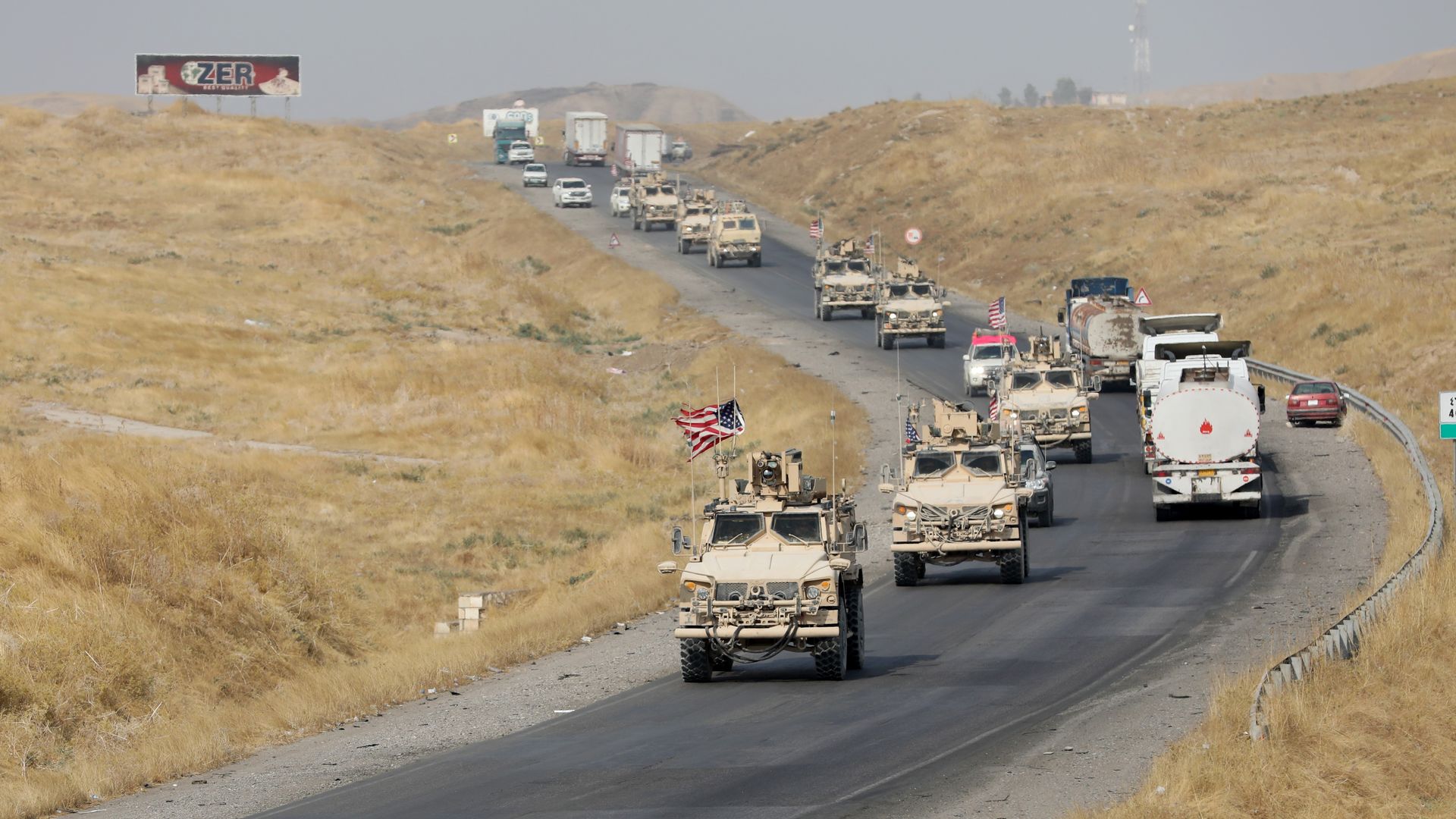
A U.S. military convoy withdrawing from Syria for Iraq today was pelted with fruit and stones by Kurdish civilians who accuse the superpower they once saw as their protector of leaving them in peril.
Driving the news: “We never agreed to protect the Kurds for the rest of their lives,” President Trump responded back in Washington. He said the U.S. would keep small detachments in Syria at the request of Israel and Jordan and to “protect the oil," but there was otherwise "no reason" to remain.
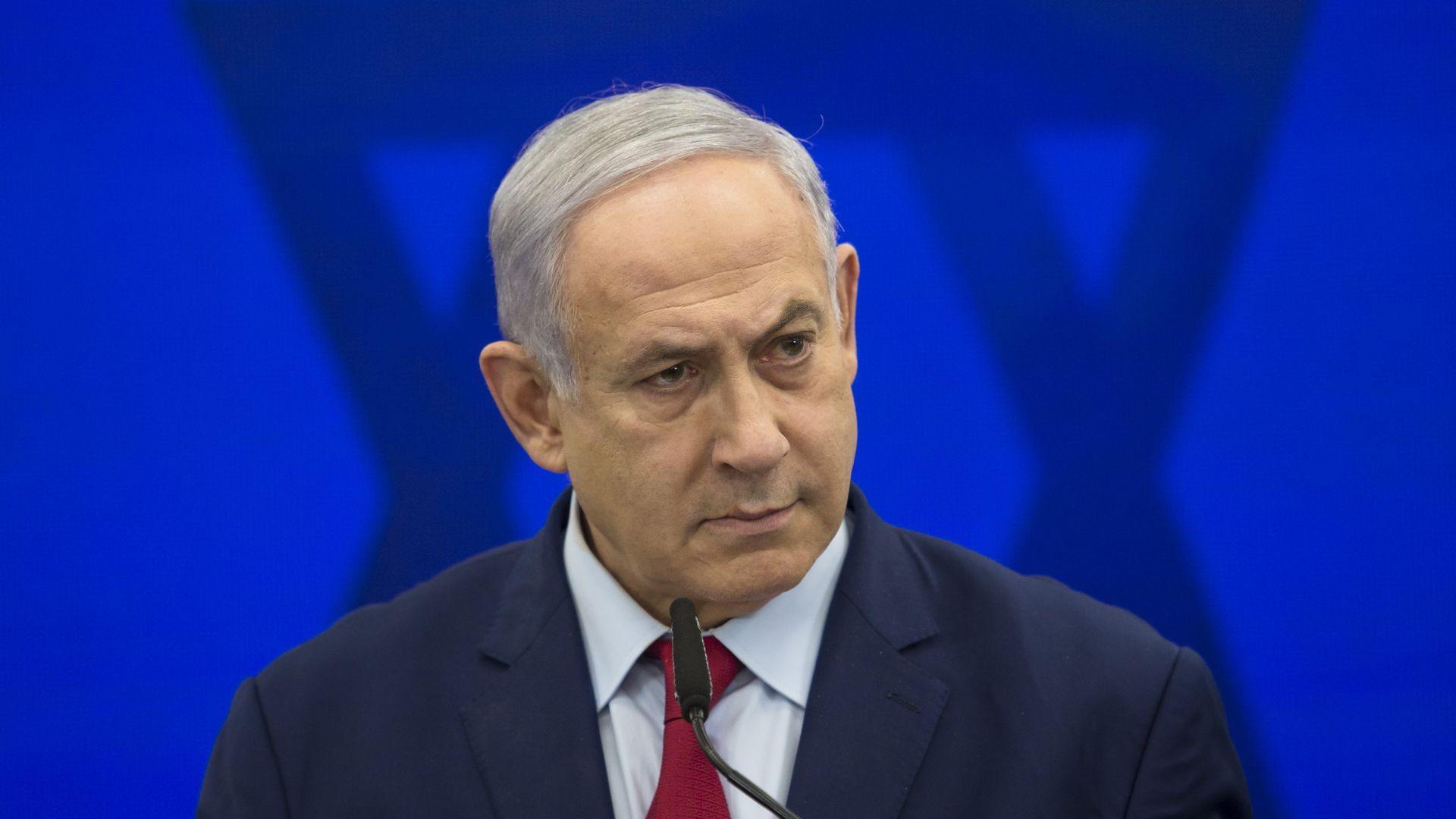
Israeli Prime Minister Benjamin Netanyahu returned the mandate for forming a government to President Reuven Rivlin on Monday after failing to cobble together enough support for a coalition within the 28-day timeframe that Rivlin had granted.
Why it matters: This is the second time in six months that Netanyahu has failed to form a government after an election. Benny Gantz, leader of the center-left Blue and White party, will now get an opportunity to form a coalition, but he's also unlikely to succeed. The chances are growing that Israel will be forced to hold a third election this year.
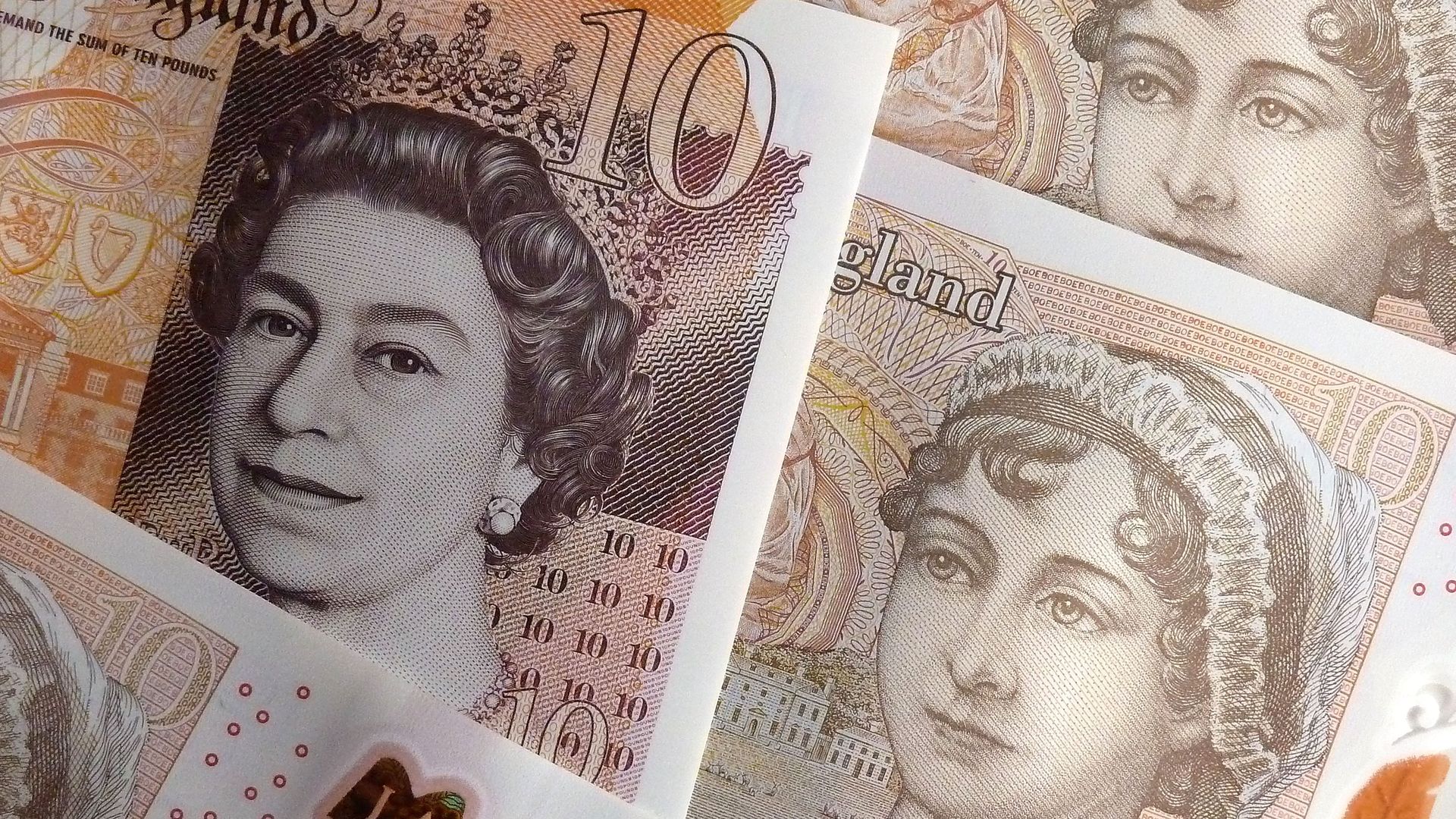
The British pound slipped but was much less volatile than expected after Prime Minister Boris Johnson's Brexit deal was rejected by Parliament on Saturday.
What's happening: The pound fell about 0.7%, but remained above $1.29, near a 5-month high. Big banks in London called in extra staff in anticipation of major market moves that didn't materialize after the first Saturday sitting in the House of Commons in 37 years.
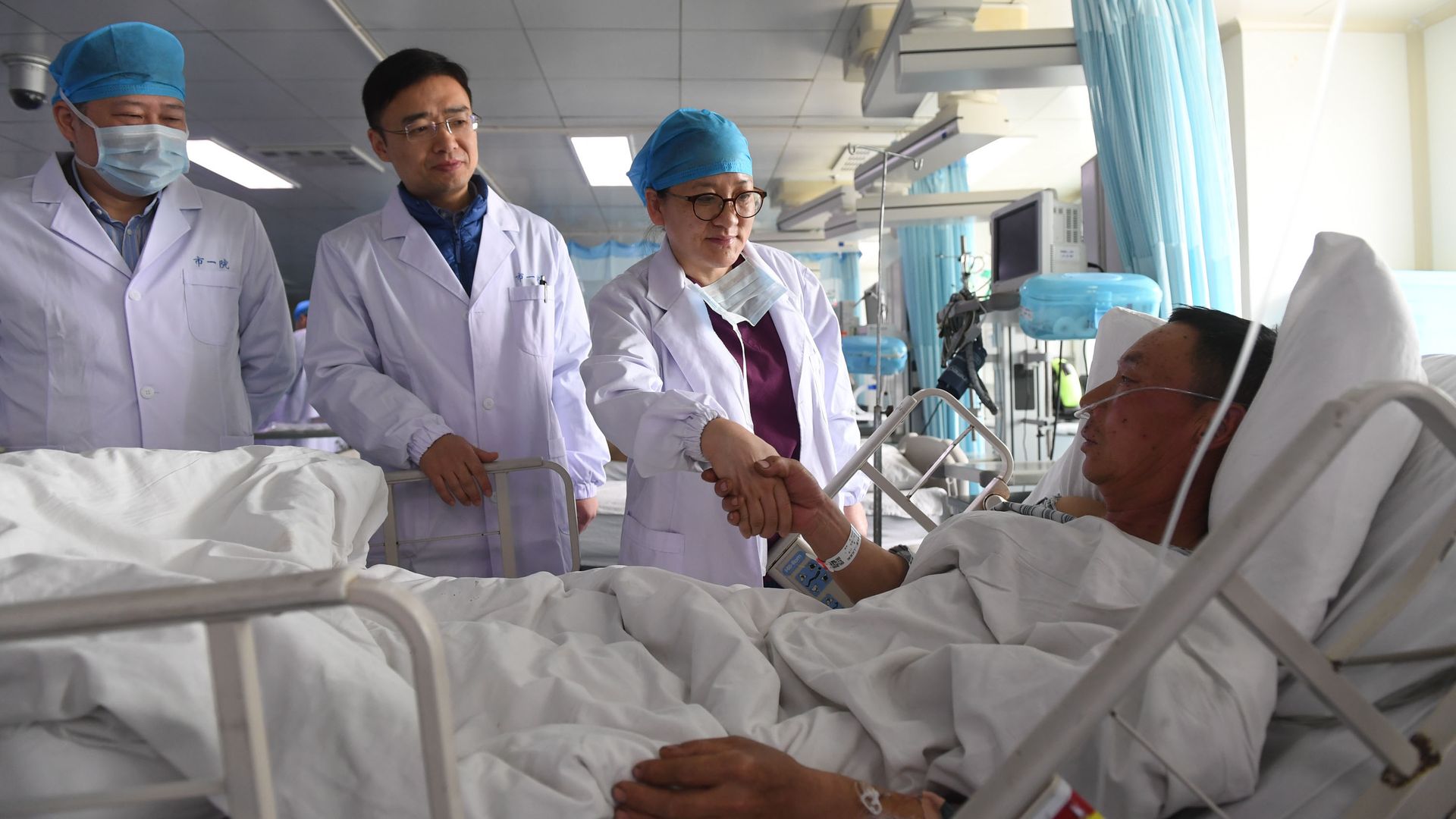
China wants to have better health care at a lower cost than the U.S. or other countries — a plan that involves extracting massive discounts from pharmaceutical companies, Bloomberg reports.
Why it matters: The trade-offfor drug companies is access to China's enormous population and, thus, a giant market, and Chinese patients are now paying much less than Americans for the same drugs.
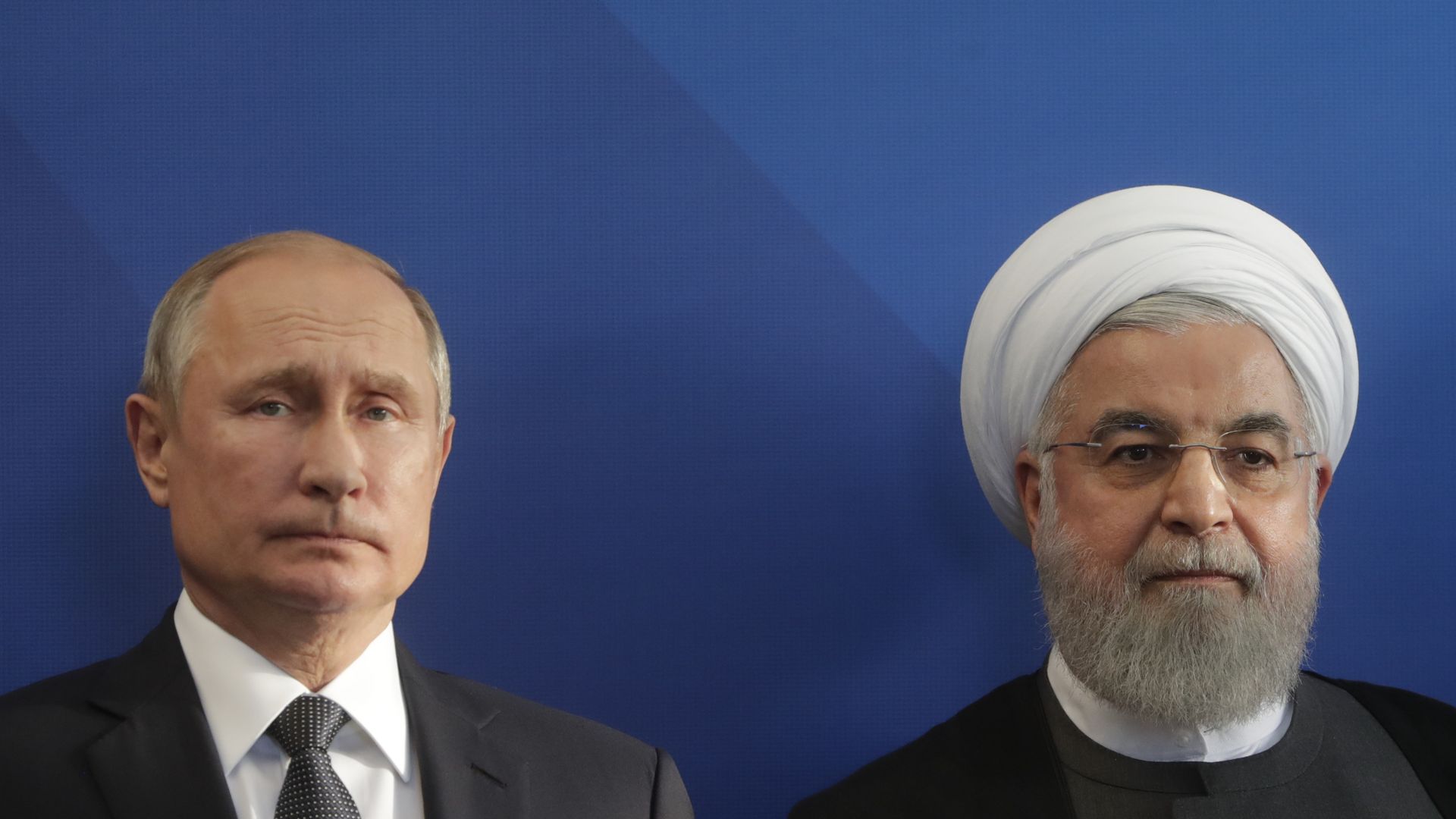
U.S. and U.K. intelligence agencies confirmed Monday that the Russian espionage hacker group Turla used tools and infrastructure from Iranian espionage group OilRig, likely without the Iranian group's knowledge.
Why it matters: Moves like this can sometimes confound efforts to understand who exactly has spied on what. And, by monitoring malware implanted by Iran, Turla saved itself the effort of hacking targets directly.
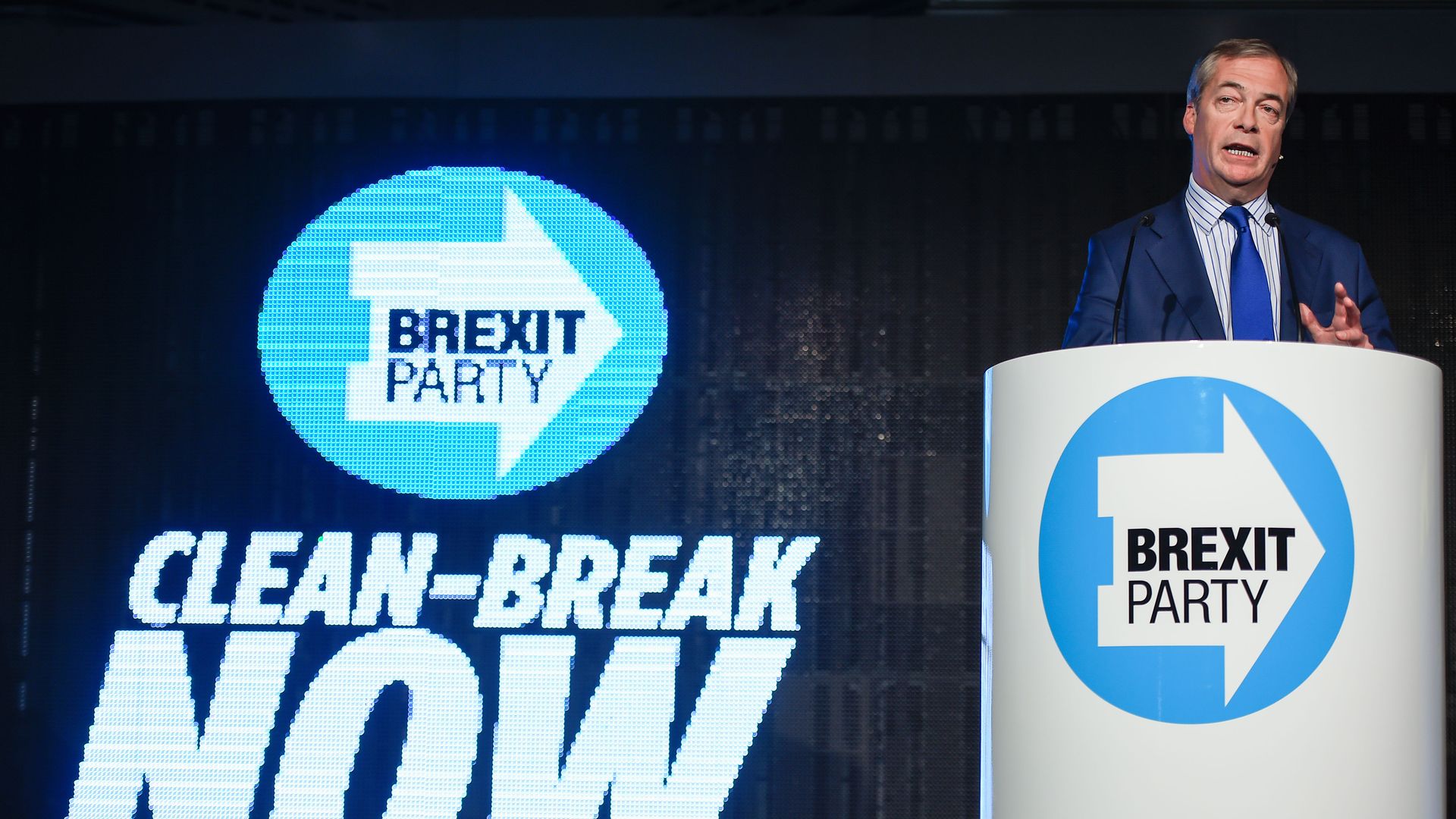
Brexit Party leader Nigel Farage told Sky News on Sunday that he'd prefer to extend the Brexit deadline past Oct. 31 in order to hold a general election than see Parliament pass the divorce deal struck by the EU and Prime Minister Boris Johnson last week.
"This is a rotten deal. ... I do understand because of Brexit fatigue and anger in the country the temptation to vote for it. But it is nothing more than Brexit in name only, it will not solve anything. This will not end things."
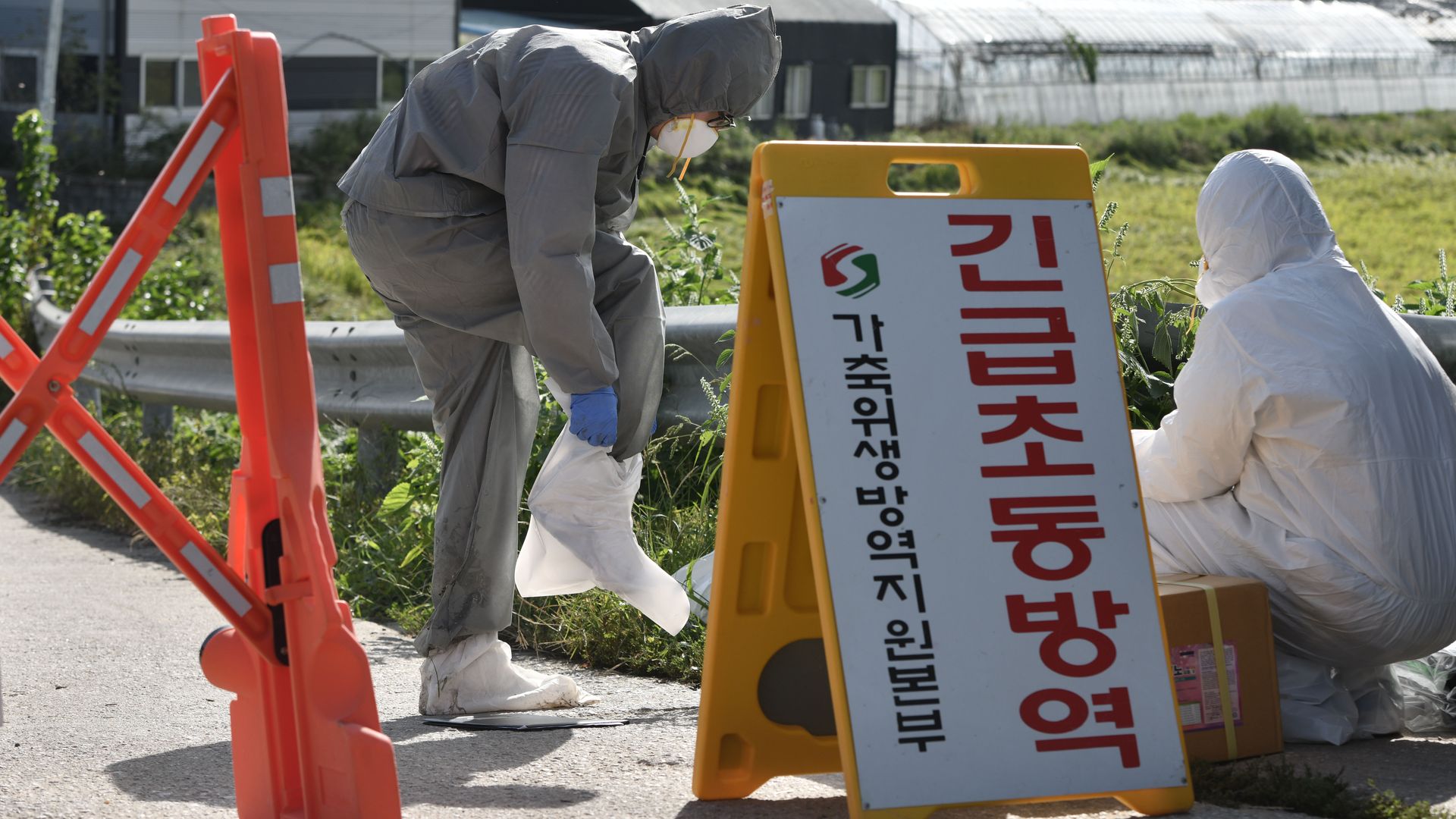
African swine fever, a deadly pig disease, is killing hundreds of millions of hogs in eastern Asian countries, causing a global surge in pork and bacon prices, according to Bloomberg.
Why it matters: African swine fever is not known to infect or harm humans, but it can kill most pigs in a week and has the potential to disrupt pork markets and threaten food-insecure countries.
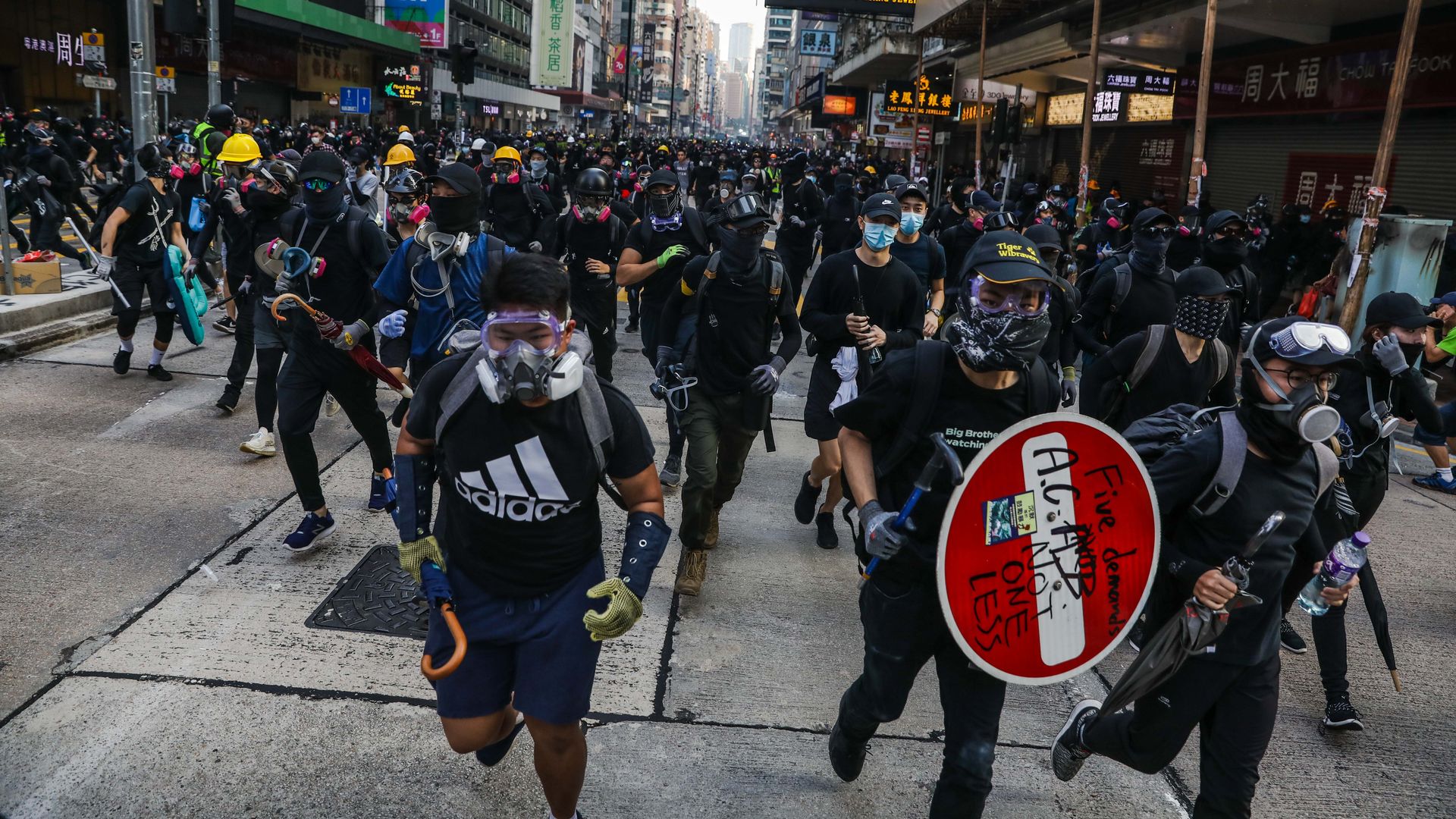
Tens of thousands of pro-democracy protesters marched in Hong Kong on Sunday in defiance of a police ban against assembly, rallying in support of a pro-democracy group leader who was attacked by five men wielding hammers three days earlier, according to the BBC.
The state of play: Though the march was largely peaceful, some protestors threw firebombs at police and vandalized Chinese banks and shops. Police responded by shooting tear gas canisters and deploying water cannons loaded with a blue irritant used to mark protestors for later arrest.