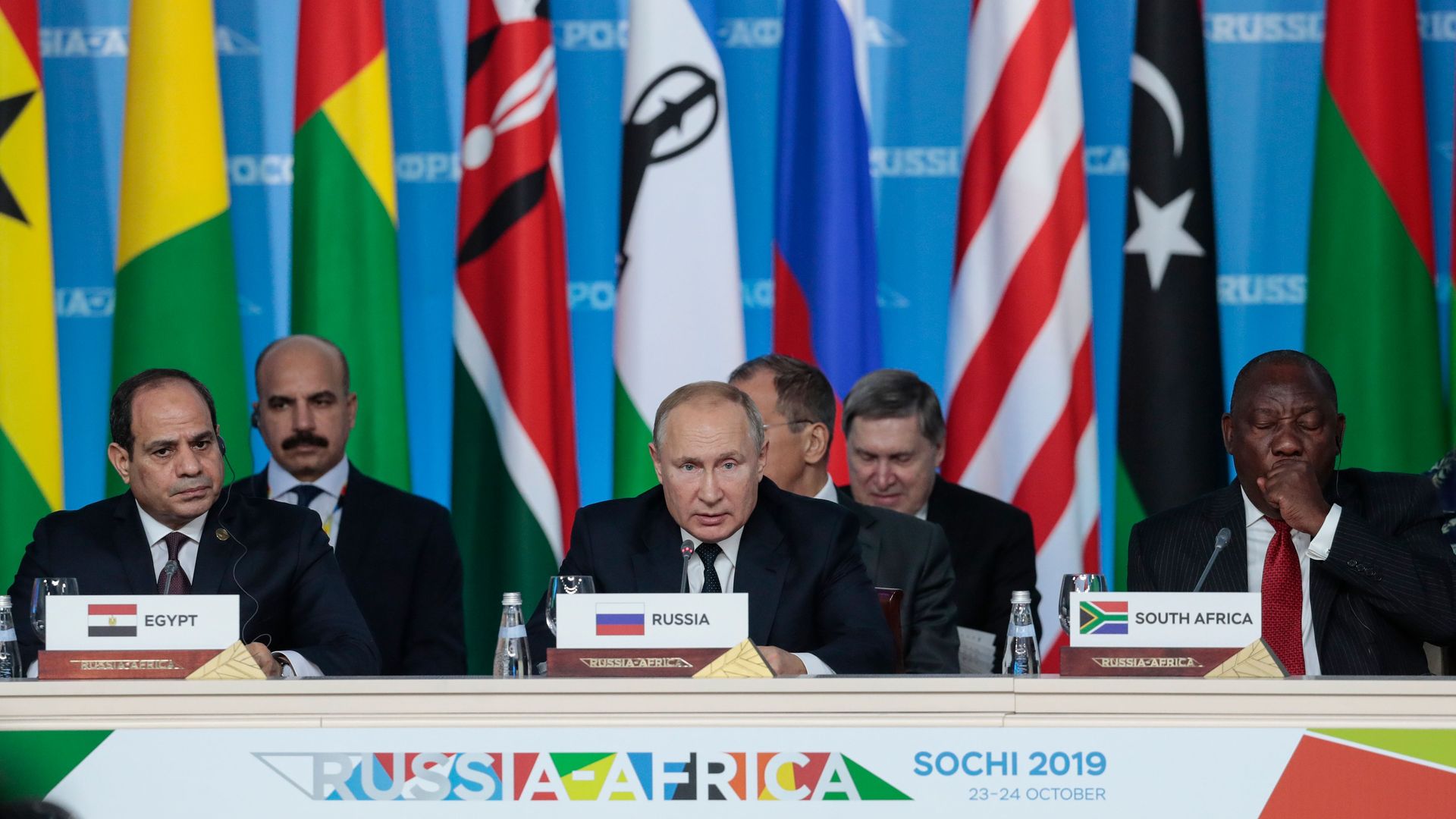
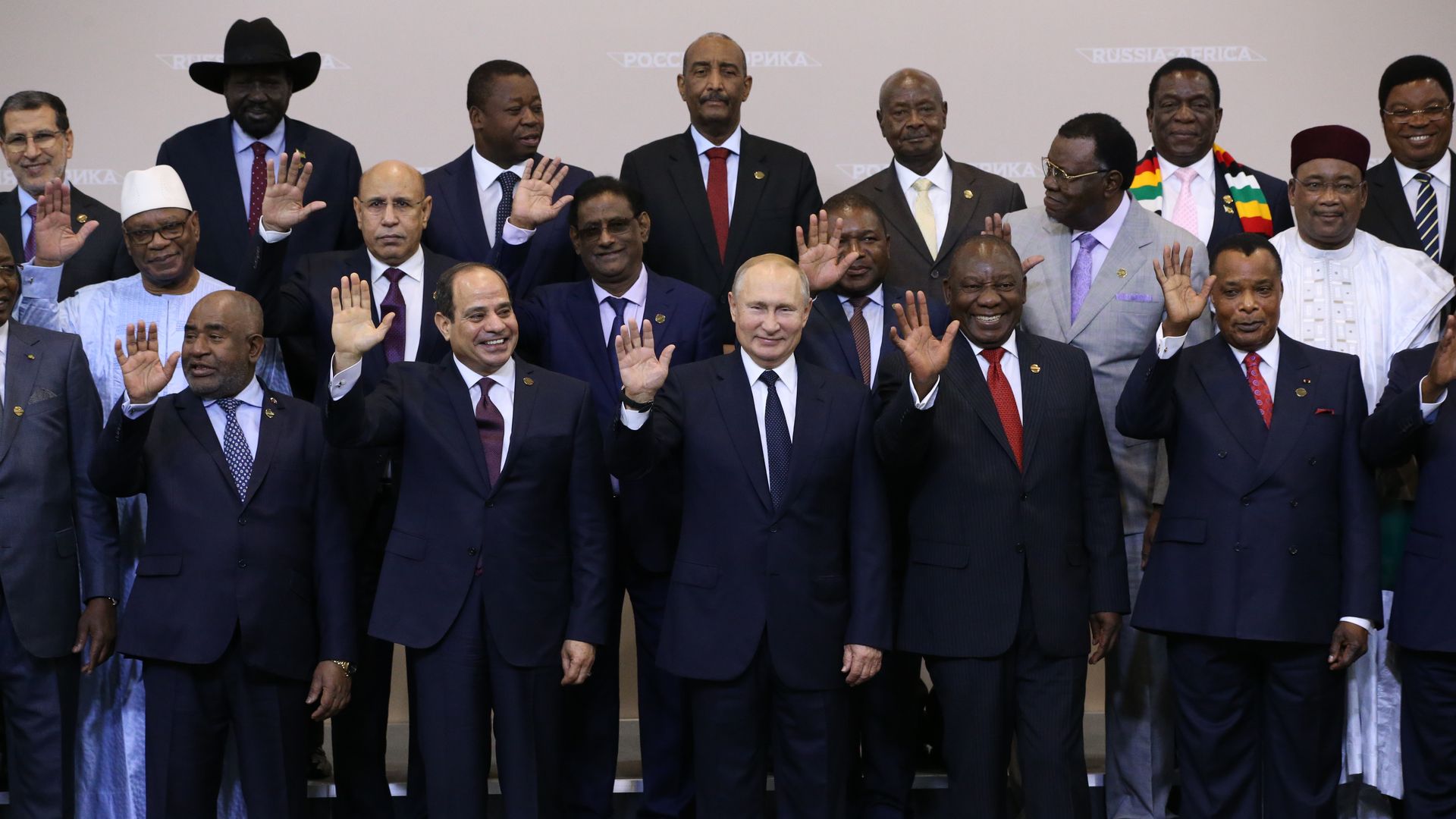
Vladimir Putin is signaling to the world this week that Russia has returned to Africa, hosting representatives of all 54 African nations, including 43 heads of state or government, at his retreat in Sochi.
The big picture: Russia is already Africa’s top arms supplier and is deepening relationships in areas like mining and security. But Putin’s primary objective with the inaugural Russia-Africa Summit was to “rattle the U.S. and Europe, which have taken Russia’s decades-long absence from Africa for granted,” contends Paul Stronski of the Carnegie Endowment.
The pomp and circumstance of this week's Sochi summit, where President Vladimir Putin hosted 43 senior African leaders, furthers a narrative Russia is crafting about its return to the continent.
The big picture: Putin's main goal was to rattle the U.S. and Europe, which have taken Russia’s decades-long absence from Africa for granted. Despite his hype, however, cash-strapped Russia’s reach on the continent is still a far cry from what China, the West and many lesser powers can muster when it comes to financing, trade, investment and even influence.
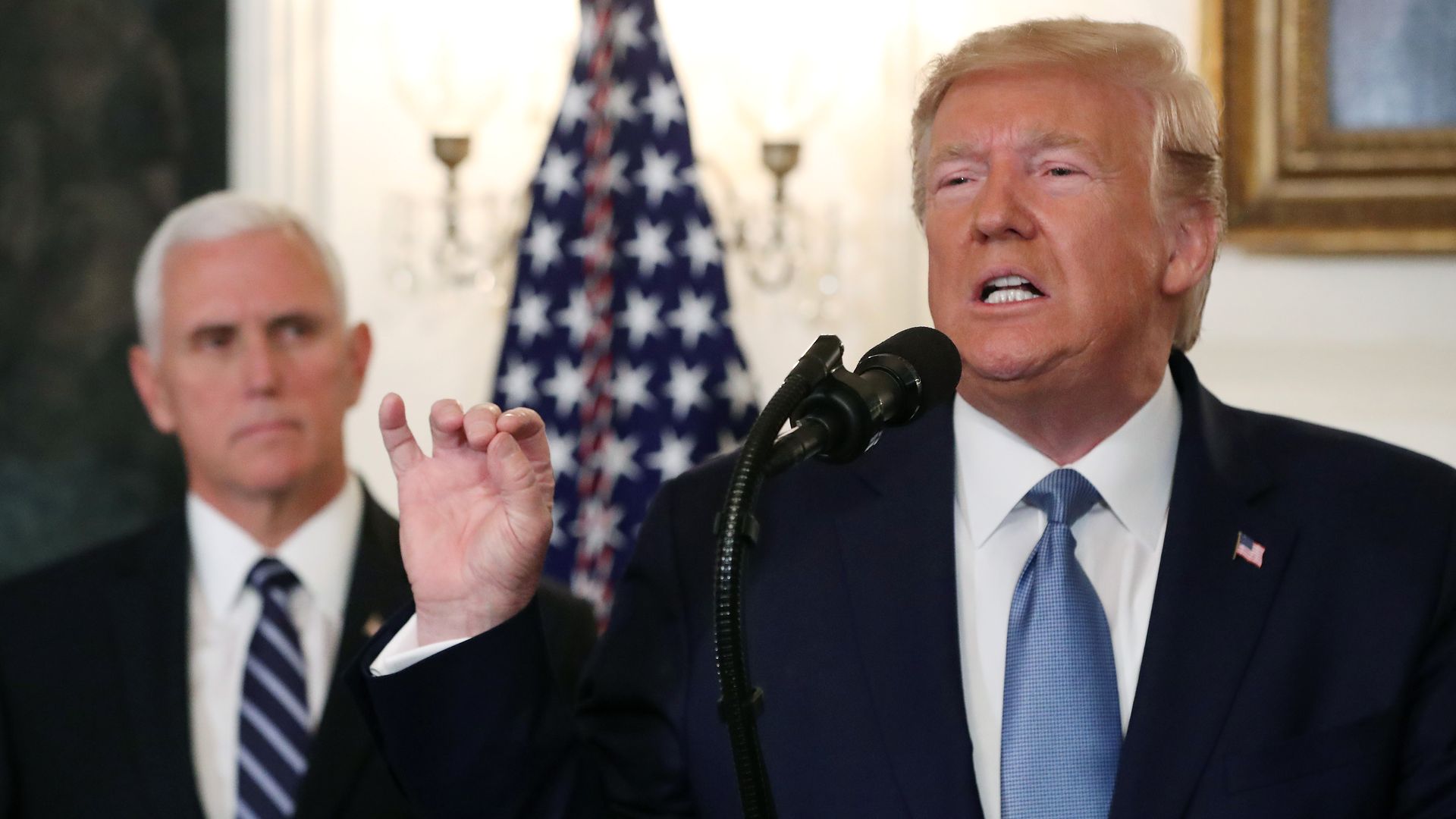
In a speech about America's biggest adversary on Thursday, Vice President Mike Pence saved some of his sharpest words for U.S. companies.
What he's saying: The VP steered clear of the uber-hawkish wing of the Trump administration, saying the U.S. does not want to "decouple" with China and "does not seek open confrontation."
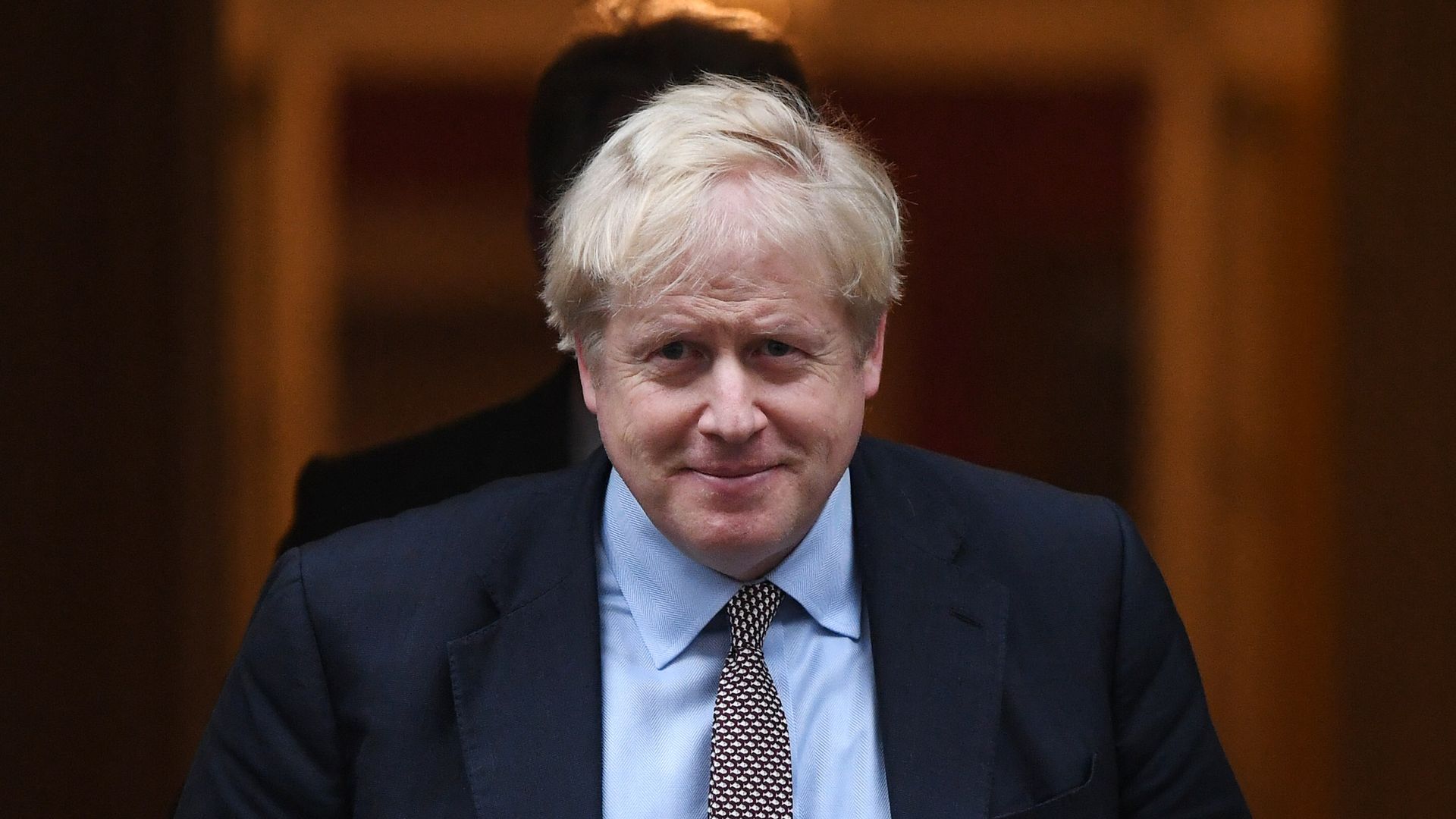
British Prime Minister Boris Johnson said Thursday that he would grant members of Parliament an extended timetable to debate his Brexit deal, provided they back a general election on Dec. 12, per the BBC.
The state of play: Johnson's offer significantly ups the stakes in the ongoing Brexit tumult, but there's no guarantee that Jeremy Corbyn's Labour Party will agree to the offer.
Hackers targeting nongovernmental humanitarian groups, including UN groups like UNICEF, sought to steal login credentials using sophisticated phishing sites, according to a new report by mobile security firm Lookout.
Why it matters: Lookout doesn't attribute attacks to specific actors, but the lures used to draw targets to the phishing sites were links only of interest to workers following North Korea issues. That suggests North Korea is a likely suspect here.
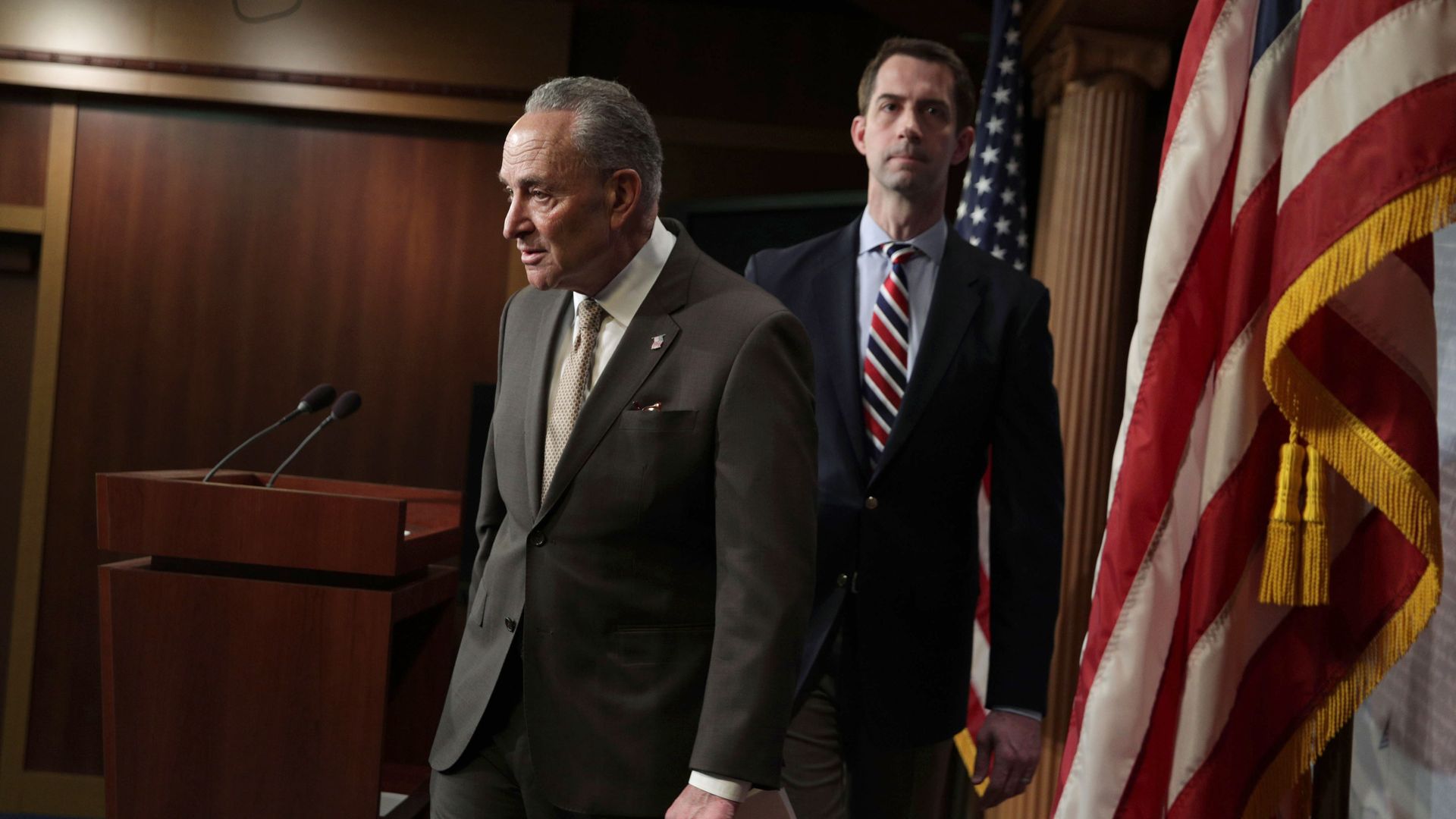
Sens. Chuck Schumer (D-N.Y.) and Tom Cotton (R-Ark.) asked U.S. intelligence officials on Wednesday to determine whether TikTok, a Chinese social media app that has seen a massive spike in popularity among young people, poses any "national security risks," the Washington Post reports.
Why it matters: The app already has more than 110 million downloads in the United States alone, and could become a Chinese vacuum for coveted American data as tensions between the countries continue to escalate.
The White House released a statement Wednesday suggesting it would veto the SHIELD Act (Stopping Harmful Interference in Elections for a Lasting Democracy) passed by the House, which would require federal campaigns to report foreign election influence.
The big picture: The White House argues that the SHIELD Act would "result in significant over reporting to the FBI and FEC, leading to fruitless inquiries and wasted time and resources." It acknowledged the importance of limiting foreign election interference, but argued that the bill would "produce harmful unintended consequences without achieving that goal."
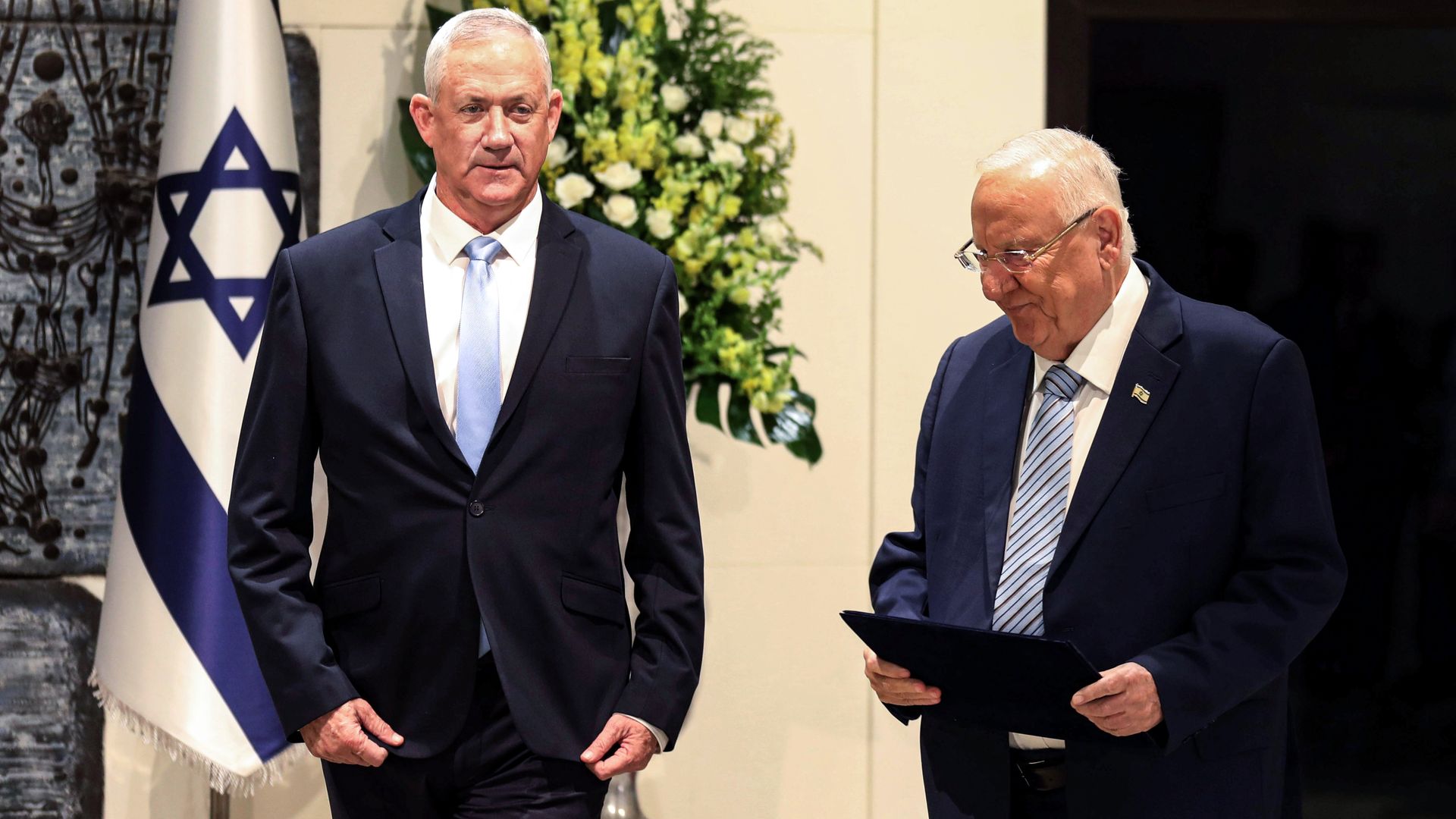
Benny Gantz, leader of the center-left Blue and White party, has been formally granted a mandate to form Israel's next government after Prime Minister Benjamin Netanyahu confirmed he'd failed to do so for the second time in six months.
Why it matters: This is the first time since 2008 that anyone other than Netanyahu has been asked to form a government. In a speech carried live by all of Israel's TV networks, President Reuven Rivlin referred to Netanyahu as "the outgoing prime minister." Still, Gantz faces long odds of cobbling together a majority.
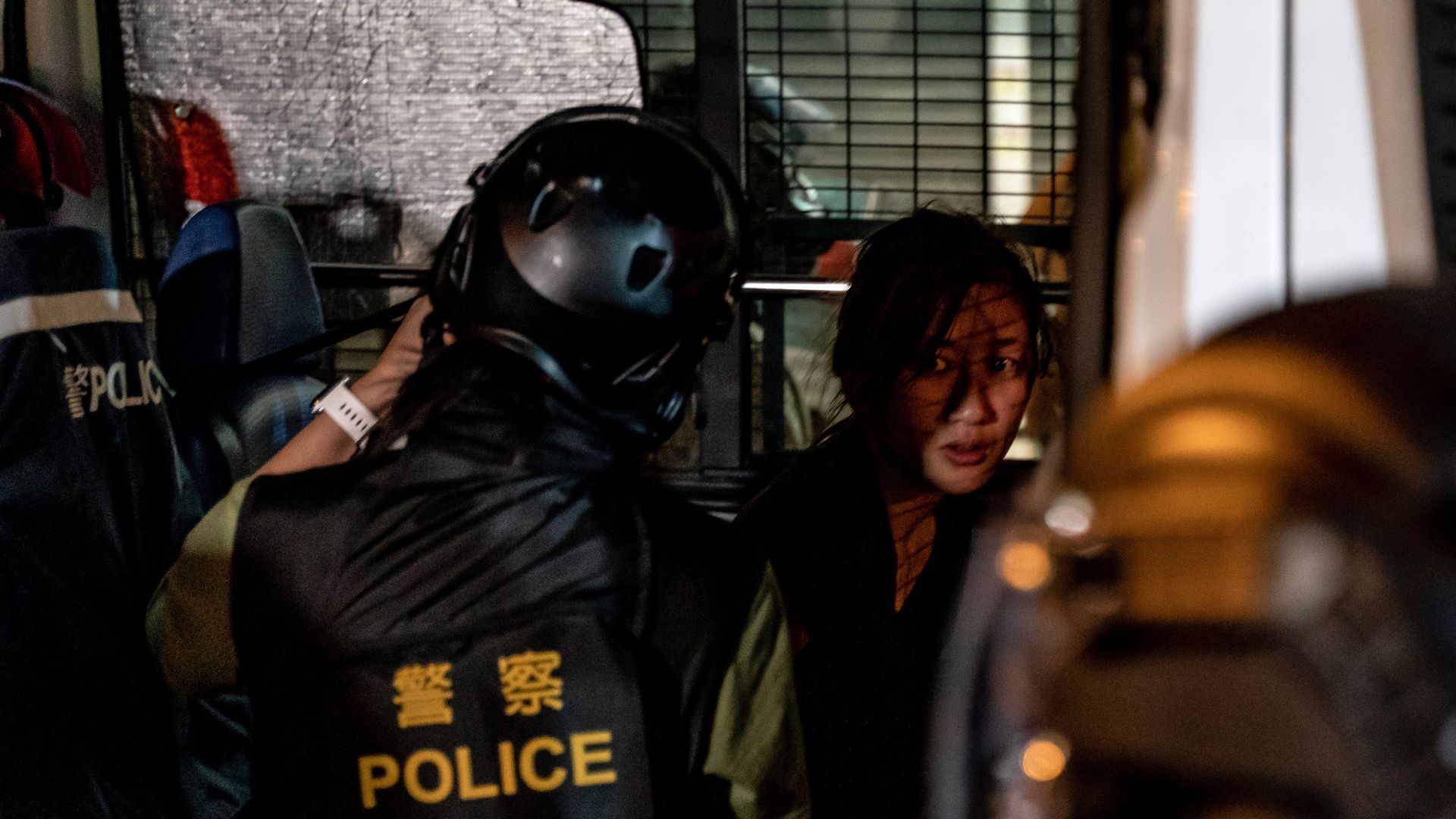
The Hong Kong government on Wednesday withdrew an extradition bill that set off months of protests and sparked a greater pro-democracy movement in the semi-autonomous Chinese territory, the AP reports.
Why it matters: Though Hong Kong Secretary for Security John Lee said the government was suspending the bill because of civil unrest, it is unclear if the withdrawal will appease demonstrators, who have been protesting for five months.